
How customizable is an archery simulator for different skill levels? | FUNTECH Expert Guide
- Elevating Your Archery Program: How Customizable Are Modern Simulators for All Skill Levels?
- 1. Granular Difficulty Adjustments & Scenario Variety
- 2. Advanced Performance Analytics & Skill Progression Pathways
- 3. Hardware Compatibility & Realism
- 4. Adaptive Learning & AI-Driven Coaching
- 5. Scalability, Content Updates & Future-Proofing
Elevating Your Archery Program: How Customizable Are Modern Simulators for All Skill Levels?
In the rapidly evolving landscape of Digital Sports Entertainment, offering versatile and engaging experiences is paramount. For businesses considering re-purchasing or upgrading their virtual archery solutions, a critical question arises: how customizable are these simulators for different skill levels? The answer, for modern, high-quality systems, is: remarkably so. Today’s top-tier archery simulators are designed with granular control and adaptive features, ensuring they cater to everyone from complete novices to competitive archers, thereby maximizing facility utilization and user satisfaction.
1. Granular Difficulty Adjustments & Scenario Variety
One of the most immediate indicators of a simulator’s customizability is its ability to adjust difficulty. Advanced archery simulators offer extensive parameters to fine-tune the challenge:
- Target Parameters: Users can typically adjust target size, distance (virtual ranging from 5m to 90m+), and even the type of target face (e.g., FITA, Vegas, 3D animal targets).
- Environmental Factors: Sophisticated systems simulate wind conditions (speed and direction), lighting variations (day, dusk, night), and even elevation changes, mimicking real-world shooting conditions.
- Pre-set & Custom Scenarios: Beyond basic target practice, leading simulators provide vast libraries of scenarios. These can range from structured training programs (e.g., progressive skill drills), competitive formats (e.g., head-to-head duels, league modes), to immersive hunting simulations or even gamified experiences with scoring objectives. Many allow facility managers to create and save custom scenarios tailored to specific training needs or events.
2. Advanced Performance Analytics & Skill Progression Pathways
Customization extends beyond just difficulty; it encompasses how the system tracks and adapts to individual user progress. Professional-grade simulators offer:
- Detailed Data Capture: They record crucial metrics like shot grouping, consistency, aim stability, draw force, release timing, and even arrow velocity. This data is vital for coaches to identify strengths and weaknesses.
- Personalized Feedback: Real-time visual and auditory feedback guides archers during their session. Post-session, comprehensive reports break down performance, offering actionable insights for improvement.
- Skill-Based Progression: By analyzing performance data, the simulator can suggest or automatically transition users to more challenging drills or scenarios as their skills improve, creating a clear progression pathway from beginner to advanced levels. This data-driven approach is invaluable for structuring coaching programs and measuring ROI in terms of user improvement.
3. Hardware Compatibility & Realism
For a simulator to truly be customizable for all skill levels, it must accommodate a wide range of real-world archery equipment. Most high-end simulators integrate with:
- Various Bow Types: Whether users prefer recurve, compound, traditional longbows, or even cross-bows, High Quality simulators can be calibrated to account for the unique ballistic properties of each. This often involves using real bows equipped with specialized sensors (e.g., draw sensors, aim sensors) that capture the archer's movements accurately.
- Realistic Physics Engine: A robust physics engine ensures that virtual arrows behave realistically, accounting for factors like arrow weight, fletching, and bow power, providing a truly immersive and transferable training experience. This allows archers to practice with the exact equipment they would use in a real competition or hunt.
4. Adaptive Learning & AI-Driven Coaching
Some cutting-edge archery simulators are incorporating elements of adaptive learning and AI to further enhance customization:
- Dynamic Difficulty Adjustment: Based on an archer's real-time performance, the AI can dynamically adjust target sizes, distances, or introduce new challenges to keep the user engaged and continuously challenged, preventing boredom for advanced users and frustration for beginners.
- Virtual Coaching Prompts: AI can analyze common errors (e.g., target panic, poor follow-through) and offer immediate, personalized verbal or visual coaching prompts to help correct form or technique, mimicking a human coach. While not replacing human coaching, it provides valuable supplementary assistance.
5. Scalability, Content Updates & Future-Proofing
For a significant investment, businesses need assurance that their simulator will remain relevant and effective. Customizability in this context means:
- Regular Software Updates: Reputable manufacturers provide consistent software updates, introducing new features, improving existing ones, and enhancing realism based on user feedback and technological advancements.
- Expanding Content Libraries: Access to a growing library of scenarios, training drills, and game modes ensures long-term user engagement and allows facilities to offer fresh experiences. Many operate on a cloud-based model, allowing seamless content delivery.
- Modular & Scalable Design: Some systems offer modular components, allowing facilities to expand their setup over time (e.g., adding more lanes, upgrading sensors) without replacing the entire system, ensuring future-proofing and optimizing long-term ROI.
In conclusion, modern archery simulators offer an extraordinary degree of customization, catering to a broad spectrum of skill levels. This versatility is not just a feature; it's a strategic asset for Digital Sports Entertainment businesses, driving higher engagement, repeat visits, and enabling tailored training programs. When considering a re-purchase or new acquisition, prioritize systems that demonstrate deep customization capabilities and a clear path for future growth.
FUNTECH Advantage: At FUNTECH, our archery simulators are engineered for unparalleled adaptability. We combine high-fidelity graphics with precise real-bow tracking, offering dynamic difficulty adjustments and an expansive, regularly updated content library. Our advanced analytics provide actionable insights for coaches and players alike, ensuring optimal skill progression. With a modular design and dedicated support, FUNTECH empowers your business to deliver a High Quality, customized archery experience that attracts and retains a diverse clientele, guaranteeing a superior return on your investment in the Digital Sports Entertainment sector.
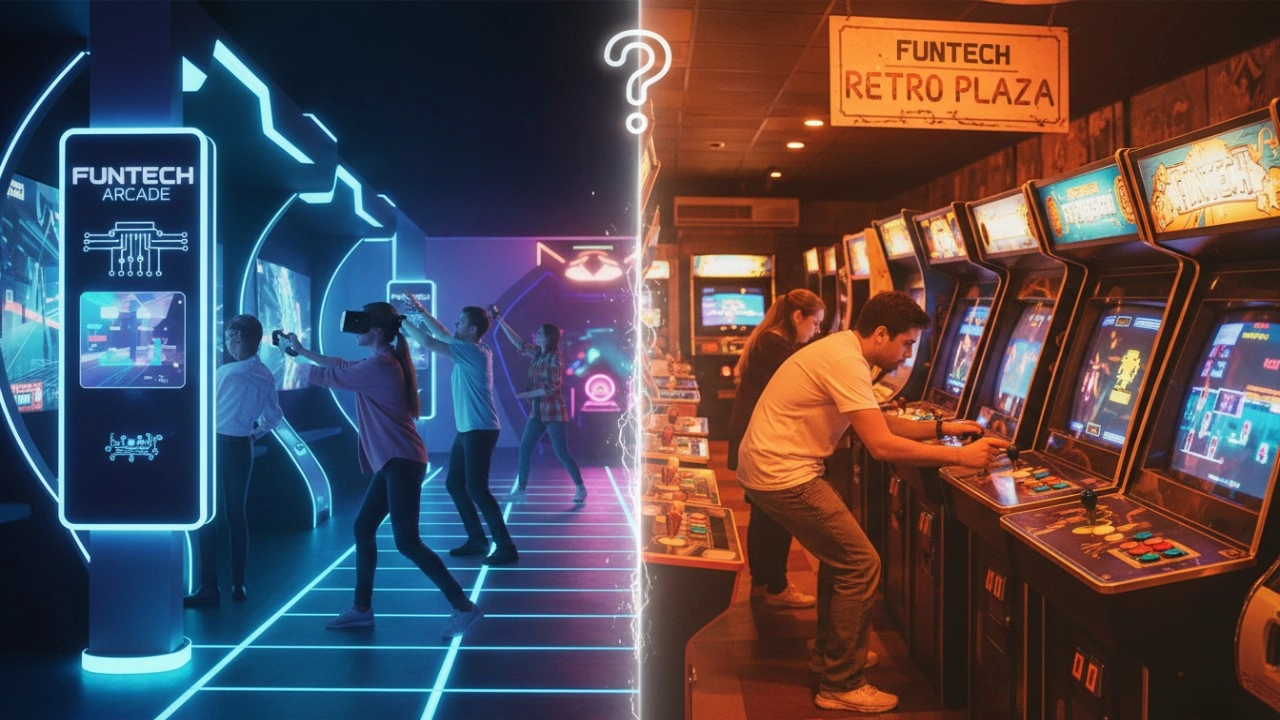
Interactive Sports Arcade vs Traditional Arcade Machines: Key Differences (2026 Guide)
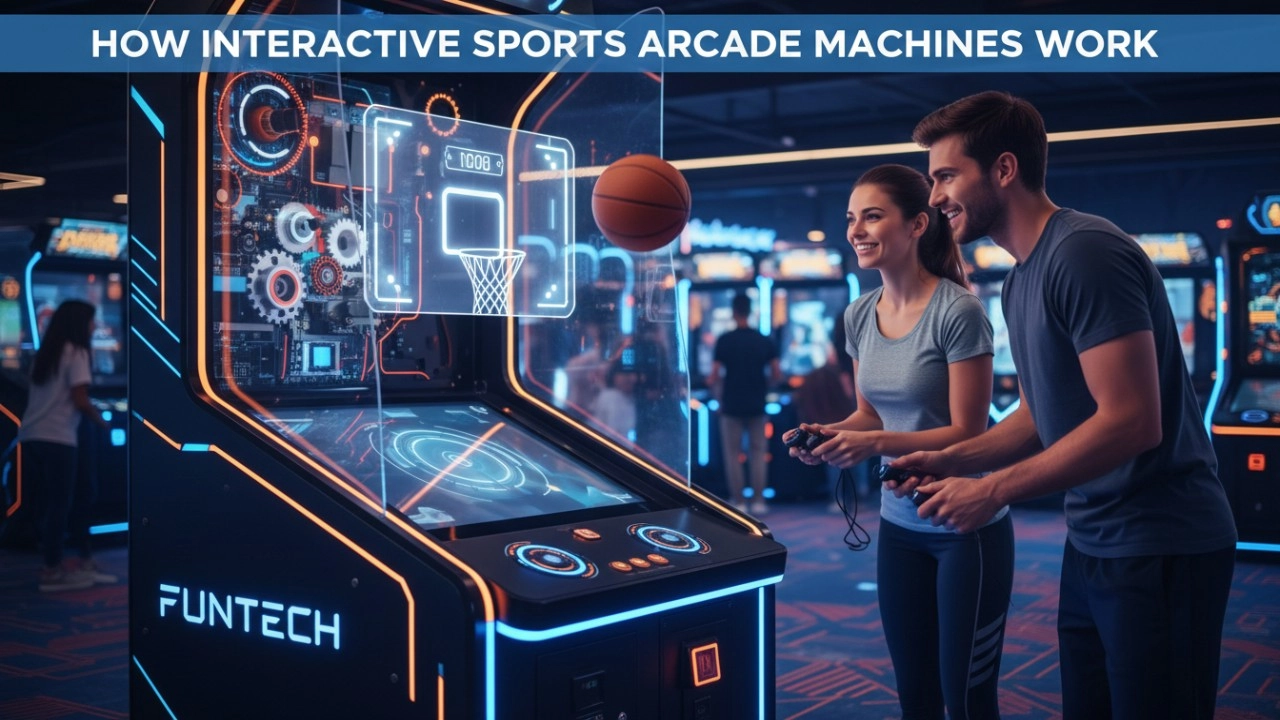
How Interactive Sports Arcade Machines Work (Sensors, Projection & AI) - 2026 Guide
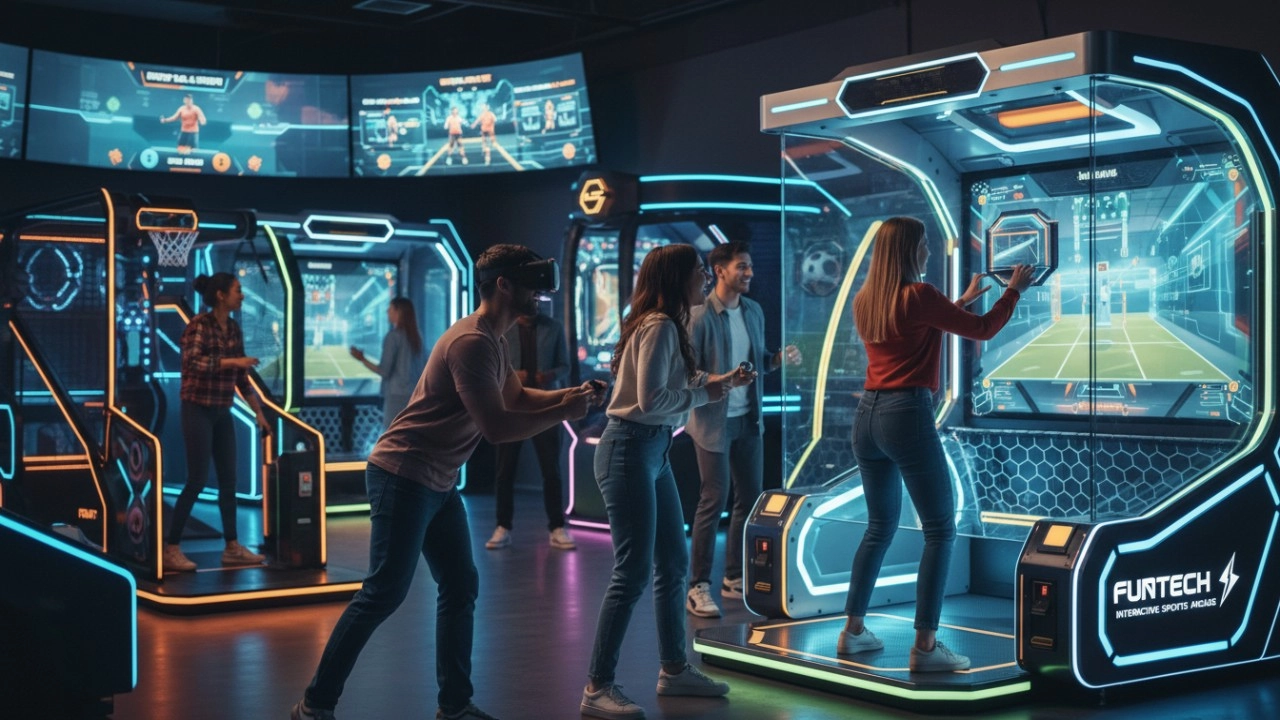
What Defines Interactive Sports Arcade Equipment in 2026?
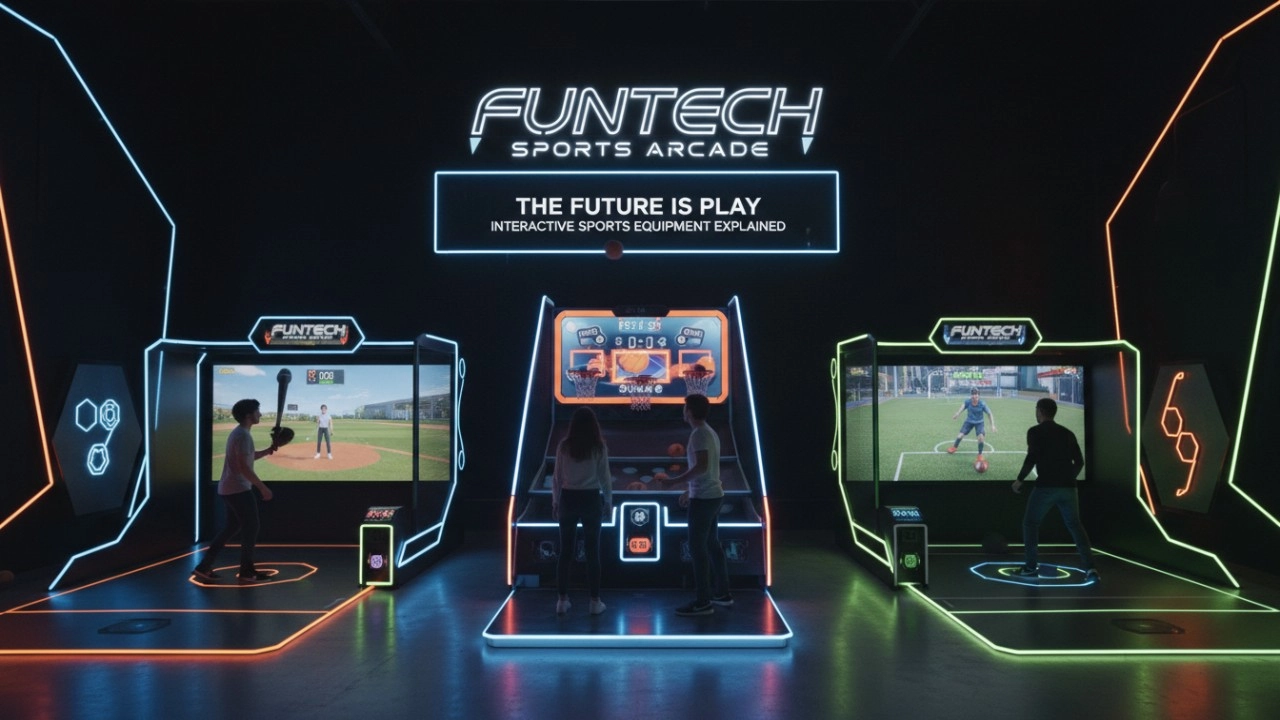
What Is Interactive Sports Arcade Equipment? Complete Beginner Guide (2026)
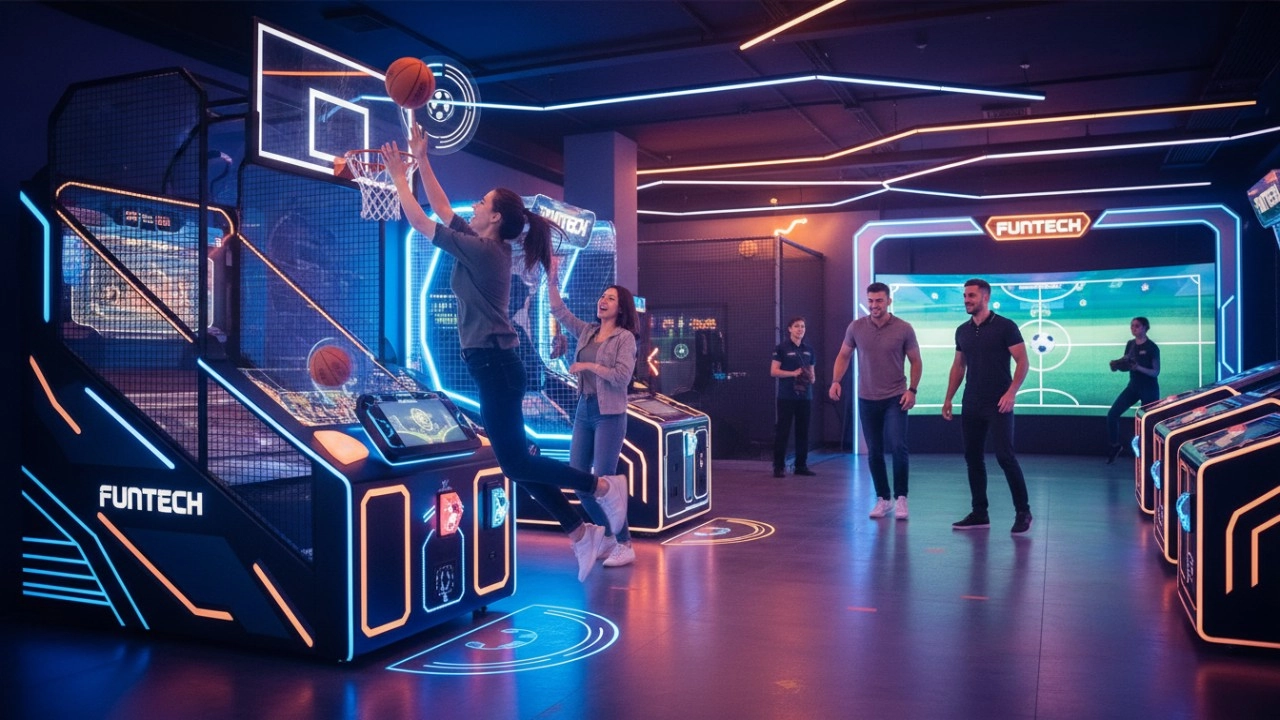
The Ultimate Guide to Interactive Sports Arcade Equipment for Commercial Entertainment (2026 Edition)
FAQ
What is the of process of design, construction and operation of digital sports entertainment hall?
The general steps for the design, construction and operation process of a digital sports entertainment center. Each step needs to be carefully planned and executed to ensure the smooth opening and long-term development of the digital sports entertainment center.
Golf Simulator
What is the difference between purchasing equipment for commercial operations and personal training?
Commercial operations should consider the durability, ease of operation, and attractiveness of the equipment, and it is preferable to choose cool-looking equipment that can withstand high-frequency use.
Dart Machines Bar Dart Machines
What is the difference between purchasing equipment for commercial operations and personal training?
Commercial operations should consider the durability, ease of operation, and attractiveness of the equipment, and it is preferable to choose cool-looking equipment that can withstand high-frequency use.
Products
What is the most reasonable pricing for a mobile target archery program in a commercial setting?
If it is in shopping malls, scenic spots, and other places with high traffic flow, you can refer to the prices of similar entertainment programs in the surrounding area and combine them with your own costs, charging from $30 - $80 for a single session for a single person. If it is in a professional sports arena, for members or long-term training customers, packages can be introduced, such as monthly card 300 - 500 yuan, seasonal card 800 - 1200 yuan, according to different length and service content reasonable pricing.
What are the after-sales services after purchasing the equipment?
Generally, a 1-year warranty is provided. During the warranty period, parts damaged due to quality problems, such as motor failure, display problems, etc., will be repaired or replaced free of charge. There will also be technical support, including equipment installation and debugging guidance, operation training, to ensure the smooth use of the user, after-sales response time is usually within 24 - 48 hours.
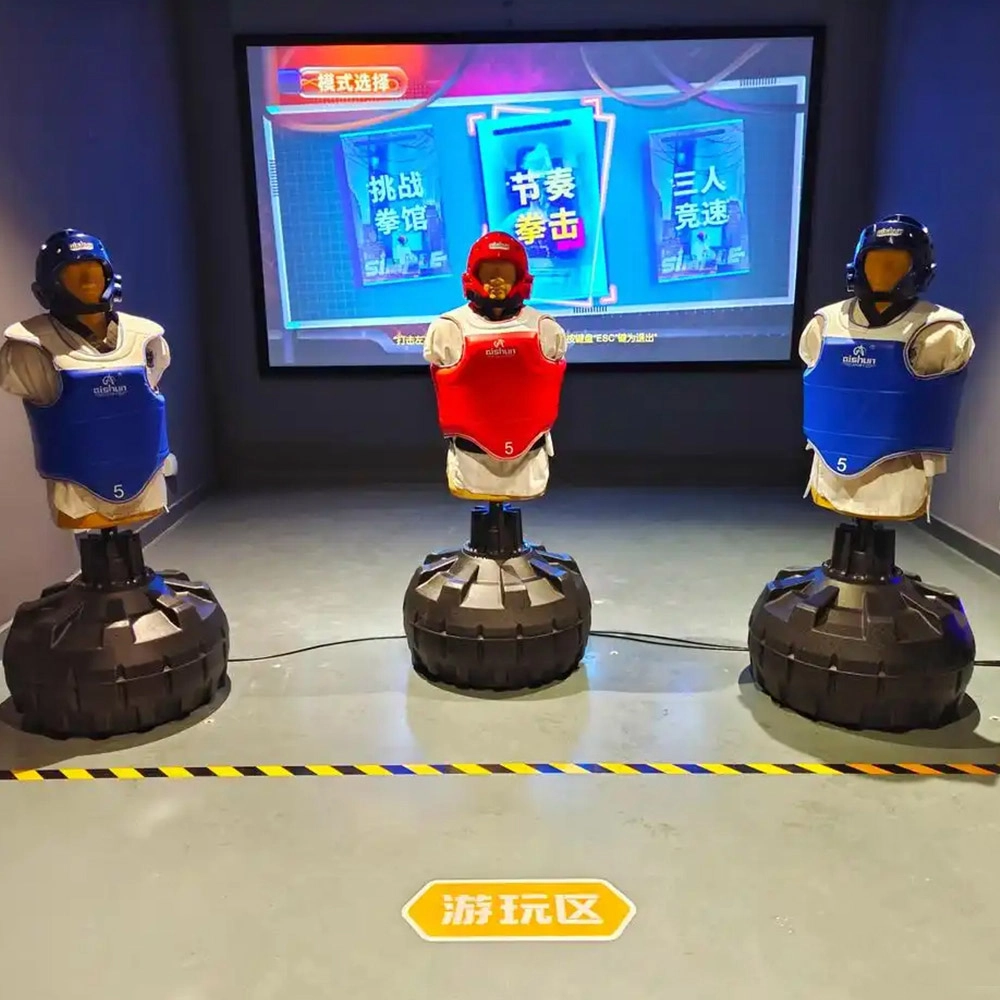
Indoor Boxing Equipment
FUNTECH is full of fun and exciting playgrounds! The indoor boxing simulation equipment combines pressure-sensitive boxing gloves with dynamic projection scenes, combining sports and fitness with entertainment and competitive attributes, supporting single-player training and two-player sparring modes, and accurately recording hitting data and generating sports reports, making it suitable for all-age experiences and safe and low-loss.
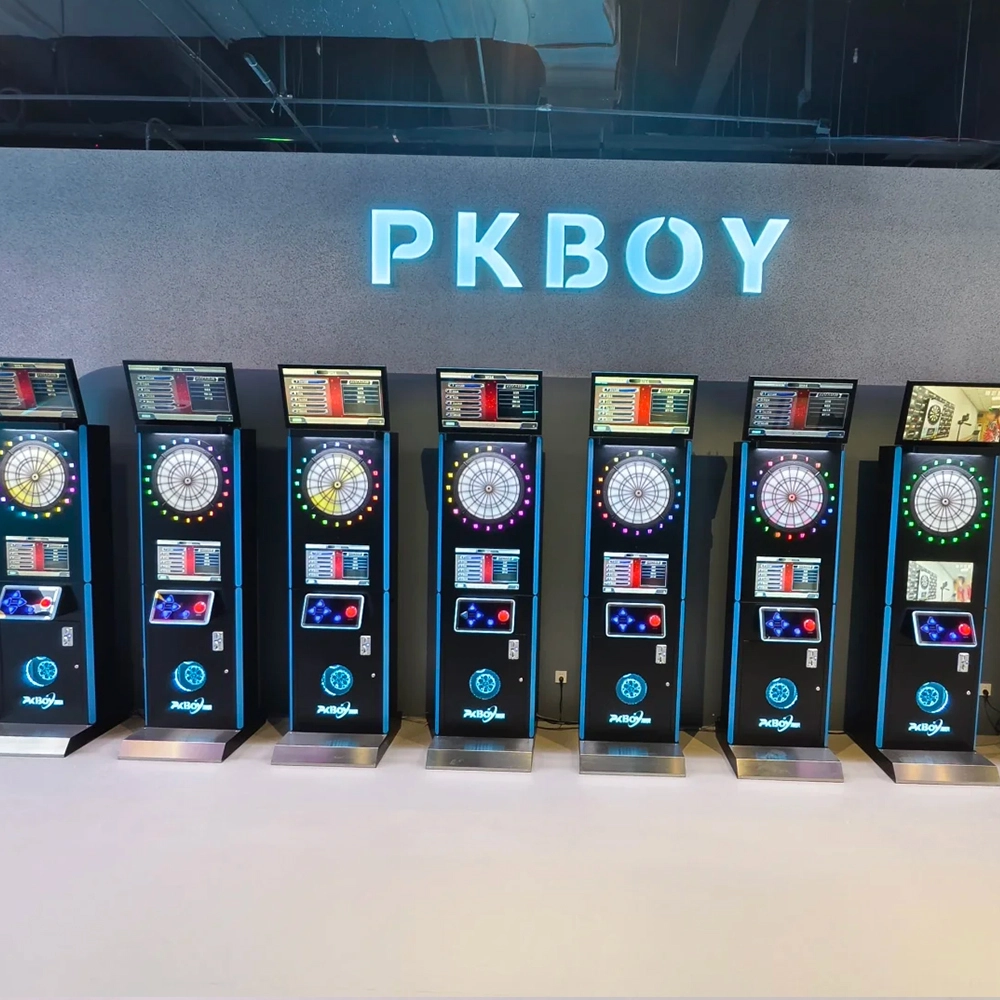
Dart Machines Bar Dart Machines
Joy Power is full of fun and excitement in the playground! The dart machine is suitable for all kinds of places, whether it is a bar, restaurant, KTV, or other entertainment venue, or a sports shop, club, or family leisure space, and can be perfectly adapted. In commercial venues, holding individual and team darts tournaments from time to time can attract more customers and increase the popularity and revenue of the venue, supplemented by various preferential activities, which can directly promote consumption and form a cycle of consumption of all the goods in the shop.
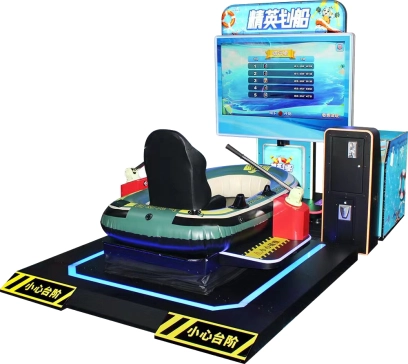
FUNTECH Interactive Indoor Rowing Simulator - Commercial Digital Sports Machine with AI Competition
A brand-new rowing simulation competitive game, operating on a single machine station, supports player interaction and competition with 3 AI opponents. The station is equipped with the latest rowing equipment, enabling players to experience realistic rowing operation. The competition process is relaxed and fun, while also providing fitness exercise benefits.
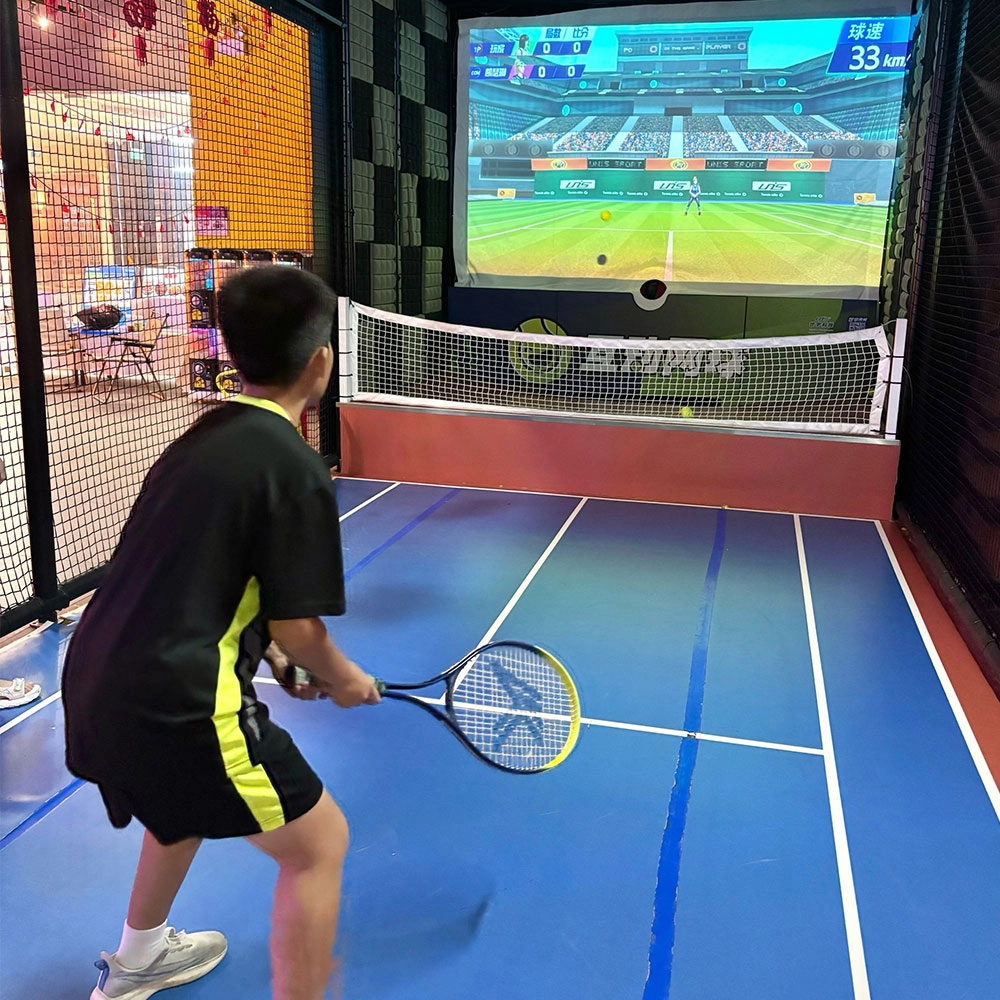
Indoor Tide Play Simulation Tennis Equipment
FUNTECH is full of fun and exciting playgrounds! With high-definition scene projection, force feedback racket, and intelligent scoring system, the simulated tennis equipment in the indoor arcade realizes immersive sports experiences and diversified interactive play, combining the advantages of safety and ease of use with high operational efficiency.
Ready to take your venue to the next level?
Leave us a message here, and our team will get back to you promptly.
Whether you're interested in custom orders, technical specifications, or partnership opportunities, we're here to assist you.
© 2025 FUNTECH ALL RIGHTS RESERVED

Weixia Lei
Fun_Tech-s
fun_tech20