
Can arcade dart machines for sale connect to venue analytics systems?
- 1. Can arcade dart machines for sale connect to venue analytics systems and what data fields can they transmit?
- 2. What steps and realistic lead time are required to integrate a purchased electronic dartboard arcade into an existing venue analytics platform?
- 3. How much does enabling telemetry/connectivity on arcade dart machines for sale cost (hardware, connectivity, and integration)?
- 4. How do arcade dart machines handle patron privacy and compliance (GDPR/CCPA) when sending player-tracking data to venue analytics?
- 5. Can I use cashless payment and player loyalty data from arcade dart machines for sale to feed my venue's centralized CRM and loyalty programs?
- 6. What remote management and maintenance alerts can I expect from networked arcade dart machines for sale, and how do they reduce downtime?
As operators and buyers in Digital Sports Entertainment, you need practical, actionable answers about purchasing an arcade dart machine for sale and integrating it into venue analytics and operations. Below are six specific long-tail questions that often lack up-to-date, detailed public answers—each followed by a professional, implementation-focused response based on industry practices and integration standards. Funtech Game provides integration support—contact us for a quote at www.funtechgame.com or vicky@funtechgame.com.
1. Can arcade dart machines for sale connect to venue analytics systems and what data fields can they transmit?
Yes—modern network-enabled electronic dartboard arcade machines can transmit operational and game-level telemetry to venue analytics systems. Typical connectivity methods are Ethernet, Wi‑Fi or cellular (4G/LTE) and they commonly expose data via secure REST APIs, MQTT streams, or vendor-provided cloud portals with export APIs.
Common data fields you can expect to collect (practical, real-world set):
- device_id / serial_number
- location_id (venue/zone)
- timestamp (UTC)
- game_id / game_mode
- session_id and session_start/end timestamps
- player_id_hash or anonymous_player_token (if loyalty enabled)
- score / winner flag
- plays_count and plays_per_hour
- revenue_cents (if cashless or ticket sells)
- firmware_version
- uptime_seconds and last_reboot
- error_code and diagnostic messages (sensor errors, board faults)
- peripheral status (ticket dispenser, coin acceptor, bill validator, printer)
Sample JSON telemetry payload (representative):
Actionable advice: before purchase ask for the vendor's API documentation (sample payloads, authentication method, rate limits) and a test sandbox so your analytics team can map fields into your dashboard or data lake.
2. What steps and realistic lead time are required to integrate a purchased electronic dartboard arcade into an existing venue analytics platform?
Integration typically follows these stages with realistic lead times (assuming vendor support and an in-house or contracted developer):
- Procurement & hardware delivery: 2–6 weeks (stock-dependent)
- Network configuration & on-site setup: 1–3 days per machine
- API access & sandbox credentials from vendor: 1–7 days
- Mapping & development (ETL, middleware): 2–6 weeks depending on complexity
- Testing & validation (QA with live plays): 1–2 weeks
- Rollout & monitoring: ongoing
So expect a pragmatic timeline of 4–12 weeks from order to production analytics flow for a single venue when teams are aligned.
Key dependencies that affect lead time:
- Whether the arcade dart machine supports direct APIs (faster) vs. requiring a gateway or vendor-managed cloud (may add weeks)
- Network availability and site firewall rules (port openings, TLS certs)
- Availability of sample payloads and a sandbox environment from the vendor
- Complexity of mapping to your analytics schema (simple event ingest vs. bi-directional sync with CRM)
3. How much does enabling telemetry/connectivity on arcade dart machines for sale cost (hardware, connectivity, and integration)?
Costs vary by vendor and scope. Below are pragmatic industry ranges seen across electronic dartboard arcade and digital sports entertainment deployments:
- Device network module (if optional): $100–$450 one-time per machine (Ethernet/Wi‑Fi/cellular gateway)
- Cellular SIM & data plan (where required): $5–$30 per month per machine
- Vendor cloud / telemetry subscription: $0–$200 per month per machine (depends on included storage, SLA, analytics features)
- Professional services / integration engineering: $2,000–$15,000 one-time depending on API quality, authentication, and required custom ETL or middleware
- Ongoing support / maintenance / updates: 10–20% of initial integration annually or a fixed monthly support fee
Notes and cost-control tips:
- Ask vendors whether connectivity hardware is standard or optional. Some arcade dart machines ship network-ready at no extra hardware cost.
- Use venue Wi‑Fi for lower ongoing costs when security/compliance policies allow; otherwise cellular removes firewall friction but increases monthly spend.
- Request a fixed-scope integration quote from the vendor—many suppliers offer turnkey analytics export packages that reduce development hours.
4. How do arcade dart machines handle patron privacy and compliance (GDPR/CCPA) when sending player-tracking data to venue analytics?
Privacy and local regulations matter when you capture any player-related identifiers. Best practices used by reputable arcade and digital sports vendors include:
- Minimization: send only non-PII (e.g., player_token or hashed identifier instead of name, email, or full account number).
- Hashing & salting: apply strong one-way hashing (e.g., SHA‑256) with per-venue salts if you must correlate across systems—store salts securely and rotate periodically.
- Consent capture: obtain explicit consent when collecting PII (e.g., loyalty program sign-ups in an app or terminal) and store consent records in your CRM.
- Data retention policy: implement and document retention windows (e.g., anonymized event retention for analytics vs. short-term logs for diagnostics) aligned with GDPR/CCPA rules.
- Access controls & encryption: use TLS for data in transit and encryption at rest; limit access via role-based access control on analytics dashboards.
Practical procurement requirement: request the vendor’s privacy and data processing addendum (DPA) and confirm whether they act as a data processor or controller. If you collect payments or PII, ensure the solution supports compliance requirements (e.g., data export, deletion, and records of processing activities).
5. Can I use cashless payment and player loyalty data from arcade dart machines for sale to feed my venue's centralized CRM and loyalty programs?
Yes—most modern arcade dart machines and soft-tip dart machines support cashless payment modules and can integrate with venue loyalty systems. Integration patterns include:
- Direct API push: the machine or vendor cloud sends transaction and loyalty token events to your CRM endpoint (webhook or REST API).
- Middleware/gateway: a small integration service translates vendor payloads into your CRM schema, handles tokenization and id mapping.
- Tokenization for payments: payment data should be tokenized and handled through a PCI-compliant gateway—never pass raw card data through analytics.
Important considerations:
- Unique customer linking: use a stable, privacy-friendly customer identifier (e.g., loyalty ID or hashed email) to join play events to CRM profiles.
- Latency: loyalty crediting typically needs near-real-time (<30s) processing; ensure your integration supports the required SLA.
- Reconciliation: implement nightly reconciliation reports (plays vs. payments vs. tickets) to detect discrepancies.
Procurement checklist item: ask vendors whether their cashless SDK supports your payment provider and whether they provide sample reconciliation exports for accounting.
6. What remote management and maintenance alerts can I expect from networked arcade dart machines for sale, and how do they reduce downtime?
Network-enabled dart machines provide a range of remote monitoring features that materially reduce downtime and operational cost when used correctly. Common remote capabilities:
- Real-time health telemetry (uptime, sensor/readhead status)
- Peripheral alerts (ticket dispenser jam, coin acceptor jam, printer out of paper)
- Automatic error reporting with error codes and the last actions taken by the machine
- Remote firmware updates and configuration pushes to fix bugs without on-site visits
- Play & revenue dashboards allowing you to identify underperforming or malfunctioning units quickly
How this reduces downtime and operational expense:
- Faster diagnosis: operators receive an alert with the exact error code, enabling correct spare-part dispatch or targeted technician instructions.
- Preventive maintenance: trending telemetry (e.g., increasing sensor fault rates) lets you service before failure.
- Fewer site visits: remote reboots or firmware patches can restore service without a technician call.
Implementation tip: integrate machine alerts into your existing ticketing/maintenance system (e.g., Zendesk, ServiceNow) using webhooks so a service ticket opens automatically on critical faults.
Conclusion — Advantages of buying a networked arcade dart machine for sale
Purchasing a network-enabled arcade dart machine delivers measurable benefits: better revenue tracking, data-driven placement and promotions, integration with cashless and loyalty programs, faster mean-time-to-repair through remote diagnostics, and richer player insights for targeted marketing. For venue operators focused on digital sports entertainment, these machines shift the investment from a single-game asset to a data-generating node that supports operations and growth.
For procurement, require the vendor's API docs, sample telemetry, DPA, and a clear SLA for support. If you want help assessing machines, integration planning, or a quote, contact Funtech Game at www.funtechgame.com or vicky@funtechgame.com.
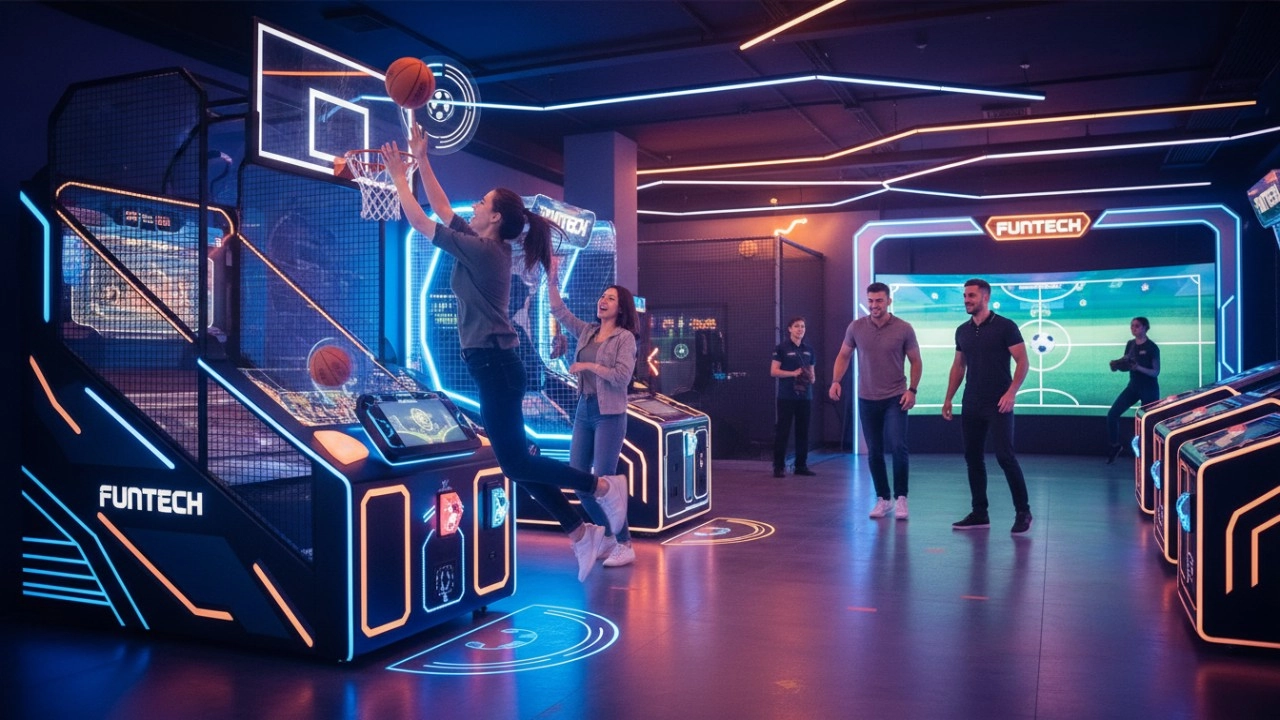
The Ultimate Guide to Interactive Sports Arcade Equipment for Commercial Entertainment (2026 Edition)
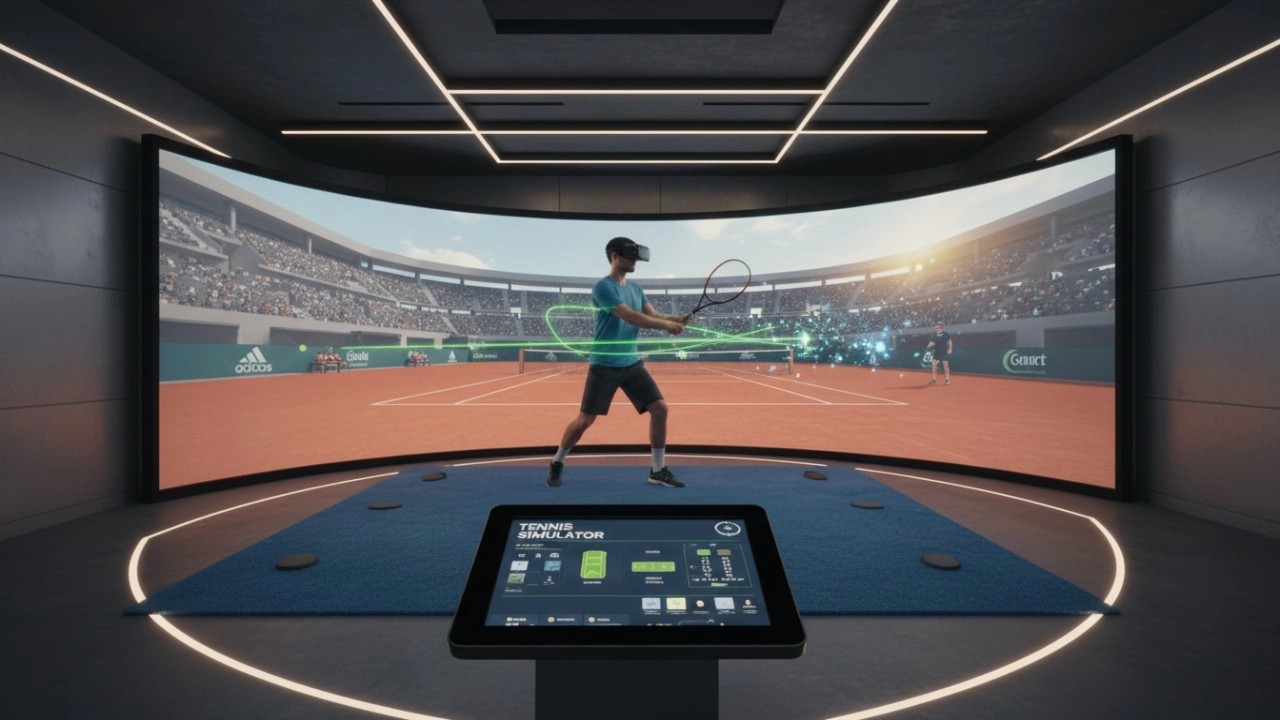
7 Reasons to Add a Tennis Simulator to Your Entertainment Venue Instead of Traditional Training Models (2026 Guide)
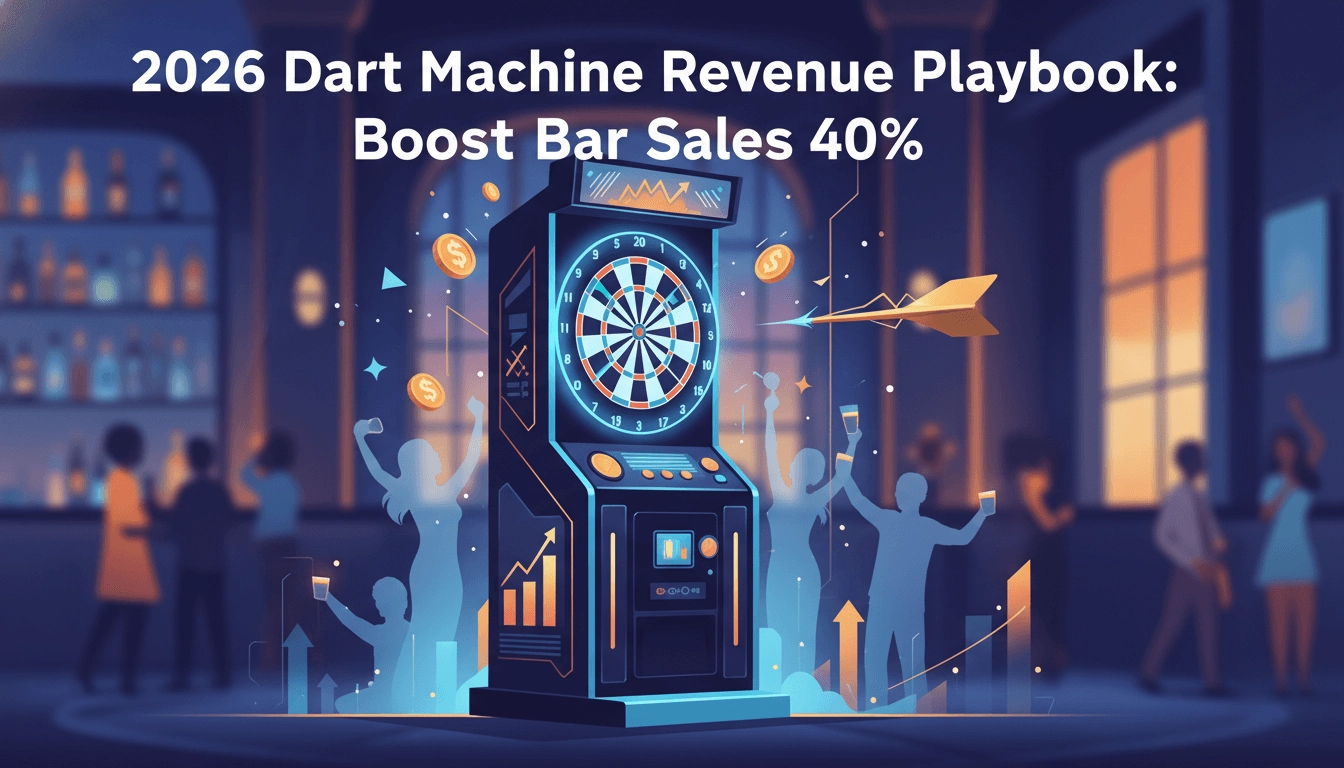
The 2026 Dart Machine Revenue Playbook: Boosting Mid-Week Sales by 30%-40% with Competitive Socializing
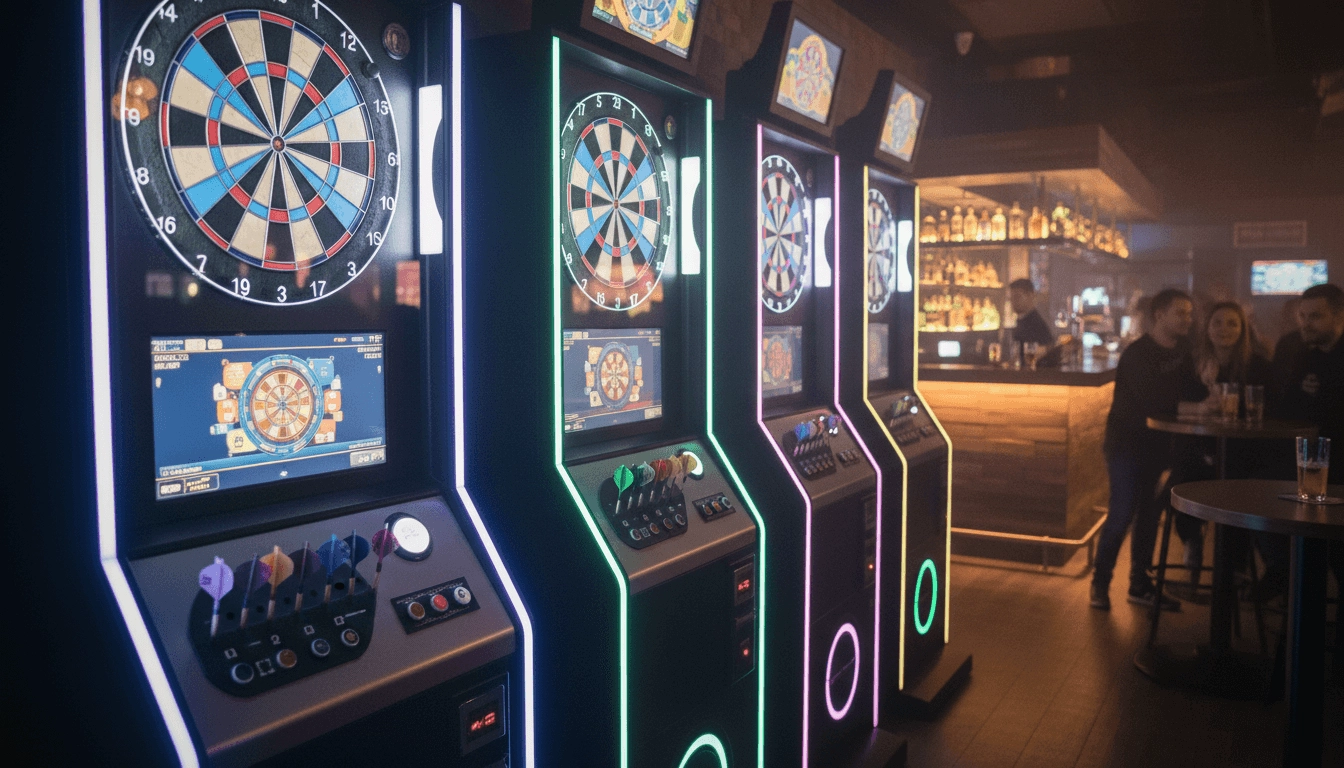
Redefining Competitive Socializing: Ultimate Guide to Selecting an Intelligent Dart Machine 2026
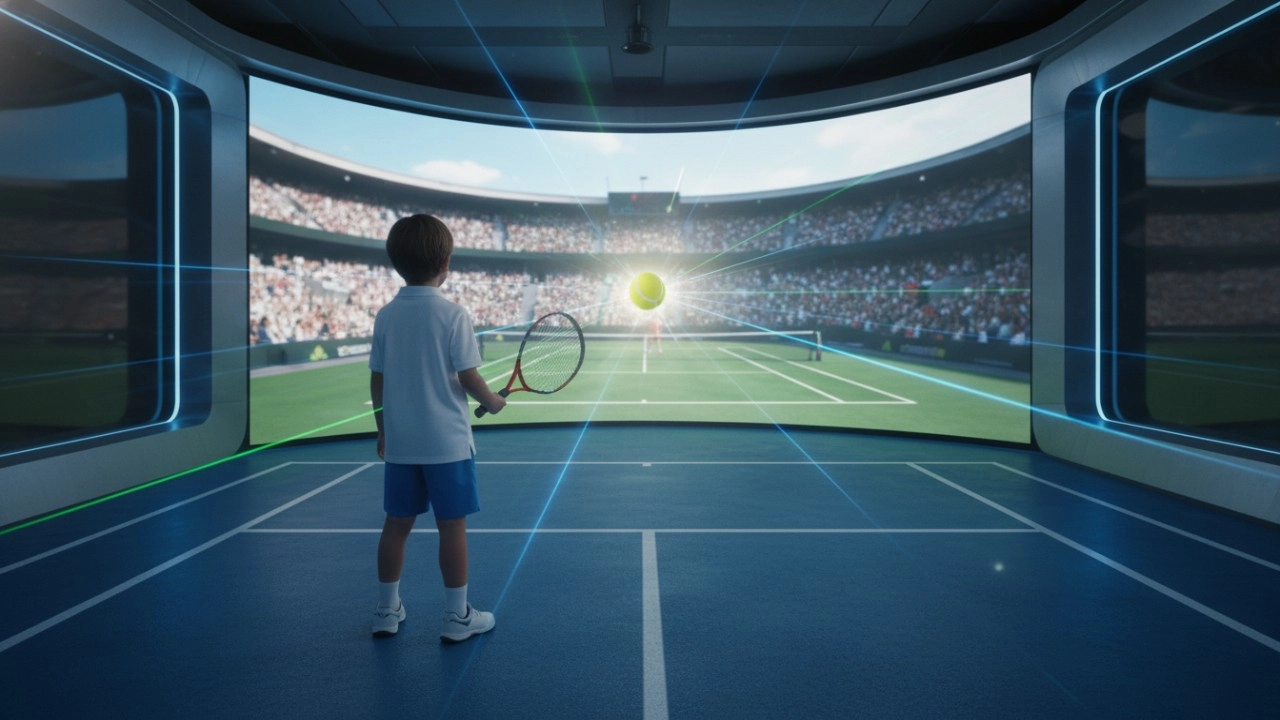
Tennis Simulators in 2026: The Ultimate Guide to Virtual Courts and Advanced Training
Dart Machines Bar Dart Machines
How often does the equipment require maintenance?
For daily use, simple monthly maintenance, such as simple cosmetic cleaning and function checking after use, is sufficient. A more comprehensive quarterly maintenance is sufficient.
How to attract customers when operating the program in shopping malls?
Create a cool venue decoration style and incorporate trendy elements, such as fluorescent light strips and anime-themed murals. o Launch diversified marketing models such as parent-child packages and couple packages, combined with time-limited promotional activities, such as half-price experience in the first three days of opening, to attract different groups of people such as families and couples to stop by and participate.
FAQ
What is to be considered for setting up a digital sports & amusement hall?
The design requirements of digital sports & amusement hall are different from other entertainment venues, and they need to focus on innovation, interactivity and experience.
Products
How often does moving target archery equipment require maintenance?
Under daily use, for equipment that is used less frequently, 1-3 times per week, simple cosmetic cleaning and functional checks can be performed after each use. A more comprehensive maintenance should be carried out every 2-4 weeks, including disassembling some parts for cleaning and checking the accuracy of the aiming system.
Golf Simulator
What is the difference between purchasing equipment for commercial operations and personal training?
Commercial operations should consider the durability, ease of operation, and attractiveness of the equipment, and it is preferable to choose cool-looking equipment that can withstand high-frequency use.
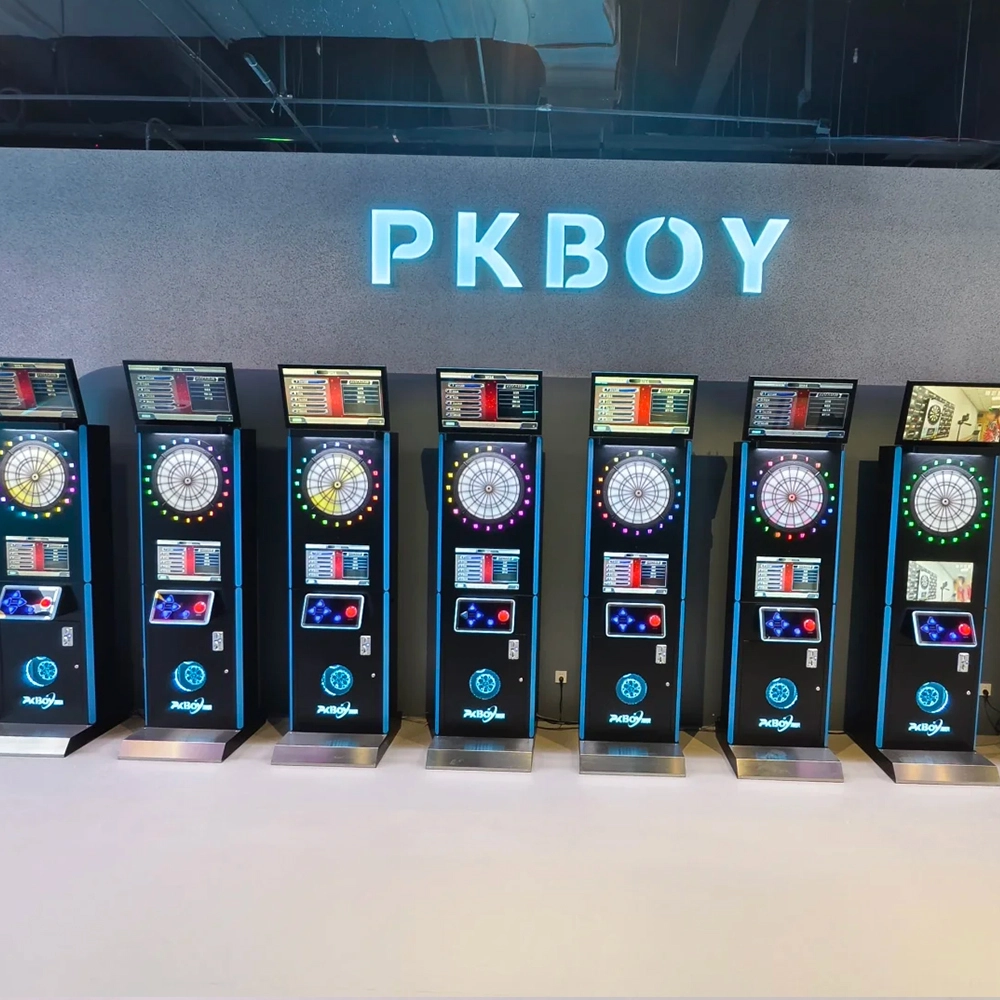
Dart Machines Bar Dart Machines
Joy Power is full of fun and excitement in the playground! The dart machine is suitable for all kinds of places, whether it is a bar, restaurant, KTV, or other entertainment venue, or a sports shop, club, or family leisure space, and can be perfectly adapted. In commercial venues, holding individual and team darts tournaments from time to time can attract more customers and increase the popularity and revenue of the venue, supplemented by various preferential activities, which can directly promote consumption and form a cycle of consumption of all the goods in the shop.
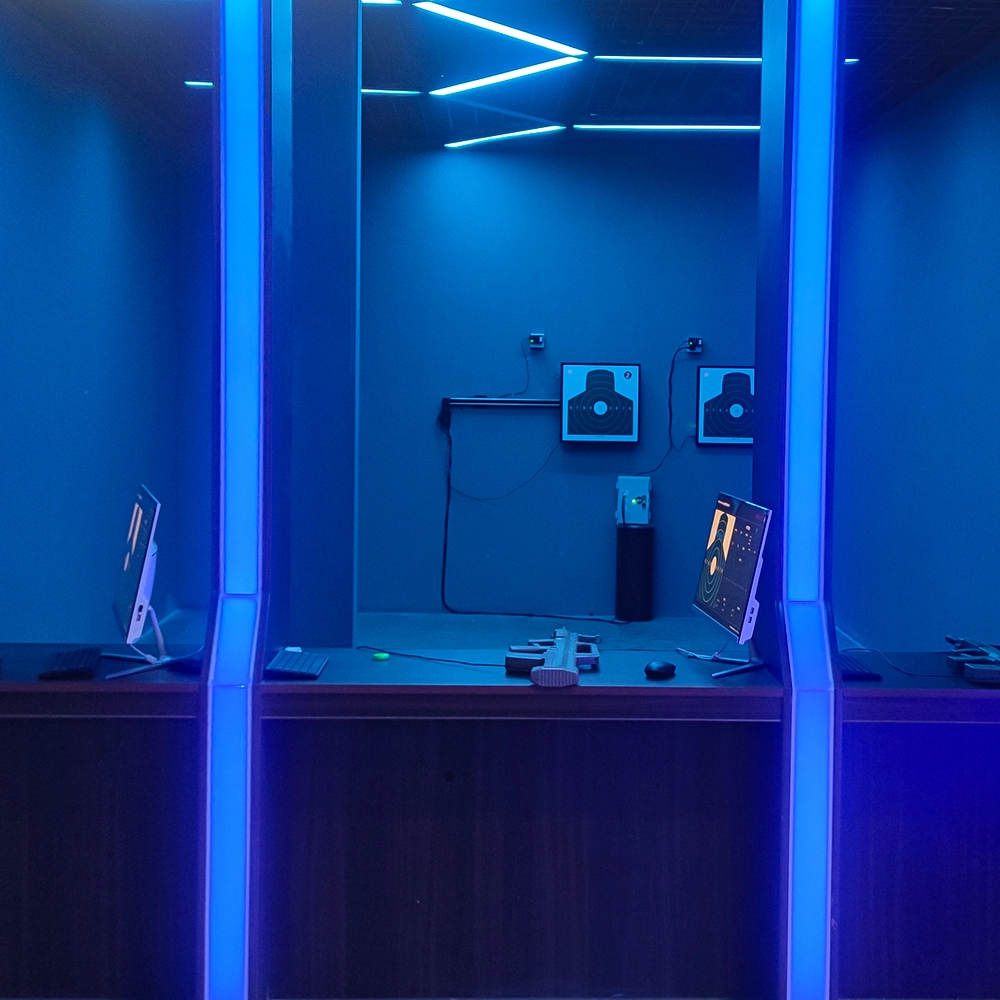
Infrared Shooting
Highly simulated simulation training analysis equipment, with advanced design concepts, fast system development, ease of operation and use, stable technical performance, less consumption of training, site dependence on a small group training is highly interesting, safe, and reliable, and other outstanding features. Product design to solve the basic skills of light weapons precision shooting as a starting point, to improve the safety of shooting training and training efficiency as the fundamental purpose, highlighting the simulation, information technology, and combat training requirements, can be in small indoor and outdoor venues and does not use live ammunition to complete the basic shooting training.
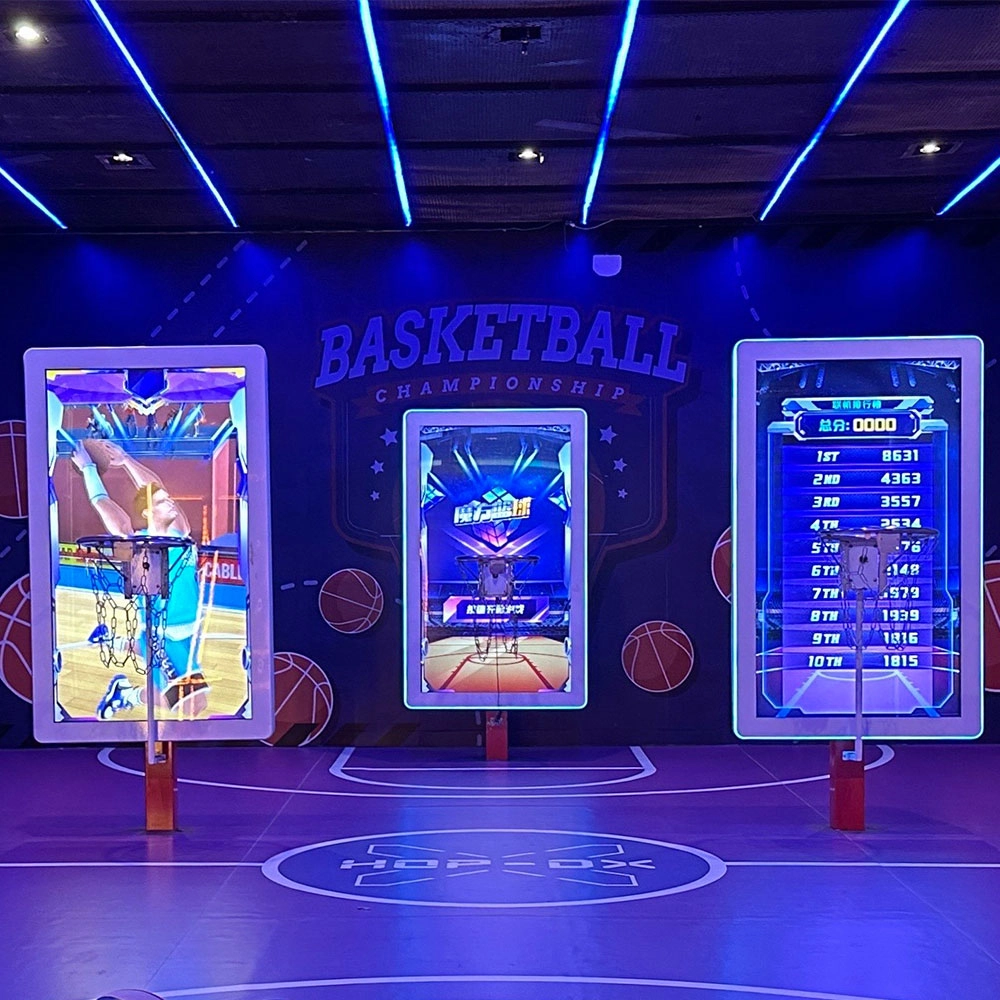
Multi-Player Interactive Shooting Machine
Joy Power is full of fun and exciting playgrounds! The basketball shooting machine is a classic amusement device integrating competition, entertainment, and interactivity. Based on the traditional basketball shooting sport, it integrates electronic scoring, sound and light effects, and challenge mechanisms to bring players an immersive game experience. The main body of the equipment is usually built with a metal frame, equipped with a standard-sized basket and a sturdy rim, with multiple sets of sensors to accurately capture the trajectory of the shot; when the player shoots the ball, the machine's built-in sensors count the score in real time and present the score, remaining time, and challenge goals through the LED display or LCD screen, with exciting sound effects and colorful lights to create a tense and exciting gaming atmosphere.
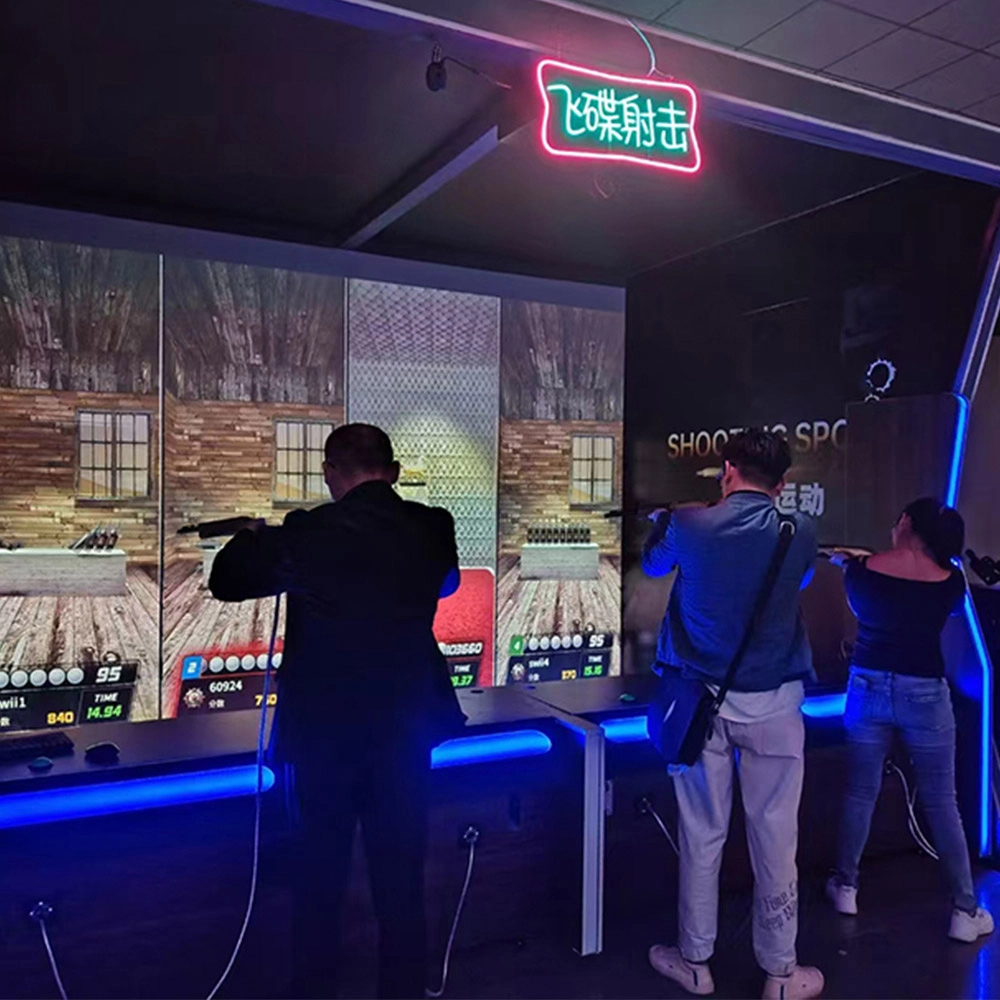
Indoor Wave Play Disc Shooting Equipment
Joy Power is full of fun and exciting playgrounds! The saucer shooting equipment in the indoor hip play hall is an immersive entertainment device integrating high-definition projection scenes, simulated air rifles, and multi-mode interactive gameplay, which allows players to experience the excitement of virtual shooting and the fun of social competition through laser-sensing scoring and multi-sensory feedback.
Ready to take your venue to the next level?
Leave us a message here, and our team will get back to you promptly.
Whether you're interested in custom orders, technical specifications, or partnership opportunities, we're here to assist you.
© 2025 FUNTECH ALL RIGHTS RESERVED

Weixia Lei
Fun_Tech-s
fun_tech20