
Do arcade dart machines for sale include player tracking features?
- 1. Do arcade dart machines for sale include player tracking features out of the box, or are they optional add-ons?
- 2. How do player tracking systems in arcade dart machines handle multi-location operator analytics and cloud leaderboards?
- 3. Can player tracking integrate with my existing POS, cashless payments, and redemption systems?
- 4. What are the network, power, and security requirements to run cloud-connected player tracking reliably?
- 5. How is player data stored, what are the privacy/compliance concerns (GDPR/CCPA), and can I export or delete records?
- 6. What maintenance, warranty, and remote support should I require when buying an arcade dart machine with player tracking?
- Concluding summary: Advantages of buying an arcade dart machine with modern player tracking
Arcade Dart Machine for Sale: Do They Include Player Tracking?
Buying an arcade dart machine for sale today means evaluating not just the cabinet and electronic dartboard, but the software ecosystem: player tracking, cloud leaderboards, cashless payments, analytics, and remote management. Below are six in-depth, buyer-focused questions beginners frequently ask but rarely find detailed answers to online. Each section includes what to verify with vendors and how to reduce operational risk.
1. Do arcade dart machines for sale include player tracking features out of the box, or are they optional add-ons?
Short answer: It depends on the model and vendor. Modern electronic dart arcade machines often ship with basic local player profiles and scoring, but cloud-based player tracking with persistent accounts, cross-cabinet leaderboards, and loyalty features are commonly offered as optional modules or subscription services.
What to confirm with any vendor before purchase:
- Baseline vs. optional: Ask whether persistent player IDs (cards, RFID, app accounts) are included or sold separately.
- Delivery model: Is tracking cloud-hosted (SaaS) or on-premises? SaaS usually requires a subscription.
- Offline behavior: Confirm how the machine caches player sessions when connectivity drops and how it reconciles data once online.
- Authentication methods: Card readers, NFC/RFID, barcode scan, mobile app login, or Bluetooth tokens—know which are supported out of the box.
- Licensing and fees: Confirm recurring costs (per-machine, per-location, per-player) and minimum contract length.
Practical tip: If you need cross-location player tracking or a mobile loyalty app, require a demo of the cloud portal and a written description of data-sync behavior before signing.
2. How do player tracking systems in arcade dart machines handle multi-location operator analytics and cloud leaderboards?
Operators buying multiple units must understand the analytics and leaderboard architecture. Reliable systems separate device telemetry (live player sessions, diagnostics) from aggregated business analytics (revenue, play counts, retention).
Key technical and operational checks:
- Data model: Ask to see sample reports and what fields are captured (game type, duration, player ID, spend, tickets issued).
- Multi-site aggregation: Can the dashboard filter by location, cabinet, operator group, and date range? Ensure hierarchical access controls for managers.
- Real-time vs. batch: Confirm whether leaderboards update in real time or on schedules—real-time needs persistent connectivity or fast sync protocols.
- Export & API: Verify CSV exports and whether the vendor provides a documented API or webhooks for ingestion into your BI tools or CRM.
- Data retention & backups: How long is player and session data kept? Is there automatic backup and an SLA for data recovery?
Operational note: For tournament-grade play or venue chains, insist on API access and example integrations with common analytics platforms so you can consolidate data alongside POS and footfall metrics.
3. Can player tracking integrate with my existing POS, cashless payments, and redemption systems?
Integration is a primary pain point for venue operators. Many venues already use cashless wristbands, card systems, or centralized redemption counters, and disconnects cause revenue leakage and poor guest experience.
Questions to ask vendors and integrators:
- Payment interfaces: Does the machine support direct cashless payments, or does it rely on connecting to a third-party POS? Confirm supported protocols (API, SDK, serial, or middleware).
- Session tokens and wallets: Can player credits be loaded at your POS and redeemed on dart machines via RFID or QR mobile wallets?
- Redemption reconciliation: How does the system report tickets/tokens redeemed back to your central ledger? Look for consolidated reconciliation reports and transaction-level detail.
- Third-party compatibility: Request a list of certified POS/cashless partners and ask if your current provider is supported; if not, ask about custom integration costs.
- Latency and failure modes: Clarify what happens mid-play if payment validation fails—will the session be paused, cancelled, or allowed with post-pay reconciliation?
Integration checklist: require a sandbox/test mode, sample API documentation, and a pilot trial at one location before full roll-out.
4. What are the network, power, and security requirements to run cloud-connected player tracking reliably?
Connectivity and electrical specs are often glossed over but directly affect uptime and maintenance costs. Clarify these technical details early.
Network requirements to verify:
- Connectivity type: Ethernet (recommended for stability) or Wi‑Fi/Bluetooth. For multi-unit venues, wired (RJ45, 100Mbps+) reduces dropouts.
- Outbound ports: Most cloud services use HTTPS/TLS on port 443. Confirm whether any additional ports are required for telemetry or remote management.
- Bandwidth: Typical telemetry is lightweight, but if the system streams video (for content sync or player cams) bandwidth needs increase—ask for average MB/day per machine.
- Offline behavior: Machines must cache sessions locally; confirm cache size and maximum offline window before data loss risk.
- Power: Confirm AC voltage and frequency per region (e.g., 110–120V 60Hz in the US vs 220–240V 50Hz in EU/UK) and circuit breaker/amperage needs. Ask for certification labels (UL, CE) for your market.
Security and compliance:
- Transport security: Require TLS 1.2+ for data in transit.
- Data storage: Ask about encryption at rest (vendor should describe encryption standards) and access controls for admin portals.
- Patching & updates: Get the vendor’s firmware/software update policy, windows for patches, and rollback procedures.
- SLA & monitoring: Request an uptime SLA for the hosted service and procedures for incident notification and resolution.
5. How is player data stored, what are the privacy/compliance concerns (GDPR/CCPA), and can I export or delete records?
Player tracking creates personally identifiable information (PII) risks. Compliance with regional privacy laws and clear data handling policies is essential for multi-national operators.
What to require from your vendor:
- Data residency: Where is customer data hosted (region/country)? Some operators need EU-based hosting for GDPR compliance.
- Data minimization: Ensure vendors collect only required fields and explain how long they retain player records.
- Consent & opt-out: Ask how the system collects and stores player consent, especially for email marketing or mobile app notifications.
- Right to be forgotten: Confirm procedures and timelines for deleting a player’s data on request (export and purging processes).
- Third-party sharing: Check whether analytics or marketing partners access raw player data and how that sharing is governed contractually.
Legal tip: Include data-processing addenda (DPAs) in contracts, and require the vendor to support compliance with GDPR, CCPA, or other applicable laws in your operating jurisdictions.
6. What maintenance, warranty, and remote support should I require when buying an arcade dart machine with player tracking?
Hardware failures are expected; the difference is response time and how software issues are handled. Mix-and-match warranties can lead to finger-pointing between hardware and software providers.
Contractual items to negotiate:
- Hardware warranty: Clearly state duration (e.g., 12–36 months) and whether wear items (dart segments, wiring, LED strips) are covered.
- Software & cloud SLA: Define uptime, incident response times, and support channels (phone, email, ticketing). Request escalation paths.
- Spare parts & service: Ask for availability and lead times for common replacement parts (boards, sensors, PSU). Confirm whether on-site technicians are provided or authorized repair centers exist in your region.
- Remote diagnostics & updates: Ensure the vendor provides remote troubleshooting tools and can push firmware safely; ask for fail-safe update procedures.
- Training & documentation: Require operator manuals, admin guides, and training sessions for your staff, including POS and cashless integrations.
- End-of-life & upgrade paths: Clarify upgrade options for software features and whether older hardware will be supported for a defined period.
Operational recommendation: Tie part of your payment to acceptance criteria for a 30–90 day pilot period and set KPIs for uptime and functional integration before full deployment.
Concluding summary: Advantages of buying an arcade dart machine with modern player tracking
Purchasing an arcade dart machine for sale that includes robust player tracking and cloud capabilities delivers measurable benefits: increased repeat play through loyalty and cross-location leaderboards, better revenue capture via cashless integration, actionable operator analytics for staffing and promotions, and remote monitoring to reduce downtime. However, these gains depend on careful vetting (network and power specs, privacy compliance, API access, and clear SLA/warranty terms).
If you need help assessing models, comparing integration options, or want a formal quote and technical spec sheet tailored to your venue (including regional power and certification details), contact us at www.funtechgame.com or email vicky@funtechgame.com for a personalized quote.
Article authored by an experienced Digital Sports Entertainment consultant focused on arcade machine procurement and operator integrations. Verify all model-specific specifications with the vendor prior to purchase.
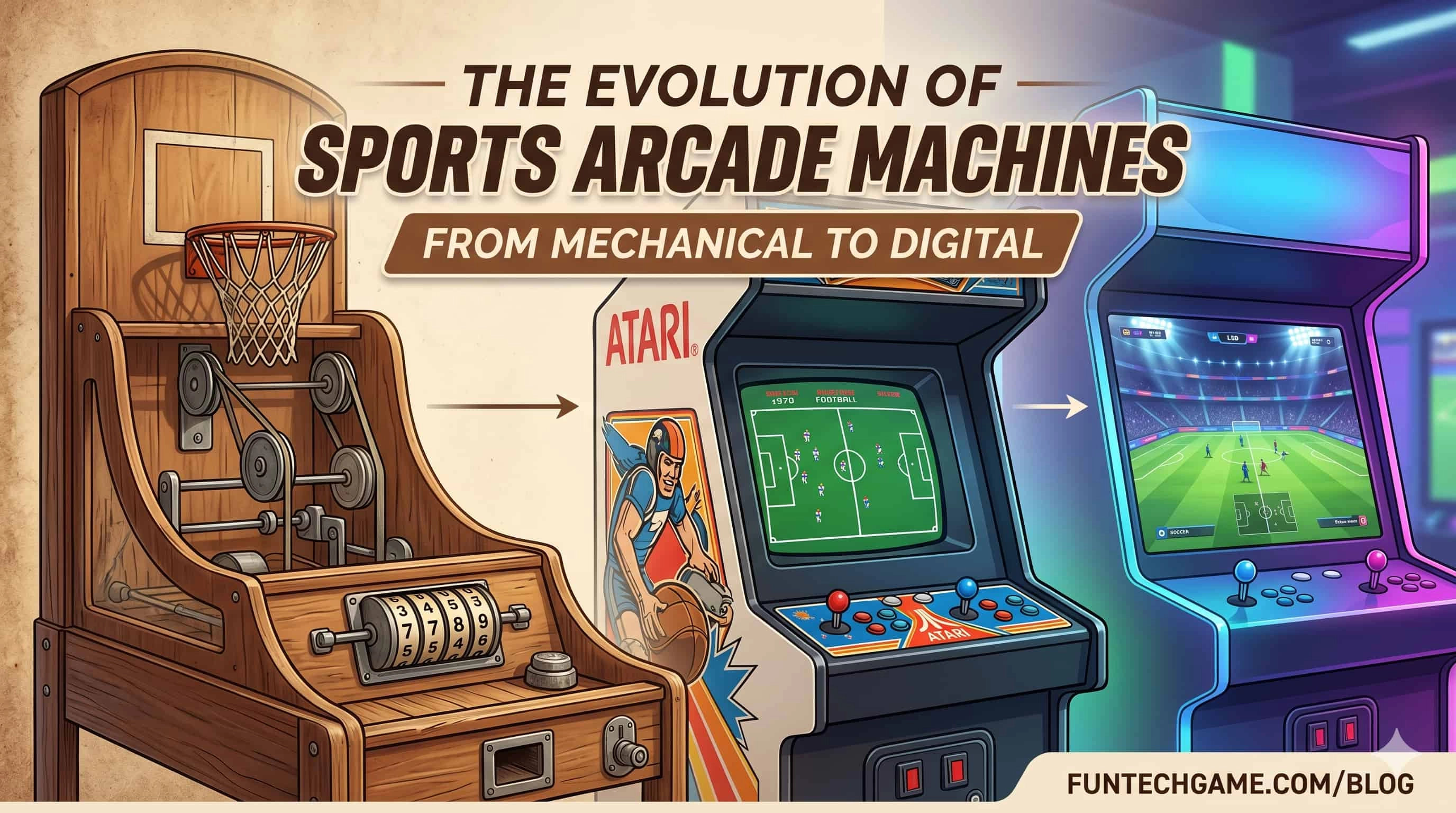
The Evolution of Sports Arcade Machines: From Mechanical to Digital
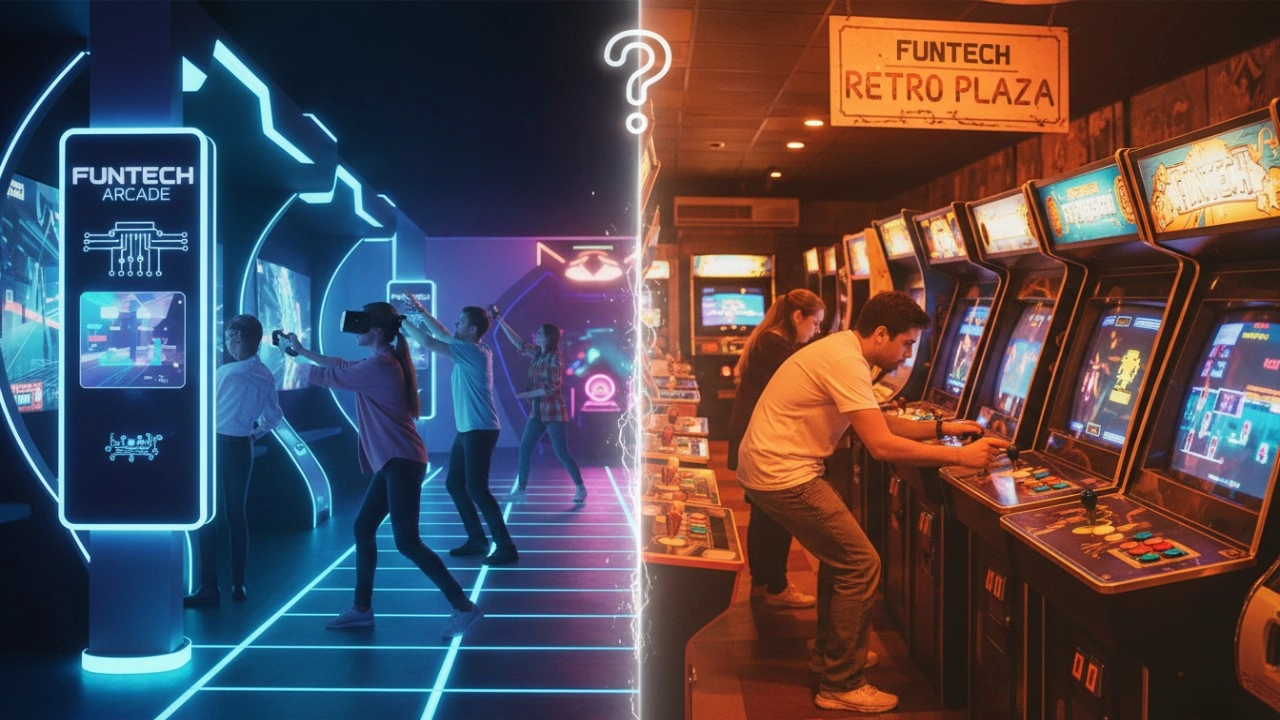
Interactive Sports Arcade vs Traditional Arcade Machines: Key Differences (2026 Guide)
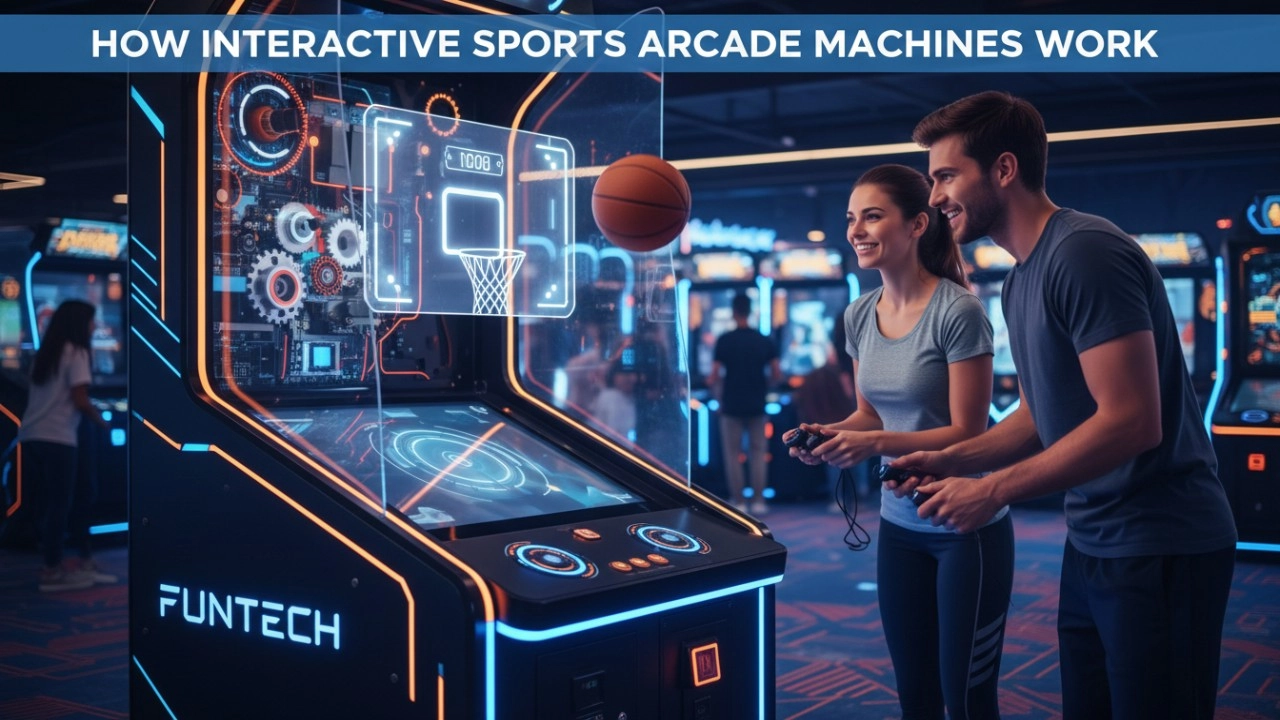
How Interactive Sports Arcade Machines Work (Sensors, Projection & AI) - 2026 Guide
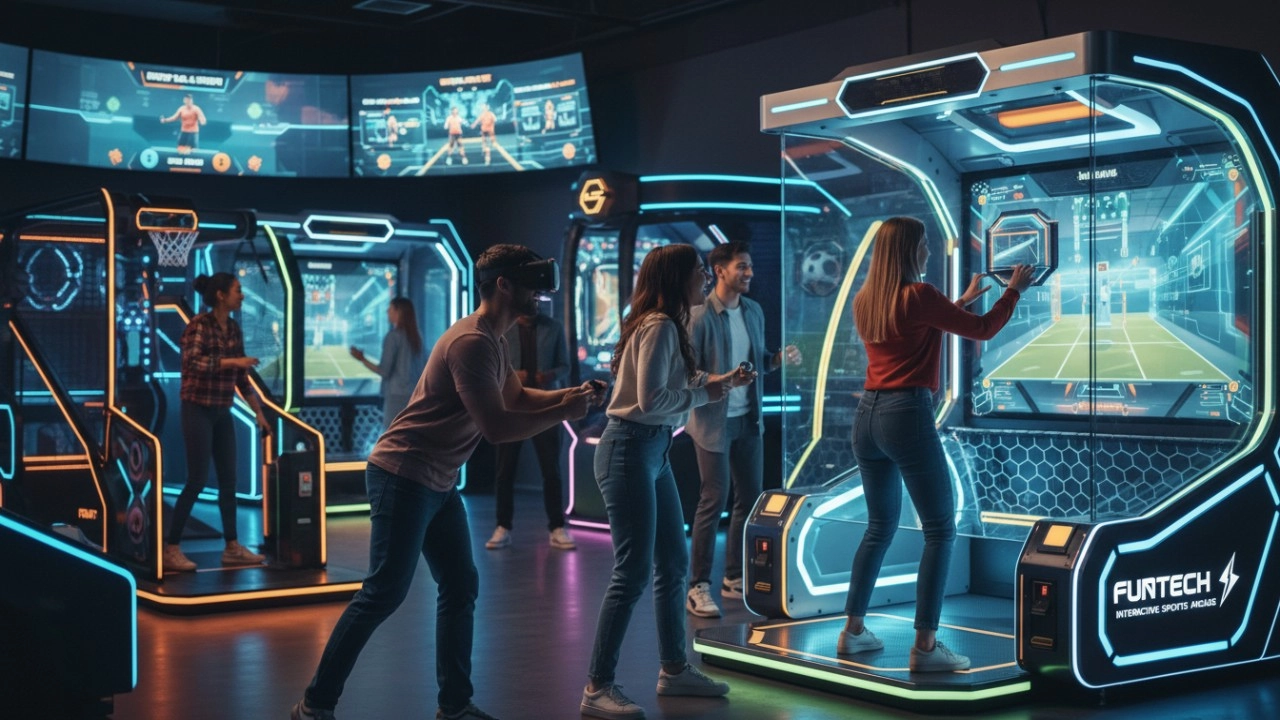
What Defines Interactive Sports Arcade Equipment in 2026?
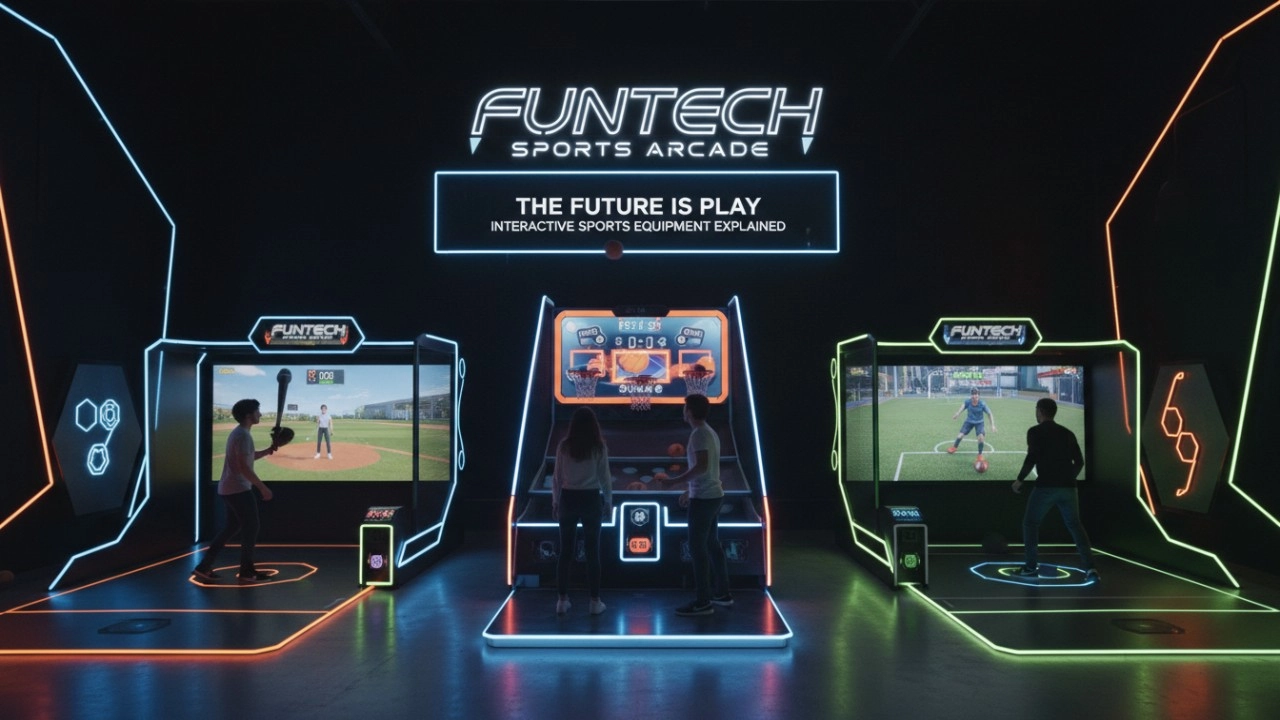
What Is Interactive Sports Arcade Equipment? Complete Beginner Guide (2026)
Holographic Light and Shadow Restaurant
What is the difference between holographic projection and ordinary projection?
Ordinary projection is the process of projecting a two-dimensional image onto a flat screen, where the viewer sees a flat image. Holographic projection can present real three-dimensional images, allowing viewers to observe different faces of objects from different angles, with a strong sense of three dimensionality and realism. In addition, ordinary projection usually only requires simple equipment such as projectors and screens, while holographic projection requires more complex optical systems and technologies to achieve.
Football Simulator
How does the picture effect of simulation soccer achieve realism?
With the help of advanced technology, the green field is accurately reproduced with fine turf texture and realistic player movements. From the players running, passing to shooting, are lifelike, to give players a sense of immersion.
FAQ
What is to be considered for setting up a digital sports & amusement hall?
The design requirements of digital sports & amusement hall are different from other entertainment venues, and they need to focus on innovation, interactivity and experience.
What requirements should a store manager of a digital sports hall have?
The store manager of a digital sports and entertainment center needs to have good management and communication skills, be familiar with the application of digital technology, and have an innovative spirit and a sense of teamwork
Dart Machines Bar Dart Machines
Why are sports arcades a hot spot for investment?
The traditional entertainment market (e.g., arcade, KTV) has become less attractive to generations, while digital hip playgrounds integrating technology, sports, and socialization are more in line with young people's needs, and the market size has exceeded 50 billion in 2023, with an annual growth rate of more than 30%.
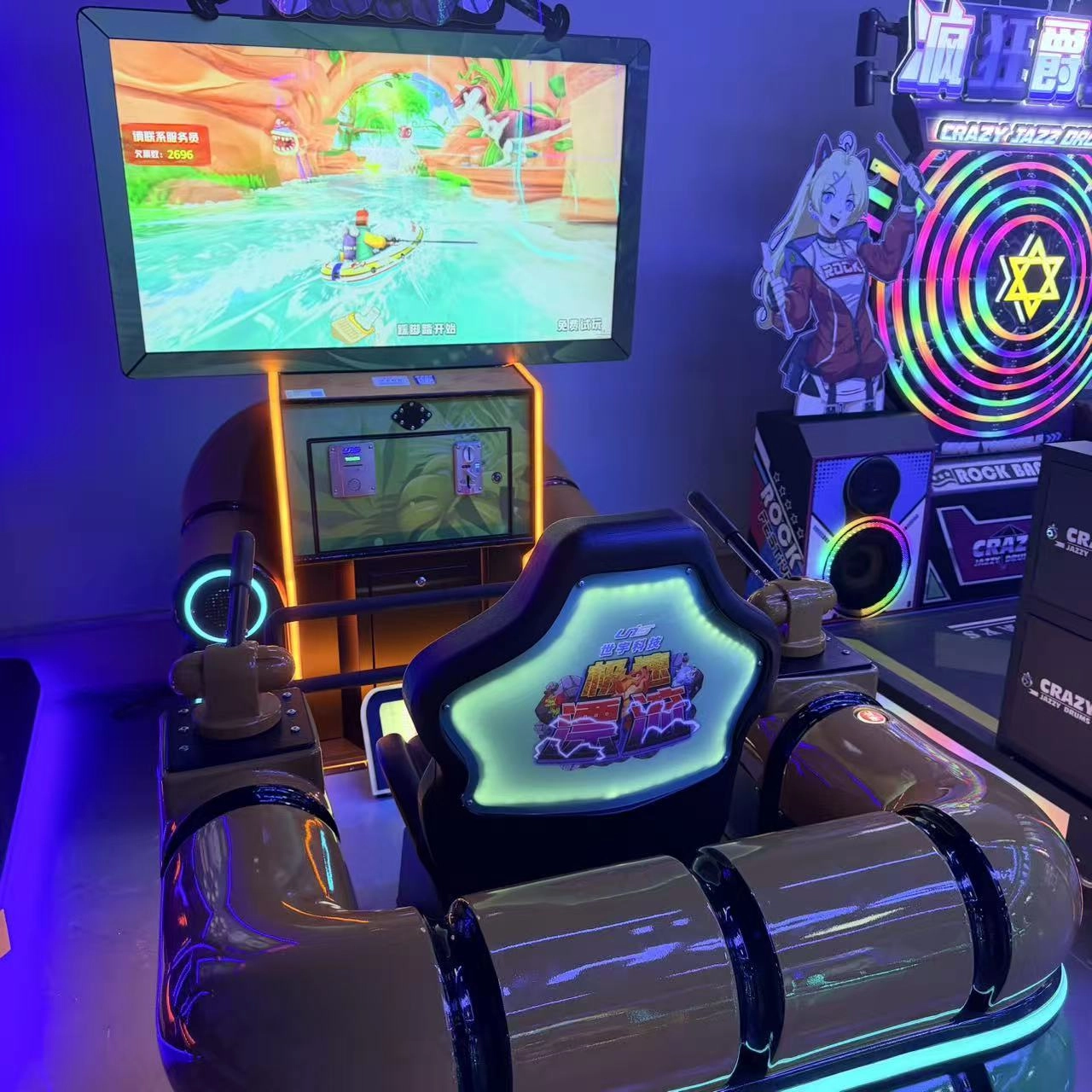
Interactive Rowing Simulator
A brand-new rowing simulation competitive game, operating on a single machine station, supports player interaction and competition with 3 AI opponents. The station is equipped with the latest rowing equipment, enabling players to experience realistic rowing operation. The competition process is relaxed and fun, while also providing fitness exercise benefits.
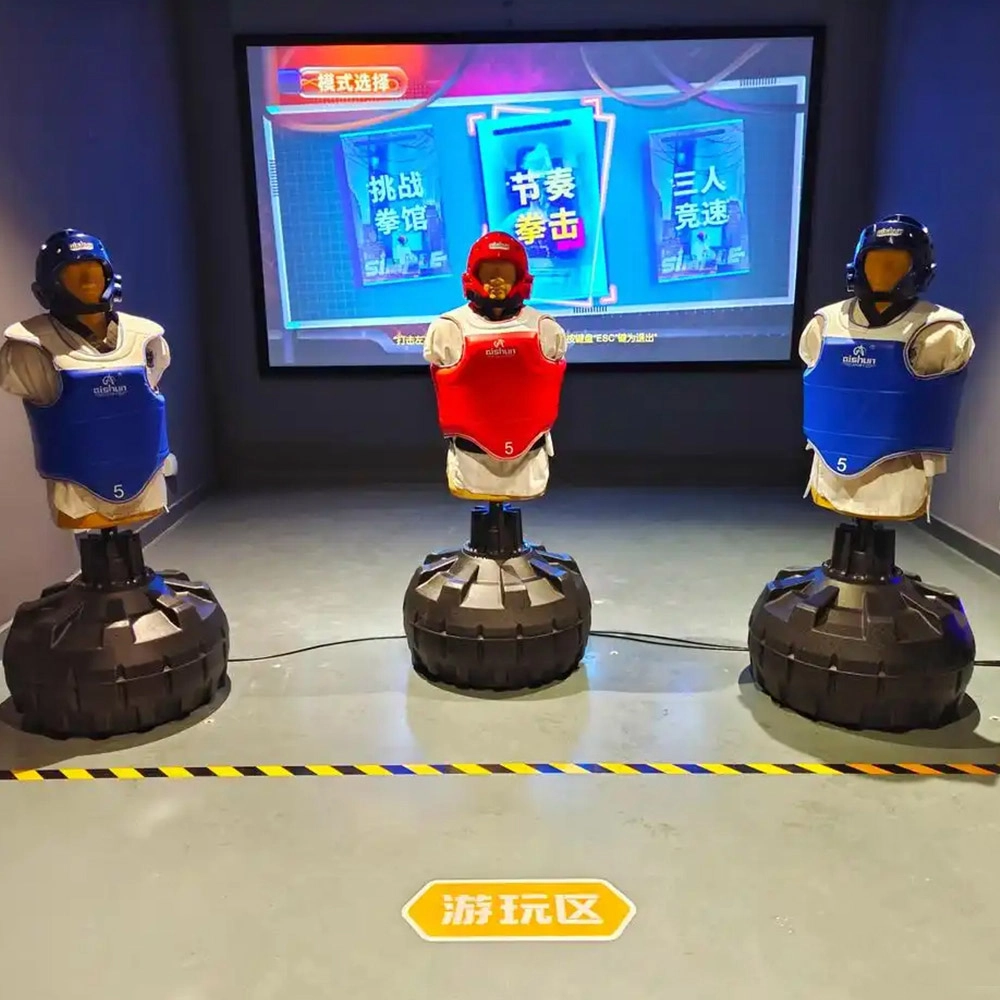
Indoor Boxing Equipment
FUNTECH is full of fun and exciting playgrounds! The indoor boxing simulation equipment combines pressure-sensitive boxing gloves with dynamic projection scenes, combining sports and fitness with entertainment and competitive attributes, supporting single-player training and two-player sparring modes, and accurately recording hitting data and generating sports reports, making it suitable for all-age experiences and safe and low-loss.
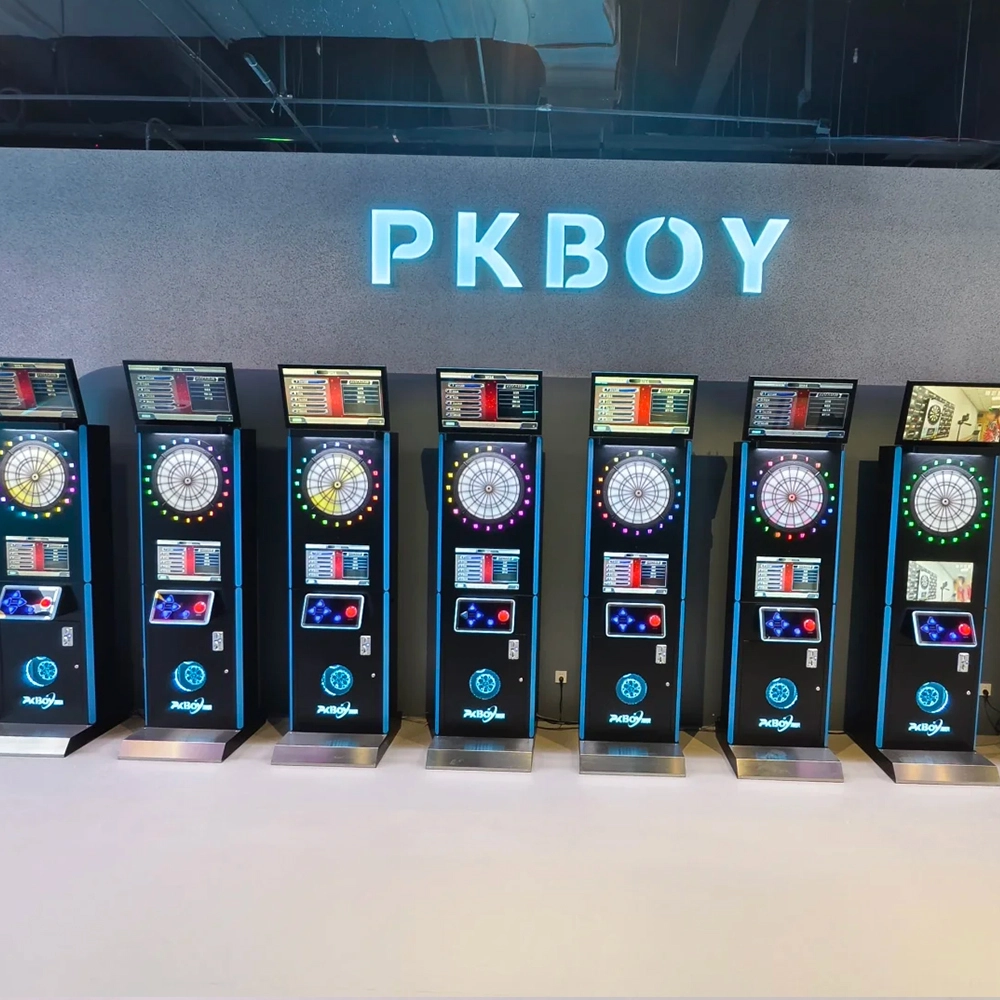
Dart Machines Bar Dart Machines
Joy Power is full of fun and excitement in the playground! The dart machine is suitable for all kinds of places, whether it is a bar, restaurant, KTV, or other entertainment venue, or a sports shop, club, or family leisure space, and can be perfectly adapted. In commercial venues, holding individual and team darts tournaments from time to time can attract more customers and increase the popularity and revenue of the venue, supplemented by various preferential activities, which can directly promote consumption and form a cycle of consumption of all the goods in the shop.
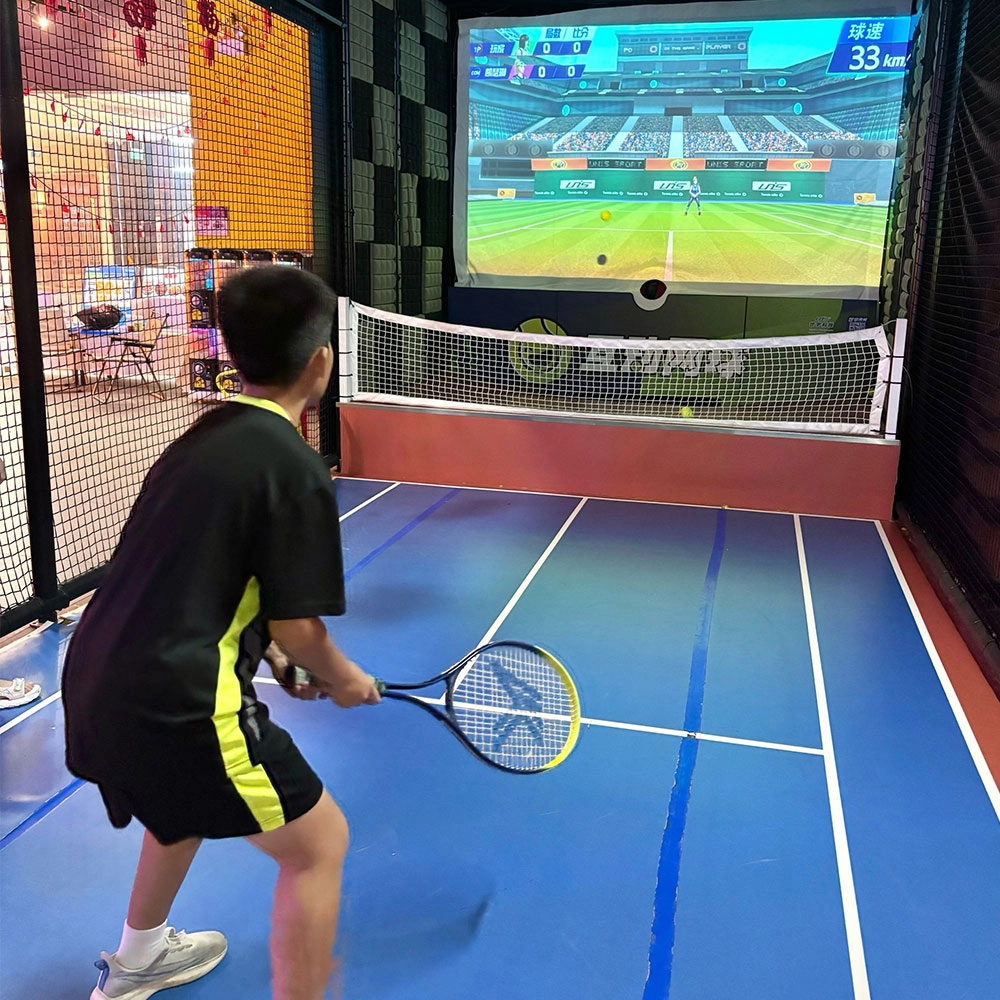
Indoor Tide Play Simulation Tennis Equipment
FUNTECH is full of fun and exciting playgrounds! With high-definition scene projection, force feedback racket, and intelligent scoring system, the simulated tennis equipment in the indoor arcade realizes immersive sports experiences and diversified interactive play, combining the advantages of safety and ease of use with high operational efficiency.
Ready to take your venue to the next level?
Leave us a message here, and our team will get back to you promptly.
Whether you're interested in custom orders, technical specifications, or partnership opportunities, we're here to assist you.
© 2025 FUNTECH ALL RIGHTS RESERVED

Weixia Lei
Fun_Tech-s
fun_tech20