
Is training provided with arcade dart machines for sale?
- 1. What exact power, mounting height, throw distance and footprint should I plan for when buying an arcade dart machine for sale for a small bar (under 200 sq ft)?
- 2. Is training provided with arcade dart machines for sale, and what should a buyer expect from on-site vs remote training?
- 3. What are realistic monthly maintenance, consumable and spare-parts costs for an imported electronic arcade dartboard?
- 4. How do software licenses, networked leaderboards and cloud updates affect total cost of ownership for arcade dart machines for sale?
- 5. What ROI benchmarks and daily play-rate metrics should operators expect for coin-operated vs cashless arcade dart machines for sale in North America and Europe?
- 6. How do warranty coverage, service-level agreements (SLAs) and international shipping/customs work when buying an arcade dart machine for sale from overseas suppliers?
- Conclusion — Why choose an arcade dart machine for your venue (advantages and final checklist)
Arcade Dart Machine for Sale: 6 Buyer Questions Beginners Miss (Training Included?)
This guide answers specific, high-value buyer questions about electronic dart machines, soft-tip and steel-tip boards, coin-operated vs cashless units, operator training, maintenance, software licensing, ROI expectations, and international warranty and shipping considerations.
1. What exact power, mounting height, throw distance and footprint should I plan for when buying an arcade dart machine for sale for a small bar (under 200 sq ft)?
Venue compatibility is the most common deal-breaker. Use these real-world, standards-based measurements when assessing an arcade dart machine for a confined space:
- Mounting height: Bullseye height should be 1.73 m (5 ft 8 in) above finished floor for standard play (applies to both soft-tip and steel-tip boards).
- Throw (oche) distance: Steel-tip regulation is 2.37 m (7 ft 9.25 in) from the face of the board; soft-tip electronic darts commonly use 2.44 m (8 ft). Confirm the model’s recommended distance and whether the chassis allows forward/back mounting adjustments.
- Clearance: Minimum 1.0 m of free lateral space on either side of the board is recommended so players and spectators don’t collide. For a bar under 200 sq ft, plan a dedicated 2.5 m x 2.5 m zone (8 ft x 8 ft) to maintain comfort and safety.
- Footprint (console/cabinet): Typical upright electronic dart cabinets are ~0.6–0.9 m wide and 0.3–0.6 m deep. Wall-mounted wired units reduce footprint but require sturdy wall supports.
- Power: Most modern arcade dart machines accept 110–240 V, 50/60 Hz and draw roughly 80–200 W depending on integrated LED screens and coin/cashless hardware. For safe installation, ensure a dedicated circuit or verify other appliances on the same circuit; include a surge protector because integrated electronics and LED displays are sensitive to voltage spikes.
- Mounting and anchoring: Wall-mounted units need to be anchored to studs or commercial-grade backing. Freestanding cabinets should be bolted to the floor if local codes or high-traffic areas mandate it.
Before purchase, ask the supplier for CAD or dimension sheets and a venue-fit checklist. If you’re importing, confirm whether supplied power cords and plugs are appropriate for your country or if adapters/transformers are required.
2. Is training provided with arcade dart machines for sale, and what should a buyer expect from on-site vs remote training?
Training practices vary across suppliers. Industry-standard offerings and what you should require in the purchase agreement:
- What’s commonly included: Basic operator training (setup, power-on checks, scoring system overview), routine cleaning and preventative maintenance steps, coin-box/cashless reconciliation procedures, and how to perform a soft reset or firmware update. Many vendors include a starter remote session and printed manuals.
- On-site training: On-site training (1–2 days) is often optional or charged separately, but highly recommended for first-time arcade operators. It covers hands-on troubleshooting, network configuration for leaderboards, calibration of sensors, and real-time scenarios (jam clearing, score disputes). Ask for a written scope and deliverables (hours, number of attendees, language of instruction).
- Remote training and knowledge base: Reputable suppliers provide video tutorials, interactive web-based guides, and live remote sessions (Zoom/Teams). Confirm availability windows and SLAs for follow-up remote support.
- Documentation and certificates: Request standard operating procedures (SOPs) and a signed training completion sheet for your staff. For larger operators, insist on operator competency sign-offs so staff turnover does not degrade operations.
- Costs to expect: Budget for potential on-site technician days (~$400–$1,200 per day depending on region and travel) unless the vendor explicitly includes free commissioning and training in the purchase price.
When evaluating proposals, make training scope a line item. If you require multi-lingual support or continuing training packages, negotiate those into the initial contract to avoid higher hourly rates later.
3. What are realistic monthly maintenance, consumable and spare-parts costs for an imported electronic arcade dartboard?
Ongoing operating costs are often under-estimated. Typical costs and maintenance cadence:
- Consumables: Replacement soft-tip darts, flight sets and mats – budget $10–50/month for small venues depending on turnover and breakages. For steel-tip boards, add occasional bristle segment replacement costs.
- Spare parts availability: LEDs, ticket printers, coin mechanisms, and scoring sensors are the top items. Choose vendors who publish a spare-parts list and lead times. Stock critical spares (coin box latch, power supply, network module) locally if lead times are >30 days.
- Typical spare-parts cost profile: Power supplies and control boards often run $100–400 each; LED display panels or full front panels can be $400–1,500 depending on screen size and vendor. Coin-op mechanisms range $80–250; cashless readers $300–1,000 depending on brand and payment tech (NFC/QR).
- Maintenance labor: Routine cleaning and inspection can be done in-house (~1–2 hours/week). Expect occasional technician visits for repairs; localized field service rates can range $60–150/hr. Consider a service contract if uptime is critical.
- Expected failure points and preventive measures: LED board life is typically 50,000–100,000 hours; fans and power supplies fail more often than sensors. Keep firmware updated and maintain a dry, temperature-controlled environment to extend component life.
Ask the seller for Mean Time Between Failures (MTBF) stats or warranty claim rates if available. Prioritize suppliers that maintain regional spare-part warehouses or authorized service partners to minimize downtime.
4. How do software licenses, networked leaderboards and cloud updates affect total cost of ownership for arcade dart machines for sale?
Software and connectivity are major ongoing cost drivers that are often buried in the sticker price.
- License models: Vendors use one-time perpetual licenses, annual subscriptions, or transaction-based fees. Subscriptions commonly range from $200–800/year per machine for cloud features, analytics and leaderboard services. Confirm what the SLA covers (updates, bug fixes, data retention).
- Cloud and leaderboards: Networked feature sets (multi-site leaderboards, tournaments, remote diagnostics) require reliable internet connectivity. Budget for a dedicated Ethernet or stable Wi-Fi with 5–10 Mbps per machine for full-feature operation. Cellular backups incur monthly SIM fees ($5–20/month) plus data usage charges.
- Payment integrations: Cashless/QR/NFC systems typically require backend payment service fees (gateway fees, payment processing rates of ~1.5–3% + per-transaction charges) and possibly per-machine subscription fees for cloud reconciliation.
- Security and compliance: If you accept card payments or store user data, verify PCI compliance and data residency clauses. For EU venues, ensure GDPR-compliant data handling for cloud leaderboards.
- Software update cadence and support: Ask for a release schedule and how critical patches are delivered. Negotiate on-premise update options if you cannot use cloud services or need air-gapped operation for regulatory reasons.
Request a detailed TCO (total cost of ownership) projection from the supplier that separates hardware, recurring software, payment processing, and network costs for 1-, 3-, and 5-year horizons.
5. What ROI benchmarks and daily play-rate metrics should operators expect for coin-operated vs cashless arcade dart machines for sale in North America and Europe?
ROI depends on location, pricing strategy, and engagement model. Rather than promise universal numbers, here are realistic benchmark ranges and a calculation method:
- Common pay models: $0.50–$2.00 per game (per set or per play), pay-per-minute, or subscription/tournament entry fees. Cashless setups can encourage higher play frequency by simplifying payment.
- Play-rate benchmarks (typical ranges): Low-traffic venues: 10–25 plays/day; medium: 25–75 plays/day; high-traffic (busy bar/nightspot): 75–200+ plays/day. These numbers vary by region and whether the machine is integrated into events/tournaments.
- Sample ROI calculation (example):
- Assumptions: $1 per play, 40 plays/day = $40/day gross → $1,200/month gross.
- Subtract processing/coin collection/operational costs (estimated 20–35%): $240–420 → net $780–960/month.
- If machine cost including shipping and installation is $6,000, payback could be ~6–8 months in a busy venue or 12–18 months in a moderate venue. These are illustrative — ask vendors for anonymized case studies from similar venues in your country/market.
- Cashless advantages: Higher average spend per transaction, less shrinkage, easier promotions and loyalty integration. Factor in payment gateway fees and possible per-machine service fees into the ROI model.
To make an informed projection, gather footfall data and comparable play-rates from the vendor’s existing installations in your region (North America vs EU). Reputable suppliers should provide site-specific revenue and uptime case studies under NDA if necessary.
6. How do warranty coverage, service-level agreements (SLAs) and international shipping/customs work when buying an arcade dart machine for sale from overseas suppliers?
International purchases introduce complexity — here’s how to manage risk and ensure reliable after-sales support:
- Warranty scope: Standard warranties are typically 12 months for parts and labor. Confirm coverage for electronic components, LED displays, coin mechanisms and software. Ask for extended warranty options (24–36 months) and what voids the warranty (unauthorized repairs, modifications, improper power).
- Service-Level Agreements (SLAs): Define response times (remote support response within 24 hours, on-site technician within X days), authorized service centers, and escalation paths. For multi-location operators, negotiate priority SLA tiers and spare-parts stocking options.
- Spare-parts logistics: If the vendor ships parts from overseas, ask for typical lead times (commercially acceptable is <14 days for common items). For mission-critical sites, require local stocking or a bonded parts inventory arrangement.
- Shipping and customs: Clarify Incoterms (EXW, FOB, DDP). DDP (Delivered Duty Paid) simplifies import handling but increases initial cost; EXW places customs, VAT, and import duties on the buyer. Check local certification requirements (CE for EU, FCC/UL for US, RCM for Australia). Ensure the vendor provides compliance documentation and a commercial invoice that correctly states harmonized tariff codes for customs clearance.
- Import taxes and electrical compliance: Include customs duties (varies by country), VAT/GST, and possible additional testing or local approvals. For safety, verify the unit meets local electrical standards (e.g., CE marking for the EU, FCC/UL for the US) and that the supplier can provide test reports or certification copies.
Insist on a clear Returns & Repairs policy and who bears freight for warranty returns. If you plan to resell machines regionally, confirm spare-parts and training rights for your service partners.
Conclusion — Why choose an arcade dart machine for your venue (advantages and final checklist)
Arcade dart machines combine social engagement, compact footprint, and measurable revenue generation. Key advantages include flexible monetization (pay-per-play, tournaments, cashless), strong dwell-time and repeat-play potential, and the ability to run networked leaderboards for recurring events. To maximize uptime and ROI, prioritize vendors who disclose technical specs (power, footprint, mounting), include or clearly price on-site operator training, publish spare-parts lead times, offer transparent software licensing, and provide robust warranty and SLA terms. Verify certifications for your target market (CE/FCC/UL) and confirm shipping Incoterms to avoid unexpected import costs.
For an accurate quote tailored to your venue size, preferred payment system (coin vs cashless), and required training SLA, contact us for a quote at www.funtechgame.com or email vicky@funtechgame.com.
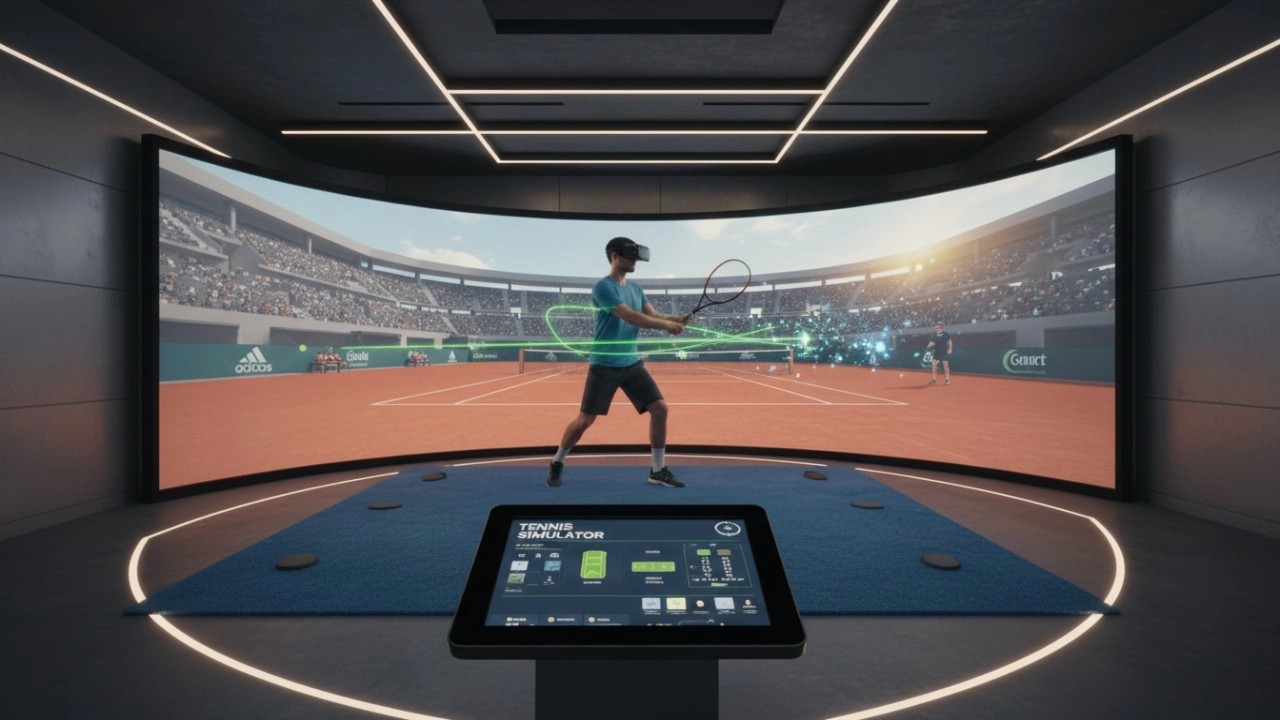
7 Reasons to Add a Tennis Simulator to Your Entertainment Venue Instead of Traditional Training Models (2026 Guide)
The 2026 Dart Machine Revenue Playbook: Boosting Mid-Week Sales by 30%-40% with Competitive Socializing
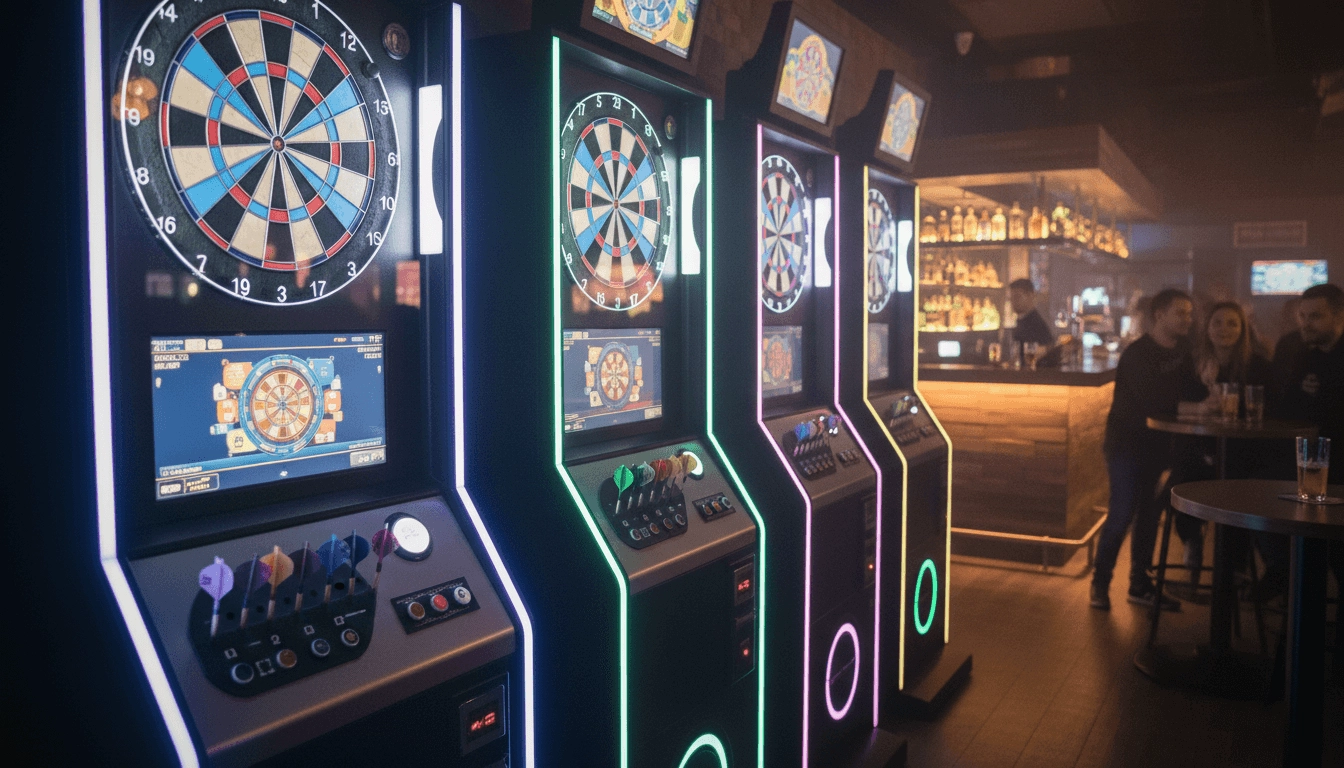
Redefining Competitive Socializing: Ultimate Guide to Selecting an Intelligent Dart Machine 2026
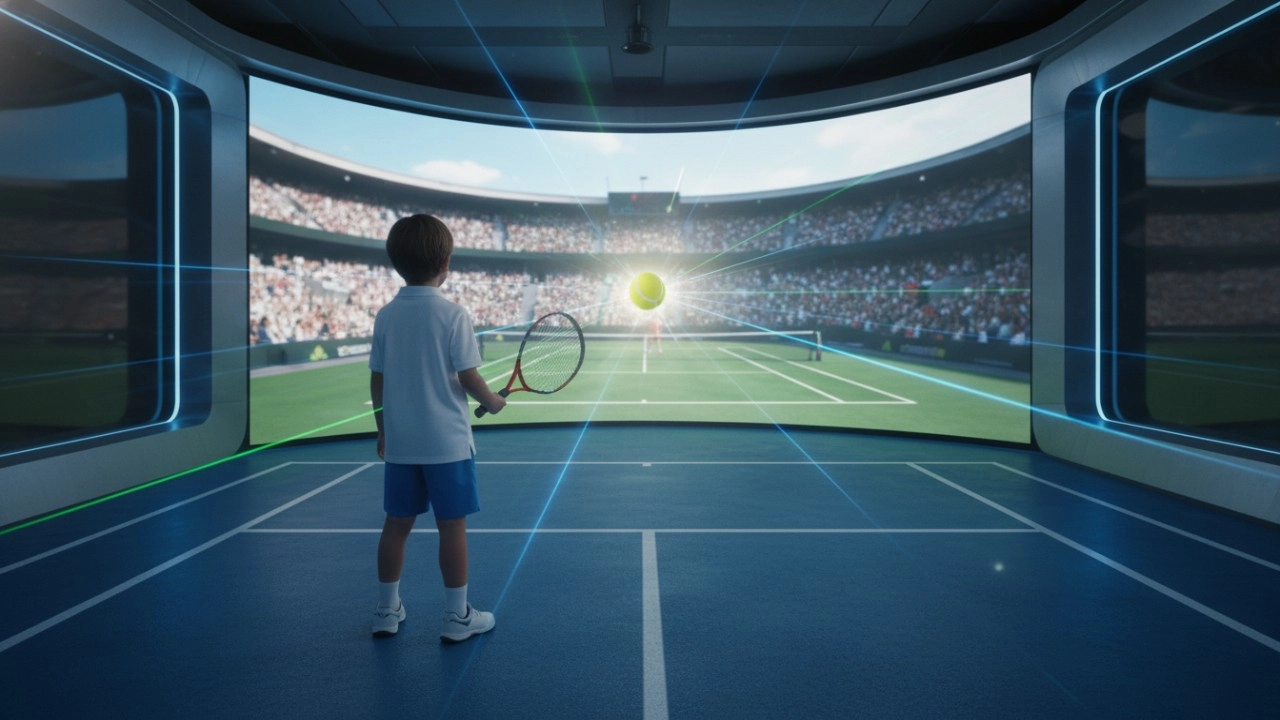
Tennis Simulators in 2026: The Ultimate Guide to Virtual Courts and Advanced Training

Top 15 Dart Machine Manufacturers in 2026
Infrared Shooting
How to attract customers when operating the program in shopping malls?
Create a cool venue decoration style and incorporate trendy elements, such as fluorescent light strips and anime-themed murals. o Launch diversified marketing models such as parent-child packages and couple packages, combined with time-limited promotional activities, such as half-price experience in the first three days of opening, to attract different groups of people such as families and couples to stop by and participate.
Products
How often does moving target archery equipment require maintenance?
Under daily use, for equipment that is used less frequently, 1-3 times per week, simple cosmetic cleaning and functional checks can be performed after each use. A more comprehensive maintenance should be carried out every 2-4 weeks, including disassembling some parts for cleaning and checking the accuracy of the aiming system.
What is the difference between purchasing equipment for commercial operations and personal training?
Commercial operations should consider the durability, ease of operation and attractiveness of the equipment, it is appropriate to choose cool appearance, can withstand high-frequency use, such as the target car running hundreds of times a day, high-intensity models, and easy to operate, easy for customers to get started. Personal training is more focused on cost-effective, according to their own training needs to choose the right tension of the bow, the right speed of movement of the target car.
Holographic Light and Shadow Restaurant
What is the difference between holographic projection and ordinary projection?
Ordinary projection is the process of projecting a two-dimensional image onto a flat screen, where the viewer sees a flat image. Holographic projection can present real three-dimensional images, allowing viewers to observe different faces of objects from different angles, with a strong sense of three dimensionality and realism. In addition, ordinary projection usually only requires simple equipment such as projectors and screens, while holographic projection requires more complex optical systems and technologies to achieve.
What are the technical difficulties of holographic projection?
One is the resolution and clarity of the image. To achieve high-resolution and high-definition 3D image reproduction, advanced optical equipment and algorithms are required. The second is the control of light interference and diffraction, which requires precise control of the propagation and interference conditions of light rays to ensure the stability and accuracy of the image. The third is the complexity and cost of the system. Holographic projection systems are usually quite complex, including optical components, light sources, control systems, etc., with high costs, which limits their widespread adoption.
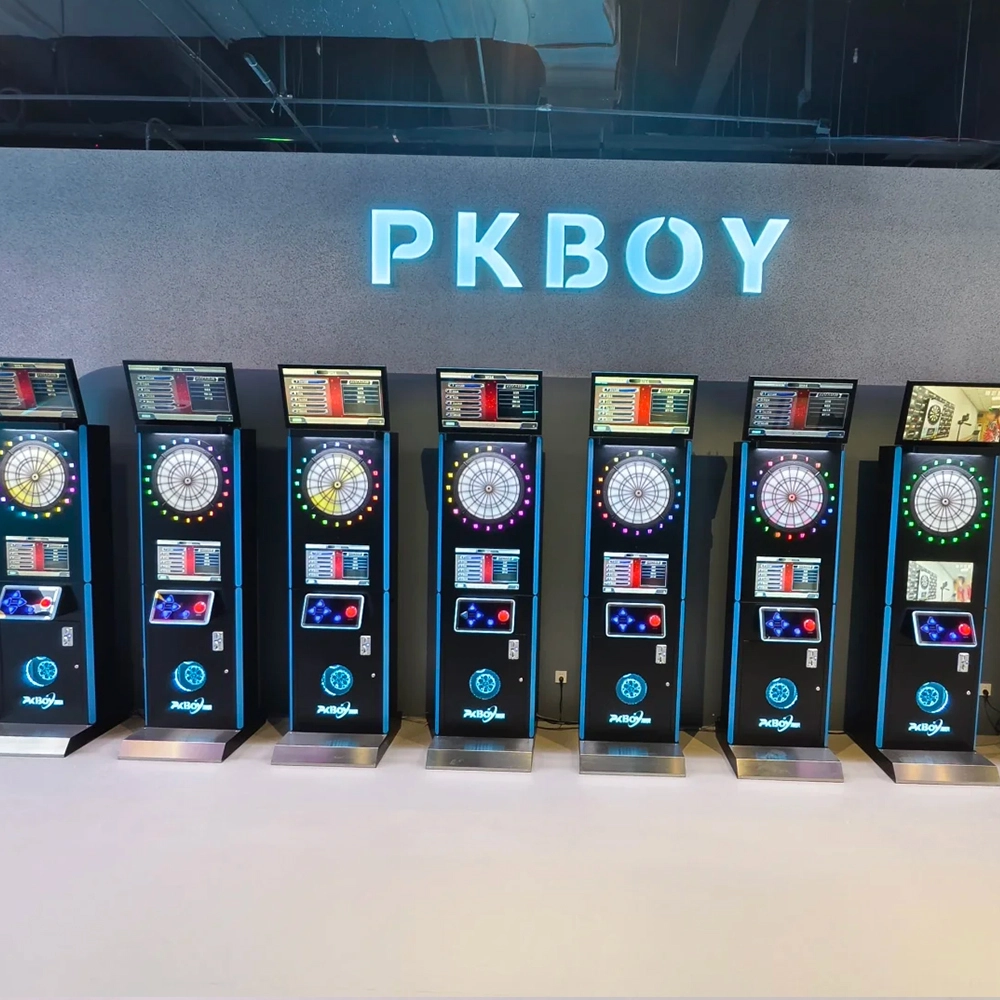
Dart Machines Bar Dart Machines
Joy Power is full of fun and excitement in the playground! The dart machine is suitable for all kinds of places, whether it is a bar, restaurant, KTV, or other entertainment venue, or a sports shop, club, or family leisure space, and can be perfectly adapted. In commercial venues, holding individual and team darts tournaments from time to time can attract more customers and increase the popularity and revenue of the venue, supplemented by various preferential activities, which can directly promote consumption and form a cycle of consumption of all the goods in the shop.
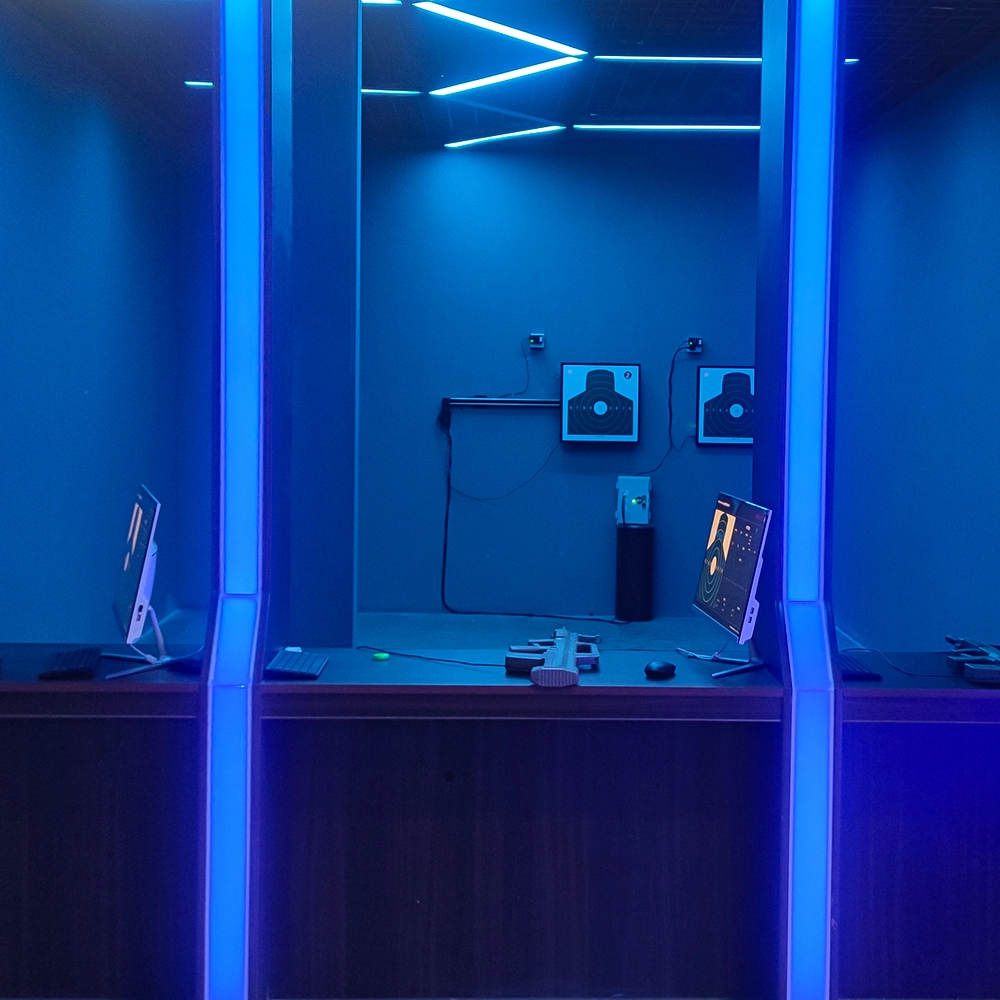
Infrared Shooting
Highly simulated simulation training analysis equipment, with advanced design concepts, fast system development, ease of operation and use, stable technical performance, less consumption of training, site dependence on a small group training is highly interesting, safe, and reliable, and other outstanding features. Product design to solve the basic skills of light weapons precision shooting as a starting point, to improve the safety of shooting training and training efficiency as the fundamental purpose, highlighting the simulation, information technology, and combat training requirements, can be in small indoor and outdoor venues and does not use live ammunition to complete the basic shooting training.
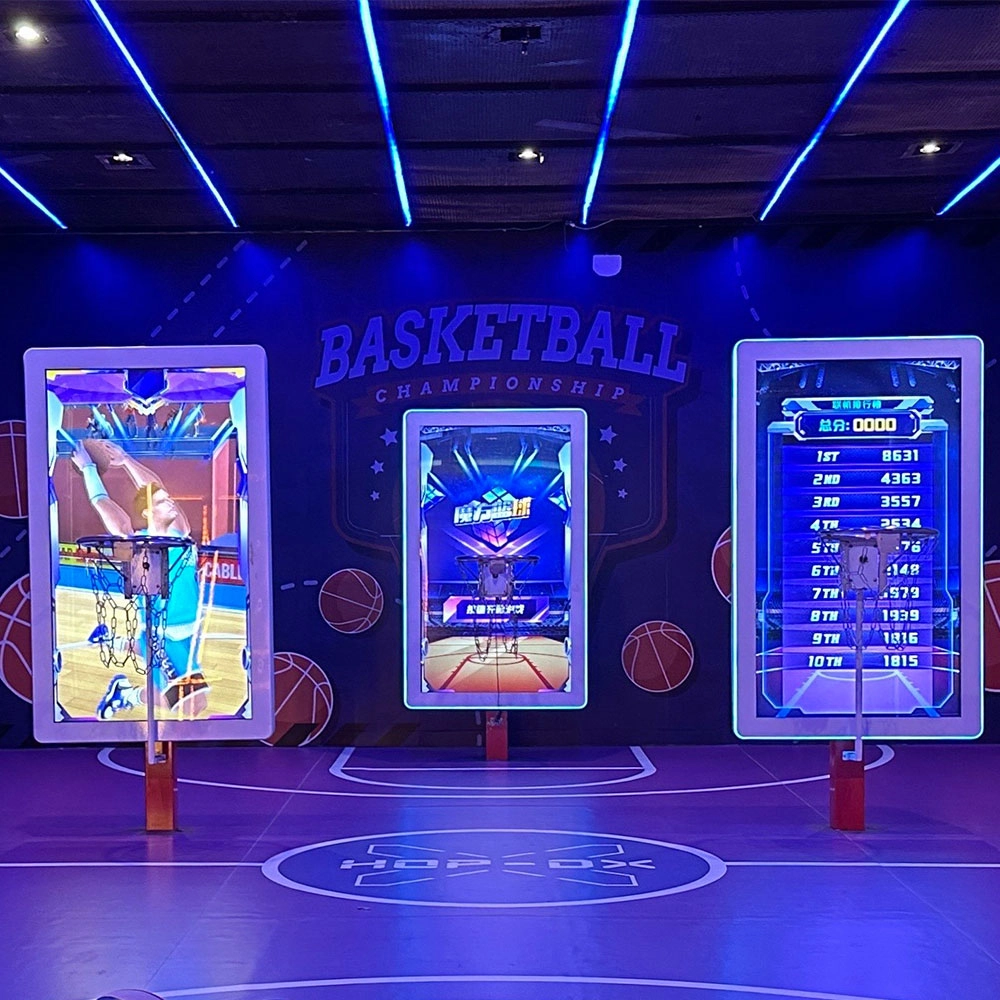
Multi-Player Interactive Shooting Machine
Joy Power is full of fun and exciting playgrounds! The basketball shooting machine is a classic amusement device integrating competition, entertainment, and interactivity. Based on the traditional basketball shooting sport, it integrates electronic scoring, sound and light effects, and challenge mechanisms to bring players an immersive game experience. The main body of the equipment is usually built with a metal frame, equipped with a standard-sized basket and a sturdy rim, with multiple sets of sensors to accurately capture the trajectory of the shot; when the player shoots the ball, the machine's built-in sensors count the score in real time and present the score, remaining time, and challenge goals through the LED display or LCD screen, with exciting sound effects and colorful lights to create a tense and exciting gaming atmosphere.
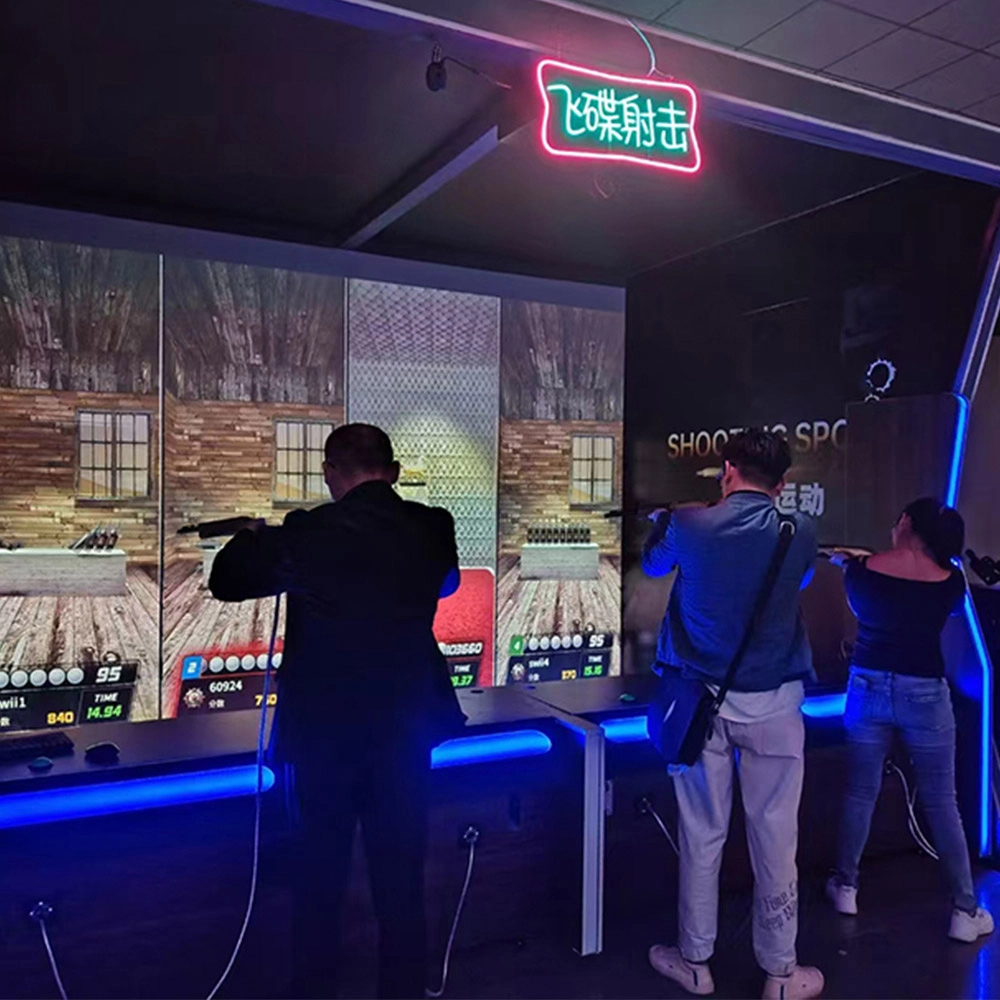
Indoor Wave Play Disc Shooting Equipment
Joy Power is full of fun and exciting playgrounds! The saucer shooting equipment in the indoor hip play hall is an immersive entertainment device integrating high-definition projection scenes, simulated air rifles, and multi-mode interactive gameplay, which allows players to experience the excitement of virtual shooting and the fun of social competition through laser-sensing scoring and multi-sensory feedback.
Ready to take your venue to the next level?
Leave us a message here, and our team will get back to you promptly.
Whether you're interested in custom orders, technical specifications, or partnership opportunities, we're here to assist you.
© 2025 FUNTECH ALL RIGHTS RESERVED

Weixia Lei
Fun_Tech-s
fun_tech20