
How do event planners use holographic interactive projection for immersive experiences? | FUNTECH Guide
- How Do Event Planners Use Holographic Interactive Projection for Immersive Experiences?
- 1. What is Holographic Interactive Projection and How Does It Work?
- 2. How Does This Technology Enhance Audience Engagement in Events?
- 3. What Are the Key Applications of Holographic Projection in Sports and Entertainment?
- 4. What Technical Challenges Do Event Planners Face Using Holographic Projections?
- 5. How Do Event Planners Measure the Success of Holographic Interactive Projection Experiences?
How Do Event Planners Use Holographic Interactive Projection for Immersive Experiences?
1. What is Holographic Interactive Projection and How Does It Work?
Holographic interactive projection combines advanced 3D hologram technology with interactive elements to create engaging, lifelike experiences. Using specialized projectors, fans, motion sensors, and augmented reality interfaces, event planners project 3D visuals that audiences can interact with in real-time. This technology relies on light diffraction, stereoscopic displays, and sensors to create the illusion of physical presence.
2. How Does This Technology Enhance Audience Engagement in Events?
Holographic interactive projection transforms passive spectators into active participants by offering real-time interaction with projected content. For digital sports entertainment, this means fans can, for example, interact with virtual athletes, navigate live stats displayed holographically, or engage in immersive game scenarios. This deeper engagement increases emotional investment and retention of the event experience.
3. What Are the Key Applications of Holographic Projection in Sports and Entertainment?
In digital sports entertainment, holographic projection is used for:
- Live player holograms and virtual mascots during events
- Interactive fan zones where users manipulate 3D game data or simulations
- Augmented reality presentations of statistics and game highlights
- Enhanced award ceremonies with holographic visuals
- Virtual meet-and-greet sessions with holograms of athletes or celebrities
4. What Technical Challenges Do Event Planners Face Using Holographic Projections?
Some challenges include ensuring sufficient ambient light control, precise calibration of projection angles, latency management for real-time interactions, and the cost of high-end projection equipment. Moreover, fine-tuning user interaction interfaces to be intuitive and seamless is essential to avoid immersion-breaking glitches.
5. How Do Event Planners Measure the Success of Holographic Interactive Projection Experiences?
Success metrics often involve audience engagement levels, social media interaction rates, event attendance boost, real-time user feedback, and repeat participation in immersive zones. In sports entertainment, there’s also measurable impact through increased merchandise sales and enhanced fan loyalty due to the memorable immersive experience provided.
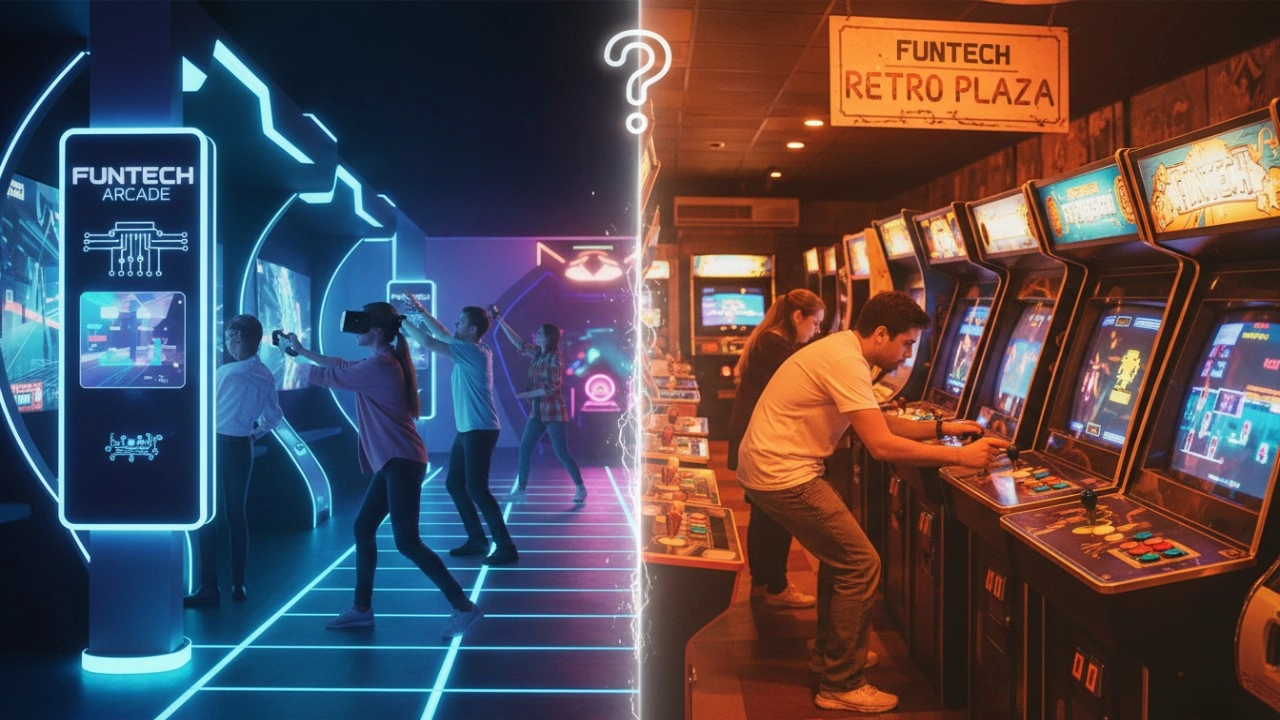
Interactive Sports Arcade vs Traditional Arcade Machines: Key Differences (2026 Guide)
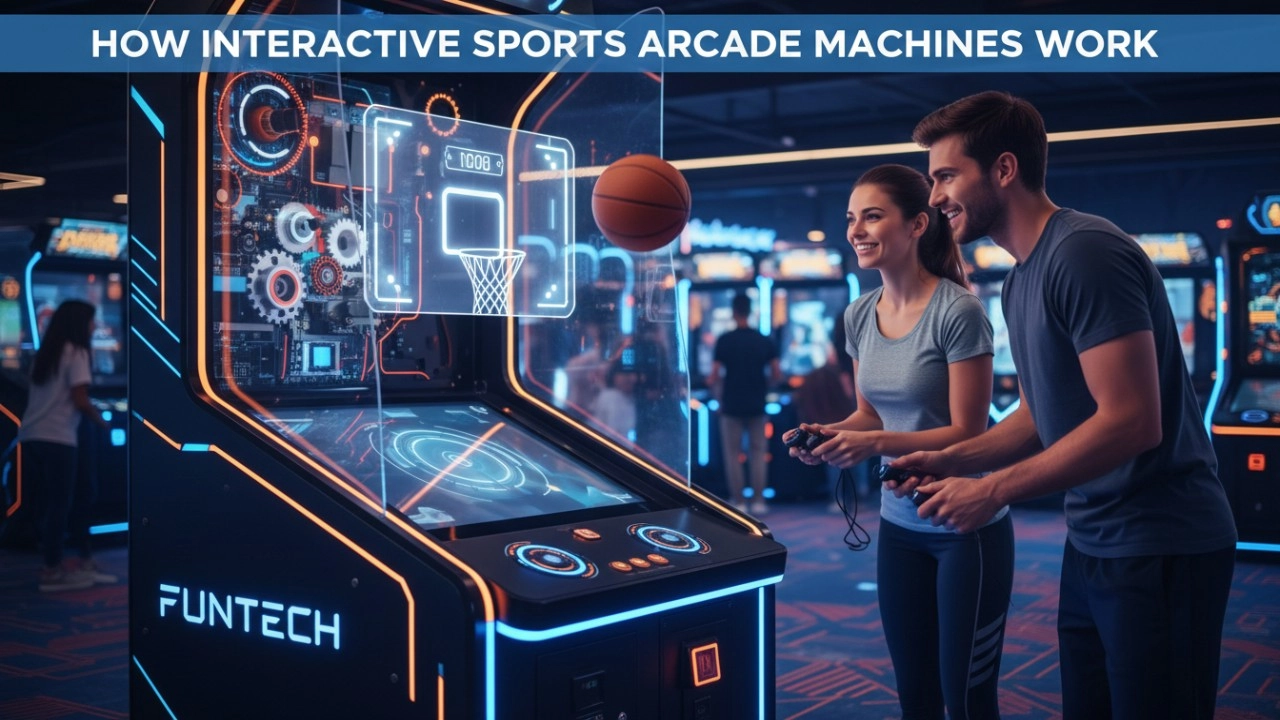
How Interactive Sports Arcade Machines Work (Sensors, Projection & AI) - 2026 Guide
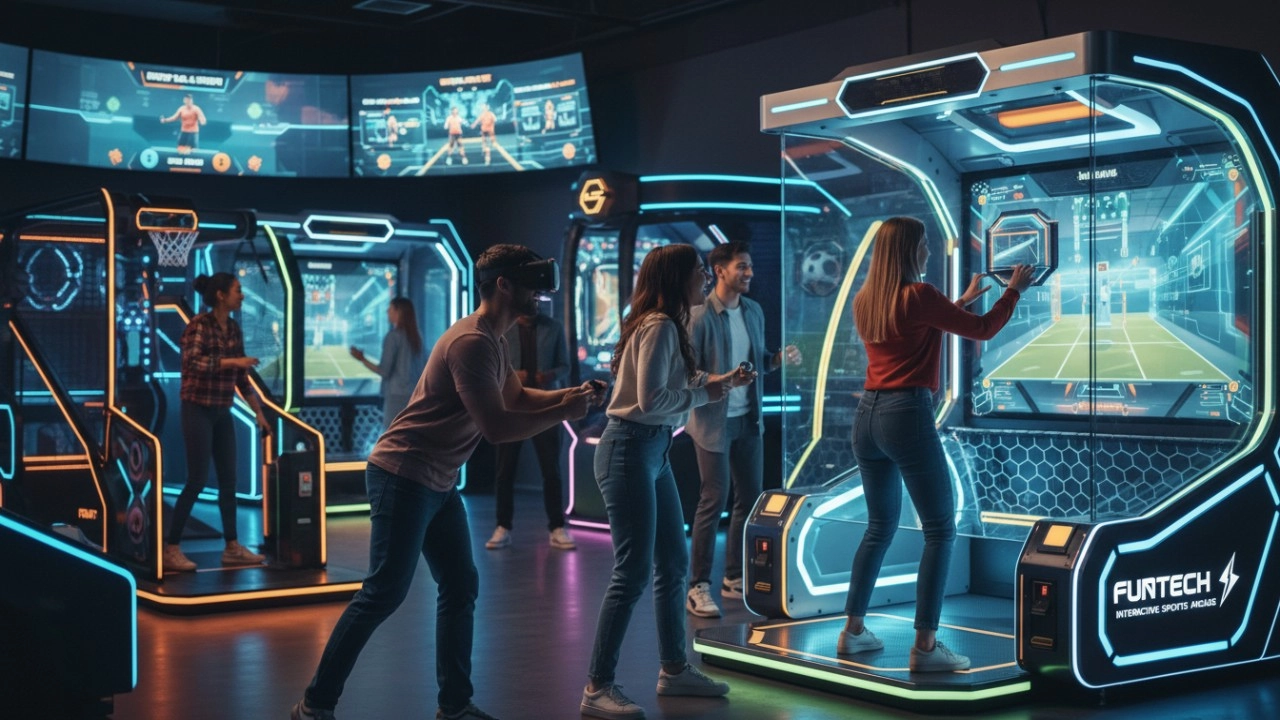
What Defines Interactive Sports Arcade Equipment in 2026?
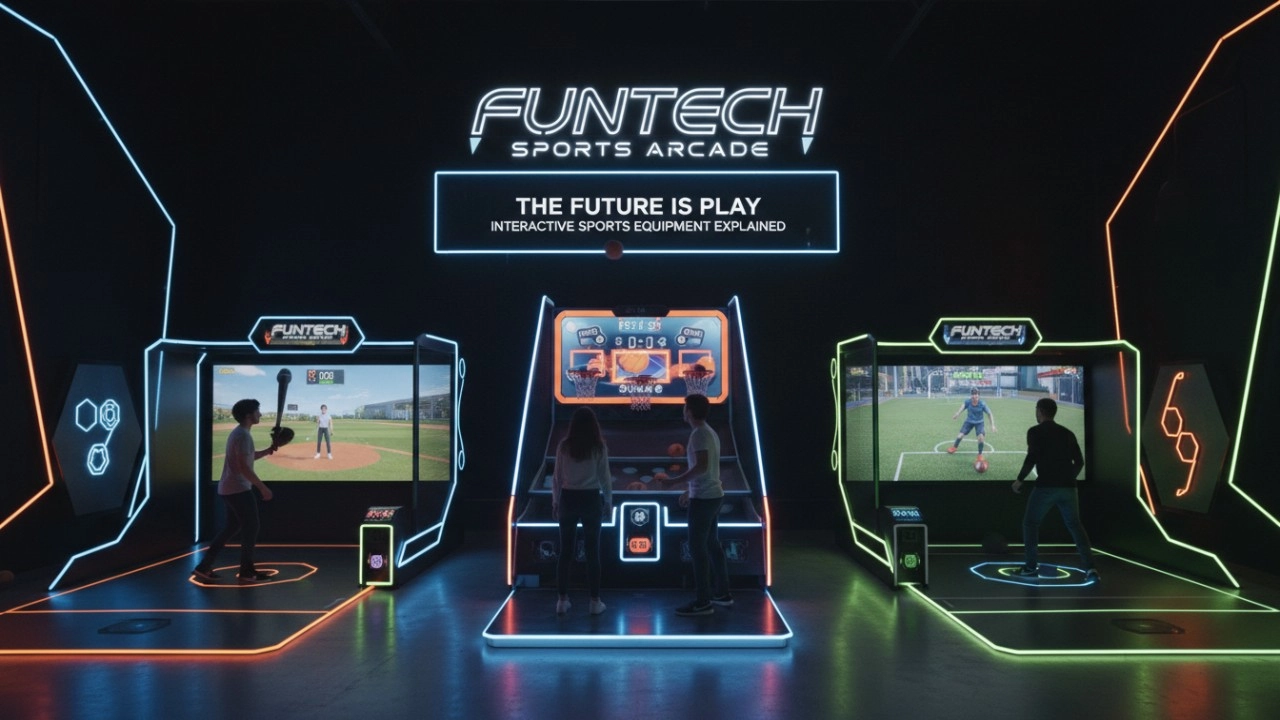
What Is Interactive Sports Arcade Equipment? Complete Beginner Guide (2026)
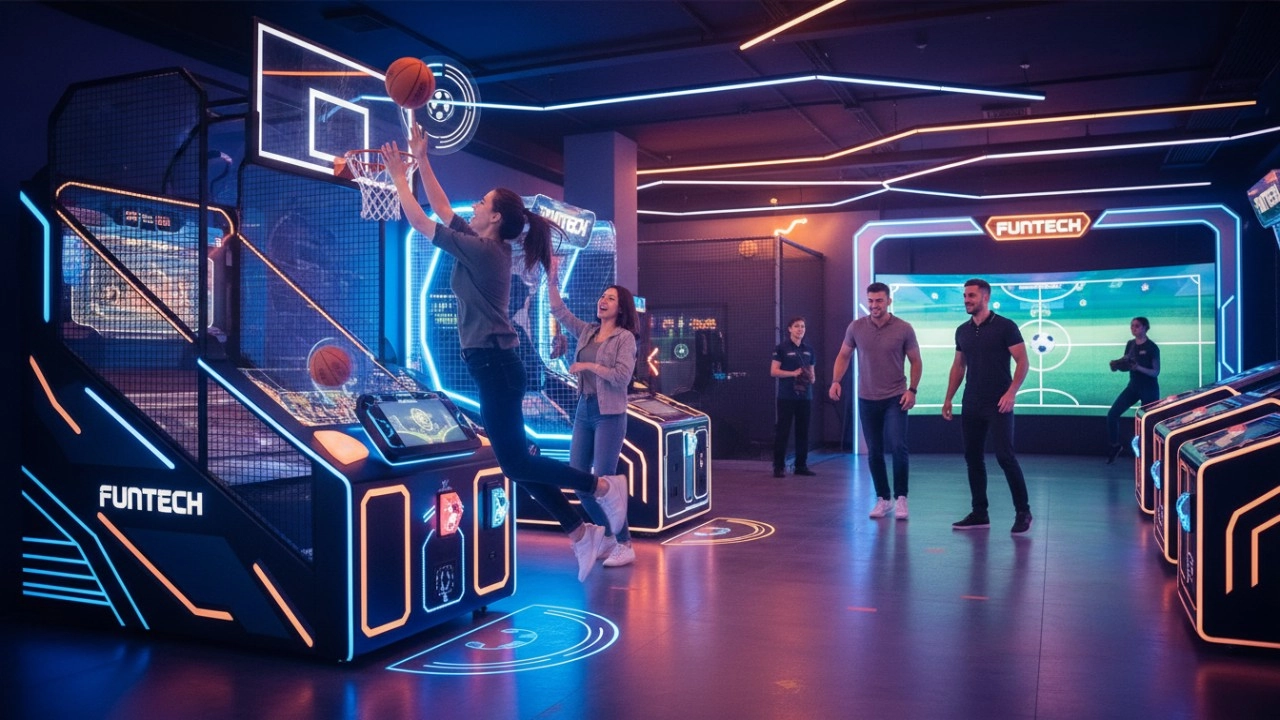
The Ultimate Guide to Interactive Sports Arcade Equipment for Commercial Entertainment (2026 Edition)
Holographic Light and Shadow Restaurant
What is the difference between holographic projection and ordinary projection?
Ordinary projection is the process of projecting a two-dimensional image onto a flat screen, where the viewer sees a flat image. Holographic projection can present real three-dimensional images, allowing viewers to observe different faces of objects from different angles, with a strong sense of three dimensionality and realism. In addition, ordinary projection usually only requires simple equipment such as projectors and screens, while holographic projection requires more complex optical systems and technologies to achieve.
What is the principle of holographic projection?
Firstly, during the recording process, a reference light and an object light are simultaneously irradiated onto the object, causing interference between the two beams. The intensity and phase information of the object are recorded on the photosensitive material, forming a hologram. Then, during the reproduction process, the hologram is illuminated with the same beam of light as the reference light, and the hologram acts like a complex diffraction grating, causing the light to diffract and thus reproducing the three-dimensional image of the object.
FAQ
What is to be considered for setting up a digital sports & amusement hall?
The design requirements of digital sports & amusement hall are different from other entertainment venues, and they need to focus on innovation, interactivity and experience.
Infrared Shooting
What are the after-sales services after purchasing the equipment?
Generally, a 1-year warranty is provided. During the warranty period, parts damaged due to quality problems, such as motor failure, display problems, etc., will be repaired or replaced free of charge. There will also be technical support, including equipment installation and debugging guidance, operation training, to ensure the smooth use of the user, after-sales response time is usually within 24 - 48 hours.
How to attract customers when operating the program in shopping malls?
Create a cool venue decoration style and incorporate trendy elements, such as fluorescent light strips and anime-themed murals. o Launch diversified marketing models such as parent-child packages and couple packages, combined with time-limited promotional activities, such as half-price experience in the first three days of opening, to attract different groups of people such as families and couples to stop by and participate.
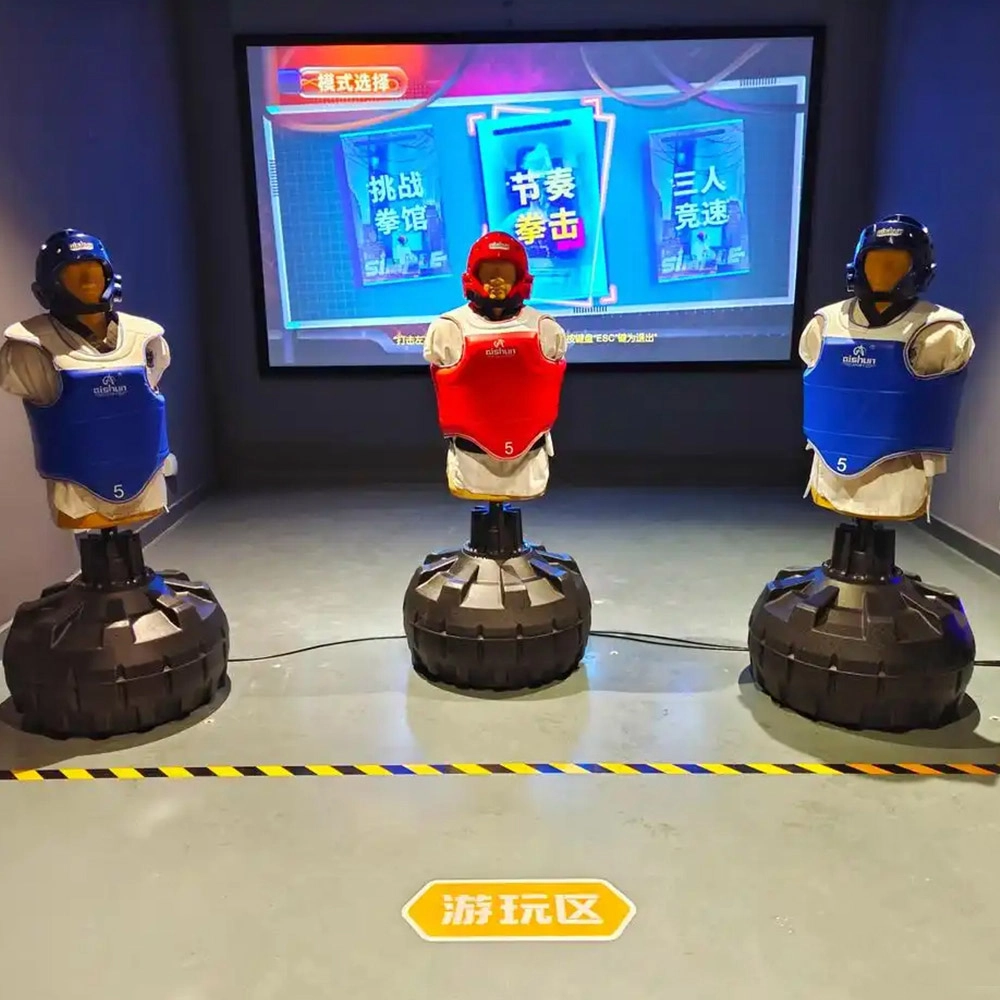
Indoor Boxing Equipment
FUNTECH is full of fun and exciting playgrounds! The indoor boxing simulation equipment combines pressure-sensitive boxing gloves with dynamic projection scenes, combining sports and fitness with entertainment and competitive attributes, supporting single-player training and two-player sparring modes, and accurately recording hitting data and generating sports reports, making it suitable for all-age experiences and safe and low-loss.
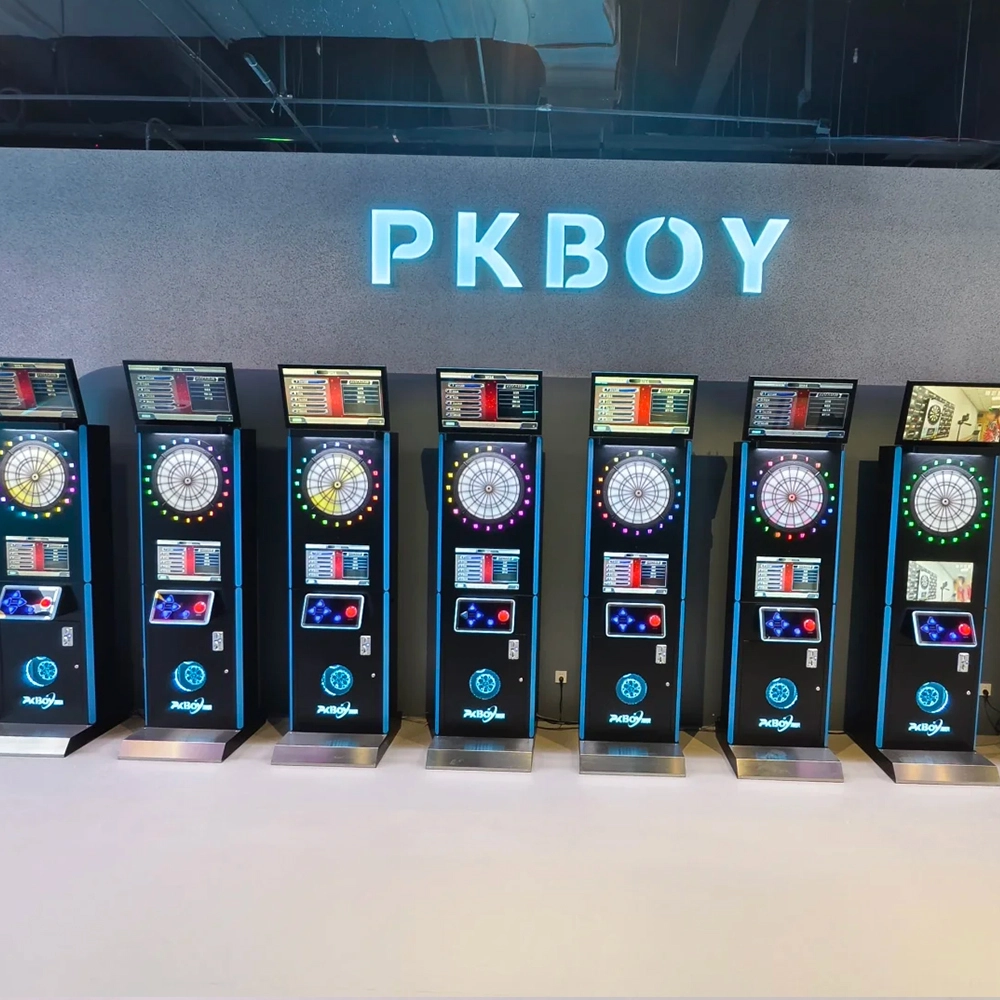
Dart Machines Bar Dart Machines
Joy Power is full of fun and excitement in the playground! The dart machine is suitable for all kinds of places, whether it is a bar, restaurant, KTV, or other entertainment venue, or a sports shop, club, or family leisure space, and can be perfectly adapted. In commercial venues, holding individual and team darts tournaments from time to time can attract more customers and increase the popularity and revenue of the venue, supplemented by various preferential activities, which can directly promote consumption and form a cycle of consumption of all the goods in the shop.
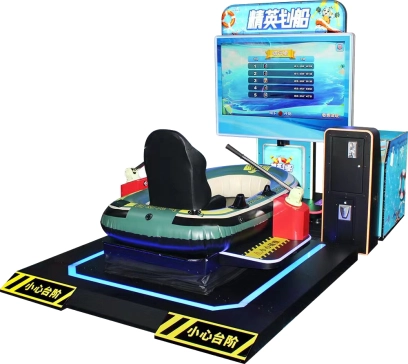
FUNTECH Interactive Indoor Rowing Simulator - Commercial Digital Sports Machine with AI Competition
A brand-new rowing simulation competitive game, operating on a single machine station, supports player interaction and competition with 3 AI opponents. The station is equipped with the latest rowing equipment, enabling players to experience realistic rowing operation. The competition process is relaxed and fun, while also providing fitness exercise benefits.
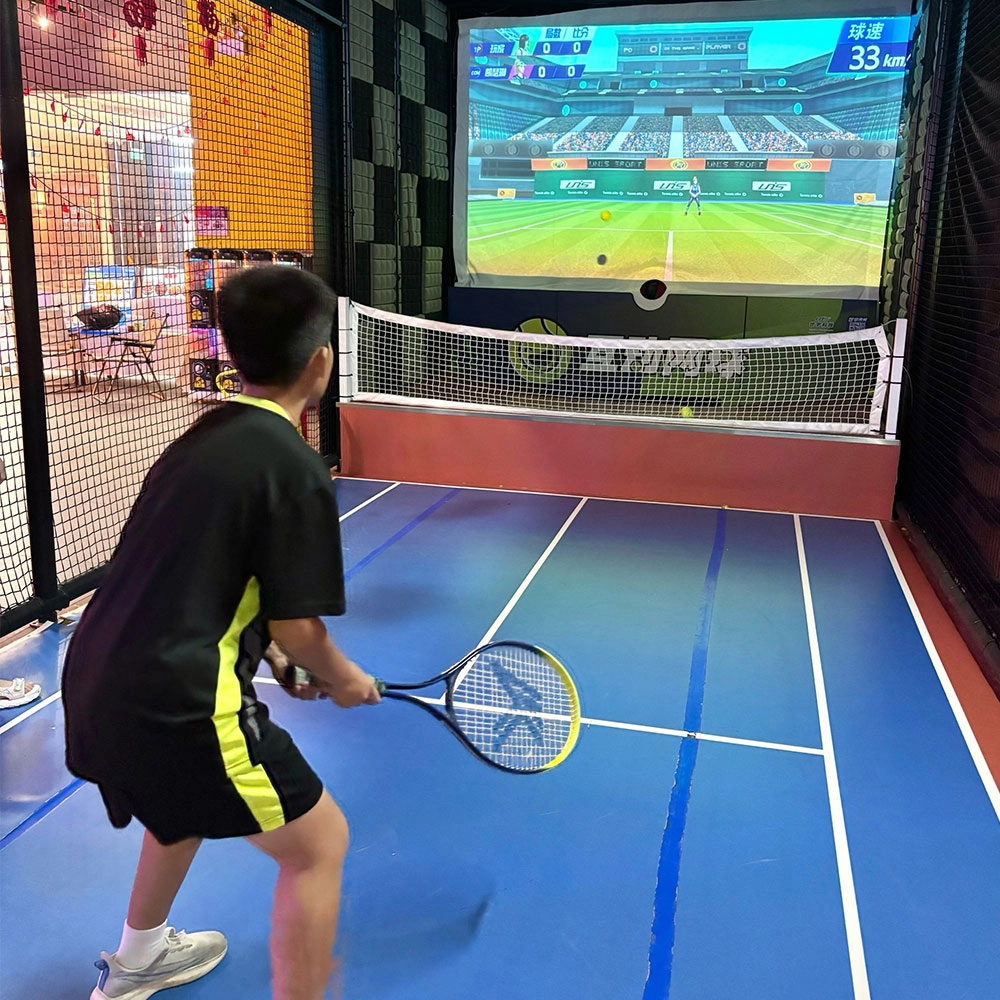
Indoor Tide Play Simulation Tennis Equipment
FUNTECH is full of fun and exciting playgrounds! With high-definition scene projection, force feedback racket, and intelligent scoring system, the simulated tennis equipment in the indoor arcade realizes immersive sports experiences and diversified interactive play, combining the advantages of safety and ease of use with high operational efficiency.
Ready to take your venue to the next level?
Leave us a message here, and our team will get back to you promptly.
Whether you're interested in custom orders, technical specifications, or partnership opportunities, we're here to assist you.
© 2025 FUNTECH ALL RIGHTS RESERVED

Weixia Lei
Fun_Tech-s
fun_tech20