
What industries benefit most from holographic interactive projection technology? | Insights by FUNTECH
- What are the primary applications of holographic interactive projection in Digital Sports Entertainment?
- How does this technology enhance fan engagement and experience?
- What are the measurable benefits or ROI for sports organizations adopting this technology?
- What are the technical considerations and infrastructure requirements for implementing holographic projection in sports venues?
- How is holographic technology evolving in the sports sector, and what future trends should we anticipate?
- Why Choose FUNTECH for Your Holographic Interactive Projection Needs?
What are the primary applications of holographic interactive projection in Digital Sports Entertainment?
Holographic interactive projection technology is rapidly transforming the digital sports entertainment industry, moving beyond mere visualization to create truly immersive experiences. Its applications are diverse and impactful:
- Live Event Enhancement: During sporting events, holography can project virtual athletes, real-time statistics, or dynamic replays onto stadium fields or arena stages, offering fans a more engaging view. For instance, augmented reality (AR) overlays are increasingly used in sports broadcasting, with companies like Sportradar leveraging AR to provide real-time game statistics and visualizations, enhancing the viewer experience at home and in the stadium.
- Fan Engagement Zones: Dedicated interactive fan zones can utilize holographic projections for virtual meet-and-greets with star players, immersive games, or interactive historical archives of a team's legacy. Imagine fans being able to 'play' against a holographic projection of their favorite athlete.
- Athlete Training & Performance Analysis: Coaches can use holographic simulations to analyze player movements, strategize plays in a virtual environment, or even simulate opposing teams. This offers a highly detailed and dynamic training tool, going beyond traditional video analysis.
- Esports Arenas: In the rapidly growing esports industry, holographic projections can create stunning visual backdrops, project game characters into the arena, or display real-time game maps, elevating the spectator experience to unprecedented levels.
- Retail & Merchandise: Sports venues can use holographic displays to showcase merchandise in 3D, allowing fans to virtually try on jerseys or view equipment from all angles before purchasing.
How does this technology enhance fan engagement and experience?
The core benefit of holographic interactive projection lies in its ability to create a deeper, more memorable connection between fans and the sport. It moves spectators from passive observers to active participants. For example, the NFL has explored using virtual stadiums and augmented reality elements in broadcasts to bring fans closer to the game, even when they aren't physically present. Key enhancements include:
- Immersive Storytelling: Holography brings narratives to life, whether it's a pre-game highlight reel featuring larger-than-life players or an clean, interactive display detailing a team's history.
- Personalized Interaction: Fans can interact directly with virtual content, from posing with a holographic trophy to participating in projected sports challenges, making the experience unique to them.
- Enhanced Visuals: The sheer 'wow' factor of 3D projections creates an unforgettable spectacle, distinguishing the event from standard broadcasts or live views.
- Bridging Physical & Digital: It seamlessly blends digital content with the physical environment, creating a mixed-reality experience that feels futuristic and engaging.
What are the measurable benefits or ROI for sports organizations adopting this technology?
Investing in holographic interactive projection yields several tangible benefits for sports organizations, leading to a strong return on investment:
- Increased Revenue Streams: Enhanced fan experiences can translate into higher ticket sales, High Quality pricing for interactive zones, new sponsorship opportunities, and increased merchandise sales. The global sports technology market, which includes AR/VR and holographic solutions, is projected to reach USD 53.0 billion by 2030, according to Grand View Research, indicating significant growth potential and opportunities for monetization.
- Brand Differentiation & Loyalty: Offering cutting-edge, unique experiences sets a team or league apart from competitors, fostering stronger fan loyalty and attracting new demographics.
- Expanded Global Reach: Holographic content can be streamed or replicated in various locations, allowing for global fan engagement initiatives without physical presence requirements.
- Optimized Training & Performance: For teams, improved training efficacy directly impacts on-field performance, potentially leading to better results and higher team value.
- Data Collection: Interactive installations can collect valuable data on fan behavior and preferences, informing future marketing and engagement strategies.
What are the technical considerations and infrastructure requirements for implementing holographic projection in sports venues?
Implementing holographic interactive projection technology requires careful planning and a robust infrastructure. Key considerations include:
- High-Resolution Projectors & Displays: Requires powerful, high-luminosity projectors capable of rendering detailed 3D content in various lighting conditions. Some advanced systems, like those used for large-scale public installations, can cost upwards of hundreds of thousands of dollars.
- Specialized Projection Surfaces: Depending on the type of holographic effect (e.g., Pepper's Ghost, volumetric display, or transparent screens), specific materials like Musion Eyeliner foil or specialized LED screens are necessary.
- Content Creation & Management Systems: Developing realistic 3D models, animations, and interactive elements requires specialized software (e.g., Unity, Unreal Engine) and skilled artists. A robust content management system is crucial for seamless updates and deployment.
- Network & Processing Power: High-bandwidth networks are essential for real-time data streaming and interactive responses. Powerful graphics processing units (GPUs) are needed for rendering complex holographic content without latency.
- Environmental Control: Lighting, temperature, and even air currents can affect projection quality. Controlled environments are often necessary for optimal performance.
- Safety & Maintenance: Regular maintenance, calibration, and safety protocols for equipment operation are vital, especially in public venues.
How is holographic technology evolving in the sports sector, and what future trends should we anticipate?
The evolution of holographic technology in sports is rapid, promising even more sophisticated and accessible applications:
- Volumetric Video & Real-time Capture: Advances in volumetric capture will allow for real-time 3D streaming of live events or athletes, creating truly live holographic telepresence. This is already being explored by companies like Intel with their True View technology, which generates 3D volumetric replays.
- Edge Computing & 5G Integration: The rollout of 5G will significantly reduce latency, enabling more complex, real-time interactive holographic experiences across distributed networks. Edge computing will process data closer to the source, further enhancing responsiveness.
- AI-Powered Interactions: Artificial intelligence will enable more intelligent and personalized holographic interactions, from AI-driven virtual commentators to adaptive training simulations that respond to an athlete's real-time performance.
- Portable & Scalable Solutions: Future iterations will likely include more compact, deployable holographic units, making the technology more accessible for smaller venues, pop-up events, and even home use.
- Integration with Wearables & Haptics: Combining holographic visuals with haptic feedback (touch) and augmented reality wearables (like smart glasses) will create multi-sensory, hyper-realistic experiences.
Why Choose FUNTECH for Your Holographic Interactive Projection Needs?
For digital sports entertainment organizations looking to re-procure or invest in cutting-edge holographic interactive projection technology, FUNTECH stands as a leading partner. Our advantages include:
- Proven Expertise: FUNTECH boasts a deep understanding of the unique demands of the sports and entertainment sectors, having successfully deployed advanced projection solutions globally.
- Customized Solutions: We don't offer one-size-fits-all. FUNTECH designs bespoke holographic systems tailored to your venue's specific architecture, audience engagement goals, and budget.
- Cutting-Edge Technology: We continuously invest in R&D, ensuring our clients benefit from the latest advancements in projection hardware, interactive software, and content creation tools.
- End-to-End Support: From initial consultation and system design to installation, content integration, training, and ongoing technical support, FUNTECH provides comprehensive service to ensure seamless operation.
- Demonstrable ROI: Our solutions are designed with your business objectives in mind, focusing on maximizing fan engagement, creating new revenue streams, and enhancing brand value, providing a clear return on your investment.
Partner with FUNTECH to transform your digital sports entertainment offerings and captivate your audience like never before.
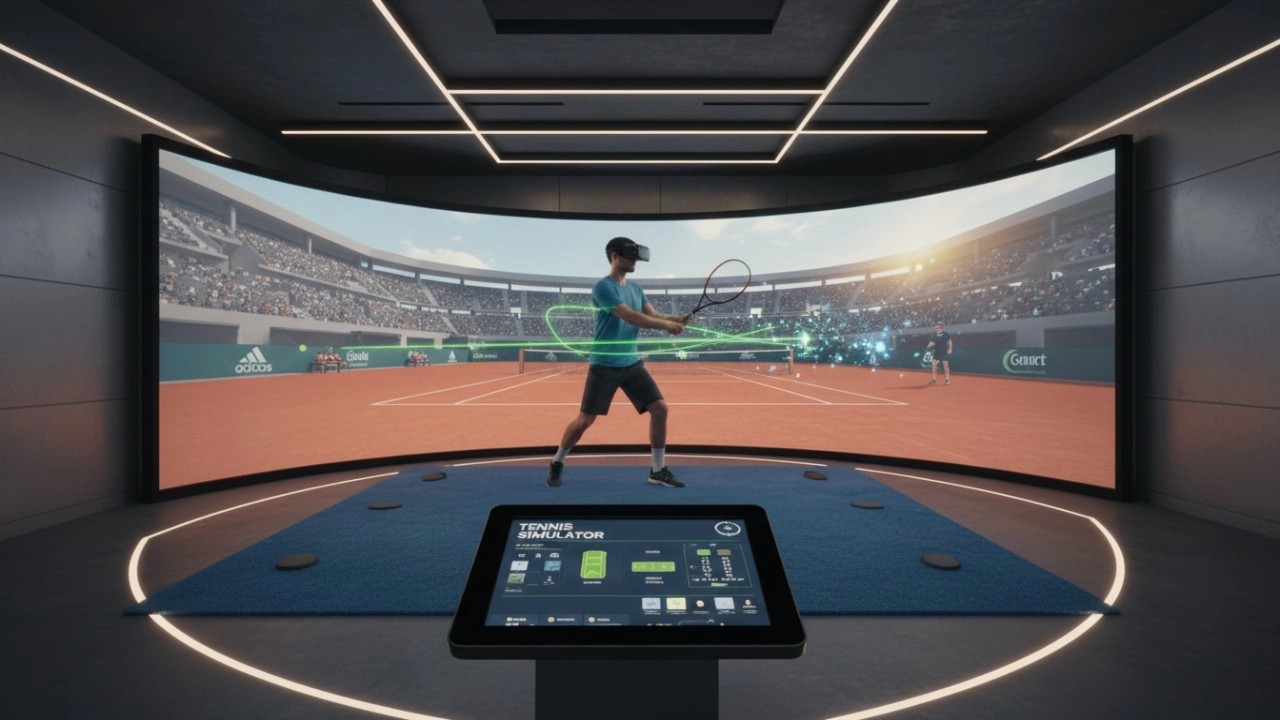
7 Reasons to Add a Tennis Simulator to Your Entertainment Venue Instead of Traditional Training Models (2026 Guide)
The 2026 Dart Machine Revenue Playbook: Boosting Mid-Week Sales by 30%-40% with Competitive Socializing
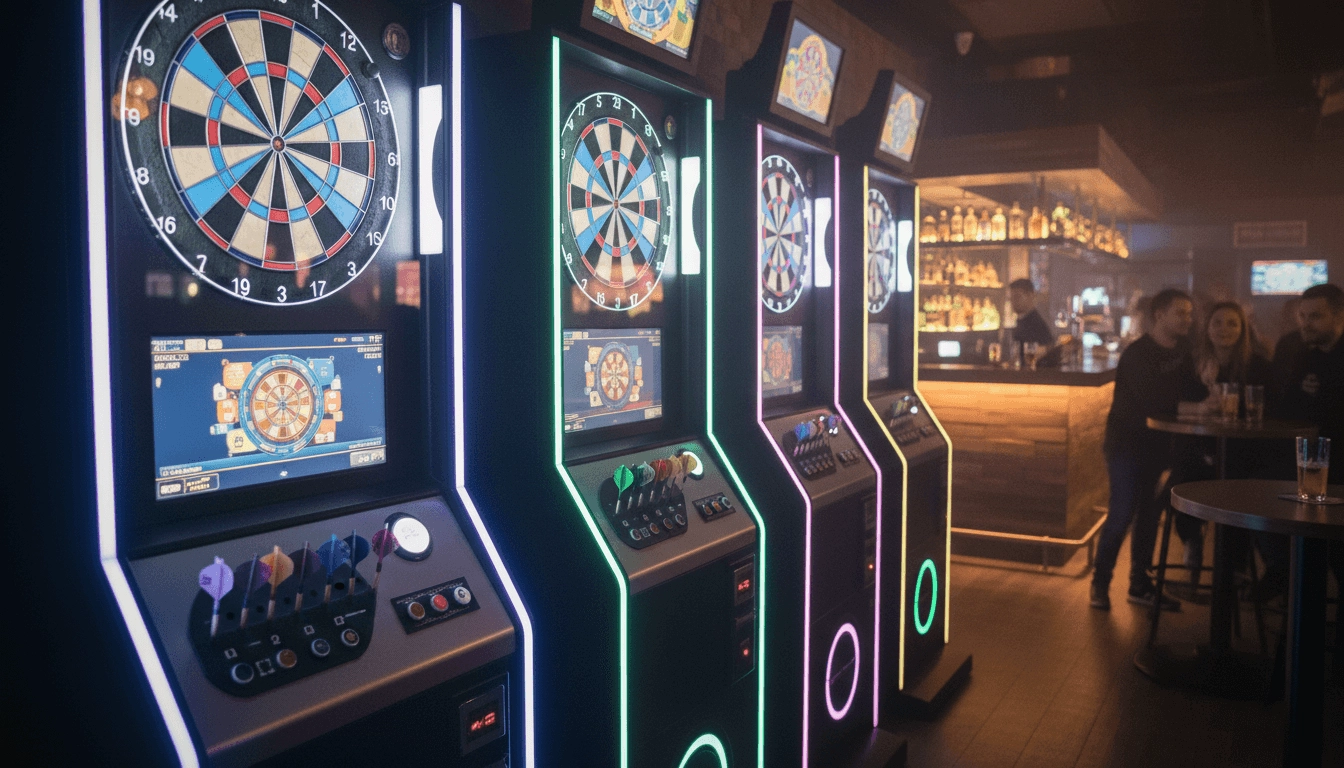
Redefining Competitive Socializing: Ultimate Guide to Selecting an Intelligent Dart Machine 2026
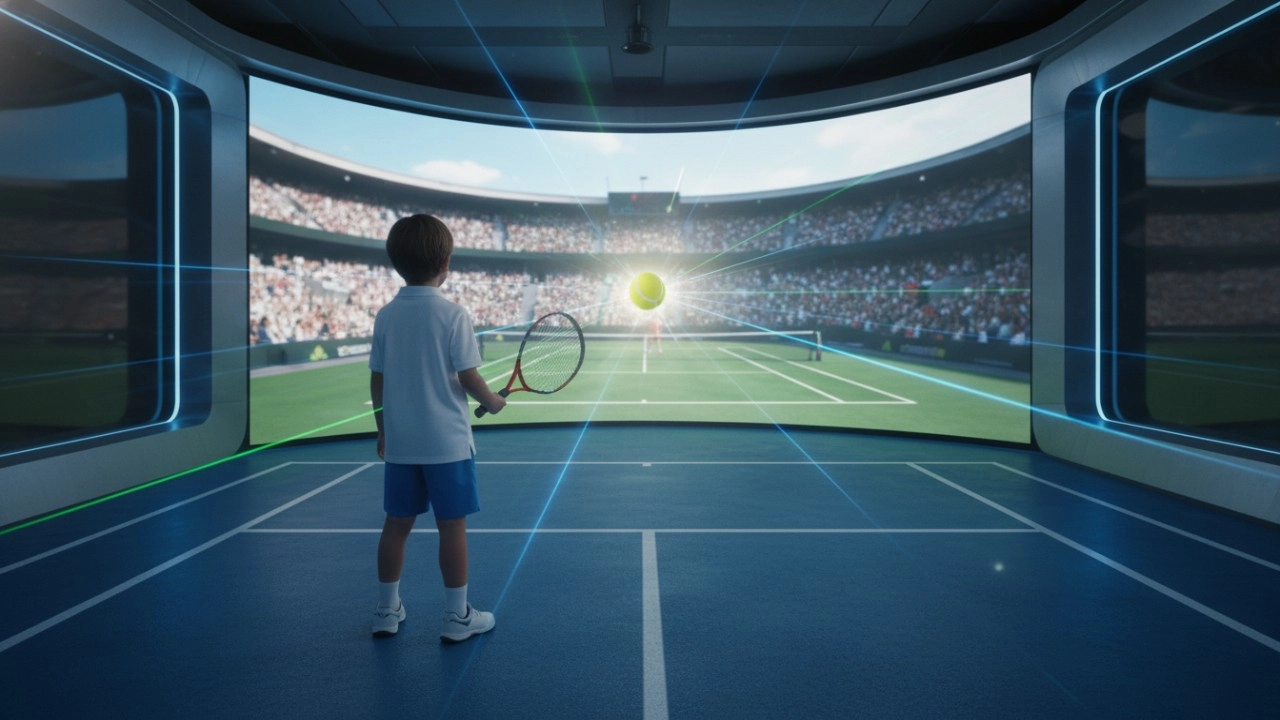
Tennis Simulators in 2026: The Ultimate Guide to Virtual Courts and Advanced Training

Top 15 Dart Machine Manufacturers in 2026
Infrared Shooting
How to attract customers when operating the program in shopping malls?
Create a cool venue decoration style and incorporate trendy elements, such as fluorescent light strips and anime-themed murals. o Launch diversified marketing models such as parent-child packages and couple packages, combined with time-limited promotional activities, such as half-price experience in the first three days of opening, to attract different groups of people such as families and couples to stop by and participate.
How to reduce operating costs?
Starting with equipment procurement, choose cost-effective, durable and easy-to-maintain products, which can save money for subsequent maintenance. Reasonable arrangement of staff, reduce the number of staff on duty during off-peak hours, train staff to have multi-skills, such as being able to operate the equipment and guide customers part-time, so as to improve the efficiency of manpower and reduce the cost of manpower.
What are the after-sales services after purchasing the equipment?
Generally, a 1-year warranty is provided. During the warranty period, parts damaged due to quality problems, such as motor failure, display problems, etc., will be repaired or replaced free of charge. There will also be technical support, including equipment installation and debugging guidance, operation training, to ensure the smooth use of the user, after-sales response time is usually within 24 - 48 hours.
Holographic Light and Shadow Restaurant
What is the difference between holographic projection and ordinary projection?
Ordinary projection is the process of projecting a two-dimensional image onto a flat screen, where the viewer sees a flat image. Holographic projection can present real three-dimensional images, allowing viewers to observe different faces of objects from different angles, with a strong sense of three dimensionality and realism. In addition, ordinary projection usually only requires simple equipment such as projectors and screens, while holographic projection requires more complex optical systems and technologies to achieve.
FAQ
What is the minimum area required to build a comprehensive digital sports and entertainment hall, and what is the recommended area?
To build a comprehensive type of digital sports and entertainment hall, the minimum required area will be affected by the number and type of equipment, activity area requirements, parking spaces, rest areas and other factors.
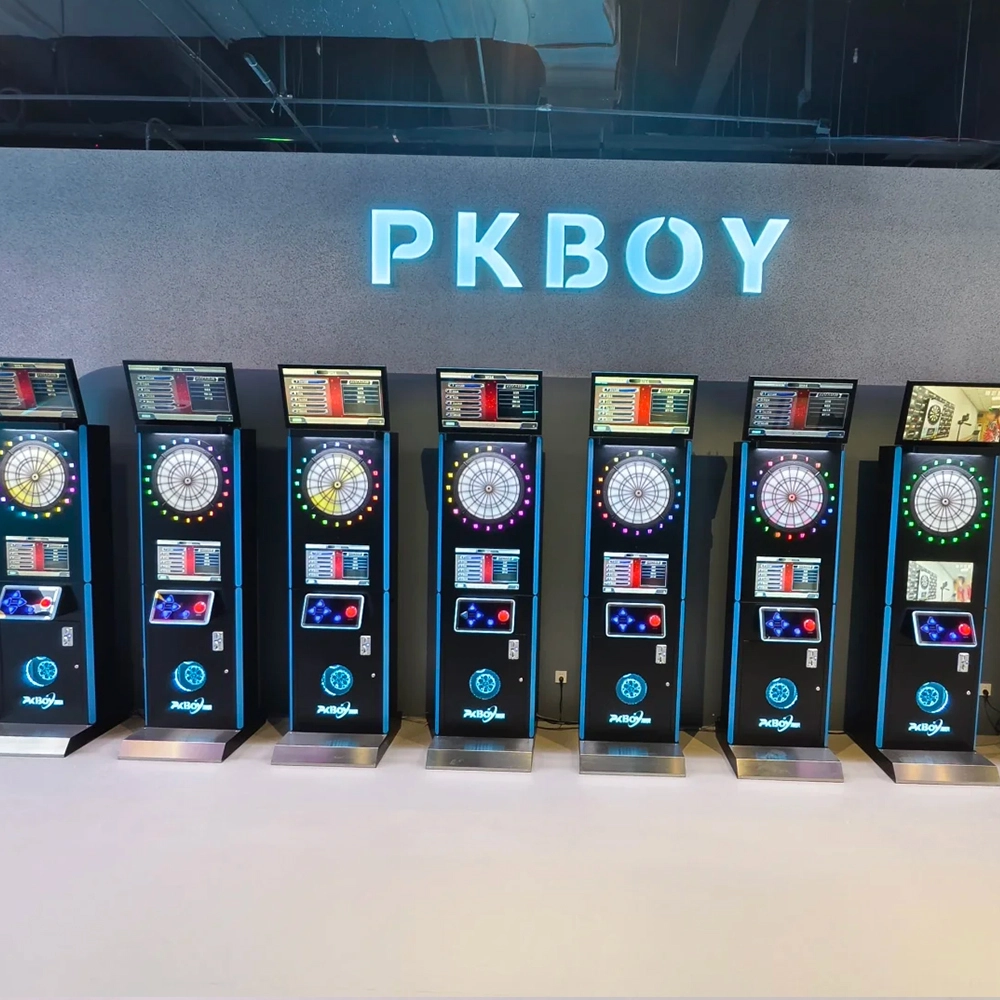
Dart Machines Bar Dart Machines
Joy Power is full of fun and excitement in the playground! The dart machine is suitable for all kinds of places, whether it is a bar, restaurant, KTV, or other entertainment venue, or a sports shop, club, or family leisure space, and can be perfectly adapted. In commercial venues, holding individual and team darts tournaments from time to time can attract more customers and increase the popularity and revenue of the venue, supplemented by various preferential activities, which can directly promote consumption and form a cycle of consumption of all the goods in the shop.
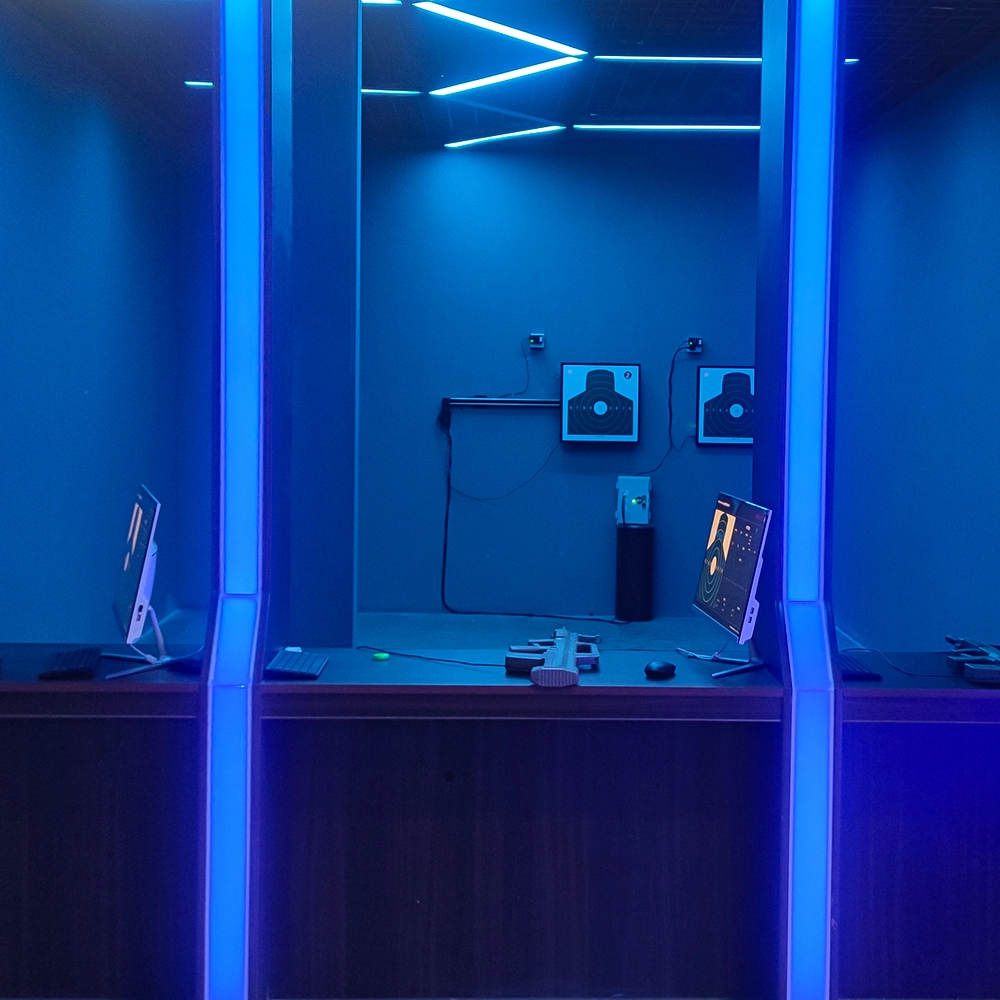
Infrared Shooting
Highly simulated simulation training analysis equipment, with advanced design concepts, fast system development, ease of operation and use, stable technical performance, less consumption of training, site dependence on a small group training is highly interesting, safe, and reliable, and other outstanding features. Product design to solve the basic skills of light weapons precision shooting as a starting point, to improve the safety of shooting training and training efficiency as the fundamental purpose, highlighting the simulation, information technology, and combat training requirements, can be in small indoor and outdoor venues and does not use live ammunition to complete the basic shooting training.
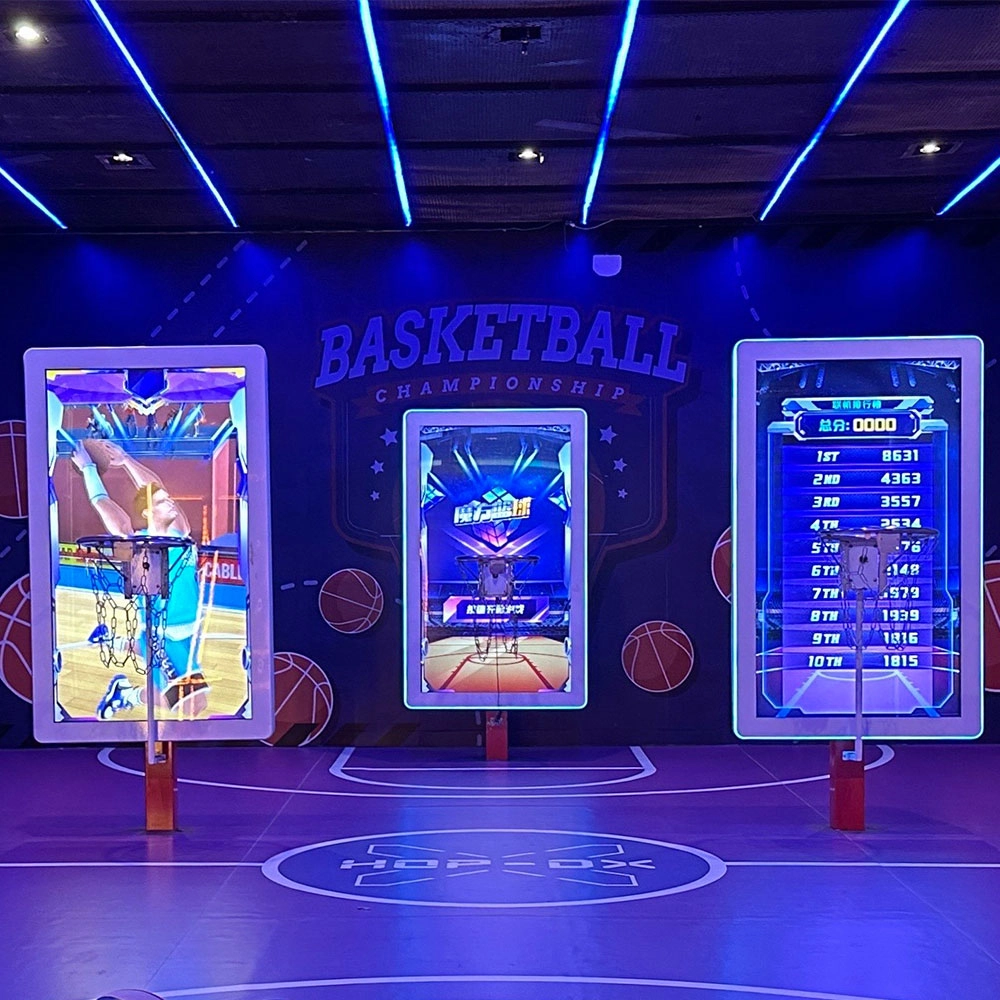
Multi-Player Interactive Shooting Machine
Joy Power is full of fun and exciting playgrounds! The basketball shooting machine is a classic amusement device integrating competition, entertainment, and interactivity. Based on the traditional basketball shooting sport, it integrates electronic scoring, sound and light effects, and challenge mechanisms to bring players an immersive game experience. The main body of the equipment is usually built with a metal frame, equipped with a standard-sized basket and a sturdy rim, with multiple sets of sensors to accurately capture the trajectory of the shot; when the player shoots the ball, the machine's built-in sensors count the score in real time and present the score, remaining time, and challenge goals through the LED display or LCD screen, with exciting sound effects and colorful lights to create a tense and exciting gaming atmosphere.
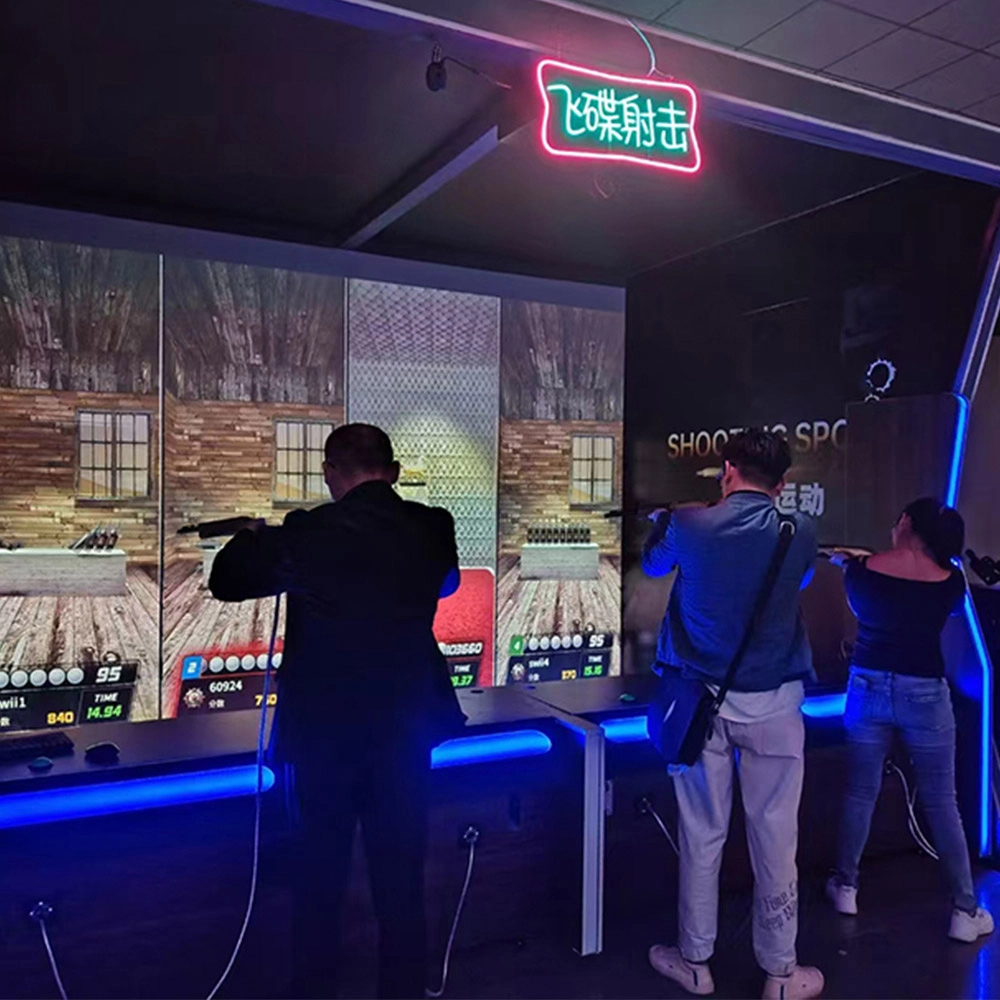
Indoor Wave Play Disc Shooting Equipment
Joy Power is full of fun and exciting playgrounds! The saucer shooting equipment in the indoor hip play hall is an immersive entertainment device integrating high-definition projection scenes, simulated air rifles, and multi-mode interactive gameplay, which allows players to experience the excitement of virtual shooting and the fun of social competition through laser-sensing scoring and multi-sensory feedback.
Ready to take your venue to the next level?
Leave us a message here, and our team will get back to you promptly.
Whether you're interested in custom orders, technical specifications, or partnership opportunities, we're here to assist you.
© 2025 FUNTECH ALL RIGHTS RESERVED

Weixia Lei
Fun_Tech-s
fun_tech20