
Interactive LED floor vs. projection-based interactive floors—what’s better? | Insights by FUNTECH
- Interactive LED Floor vs. Projection-Based Interactive Floors: A Professional's Re-Purchase Guide
- Which Technology Offers Superior Visual Quality and Immersion for Sports Applications?
- What Are the Total Cost of Ownership Differences, Including Installation and Energy?
- How Do They Compare in Terms of Durability and Maintenance Requirements?
- Which Technology Provides Better Interactivity and Responsiveness for Athletic Performance Tracking?
- What Are the Key Considerations for Scalability and Future Upgrades in a Digital Sports Environment?
- Conclusion: Making the Right Choice for Your Digital Sports Venue
- FUNTECH: Your Partner in Advanced Digital Sports Entertainment
Interactive LED Floor vs. Projection-Based Interactive Floors: A Professional's Re-Purchase Guide
For professionals in the Digital Sports Entertainment sector, selecting the optimal interactive floor technology is a pivotal decision impacting everything from player performance analytics to spectator engagement. As you consider a re-purchase or upgrading your existing system, the choice often narrows down to two primary contenders: interactive LED floors and projection-based interactive floors. Both offer unique advantages, but understanding their core differences in the context of high-demand sports environments is key to making a truly informed investment.
Which Technology Offers Superior Visual Quality and Immersion for Sports Applications?
When it comes to visual quality and creating an immersive experience, interactive LED floors generally hold a significant edge, especially in dynamic sports settings. LED floors are composed of robust, high-resolution LED panels, offering exceptional brightness levels typically ranging from 1,000 to over 6,000 nits. This allows for vibrant, crystal-clear visuals even in brightly lit arenas or during daytime events, ensuring graphics like court lines, player stats, or advertisements are always visible and impactful. Their pixel pitch (e.g., P3.91, P6.25 common for sports) delivers sharp, detailed imagery without visible pixilation from typical viewing distances. Moreover, LED technology provides superior color uniformity and contrast.
Projection-based systems, conversely, rely on overhead projectors (e.g., 5,000 to 30,000 lumens) to cast images onto a standard or specially coated floor surface. While capable of large-scale visuals, their brightness is inherently limited by ambient light. In well-lit sports venues, projected images can appear washed out, losing their vibrancy and impact. The resolution and clarity are also dependent on the projector's native resolution and the quality of the projection surface, which can sometimes be susceptible to glare or shadows from players.
What Are the Total Cost of Ownership Differences, Including Installation and Energy?
The Total Cost of Ownership (TCO) is a critical factor for any professional procurement. While initial capital expenditure (CAPEX) might favor one over the other, long-term operational costs can tell a different story.
- Interactive LED Floors: The initial CAPEX for high-quality, sports-grade interactive LED floors is typically higher, ranging from $1,000 to $3,000+ per square meter, depending on pixel pitch, durability, and features. However, their TCO can be lower over a 5-10 year period. They boast an impressive lifespan of 50,000 to 100,000 operating hours, requiring minimal ongoing calibration or major component replacements. While their peak energy consumption can be higher, advancements in LED technology are continuously improving energy efficiency.
- Projection-Based Floors: Initial setup costs can be lower, particularly for smaller installations, with high-lumen projectors ranging from $5,000 to $30,000 per unit, plus software and installation. However, the TCO can quickly escalate due to ongoing maintenance. Projectors require regular lamp/laser replacements (even laser projectors have finite lifespans, often 20,000-60,000 hours), filter cleaning, and frequent re-calibration to maintain image quality and alignment, especially in multi-projector setups. Energy consumption from multiple high-lumen projectors can also be substantial, adding to operational expenses.
How Do They Compare in Terms of Durability and Maintenance Requirements?
Durability and ease of maintenance are paramount in high-traffic sports environments.
- Interactive LED Floors: These systems are engineered for extreme resilience. They typically feature toughened glass or high-impact polycarbonate surfaces capable of withstanding heavy loads (often up to 2,000 kg/sqm static load) and the dynamic forces of athletic activities. They are often IP65 or higher rated, making them resistant to spills, dust, and humidity. Maintenance is simplified by their modular design; individual panels can be quickly replaced with minimal downtime, unlike a full floor overhaul.
- Projection-Based Floors: The projectors themselves are generally safe from direct impact as they are mounted overhead. However, they are susceptible to environmental factors like dust and heat, requiring routine cleaning and maintenance. The floor surface itself, while not electronic, needs to be consistently clean and free from scuffs or damage that could distort the projected image. If the floor surface is a standard material, it may wear down faster than a dedicated LED floor, requiring more frequent resurfacing or cleaning to maintain projection quality.
Which Technology Provides Better Interactivity and Responsiveness for Athletic Performance Tracking?
For applications requiring precise tracking and real-time interaction, interactive LED floors offer a distinct advantage.
- Interactive LED Floors: Many advanced LED floors integrate sophisticated sensor technologies directly into the panels—such as pressure sensors, capacitive touch, or infrared sensors. This allows for extremely low latency and highly accurate tracking of player movements, ball bounces, and specific pressure points. This direct interaction capability is invaluable for real-time performance analytics, training drills that require immediate feedback, or interactive games where precise tracking is crucial.
- Projection-Based Floors: Interactivity is achieved through overhead cameras and sensors (e.g., IR cameras, depth sensors like Microsoft Kinect, Lidar) that detect movement on the projected surface. While effective for many applications, there can be a slight increase in latency due to the processing chain (sensor detection > data processing > projection update). Accuracy can sometimes be affected by shadows cast by players or changes in ambient lighting conditions, potentially leading to less precise data for high-performance sports tracking.
What Are the Key Considerations for Scalability and Future Upgrades in a Digital Sports Environment?
Planning for future growth and technological advancements is vital for long-term investment.
- Interactive LED Floors: These systems are inherently modular, making them highly scalable. You can easily expand the interactive area by adding more panels or reconfigure existing layouts. Software updates typically handle new features or content, and the robust nature of the hardware means the system is largely future-proof in terms of foundational technology. Upgrading individual panels to higher resolutions or newer tech as it emerges is also a possibility without replacing the entire floor.
- Projection-Based Floors: Scaling up a projection system for larger areas involves adding more projectors, which increases complexity in terms of edge blending, calibration, and potential shadowing issues. Upgrading often means replacing entire projector units to benefit from new resolutions or brightness levels. While software updates can enhance interactive features, the core visual limitations and hardware lifecycle of projectors can pose challenges for seamless future expansion or performance upgrades for very large, high-demand installations.
Conclusion: Making the Right Choice for Your Digital Sports Venue
For Digital Sports Entertainment, where visual impact, durability, precise interactivity, and long-term reliability are paramount, interactive LED floors consistently emerge as the superior choice. While the initial investment is higher, their unparalleled brightness, vibrant visuals, robust construction, lower long-term maintenance needs, and superior real-time interactivity provide a far more compelling value proposition and a more immersive experience for both athletes and fans. They are built to withstand the rigors of sports and deliver consistent, high-quality performance over many years.
FUNTECH: Your Partner in Advanced Digital Sports Entertainment
At FUNTECH, we specialize in delivering cutting-edge interactive LED floor solutions tailored for the demanding Digital Sports Entertainment industry. Our advantages include:
- Unmatched Durability: Our LED floors feature industrial-grade tempered glass surfaces, engineered to withstand intense athletic activity and heavy foot traffic, ensuring a long operational life.
- Superior Visuals: With high brightness and fine pixel pitch, FUNTECH LED floors deliver vibrant, high-definition graphics that captivate audiences and enhance player engagement, even in challenging lighting conditions.
- Precision Interactivity: Integrated advanced sensor technology provides ultra-low latency and highly accurate tracking, crucial for performance analytics, interactive training, and dynamic gameplay.
- Modular & Scalable Design: Our systems are designed for easy installation, expansion, and reconfiguration, adapting seamlessly to your venue's evolving needs.
- Comprehensive Support: FUNTECH offers end-to-end solutions, from custom design and installation to ongoing maintenance and content management, ensuring maximum uptime and performance for your investment.
- Proven ROI: By combining robust hardware with innovative software, FUNTECH solutions help drive engagement, revenue, and an unparalleled digital sports experience, ensuring a strong return on your investment.
Choose FUNTECH for an interactive floor solution that elevates your digital sports entertainment to the next level.
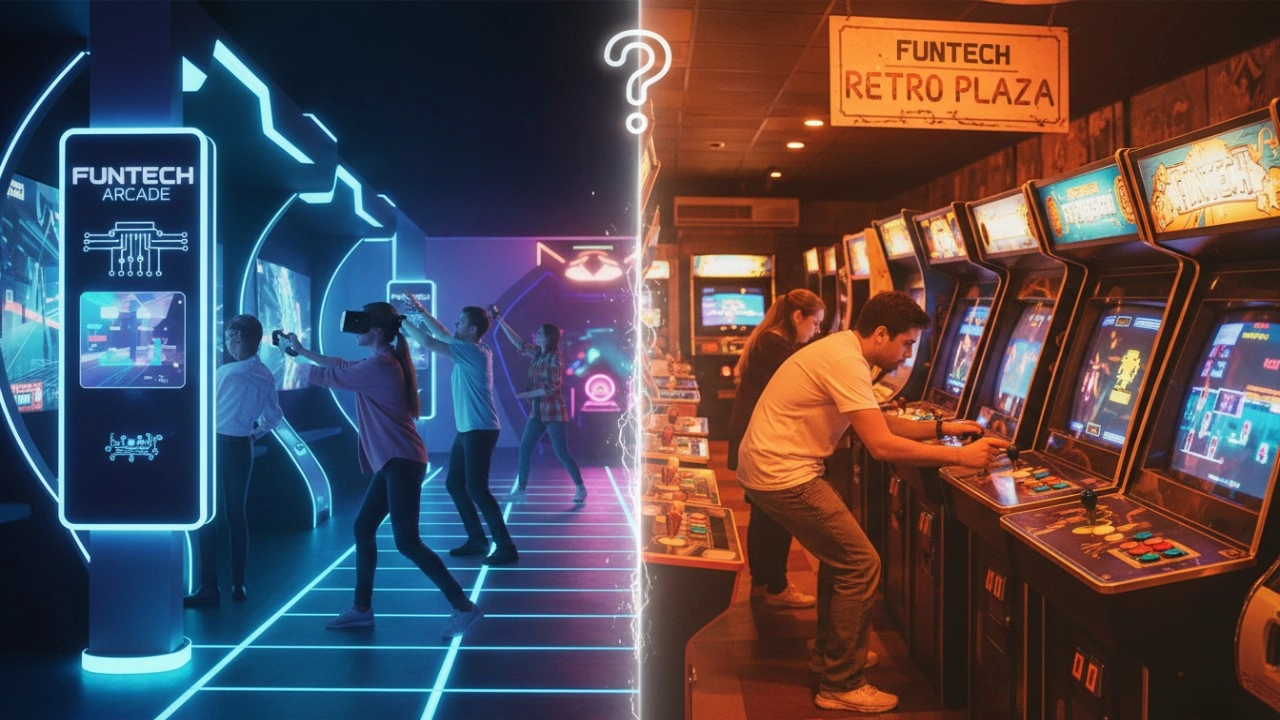
Interactive Sports Arcade vs Traditional Arcade Machines: Key Differences (2026 Guide)
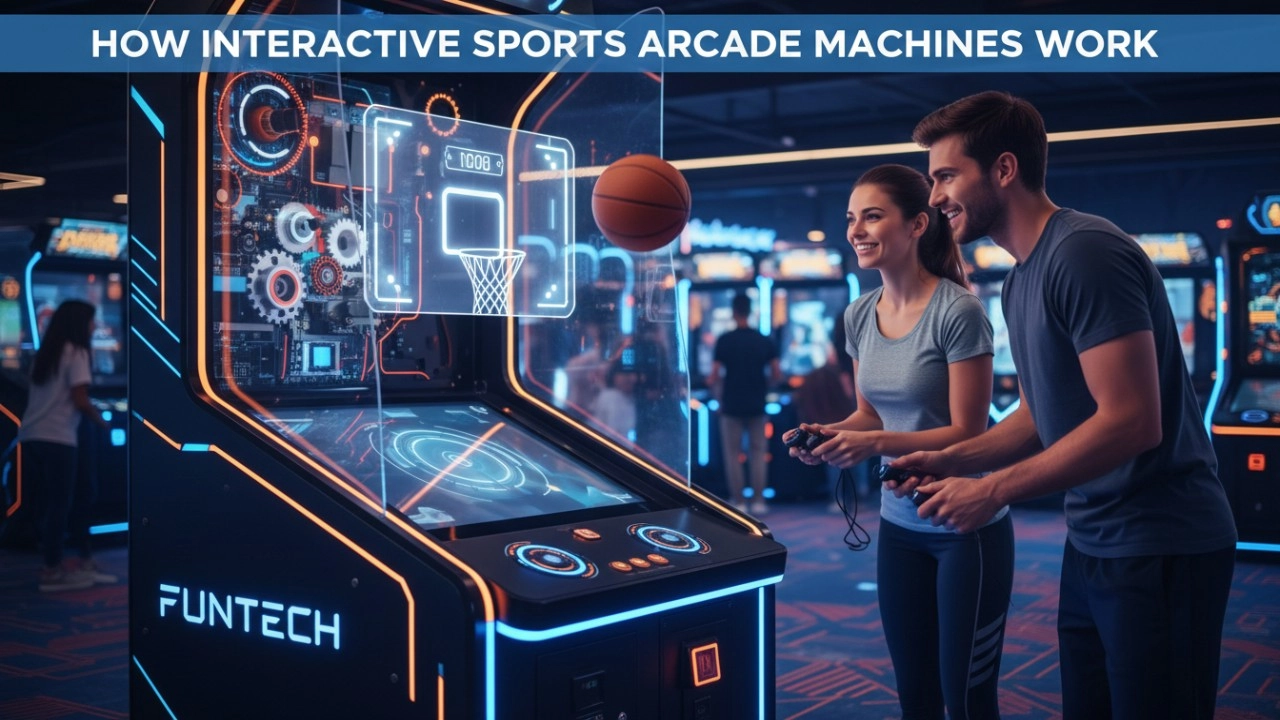
How Interactive Sports Arcade Machines Work (Sensors, Projection & AI) - 2026 Guide
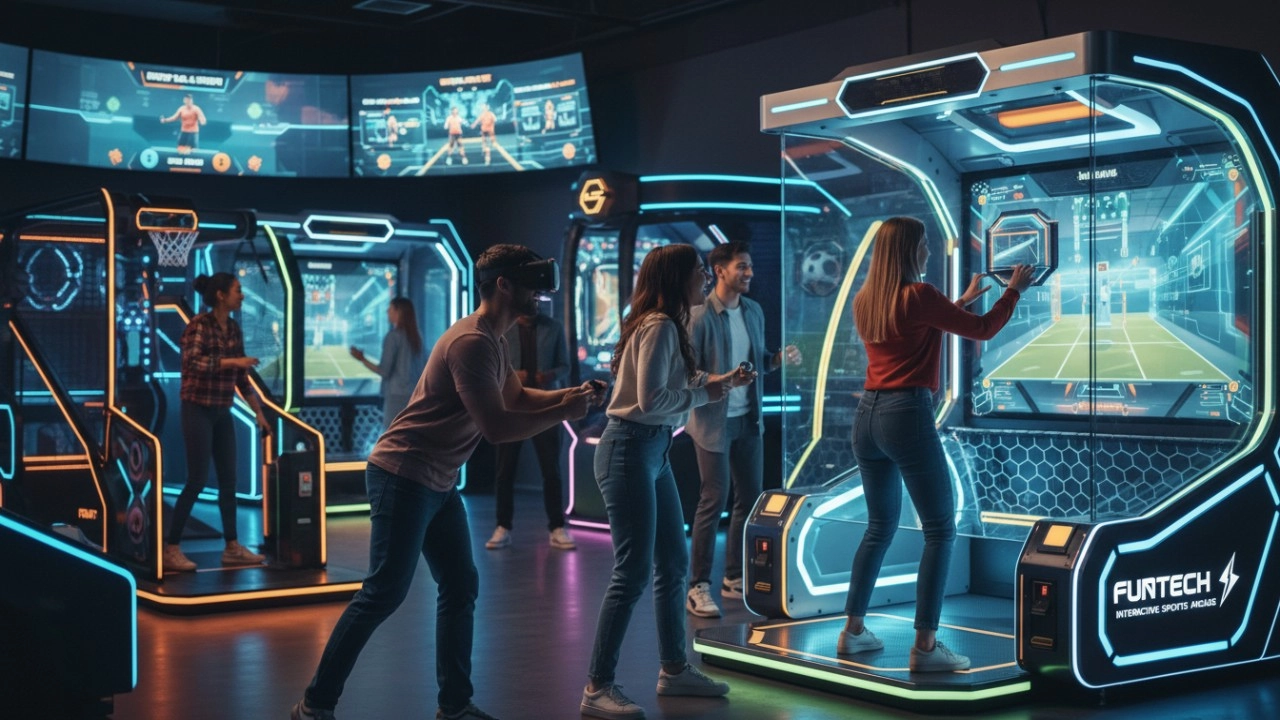
What Defines Interactive Sports Arcade Equipment in 2026?
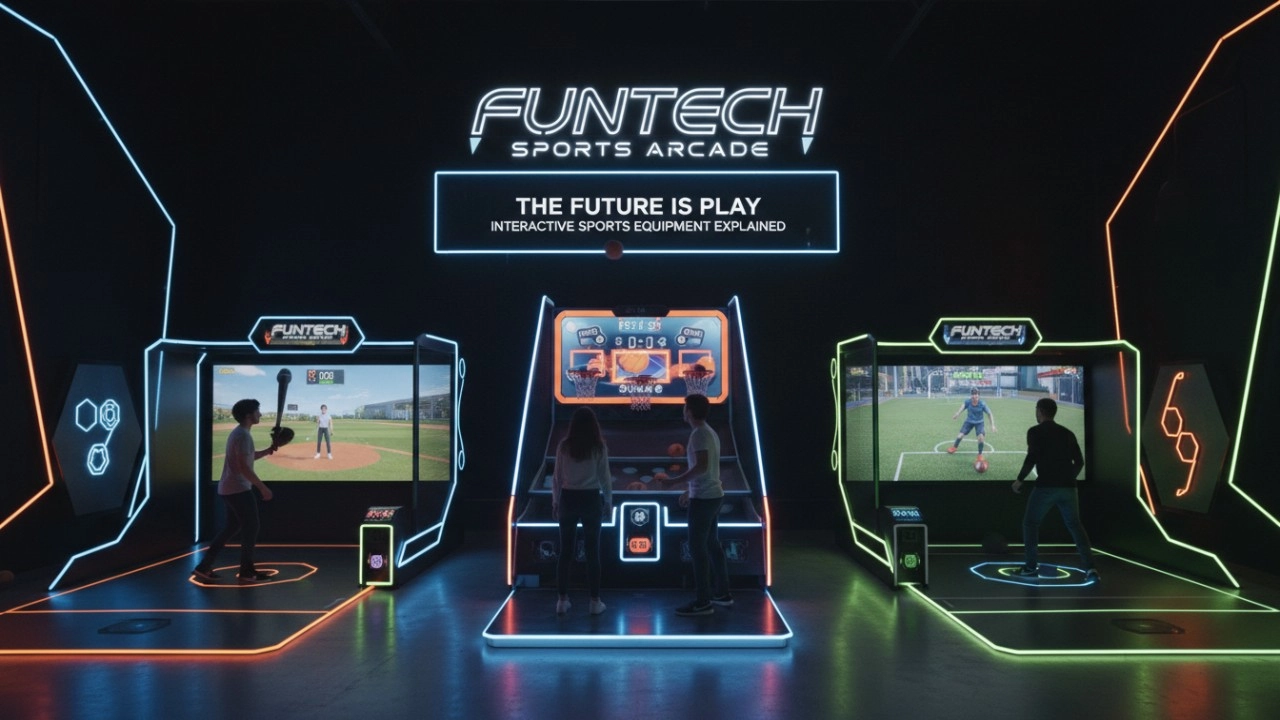
What Is Interactive Sports Arcade Equipment? Complete Beginner Guide (2026)
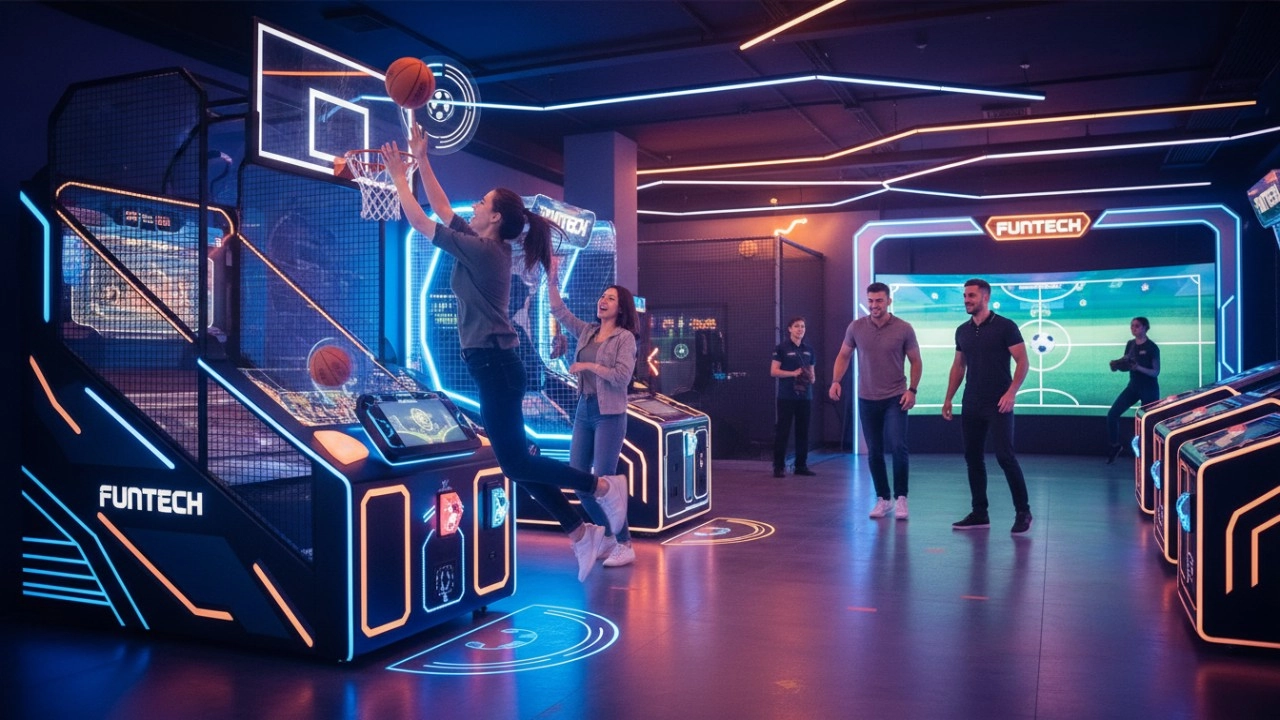
The Ultimate Guide to Interactive Sports Arcade Equipment for Commercial Entertainment (2026 Edition)
Golf Simulator
How to reduce operating costs?
Starting with equipment procurement, choose cost-effective, durable and easy-to-maintain products, which can save money for subsequent maintenance. Reasonable arrangement of staff, reduce the number of staff on duty during off-peak hours, train staff to have multi-skills, such as being able to operate the equipment and guide customers part-time, to improve the efficiency of manpower and reduce manpower costs.
FAQ
What is to be considered for setting up a digital sports & amusement hall?
The design requirements of digital sports & amusement hall are different from other entertainment venues, and they need to focus on innovation, interactivity and experience.
Holographic Light and Shadow Restaurant
What are the technical difficulties of holographic projection?
One is the resolution and clarity of the image. To achieve high-resolution and high-definition 3D image reproduction, advanced optical equipment and algorithms are required. The second is the control of light interference and diffraction, which requires precise control of the propagation and interference conditions of light rays to ensure the stability and accuracy of the image. The third is the complexity and cost of the system. Holographic projection systems are usually quite complex, including optical components, light sources, control systems, etc., with high costs, which limits their widespread adoption.
Interactive Rollerball
How to attract customers when operating the program in shopping malls?
Create a cool venue decoration style and incorporate trendy elements, such as fluorescent light strips and anime-themed murals. o Launch diversified marketing models such as parent-child packages and couple packages, combined with time-limited promotional activities, such as half-price experience in the first three days of opening, to attract different groups of people such as families and couples to stop by and participate.
Products
How to reduce operating costs?
Starting with equipment procurement, choose cost-effective, durable and easy-to-maintain products, which can save money for subsequent maintenance. o Starting with equipment procurement, choose cost-effective, durable and easy-to-maintain products, which can save money for subsequent maintenance. Reasonable arrangement of staff, reduce the number of staff on duty during non-peak hours, train staff to have multi-skills, such as being able to operate the equipment as well as guiding customers on the side, to improve the efficiency of manpower and reduce manpower costs.
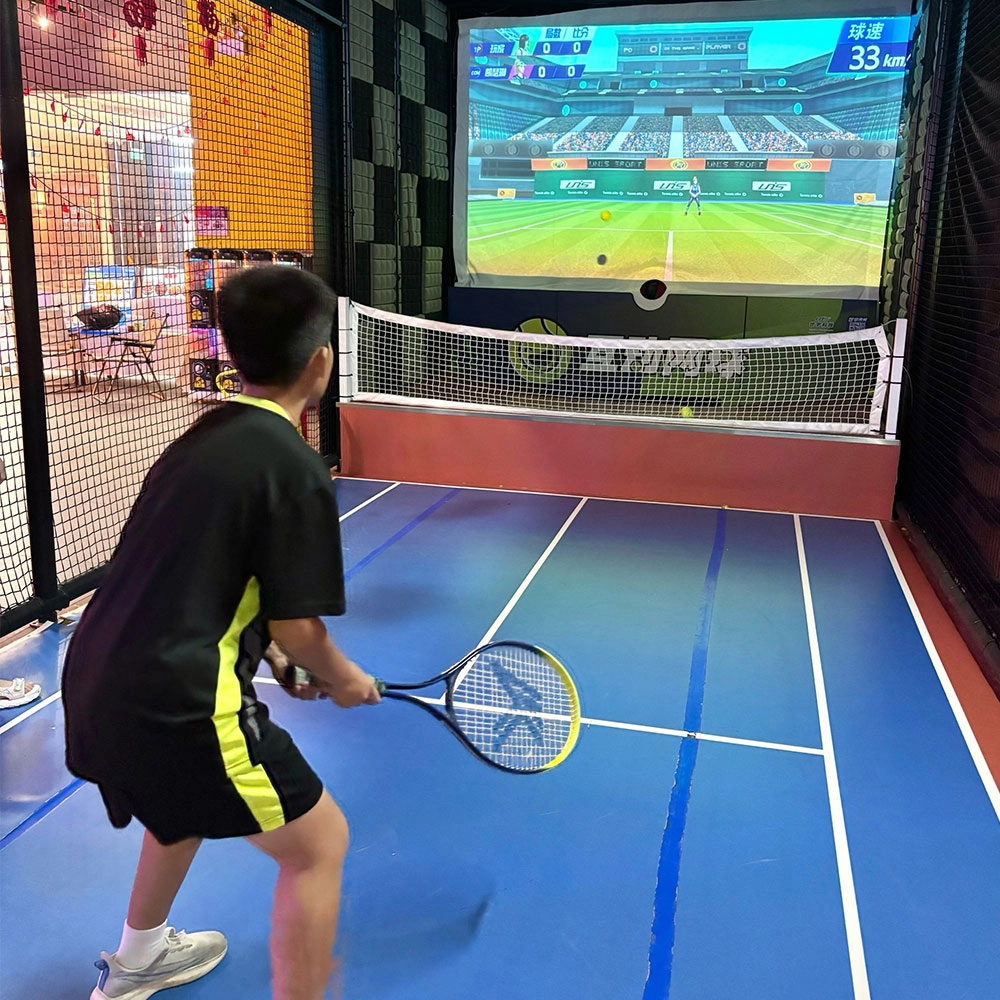
Indoor Tide Play Simulation Tennis Equipment
FUNTECH is full of fun and exciting playgrounds! With high-definition scene projection, force feedback racket, and intelligent scoring system, the simulated tennis equipment in the indoor arcade realizes immersive sports experiences and diversified interactive play, combining the advantages of safety and ease of use with high operational efficiency.
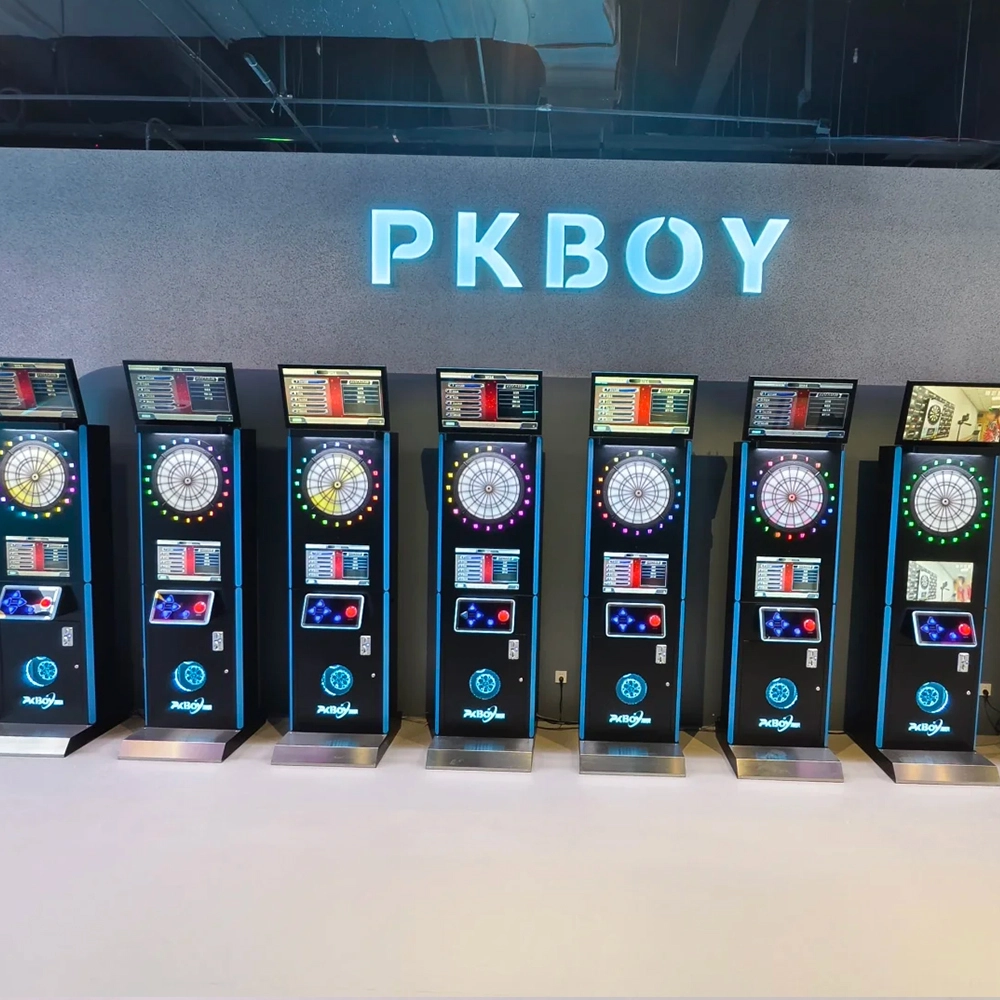
Dart Machines Bar Dart Machines
Joy Power is full of fun and excitement in the playground! The dart machine is suitable for all kinds of places, whether it is a bar, restaurant, KTV, or other entertainment venue, or a sports shop, club, or family leisure space, and can be perfectly adapted. In commercial venues, holding individual and team darts tournaments from time to time can attract more customers and increase the popularity and revenue of the venue, supplemented by various preferential activities, which can directly promote consumption and form a cycle of consumption of all the goods in the shop.
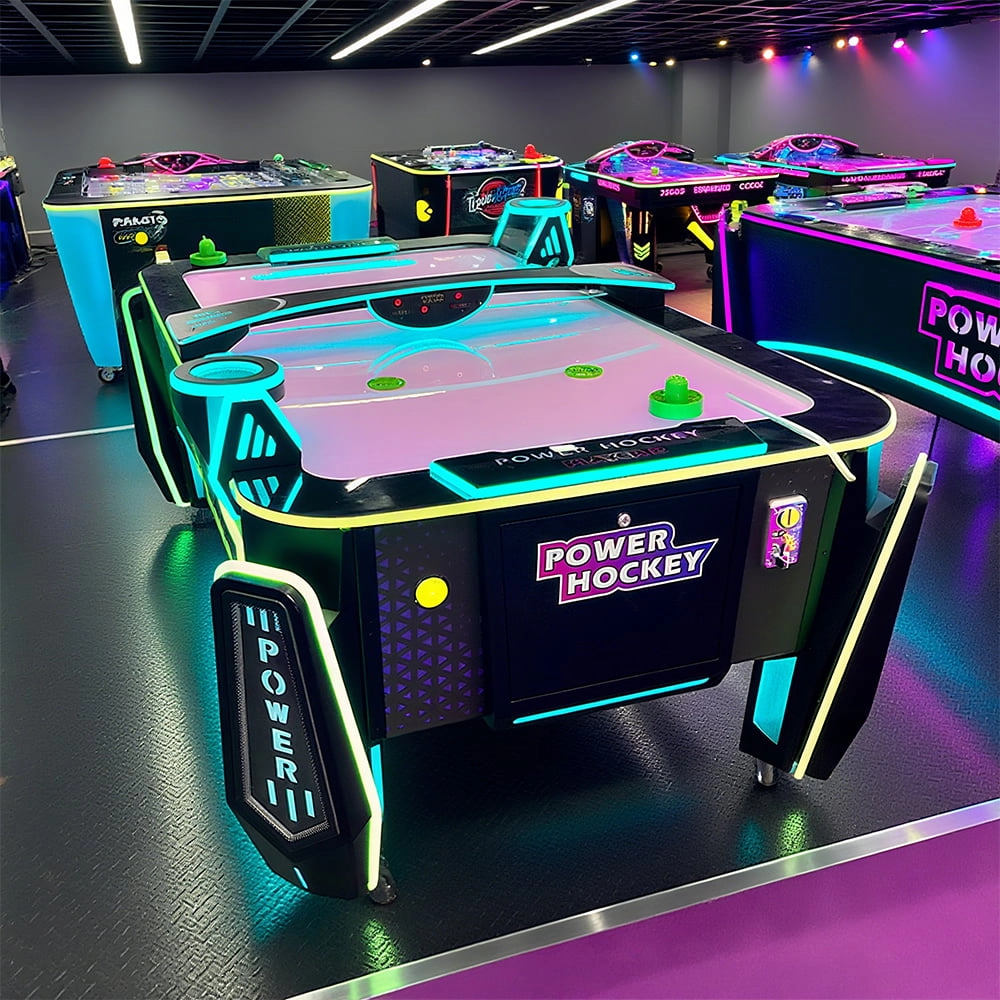
Arcade Hockey
FUNTECH is full of fun and exciting playgrounds! Air hockey, also known as air hockey, is a two-player competitive arcade game comprising a smooth, perforated playing surface, lightweight hockey sticks, a plastic puck, and an electronic scoreboard.
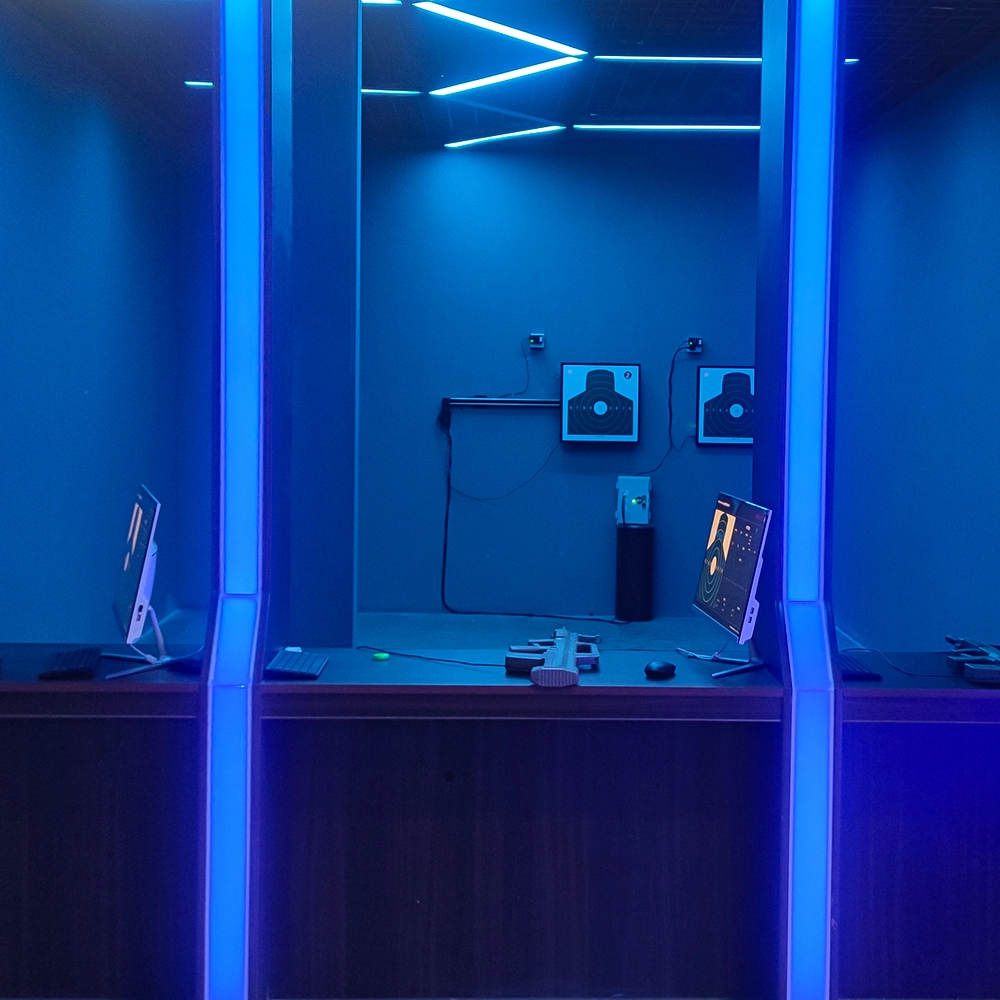
Infrared Shooting
Highly simulated simulation training analysis equipment, with advanced design concepts, fast system development, ease of operation and use, stable technical performance, less consumption of training, site dependence on a small group training is highly interesting, safe, and reliable, and other outstanding features. Product design to solve the basic skills of light weapons precision shooting as a starting point, to improve the safety of shooting training and training efficiency as the fundamental purpose, highlighting the simulation, information technology, and combat training requirements, can be in small indoor and outdoor venues and does not use live ammunition to complete the basic shooting training.
Ready to take your venue to the next level?
Leave us a message here, and our team will get back to you promptly.
Whether you're interested in custom orders, technical specifications, or partnership opportunities, we're here to assist you.
© 2025 FUNTECH ALL RIGHTS RESERVED

Weixia Lei
Fun_Tech-s
fun_tech20