
What types of sensors are used in an interactive LED floor? | Insights by FUNTECH
- 1. What are the primary sensor types used in interactive LED floors?
- 2. How do pressure sensors function in interactive LED floors?
- 3. What role do motion sensors play in interactive LED floors?
- 4. How do touch sensors enhance interactivity in LED floors?
- 5. What are the advantages of using proximity and optical sensors in interactive LED floors?
- Conclusion: Why Choose FUNTECH for Your Interactive LED Floor Needs?
Interactive LED floors have revolutionized user engagement in digital sports entertainment by transforming static surfaces into dynamic, responsive environments. These floors utilize various sensor technologies to detect user interactions and trigger corresponding visual effects. Below, we address five common questions regarding the types of sensors used in interactive LED floors.
1. What are the primary sensor types used in interactive LED floors?
Interactive LED floors employ several sensor types to detect user interactions:
Pressure Sensors: These sensors detect the force or weight applied to a specific area of the floor. When a person steps on the floor, the sensor detects the pressure and activates a visual response on the LED display, such as changing colors, shapes, or animations.
Motion Sensors: These sensors detect the movement of objects or people in proximity to the floor. They capture changes in the surrounding area as someone moves over or near the floor, triggering corresponding visual effects.
Touch Sensors: These sensors detect direct contact with the floor’s surface, usually through capacitive, resistive, or infrared technology. When a person touches or presses on the floor, it triggers a visual change.
Proximity Sensors: These sensors detect the presence of an object or person without physical contact, typically through electromagnetic fields, capacitive, or ultrasonic technology.
Optical Sensors: These sensors use light-based technology, such as infrared or laser beams, to detect motion or touch. They detect changes in light patterns or interruptions caused by physical objects passing over the floor.
2. How do pressure sensors function in interactive LED floors?
Pressure sensors are commonly used in LED floors to detect footsteps or movement. They are reliable and can be highly sensitive to detect light or heavy footfalls. When a person steps on the floor, the sensor detects the pressure and activates a visual response on the LED display, such as changing colors, shapes, or animations.
3. What role do motion sensors play in interactive LED floors?
Motion sensors detect the movement of objects or people in proximity to the floor. They capture changes in the surrounding area as someone moves over or near the floor, triggering corresponding visual effects. This allows for non-touch interactions and can detect multiple people at once, enhancing the interactive experience.
4. How do touch sensors enhance interactivity in LED floors?
Touch sensors detect direct contact with the floor’s surface, usually through capacitive, resistive, or infrared technology. When a person touches or presses on the floor, it triggers a visual change. This allows for precise control, ideal for user-driven input like selection or navigation, enhancing the interactive experience.
5. What are the advantages of using proximity and optical sensors in interactive LED floors?
Proximity sensors detect the presence of an object or person without physical contact, typically through electromagnetic fields, capacitive, or ultrasonic technology. They are useful for creating interactive experiences that respond as people approach, without needing them to physically touch the floor.
Optical sensors use light-based technology, such as infrared or laser beams, to detect motion or touch. They offer non-contact detection, making them less prone to wear and tear from physical contact, and are ideal for environments where high-precision motion detection is needed.
Conclusion: Why Choose FUNTECH for Your Interactive LED Floor Needs?
When selecting an interactive LED floor for your digital sports entertainment venue, consider FUNTECH's offerings. Our floors integrate advanced sensor technologies, including pressure, motion, touch, proximity, and optical sensors, to create immersive and responsive environments. With high-resolution displays, fast response times, and customizable content, FUNTECH's interactive LED floors are designed to enhance user engagement and elevate the overall experience.
By understanding the various sensor technologies and their applications, you can make informed decisions to enhance user engagement and create memorable experiences in your digital sports entertainment venue.
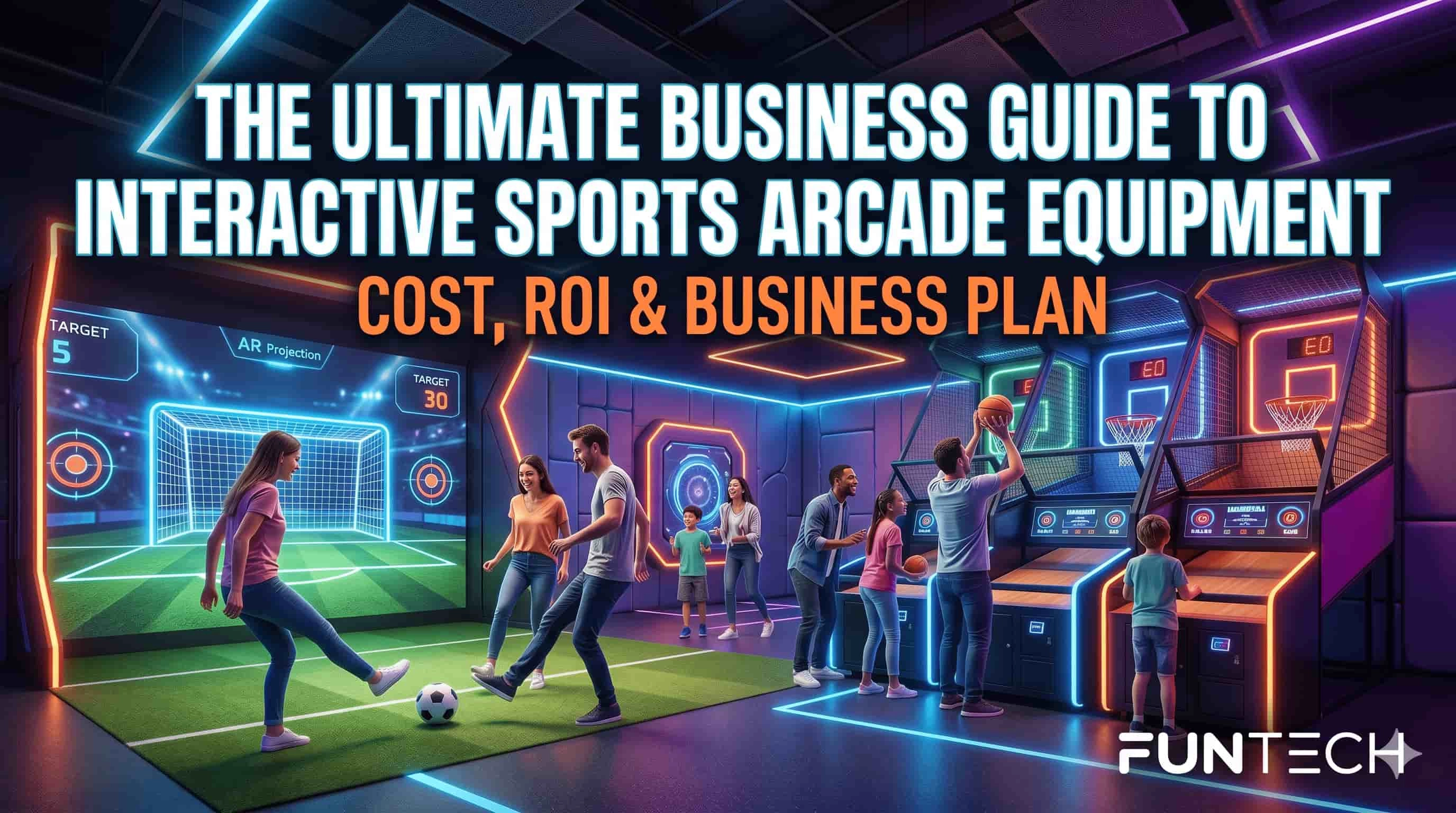
The Ultimate Business Guide to Interactive Sports Arcade Equipment: Cost, ROI & Business Plan
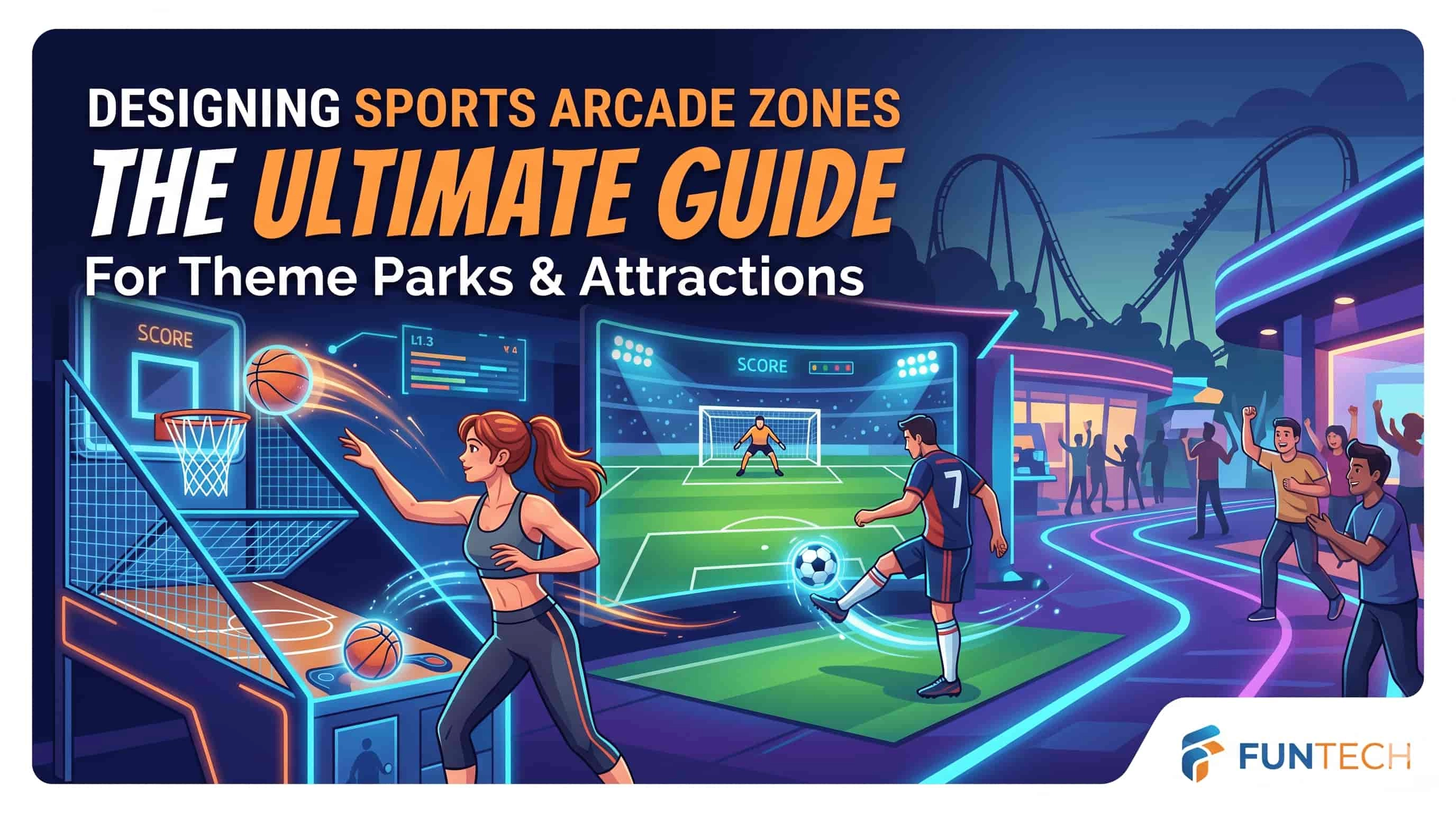
Designing Sports Arcade Zones for Theme Parks & Attractions: The Ultimate Guide to Immersive Play
Best Interactive Sports Equipment for Family Entertainment Centers: A Guide to Modern FEC Arcade Equipment
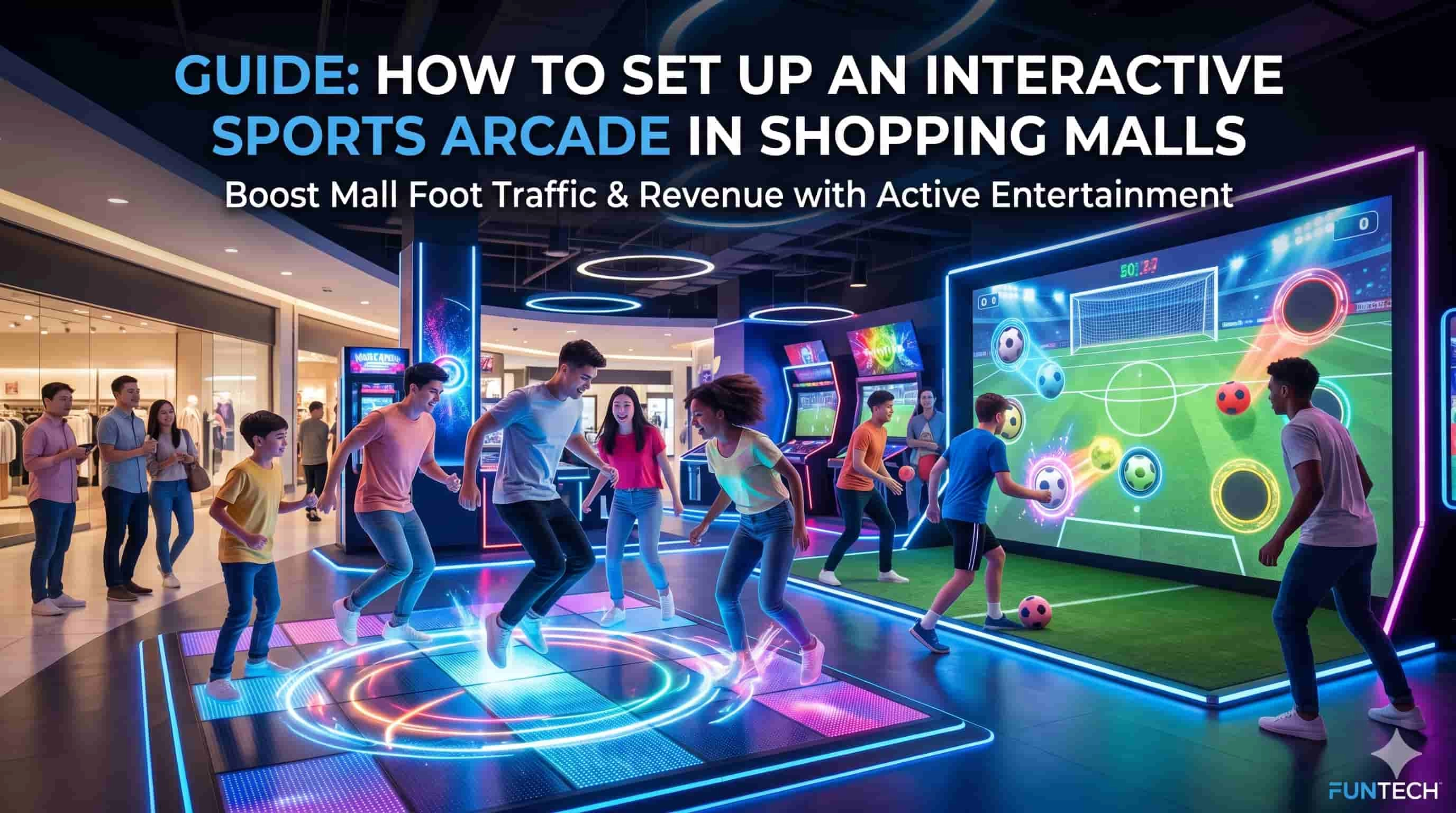
Ultimate Guide: How to Set Up an Interactive Sports Arcade in Shopping Malls
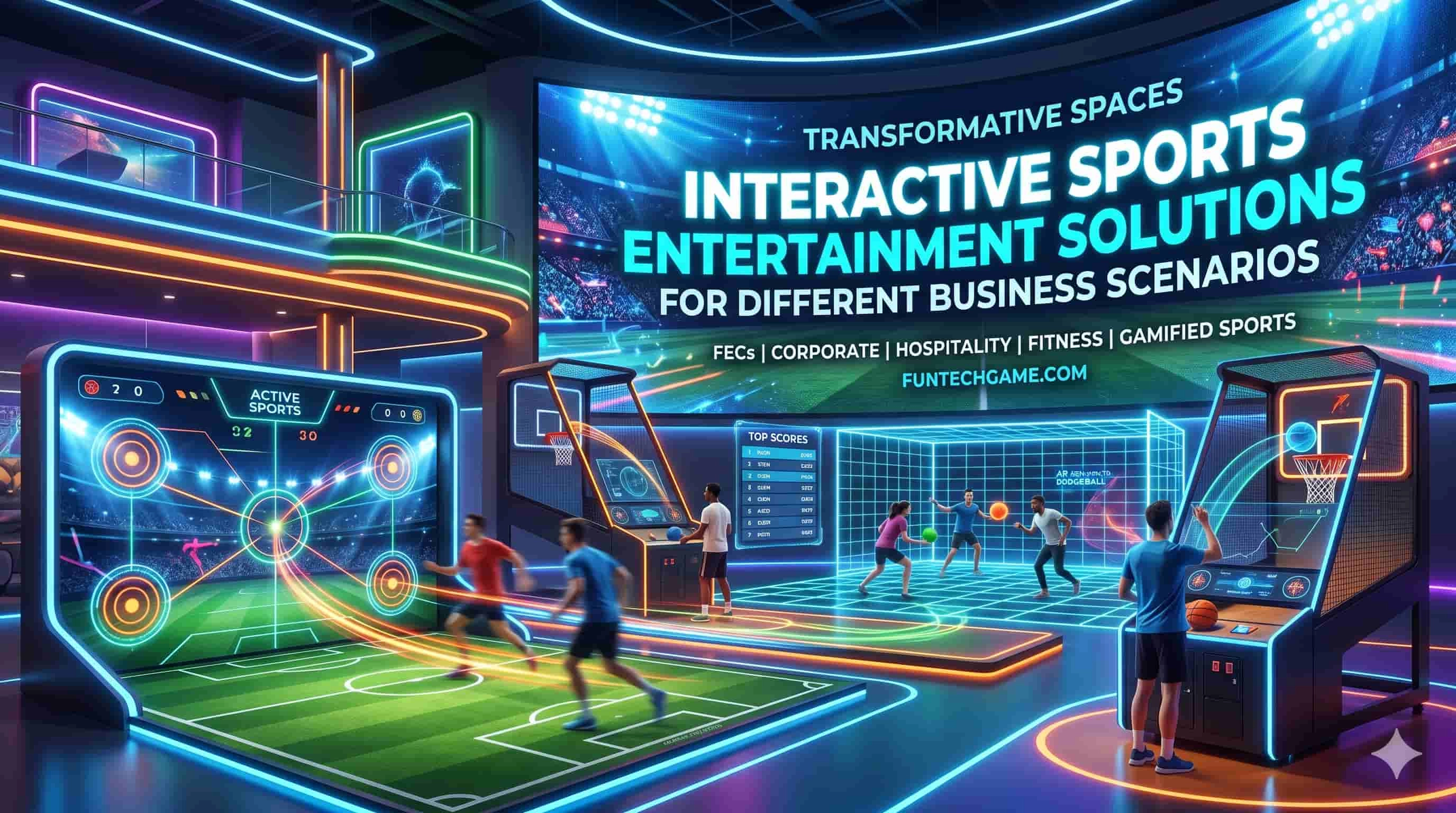
Transformative Spaces: Interactive Sports Entertainment Solutions for Different Business Scenarios
What is the difference between purchasing equipment for commercial operations and personal training?
Commercial operations should consider the durability, ease of operation, and attractiveness of the equipment, and it is preferable to choose cool-looking equipment that can withstand high-frequency use.
What are the after-sales services after purchasing the equipment?
Generally, a 1-year warranty is provided. During the warranty period, parts damaged due to quality problems, such as motor failure, display problems, etc., will be repaired or replaced free of charge. There will also be technical support, including equipment installation and debugging guidance, operation training, to ensure the smooth use of the user, after-sales response time is usually within 24 - 48 hours.
What is the principle of holographic projection?
Firstly, during the recording process, a reference light and an object light are simultaneously irradiated onto the object, causing interference between the two beams. The intensity and phase information of the object are recorded on the photosensitive material, forming a hologram. Then, during the reproduction process, the hologram is illuminated with the same beam of light as the reference light, and the hologram acts like a complex diffraction grating, causing the light to diffract and thus reproducing the three-dimensional image of the object.
How to attract customers when operating the program in shopping malls?
Create a cool venue decoration style, incorporating trendy elements, such as fluorescent light strips, animation-themed murals, etc. o Create a new venue for the program. o Launch diversified marketing models such as parent-child packages and couple packages, combined with time-limited promotional activities, such as half-price experience in the first three days of opening, to attract different groups such as families and couples to stop by and participate in the program. o Create cool venue decoration styles and incorporate trendy elements, such as fluorescent light strips.
What is the difference between purchasing equipment for commercial operations and personal training?
Commercial operations should consider the durability, ease of operation, and attractiveness of the equipment, and it is preferable to choose cool-looking equipment that can withstand high-frequency use.
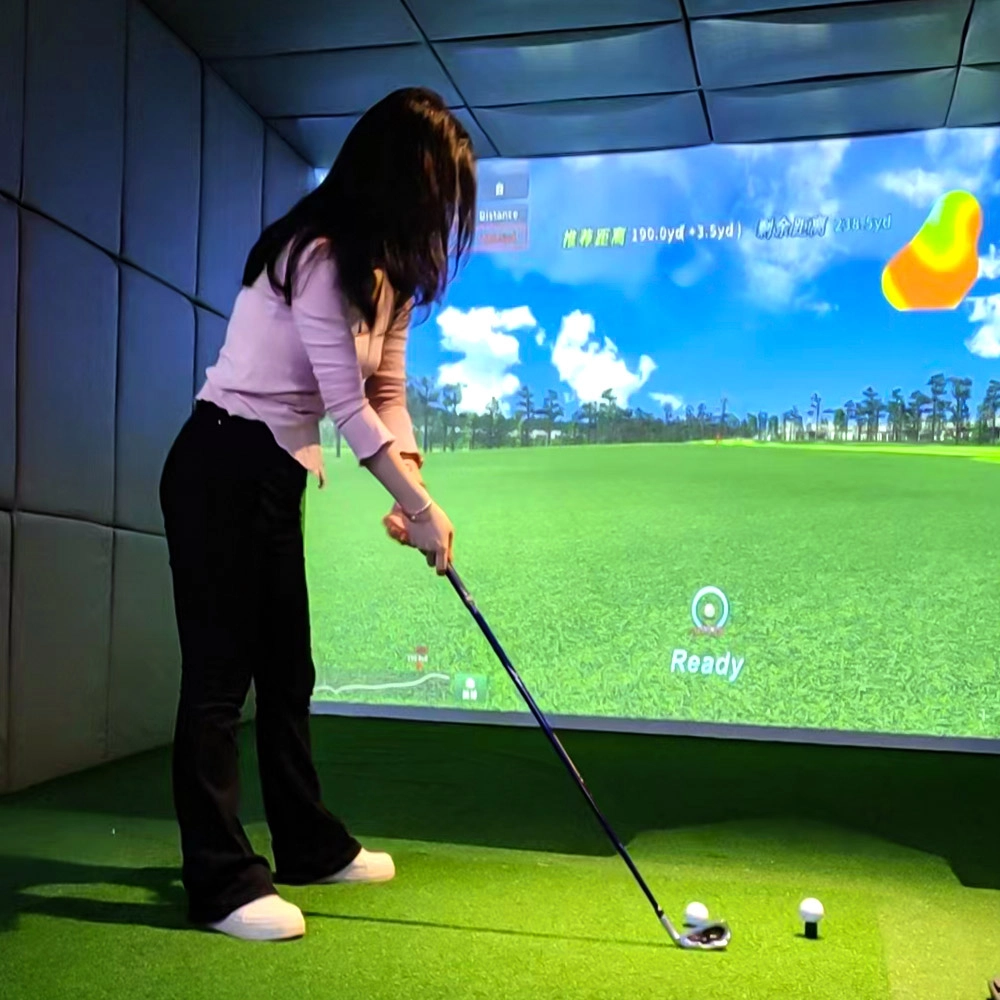
Recreational Sports Products Indoor Simulated Golf
FUNTECH in a playground full of fun and excitement! The screen’s smooth texture offers superior image clarity, compatible with any HD projector for a lifelike golf simulation. Enjoy crystal-clear visuals that bring the fairway right into your home.
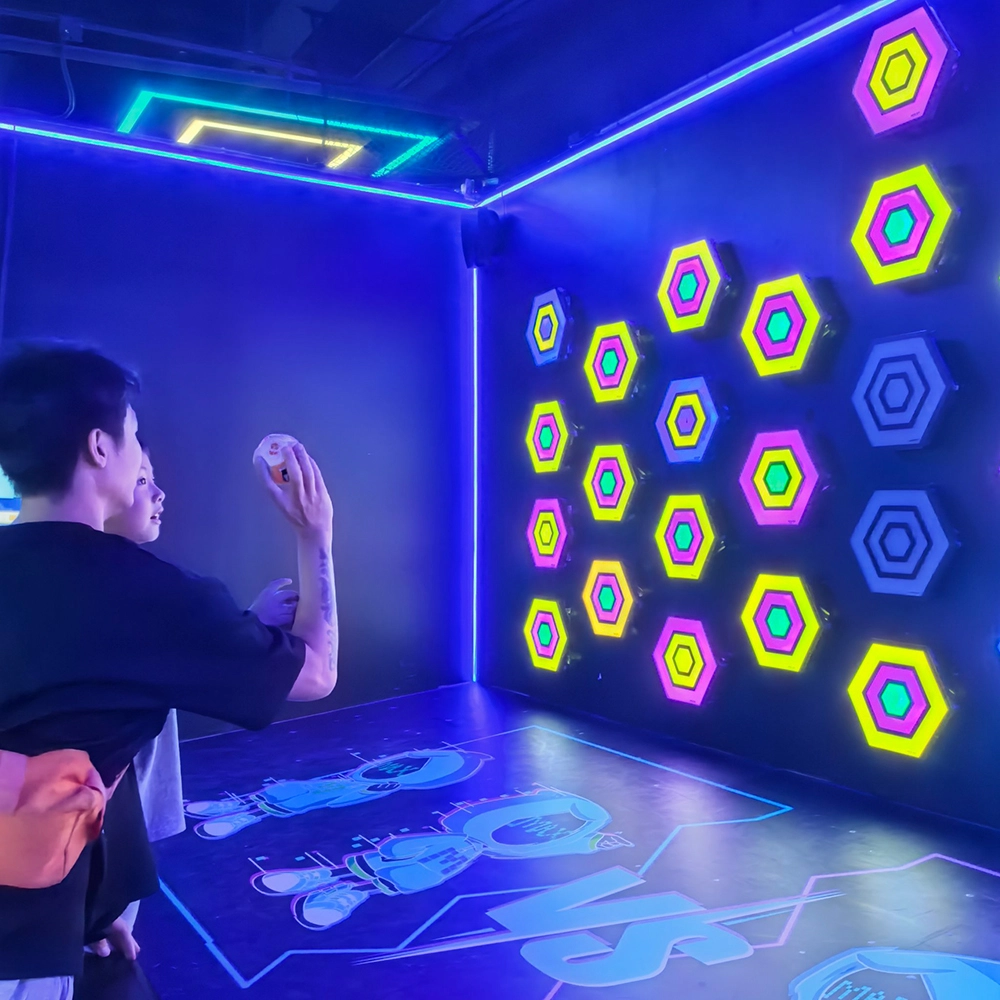
Target Smash
FUNTECH is full of fun and exciting playgrounds! The Precision Ball-Throwing Game at the Tide Play Centre is a highly interactive amusement attraction utilizing ball pits as props, combined with motion capture and projection technology. Players hurl balls into the pit, with the system accurately detecting trajectories and landing points to enable real-time interaction with projected visuals—such as triggering explosive feedback when striking monsters.
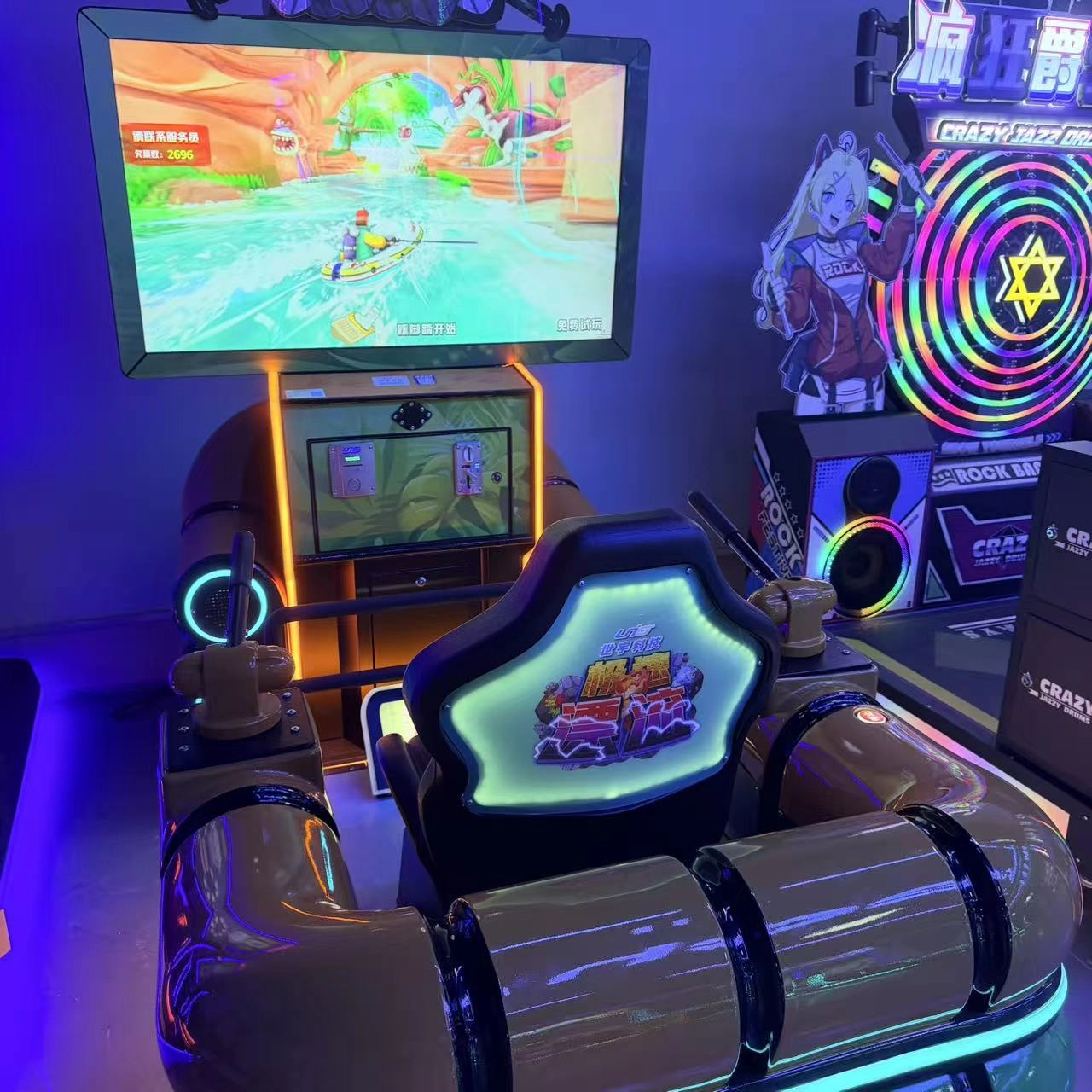
Elite Rowing
A brand-new rowing simulation competitive game, operating on a single machine station, supports player interaction and competition with 3 AI opponents. The station is equipped with the latest rowing equipment, enabling players to experience realistic rowing operation. The competition process is relaxed and fun, while also providing fitness exercise benefits.
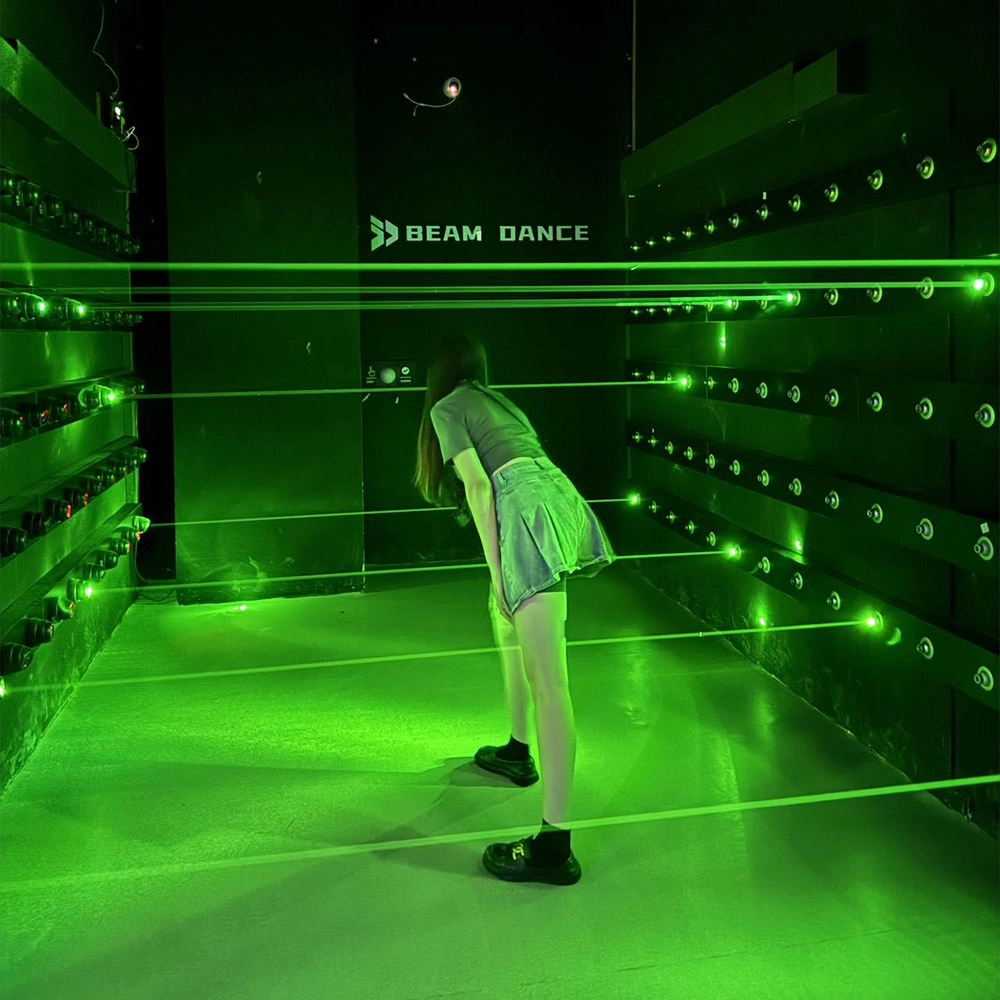
Laser Matrix
Joy Power is full of fun and exciting playgrounds! The laser matrix equipment in the indoor arcade stands out by virtue of its unique entertainment and technical characteristics. It builds a dynamic network of obstacles through precision-arranged laser beams, combining sound and light effects to create a tense and exciting atmosphere where players need to flexibly weave in and out to avoid the obstacles, making it both fun and challenging.
Ready to take your venue to the next level?
Leave us a message here, and our team will get back to you promptly.
Whether you're interested in custom orders, technical specifications, or partnership opportunities, we're here to assist you.
© 2025 FUNTECH ALL RIGHTS RESERVED

Weixia Lei
Fun_Tech-s
suiyifun_factory