
Is holographic interactive projection suitable for museums and exhibitions? | FUNTECH Expert Guide
- Is Holographic Interactive Projection Suitable for Museums and Exhibitions?
- 1. What Are the Benefits of Using Holographic Interactive Projection in Museums and Exhibitions?
- 2. How Does Holographic Interactive Projection Improve Visitor Engagement?
- 3. What Are the Cost and Installation Considerations?
- 4. Are There Any Limitations or Challenges with Holographic Projection?
- 5. How Can Digital Sports Entertainment Buyers Leverage Holographic Interactive Projection?
Is Holographic Interactive Projection Suitable for Museums and Exhibitions?
Holographic interactive projection technology has witnessed significant advancements, becoming a transformative tool for museums and exhibitions. With its ability to create engaging, immersive experiences, it is increasingly popular in these settings. Museums and exhibitions often seek innovative ways to captivate visitors, and holograms offer a dynamic method to showcase artifacts, historical figures, and interactive storytelling.
According to a 2023 report from Grand View Research, the global holographic technology market is expected to grow at a CAGR of 30.5% between 2023 and 2030, driven largely by applications in entertainment and educational sectors. This trend supports the incorporation of holographic interactive projection in museums and exhibitions.
1. What Are the Benefits of Using Holographic Interactive Projection in Museums and Exhibitions?
The key benefits include enhanced visitor engagement, the ability to present 3D content without physical artifacts, and creating memorable, interactive experiences. For Digital Sports Entertainment venues, similar benefits apply, as patrons increasingly expect interactive and visually stunning displays.
Holograms can visualize sports data, athlete avatars, and historical moments, creating vivid narratives beyond traditional video screens. Museums benefit from preservation of delicate artifacts by replacing physical displays with holographic recreations.
2. How Does Holographic Interactive Projection Improve Visitor Engagement?
Interactive holograms allow visitors to control content, respond to queries, and explore exhibits in a personalized way. According to a 2023 survey by ExhibitionHub, 78% of museum visitors reported higher satisfaction when interacting with digital installations, including holographic displays.
This technology encourages longer visit durations and repeat visits, critical metrics for both museums and entertainment venues.
3. What Are the Cost and Installation Considerations?
While initial costs for holographic interactive projection setups can range from $50,000 to $300,000 depending on scale and complexity, prices are decreasing due to better technology and competition. Installation requires appropriate space with controlled lighting and advanced projection hardware like laser projectors and motion sensors.
For Digital Sports Entertainment buyers, bundling holographic tech with existing AV systems can optimize costs and simplify integration.
4. Are There Any Limitations or Challenges with Holographic Projection?
Challenges include sensitivity to ambient lighting, requirement for precise calibration, and potential maintenance needs. Moreover, content creation for holographic displays is resource-intensive, requiring expertise in 3D modeling and interactive design.
Museums and sports venues should partner with experienced providers to ensure seamless operation.
5. How Can Digital Sports Entertainment Buyers Leverage Holographic Interactive Projection?
Digital Sports Entertainment facility managers can utilize holographic projections to showcase athlete stats, simulate game scenarios, or offer interactive fan experiences during live events. These displays enhance branding opportunities and can create High Quality engagement zones.
Recent implementations in sports arenas have shown an uptick in fan interaction times by 40%, enhancing overall event revenue potential.
In summary, holographic interactive projection is highly suitable for museums and exhibitions, including those focused on sports entertainment. Its ability to engage visitors through immersive, interactive content provides a competitive edge. However, buyers should weigh installation costs and technical requirements against desired outcomes.
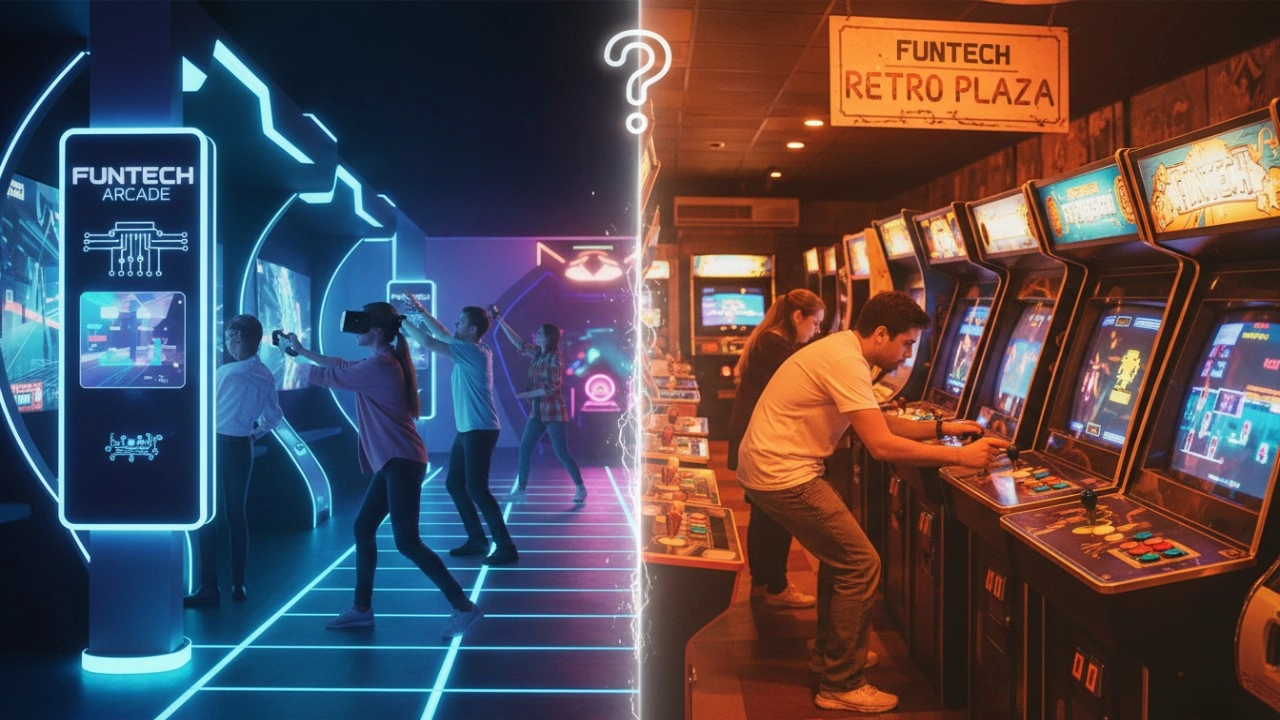
Interactive Sports Arcade vs Traditional Arcade Machines: Key Differences (2026 Guide)
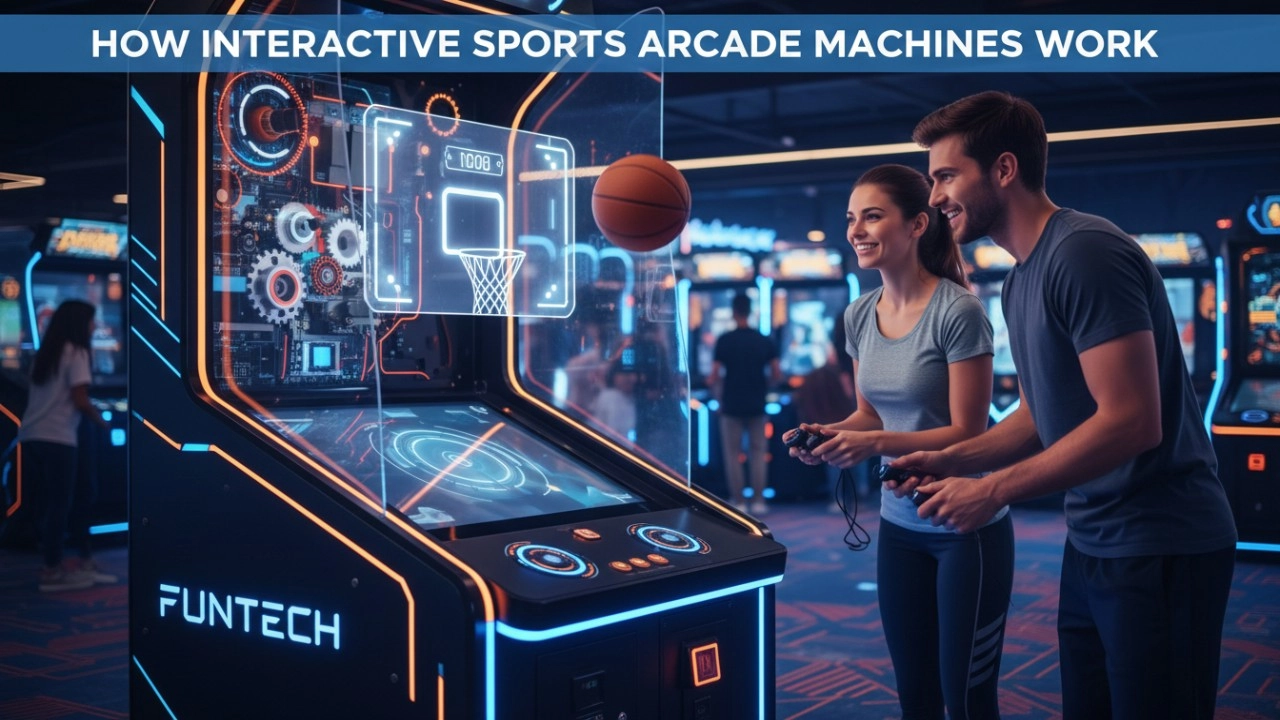
How Interactive Sports Arcade Machines Work (Sensors, Projection & AI) - 2026 Guide
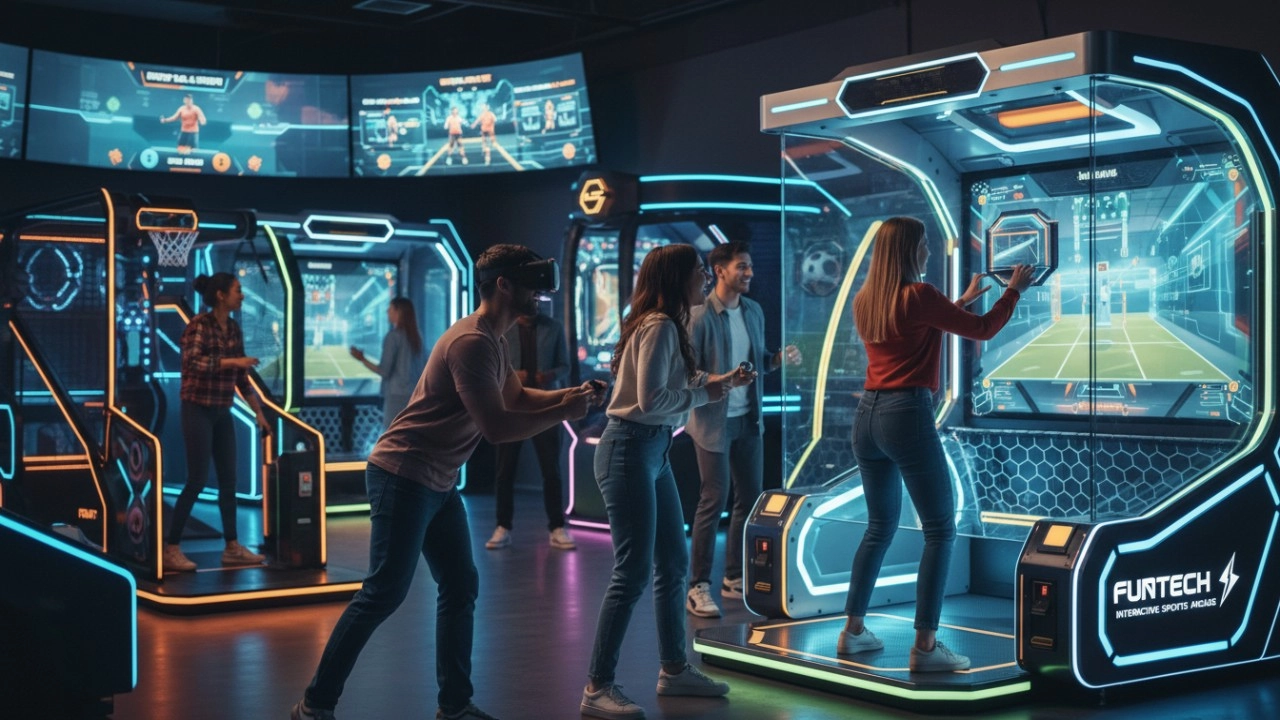
What Defines Interactive Sports Arcade Equipment in 2026?
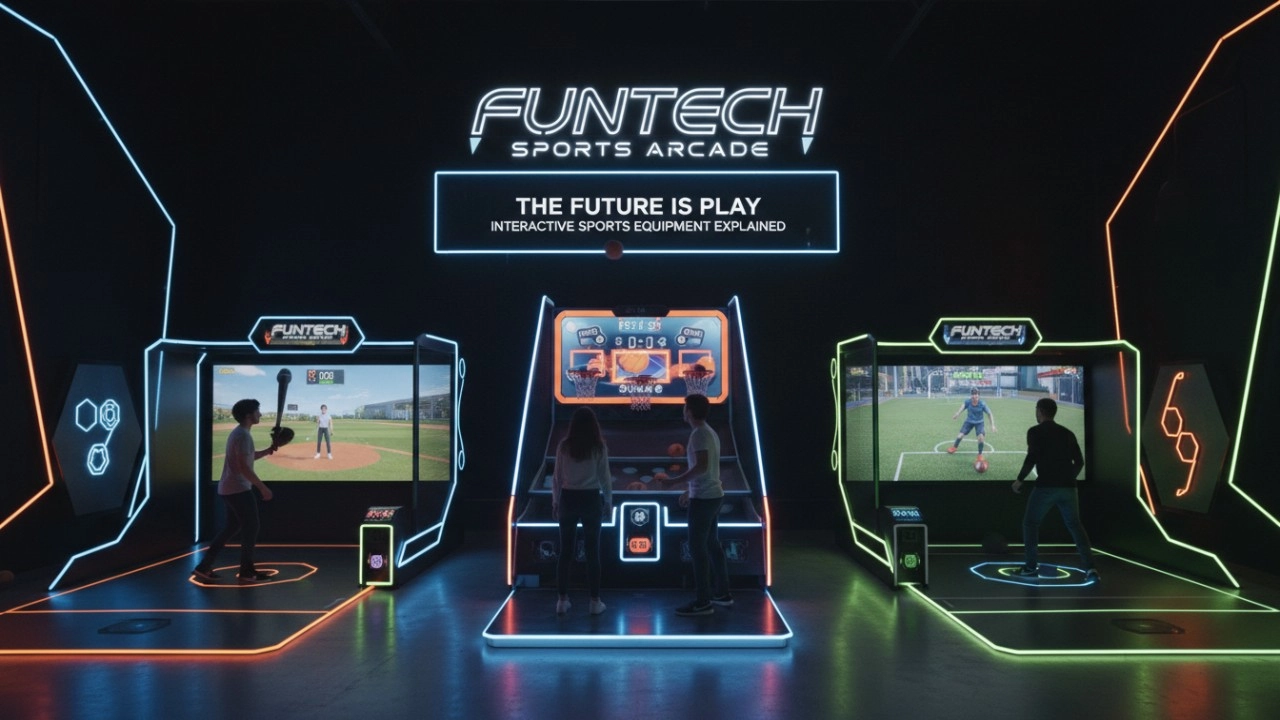
What Is Interactive Sports Arcade Equipment? Complete Beginner Guide (2026)
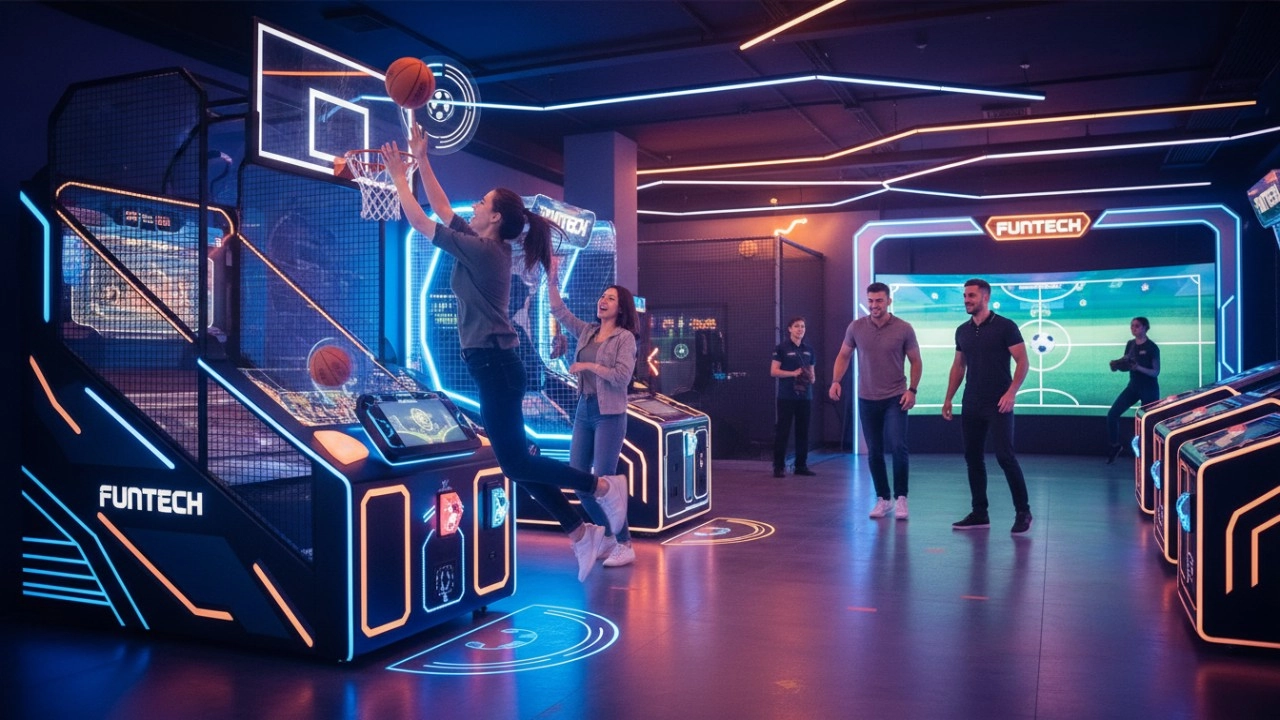
The Ultimate Guide to Interactive Sports Arcade Equipment for Commercial Entertainment (2026 Edition)
Products
How to judge the quality of live firing equipment good or bad?
Check the firearm itself and the supporting targeting system, the reliability of the equipment in use such as continuous shooting, adaptability to the bad environment, the equipment's material technology and operating comfort, etc.
Holographic Light and Shadow Restaurant
What is the difference between holographic projection and ordinary projection?
Ordinary projection is the process of projecting a two-dimensional image onto a flat screen, where the viewer sees a flat image. Holographic projection can present real three-dimensional images, allowing viewers to observe different faces of objects from different angles, with a strong sense of three dimensionality and realism. In addition, ordinary projection usually only requires simple equipment such as projectors and screens, while holographic projection requires more complex optical systems and technologies to achieve.
FAQ
What is the minimum area required to build a comprehensive digital sports and entertainment hall, and what is the recommended area?
To build a comprehensive type of digital sports and entertainment hall, the minimum required area will be affected by the number and type of equipment, activity area requirements, parking spaces, rest areas and other factors.
Interactive Rollerball
What are the after-sales services after purchasing the equipment?
Generally, a 1-year warranty is provided. During the warranty period, parts damaged due to quality problems, such as motor failure, display problems, etc., will be repaired or replaced free of charge. There will also be technical support, including equipment installation and debugging guidance, operation training, to ensure the smooth use of the user, after-sales response time is usually within 24 - 48 hours.
Infrared Shooting
Why are sports arcades a hot spot for investment?
The traditional entertainment market (e.g., arcade, KTV) has become less attractive to generations, while digital hip playgrounds integrating technology, sports, and socialization are more in line with young people's needs, and the market size has exceeded 50 billion in 2023, with an annual growth rate of more than 30%.
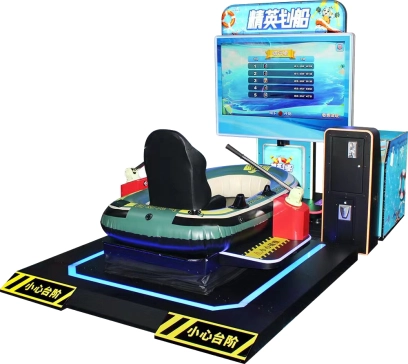
FUNTECH Interactive Indoor Rowing Simulator - Commercial Digital Sports Machine with AI Competition
A brand-new rowing simulation competitive game, operating on a single machine station, supports player interaction and competition with 3 AI opponents. The station is equipped with the latest rowing equipment, enabling players to experience realistic rowing operation. The competition process is relaxed and fun, while also providing fitness exercise benefits.
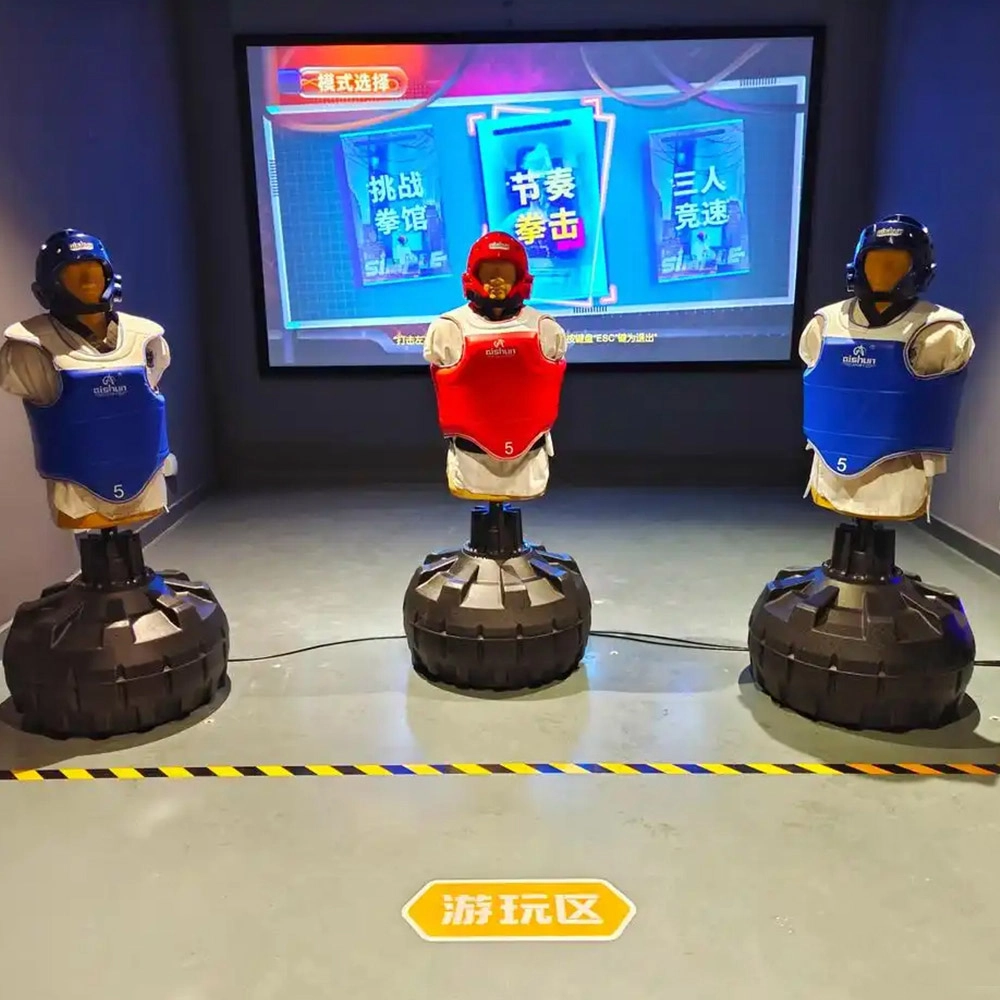
Indoor Boxing Equipment
FUNTECH is full of fun and exciting playgrounds! The indoor boxing simulation equipment combines pressure-sensitive boxing gloves with dynamic projection scenes, combining sports and fitness with entertainment and competitive attributes, supporting single-player training and two-player sparring modes, and accurately recording hitting data and generating sports reports, making it suitable for all-age experiences and safe and low-loss.
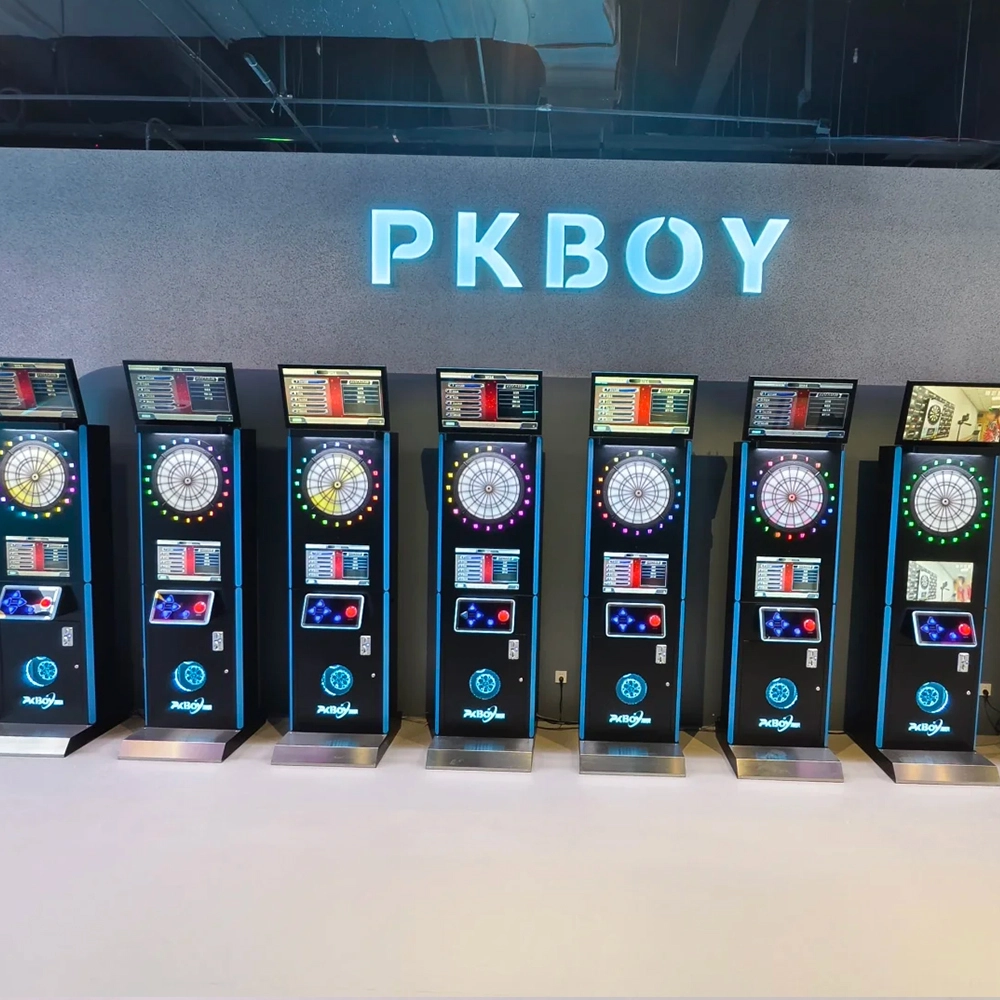
Dart Machines Bar Dart Machines
Joy Power is full of fun and excitement in the playground! The dart machine is suitable for all kinds of places, whether it is a bar, restaurant, KTV, or other entertainment venue, or a sports shop, club, or family leisure space, and can be perfectly adapted. In commercial venues, holding individual and team darts tournaments from time to time can attract more customers and increase the popularity and revenue of the venue, supplemented by various preferential activities, which can directly promote consumption and form a cycle of consumption of all the goods in the shop.
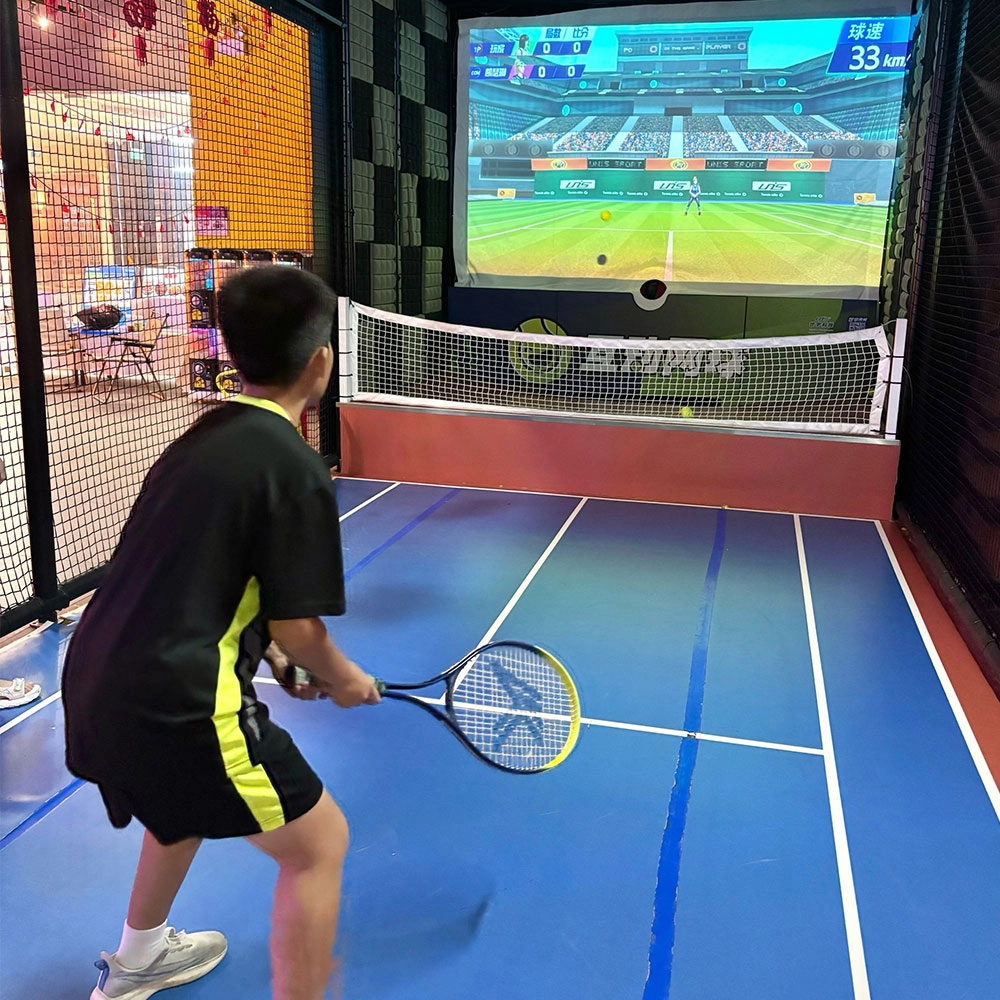
Indoor Tide Play Simulation Tennis Equipment
FUNTECH is full of fun and exciting playgrounds! With high-definition scene projection, force feedback racket, and intelligent scoring system, the simulated tennis equipment in the indoor arcade realizes immersive sports experiences and diversified interactive play, combining the advantages of safety and ease of use with high operational efficiency.
Ready to take your venue to the next level?
Leave us a message here, and our team will get back to you promptly.
Whether you're interested in custom orders, technical specifications, or partnership opportunities, we're here to assist you.
© 2025 FUNTECH ALL RIGHTS RESERVED

Weixia Lei
Fun_Tech-s
fun_tech20