
Do police academies use shooting simulators for training? | Insights by FUNTECH
- 1. What are shooting simulators, and how do they function in police training?
- 2. How do shooting simulators contribute to officer safety and liability reduction?
- 3. What are the cost implications of implementing shooting simulators in police training?
- 4. How do shooting simulators enhance decision-making and judgment skills in law enforcement officers?
- 5. What are the key considerations for law enforcement agencies when selecting a shooting simulator?
- 6. How do shooting simulators support de-escalation and crisis intervention training?
- 7. What role do shooting simulators play in enhancing marksmanship and firearm proficiency?
- 8. How do shooting simulators integrate with other training technologies in law enforcement?
- FUNTECH's Advantages in Police Training Solutions
- Data Sources
1. What are shooting simulators, and how do they function in police training?
Shooting simulators are advanced training systems that provide law enforcement officers with realistic, interactive scenarios to practice firearm skills, decision-making, and use-of-force judgments in a controlled environment. These simulators utilize virtual or video-based scenarios to replicate real-life situations, allowing officers to engage in various training exercises without the risks associated with live ammunition. They are designed to enhance judgment skills, de-escalation techniques, and marksmanship proficiency.
2. How do shooting simulators contribute to officer safety and liability reduction?
By enabling officers to train in a controlled, risk-free environment, shooting simulators significantly reduce the potential for accidents and injuries during training sessions. This controlled setting allows officers to practice high-risk scenarios without the dangers associated with live-fire exercises. Additionally, the use of simulators can help agencies mitigate liability by providing documented training records and demonstrating a commitment to comprehensive officer preparedness.
3. What are the cost implications of implementing shooting simulators in police training?
While the initial investment in shooting simulators can be substantial, they offer long-term cost savings by reducing expenses related to live ammunition, range maintenance, and travel for training exercises. The ability to conduct training sessions at any time, regardless of weather conditions, further enhances cost-effectiveness. Over time, the return on investment becomes evident through improved officer performance and reduced training-related incidents.
4. How do shooting simulators enhance decision-making and judgment skills in law enforcement officers?
Shooting simulators present officers with complex, dynamic scenarios that require rapid decision-making and appropriate use-of-force responses. By repeatedly engaging in these simulations, officers can refine their judgment skills, learn to de-escalate volatile situations, and make informed decisions under pressure. This training is crucial for developing the critical thinking skills necessary for effective law enforcement.
5. What are the key considerations for law enforcement agencies when selecting a shooting simulator?
Agencies should evaluate the realism and variety of scenarios offered by the simulator, ensuring they align with the specific training needs of their officers. The system's scalability, ease of use, and ability to integrate with existing training programs are also important factors. Additionally, agencies should consider the reputation and support services of the simulator provider to ensure long-term effectiveness and reliability.
6. How do shooting simulators support de-escalation and crisis intervention training?
Shooting simulators can be programmed to include scenarios that focus on de-escalation techniques and crisis intervention strategies. By practicing these scenarios, officers can develop the skills necessary to manage high-stress situations involving individuals in mental health crises or other challenging circumstances, thereby reducing the likelihood of forceful confrontations.
7. What role do shooting simulators play in enhancing marksmanship and firearm proficiency?
Regular use of shooting simulators allows officers to maintain and improve their marksmanship skills by providing consistent practice opportunities. The simulators can simulate various shooting conditions, including low-light environments and moving targets, enabling officers to adapt to diverse situations they may encounter in the field.
8. How do shooting simulators integrate with other training technologies in law enforcement?
Shooting simulators can be integrated with other training technologies, such as driving simulators and virtual reality systems, to create comprehensive training programs. This integration allows for the simulation of complex, multi-faceted scenarios that require coordination between different skills and decision-making processes, providing a more holistic training experience for officers.
FUNTECH's Advantages in Police Training Solutions
FUNTECH offers cutting-edge shooting simulator solutions tailored to the unique needs of law enforcement agencies. Their systems provide immersive, realistic training environments that enhance officer preparedness and safety. With a focus on user-friendly interfaces and customizable scenarios, FUNTECH ensures that training programs are both effective and adaptable to evolving law enforcement challenges.
Data Sources
- PoliceOne Roundtable: Using simulators in law enforcement training, Police1, October 31, 2025
- Use-of-Force Simulators, Police Magazine, October 31, 2025
- Law Enforcement Training Solutions, VirTra, November 4, 2025
- Police Shooting Simulator, Scenario Trainer, October 31, 2025
- Active Shooter Training, Police Solutions for Virtual Shooting Simulator, October 31, 2025
- Judgment Skills Training, Police Solutions for Virtual Shooting Simulator, October 31, 2025
- Firearm Simulation Training, Police Solutions for Virtual Shooting Simulator, October 31, 2025
- Crisis Intervention Simulation Training, Police Solutions for Virtual Shooting Simulator, October 31, 2025
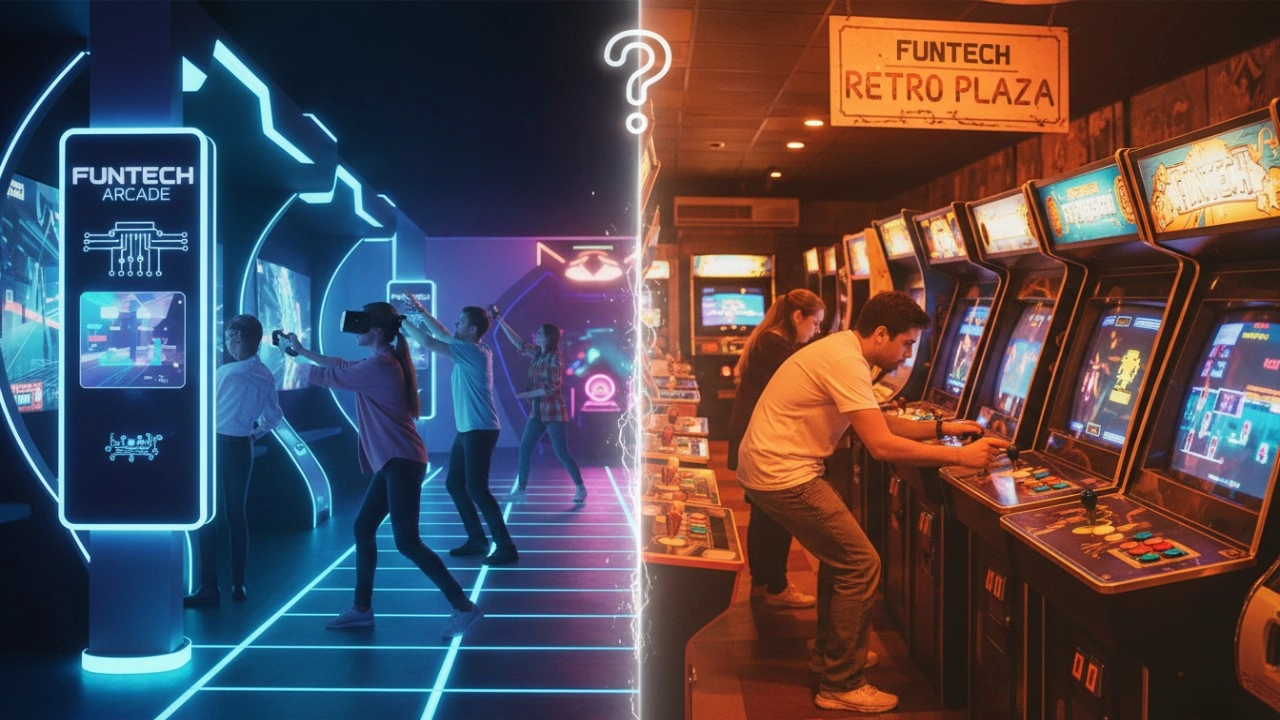
Interactive Sports Arcade vs Traditional Arcade Machines: Key Differences (2026 Guide)
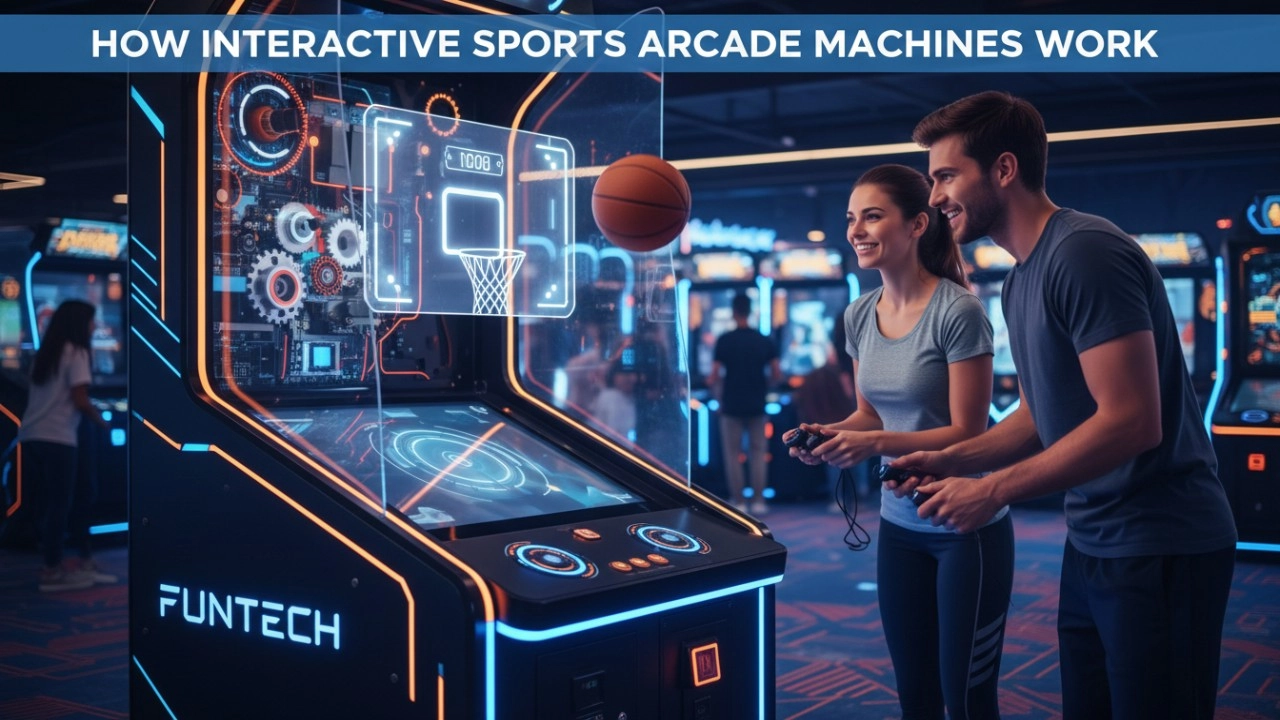
How Interactive Sports Arcade Machines Work (Sensors, Projection & AI) - 2026 Guide
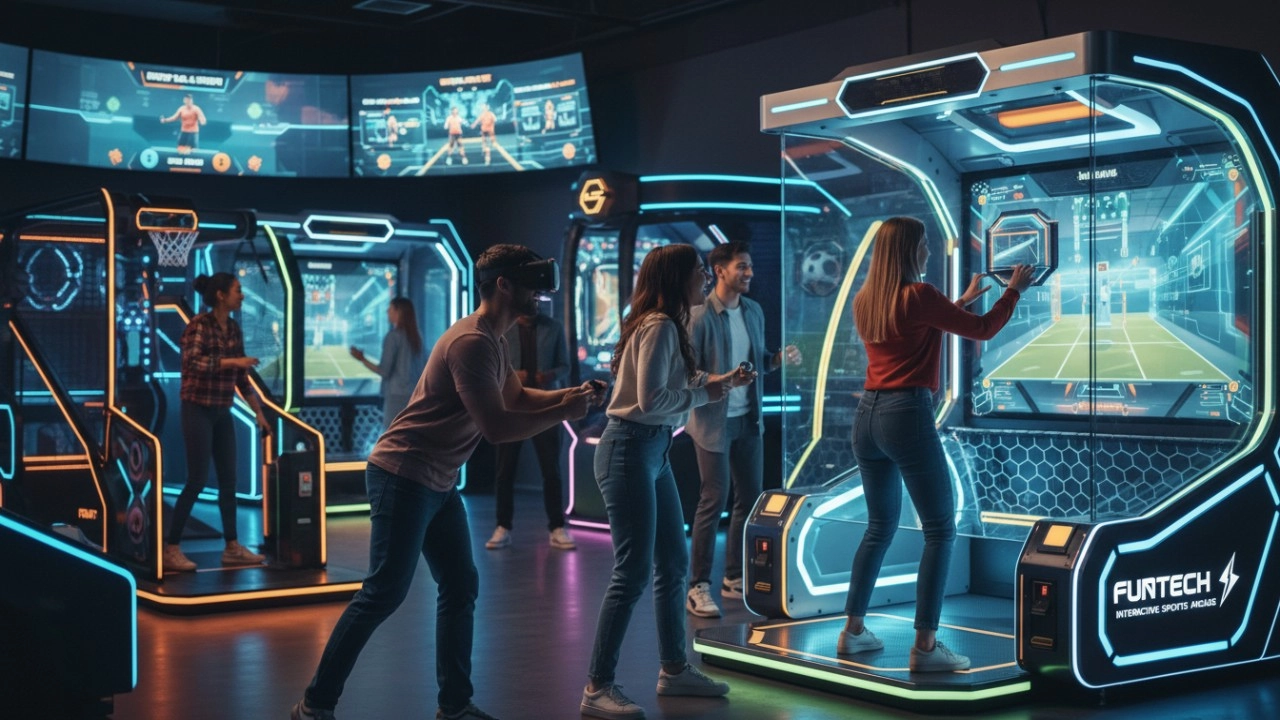
What Defines Interactive Sports Arcade Equipment in 2026?
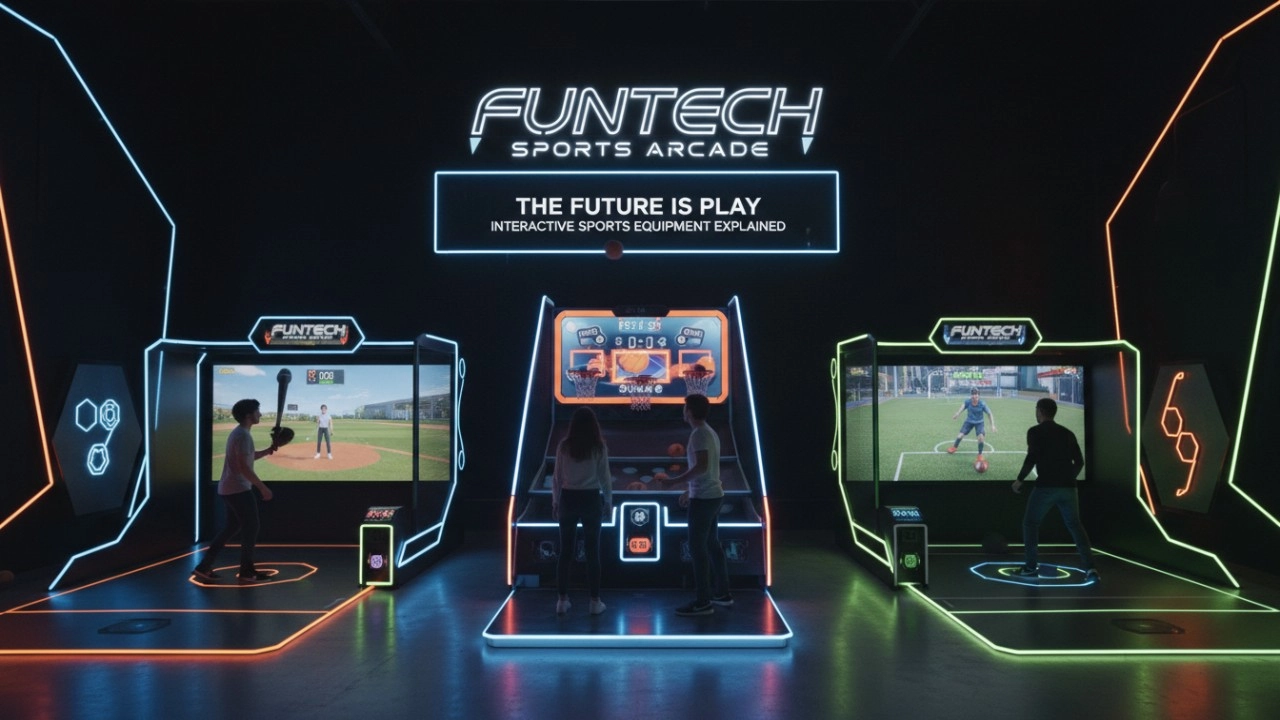
What Is Interactive Sports Arcade Equipment? Complete Beginner Guide (2026)
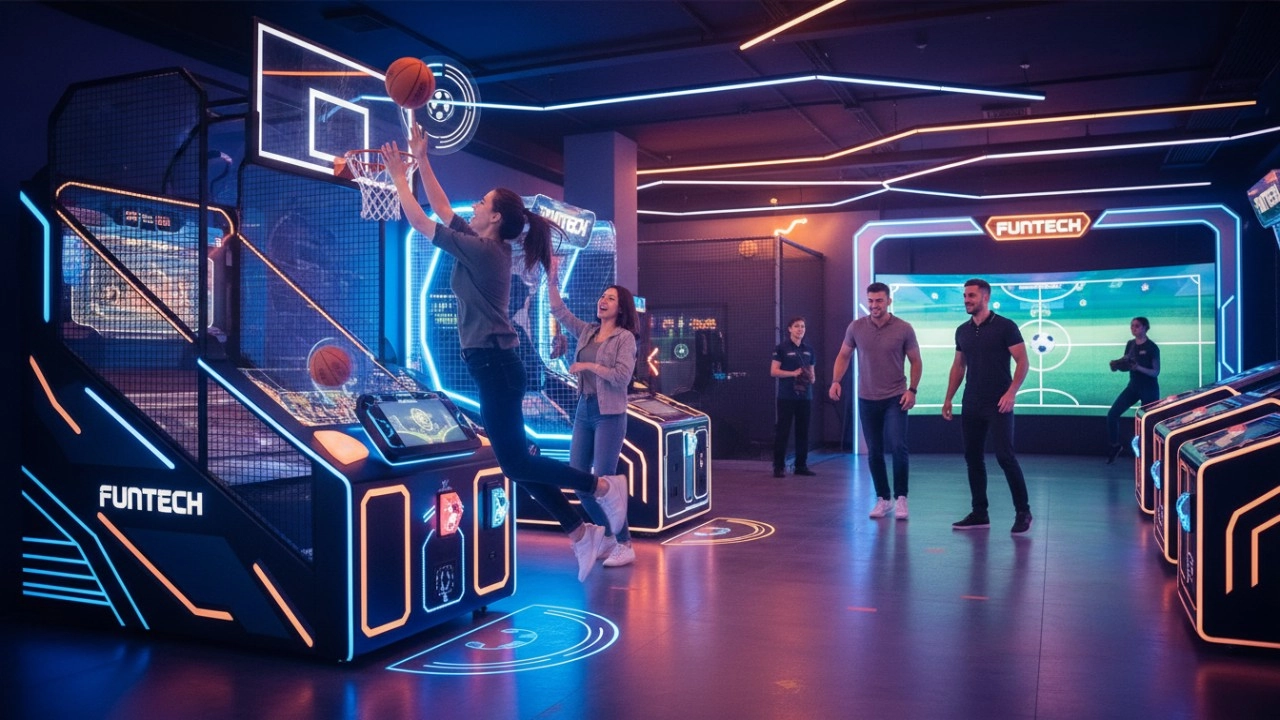
The Ultimate Guide to Interactive Sports Arcade Equipment for Commercial Entertainment (2026 Edition)
Holographic Light and Shadow Restaurant
What is the difference between holographic projection and ordinary projection?
Ordinary projection is the process of projecting a two-dimensional image onto a flat screen, where the viewer sees a flat image. Holographic projection can present real three-dimensional images, allowing viewers to observe different faces of objects from different angles, with a strong sense of three dimensionality and realism. In addition, ordinary projection usually only requires simple equipment such as projectors and screens, while holographic projection requires more complex optical systems and technologies to achieve.
Football Simulator
Are there a lot of game modes in soccer simulation?
Very rich! There is a league mode which is exciting and can compete with players from all over the world, and there is also a leisure and fun game which is suitable for parents and children to share fun time, so as to satisfy the needs of different players.
Dart Machines Bar Dart Machines
Why are sports arcades a hot spot for investment?
The traditional entertainment market (e.g., arcade, KTV) has become less attractive to generations, while digital hip playgrounds integrating technology, sports, and socialization are more in line with young people's needs, and the market size has exceeded 50 billion in 2023, with an annual growth rate of more than 30%.
Products
What are the after-sales services after purchasing the equipment?
Generally, a 1-year warranty is provided. During the warranty period, parts damaged due to quality problems, such as motor failure, display problems, etc., will be repaired or replaced free of charge. There will also be technical support, including equipment installation and debugging guidance, operation training, to ensure the smooth use of the user, after-sales response time is usually within 24 - 48 hours.
Golf Simulator
How to reduce operating costs?
Starting with equipment procurement, choose cost-effective, durable and easy-to-maintain products, which can save money for subsequent maintenance. Reasonable arrangement of staff, reduce the number of staff on duty during off-peak hours, train staff to have multi-skills, such as being able to operate the equipment and guide customers part-time, to improve the efficiency of manpower and reduce manpower costs.
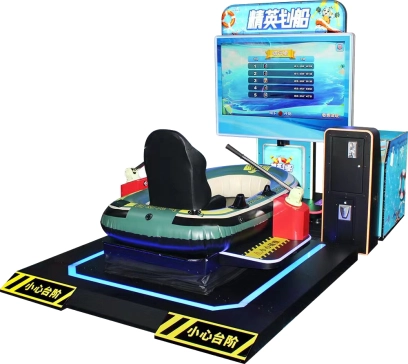
FUNTECH Interactive Indoor Rowing Simulator - Commercial Digital Sports Machine with AI Competition
A brand-new rowing simulation competitive game, operating on a single machine station, supports player interaction and competition with 3 AI opponents. The station is equipped with the latest rowing equipment, enabling players to experience realistic rowing operation. The competition process is relaxed and fun, while also providing fitness exercise benefits.
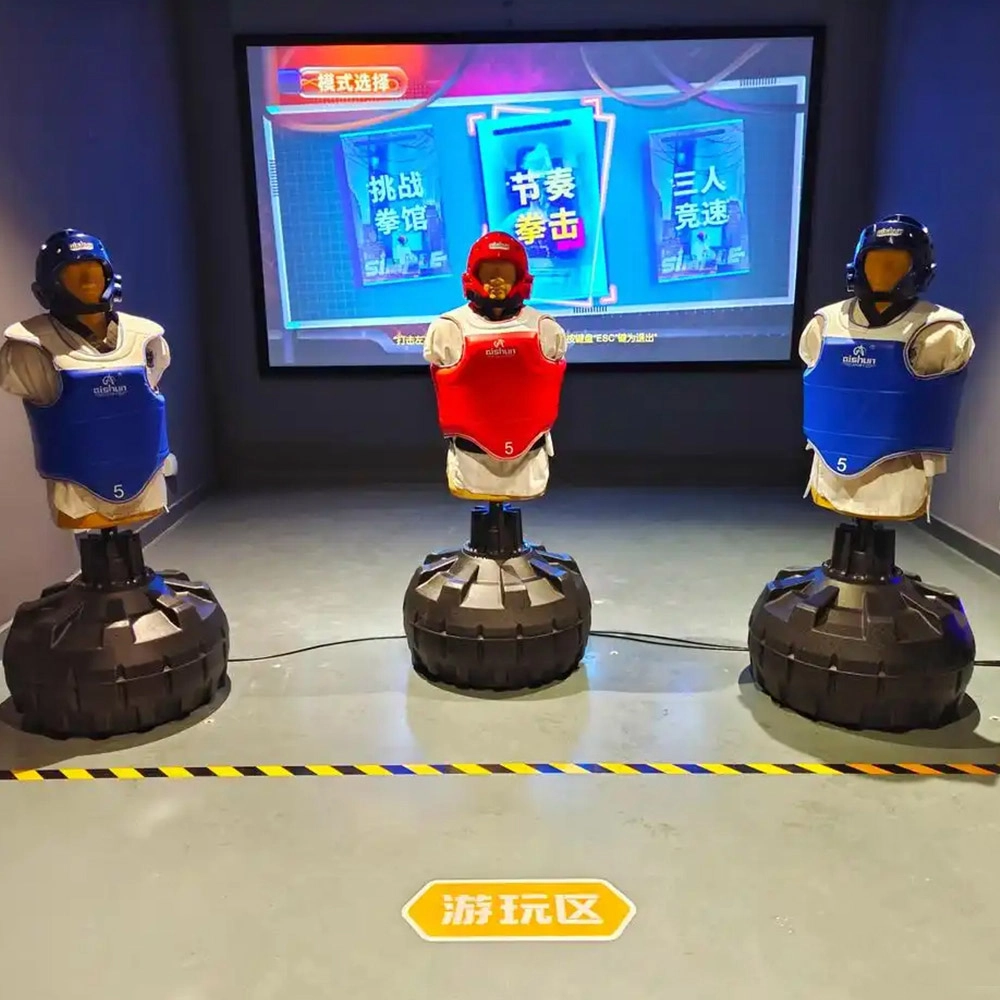
Indoor Boxing Equipment
FUNTECH is full of fun and exciting playgrounds! The indoor boxing simulation equipment combines pressure-sensitive boxing gloves with dynamic projection scenes, combining sports and fitness with entertainment and competitive attributes, supporting single-player training and two-player sparring modes, and accurately recording hitting data and generating sports reports, making it suitable for all-age experiences and safe and low-loss.
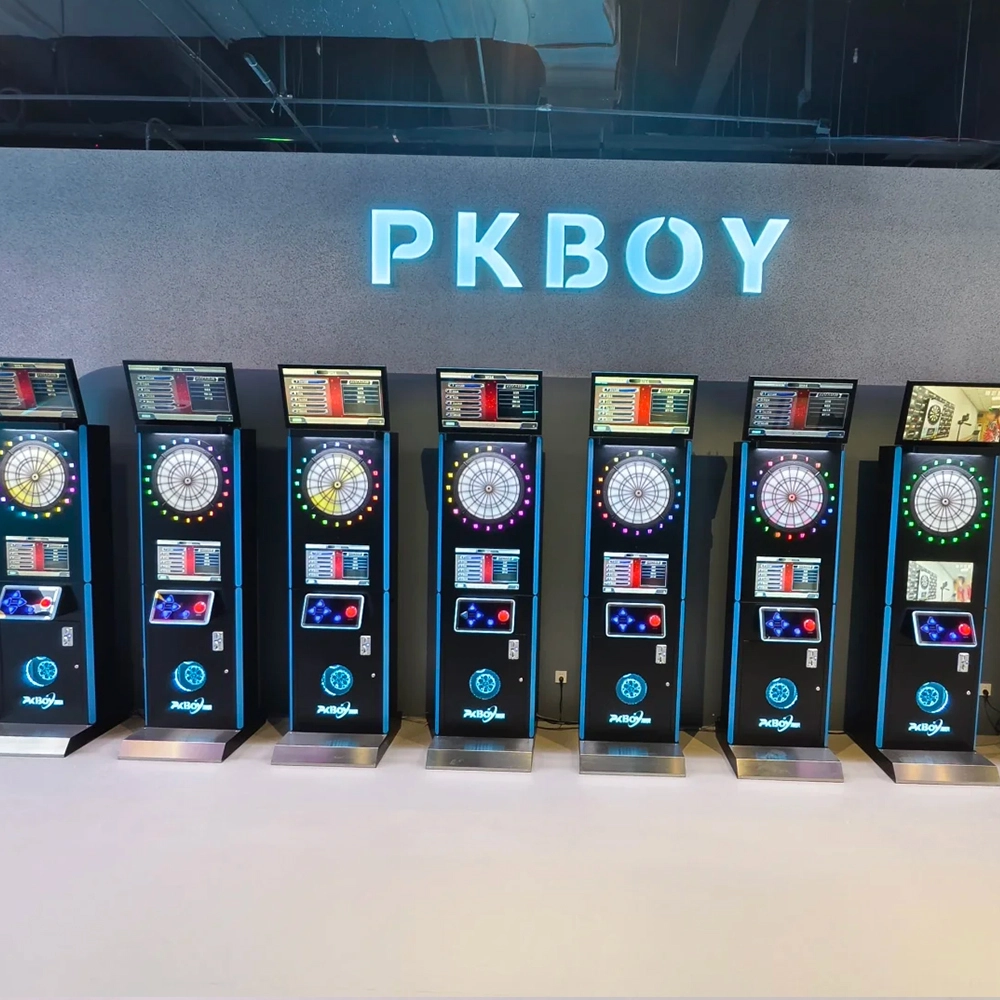
Dart Machines Bar Dart Machines
Joy Power is full of fun and excitement in the playground! The dart machine is suitable for all kinds of places, whether it is a bar, restaurant, KTV, or other entertainment venue, or a sports shop, club, or family leisure space, and can be perfectly adapted. In commercial venues, holding individual and team darts tournaments from time to time can attract more customers and increase the popularity and revenue of the venue, supplemented by various preferential activities, which can directly promote consumption and form a cycle of consumption of all the goods in the shop.
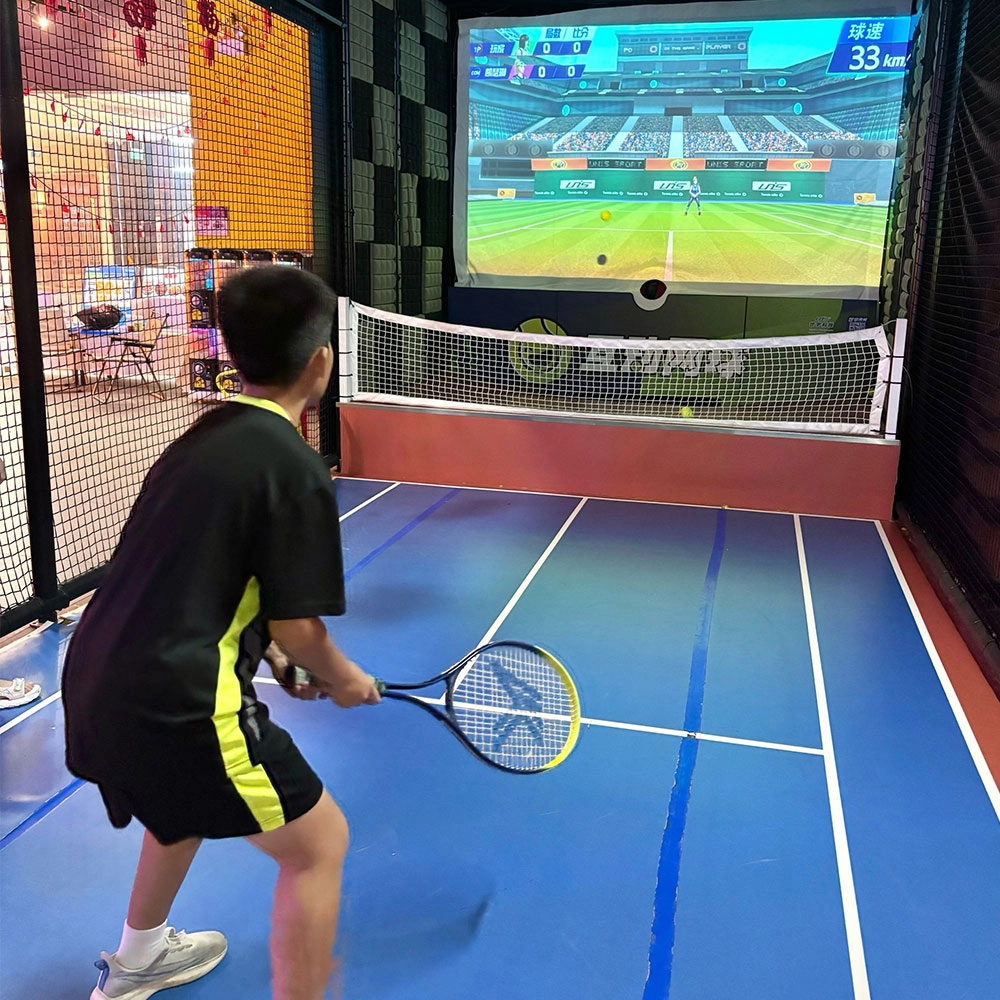
Indoor Tide Play Simulation Tennis Equipment
FUNTECH is full of fun and exciting playgrounds! With high-definition scene projection, force feedback racket, and intelligent scoring system, the simulated tennis equipment in the indoor arcade realizes immersive sports experiences and diversified interactive play, combining the advantages of safety and ease of use with high operational efficiency.
Ready to take your venue to the next level?
Leave us a message here, and our team will get back to you promptly.
Whether you're interested in custom orders, technical specifications, or partnership opportunities, we're here to assist you.
© 2025 FUNTECH ALL RIGHTS RESERVED

Weixia Lei
Fun_Tech-s
fun_tech20