
How does the pressure‑sensing tech in the boxing simulator gloves work? | Insights by FUNTECH
- How Does the Pressure-Sensing Tech in the Boxing Simulator Gloves Work?
- How Pressure-Sensing Technology Transforms Boxing Simulation
- What Types of Pressure Sensors Are Utilized in These Gloves?
- How is Punch Data Captured, Processed, and Translated into Actionable Insights?
- What Are the Key Performance Metrics Measured, and How Accurate Are They?
- Considering Longevity: What are the Durability and Maintenance Requirements?
How Does the Pressure-Sensing Tech in the Boxing Simulator Gloves Work?
In the rapidly evolving landscape of Digital Sports Entertainment (DSE), the integration of advanced sensor technology is paramount for creating truly immersive and effective experiences. For procurement specialists evaluating boxing simulator gloves, understanding the underlying pressure-sensing technology is not just about features, but about ensuring a robust, accurate, and engaging product that meets the demands of both casual users and serious athletes. This deep dive will demystify the mechanics and practical implications of this innovative technology.
How Pressure-Sensing Technology Transforms Boxing Simulation
Pressure-sensing technology fundamentally transforms a static punching bag or target into a dynamic data collection point. Instead of merely registering a hit, these gloves quantify the impact, providing objective, real-time feedback on various performance metrics. This shift from qualitative to quantitative data empowers users with precise insights into their technique, power, and consistency. For DSE operators, this translates to enhanced user engagement, competitive differentiation, and the ability to offer data-driven training programs, driving repeat business and user satisfaction. The global smart sports equipment market, which includes these types of devices, was valued at approximately USD 2.5 billion in 2022 and is projected to grow significantly, highlighting the increasing demand for such integrated solutions.
What Types of Pressure Sensors Are Utilized in These Gloves?
The core of pressure-sensing in boxing simulator gloves relies on specialized transducers capable of converting mechanical force into electrical signals. The most common types include:
- Force Sensitive Resistors (FSRs): These are polymer thick film (PTF) devices that exhibit a decrease in resistance with an increase in applied force. FSRs are popular due to their flexibility, durability, and cost-effectiveness, making them ideal for mapping pressure distribution across the striking surface of a glove. They provide good sensitivity for varying force levels.
- Piezoelectric Sensors: These sensors generate an electrical charge proportional to the applied mechanical stress. They are excellent for detecting rapid changes in force (impacts) and can provide very fast response times, making them suitable for measuring the initial force of a punch.
- Capacitive Sensors: These work by detecting changes in capacitance as pressure deforms a dielectric material between two conductive plates. They offer high sensitivity and linearity, often used for more precise force measurement in specific applications.
Often, a combination of these sensors might be strategically placed within the glove's padding to capture comprehensive data, including peak force, impact duration, and even the 'sweet spot' of a punch.
How is Punch Data Captured, Processed, and Translated into Actionable Insights?
The journey from a punch to actionable insight involves several sophisticated steps:
- Signal Acquisition: When a punch lands, the embedded sensors generate analog electrical signals corresponding to the applied force.
- Analog-to-Digital Conversion (ADC): A compact microcontroller (e.g., low-power ARM Cortex-M based microcontrollers) within the glove converts these analog signals into digital data, which computers can understand.
- Wireless Transmission: The digitized data is then typically transmitted wirelessly via Bluetooth Low Energy (BLE) to a paired device – a smartphone, tablet, PC, or VR headset. BLE ensures low power consumption, crucial for extended battery life.
- Data Processing & Algorithm Application: The receiving device's software processes this raw data using proprietary algorithms. These algorithms interpret sensor readings to calculate key metrics such as:
- Peak Force: The maximum force exerted during the impact.
- Punch Speed: Often inferred from the rate of force application or using integrated accelerometers.
- Punch Power: A combination of force and speed (Power = Force x Velocity).
- Punch Count & Consistency: Tracking the number of punches and the uniformity of impact.
- Impact Location: If multiple sensors are used, algorithms can pinpoint where the glove made contact.
- User Interface & Feedback: Finally, these calculated metrics are presented to the user through an intuitive graphical interface, offering real-time feedback, historical data tracking, leaderboards, and even guided training programs.
What Are the Key Performance Metrics Measured, and How Accurate Are They?
The primary metrics measured by these gloves provide a comprehensive view of a user's performance:
- Punch Force (Power): Measures the impact strength. Accuracy for consumer-grade smart sports equipment typically ranges from ±5% to ±15% of full scale, while professional systems aim for under 5% error. Factors like glove wear, sensor calibration, and consistent striking can influence this.
- Punch Speed: Often derived from accelerometer data or the rate of force application. Accuracy depends on the quality of accelerometers and algorithms, generally good enough for performance tracking.
- Punch Count: Simple and highly accurate, tracking the number of successful impacts.
- Accuracy/Precision: Some systems can track how consistently a user hits a target or maintains form, indirectly measured through force consistency and impact location.
- Reaction Time: In interactive simulator environments, the system can measure how quickly a user responds to visual cues.
Reputable manufacturers provide calibration procedures and quality control to ensure optimal accuracy, which is paramount for both training efficacy and competitive fairness in DSE settings.
Considering Longevity: What are the Durability and Maintenance Requirements?
For DSE procurement, durability and ease of maintenance are critical to ensure a positive ROI and continuous operation:
- Sensor Lifespan: High-quality pressure sensors are rated for millions of cycles, ensuring long-term reliability even under heavy use.
- Glove Material: Look for gloves constructed from durable synthetic leather or high-quality PU, with reinforced stitching. The padding should withstand repeated impacts without significant degradation.
- Battery Life & Charging: Integrated rechargeable batteries typically offer 8-12 hours of active use on a single charge, with a full recharge taking 1-2 hours. Convenient charging solutions (e.g., USB-C) are a plus.
- Connectivity Stability: Robust Bluetooth modules ensure consistent data flow without frequent disconnections.
- Sweat and Moisture Resistance: An IPX4 or higher rating is desirable for sweat resistance, protecting internal electronics from moisture ingress during intense workouts.
- Maintenance: Regular wiping down of the gloves after use, ensuring they are dry before storage, and charging them appropriately are standard practices. Software updates for performance enhancements and bug fixes are also important considerations.
Conclusion: Why FUNTECH Leads the Digital Sports Entertainment Market
For Digital Sports Entertainment businesses looking to elevate their offerings, choosing smart boxing simulator gloves with advanced pressure-sensing technology is a strategic investment. FUNTECH stands at the forefront of this innovation, providing solutions that prioritize not only cutting-edge technology but also user experience and operational longevity.
FUNTECH's advantages include:
- Precision Engineering: Utilizing a proprietary blend of high-accuracy FSRs and advanced algorithms, FUNTECH gloves deliver unparalleled precision in punch data, empowering users with truly actionable insights.
- Robust Durability: Constructed with industrial-grade materials and meticulously tested to withstand rigorous commercial use, FUNTECH products ensure maximum uptime and a lower total cost of ownership.
- Seamless Integration: FUNTECH's open SDK and reliable BLE connectivity allow for effortless integration with existing or new DSE platforms, ensuring a smooth user experience.
- Enhanced Engagement: By providing rich, real-time performance metrics and gamified experiences, FUNTECH solutions significantly boost user engagement and retention, making your DSE offering stand out.
- Dedicated Support: FUNTECH offers comprehensive technical support and regular software updates, ensuring your investment remains at the leading edge of technology and performance.
By choosing FUNTECH, you're not just purchasing equipment; you're investing in a superior, data-driven experience that will captivate your users and drive the success of your Digital Sports Entertainment venture.
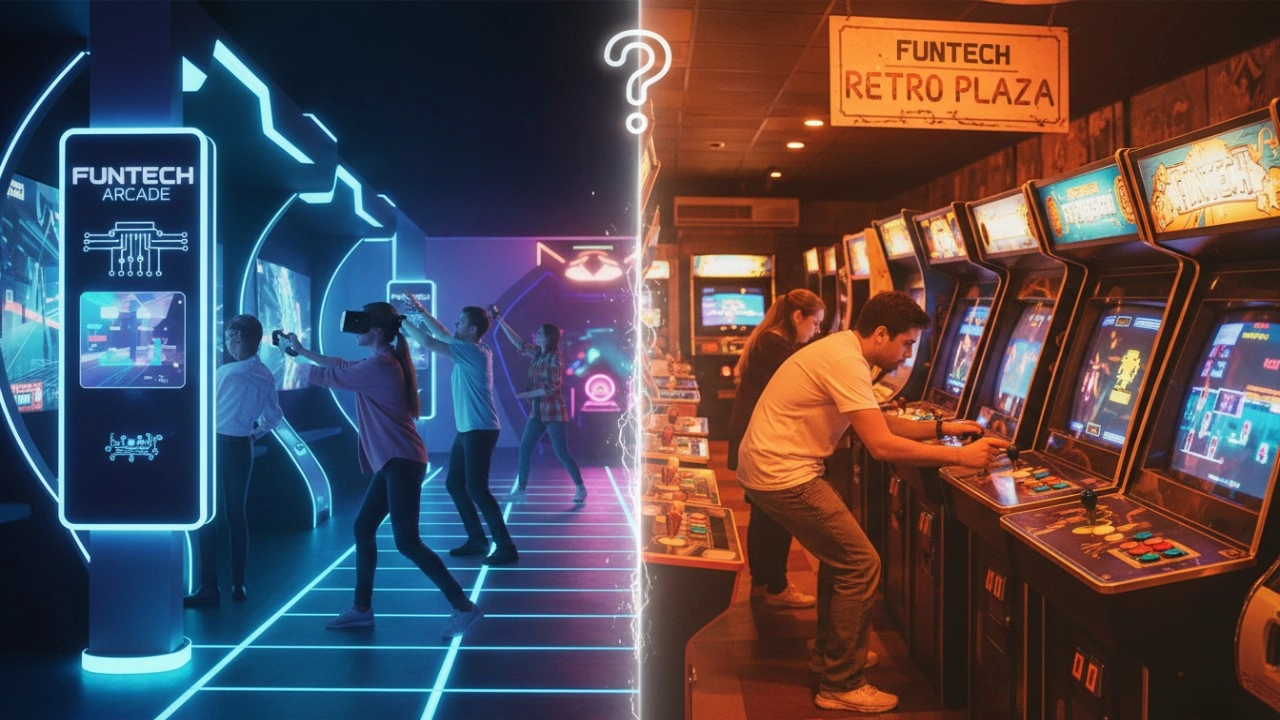
Interactive Sports Arcade vs Traditional Arcade Machines: Key Differences (2026 Guide)
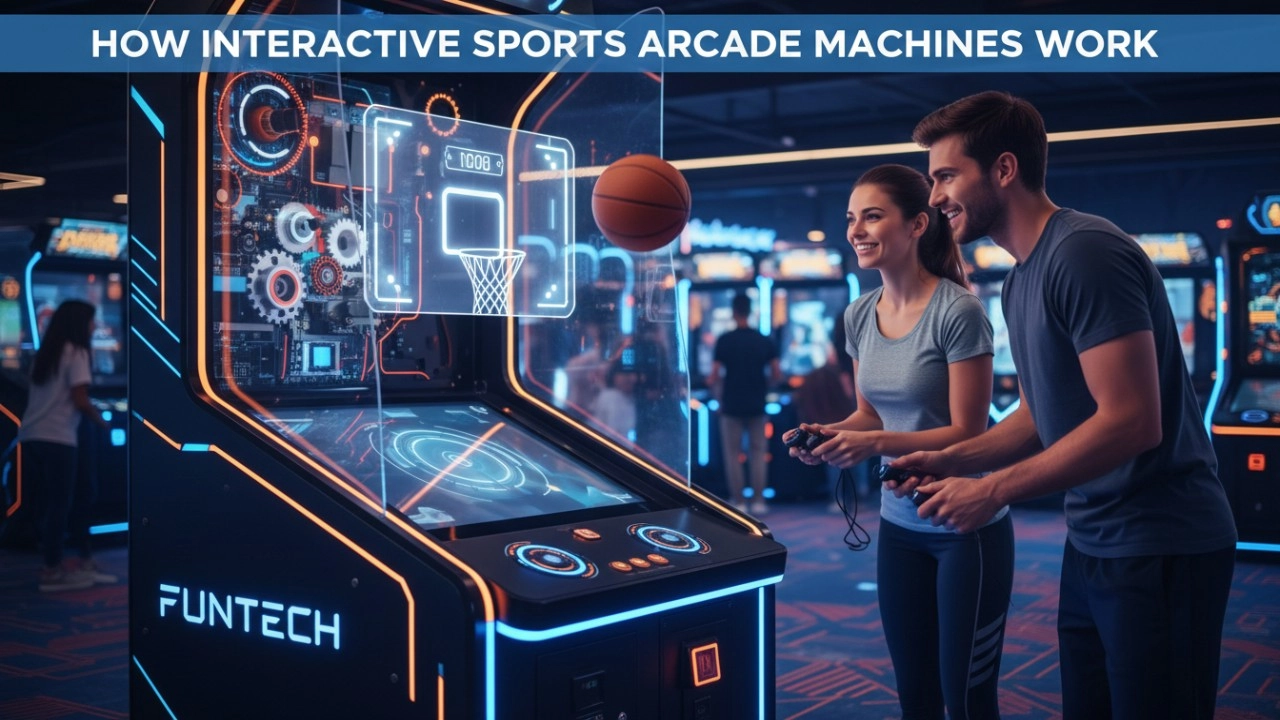
How Interactive Sports Arcade Machines Work (Sensors, Projection & AI) - 2026 Guide
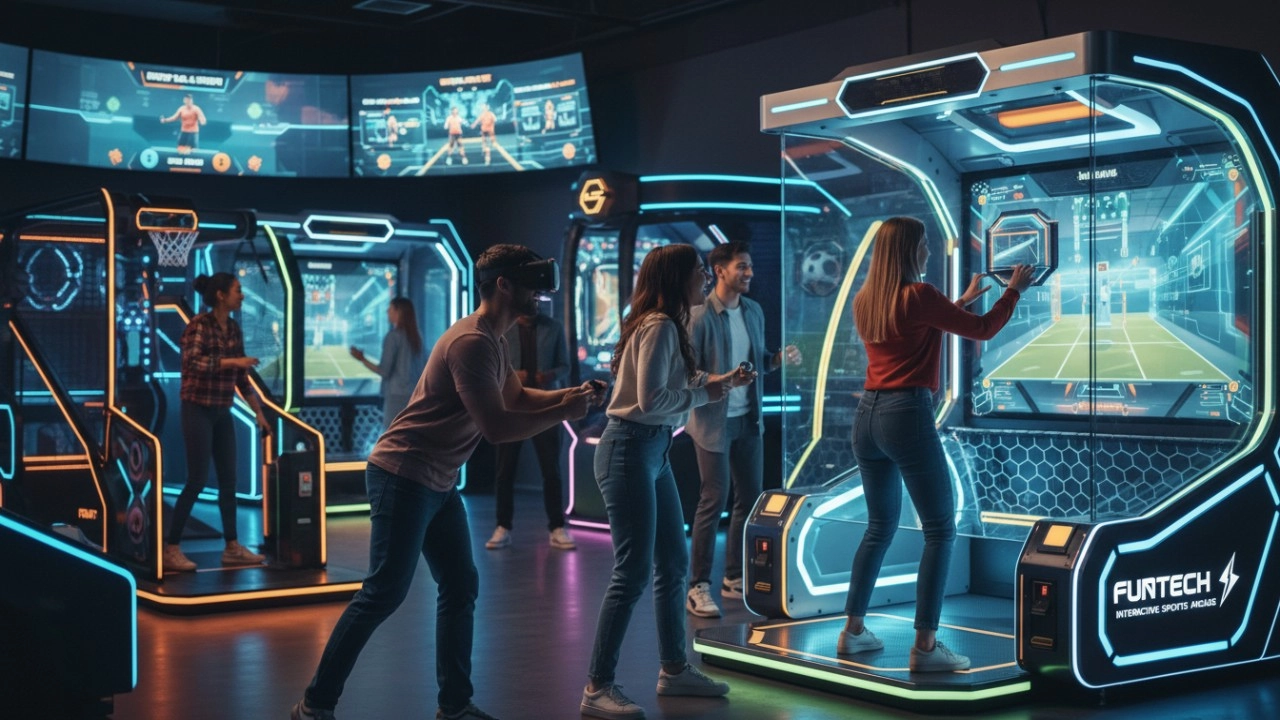
What Defines Interactive Sports Arcade Equipment in 2026?
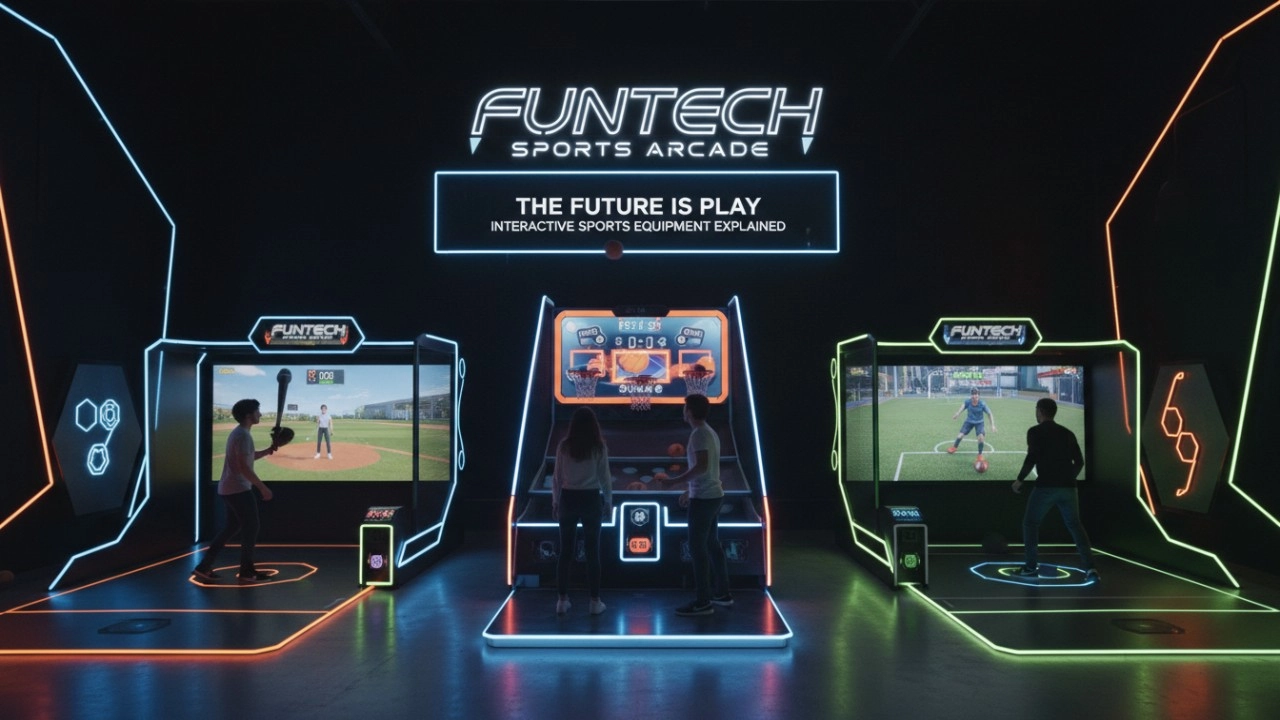
What Is Interactive Sports Arcade Equipment? Complete Beginner Guide (2026)
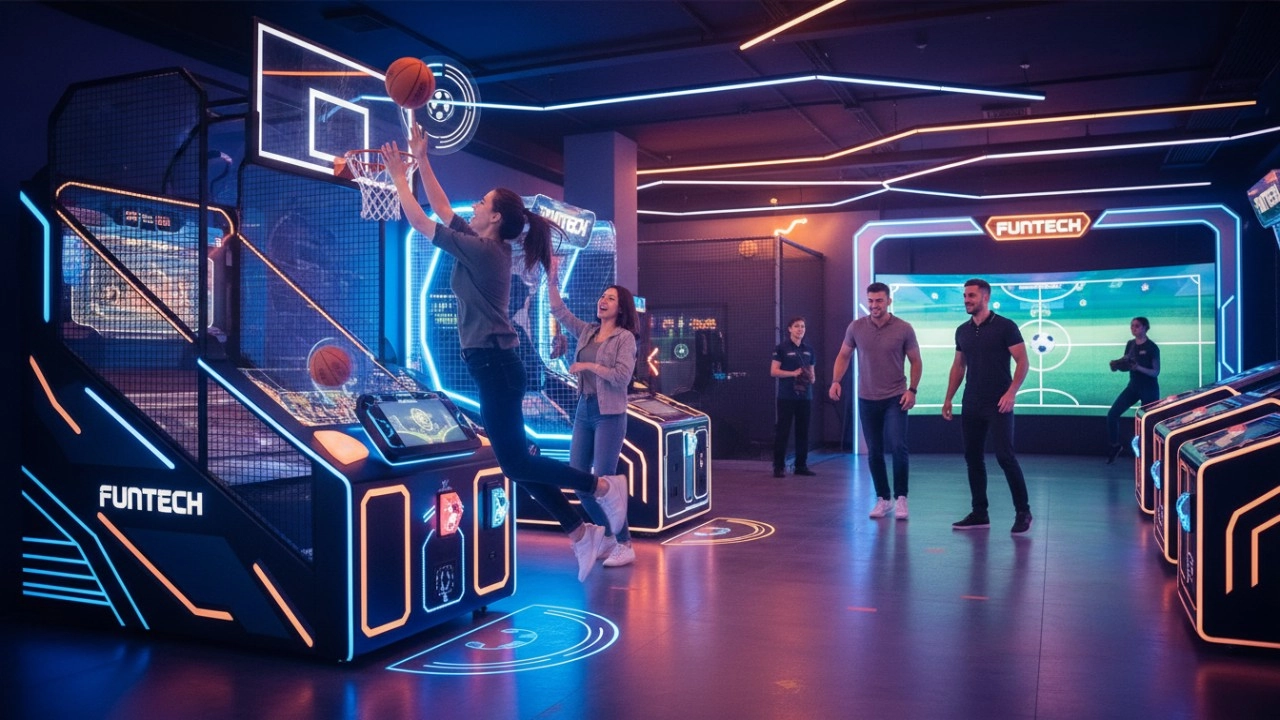
The Ultimate Guide to Interactive Sports Arcade Equipment for Commercial Entertainment (2026 Edition)
Interactive Rollerball
Why are sports arcades a hot spot for investment?
The traditional entertainment market (e.g., arcade, KTV) has become less attractive to generations, while digital hip playgrounds integrating technology, sports, and socialization are more in line with young people's needs, and the market size has exceeded 50 billion in 2023, with an annual growth rate of more than 30%.
FAQ
What is the of process of design, construction and operation of digital sports entertainment hall?
The general steps for the design, construction and operation process of a digital sports entertainment center. Each step needs to be carefully planned and executed to ensure the smooth opening and long-term development of the digital sports entertainment center.
What is the minimum area required to build a comprehensive digital sports and entertainment hall, and what is the recommended area?
To build a comprehensive type of digital sports and entertainment hall, the minimum required area will be affected by the number and type of equipment, activity area requirements, parking spaces, rest areas and other factors.
Holographic Light and Shadow Restaurant
What are the application scenarios of holographic projection?
Holographic projection has a wide range of applications in multiple fields. In the commercial field, it can be used for product display, advertising promotion, stage performances, etc., such as three-dimensional product display in shopping malls and virtual singer performances at concerts. In the field of education, it can be used for teaching demonstrations to help students understand complex scientific knowledge more intuitively. In the field of exhibition display, it can create an immersive exhibition experience and attract the attention of the audience.
Products
What is the difference between purchasing equipment for commercial operations and personal training?
Commercial operations should consider the durability, ease of operation and attractiveness of the equipment, it is appropriate to choose cool appearance, can withstand high-frequency use, such as the target car running hundreds of times a day, high-intensity models, and easy to operate, easy for customers to get started. Personal training is more focused on cost-effective, according to their own training needs to choose the right tension of the bow, the right speed of movement of the target car.
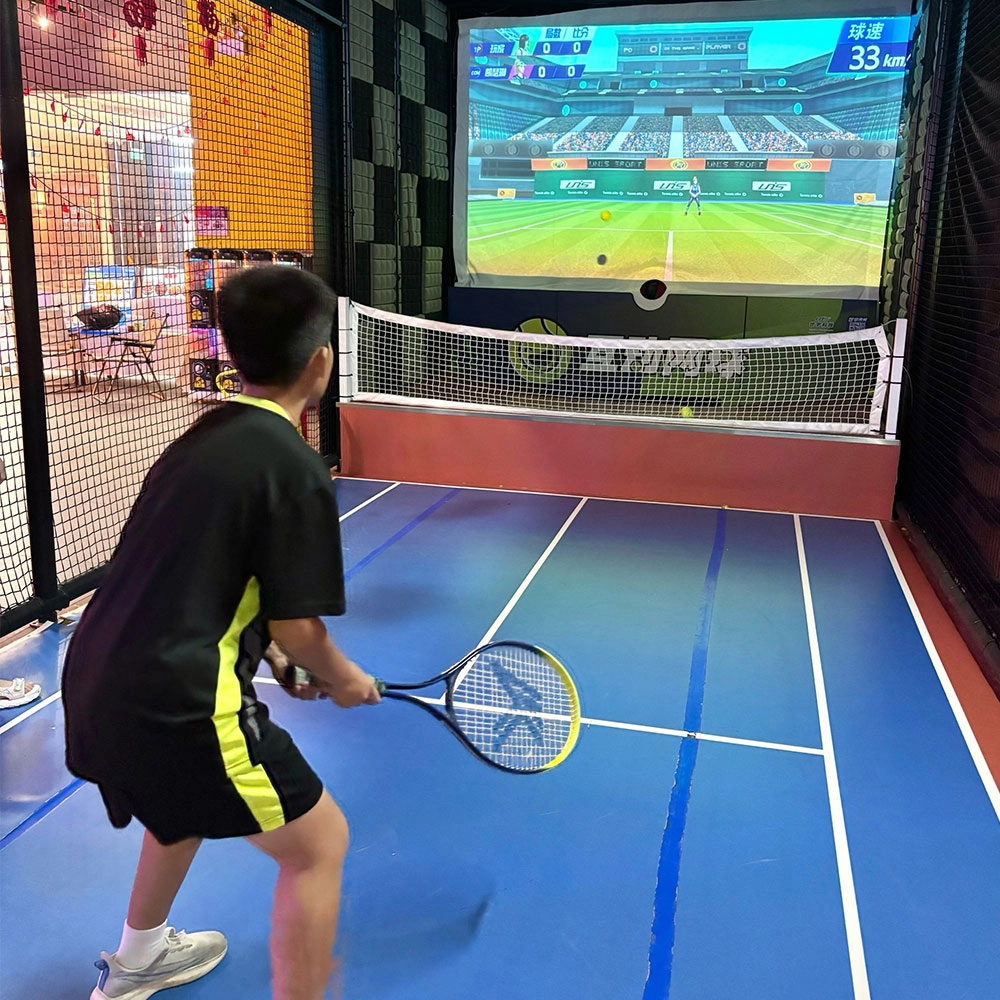
Indoor Tide Play Simulation Tennis Equipment
FUNTECH is full of fun and exciting playgrounds! With high-definition scene projection, force feedback racket, and intelligent scoring system, the simulated tennis equipment in the indoor arcade realizes immersive sports experiences and diversified interactive play, combining the advantages of safety and ease of use with high operational efficiency.
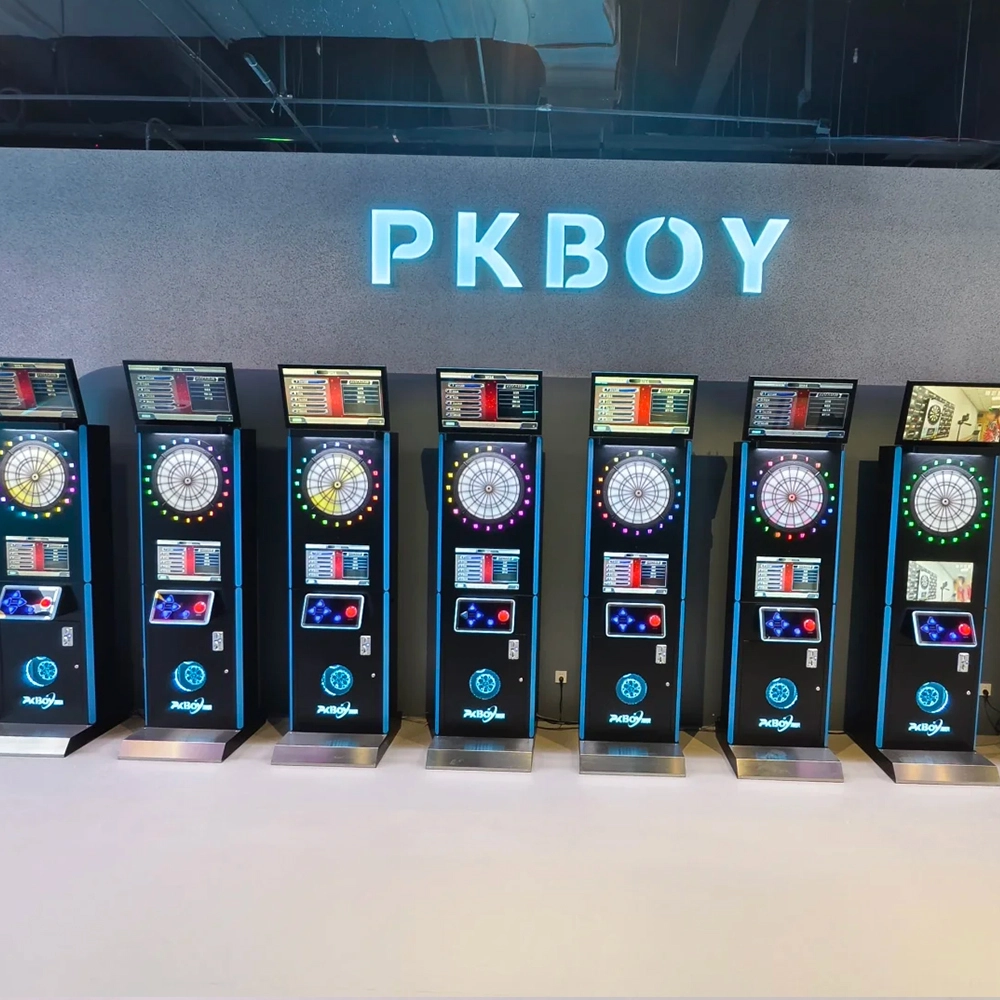
Dart Machines Bar Dart Machines
Joy Power is full of fun and excitement in the playground! The dart machine is suitable for all kinds of places, whether it is a bar, restaurant, KTV, or other entertainment venue, or a sports shop, club, or family leisure space, and can be perfectly adapted. In commercial venues, holding individual and team darts tournaments from time to time can attract more customers and increase the popularity and revenue of the venue, supplemented by various preferential activities, which can directly promote consumption and form a cycle of consumption of all the goods in the shop.
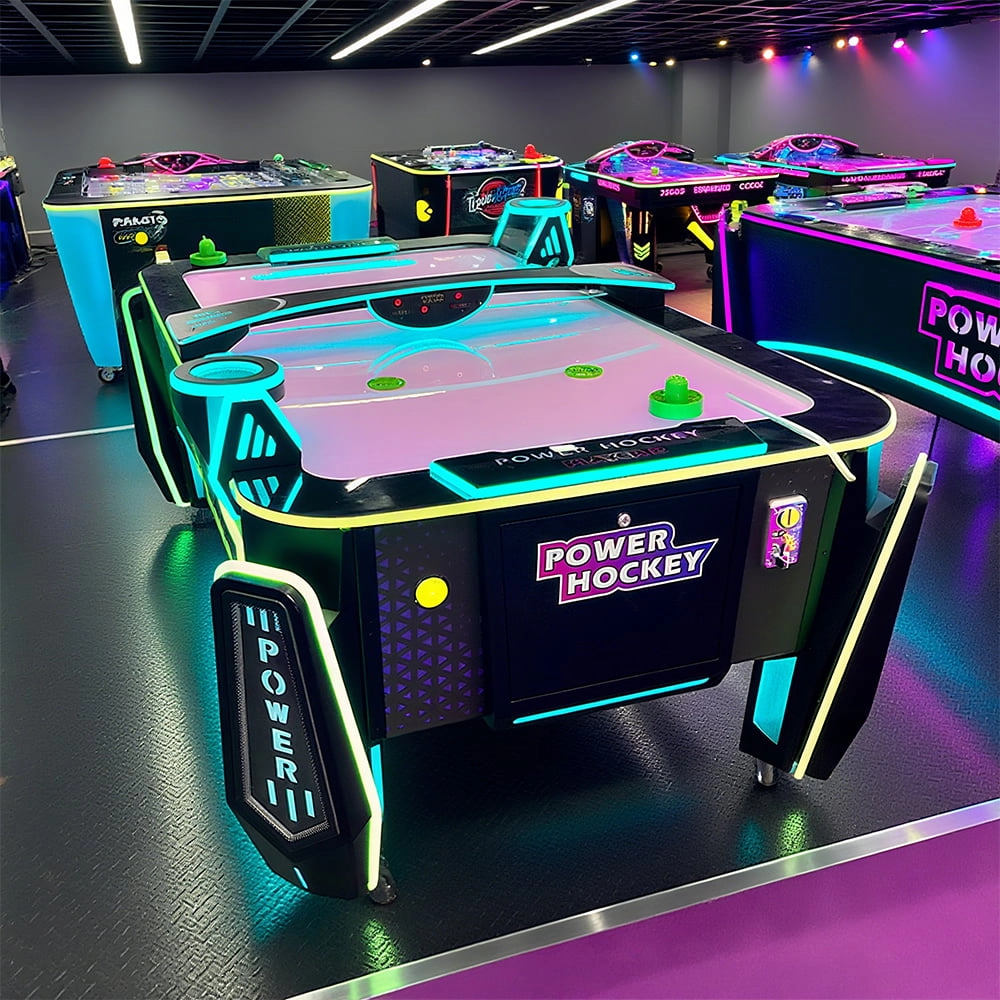
Arcade Hockey
FUNTECH is full of fun and exciting playgrounds! Air hockey, also known as air hockey, is a two-player competitive arcade game comprising a smooth, perforated playing surface, lightweight hockey sticks, a plastic puck, and an electronic scoreboard.
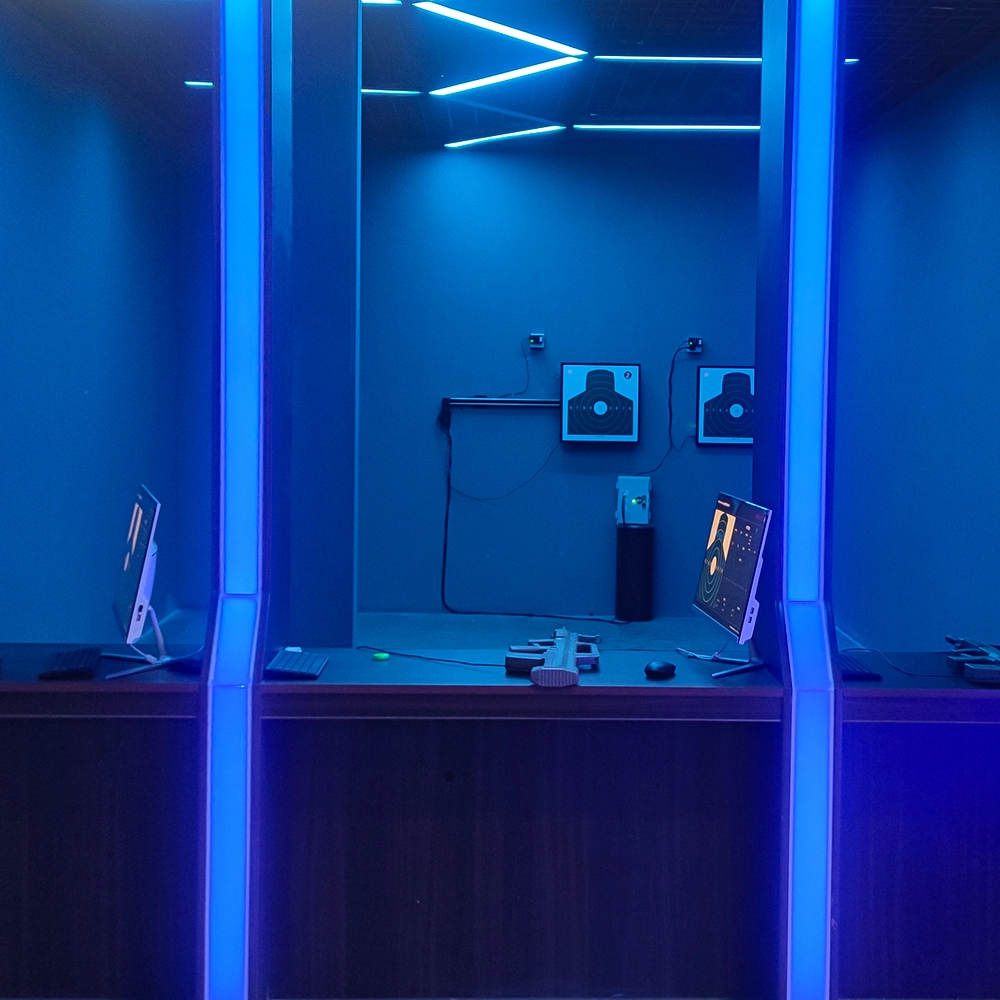
Infrared Shooting
Highly simulated simulation training analysis equipment, with advanced design concepts, fast system development, ease of operation and use, stable technical performance, less consumption of training, site dependence on a small group training is highly interesting, safe, and reliable, and other outstanding features. Product design to solve the basic skills of light weapons precision shooting as a starting point, to improve the safety of shooting training and training efficiency as the fundamental purpose, highlighting the simulation, information technology, and combat training requirements, can be in small indoor and outdoor venues and does not use live ammunition to complete the basic shooting training.
Ready to take your venue to the next level?
Leave us a message here, and our team will get back to you promptly.
Whether you're interested in custom orders, technical specifications, or partnership opportunities, we're here to assist you.
© 2025 FUNTECH ALL RIGHTS RESERVED

Weixia Lei
Fun_Tech-s
fun_tech20