
What's the typical lifespan of a shooting simulator system? | Insights by FUNTECH
- Understanding the Lifespan and Maintenance of Shooting Simulator Systems
- 1. What is the typical lifespan of a shooting simulator system?
- 2. What factors influence the longevity of shooting simulator systems?
- 3. How can organizations extend the lifespan of their shooting simulator systems?
- 4. What are the maintenance requirements for shooting simulator systems?
- 5. How do technological advancements affect the lifespan of shooting simulator systems?
- 6. What considerations should organizations keep in mind when purchasing shooting simulator systems?
- 7. Are there any industry standards for the lifespan of shooting simulator systems?
- 8. How does the choice of shooting simulator system impact training effectiveness?
- About FUNTECH
Understanding the Lifespan and Maintenance of Shooting Simulator Systems
Shooting simulator systems are integral to training and entertainment in the Digital Sports Entertainment industry. Understanding their typical lifespan, maintenance requirements, and factors influencing their durability is crucial for organizations considering their purchase. This article addresses common questions to provide a comprehensive overview.
1. What is the typical lifespan of a shooting simulator system?
The lifespan of a shooting simulator system varies based on its quality, usage frequency, and maintenance practices. High-quality systems, when properly maintained, can last between 5 to 10 years. However, components such as projectors, sensors, and software may require updates or replacements sooner due to technological advancements and wear.
2. What factors influence the longevity of shooting simulator systems?
Several factors impact the lifespan of shooting simulator systems:
Quality of Components: High-quality hardware and software components generally offer longer durability.
Frequency of Use: Systems used extensively may experience more wear and tear, potentially reducing their lifespan.
Maintenance Practices: Regular maintenance, including software updates and hardware servicing, can extend the system's operational life.
Technological Advancements: Rapid advancements in technology may render older systems obsolete, prompting upgrades or replacements.
3. How can organizations extend the lifespan of their shooting simulator systems?
To maximize the longevity of shooting simulator systems, organizations should:
Implement Regular Maintenance: Schedule routine checks and servicing to identify and address issues promptly.
Keep Software Updated: Regularly update software to ensure compatibility with new technologies and to enhance performance.
Train Staff Properly: Ensure that staff are well-trained in operating and maintaining the system to prevent misuse and damage.
Monitor Usage: Keep track of usage patterns to anticipate and mitigate potential wear and tear.
4. What are the maintenance requirements for shooting simulator systems?
Maintenance requirements include:
Hardware Servicing: Regular inspection and servicing of hardware components like projectors, sensors, and computers.
Software Updates: Periodic updates to software to fix bugs, improve performance, and add new features.
Calibration: Ensuring that sensors and projectors are correctly calibrated for accurate simulations.
Cleaning: Regular cleaning of hardware to prevent dust buildup, which can affect performance.
5. How do technological advancements affect the lifespan of shooting simulator systems?
Technological advancements can influence the lifespan of shooting simulator systems by:
Introducing New Features: New technologies may offer enhanced features, prompting organizations to upgrade their systems.
Obsolescence: Older systems may become incompatible with new software or hardware, leading to reduced functionality.
Increased Maintenance Costs: Older systems may require more frequent repairs and maintenance as they age.
6. What considerations should organizations keep in mind when purchasing shooting simulator systems?
When purchasing shooting simulator systems, organizations should consider:
Quality and Reliability: Invest in high-quality systems from reputable manufacturers to ensure longevity.
Scalability: Choose systems that can be easily upgraded or expanded as technology evolves.
Support and Warranty: Ensure that the manufacturer offers comprehensive support and warranty services.
Cost of Ownership: Consider not only the initial purchase price but also ongoing maintenance and operational costs.
7. Are there any industry standards for the lifespan of shooting simulator systems?
While there are no universally mandated industry standards for the lifespan of shooting simulator systems, manufacturers often provide estimated lifespans based on their products' quality and design. It's advisable to consult with manufacturers and industry experts to understand the expected longevity of specific systems.
8. How does the choice of shooting simulator system impact training effectiveness?
The choice of shooting simulator system significantly affects training effectiveness by:
Providing Realistic Scenarios: High-quality simulators offer realistic training environments, enhancing skill development.
Offering Versatility: Advanced systems can simulate various scenarios, allowing for comprehensive training.
Ensuring Reliability: A durable system ensures consistent performance, leading to more effective training sessions.
In conclusion, understanding the lifespan and maintenance of shooting simulator systems is essential for organizations in the Digital Sports Entertainment industry. By considering factors such as quality, usage, maintenance practices, and technological advancements, organizations can make informed decisions to ensure the longevity and effectiveness of their training and entertainment solutions.
About FUNTECH
FUNTECH is a leading provider of innovative shooting simulator systems, offering high-quality products designed for durability and performance. With a commitment to customer satisfaction, FUNTECH provides comprehensive support and maintenance services to ensure the longevity and effectiveness of their systems. Choose FUNTECH for reliable and advanced shooting simulation solutions that meet the evolving needs of the Digital Sports Entertainment industry.
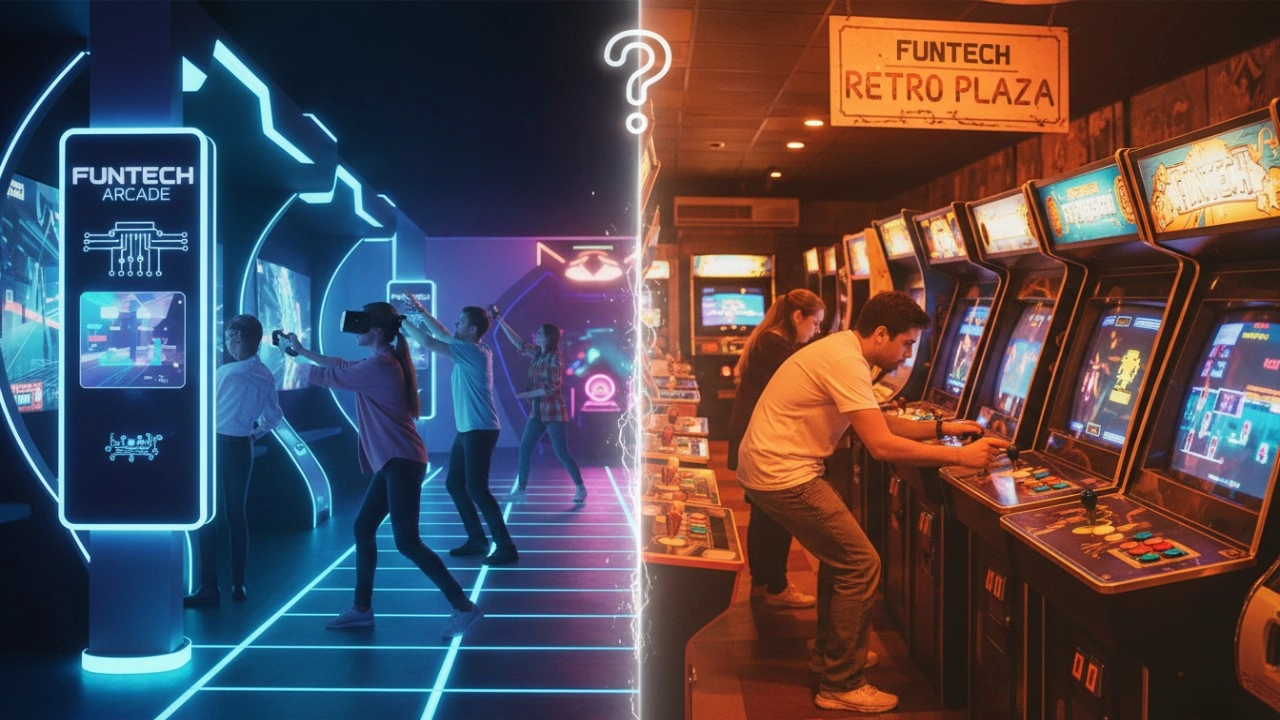
Interactive Sports Arcade vs Traditional Arcade Machines: Key Differences (2026 Guide)
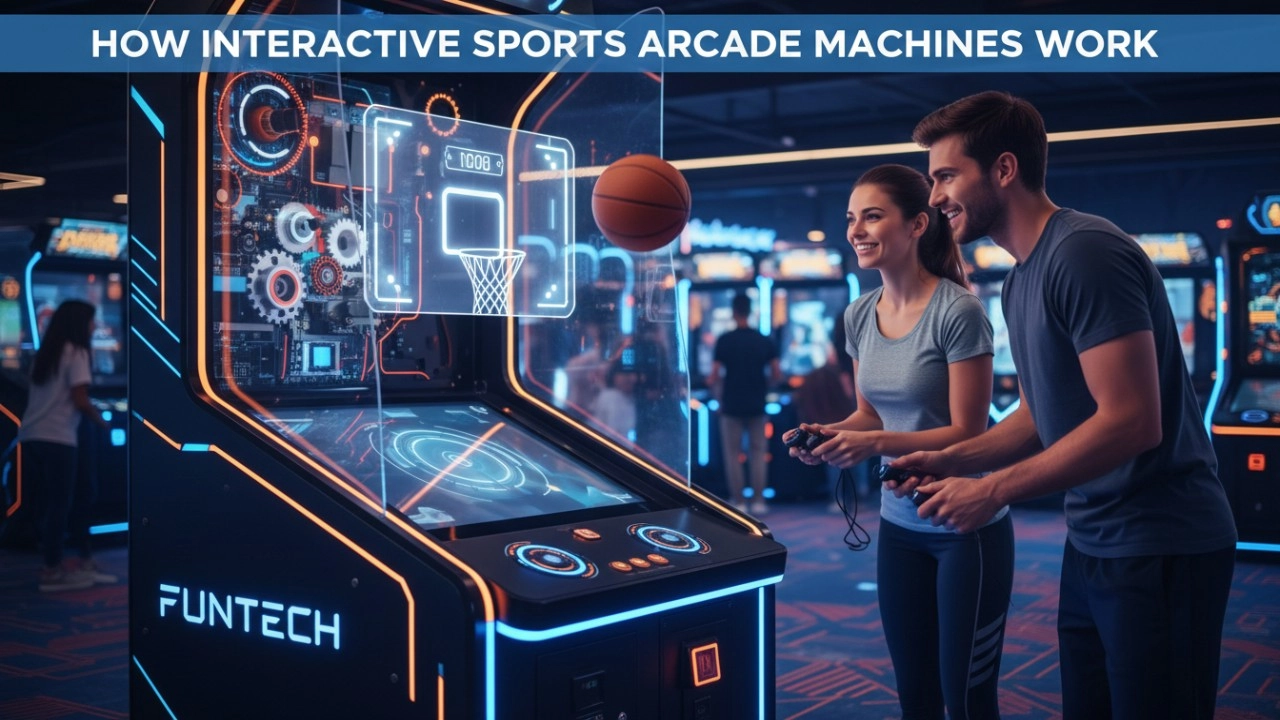
How Interactive Sports Arcade Machines Work (Sensors, Projection & AI) - 2026 Guide
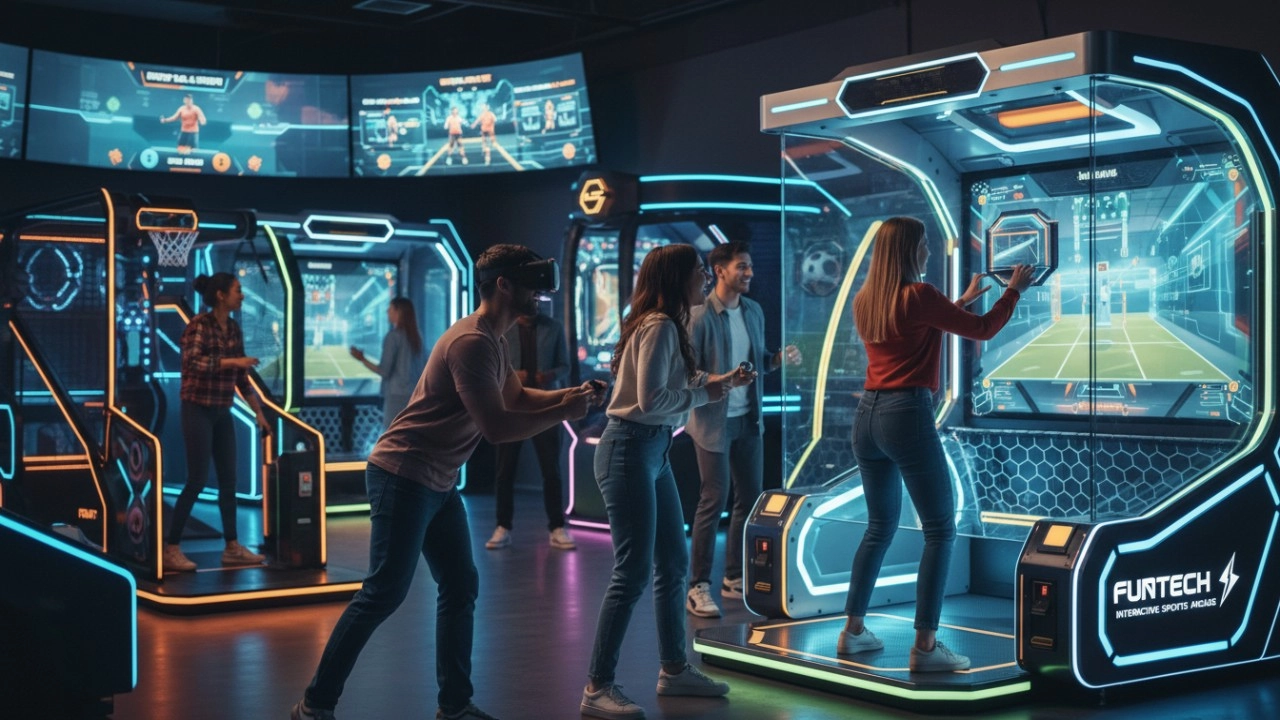
What Defines Interactive Sports Arcade Equipment in 2026?
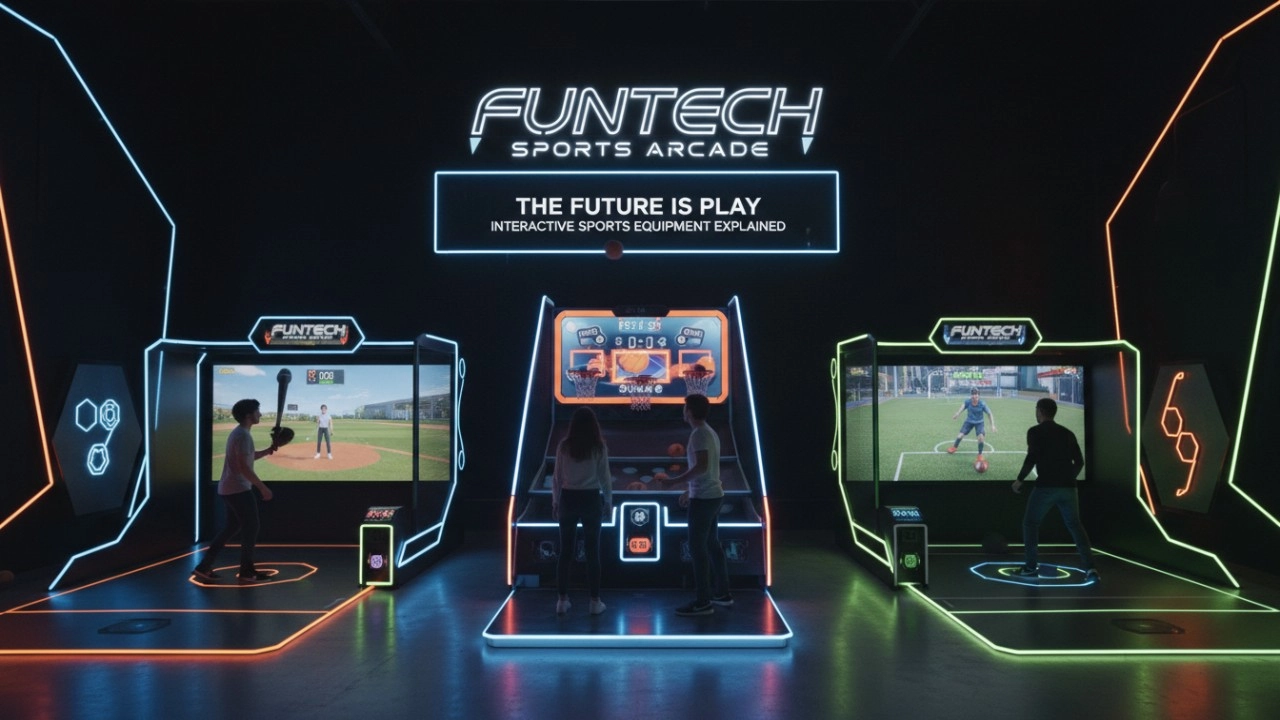
What Is Interactive Sports Arcade Equipment? Complete Beginner Guide (2026)
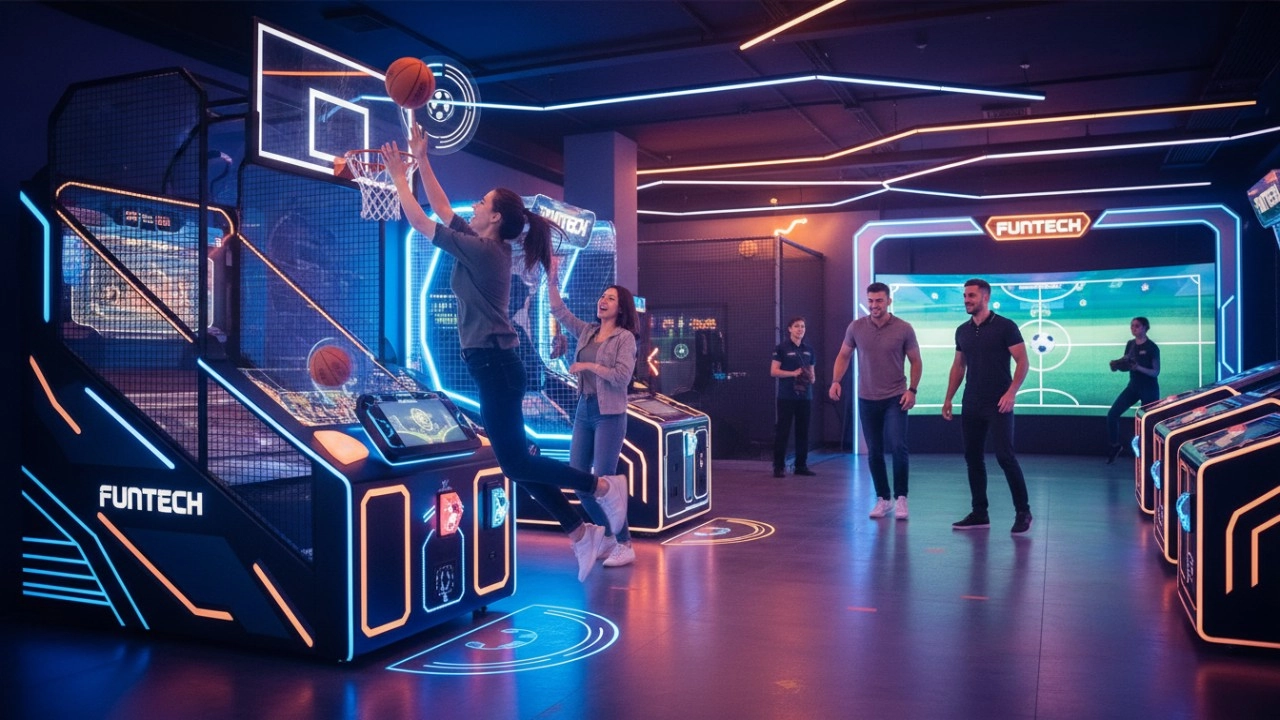
The Ultimate Guide to Interactive Sports Arcade Equipment for Commercial Entertainment (2026 Edition)
Holographic Light and Shadow Restaurant
What is holographic projection?
Holographic projection is a technique that utilizes the principles of interference and diffraction to record and reproduce the true three-dimensional image of an object. It records the light information of an object on a hologram, and then uses a specific light source to illuminate the hologram, so that the three-dimensional image of the object can be presented in the air, and the audience can see the realistic stereoscopic image without wearing special glasses.
What are the application scenarios of holographic projection?
Holographic projection has a wide range of applications in multiple fields. In the commercial field, it can be used for product display, advertising promotion, stage performances, etc., such as three-dimensional product display in shopping malls and virtual singer performances at concerts. In the field of education, it can be used for teaching demonstrations to help students understand complex scientific knowledge more intuitively. In the field of exhibition display, it can create an immersive exhibition experience and attract the attention of the audience.
Football Simulator
What is the biggest difference between simulation soccer and traditional soccer?
Simulation soccer through digital technology on the screen to present soccer, not subject to site, weather restrictions, players can participate at any time and anywhere, but also with the handle, somatosensory equipment and other controls, experience a variety of modes. Traditional soccer requires real venues and multiple participants, and is greatly affected by environmental factors.
Simulation soccer suitable for which people to experience?
Suitable for all soccer fans, whether they want to get addicted to soccer anytime, anywhere, or by the field restrictions can not play football youth, as well as want to share the joy of the children's parents and children's families, all can find fun from it.
Dart Machines Bar Dart Machines
How often does the equipment require maintenance?
For daily use, simple monthly maintenance, such as simple cosmetic cleaning and function checking after use, is sufficient. A more comprehensive quarterly maintenance is sufficient.
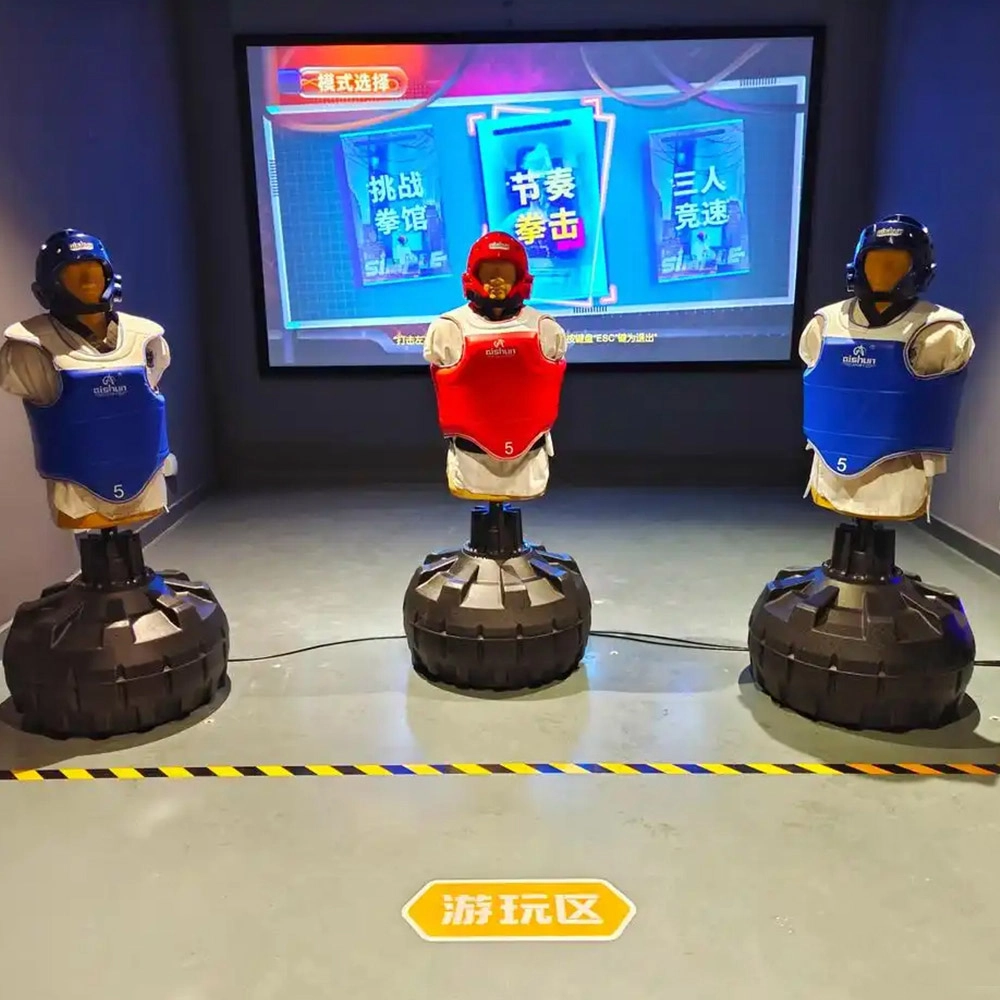
Indoor Boxing Equipment
FUNTECH is full of fun and exciting playgrounds! The indoor boxing simulation equipment combines pressure-sensitive boxing gloves with dynamic projection scenes, combining sports and fitness with entertainment and competitive attributes, supporting single-player training and two-player sparring modes, and accurately recording hitting data and generating sports reports, making it suitable for all-age experiences and safe and low-loss.
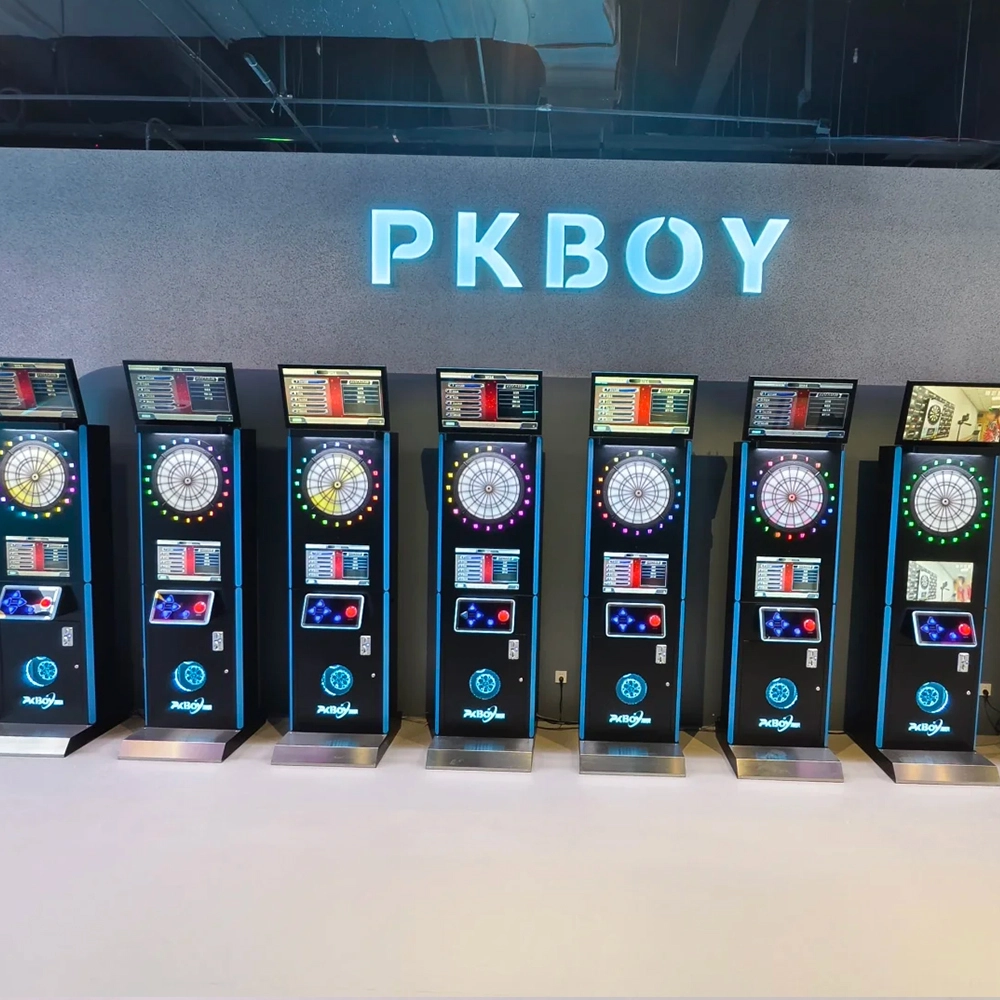
Dart Machines Bar Dart Machines
Joy Power is full of fun and excitement in the playground! The dart machine is suitable for all kinds of places, whether it is a bar, restaurant, KTV, or other entertainment venue, or a sports shop, club, or family leisure space, and can be perfectly adapted. In commercial venues, holding individual and team darts tournaments from time to time can attract more customers and increase the popularity and revenue of the venue, supplemented by various preferential activities, which can directly promote consumption and form a cycle of consumption of all the goods in the shop.
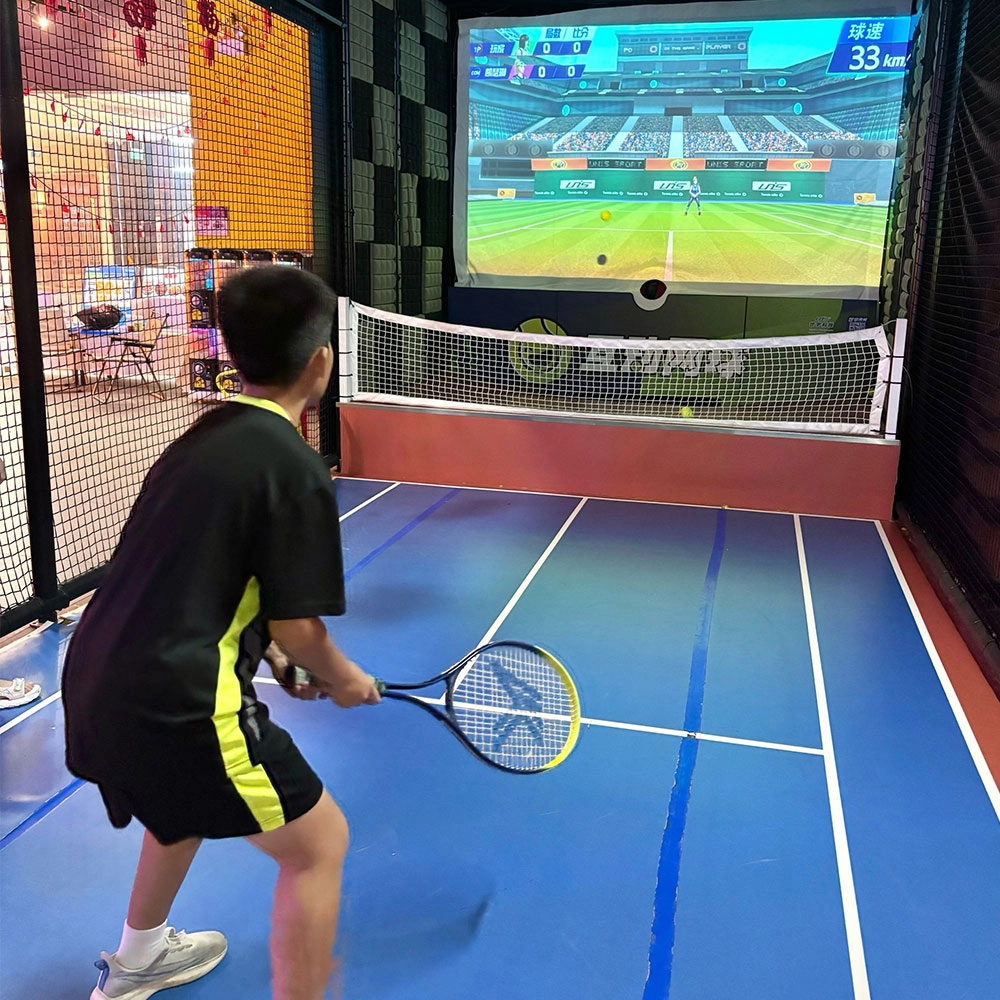
Indoor Tide Play Simulation Tennis Equipment
FUNTECH is full of fun and exciting playgrounds! With high-definition scene projection, force feedback racket, and intelligent scoring system, the simulated tennis equipment in the indoor arcade realizes immersive sports experiences and diversified interactive play, combining the advantages of safety and ease of use with high operational efficiency.
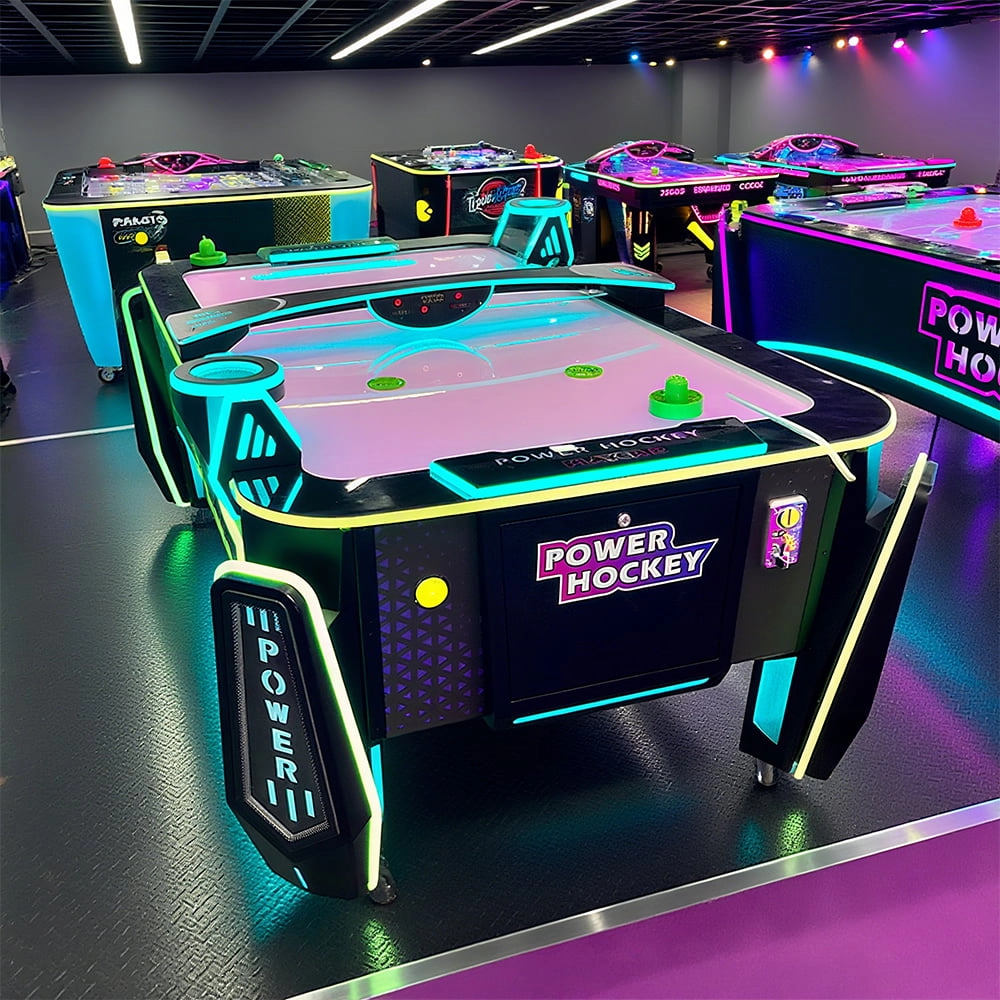
Arcade Hockey
FUNTECH is full of fun and exciting playgrounds! Air hockey, also known as air hockey, is a two-player competitive arcade game comprising a smooth, perforated playing surface, lightweight hockey sticks, a plastic puck, and an electronic scoreboard.
Ready to take your venue to the next level?
Leave us a message here, and our team will get back to you promptly.
Whether you're interested in custom orders, technical specifications, or partnership opportunities, we're here to assist you.
© 2025 FUNTECH ALL RIGHTS RESERVED

Weixia Lei
Fun_Tech-s
fun_tech20