
how does simulation football league work? | FUNTECH Expert Guide
- Understanding the Mechanics: How Do Simulation Football Leagues Truly Operate?
- How do advanced AI and probabilistic models underpin realistic simulation outcomes?
- What critical data analytics and performance metrics drive player and team evolution within these leagues?
- How do simulation football leagues ensure robust integrity, fair play, and anti-manipulation?
- What are the evolving monetization strategies for sustained revenue generation in the digital sports entertainment sector?
- What emerging technologies, like Web3 and generative AI, are shaping the future of virtual football experiences?
Understanding the Mechanics: How Do Simulation Football Leagues Truly Operate?
For discerning professionals in the Digital Sports Entertainment space, understanding the underlying mechanics of simulation football leagues goes beyond casual interest; it's about strategic advantage, scalability, and return on investment. As the global fantasy sports market, a close cousin, continues its robust growth, valued at approximately USD 25.85 billion in 2023 and projected to expand at a CAGR of 13.9% from 2024 to 2030 (Source: Grand View Research, Precedence Research), the sophistication of simulation leagues becomes paramount for capturing and retaining user engagement.
How do advanced AI and probabilistic models underpin realistic simulation outcomes?
At the core of a compelling simulation football league are sophisticated Artificial Intelligence (AI) and probabilistic models. These systems move beyond simple dice rolls, leveraging complex algorithms to mimic real-world football dynamics. Modern simulations utilize statistical models built from vast datasets of professional football statistics, including player attributes (speed, strength, accuracy), historical team tendencies, and situational probabilities (e.g., success rates on 3rd down, red zone efficiency). AI-driven player agents make decisions based on contextual factors, opponent positions, and their unique skill sets, often employing techniques like Monte Carlo simulations to generate a multitude of possible play outcomes, resulting in a statistically representative and unpredictable flow of action. This ensures that a simulation isn't just random, but rather a statistically plausible reflection of real football, where strategy and player ratings truly matter.
What critical data analytics and performance metrics drive player and team evolution within these leagues?
The credibility and depth of a simulation league heavily rely on its data analytics framework. Beyond basic statistics like passing yards or tackles, advanced systems track nuanced metrics such as Expected Points Added (EPA), Completion Percentage Over Expectation (CPOE), win rates on pass rush or block attempts, and defensive coverage metrics. These granular data points are fed back into the simulation engine, allowing virtual players to 'improve' or 'decline' based on simulated performance, and enabling dynamic team strategies to evolve. For league operators, these analytics provide invaluable insights into user engagement, player performance trends, and areas for game balancing, informing feature development and ensuring a dynamic, evolving virtual ecosystem. This data-driven approach is key to long-term user retention and competitive integrity.
How do simulation football leagues ensure robust integrity, fair play, and anti-manipulation?
Maintaining trust is paramount. Robust simulation leagues employ multi-layered security and integrity protocols. Fundamental to fair play is the use of cryptographically secure Random Number Generators (RNGs) to ensure unpredictable and unbiased outcomes for uncertain events (e.g., fumbles, interceptions). Advanced platforms implement server-side processing for all critical game logic, preventing client-side manipulation. Furthermore, transparency through verifiable algorithms (sometimes leveraged with blockchain for provable fairness) and a robust auditing framework can reassure users. Anti-cheat mechanisms, anomaly detection systems, and dedicated integrity teams continuously monitor for suspicious patterns or attempts to exploit the system, ensuring a level playing field for all participants.
What are the evolving monetization strategies for sustained revenue generation in the digital sports entertainment sector?
Monetization in simulation football leagues extends beyond simple subscriptions. Leading platforms adopt diversified strategies:
- Freemium Models with In-App Purchases (IAPs): Offering a core free experience complemented by purchases for cosmetic items (jerseys, stadium upgrades), training boosts, or unique player cards.
- Subscription Tiers: Providing High Quality access to advanced analytics, exclusive tournaments, or faster progression.
- Advertising: Integrating sponsorships, brand placements, and targeted ads within the game environment.
- E-commerce & Merchandise: Selling physical or digital merchandise related to in-game teams or players.
- Engagement-based Rewards: Integrating play-to-earn (P2E) models, where users can earn tradable in-game assets or tokens through active participation.
- Data Monetization: Anonymized aggregated user data can provide insights valuable for sports analytics firms or advertisers (with strict privacy compliance).
What emerging technologies, like Web3 and generative AI, are shaping the future of virtual football experiences?
The next frontier for simulation football leagues lies in the integration of cutting-edge technologies. Generative AI is poised to revolutionize content creation, enabling dynamic commentary, personalized storylines, and even the creation of unique, AI-generated virtual player personalities. This can dramatically enhance immersion and replayability. Web3 technologies, including blockchain and NFTs, are facilitating true digital ownership of in-game assets (players, teams, stadiums), fostering secondary markets, and enabling provably fair game mechanics and transparent governance through Decentralized Autonomous Organizations (DAOs). Furthermore, the intersection with Metaverse environments and Augmented/Virtual Reality (AR/VR) promises more immersive viewing and interaction experiences, transforming how users engage with their virtual leagues and communities.
FUNTECH: Your Advantage in Digital Sports Entertainment
At FUNTECH, we specialize in building the backbone for the next generation of digital sports entertainment. Our platforms are engineered with:
- Advanced AI & Machine Learning: For hyper-realistic simulations and dynamic player progression.
- Robust Data Analytics Engines: Providing deep insights for user engagement and strategic decision-making.
- Verifiable Integrity & Security: Ensuring fair play and building user trust through transparent, anti-manipulation technologies.
- Flexible Monetization Frameworks: Designed to support diverse revenue streams and optimize ARPU (Average Revenue Per User).
- Future-Proof Web3 Integration: Ready for blockchain, NFTs, and metaverse capabilities, ensuring your platform remains at the forefront of innovation.
Partner with FUNTECH to elevate your digital sports entertainment offerings and capture a leading position in this evolving market.
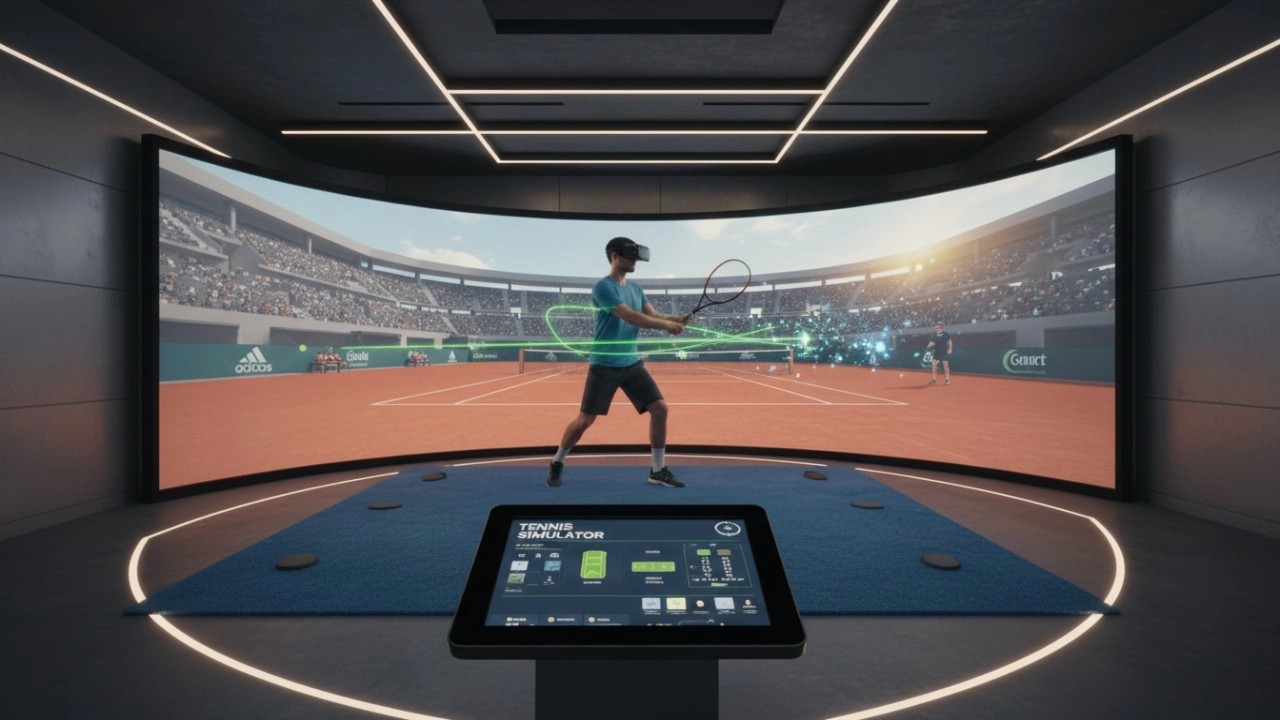
7 Reasons to Add a Tennis Simulator to Your Entertainment Venue Instead of Traditional Training Models (2026 Guide)
The 2026 Dart Machine Revenue Playbook: Boosting Mid-Week Sales by 30%-40% with Competitive Socializing
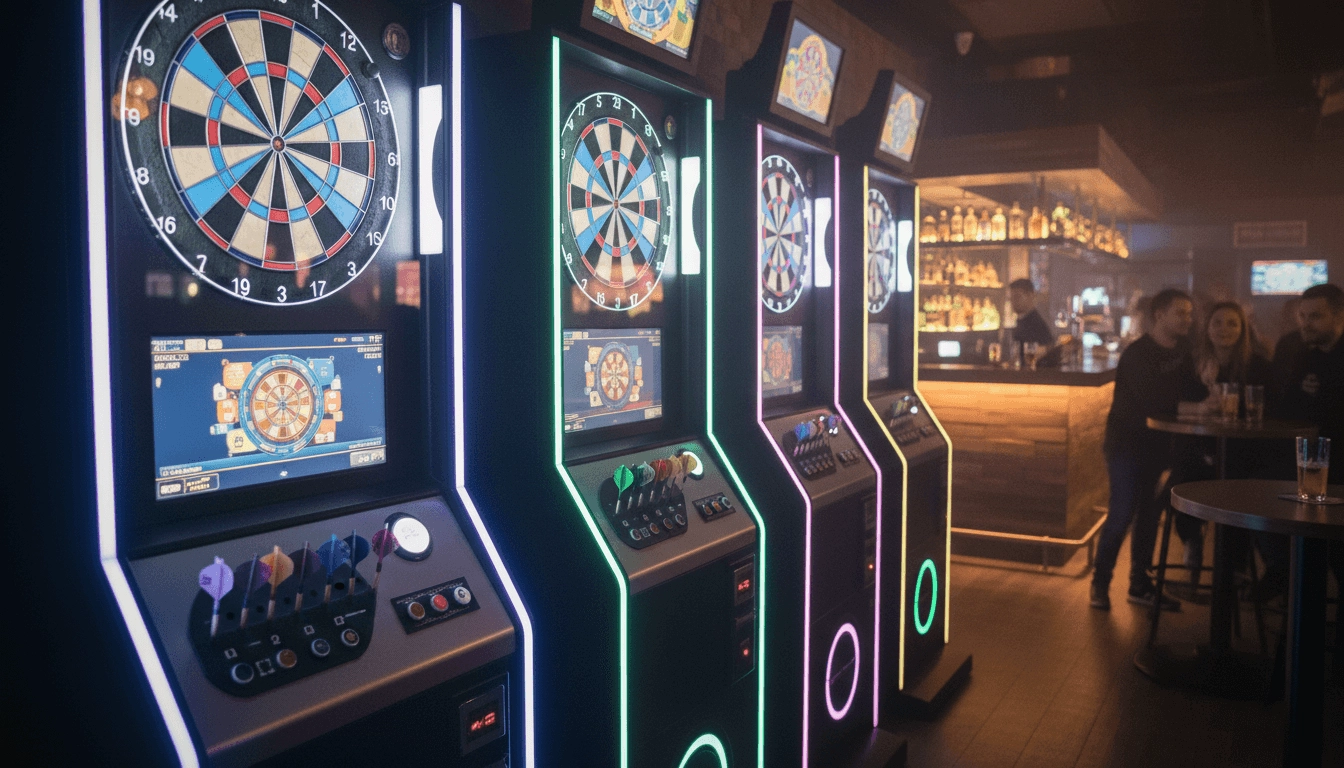
Redefining Competitive Socializing: Ultimate Guide to Selecting an Intelligent Dart Machine 2026

Tennis Simulators in 2026: The Ultimate Guide to Virtual Courts and Advanced Training

Top 15 Dart Machine Manufacturers in 2026
Infrared Shooting
How often does the equipment require maintenance?
For daily use, simple monthly maintenance, such as simple cosmetic cleaning and function checking after use, is sufficient. A more comprehensive quarterly maintenance is sufficient.
Dart Machines Bar Dart Machines
How often does the equipment require maintenance?
For daily use, simple monthly maintenance, such as simple cosmetic cleaning and function checking after use, is sufficient. A more comprehensive quarterly maintenance is sufficient.
Products
What are the after-sales services after purchasing the equipment?
Generally, a 1-year warranty is provided. During the warranty period, parts damaged due to quality problems, such as motor failure, display problems, etc., will be repaired or replaced free of charge. There will also be technical support, including equipment installation and debugging guidance, operation training, to ensure the smooth use of the user, after-sales response time is usually within 24 - 48 hours.
Football Simulator
How does the picture effect of simulation soccer achieve realism?
With the help of advanced technology, the green field is accurately reproduced with fine turf texture and realistic player movements. From the players running, passing to shooting, are lifelike, to give players a sense of immersion.
FAQ
What is to be considered for setting up a digital sports & amusement hall?
The design requirements of digital sports & amusement hall are different from other entertainment venues, and they need to focus on innovation, interactivity and experience.
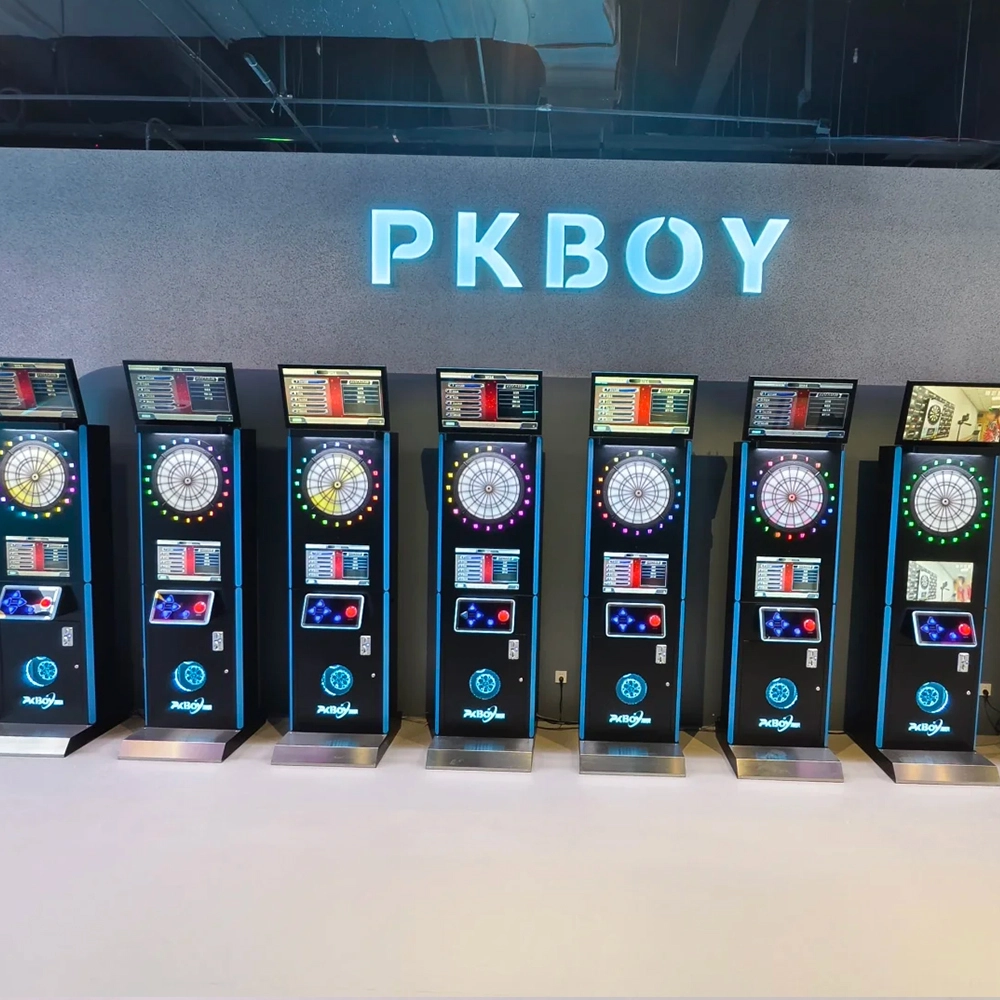
Dart Machines Bar Dart Machines
Joy Power is full of fun and excitement in the playground! The dart machine is suitable for all kinds of places, whether it is a bar, restaurant, KTV, or other entertainment venue, or a sports shop, club, or family leisure space, and can be perfectly adapted. In commercial venues, holding individual and team darts tournaments from time to time can attract more customers and increase the popularity and revenue of the venue, supplemented by various preferential activities, which can directly promote consumption and form a cycle of consumption of all the goods in the shop.
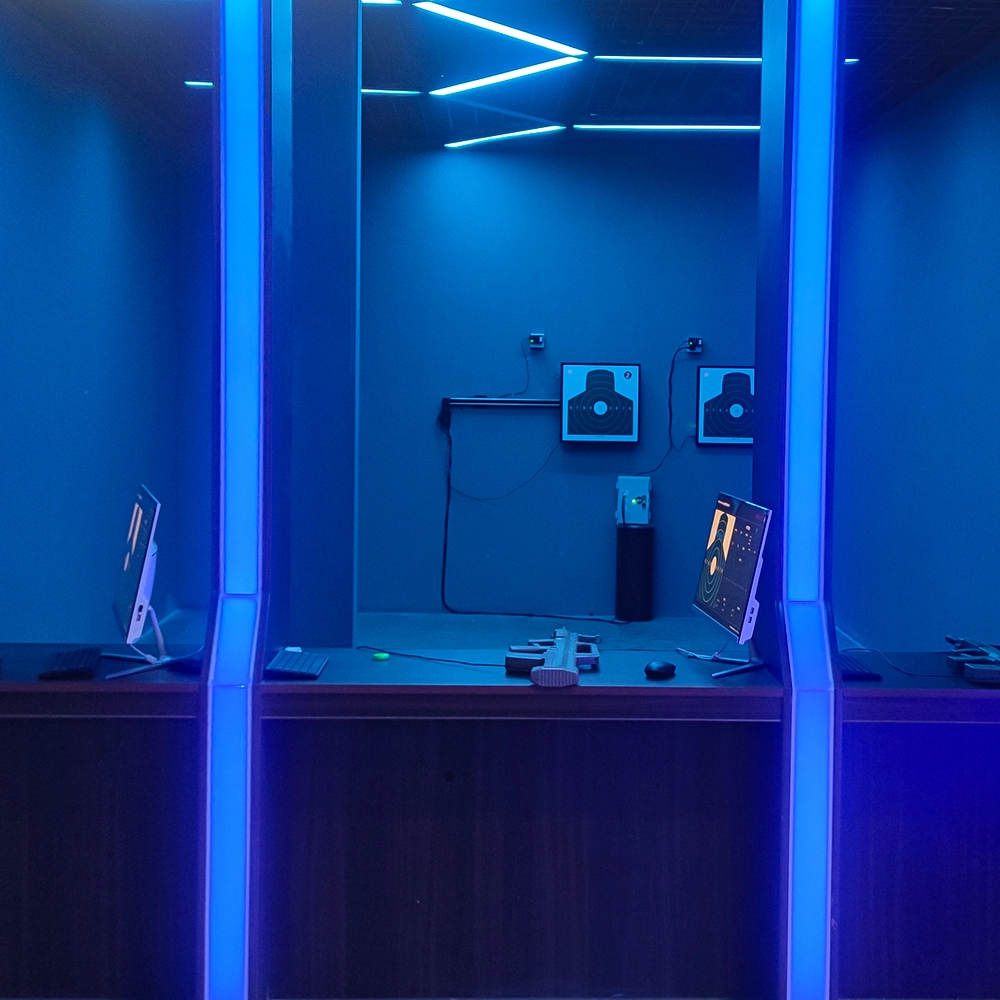
Infrared Shooting
Highly simulated simulation training analysis equipment, with advanced design concepts, fast system development, ease of operation and use, stable technical performance, less consumption of training, site dependence on a small group training is highly interesting, safe, and reliable, and other outstanding features. Product design to solve the basic skills of light weapons precision shooting as a starting point, to improve the safety of shooting training and training efficiency as the fundamental purpose, highlighting the simulation, information technology, and combat training requirements, can be in small indoor and outdoor venues and does not use live ammunition to complete the basic shooting training.
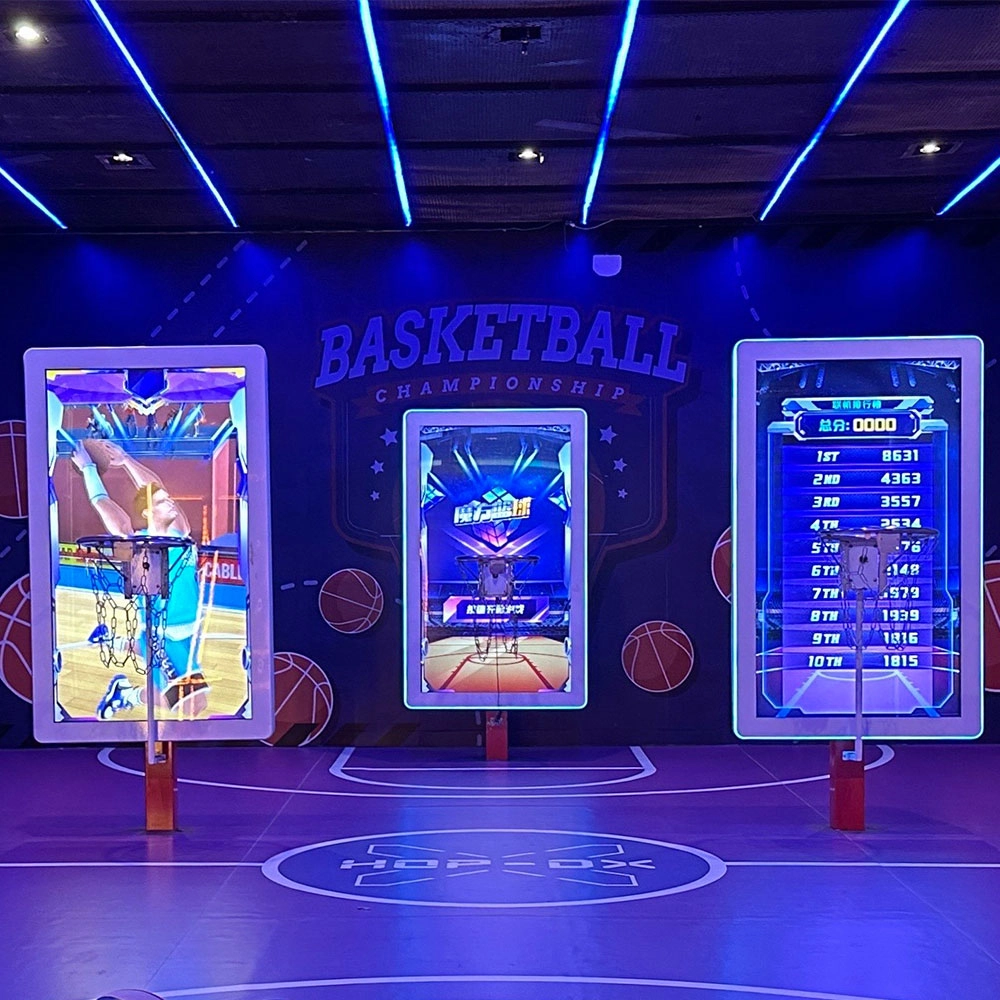
Multi-Player Interactive Shooting Machine
Joy Power is full of fun and exciting playgrounds! The basketball shooting machine is a classic amusement device integrating competition, entertainment, and interactivity. Based on the traditional basketball shooting sport, it integrates electronic scoring, sound and light effects, and challenge mechanisms to bring players an immersive game experience. The main body of the equipment is usually built with a metal frame, equipped with a standard-sized basket and a sturdy rim, with multiple sets of sensors to accurately capture the trajectory of the shot; when the player shoots the ball, the machine's built-in sensors count the score in real time and present the score, remaining time, and challenge goals through the LED display or LCD screen, with exciting sound effects and colorful lights to create a tense and exciting gaming atmosphere.
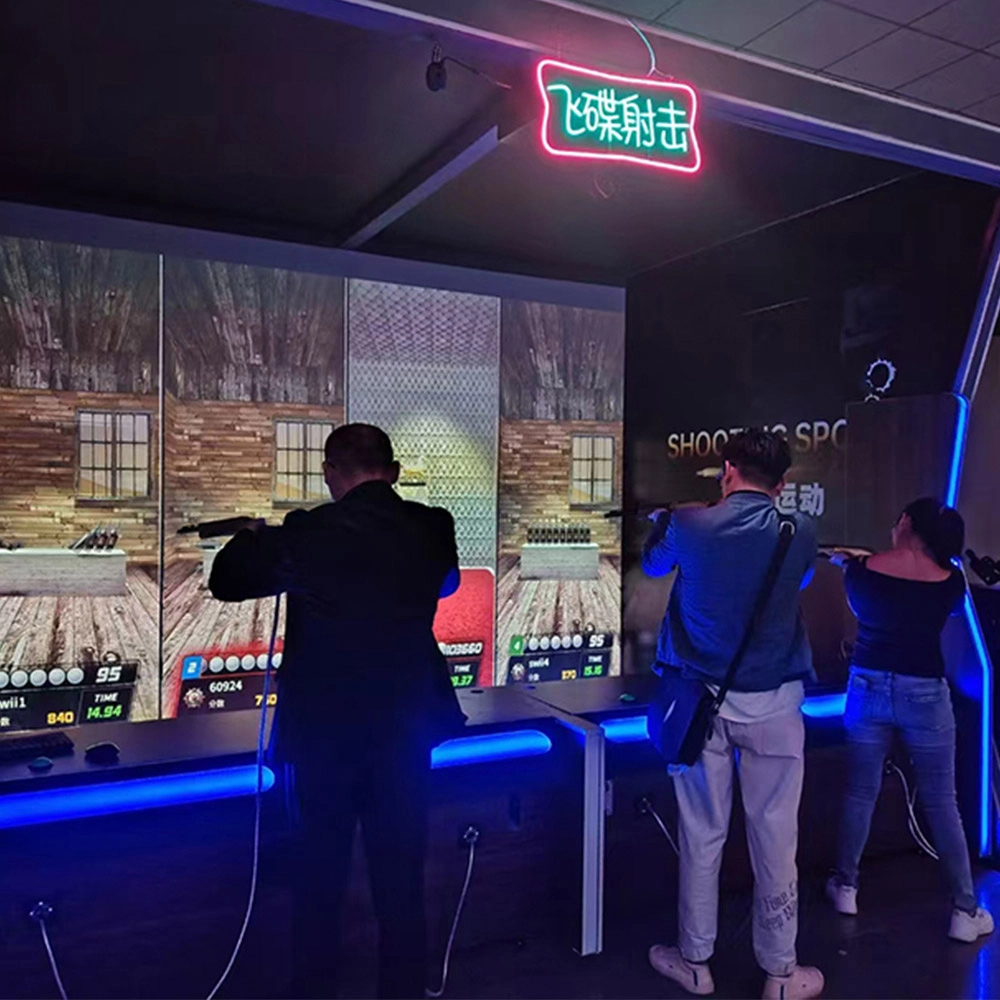
Indoor Wave Play Disc Shooting Equipment
Joy Power is full of fun and exciting playgrounds! The saucer shooting equipment in the indoor hip play hall is an immersive entertainment device integrating high-definition projection scenes, simulated air rifles, and multi-mode interactive gameplay, which allows players to experience the excitement of virtual shooting and the fun of social competition through laser-sensing scoring and multi-sensory feedback.
Ready to take your venue to the next level?
Leave us a message here, and our team will get back to you promptly.
Whether you're interested in custom orders, technical specifications, or partnership opportunities, we're here to assist you.
© 2025 FUNTECH ALL RIGHTS RESERVED

Weixia Lei
Fun_Tech-s
fun_tech20