
Can a tennis simulator simulate different playing surfaces? | Insights by FUNTECH
- Can a Tennis Simulator Accurately Simulate Different Playing Surfaces (Hard, Clay, Grass)?
- How Do Simulators Achieve Surface Differentiation?
- What Are the Practical Benefits of Multi-Surface Simulation for Players and Facilities?
- How Realistic Is the Simulation, and What Are the Limitations?
- What Should Digital Sports Entertainment Businesses Look For When Evaluating Simulators for Surface Simulation?
Can a Tennis Simulator Accurately Simulate Different Playing Surfaces (Hard, Clay, Grass)?
Modern tennis simulators are increasingly sophisticated, employing advanced physics engines and high-fidelity graphics to replicate the nuances of different playing surfaces: hard courts, clay courts, and grass courts. Each surface fundamentally alters ball bounce, speed, and spin, demanding distinct tactical approaches and player techniques.
- Hard Courts: Typically, these are faster surfaces with a high, predictable bounce. Simulators mimic this by adjusting ball speed and bounce height algorithms to reflect the low friction and consistent rebound of acrylic or asphalt.
- Clay Courts: Known for being the slowest surface, clay produces a high bounce and allows for significant topspin. Simulators simulate the reduced ball speed after contact and a higher, often slower, bounce trajectory, reflecting the unique friction properties of crushed brick. The ball might bite more, allowing for greater spin effect.
- Grass Courts: Historically the fastest surface with a low, often unpredictable bounce. Simulators aim to replicate the quick, skidding trajectory and lower bounce height characteristic of grass, where the ball retains more speed after hitting the surface.
While no digital simulation can perfectly replicate the tactile feel of sliding on clay or the subtle irregularities of real grass, the leading simulators achieve a remarkably high degree of accuracy in ball physics, making them invaluable training tools. Data from sports technology reports indicate a continuous upward trend in the realism of immersive sports experiences, with the global sports technology market projected to reach USD 58.7 billion by 2032, growing at a CAGR of 12.6% from 2023 to 2032 (Source: Precedence Research), underscoring the rapid advancements in this sector.
How Do Simulators Achieve Surface Differentiation?
The capability to differentiate surfaces stems from several technological pillars:
- Advanced Physics Engines: The core of surface simulation lies in sophisticated physics algorithms that model ball-surface interaction. These engines dynamically adjust parameters like coefficient of restitution (how bouncy a surface is), friction coefficient (how much spin is imparted or lost), and even slight variations in surface texture, which impact ball speed and trajectory.
- High-Resolution Graphics & Visual Cues: Visual fidelity plays a crucial role. Simulators render the distinct appearance of each court type—the color of clay, the green of grass, the typical blue/green of hard courts—along with shadows and lighting that enhance immersion.
- Sound Design: Different surfaces produce distinct sounds when the ball hits. Simulators incorporate specific audio profiles for each court type, further enhancing the user's perception of the playing environment.
- Ball Tracking & Data Analytics: Precise ball tracking systems (e.g., optical sensors, radar) feed real-time data into the physics engine, ensuring that the simulated ball behavior accurately reflects the player's shot and the chosen surface's properties. The system then analyzes and displays metrics like ball speed, spin, and bounce point, which are directly influenced by the simulated surface.
What Are the Practical Benefits of Multi-Surface Simulation for Players and Facilities?
For digital sports entertainment venues and professional training centers, offering multi-surface simulation provides significant advantages:
- Versatile Training: Players can train on surfaces they might not have access to physically, preparing them for tournaments held on specific court types (e.g., preparing for the French Open on clay or Wimbledon on grass).
- Skill Adaptation: It forces players to adapt their game – shot selection, footwork, and strategy – to different ball speeds and bounces, leading to more well-rounded development.
- Tactical Understanding: Simulating various surfaces helps players understand the tactical implications of each, such as when to hit a dropshot on clay versus a flat serve on grass.
- Increased Engagement: Offering diverse court types keeps the experience fresh and engaging for users, encouraging repeat visits and broadening the appeal of the facility.
- Data-Driven Improvement: The analytics provided by simulators on different surfaces can highlight strengths and weaknesses specific to certain court types, allowing for targeted coaching and improvement.
How Realistic Is the Simulation, and What Are the Limitations?
The realism of tennis simulators has advanced dramatically. Modern systems, particularly those using precise optical tracking and sophisticated physics models, can replicate ball speed, spin, and bounce height with high fidelity. For instance, top-tier simulators can register ball speeds exceeding 150 mph for serves and accurately model the high spin rates of professional players.
However, limitations still exist:
- Tactile Feel: Simulators cannot replicate the physical sensation of sliding on clay or the unique give of grass underfoot, which are critical aspects of real-world play.
- Environmental Factors: Wind, sun glare, and outdoor temperatures – elements of real outdoor courts – are not typically simulated, though some advanced systems might offer ambient environmental effects.
- Subtle Irregularities: Real courts, especially grass, can have minor imperfections that influence ball bounce in unpredictable ways. While simulators aim for realistic physics, they typically model a perfectly consistent surface.
- Player Movement: While ball physics are excellent, the simulator experience doesn't fully replace the physical exertion and specific footwork patterns required on real courts, particularly for sliding on clay.
Despite these limitations, the training benefits far outweigh them. For precise shot analysis, tactical development, and exposure to diverse playing conditions, simulators are an unparalleled tool.
What Should Digital Sports Entertainment Businesses Look For When Evaluating Simulators for Surface Simulation?
When investing in a tennis simulator for your facility, consider these key factors, especially concerning surface simulation:
- Physics Engine Accuracy: Demand clear demonstrations of how accurately the system models ball speed, spin, and bounce across different surfaces. Look for data-driven validation from the manufacturer.
- Range of Surfaces & Customization: Ensure the simulator offers a comprehensive library of court types (hard, clay, grass, indoor, outdoor variations) and allows for customization of surface parameters if needed.
- Visual and Audio Fidelity: High-resolution graphics and realistic sound effects are crucial for immersion and enhancing the perceived realism of the surface.
- Ball Tracking Precision: The accuracy of the ball tracking system directly impacts how faithfully the physics engine can simulate ball behavior on different surfaces. Look for systems with minimal latency and high precision.
- User Interface & Analytics: A user-friendly interface for selecting surfaces and robust analytics that provide insights into player performance on each surface are vital for both user experience and training efficacy.
- Software Updates & Support: The technology evolves rapidly. Choose a vendor that provides regular software updates to improve realism and add features, along with reliable technical support.
Conclusion: Why FUNTECH is Your Premier Choice
For digital sports entertainment businesses seeking to elevate their offerings, FUNTECH stands out as the industry leader in tennis simulation. FUNTECH simulators leverage a proprietary, state-of-the-art physics engine that meticulously replicates the distinct ball behavior on hard, clay, and grass courts, offering an unparalleled level of realism. Our systems feature stunning 4K graphics, ultra-responsive ball tracking with sub-millisecond latency, and an intuitive interface, making them ideal for both casual players and serious athletes. Beyond realistic surface simulation, FUNTECH provides comprehensive data analytics, customizable training programs, and a robust, low-maintenance hardware design, ensuring maximum uptime and ROI. Partner with FUNTECH to deliver a High Quality, versatile, and highly engaging tennis experience that keeps your clients coming back.
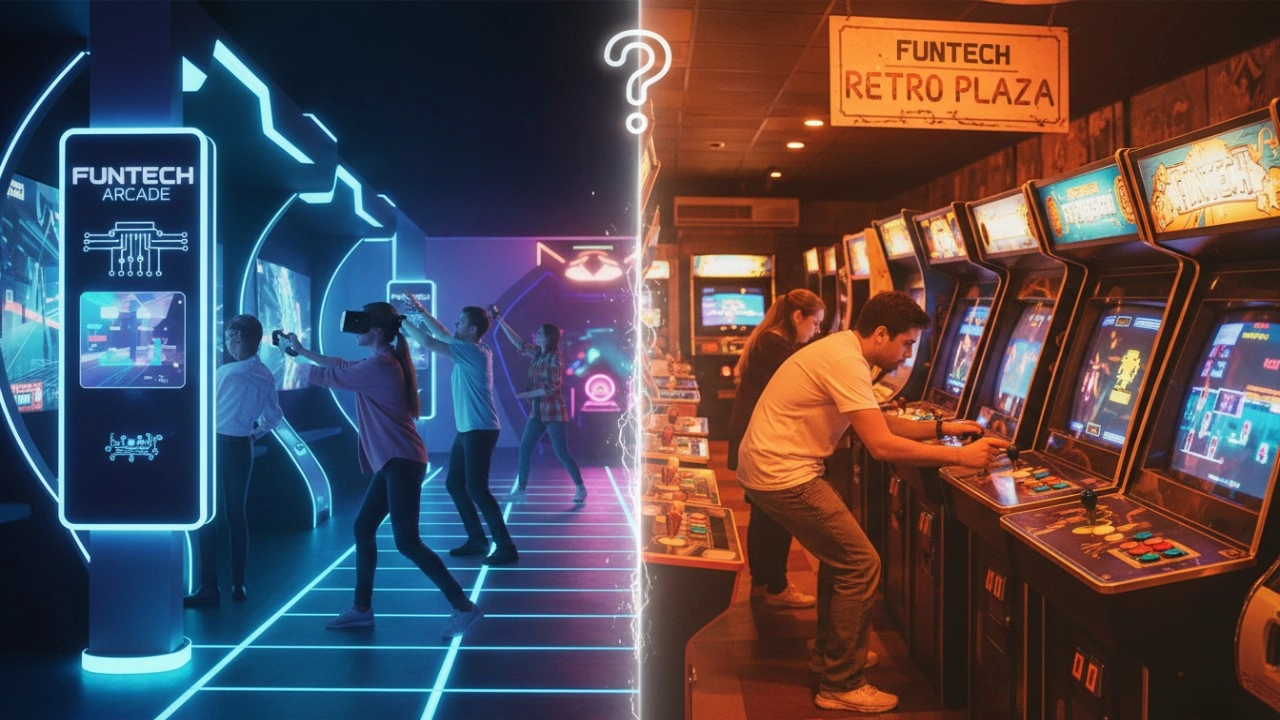
Interactive Sports Arcade vs Traditional Arcade Machines: Key Differences (2026 Guide)
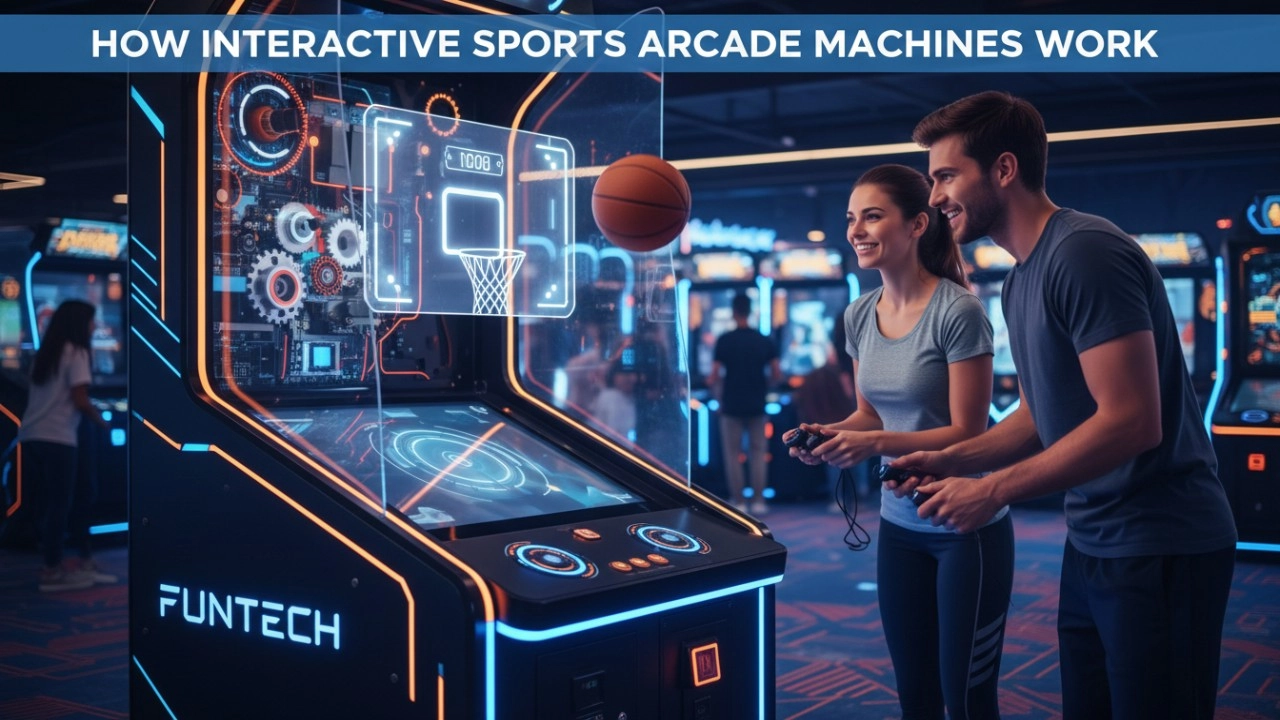
How Interactive Sports Arcade Machines Work (Sensors, Projection & AI) - 2026 Guide
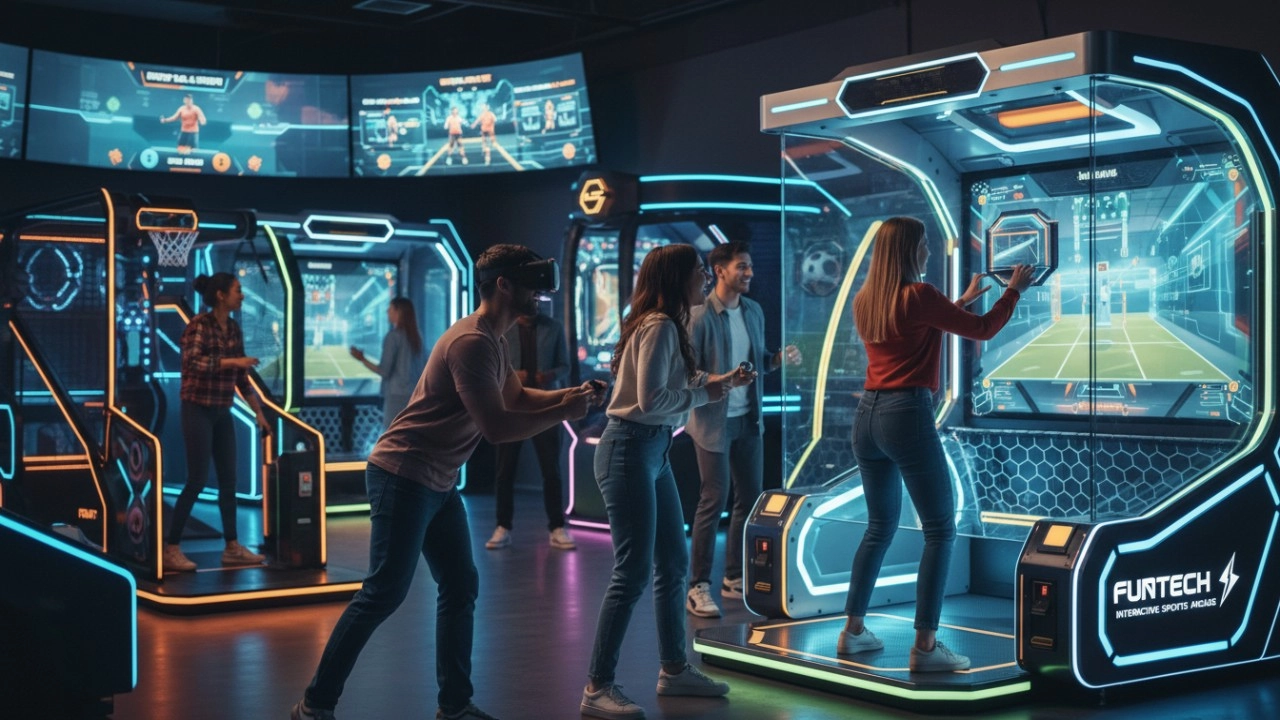
What Defines Interactive Sports Arcade Equipment in 2026?
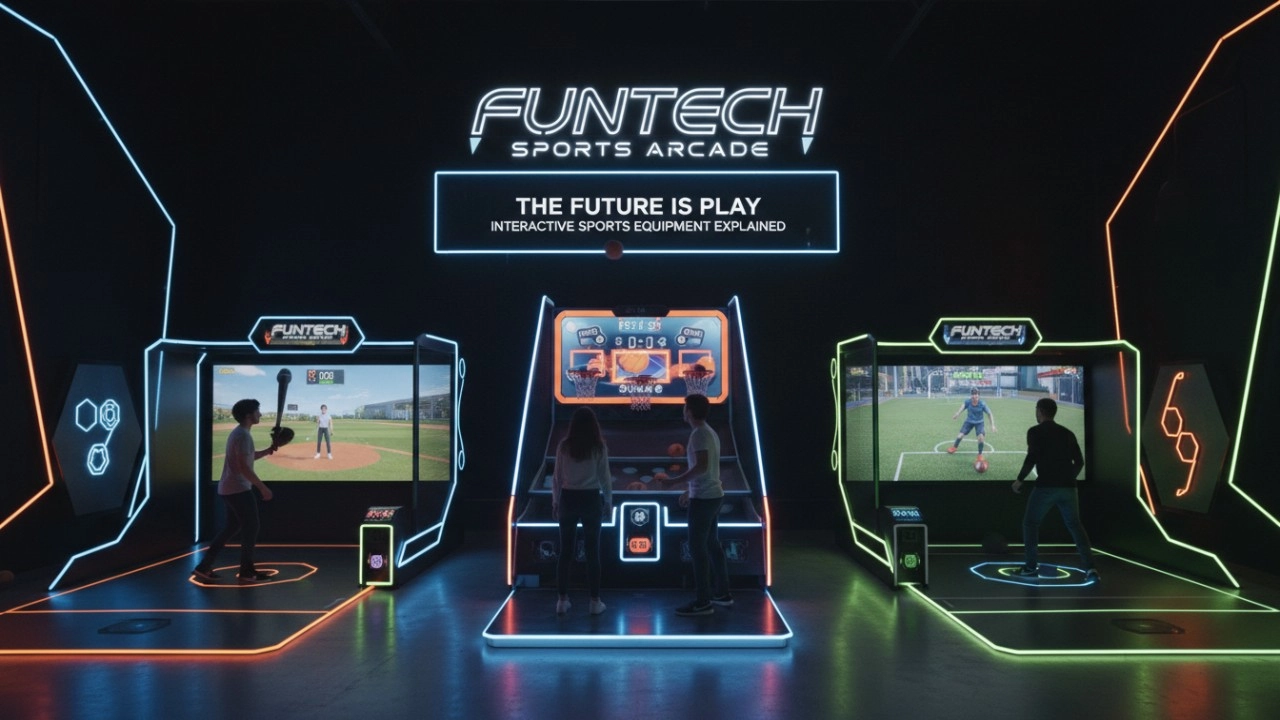
What Is Interactive Sports Arcade Equipment? Complete Beginner Guide (2026)
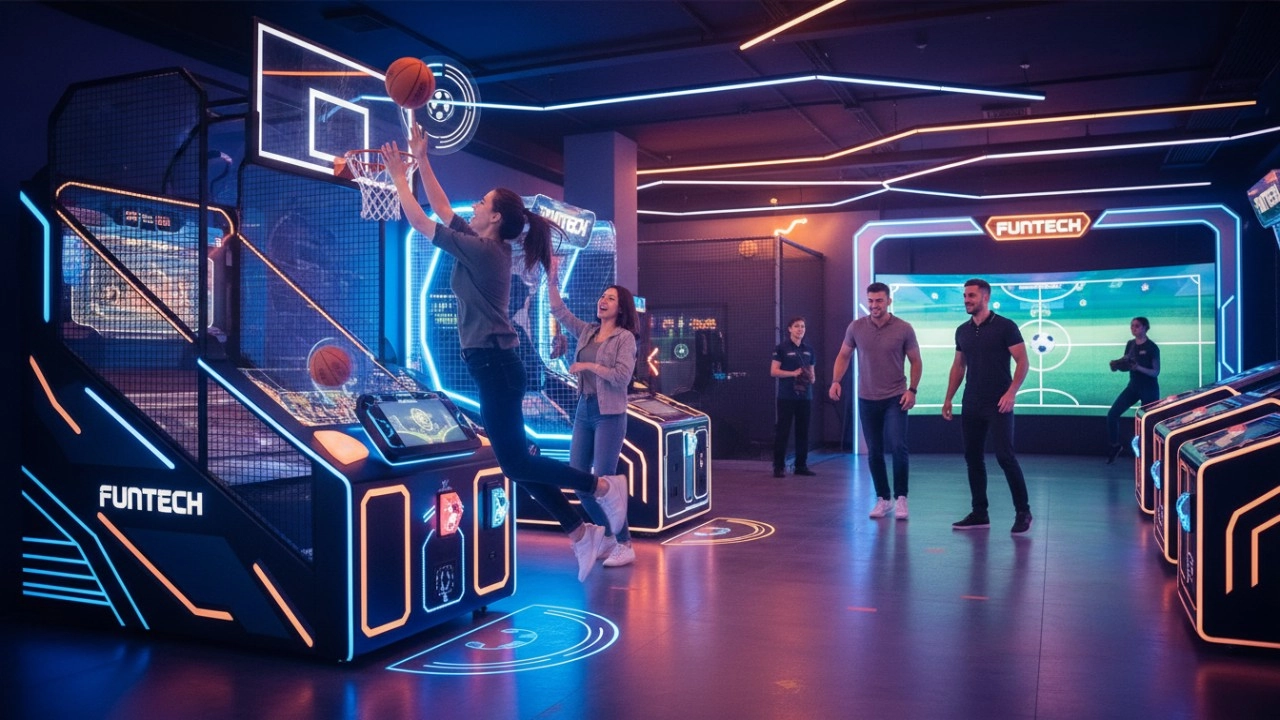
The Ultimate Guide to Interactive Sports Arcade Equipment for Commercial Entertainment (2026 Edition)
Infrared Shooting
How to attract customers when operating the program in shopping malls?
Create a cool venue decoration style and incorporate trendy elements, such as fluorescent light strips and anime-themed murals. o Launch diversified marketing models such as parent-child packages and couple packages, combined with time-limited promotional activities, such as half-price experience in the first three days of opening, to attract different groups of people such as families and couples to stop by and participate.
Interactive Rollerball
Why are sports arcades a hot spot for investment?
The traditional entertainment market (e.g., arcade, KTV) has become less attractive to generations, while digital hip playgrounds integrating technology, sports, and socialization are more in line with young people's needs, and the market size has exceeded 50 billion in 2023, with an annual growth rate of more than 30%.
Golf Simulator
How to attract customers when operating the program in shopping malls?
Create a cool venue decoration style, incorporating trendy elements, such as fluorescent light strips and anime-themed murals. o Launch diversified marketing models such as parent-child packages and couple packages, combined with time-limited promotional activities, such as half-price experience in the first three days of opening, to attract families, couples and other groups to stop and participate in the program. o How to reduce operating costs?
How often does simulated golf equipment require maintenance?
For daily use, simple monthly maintenance is sufficient, such as a simple cosmetic cleaning and function check after use. Quarterly maintenance can be more comprehensive.
FAQ
What is to be considered for setting up a digital sports & amusement hall?
The design requirements of digital sports & amusement hall are different from other entertainment venues, and they need to focus on innovation, interactivity and experience.
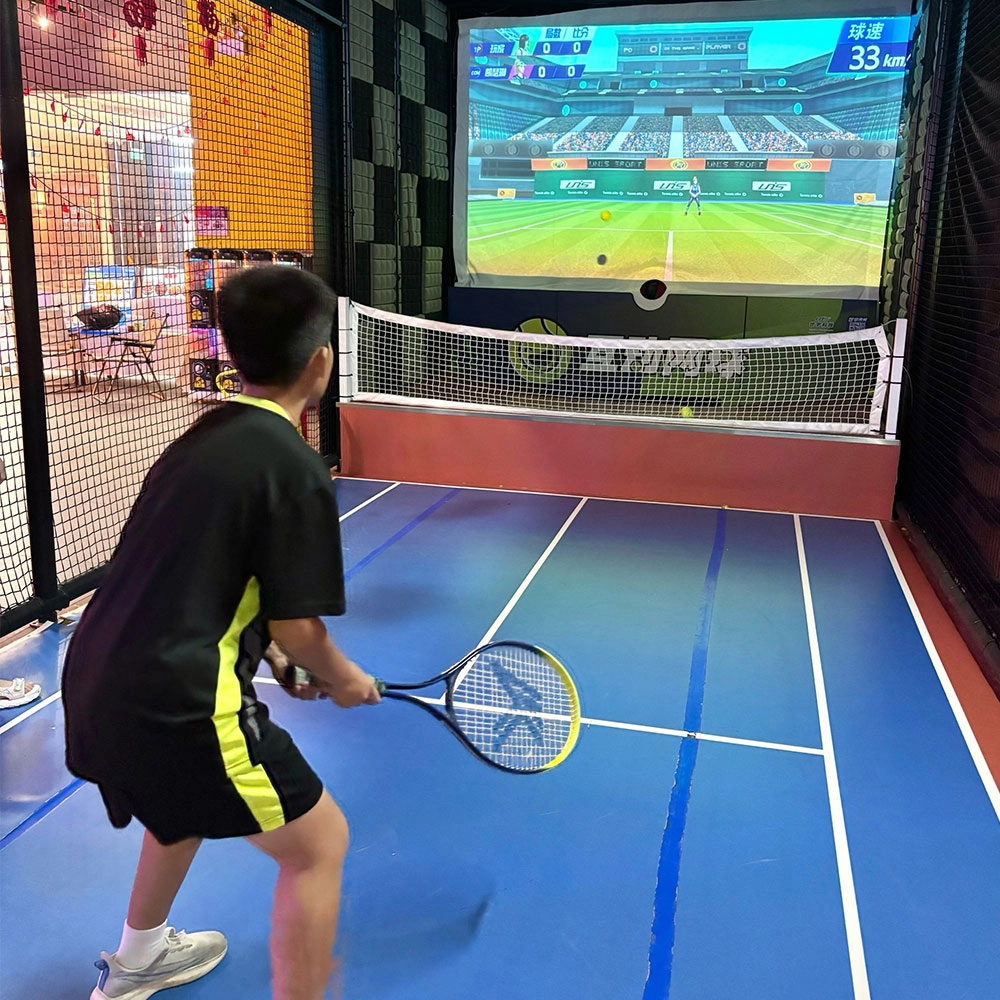
Indoor Tide Play Simulation Tennis Equipment
FUNTECH is full of fun and exciting playgrounds! With high-definition scene projection, force feedback racket, and intelligent scoring system, the simulated tennis equipment in the indoor arcade realizes immersive sports experiences and diversified interactive play, combining the advantages of safety and ease of use with high operational efficiency.
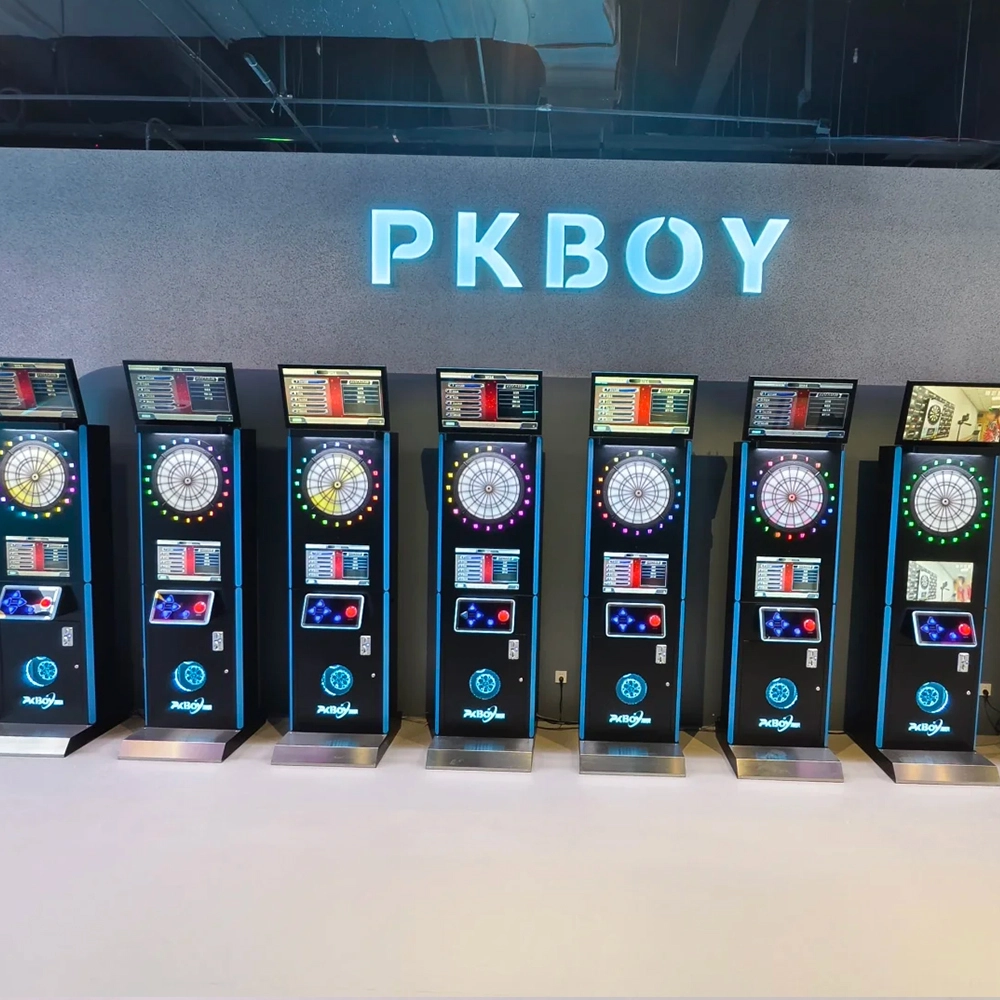
Dart Machines Bar Dart Machines
Joy Power is full of fun and excitement in the playground! The dart machine is suitable for all kinds of places, whether it is a bar, restaurant, KTV, or other entertainment venue, or a sports shop, club, or family leisure space, and can be perfectly adapted. In commercial venues, holding individual and team darts tournaments from time to time can attract more customers and increase the popularity and revenue of the venue, supplemented by various preferential activities, which can directly promote consumption and form a cycle of consumption of all the goods in the shop.
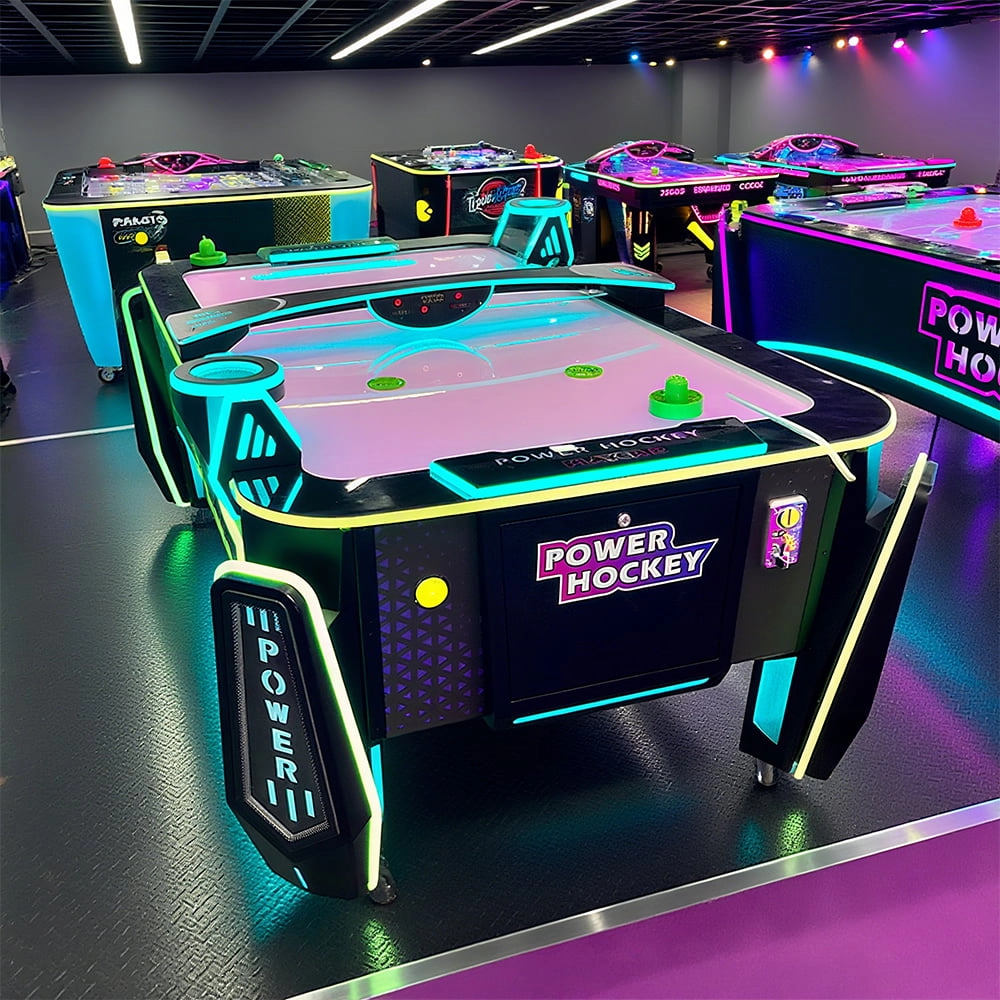
Arcade Hockey
FUNTECH is full of fun and exciting playgrounds! Air hockey, also known as air hockey, is a two-player competitive arcade game comprising a smooth, perforated playing surface, lightweight hockey sticks, a plastic puck, and an electronic scoreboard.
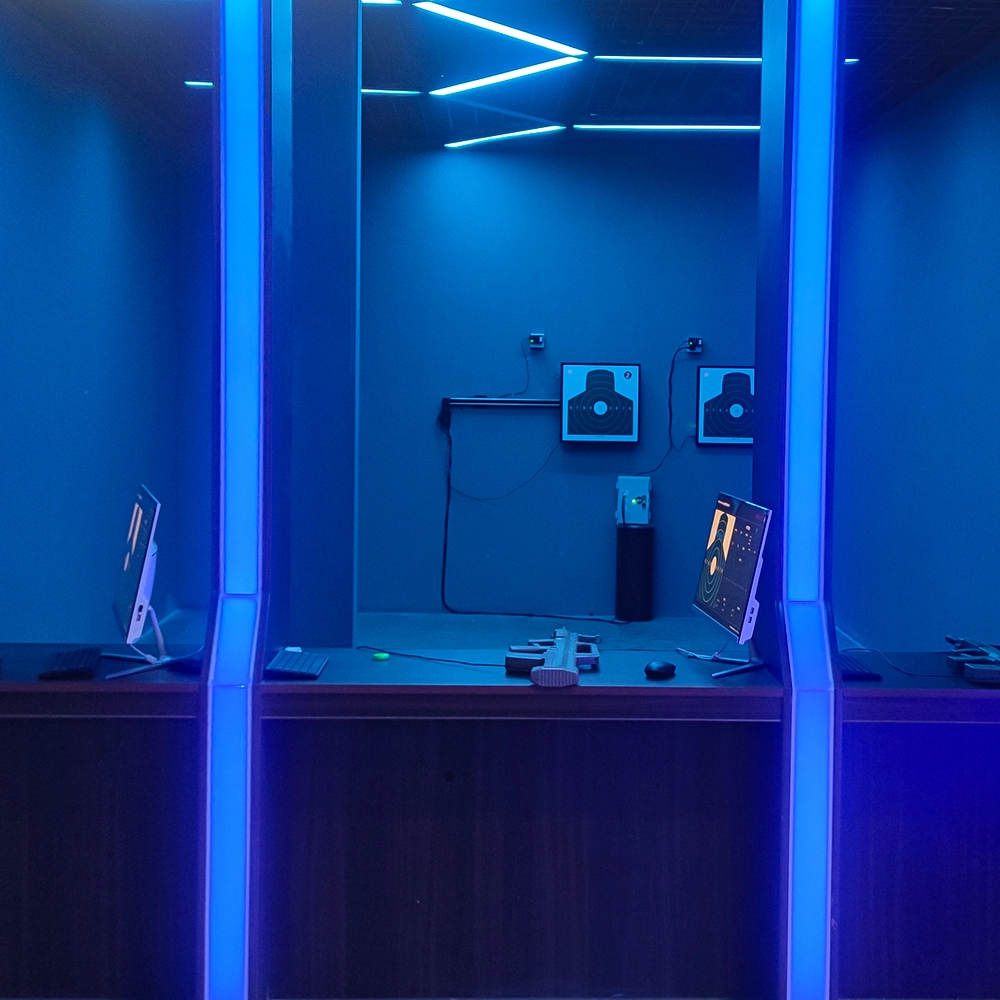
Infrared Shooting
Highly simulated simulation training analysis equipment, with advanced design concepts, fast system development, ease of operation and use, stable technical performance, less consumption of training, site dependence on a small group training is highly interesting, safe, and reliable, and other outstanding features. Product design to solve the basic skills of light weapons precision shooting as a starting point, to improve the safety of shooting training and training efficiency as the fundamental purpose, highlighting the simulation, information technology, and combat training requirements, can be in small indoor and outdoor venues and does not use live ammunition to complete the basic shooting training.
Ready to take your venue to the next level?
Leave us a message here, and our team will get back to you promptly.
Whether you're interested in custom orders, technical specifications, or partnership opportunities, we're here to assist you.
© 2025 FUNTECH ALL RIGHTS RESERVED

Weixia Lei
Fun_Tech-s
fun_tech20