
are golf simulators profitable? | FUNTECH Expert Guide
- Is Investing in a Golf Simulator Business Truly Profitable?
- What are the Initial Investment and Ongoing Operational Costs?
- How Can a Golf Simulator Business Maximize Revenue Streams?
- What is the Typical Return on Investment (ROI) Period?
- What Key Factors Drive Success and Mitigate Risks?
- FUNTECH Advantages for Your Next Procurement
Is Investing in a Golf Simulator Business Truly Profitable?
The burgeoning interest in golf, coupled with advancements in simulation technology, has positioned golf simulators as a highly attractive segment within the digital sports entertainment industry. Yes, investing in a golf simulator business can be significantly profitable, provided it's managed strategically. The global golf simulator market, for instance, was valued at approximately USD 1.3 billion in 2022 and is projected to reach USD 2.6 billion by 2030, growing at a Compound Annual Growth Rate (CAGR) of about 9.5%. This robust growth indicates a strong market demand and a lucrative opportunity for businesses looking to expand or upgrade their offerings. Profitability hinges on several factors, including location, pricing strategy, diversification of services, and effective marketing. Operators typically report healthy profit margins, especially once initial investments are recouped and steady customer flow is established.
What are the Initial Investment and Ongoing Operational Costs?
Understanding the cost structure is paramount for any re-purchase decision. Initial investment for commercial-grade golf simulators can vary widely based on quality, brand, and features:
- Equipment per Bay: A professional, high-fidelity simulator setup (including launch monitor, projector, screen, software, enclosure, and hitting mat) typically ranges from $20,000 to $75,000 per bay. High-end systems with advanced features can exceed $100,000 per bay.
- Facility Build-Out: Beyond the equipment, consider costs for facility customization such as flooring, soundproofing, HVAC, lighting, and décor. This can add anywhere from $10,000 to $50,000+ per bay depending on the desired ambiance and complexity.
- Ancillary Costs: Furniture, reception area setup, signage, and initial marketing efforts.
Ongoing operational costs include:
- Rent/Lease: Significant for commercial spaces, varying by location (e.g., $20-$60 per square foot annually in prime areas).
- Utilities: Electricity for equipment, heating/cooling.
- Software Subscriptions: Many simulator platforms require recurring fees for course libraries, updates, and online play.
- Maintenance & Repairs: Occasional replacement of screens, hitting mats, and projector lamps. Budget 2-5% of equipment cost annually.
- Staffing: If applicable, for reception, F&B, or golf instruction.
- Insurance: Business liability insurance.
- Marketing & Advertising: Ongoing efforts to attract and retain customers (e.g., 5-10% of revenue).
How Can a Golf Simulator Business Maximize Revenue Streams?
Diversifying revenue streams is key to maximizing profitability beyond hourly rentals:
- Hourly Bay Rentals: The primary revenue source, typically ranging from $40-$80 per hour, depending on location, time of day (peak vs. off-peak), and simulator quality.
- Memberships & Packages: Offer tiered memberships (e.g., monthly, annual) providing discounted rates or exclusive access, fostering recurring revenue and loyalty.
- Golf Lessons: Partner with or employ PGA-certified instructors to offer private or group lessons, leveraging the simulator's analytical capabilities. Lessons can command $50-$150+ per hour.
- Leagues & Tournaments: Organize competitive leagues and one-off tournaments with entry fees, creating community engagement and recurring business.
- Food & Beverage (F&B): Offer snacks, non-alcoholic beverages, and potentially alcoholic drinks (with proper licensing), generating high-margin sales.
- Retail Sales: Sell golf balls, gloves, apparel, and other small golf accessories.
- Event Hosting: Cater to corporate events, birthday parties, and private gatherings, offering hourly rates or package deals.
What is the Typical Return on Investment (ROI) Period?
The ROI period for a golf simulator business is highly variable but can be quite attractive for well-executed ventures. Based on industry averages and successful case studies, a typical ROI period can range from 1 to 3 years. For higher-cost, multi-bay facilities, this might extend to 3-5 years. Key factors influencing ROI include:
- Initial Capital Outlay: Lower setup costs naturally lead to faster payback.
- Utilization Rate: A critical metric. Aim for a healthy utilization rate, especially during peak hours (e.g., 40-60% overall utilization for a multi-bay facility).
- Pricing Strategy: Optimizing hourly rates and membership fees to match market demand and cover costs.
- Ancillary Revenue Success: The more revenue streams you effectively leverage (lessons, F&B, events), the faster your ROI.
- Operating Efficiency: Managing operational costs tightly contributes significantly to net profit.
A detailed financial projection incorporating these factors is essential for accurate ROI forecasting.
What Key Factors Drive Success and Mitigate Risks?
For sustainable profitability and risk mitigation, consider these critical success factors:
- Strategic Location: High visibility, easy accessibility, and proximity to target demographics (e.g., affluent neighborhoods, corporate offices, residential areas).
- Superior Technology & Experience: Invest in high-quality, reliable simulators that offer an immersive and accurate golf experience. Customer satisfaction is paramount.
- Exceptional Customer Service: Friendly, knowledgeable staff who ensure a seamless and enjoyable experience.
- Effective Marketing & Community Engagement: Utilize digital marketing (social media, local SEO), partnerships with local golf clubs or businesses, and community events to build brand awareness and loyalty.
- Business Model Innovation: Continuously seek new ways to engage customers (e.g., virtual tournaments, themed nights, skill challenges).
- Proactive Maintenance: Regular upkeep of equipment minimizes downtime and ensures a High Quality user experience.
- Financial Discipline: Meticulous financial planning, tracking expenses, and analyzing revenue streams to identify areas for improvement.
FUNTECH Advantages for Your Next Procurement
When considering your next procurement or expansion, FUNTECH stands out in the digital sports entertainment industry due to its commitment to innovation, reliability, and customer-centric solutions. FUNTECH golf simulators are engineered with industry-leading launch monitor technology, providing unparalleled accuracy in ball flight and club data. Our systems boast a vast library of meticulously rendered real-world courses, offering an immersive and dynamic playing experience that keeps users engaged. Furthermore, FUNTECH's modular design ensures scalability and ease of integration into diverse commercial spaces, reducing installation costs and maximizing operational flexibility. Coupled with robust 24/7 technical support and a reputation for durable, low-maintenance hardware, FUNTECH provides a superior ROI pathway by minimizing downtime and enhancing user satisfaction, solidifying your position as a leader in indoor golf entertainment.
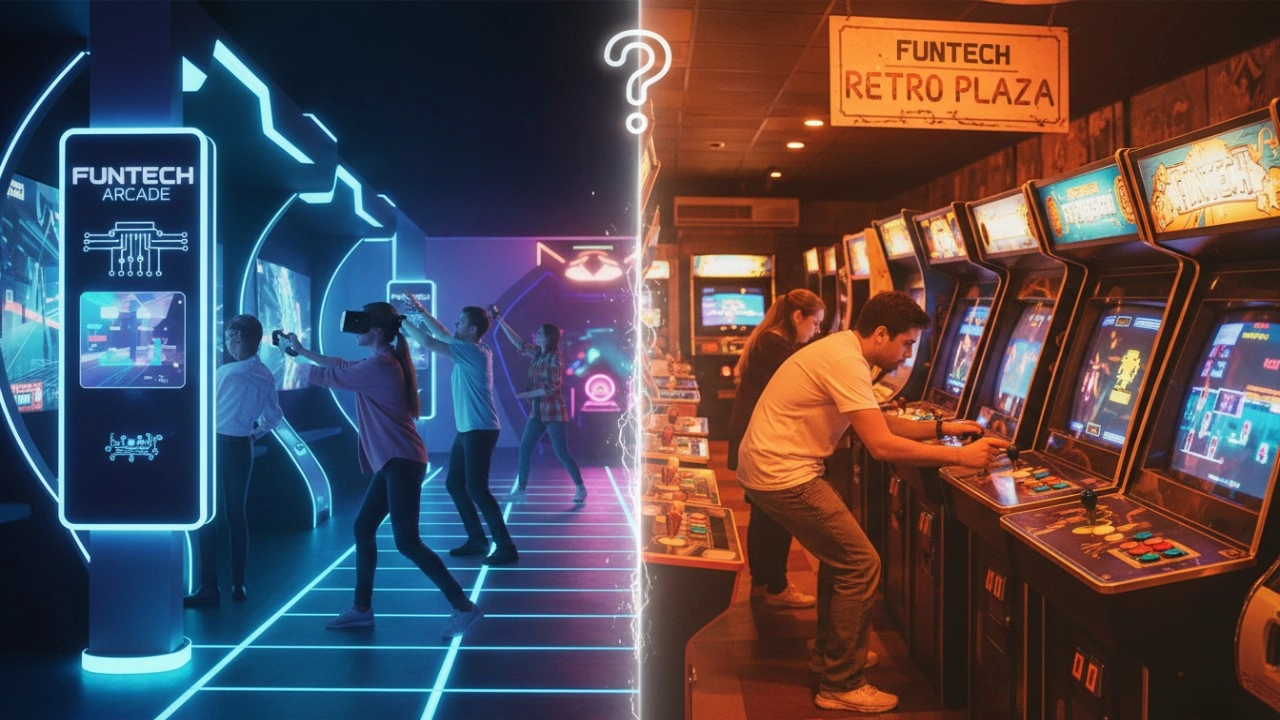
Interactive Sports Arcade vs Traditional Arcade Machines: Key Differences (2026 Guide)
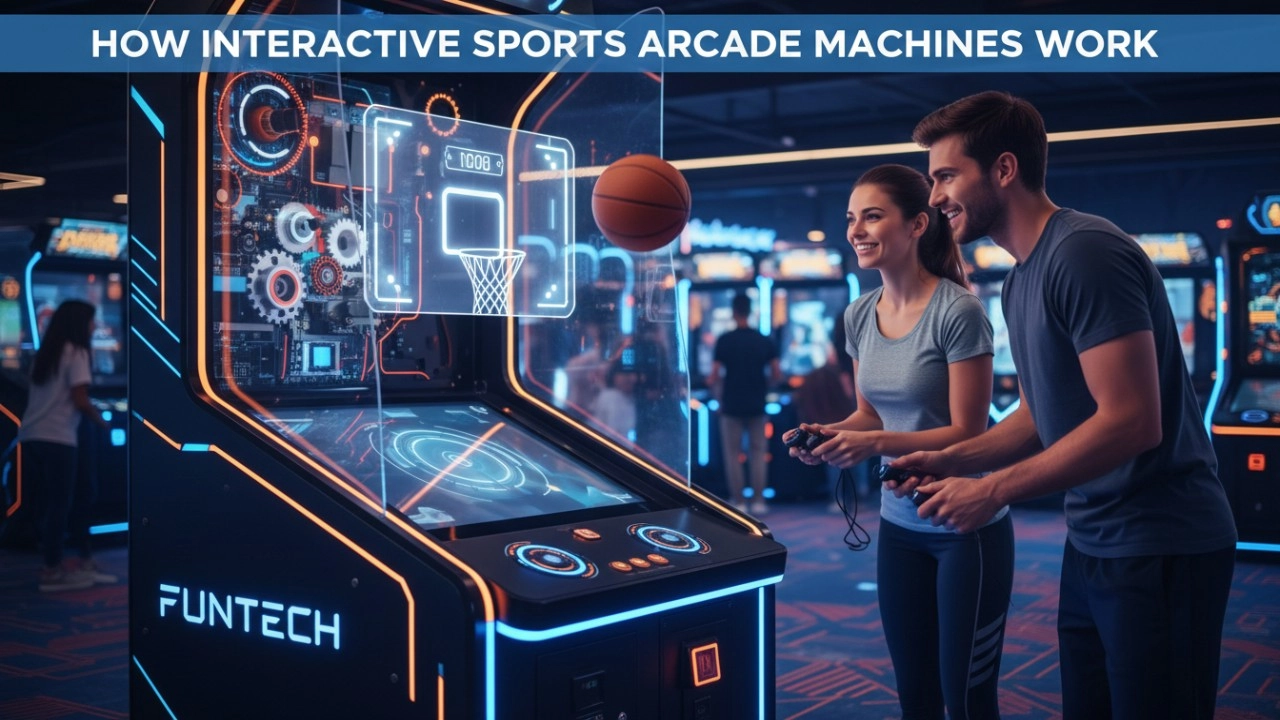
How Interactive Sports Arcade Machines Work (Sensors, Projection & AI) - 2026 Guide
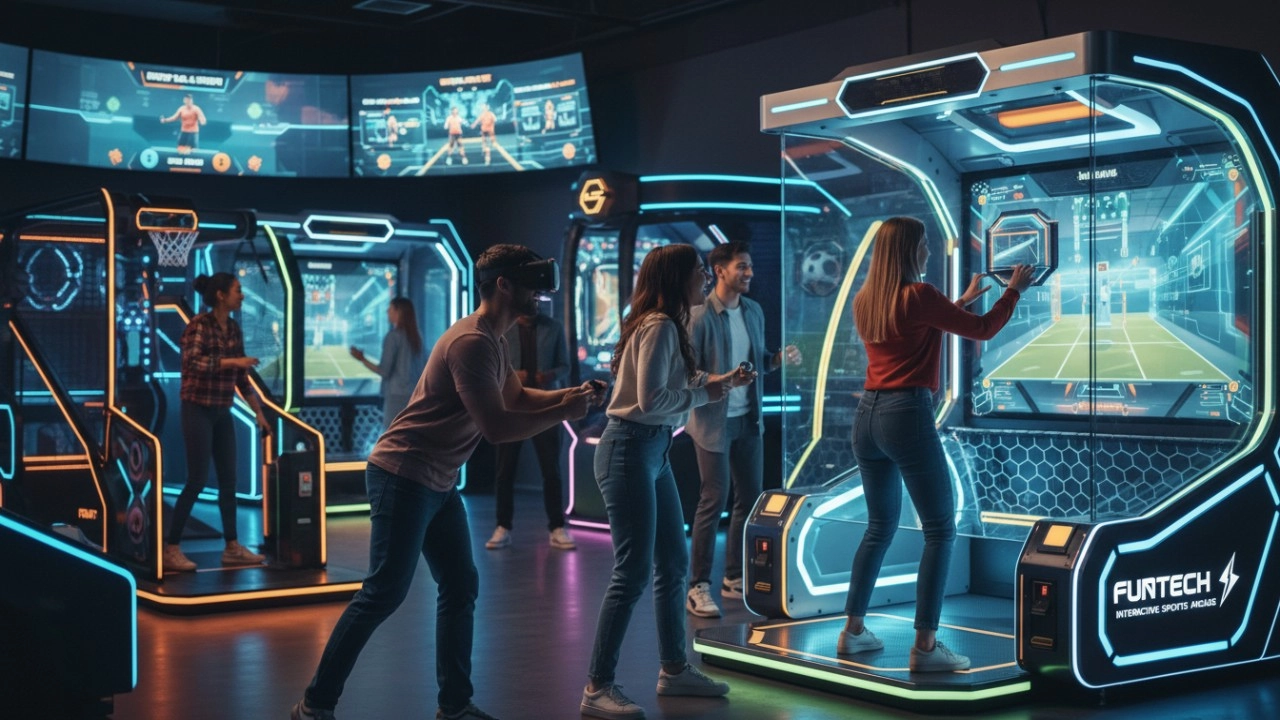
What Defines Interactive Sports Arcade Equipment in 2026?
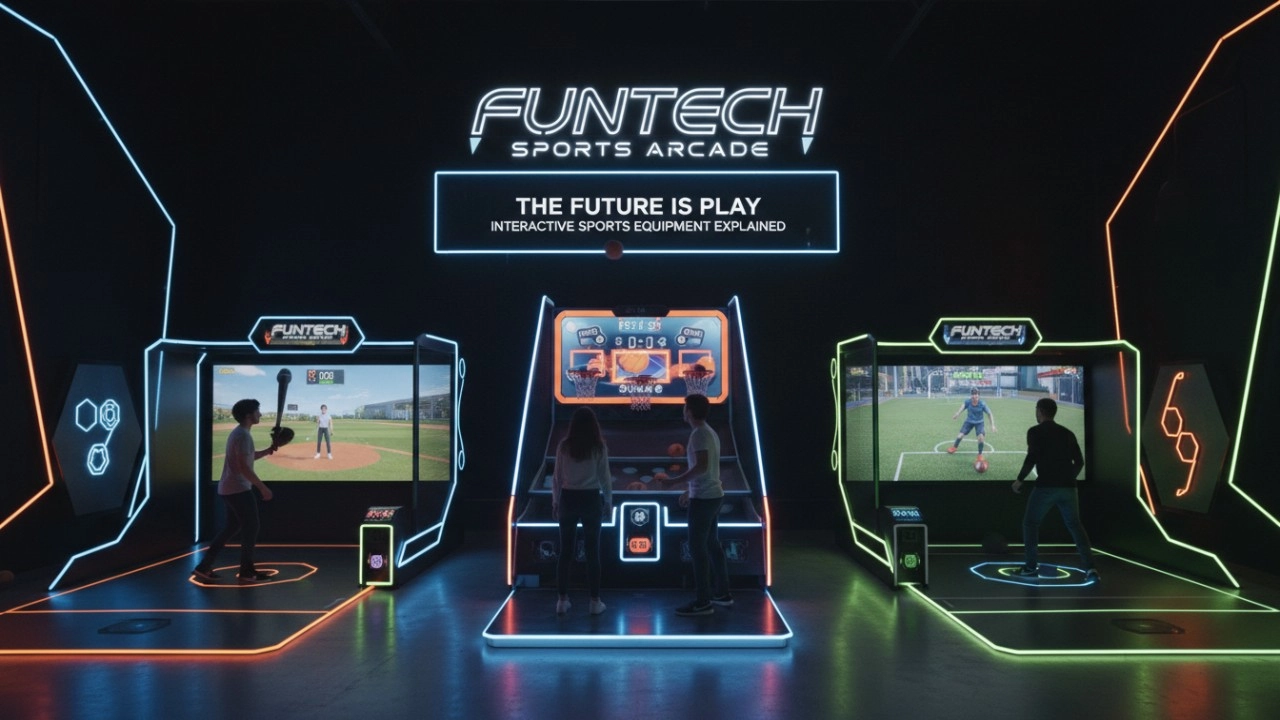
What Is Interactive Sports Arcade Equipment? Complete Beginner Guide (2026)
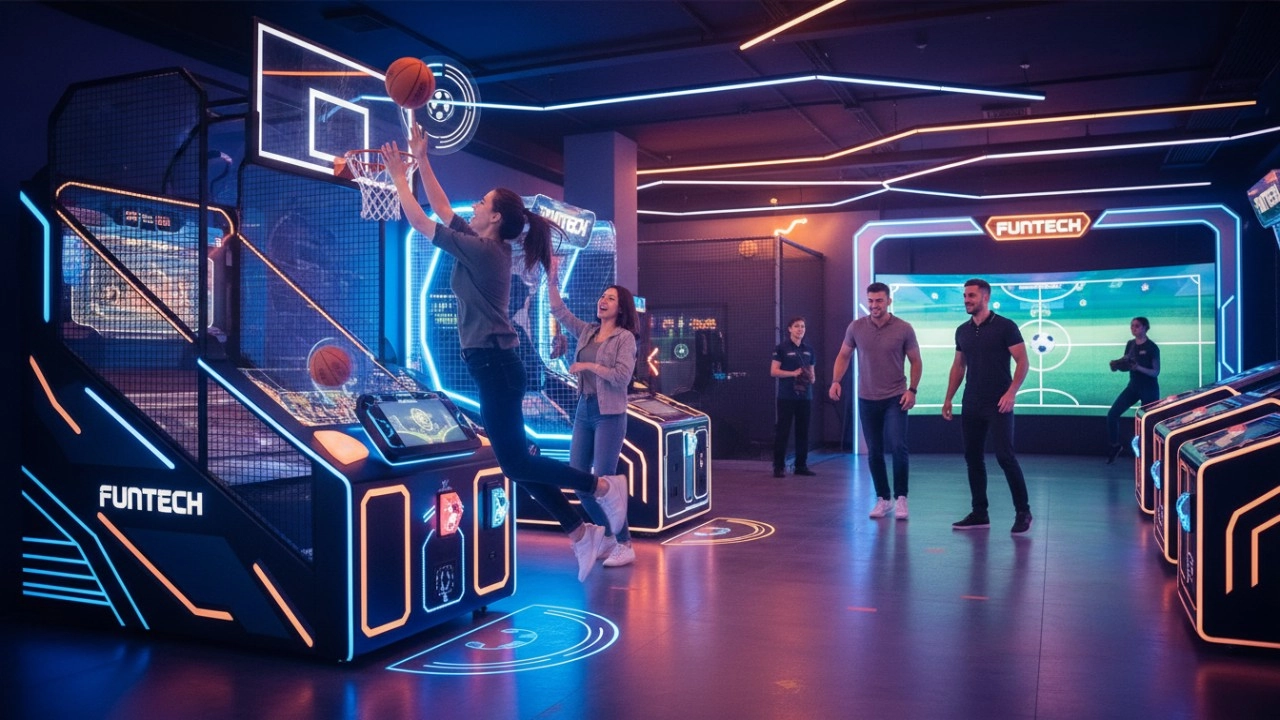
The Ultimate Guide to Interactive Sports Arcade Equipment for Commercial Entertainment (2026 Edition)
Products
What are the after-sales services after purchasing the equipment?
Generally, a 1-year warranty is provided. During the warranty period, parts damaged due to quality problems, such as motor failure, display problems, etc., will be repaired or replaced free of charge. There will also be technical support, including equipment installation and debugging guidance, operation training, to ensure the smooth use of the user, after-sales response time is usually within 24 - 48 hours.
Infrared Shooting
How to reduce operating costs?
Starting with equipment procurement, choose cost-effective, durable and easy-to-maintain products, which can save money for subsequent maintenance. Reasonable arrangement of staff, reduce the number of staff on duty during off-peak hours, train staff to have multi-skills, such as being able to operate the equipment and guide customers part-time, so as to improve the efficiency of manpower and reduce the cost of manpower.
Why are sports arcades a hot spot for investment?
The traditional entertainment market (e.g., arcade, KTV) has become less attractive to generations, while digital hip playgrounds integrating technology, sports, and socialization are more in line with young people's needs, and the market size has exceeded 50 billion in 2023, with an annual growth rate of more than 30%.
Interactive Rollerball
How often does the equipment require maintenance?
For daily use, simple monthly maintenance, such as simple cosmetic cleaning and function checking after use, is sufficient. A more comprehensive quarterly maintenance is sufficient.
Why are sports arcades a hot spot for investment?
The traditional entertainment market (e.g., arcade, KTV) has become less attractive to generations, while digital hip playgrounds integrating technology, sports, and socialization are more in line with young people's needs, and the market size has exceeded 50 billion in 2023, with an annual growth rate of more than 30%.
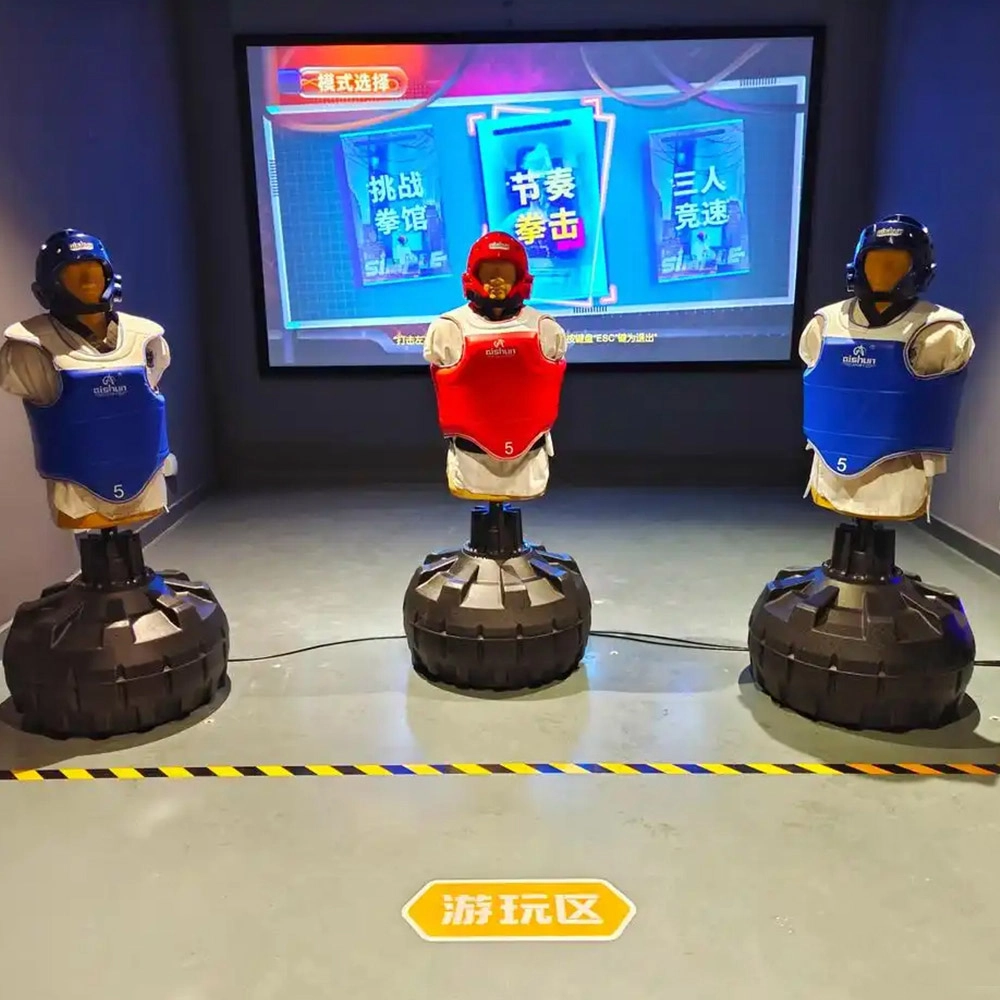
Indoor Boxing Equipment
FUNTECH is full of fun and exciting playgrounds! The indoor boxing simulation equipment combines pressure-sensitive boxing gloves with dynamic projection scenes, combining sports and fitness with entertainment and competitive attributes, supporting single-player training and two-player sparring modes, and accurately recording hitting data and generating sports reports, making it suitable for all-age experiences and safe and low-loss.
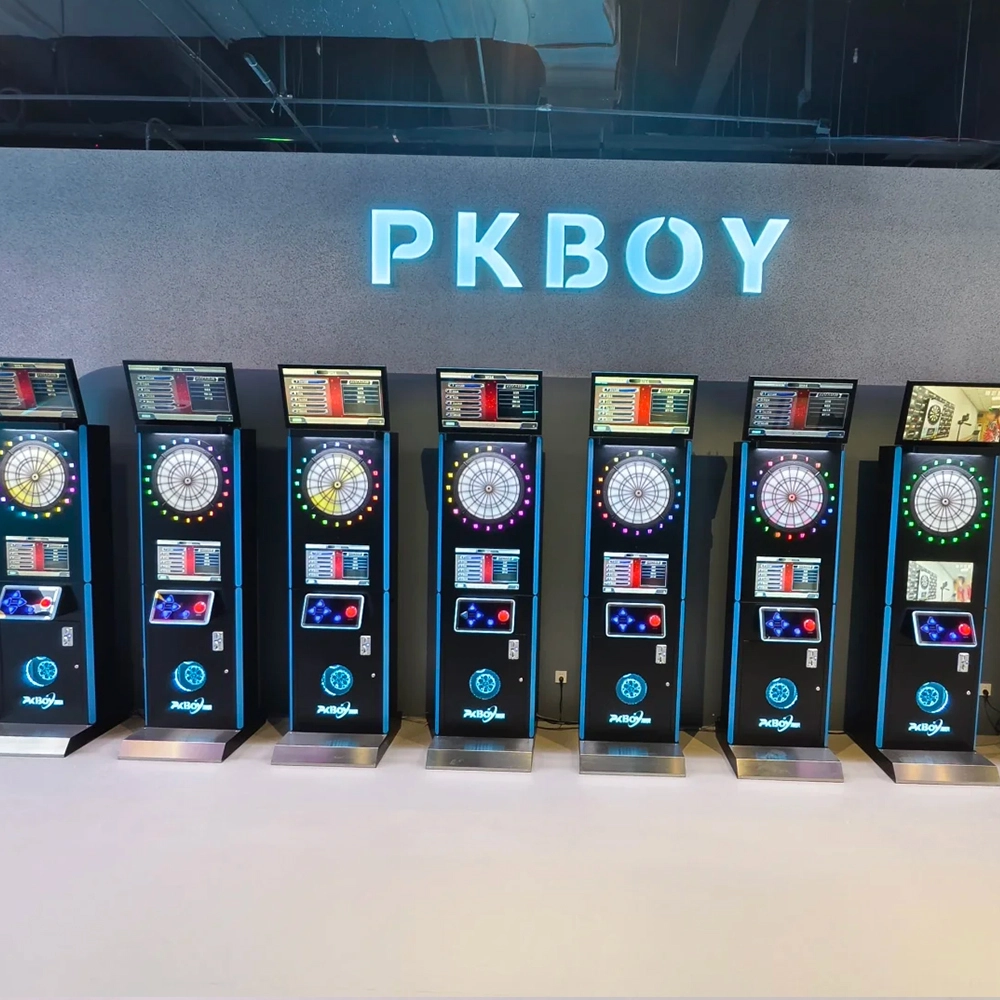
Dart Machines Bar Dart Machines
Joy Power is full of fun and excitement in the playground! The dart machine is suitable for all kinds of places, whether it is a bar, restaurant, KTV, or other entertainment venue, or a sports shop, club, or family leisure space, and can be perfectly adapted. In commercial venues, holding individual and team darts tournaments from time to time can attract more customers and increase the popularity and revenue of the venue, supplemented by various preferential activities, which can directly promote consumption and form a cycle of consumption of all the goods in the shop.
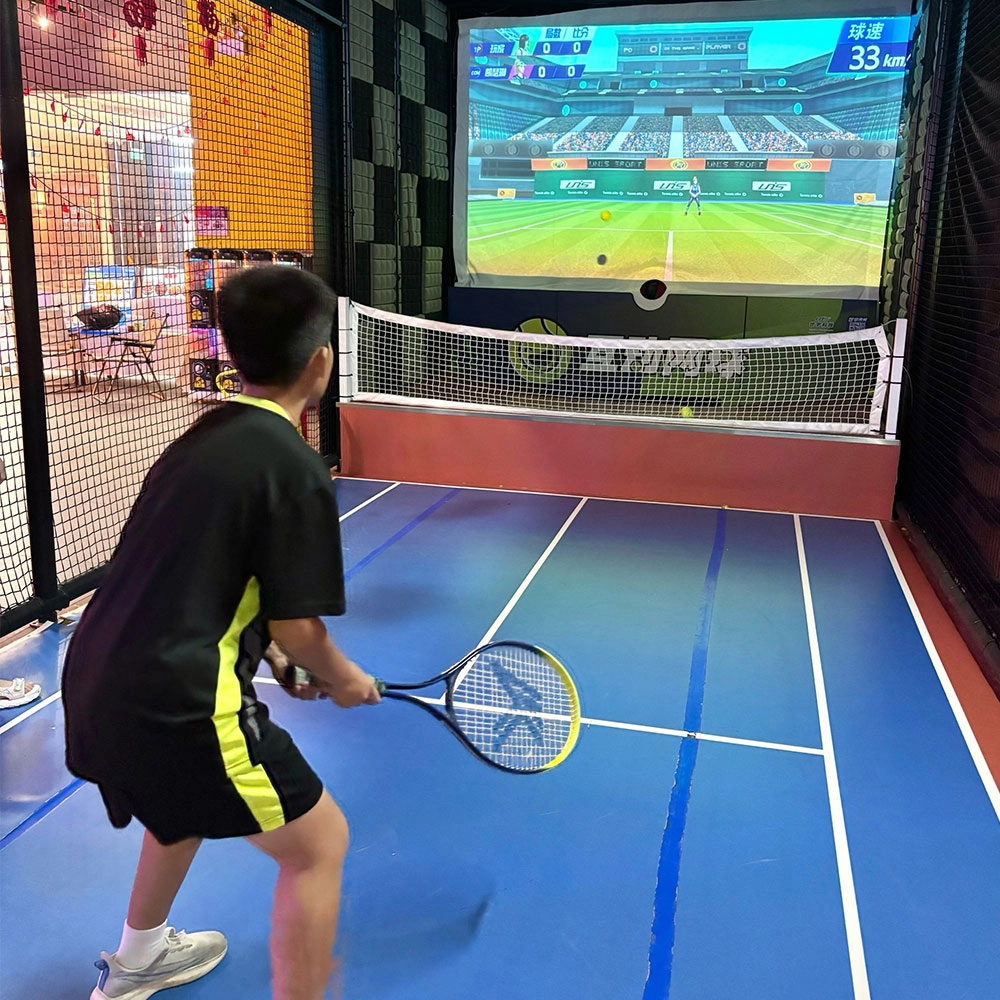
Indoor Tide Play Simulation Tennis Equipment
FUNTECH is full of fun and exciting playgrounds! With high-definition scene projection, force feedback racket, and intelligent scoring system, the simulated tennis equipment in the indoor arcade realizes immersive sports experiences and diversified interactive play, combining the advantages of safety and ease of use with high operational efficiency.
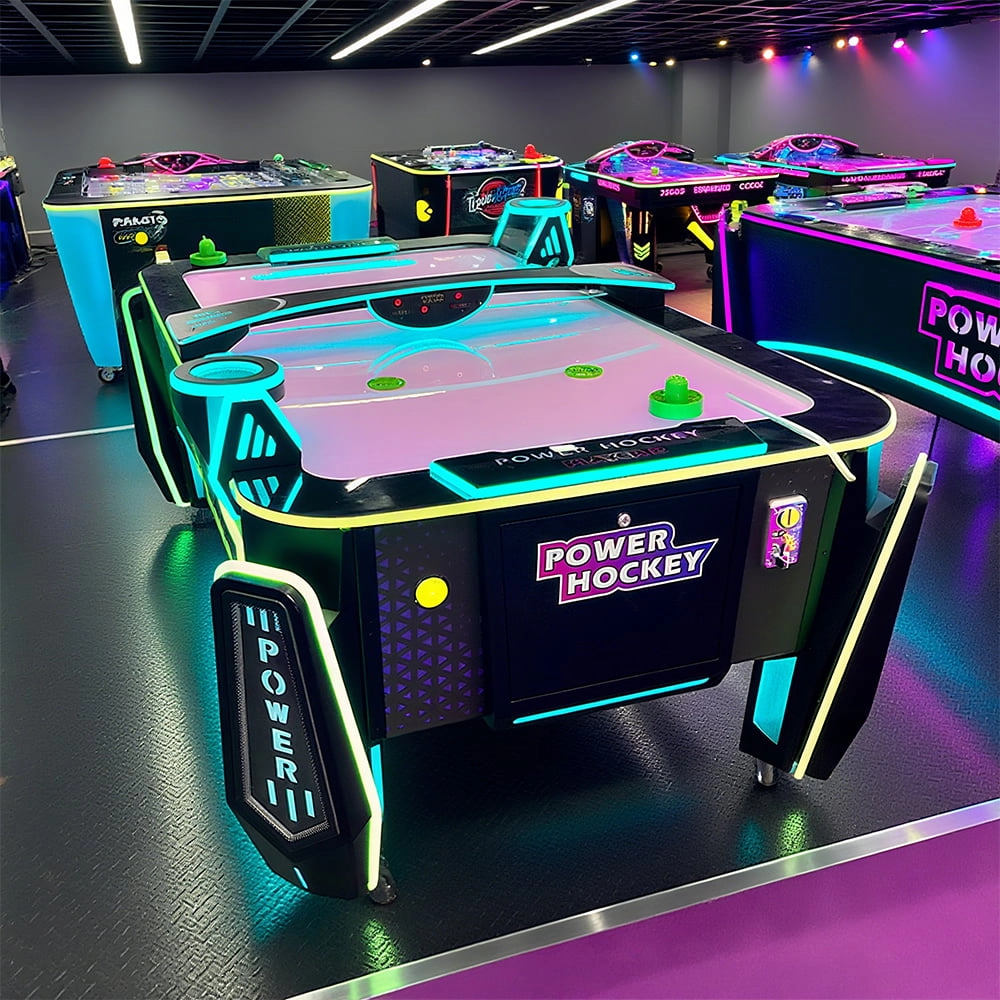
Arcade Hockey
FUNTECH is full of fun and exciting playgrounds! Air hockey, also known as air hockey, is a two-player competitive arcade game comprising a smooth, perforated playing surface, lightweight hockey sticks, a plastic puck, and an electronic scoreboard.
Ready to take your venue to the next level?
Leave us a message here, and our team will get back to you promptly.
Whether you're interested in custom orders, technical specifications, or partnership opportunities, we're here to assist you.
© 2025 FUNTECH ALL RIGHTS RESERVED

Weixia Lei
Fun_Tech-s
fun_tech20