
Which features increase repeat play on arcade dart machines for sale?
- 1) How can I estimate weekly revenue from an arcade dart machine in a mid-traffic bar, and what assumptions should I validate?
- 2) Which electronic scoring and ticketing systems measurably increase repeat play and reduce maintenance headaches?
- 3) What cabinet and dartboard durability specs should I insist on for high-volume locations to minimize downtime?
- 4) How do prize payouts and ticket redemption features affect legal classification—what do I need to avoid fines or shutdowns?
- 5) Which features increase repeat play on arcade dart machines for sale?
- 6) What remote management and analytics should I require from suppliers to optimize placement and lower servicing costs?
- Conclusion: Advantages of investing in quality arcade dart machines for Digital Sports Entertainment
Arcade Dart Machine for Sale: 6 Practical Buyer Questions for Digital Sports Entertainment Operators
As a Digital Sports Entertainment specialist with hands-on experience in arcade placement, operator analytics and multilingual market deployments, this article answers six specific, often-overlooked questions beginners ask when evaluating an arcade dart machine for sale. The guidance focuses on real operator pain points—downtime, uncertain ROI, location fit, regulation, and how to drive repeat play with the right features.
1) How can I estimate weekly revenue from an arcade dart machine in a mid-traffic bar, and what assumptions should I validate?
Why this matters: Beginners try to apply headline margins without a model. Location, price-per-play, session length and occupancy drive all revenue—so you need a repeatable calculation and realistic assumptions.
Model (step-by-step):
- Measure or estimate footfall and conversion: count or estimate patrons who will try the machine per hour.
- Estimate plays per patron and session length: how many games per person and minutes per game.
- Set your price-per-play (coin, token, or cashless credit) or ticket payout policy.
- Factor uptime: expected % of hours per week the machine is fully operational (target >95%).
- Apply formula: Weekly revenue = (average plays per hour) × (operating hours/week) × (price per play) × (uptime).
- Operating hours (late-night venues produce higher plays/hour).
- Nearby competing attractions (pool, jukebox) that split attention.
- Whether payment will be coin-only or cashless (cashless tends to increase spend per play).
- Multi-game modes and skill-based variations — offering quick liberal modes for bar play and tournament-style modes for groups increases session frequency.
- Automatic ticketing with configurable payout curves — ability to tune ticket payouts per game or for special events keeps operators in control of economics.
- Cashless payment integration (card readers, NFC, mobile wallet) — reduces cash handling, increases average spend, and enables promotions.
- Digital leaderboards and player profiles — show daily, weekly and all-time leaders to drive repeat competition.
- Simple user interface with clear feedback — responsive LED scoring, accurate hit registration for soft-tip and steel-tip variants.
- Replaceable target segments and modular ticket dispensers — fast swap lowers mean time to repair (MTTR).
- Self-calibrating scoring sensors and remote firmware updates — reduce onsite technician visits.
- Standardized connectors and spare-parts kits in warranty — insist on parts lists and SLA for replacement parts.
- Reinforced cabinet frame (steel chassis or reinforced timber) and replaceable face panels to resist crowding and spills.
- High-grade segmentation for soft-tip or bristle for steel-tip boards — ask for Mean Time Between Failures (MTBF) or expected plays before target replacement.
- Sealed electronics and IP-rated components near ticket and change areas to resist humidity and sticky liquids.
- Accessible internal layout—fast access to coin mechanisms, power supplies and ticket dispensers reduces service time.
- Spare parts availability in your region and clear lead times from the manufacturer or distributor.
- Treat darts as a skill-based game: preserve and document the skill element. Avoid random jackpot mechanics that introduce a chance-dominant component unless you have legal clearance.
- Limit high-value instant prizes and keep ticket-to-prize conversion transparent and below local thresholds that define gambling in your jurisdiction.
- Use clear signage explaining game rules and that outcomes are skill-based; this helps regulatory clarity.
- Consult local counsel or municipal gaming authority before deploying ticket jackpots or progressive cash rewards—rules vary widely even within countries.
- Competitive and social features: integrated local and national leaderboards, team modes, and matchmaking encourage repeat visits to reclaim rank.
- Dynamic content and daily challenges: rotating objectives, daily high-score bonuses, and time-limited events create habit loops similar to digital games.
- Progressive and milestone rewards: small incremental rewards (extra plays, bonus tickets) for repeat logins or group play.
- Multiplayer and spectator modes: split-screen brackets, head-to-head matches and spectator view increase dwell time and attract groups.
- Cashless and loyalty integration: tie plays to customer profiles so you can offer personalized promotions (e.g., 2-for-1 on quiet nights) via mobile apps or venue loyalty cards.
- Visual and audio polish: bright LED ring lighting, dynamic animations, and rewarding sound design give immediate feedback and perceived value for each play.
- Real-time telemetry: plays per hour, error codes, ticket dispensed counts, and cash/credit intake.
- Uptime and push alerts: SMS/email alerts for hardware faults or low paper/ticket inventory to prevent long outages.
- Remote configuration and promotions: ability to push price changes, new game playlists, or local events remotely.
- Standardized APIs and data export: integrate machine data into your back-office analytics to compare locations and calculate true ROI.
- Predictive maintenance signals: vendor-provided thresholds for components near failure (e.g., ticket motor current spikes) so you can schedule planned service calls.
Practical validation checklist (what to confirm with landlord/manager):
Example scenarios (estimates for planning only): a mid-traffic bar might see 10–40 plays/day; casual family entertainment centers could see 100+ plays/day. Use your own hourly counts to replace these placeholders. Always run a 30-day pilot to measure real plays and adjust placement or pricing.
2) Which electronic scoring and ticketing systems measurably increase repeat play and reduce maintenance headaches?
Why this matters: Scoring and payout mechanics directly influence perceived fairness, competitive play and operator workload. Outdated single-game boards or mechanical ticket dispensers are common pain points.
Priority features to require:
Maintenance-reducing specs:
3) What cabinet and dartboard durability specs should I insist on for high-volume locations to minimize downtime?
Why this matters: Mechanical failures and target wear are leading causes of lost revenue. Durability reduces servicing frequency and lifecycle cost.
Durability checklist:
Contract tips: request minimum warranty of 12 months on electronics and 6–12 months on moving parts; add optional preventive maintenance plans that include quarterly inspections and consumable replacement (segments, tickets, printer paper).
4) How do prize payouts and ticket redemption features affect legal classification—what do I need to avoid fines or shutdowns?
Why this matters: Some jurisdictions treat prize-dispensing arcade machines as gambling devices if the 'chance' element dominates or prizes exceed legal thresholds.
Actionable guidance:
Regional note: Numerous operators in the U.S. rely on the clear skill element of darts to qualify for amusement exemptions, but municipal rules differ. In other markets, such as parts of Europe or APAC, different municipal rules may apply—so get a local legal review before rolling out prize-heavy configurations.
5) Which features increase repeat play on arcade dart machines for sale?
Why this matters: Repeat play builds lifetime value per location and improves ROI. Many machines advertise 'fun' but miss features proven to drive recurring sessions.
Features that demonstrably increase repeat play:
Measurement: Track daily active players (DAP), repeat-play rate (players returning within 7 days), and average plays per returning user. Vendors that provide built-in analytics make these KPIs easy to monitor and optimize.
6) What remote management and analytics should I require from suppliers to optimize placement and lower servicing costs?
Why this matters: Without remote telemetry, operators are blind to underperforming assets and react slowly to faults—both reduce revenue and raise servicing costs.
Essential remote-management features:
KPIs to request from your supplier dashboard: average plays/day, revenue/day, uptime %, error frequency, time-to-fix, and cost-per-service-visit. Negotiate contractual SLAs that provide credits for excessive downtime to protect revenue.
Conclusion: Advantages of investing in quality arcade dart machines for Digital Sports Entertainment
Choosing the right arcade dart machine for sale—one with modular durability, cashless and loyalty integrations, robust remote analytics, and social/competitive features—reduces downtime, increases repeat play, and improves long-term ROI. Prioritize suppliers who provide clear warranty terms, spare-part availability in your region, and an analytics dashboard so you can optimize placement and pricing dynamically. Running short pilots, validating plays per hour, and confirming regulatory compliance in your market are essential first steps.
For a personalized quote or to discuss machine specs and regional compliance, contact us at www.funtechgame.com or email vicky@funtechgame.com.
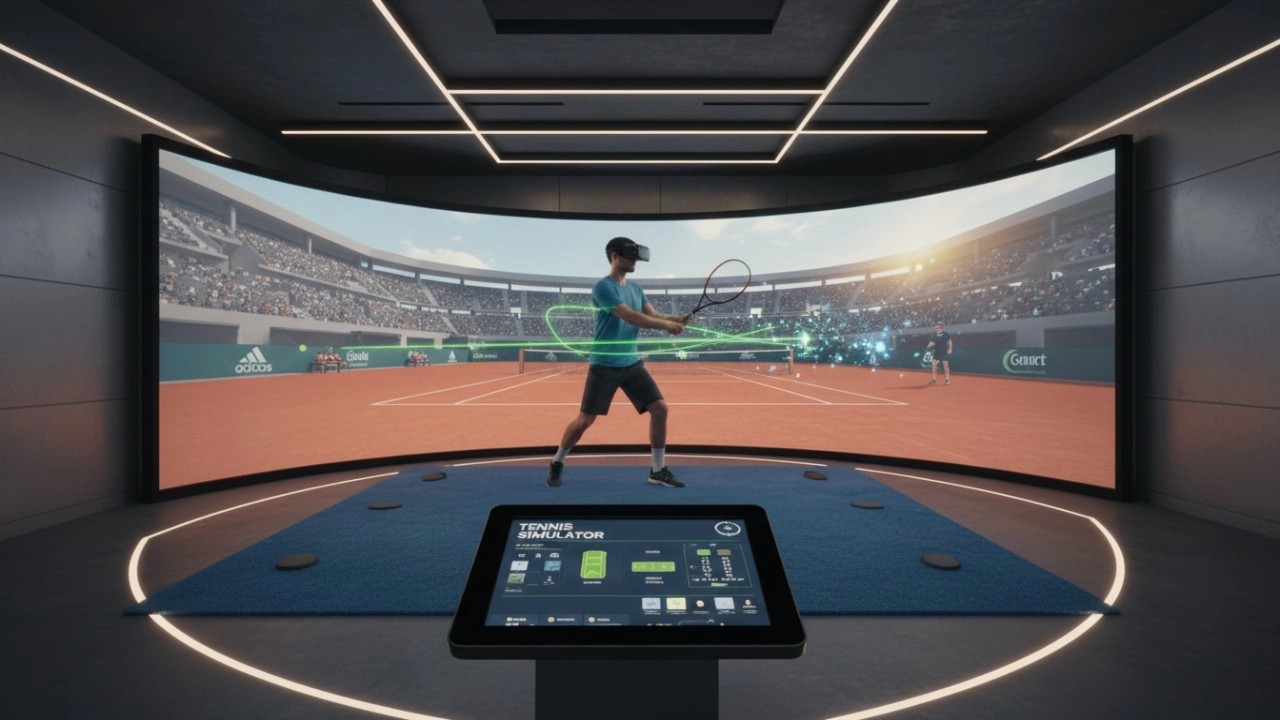
7 Reasons to Add a Tennis Simulator to Your Entertainment Venue Instead of Traditional Training Models (2026 Guide)
The 2026 Dart Machine Revenue Playbook: Boosting Mid-Week Sales by 30%-40% with Competitive Socializing
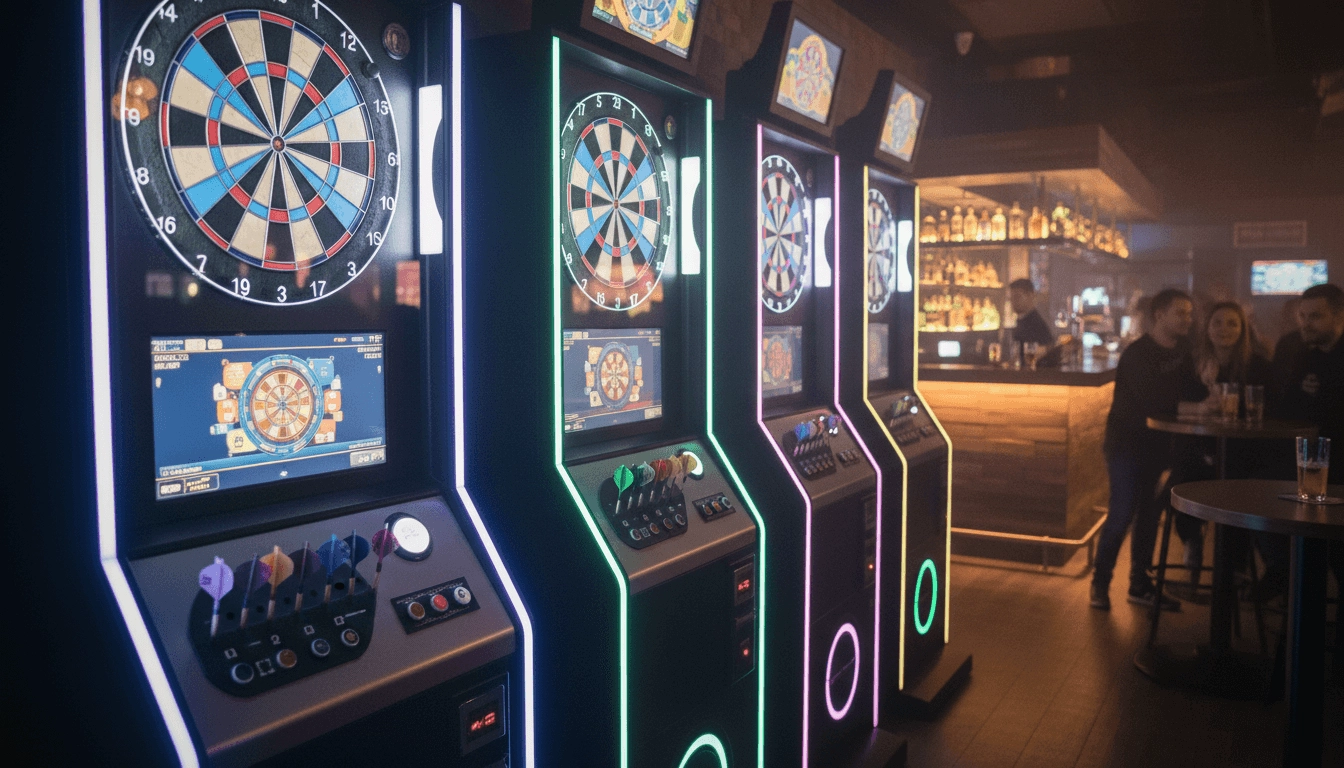
Redefining Competitive Socializing: Ultimate Guide to Selecting an Intelligent Dart Machine 2026
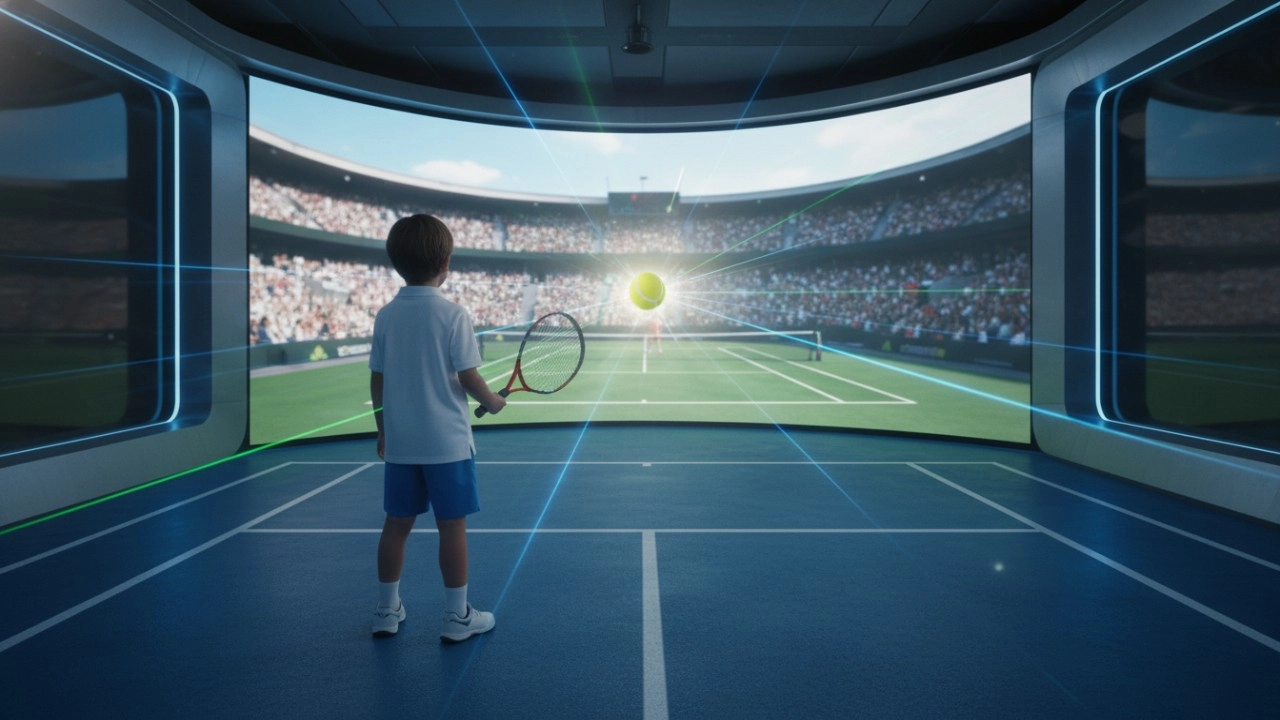
Tennis Simulators in 2026: The Ultimate Guide to Virtual Courts and Advanced Training

Top 15 Dart Machine Manufacturers in 2026
Interactive Rollerball
How to reduce operating costs?
Starting with equipment procurement, choose cost-effective, durable and easy-to-maintain products, which can save money for subsequent maintenance. Reasonable arrangement of staff, reduce the number of staff on duty during off-peak hours, train staff to have multi-skills, such as being able to operate the equipment and guide customers part-time, so as to improve the efficiency of manpower and reduce the cost of manpower.
Football Simulator
How does the picture effect of simulation soccer achieve realism?
With the help of advanced technology, the green field is accurately reproduced with fine turf texture and realistic player movements. From the players running, passing to shooting, are lifelike, to give players a sense of immersion.
Infrared Shooting
What is the difference between purchasing equipment for commercial operations and personal training?
Commercial operations should consider the durability, ease of operation, and attractiveness of the equipment, and it is preferable to choose cool-looking equipment that can withstand high-frequency use.
Dart Machines Bar Dart Machines
How often does the equipment require maintenance?
For daily use, simple monthly maintenance, such as simple cosmetic cleaning and function checking after use, is sufficient. A more comprehensive quarterly maintenance is sufficient.
What is the difference between purchasing equipment for commercial operations and personal training?
Commercial operations should consider the durability, ease of operation, and attractiveness of the equipment, and it is preferable to choose cool-looking equipment that can withstand high-frequency use.
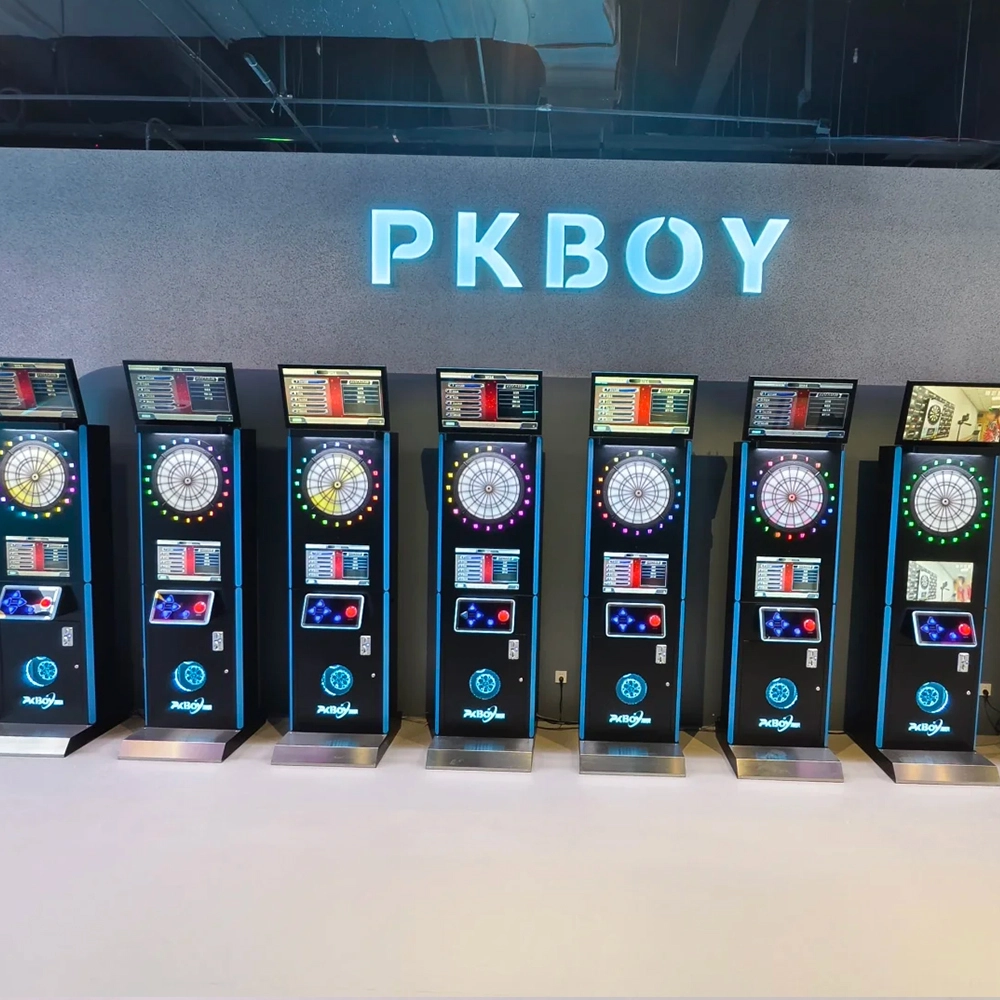
Dart Machines Bar Dart Machines
Joy Power is full of fun and excitement in the playground! The dart machine is suitable for all kinds of places, whether it is a bar, restaurant, KTV, or other entertainment venue, or a sports shop, club, or family leisure space, and can be perfectly adapted. In commercial venues, holding individual and team darts tournaments from time to time can attract more customers and increase the popularity and revenue of the venue, supplemented by various preferential activities, which can directly promote consumption and form a cycle of consumption of all the goods in the shop.
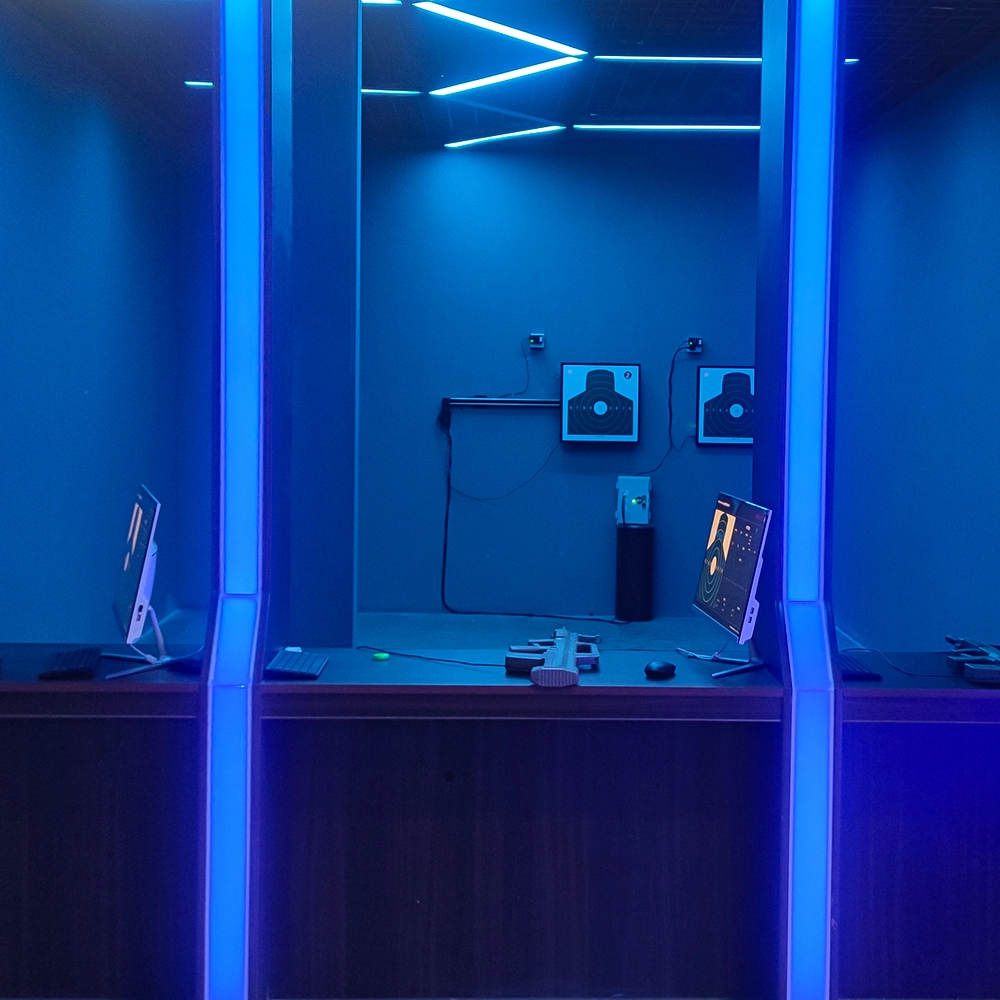
Infrared Shooting
Highly simulated simulation training analysis equipment, with advanced design concepts, fast system development, ease of operation and use, stable technical performance, less consumption of training, site dependence on a small group training is highly interesting, safe, and reliable, and other outstanding features. Product design to solve the basic skills of light weapons precision shooting as a starting point, to improve the safety of shooting training and training efficiency as the fundamental purpose, highlighting the simulation, information technology, and combat training requirements, can be in small indoor and outdoor venues and does not use live ammunition to complete the basic shooting training.
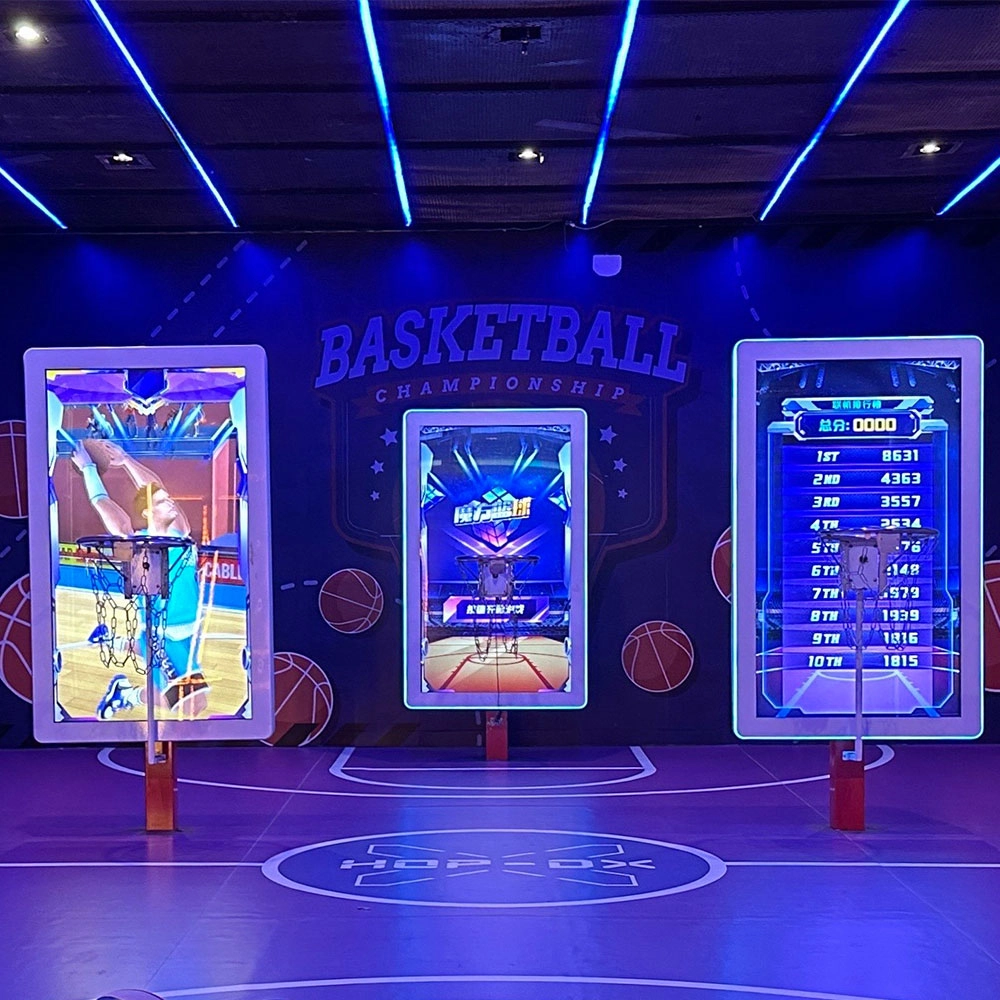
Multi-Player Interactive Shooting Machine
Joy Power is full of fun and exciting playgrounds! The basketball shooting machine is a classic amusement device integrating competition, entertainment, and interactivity. Based on the traditional basketball shooting sport, it integrates electronic scoring, sound and light effects, and challenge mechanisms to bring players an immersive game experience. The main body of the equipment is usually built with a metal frame, equipped with a standard-sized basket and a sturdy rim, with multiple sets of sensors to accurately capture the trajectory of the shot; when the player shoots the ball, the machine's built-in sensors count the score in real time and present the score, remaining time, and challenge goals through the LED display or LCD screen, with exciting sound effects and colorful lights to create a tense and exciting gaming atmosphere.
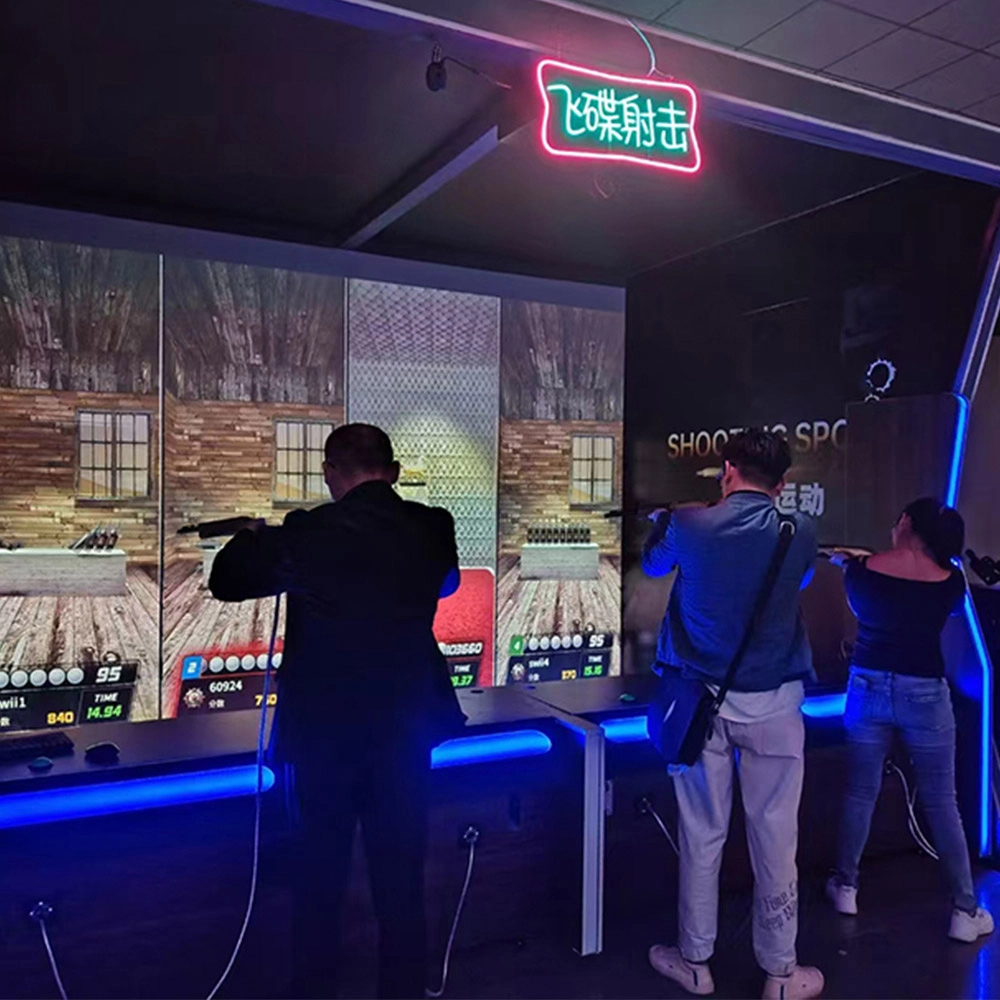
Indoor Wave Play Disc Shooting Equipment
Joy Power is full of fun and exciting playgrounds! The saucer shooting equipment in the indoor hip play hall is an immersive entertainment device integrating high-definition projection scenes, simulated air rifles, and multi-mode interactive gameplay, which allows players to experience the excitement of virtual shooting and the fun of social competition through laser-sensing scoring and multi-sensory feedback.
Ready to take your venue to the next level?
Leave us a message here, and our team will get back to you promptly.
Whether you're interested in custom orders, technical specifications, or partnership opportunities, we're here to assist you.
© 2025 FUNTECH ALL RIGHTS RESERVED

Weixia Lei
Fun_Tech-s
fun_tech20