
How to evaluate supplier reputation when buying an arcade dart machine?
- 1. What specific warranty clauses should I demand from a commercial arcade dart machine supplier to avoid hidden costs?
- 2. How do I verify a China-based arcade dart machine manufacturer's factory capacity and quality control remotely?
- 3. What minimum order quantity (MOQ), lead times, and payment terms are realistic when ordering commercial-grade arcade dart machines?
- 4. How can I check real-world uptime and failure rates of a specific arcade dart machine model before purchase?
- 5. Which certifications and safety standards should a commercial dart machine meet for EU/US arcades?
- 6. How to evaluate supplier reputation when buying an arcade dart machine?
As a Digital Sports Entertainment specialist with extensive SEO and global sourcing experience, this guide answers six specific, pain-point questions beginners and operators ask when looking for an arcade dart machine for sale. The answers focus on verifiable steps — warranty details, factory validation, lead times, uptime data, certifications (CE/FCC/ROHS), third-party inspections (SGS/TUV/BV), and reputation signals you can check remotely.
1. What specific warranty clauses should I demand from a commercial arcade dart machine supplier to avoid hidden costs?
Demand clear, written warranty language that separates parts, labor, and wear items. Typical, commercially reasonable warranties for arcade equipment are:
- Mechanical and electronic components: 12–36 months (commonly 12–24 months for commercial-grade arcade dart machines).
- Consumables/wear items (dart tips, LED strips, rubber bumpers): 3–12 months or sold separately.
- On-site repair vs. return-to-factory: specify whether the supplier covers on-site labor for commercial installations or only provides parts replacement by courier.
Ask for these explicit clauses:
- Start date of warranty (date of delivery vs. date of first use in your location).
- Who pays return shipping, customs, and duties for replaced parts or units.
- Maximum response time for critical failures (e.g., 48–72 hours remote support; 5–10 business days for replacement parts internationally is a typical expectation).
- Availability of spare parts for a minimum period (3–5 years is a reasonable industry expectation for commercial models).
- Clear exclusions (unauthorized repair, misuse, water damage) and how disputes will be resolved (supplier RMA process, escalation contacts).
Before purchase, request a sample warranty contract and a list of customer support contacts (phone, ticket system). If the supplier resists writing these details, consider that a red flag.
2. How do I verify a China-based arcade dart machine manufacturer's factory capacity and quality control remotely?
Remote verification is essential when sourcing internationally. Practical steps:
- Request a recent factory audit report from independent inspectors (SGS, Bureau Veritas, TUV). These reports typically show production lines, QC processes, and certificate validity.
- Ask for time-stamped factory photos and a short walkthrough video of the production line assembling arcade dart machines and performing final QA tests.
- Request production capacity numbers: how many units per month they produce for this model, and current booked capacity. Typical safe answers: they can produce at least the MOQ you need plus 10–30% buffer for spare parts.
- Check staff and QC: ask how many dedicated QC inspectors, how many units are inspected per shift, and whether they use AQL sampling standards (AQL 2.5 or 4.0 are common for electronics).
- Use third-party verification providers (Paid factory video inspection or remote factory audit services available through platforms such as SGS or independent sourcing agents).
Document requests and supplier responsiveness are also signals: quick, transparent replies and willingness to share verifiable documents increase confidence.
3. What minimum order quantity (MOQ), lead times, and payment terms are realistic when ordering commercial-grade arcade dart machines?
Expect variation by supplier and model. Typical industry ranges:
- MOQ: stock models—1 to 5 units; customized commercial builds—10 to 50 units depending on customization level. For branded, heavily customized turnkey arcade cabinets, MOQs often start at 20+.
- Lead times: off-the-shelf machines—7–21 days; moderately customized units—30–45 days; full custom turnkey builds—45–90 days. Holiday seasons and component shortages can extend lead times.
- Payment terms: common terms are 30% deposit to start production, 70% before shipment (T/T). For reputable suppliers, you can negotiate escrow, trade assurance, or L/C at sight for larger orders. PayPal or credit card is often used for samples or small orders.
Negotiate staged milestones: prototype approval, pre-shipment inspection, and release of final payment after verified photos, video testing, or third-party inspection to protect your cash flow.
4. How can I check real-world uptime and failure rates of a specific arcade dart machine model before purchase?
Manufacturers rarely publish failure rates, so use these practical verification methods:
- Request references — not just sales contacts but active operators (arcades, bars, family entertainment centers) using the exact model. Ask these references for average monthly downtime, typical faults, and parts consumed monthly.
- Ask for MTBF (Mean Time Between Failures) data if available for key components (power supply, coin acceptor, controller board). If they don’t have MTBF, ask for field service logs anonymized by model.
- Request a demonstration unit or rent a demo for a short field trial in a similar environment to yours. This is the most reliable way to see uptime and user interaction patterns.
- Check online operator forums, industry Facebook groups, Reddit communities (r/arcade, r/arcadestick, operator groups) for user-reported issues with the specific model; demand screenshots or photos of failure evidence when possible.
When assessing uptime, factor in your environment (heavy foot traffic, exposure to spills, climate) — indoor, climate-controlled arcades will see fewer issues than open-bar setups.
5. Which certifications and safety standards should a commercial dart machine meet for EU/US arcades?
Key safety and regulatory standards to request and verify:
- CE marking (EU) — indicates conformity with European health, safety, and environmental protection standards. For electronics, ensure compliance with EMC and low-voltage directives when applicable.
- FCC Part 15 (US) — required for devices that emit radio frequency energy (many electronic dart machines use wireless scoring or Wi‑Fi/Bluetooth modules).
- RoHS — restriction on hazardous substances for electronics sold in EU markets.
- UL listing or ETL (North America) — recommended for power supply safety in US/Canada operations.
- Battery safety/certification if the unit uses internal batteries (UN38.3 for transport of lithium batteries, plus manufacturer test reports).
Ask suppliers to provide copies of certificates and corresponding test reports and verify them with the issuing laboratory. Certificates can be checked through the issuing body's database (TUV, SGS, Intertek) where possible.
6. How to evaluate supplier reputation when buying an arcade dart machine?
Evaluate reputation using layered checks rather than a single signal:
- Business credentials: request business license, export license (if applicable), and years in business. Longer track records (>3–5 years) in the same product category are preferable.
- Third-party listings and badges: presence on platforms such as Alibaba (Gold Supplier, Trade Assurance), Global Sources, Made-in-China, and verified Google Business/LinkedIn company profiles.
- Independent audit and inspection reports: SGS, Bureau Veritas, or TUV audits and pre-shipment inspection certificates are strong reputation indicators. Ask for recent reports specific to the factory site.
- Customer references and case studies: request contact details of at least 3 operational customers in your region or market segment and ask for introduction calls. Genuine suppliers will facilitate these conversations.
- Online reviews and dispute history: search for the supplier name plus keywords like warranty, refund, delay, broken, and check industry forums and BBB (if supplier has US presence). Pay attention to how the supplier resolves disputes — responsiveness matters more than absence of complaints.
- Payment and contract terms: reputable suppliers offer clear contracts, transparent payment milestones, and are open to escrow or bank-backed instruments for larger deals. Suppliers demanding unusual upfront full payments without contract are higher risk.
- After-sales infrastructure: verify availability of spare parts stock, local repair partners or international distributors, and average shipping time for replacement parts. Suppliers with regional warehouses or authorized service centers score higher.
- Red flags: unverifiable claims, refusal to provide documentation, inconsistent contact details, unwillingness to accept traceable escrow/payments, or aggressive pressure to close quickly.
Combine these signals into a supplier scorecard (e.g., 0–5 for each category above). Only proceed if the supplier meets your minimum threshold for years-in-business, audit reports, references, and warranty clarity.
Final practical checklist before placing an order: sign a written contract, obtain a sample or prototype approval, schedule a third-party pre-shipment inspection, confirm spare-parts list and lead times, and secure payment via trade assurance or escrow for first-time suppliers.
Advantages of buying from reputable suppliers and choosing a commercial-grade, coin-operated or cashless-capable arcade dart machine include higher uptime, predictable warranty support, longer spare-parts availability, compliance with local regulations (CE/FCC), and easier integration into venue management systems. Investing in a verified supplier reduces lifecycle costs and downtime, increasing revenue per unit in high-traffic Digital Sports Entertainment operations.
Contact us for a quote at www.funtechgame.com or email vicky@funtechgame.com.
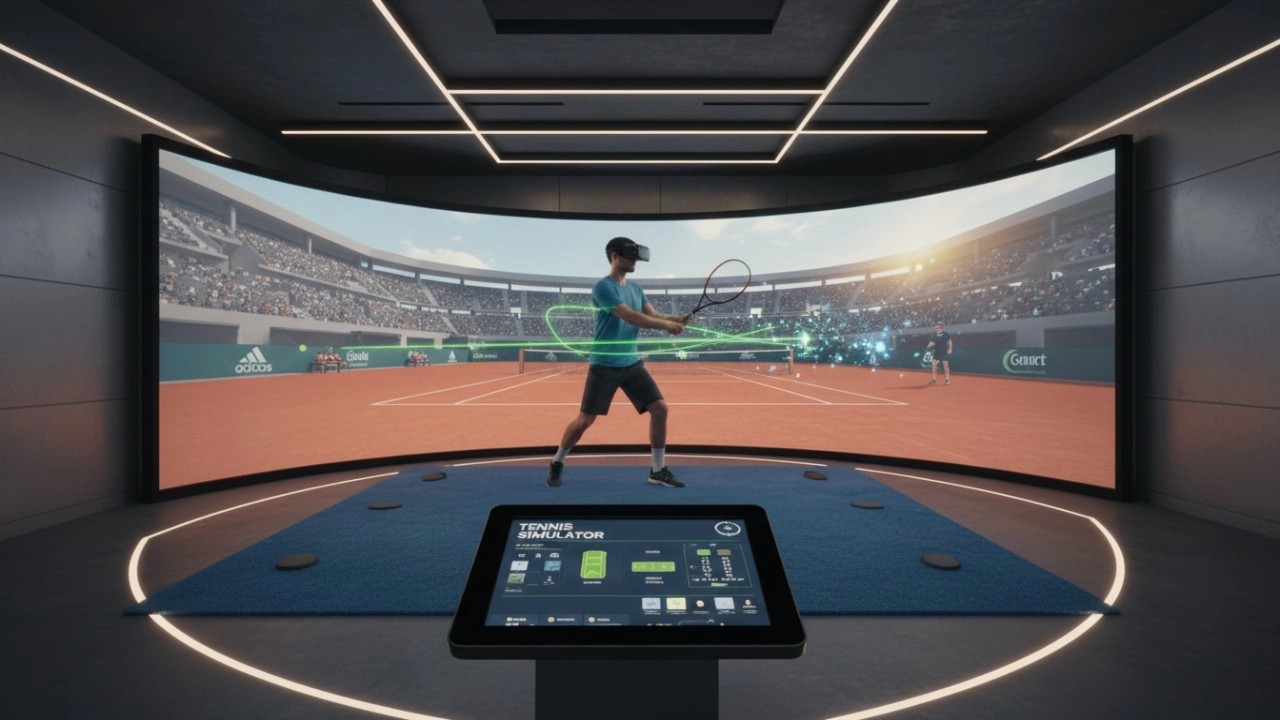
7 Reasons to Add a Tennis Simulator to Your Entertainment Venue Instead of Traditional Training Models (2026 Guide)
The 2026 Dart Machine Revenue Playbook: Boosting Mid-Week Sales by 30%-40% with Competitive Socializing
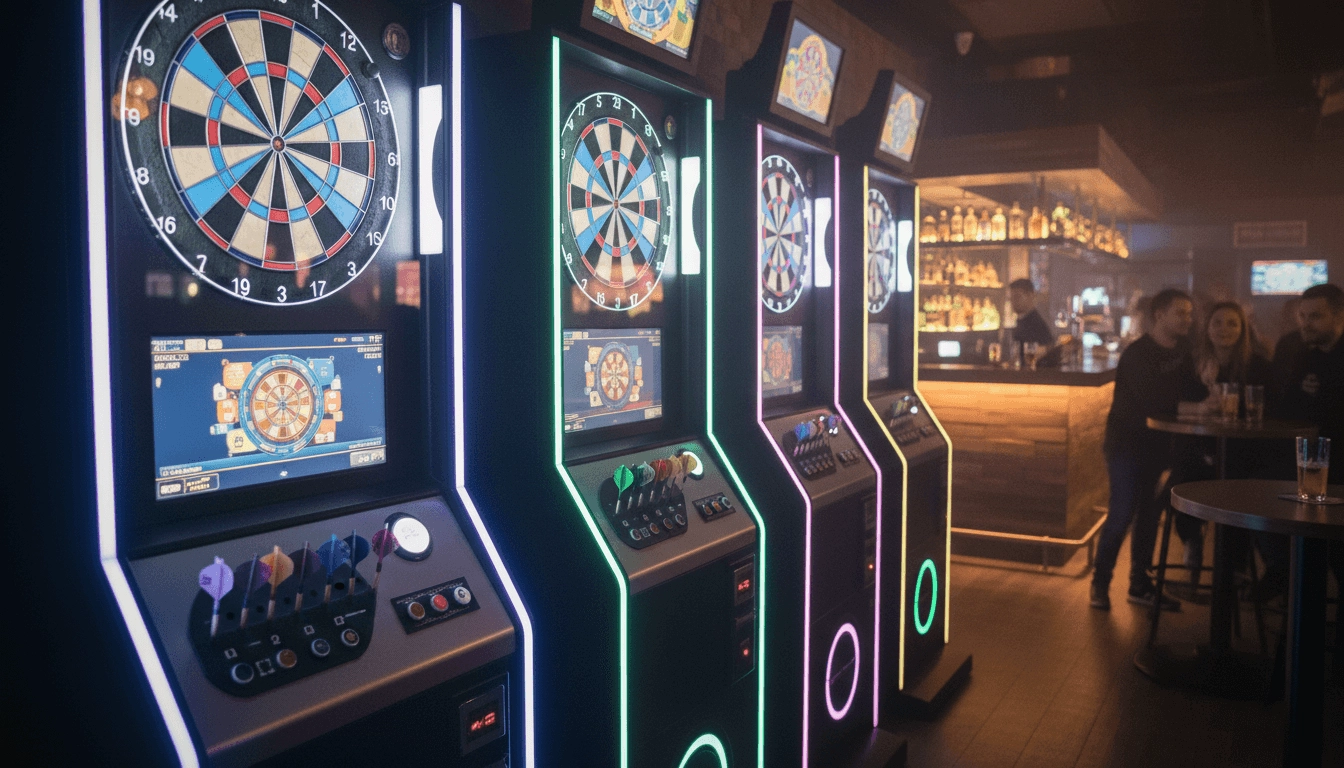
Redefining Competitive Socializing: Ultimate Guide to Selecting an Intelligent Dart Machine 2026
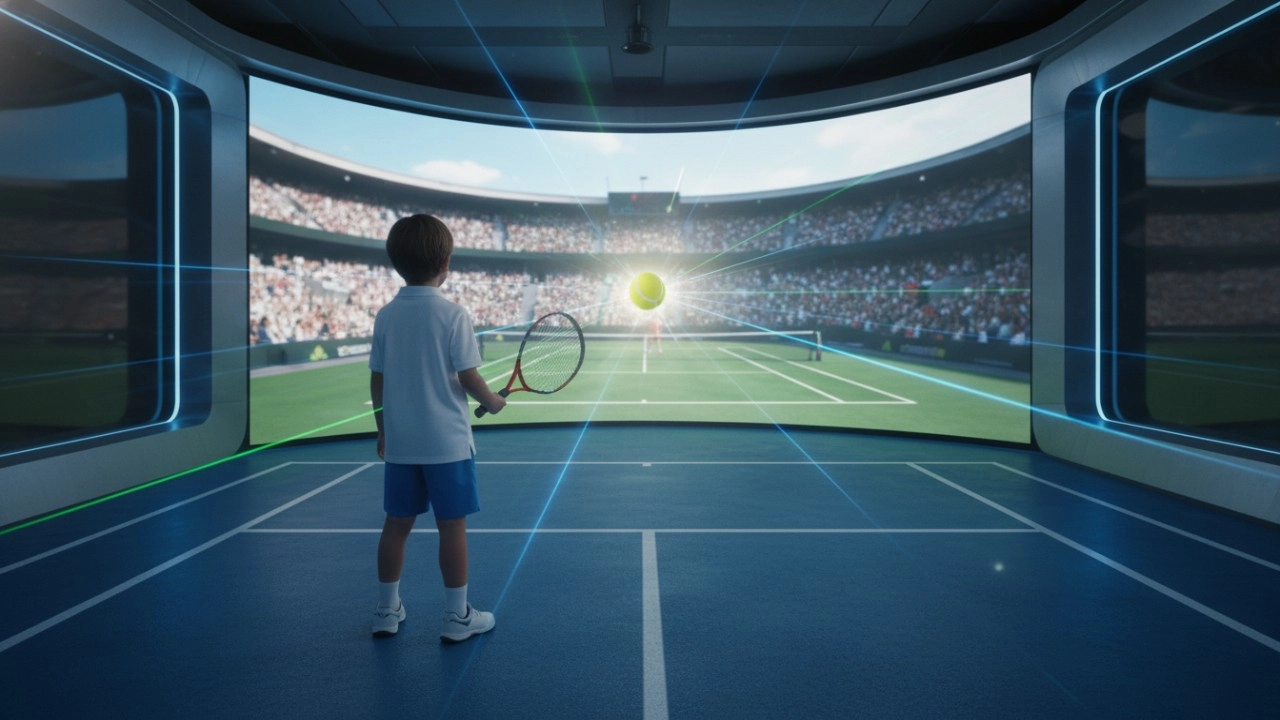
Tennis Simulators in 2026: The Ultimate Guide to Virtual Courts and Advanced Training

Top 15 Dart Machine Manufacturers in 2026
FAQ
What requirements should a store manager of a digital sports hall have?
The store manager of a digital sports and entertainment center needs to have good management and communication skills, be familiar with the application of digital technology, and have an innovative spirit and a sense of teamwork
Products
How to attract customers when operating the program in shopping malls?
Create a cool venue decoration style, incorporating trendy elements, such as fluorescent light strips, animation-themed murals, etc. o Create a new venue for the program. o Launch diversified marketing models such as parent-child packages and couple packages, combined with time-limited promotional activities, such as half-price experience in the first three days of opening, to attract different groups such as families and couples to stop by and participate in the program. o Create cool venue decoration styles and incorporate trendy elements, such as fluorescent light strips.
How often does moving target archery equipment require maintenance?
Under daily use, for equipment that is used less frequently, 1-3 times per week, simple cosmetic cleaning and functional checks can be performed after each use. A more comprehensive maintenance should be carried out every 2-4 weeks, including disassembling some parts for cleaning and checking the accuracy of the aiming system.
Golf Simulator
How often does simulated golf equipment require maintenance?
For daily use, simple monthly maintenance is sufficient, such as a simple cosmetic cleaning and function check after use. Quarterly maintenance can be more comprehensive.
Dart Machines Bar Dart Machines
What is the difference between purchasing equipment for commercial operations and personal training?
Commercial operations should consider the durability, ease of operation, and attractiveness of the equipment, and it is preferable to choose cool-looking equipment that can withstand high-frequency use.
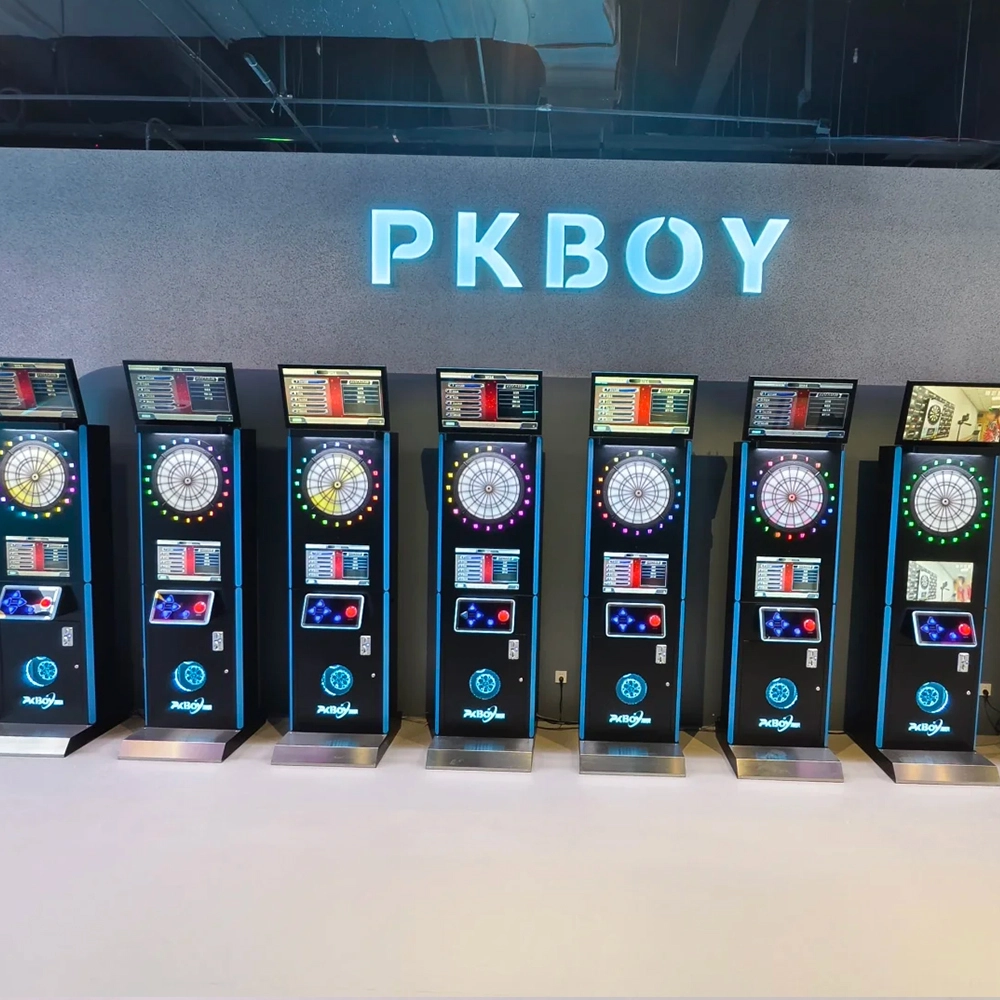
Dart Machines Bar Dart Machines
Joy Power is full of fun and excitement in the playground! The dart machine is suitable for all kinds of places, whether it is a bar, restaurant, KTV, or other entertainment venue, or a sports shop, club, or family leisure space, and can be perfectly adapted. In commercial venues, holding individual and team darts tournaments from time to time can attract more customers and increase the popularity and revenue of the venue, supplemented by various preferential activities, which can directly promote consumption and form a cycle of consumption of all the goods in the shop.
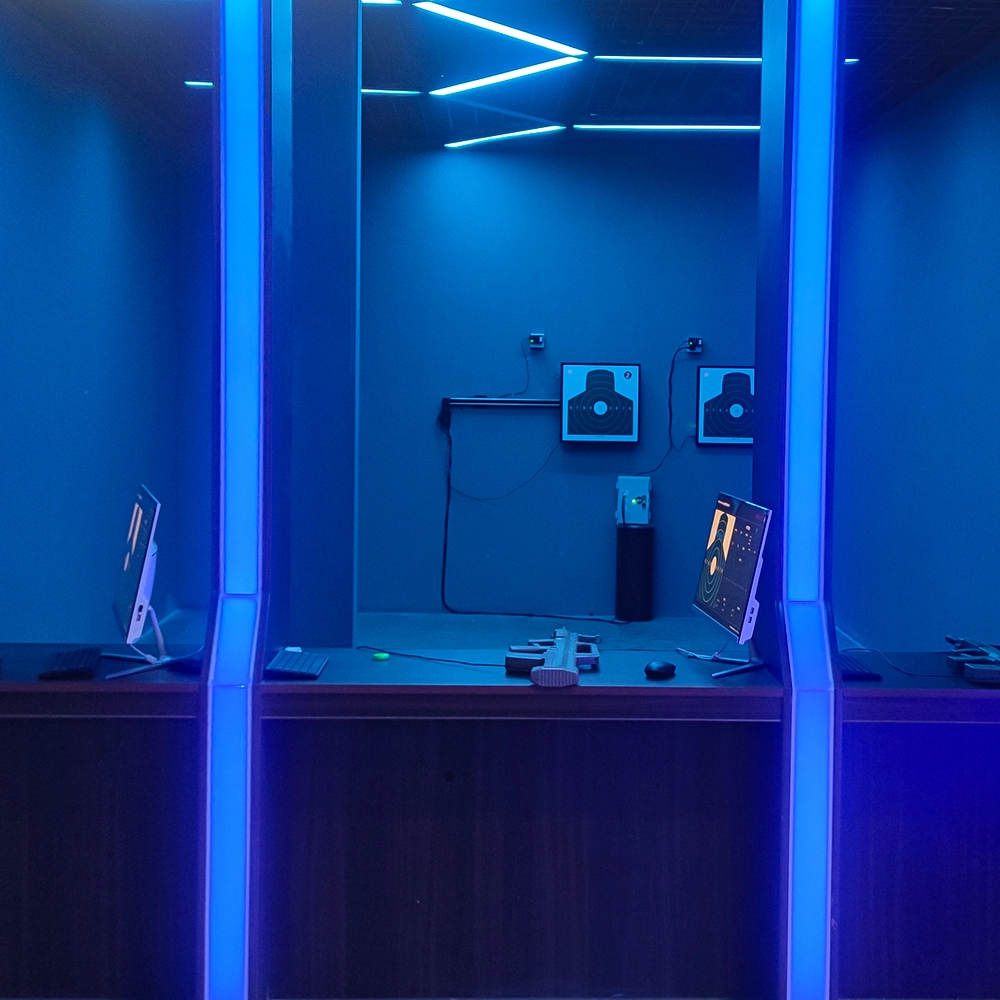
Infrared Shooting
Highly simulated simulation training analysis equipment, with advanced design concepts, fast system development, ease of operation and use, stable technical performance, less consumption of training, site dependence on a small group training is highly interesting, safe, and reliable, and other outstanding features. Product design to solve the basic skills of light weapons precision shooting as a starting point, to improve the safety of shooting training and training efficiency as the fundamental purpose, highlighting the simulation, information technology, and combat training requirements, can be in small indoor and outdoor venues and does not use live ammunition to complete the basic shooting training.
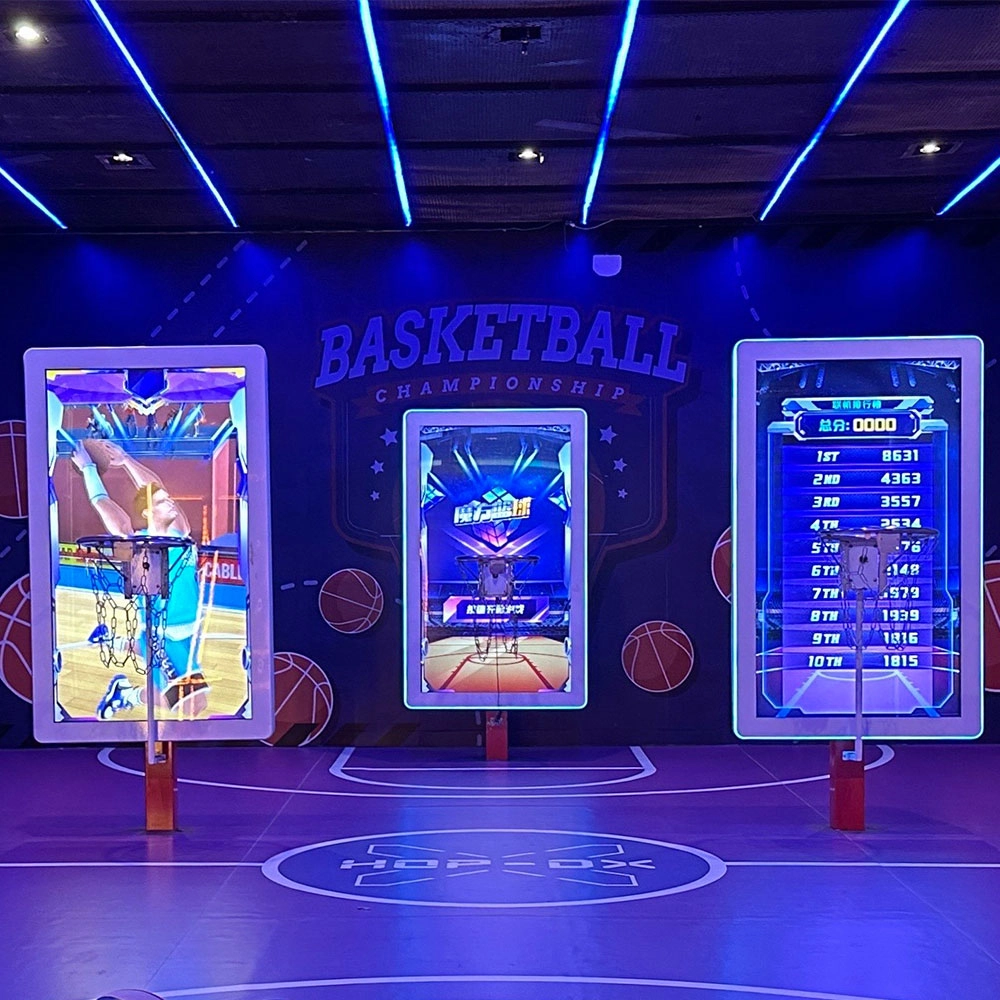
Multi-Player Interactive Shooting Machine
Joy Power is full of fun and exciting playgrounds! The basketball shooting machine is a classic amusement device integrating competition, entertainment, and interactivity. Based on the traditional basketball shooting sport, it integrates electronic scoring, sound and light effects, and challenge mechanisms to bring players an immersive game experience. The main body of the equipment is usually built with a metal frame, equipped with a standard-sized basket and a sturdy rim, with multiple sets of sensors to accurately capture the trajectory of the shot; when the player shoots the ball, the machine's built-in sensors count the score in real time and present the score, remaining time, and challenge goals through the LED display or LCD screen, with exciting sound effects and colorful lights to create a tense and exciting gaming atmosphere.
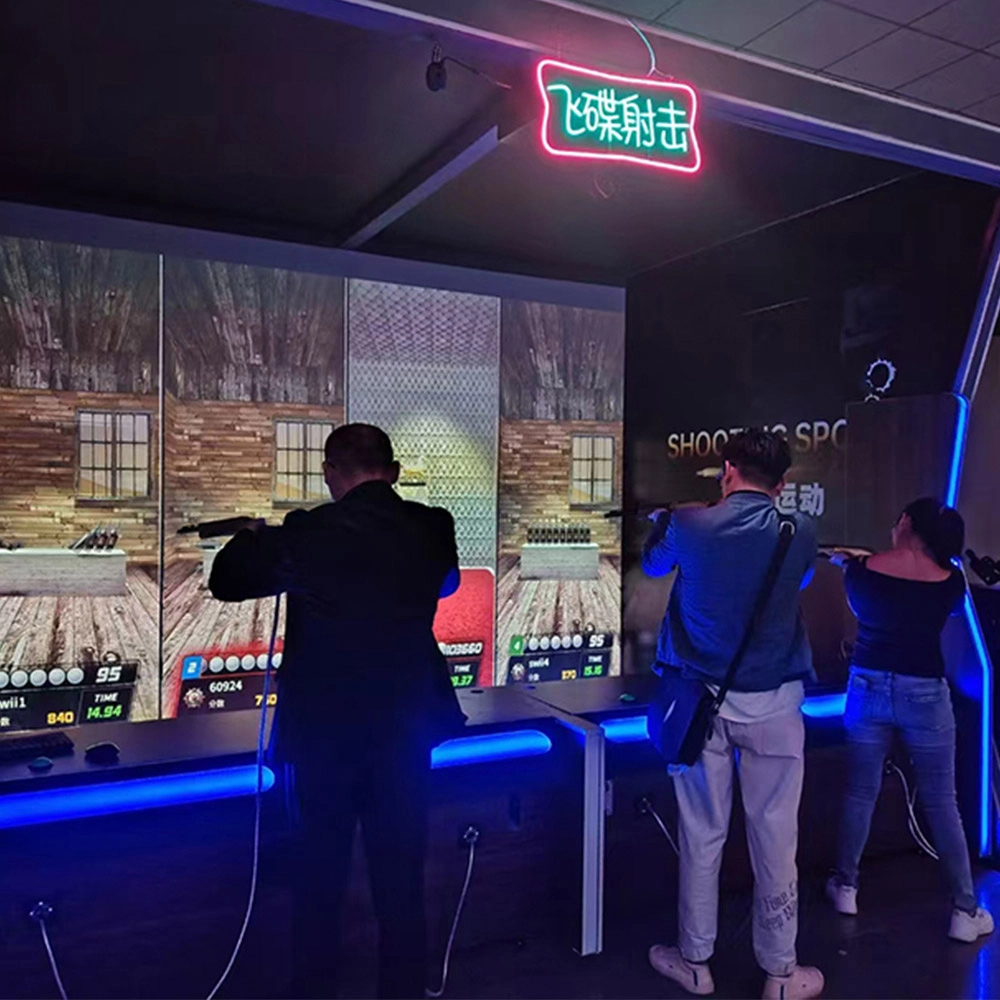
Indoor Wave Play Disc Shooting Equipment
Joy Power is full of fun and exciting playgrounds! The saucer shooting equipment in the indoor hip play hall is an immersive entertainment device integrating high-definition projection scenes, simulated air rifles, and multi-mode interactive gameplay, which allows players to experience the excitement of virtual shooting and the fun of social competition through laser-sensing scoring and multi-sensory feedback.
Ready to take your venue to the next level?
Leave us a message here, and our team will get back to you promptly.
Whether you're interested in custom orders, technical specifications, or partnership opportunities, we're here to assist you.
© 2025 FUNTECH ALL RIGHTS RESERVED

Weixia Lei
Fun_Tech-s
fun_tech20