
Do arcade dart machines for sale support ticket redemption?
- 1) Do arcade dart machines for sale support ticket redemption, and how do operators prevent payout abuse?
- 2) What are the real retrofit costs and steps to add ticket redemption or cashless payment to an existing electronic dart cabinet?
- 3) How do arcade dart machines integrate with modern arcade management systems (AMS) for centralized ticket accounting and remote monitoring?
- 4) What are realistic ROI and revenue projections for an arcade dart machine for sale in different venue types?
- 5) What warranty, parts availability, and local service considerations should I prioritize to minimize downtime?
- 6) What regulatory and skill-vs-gambling compliance risks exist for ticket-enabled dart machines, and how can operators mitigate them?
- Conclusion: Advantages of purchasing an arcade dart machine for sale
Arcade Dart Machine for Sale — Ticket Redemption & Buying Guide
This guide answers six specialist, operator-focused questions about buying an arcade dart machine for sale with ticket redemption: configuration, retrofit, AMS integration, ROI, serviceability, and regulatory compliance. Practical checks, connectivity and payout guidance included.
1) Do arcade dart machines for sale support ticket redemption, and how do operators prevent payout abuse?
Short answer: Yes — many commercial electronic dart cabinets and purpose-built arcade dart machines for sale offer ticket redemption as an optional module, but the implementation and controls vary significantly by manufacturer.
What to verify before purchase:- Ticket hardware: Confirm whether the cabinet ships with an integrated ticket dispenser or supports an add-on ticket module. Major peripheral manufacturers supply robust ticketers designed for continuous commercial use; ask for model numbers and service life (cycles/hour rating).- Payout controls: Look for machines that expose configurable payout rules (tickets per win/round, progressive jackpots, minimum skill thresholds). The best systems let you set separate payouts for quick-play modes, tournament modes, and winner-takes-all matches.- Anti-abuse features: Ensure the software provides anti-exploit measures — e.g., debouncing sensors, minimum throw intervals, and fraud detection (repeated micro-scores that indicate hardware tampering). Audit logs and event timestamps help detect suspicious patterns.- Firmware locks: Machines that allow operator locking of payout settings (password or keyed access) reduce on-site tampering. Ask if the settings are protected by role-based access or a service key.> Operational tip: Configure a conservative base payout (lower tickets for practice, higher for official match wins) and enable logs. If installing in a high-traffic FEC, set periodic automated reconciliation (daily tickets dispensed vs. coin/credit intake) to detect anomalies quickly.
2) What are the real retrofit costs and steps to add ticket redemption or cashless payment to an existing electronic dart cabinet?
Retrofitting is common, but costs and labor vary by cabinet age and connectivity. Typical steps and cost drivers:
- Hardware needed: ticket dispenser (motorized ticketer), wiring harness, interface board (if original CPU lacks peripheral headers), optional bill validator/coin mechs, and a cashless card reader if you want account-based play.
- Connectivity: Newer boards usually provide USB, RS-232, or Ethernet headers for peripherals. Older legacy boards may require an I/O expansion board or a protocol bridge (serial-to-USB or custom interface). If the cabinet has no free ports, expect additional engineering work.
- Software/API: The cabinet’s firmware must support ticket commands (dispense X tickets). If it doesn’t, you’ll need either: an aftermarket controller that listens to score outputs and triggers the ticketer, or a firmware upgrade from the manufacturer. Don’t assume compatibility—get manufacturer confirmation.
- Cost ballpark (2024 market ranges): - Basic ticket dispenser module + harness: $350–$1,200 depending on brand and duty rating. - Cashless card reader module (pay-by-card or account RFID): $400–$1,500. - Integration labor (electronics + programming): $200–$1,200 depending on complexity and local shop rates. - Firmware/API work (if manufacturer required): $0–$1,500 (many OEMs provide paid retrofit kits or charge service time).
- Timeframe: Simple plug-and-play installations can take 1–2 hours; custom interfacing or firmware upgrades can range from a day to several weeks (if factory intervention is required).
Checklist before ordering retrofit parts: confirm the cabinet’s board model and firmware version, obtain electrical schematics where possible, and ask for a vendor-provided integration plan. Always budget for a small-staff training session on managing payouts and diagnostics.
3) How do arcade dart machines integrate with modern arcade management systems (AMS) for centralized ticket accounting and remote monitoring?
Integration is increasingly important for multi-game venues. Modern arcade dart machines for sale often support 3 levels of AMS integration:
- Peripheral-level events: The dart machine exposes ticket dispense events and coin/credit in via serial or Ethernet for the AMS to consume. This requires a stable, documented protocol (e.g., ASCII over RS-232 or JSON over TCP).
- Session/account integration: With a cashless or card system, player sessions are tracked by AMS. The dart machine authorizes play, reports game length, and sends ticket payout totals to the central server for consolidated reconciliation and loyalty points.
- Telemetrics and remote health: Networked cabinets can send uptime, play counts, fault codes, and ticket counters to an operator dashboard for predictive maintenance and KPI tracking.
Key operator checks:- Ask for the machine’s supported transport (Ethernet preferred for reliability) and whether it supports TLS or other secure protocols for remote reporting.- Verify message formats and request sample API docs. If the vendor claims AMS compatibility, get it in writing: which AMS products are pre-integrated (if any) and which require middleware.- Reconciliation features: Confirm the machine maintains local logs of tickets dispensed with timestamps and that these logs can be exported for audit.> Practical integration tip: Prefer machines that use standard interfaces (Ethernet + JSON/HTTP or RS-232 with documented commands). Avoid one-off proprietary protocols unless the vendor supplies middleware and long-term support.
4) What are realistic ROI and revenue projections for an arcade dart machine for sale in different venue types?
Exact ROI depends on venue, pricing, utilization, and operating costs. Instead of fixed numbers, use a predictable formula and scenario modeling:
Revenue formula: Revenue = (Plays per day) × (Price per play) × (365) × (Net yield factor) — where Net yield factor accounts for freebies, promos, and downtime.
Sample scenarios (conservative estimates for planning):- Bar/pub (social darts): price per play $1–$2; plays/day 20–80; annual revenue range ≈ $7,300–$58,400.- Family Entertainment Center (FEC): price per play $1–$3; plays/day 50–250; annual revenue ≈ $18,250–$273,750.- Small arcade or bowling alley (supplementary attraction): plays/day 30–120; annual revenue ≈ $10,950–$131,400.
Costs to subtract: electricity (~$50–$200/year per cabinet), ticket costs (if using paper tickets — physical cost and replenishment labor), servicing and parts (budget 5–10% of purchase price yearly for commercial use), and AMS subscription or cashless fees.
Payback period example: If an arcade dart machine for sale costs $6,500 (mid-range) and net annual profit after expenses is $25,000, payback ≈ 3–4 months. If installed in a low-traffic site with $7,000 net profit, payback ≈ 11 months. These are planning scenarios — run a venue-specific sensitivity analysis using expected footfall and price elasticity.
5) What warranty, parts availability, and local service considerations should I prioritize to minimize downtime?
Commercial uptime is critical. Key procurement checks:
- Warranty scope and duration: Typical commercial warranties cover 12 months parts and labor; look for optional extended warranties (2–5 years) and ask what is excluded (consumables like dart tips, ticket paper, light strips).
- Local parts availability: Ask the vendor for a spare-parts list and lead times for critical components (ticketer motor, MPU board, power supply, sensor arrays). Long lead times can mean extended downtime.
- Service network: Confirm the manufacturer’s authorized service partners in your geography. If buying internationally, check customs and local technician training availability.
- Modularity: Machines designed with swappable sub-assemblies (plug-and-play control boards, removable ticket modules) reduce repair time. Request a parts-replacement demo or diagrams.
- Remote diagnostics: Machines that support remote firmware updates and telemetry reduce on-site visits for software issues.
Operational recommendation: Negotiate a service-level agreement (SLA) or preventive maintenance plan. Keep a small stock of fast-moving consumables (darts, tips, ticket paper) and one spare critical module for multi-cabinet venues.
6) What regulatory and skill-vs-gambling compliance risks exist for ticket-enabled dart machines, and how can operators mitigate them?
Risk profile: Ticket redemption games are generally treated as amusement (skill-based) in many jurisdictions, but regulatory treatment differs. The main risks are being classified as a game of chance or an unlawful gambling device if payouts are excessive, random, or tied to cash-equivalents in a way that simulates gambling.
Mitigation actions:- Maintain demonstrable skill: Ensure game mechanics clearly reward player skill (accurate scoring systems, non-random outcomes). Keep firmware stable and provable; avoid hidden RNG elements that affect payout.- Conservative payout structure: Avoid excessive ticket multipliers or mystery jackpots that rely on random triggers. If progressive jackpots exist, document the rules and ensure they are funded and transparently displayed.- Local counsel and registration: Before enabling ticket redemption, consult local gaming/lottery commission guidance. Some regions require registration or specific labeling; others prohibit certain ticket-to-prize conversions.- Audit trail: Keep persistent logs linking play inputs (scores) to ticket dispense events and store them for a period required by local regulations — this helps in regulatory queries.
Practical example: Many U.S. jurisdictions allow ticket redemption when linked to visible, skill-based scoring and when prize items are non-cash (toys, vouchers). However, rules in some EU and Asian markets may be stricter—always check with local regulators and request manufacturer documentation proving the device operates without embedded chance mechanisms.
Conclusion: Advantages of purchasing an arcade dart machine for sale
Buying a commercial arcade dart machine for sale that supports ticket redemption and modern connectivity can diversify attraction mix, drive repeat visits (through leaderboards and loyalty integration), and add a profitable, low-footprint revenue stream to bars, FECs, and arcades. Prioritize machines with configurable payout controls, AMS-friendly interfaces (Ethernet/serial + documented APIs), strong local service/warranty coverage, and clear compliance documentation. Retrofit options exist but confirm interface and firmware compatibility to avoid unexpected engineering costs.
For site-specific ROI projections, retrofit quotes, or to request a certified ticket-enabled electronic dart cabinet, contact us for a tailored quote at www.funtechgame.com or email vicky@funtechgame.com.
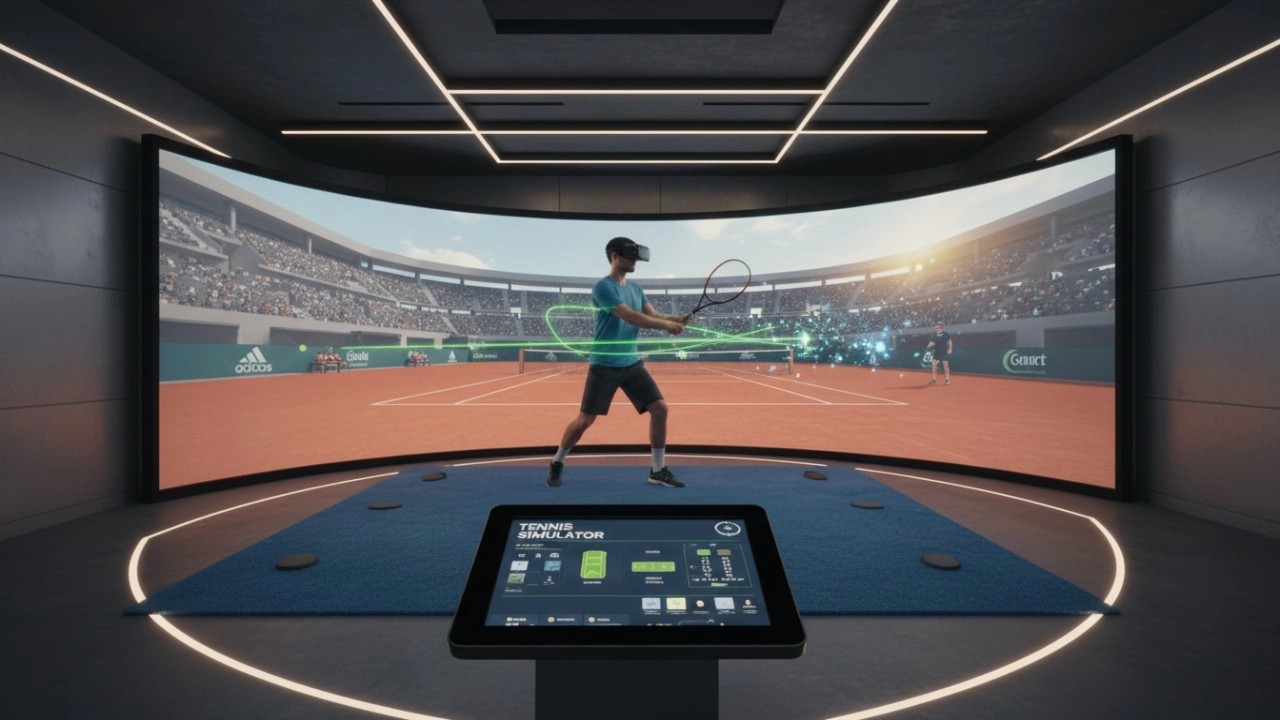
7 Reasons to Add a Tennis Simulator to Your Entertainment Venue Instead of Traditional Training Models (2026 Guide)
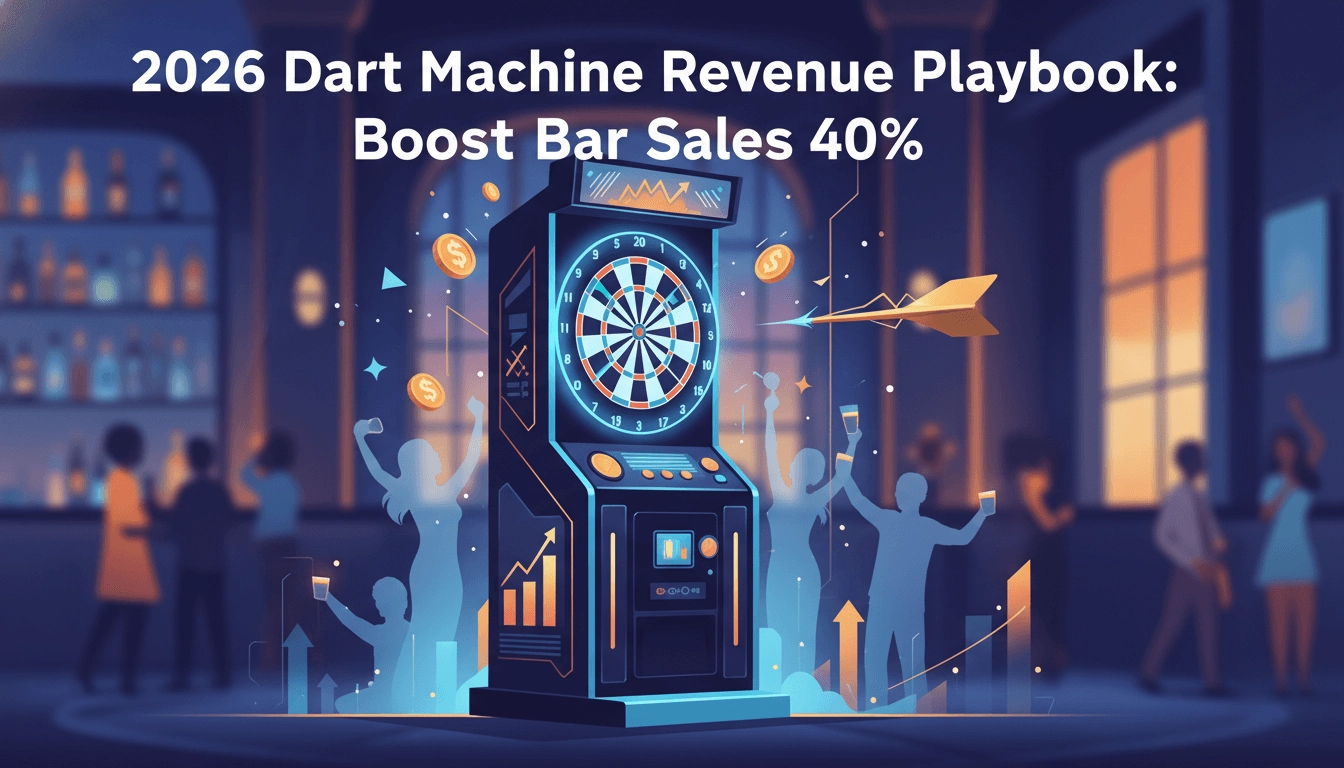
The 2026 Dart Machine Revenue Playbook: Boosting Mid-Week Sales by 30%-40% with Competitive Socializing
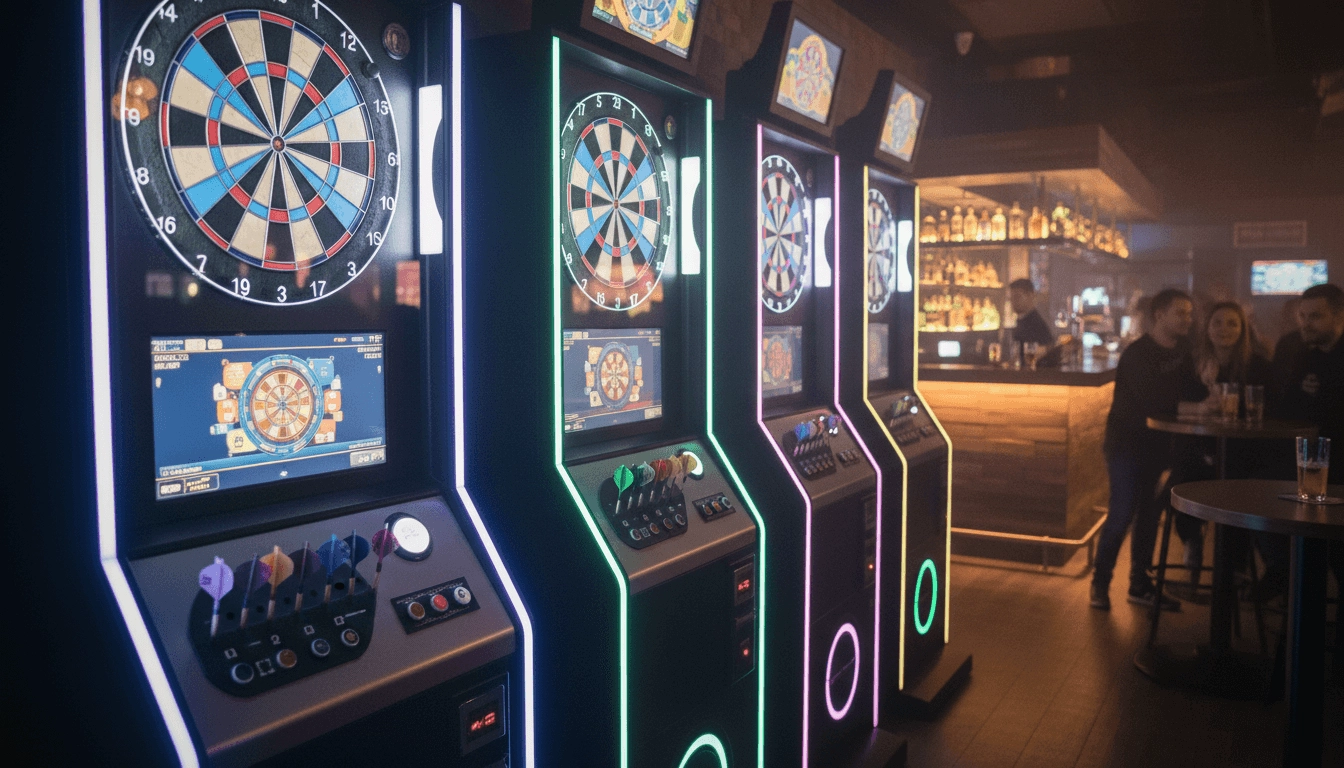
Redefining Competitive Socializing: Ultimate Guide to Selecting an Intelligent Dart Machine 2026
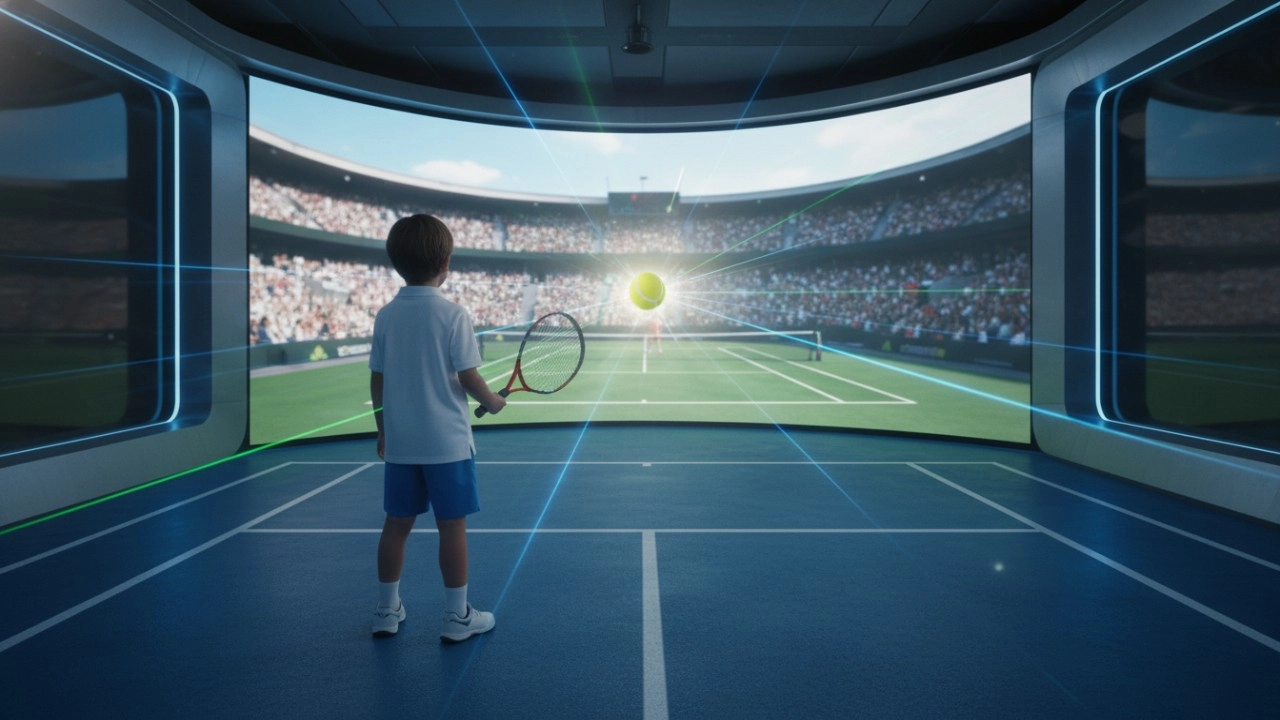
Tennis Simulators in 2026: The Ultimate Guide to Virtual Courts and Advanced Training

Top 15 Dart Machine Manufacturers in 2026
Products
How to judge the quality of live firing equipment good or bad?
Check the firearm itself and the supporting targeting system, the reliability of the equipment in use such as continuous shooting, adaptability to the bad environment, the equipment's material technology and operating comfort, etc.
FAQ
What is the of process of design, construction and operation of digital sports entertainment hall?
The general steps for the design, construction and operation process of a digital sports entertainment center. Each step needs to be carefully planned and executed to ensure the smooth opening and long-term development of the digital sports entertainment center.
Infrared Shooting
What is the difference between purchasing equipment for commercial operations and personal training?
Commercial operations should consider the durability, ease of operation, and attractiveness of the equipment, and it is preferable to choose cool-looking equipment that can withstand high-frequency use.
Interactive Rollerball
How to attract customers when operating the program in shopping malls?
Create a cool venue decoration style and incorporate trendy elements, such as fluorescent light strips and anime-themed murals. o Launch diversified marketing models such as parent-child packages and couple packages, combined with time-limited promotional activities, such as half-price experience in the first three days of opening, to attract different groups of people such as families and couples to stop by and participate.
Golf Simulator
How to reduce operating costs?
Starting with equipment procurement, choose cost-effective, durable and easy-to-maintain products, which can save money for subsequent maintenance. Reasonable arrangement of staff, reduce the number of staff on duty during off-peak hours, train staff to have multi-skills, such as being able to operate the equipment and guide customers part-time, to improve the efficiency of manpower and reduce manpower costs.
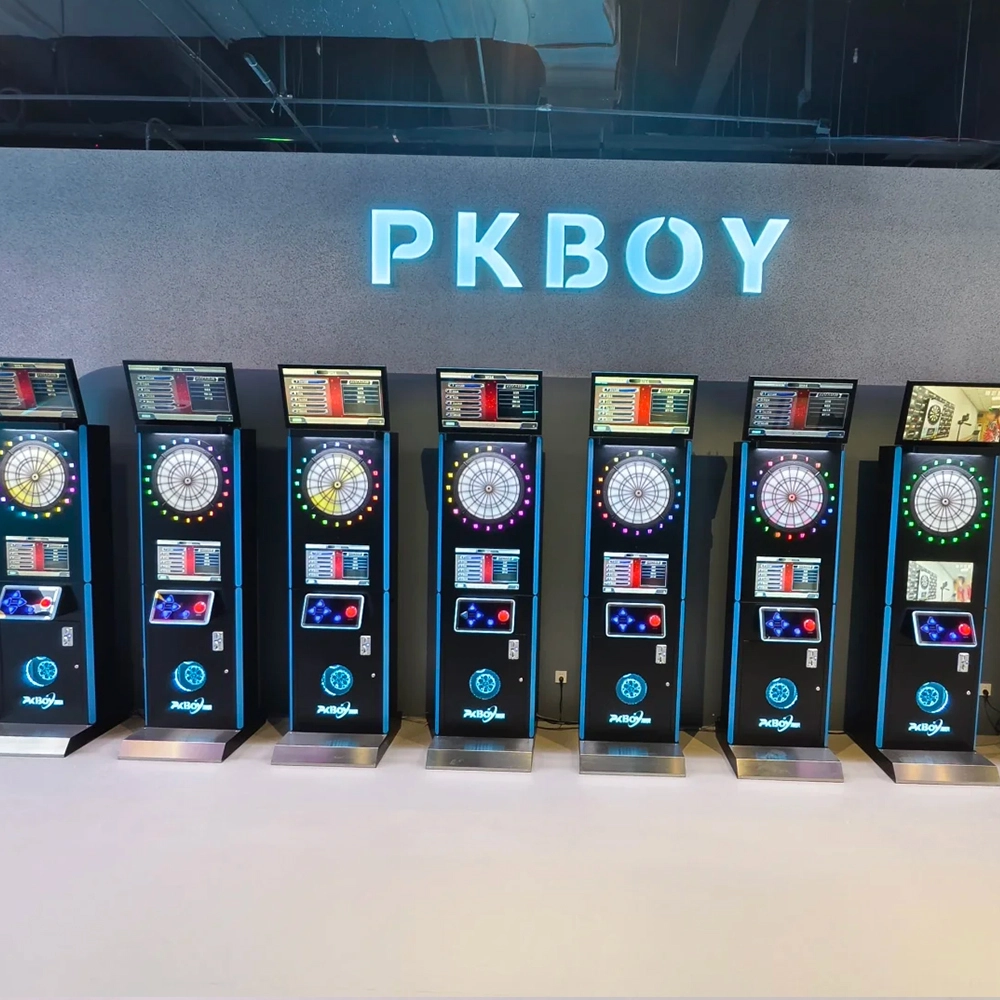
Dart Machines Bar Dart Machines
Joy Power is full of fun and excitement in the playground! The dart machine is suitable for all kinds of places, whether it is a bar, restaurant, KTV, or other entertainment venue, or a sports shop, club, or family leisure space, and can be perfectly adapted. In commercial venues, holding individual and team darts tournaments from time to time can attract more customers and increase the popularity and revenue of the venue, supplemented by various preferential activities, which can directly promote consumption and form a cycle of consumption of all the goods in the shop.
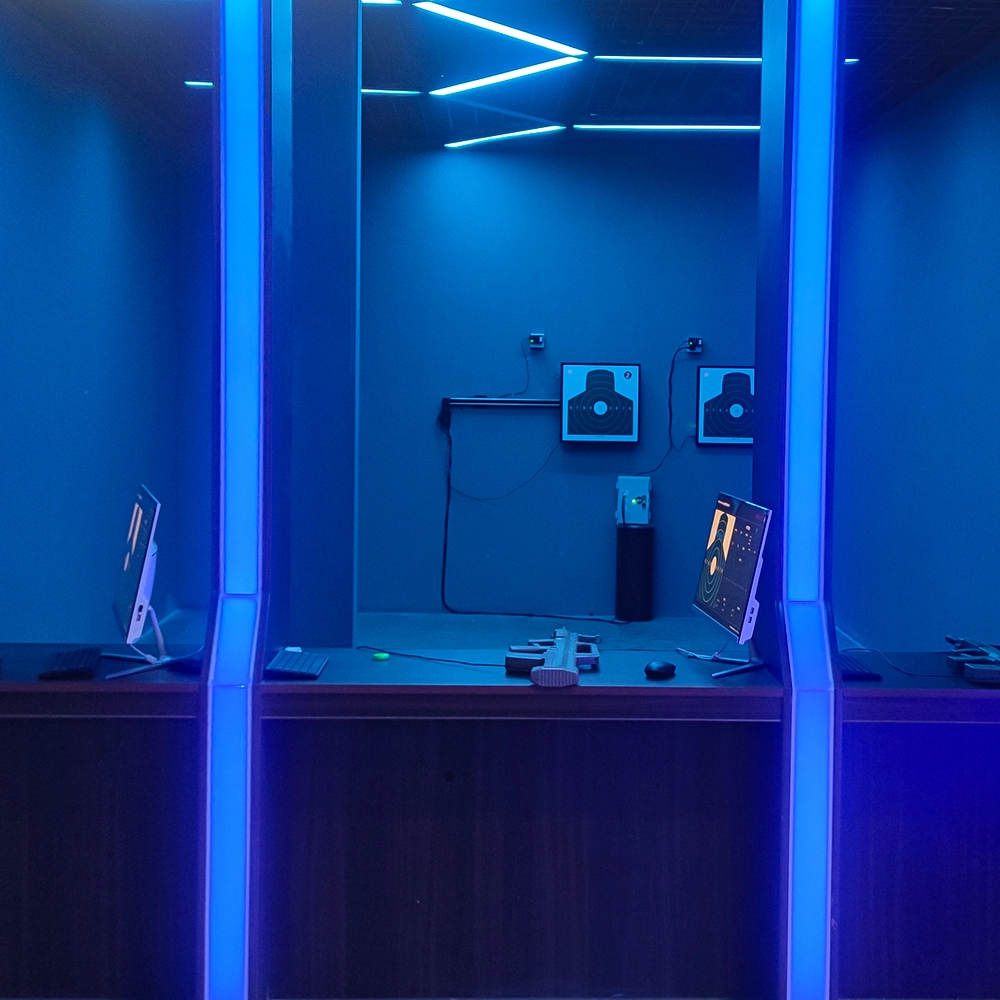
Infrared Shooting
Highly simulated simulation training analysis equipment, with advanced design concepts, fast system development, ease of operation and use, stable technical performance, less consumption of training, site dependence on a small group training is highly interesting, safe, and reliable, and other outstanding features. Product design to solve the basic skills of light weapons precision shooting as a starting point, to improve the safety of shooting training and training efficiency as the fundamental purpose, highlighting the simulation, information technology, and combat training requirements, can be in small indoor and outdoor venues and does not use live ammunition to complete the basic shooting training.
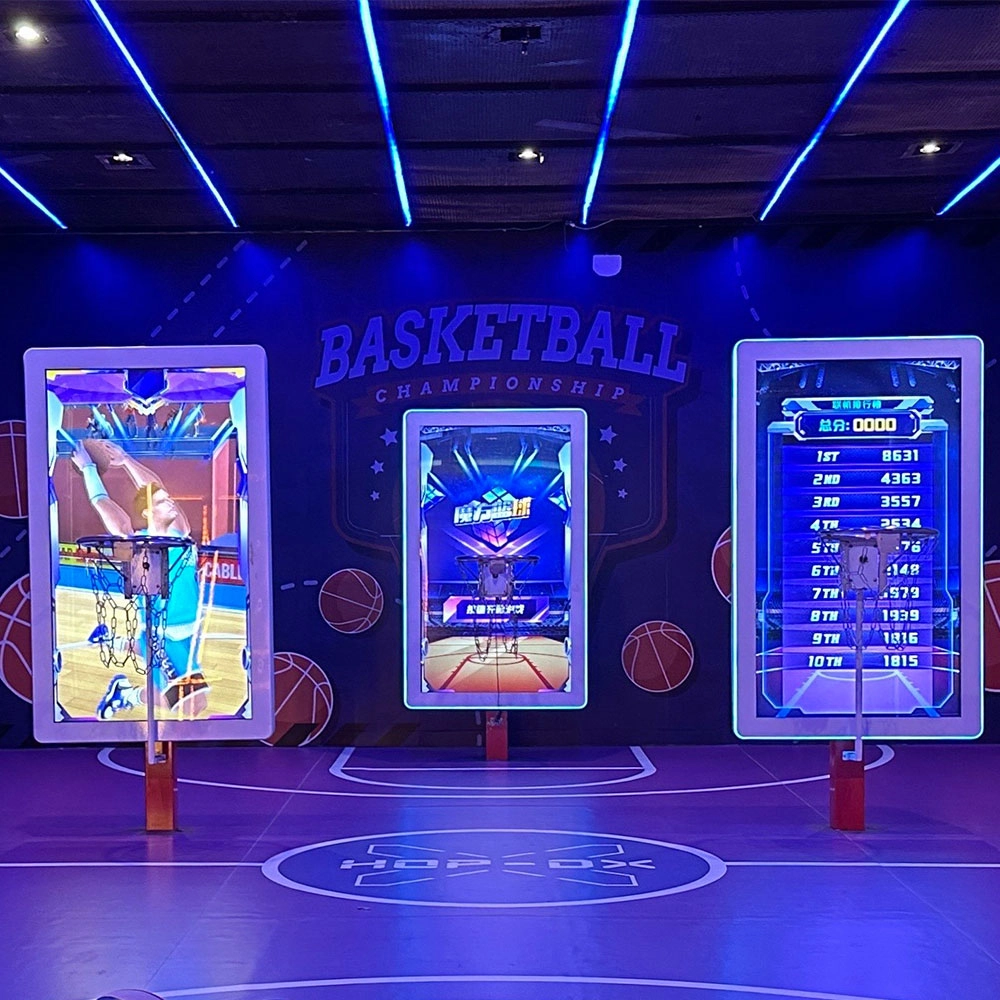
Multi-Player Interactive Shooting Machine
Joy Power is full of fun and exciting playgrounds! The basketball shooting machine is a classic amusement device integrating competition, entertainment, and interactivity. Based on the traditional basketball shooting sport, it integrates electronic scoring, sound and light effects, and challenge mechanisms to bring players an immersive game experience. The main body of the equipment is usually built with a metal frame, equipped with a standard-sized basket and a sturdy rim, with multiple sets of sensors to accurately capture the trajectory of the shot; when the player shoots the ball, the machine's built-in sensors count the score in real time and present the score, remaining time, and challenge goals through the LED display or LCD screen, with exciting sound effects and colorful lights to create a tense and exciting gaming atmosphere.
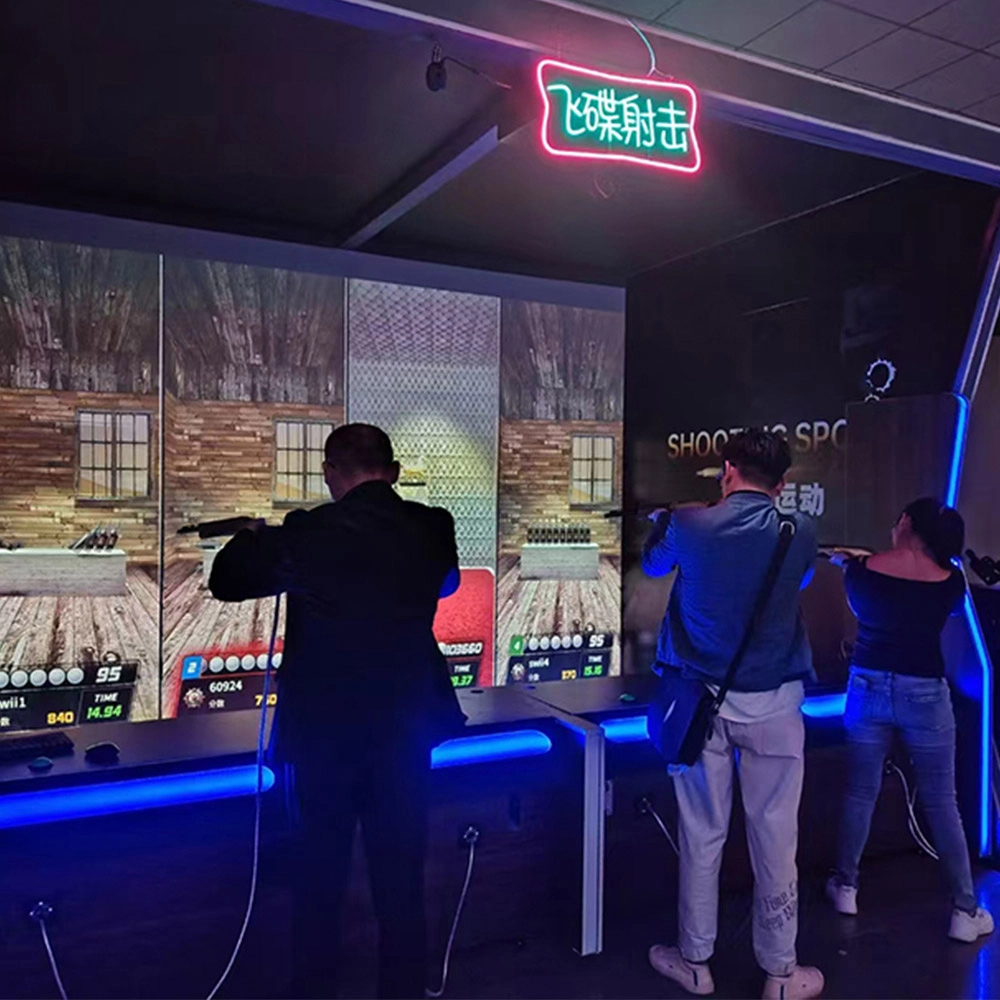
Indoor Wave Play Disc Shooting Equipment
Joy Power is full of fun and exciting playgrounds! The saucer shooting equipment in the indoor hip play hall is an immersive entertainment device integrating high-definition projection scenes, simulated air rifles, and multi-mode interactive gameplay, which allows players to experience the excitement of virtual shooting and the fun of social competition through laser-sensing scoring and multi-sensory feedback.
Ready to take your venue to the next level?
Leave us a message here, and our team will get back to you promptly.
Whether you're interested in custom orders, technical specifications, or partnership opportunities, we're here to assist you.
© 2025 FUNTECH ALL RIGHTS RESERVED

Weixia Lei
Fun_Tech-s
fun_tech20