
Single or multi-board: which arcade dart machine for sale?
- 1) For a small bar with limited floor space and peak crowds, will a single-board e-dart machine actually deliver steady revenue or is a multi-board required?
- 2) How much downtime and maintenance should I budget for when buying an arcade dart machine for sale — and which parts fail most often?
- 3) What are the precise network and payment integration pitfalls when buying arcade dart machines for sale that support cashless payments and online leaderboards?
- 4) How do I forecast realistic ROI (breakeven timeline) for a specific arcade dart machine for sale in a family entertainment center (FEC) vs. a sports bar?
- 5) For regulatory and safety reasons: should a venue choose soft-tip electronic darts over traditional steel-tip boards for an indoor arcade setting?
- 6) When comparing single- vs multi-board arcade dart machines for sale, what hidden long-term costs do operators often miss?
Author: Digital Sports Entertainment specialist with extensive SEO, and industry experience. This guide answers 6 hard-to-find, venue-focused questions about buying an arcade dart machine for sale — covering single vs multi-board selection, real operational pain points, maintenance realities, connectivity, cashless payment integration, and space/safety compliance. Semantic terms like electronic dartboard machine, coin-operated dart machines, soft-tip electronic darts, multi-player dart cabinet and cashless payment system are used throughout.
1) For a small bar with limited floor space and peak crowds, will a single-board e-dart machine actually deliver steady revenue or is a multi-board required?
Why this matters: Many small bars buy the cheapest single-board electronic dart machine hoping for quick revenue, then face long queues, frustrated customers and lost bar sales. The right choice depends on throughput modeling, not just price.
How to evaluate (step-by-step):
- Estimate peak occupancy: determine the number of patrons who will realistically want to play simultaneously during peak hours (happy hour, game nights). Use guest counts and observation — e.g., if 40 patrons and 5% play at any time, expect 2–3 concurrent players.
- Calculate play-cycle duration: average casual e-dart sessions in bars are often 8–15 minutes including socializing and ordering; tournament-style plays are shorter per game but repeated. Use 10 minutes as a conservative average for casual pub play.
- Throughput math: with 10-minute sessions, one single-board can handle about 6 sessions per hour. If peak demand consistently exceeds that, expect queues and lost revenue.
- Compare incremental revenue to cost: multi-board cabinets (2 or more independent boards) raise throughput proportionally. Evaluate whether extra revenue during peak hours justifies higher upfront cost and slightly higher maintenance. For many busy neighborhood bars that host leagues or trivia nights, a two-board cabinet often increases playable seats by ~80–100% without doubling footprint.
Practical recommendation: If your venue regularly hosts tournaments or expects more than ~6–8 unique plays per peak hour, invest in multi-board or a dual-cabinet setup. If peak demand rarely exceeds that threshold and space is tight, a high-quality single-board electronic dart machine (with robust coinless/cashless payment options) is sufficient and more cost-efficient.
2) How much downtime and maintenance should I budget for when buying an arcade dart machine for sale — and which parts fail most often?
Why this matters: Underestimating service needs leads to unexpected revenue loss and poor guest experience. Many online answers list generic maintenance tips but not realistic downtime and parts-failure patterns.
Observed failure patterns in electronic soft-tip dart cabinets:
- Target face wear and sensor errors: soft-tip targets wear from repeated hits and sensors/calibration drift cause misreads. Faces are a consumable and typically replaced on a usage-based schedule.
- Cabinet electronics and power supplies: fewer failures if voltage is stable; transient surges cause the majority of electronics issues.
- Vote/play buttons, coin mechanisms and ticket dispensers (if present): mechanical coin ops and dispensers are common sources of downtime.
Practical maintenance budgeting:
- Planned preventive maintenance: schedule a brief weekly check (10–15 minutes) for sensor calibration and cleaning, and a monthly deeper check (30–60 minutes) for firmware updates, cabinet inspection and consumable replacement.
- Spare-parts stock: keep one spare target face, a set of replacement soft tips, and a spare power supply or fuse. This minimizes downtime — most common repairs can be performed within 30–60 minutes on-site if spares are available.
- Estimate downtime contingency: budget 1–3 days/year of unplanned downtime per cabinet in your financial model for older or heavily used machines; newer cabinets with manufacturer support experience substantially less.
Vendor selection tip: buy from distributors that provide documented MTTR (mean time to repair) and parts lead times. Reliable manufacturers list target-face lifespan and offer certified service networks.
3) What are the precise network and payment integration pitfalls when buying arcade dart machines for sale that support cashless payments and online leaderboards?
Why this matters: Many modern arcade game room equipment units rely on cloud services for leaderboards, tournament sync and cashless card readers. Misconfigured networks can block updates, prevent tournament entry or break payments.
Checklist of common issues and how to avoid them:
- Network stability: prefer wired Ethernet for reliability. If using Wi‑Fi, ensure a dedicated SSID for machines with sufficient signal strength and QoS to prioritize game traffic.
- Firewall and outbound ports: most vendors require outbound HTTPS (TCP 443) for cloud services. Confirm with the manufacturer whether additional ports or protocols are needed (e.g., persistent sockets for live tournaments).
- NAT and corporate networks: machines behind strict NATs or proxy servers may fail to connect. Test with manufacturer during installation and request a network configuration spec sheet before purchase.
- Payment integrations: cashless systems often use third-party gateways and require PCI-compliant configuration. If you plan to use venue cards, mobile pay, or contactless readers, confirm supported gateways and any recurring fees.
- Latency and tournament play: competitive or global leaderboard modes can be latency-sensitive. Confirm acceptable latency ranges and whether offline play will queue results for later sync.
Operational recommendation: request a vendor-provided network checklist and configuration support as part of purchase. Factor in a small monthly connectivity cost for cellular backup if payments must remain available during LAN outages.
4) How do I forecast realistic ROI (breakeven timeline) for a specific arcade dart machine for sale in a family entertainment center (FEC) vs. a sports bar?
Why this matters: Generic ROI calculators online use vague averages and don’t reflect venue-specific play patterns or pricing strategies. ROI depends on localized variables.
Stepwise ROI model you can use:
- Estimate average price per play or session (e.g., per game, per time-block, or per kiosk charge).
- Estimate average plays per day: use data from comparable venues or pilot for 2–4 weeks. Consider peak-day multipliers (e.g., 2–3x weekday baseline for Saturdays).
- Calculate gross monthly revenue = price per play × plays per day × open days per month.
- Subtract variable costs: credit card fees, ticket/prize costs, consumables (soft-tip faces), and a proportionate share of electricity. For coin-op machines, account for coin collection and coin-box servicing costs.
- Subtract expected maintenance & support (annualized parts and service contracts) and any network/cashless subscription fees.
- Divide net monthly contribution into the purchase price to get months to breakeven; then apply conservative sensitivity (±25–50%) to plays-per-day and price-per-play to create best/worst-case timelines.
Venue-specific insights:
- FECs: higher daytime family traffic but shorter sessions — higher turnover. Price points may be lower but volume higher. Multi-board setups can perform very well if machines are sited near prize redemption or food.
- Sports bars: more evening traffic, longer dwell times. Higher willingness to pay during events (consider dynamic pricing for big matches). A championship or league night can dramatically improve ROI if the machine supports tournament modes.
Real-world tip: run a 2–4 week pilot (if vendor offers rental/demo) and collect actual plays per day to refine your model. Many operators find their initial forecasts change by 20–40% after real data.
5) For regulatory and safety reasons: should a venue choose soft-tip electronic darts over traditional steel-tip boards for an indoor arcade setting?
Why this matters: Safety, insurance, local regulations and liability concerns can be deal-breakers. Online answers often ignore insurance statements and local code variations.
Key considerations:
- Safety & insurance: soft-tip electronic darts reduce puncture risk and are generally viewed more favorably by insurers for family-focused venues. Check your liability policy — many commercial policies explicitly call out acceptable equipment types and any endorsements required.
- Local regulations: some jurisdictions limit steel-tip play in mixed-use indoor entertainment spaces because of injury risks. Confirm local code enforcement and landlord rules.
- Venue demographics: family entertainment centers, arcades and FECs usually require soft-tip e-dart machines. Sports bars and dedicated pubs sometimes prefer steel-tip for traditional leagues — but then require protective surrounds and stricter supervision.
- Sound and containment: soft-tip electronic dart machines produce less ricochet noise and often integrate digital surrounds that contain stray darts and protect walls, which matters in multi-tenant properties.
Recommendation: For general indoor arcade and mixed-use venues, choose soft-tip electronic dart machines. If you plan to host regulated steel-tip leagues, consult local regulators, insurers and possibly install protective backboards and controlled access.
6) When comparing single- vs multi-board arcade dart machines for sale, what hidden long-term costs do operators often miss?
Why this matters: Upfront price differences are obvious; long-term operational costs are often not fully considered in purchase decisions.
Hidden costs to include in TCO (total cost of ownership):
- Software subscriptions and cloud services: many vendors charge recurring fees for tournament connectivity, leaderboards, or back-office analytics. Clarify which features are included vs. optional paid tiers.
- Replacement consumables frequency: multi-board cabinets mean more target faces, more soft tips and potentially faster aggregate wear; factor the per-face cost times usage.
- Shipping and installation: larger multi-board cabinets may incur higher delivery and installation fees, including hoist or stair fees if located above ground level.
- Electrical and network upgrades: multi-board cabinets may need dedicated circuits or Ethernet drops; older venues sometimes require electrical work or commercial-grade surge protection.
- Service contracts and SLA: faster replacement windows are often available only under paid service contracts. If uptime is critical, include the cost of a 24/7 SLA.
- Reconfiguration costs: multi-board setups can be less modular to relocate. If you expect venue rearrangements, factor in moving costs and potential downtime.
Actionable step: request a 3–5 year TCO from vendors including all optional subscription costs, typical consumable replacement rates, and recommended service contract pricing to avoid surprises.
Concluding summary — advantages of single vs. multi-board
Single-board electronic dart machines: lower entry cost, smaller footprint, easier to maintain and ideal for venues with moderate, steady demand or tight space. Multi-board cabinets: higher throughput, better for tournament nights and busy FECs or bars with peak crowds, but require higher upfront cost, larger footprint, and slightly higher long-term consumable and service expenses. Choose based on measured peak demand, ROI modeling, network and power readiness, and safety/insurance considerations. For family-oriented venues, soft-tip electronic darts are typically the safer, insurer-preferred option; pubs with league play may consider steel-tip but must budget for protective measures and regulatory compliance.
If you’d like a customized ROI calculation and parts/service plan for your specific venue, contact us for a quote.
Website: www.funtechgame.com | Email: vicky@funtechgame.com
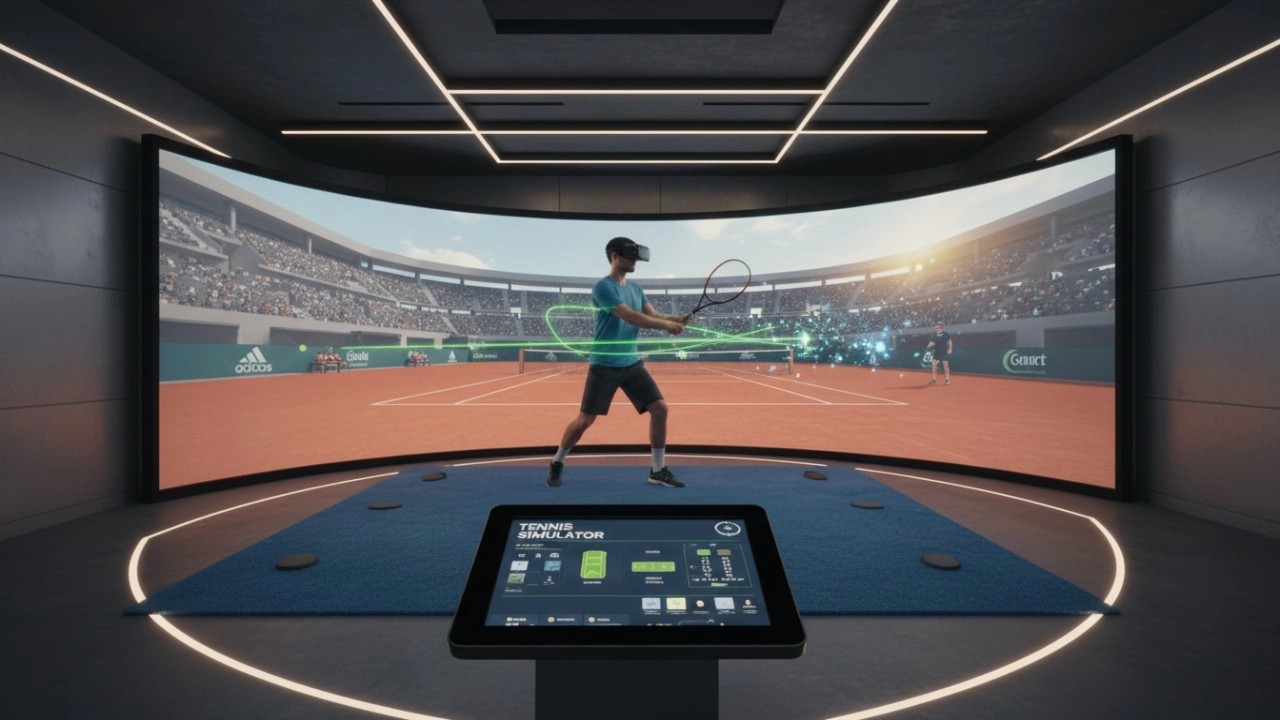
7 Reasons to Add a Tennis Simulator to Your Entertainment Venue Instead of Traditional Training Models (2026 Guide)
The 2026 Dart Machine Revenue Playbook: Boosting Mid-Week Sales by 30%-40% with Competitive Socializing
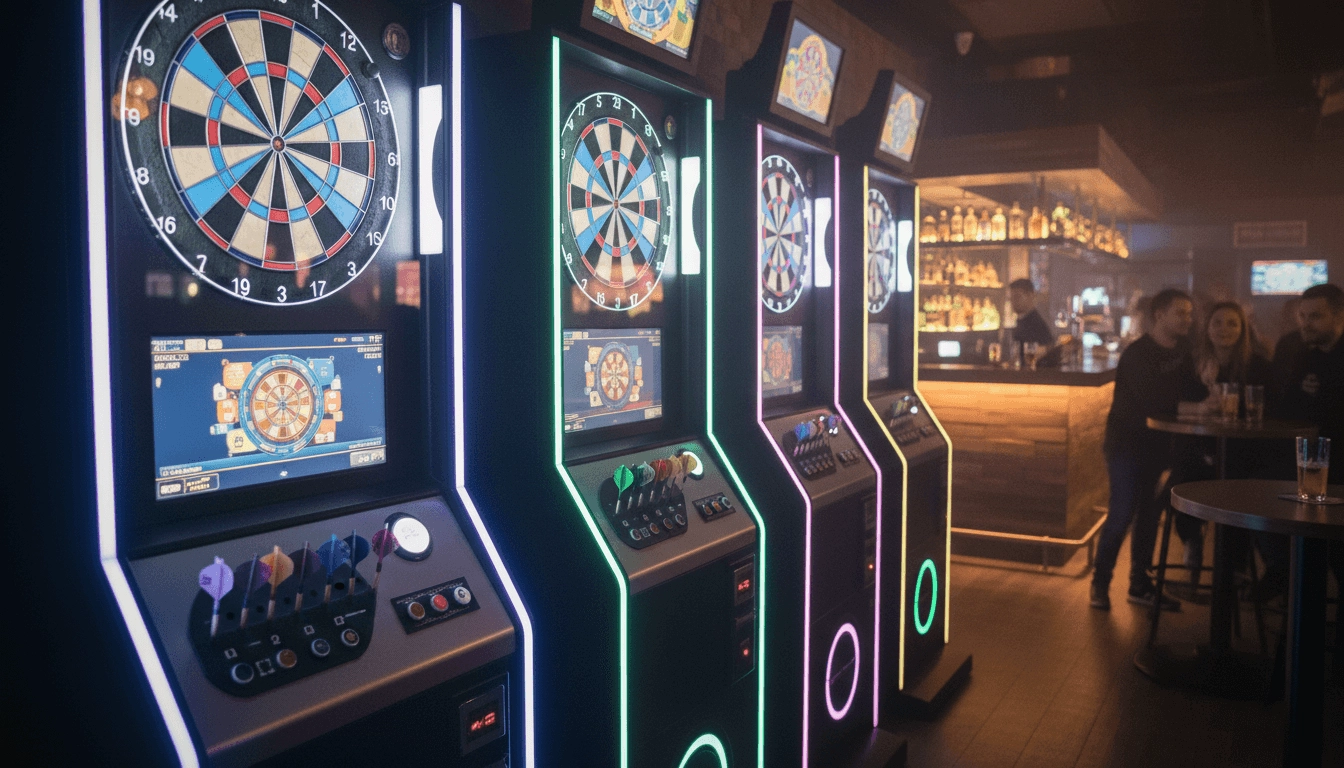
Redefining Competitive Socializing: Ultimate Guide to Selecting an Intelligent Dart Machine 2026
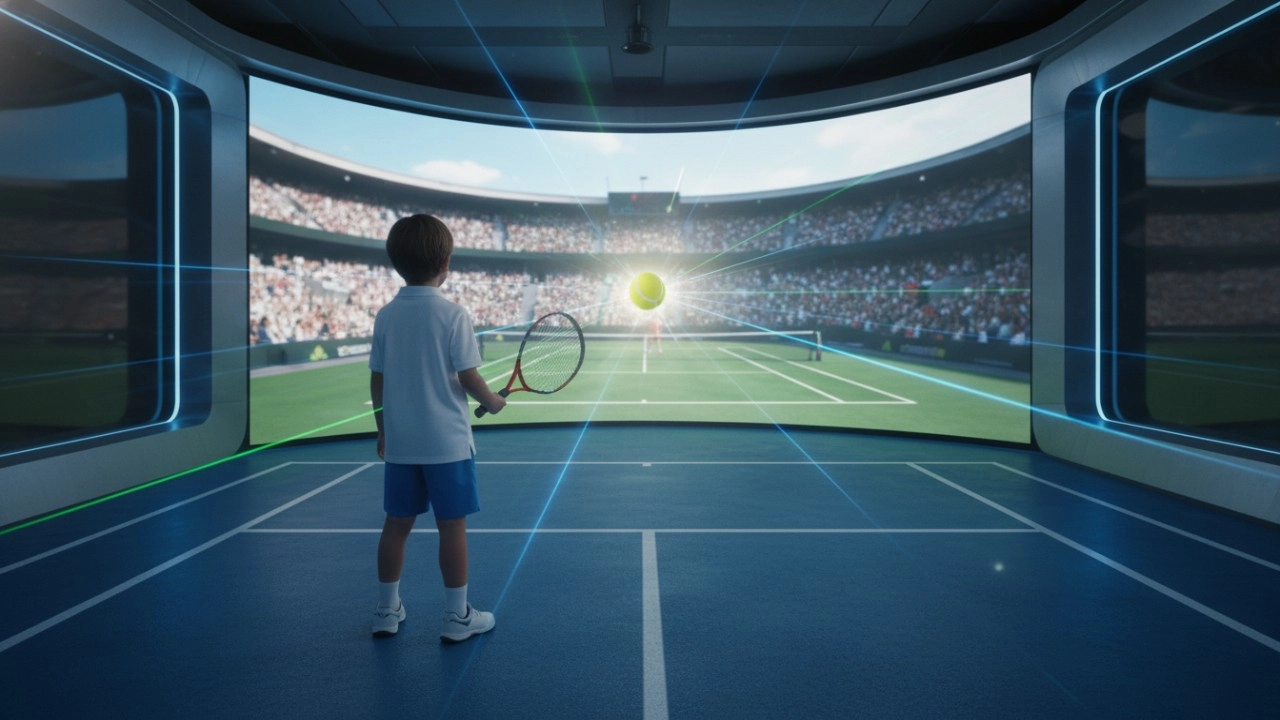
Tennis Simulators in 2026: The Ultimate Guide to Virtual Courts and Advanced Training

Top 15 Dart Machine Manufacturers in 2026
Dart Machines Bar Dart Machines
Why are sports arcades a hot spot for investment?
The traditional entertainment market (e.g., arcade, KTV) has become less attractive to generations, while digital hip playgrounds integrating technology, sports, and socialization are more in line with young people's needs, and the market size has exceeded 50 billion in 2023, with an annual growth rate of more than 30%.
Infrared Shooting
How to attract customers when operating the program in shopping malls?
Create a cool venue decoration style and incorporate trendy elements, such as fluorescent light strips and anime-themed murals. o Launch diversified marketing models such as parent-child packages and couple packages, combined with time-limited promotional activities, such as half-price experience in the first three days of opening, to attract different groups of people such as families and couples to stop by and participate.
What is the difference between purchasing equipment for commercial operations and personal training?
Commercial operations should consider the durability, ease of operation, and attractiveness of the equipment, and it is preferable to choose cool-looking equipment that can withstand high-frequency use.
Interactive Rollerball
What are the after-sales services after purchasing the equipment?
Generally, a 1-year warranty is provided. During the warranty period, parts damaged due to quality problems, such as motor failure, display problems, etc., will be repaired or replaced free of charge. There will also be technical support, including equipment installation and debugging guidance, operation training, to ensure the smooth use of the user, after-sales response time is usually within 24 - 48 hours.
Golf Simulator
How often does simulated golf equipment require maintenance?
For daily use, simple monthly maintenance is sufficient, such as a simple cosmetic cleaning and function check after use. Quarterly maintenance can be more comprehensive.
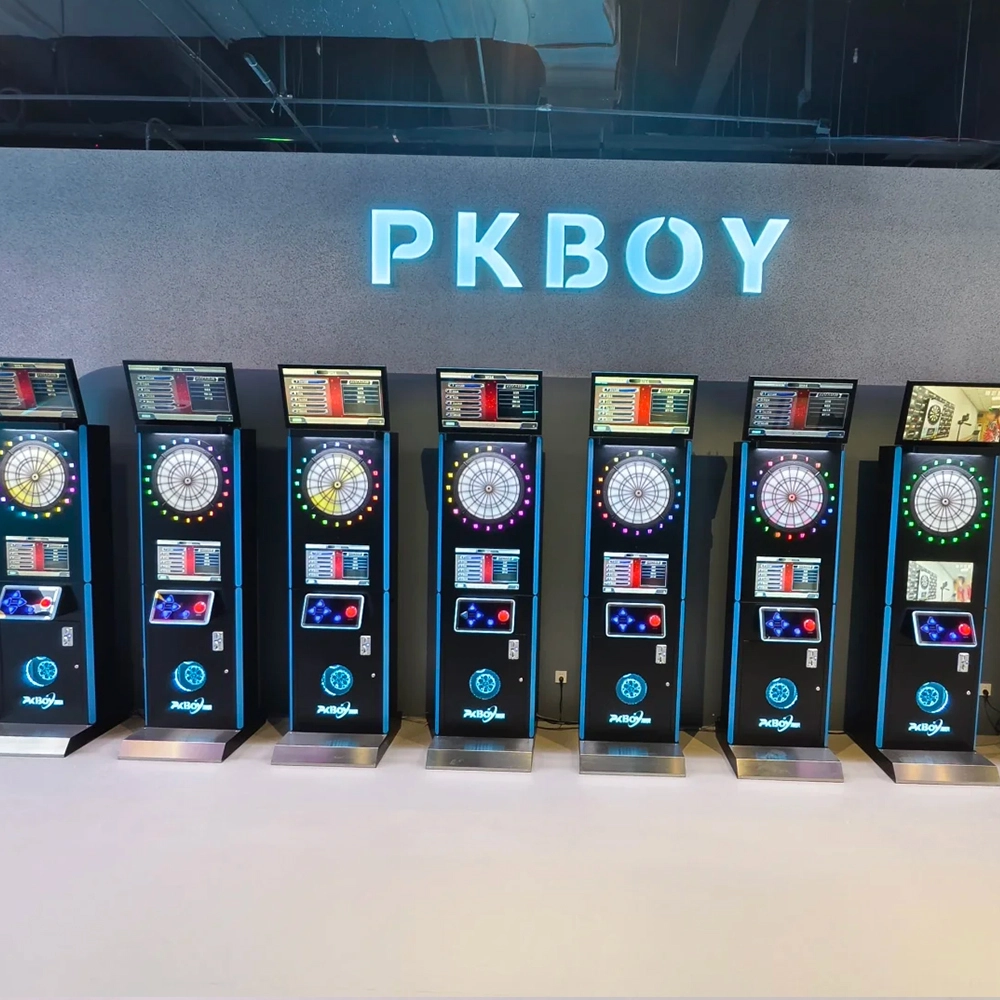
Dart Machines Bar Dart Machines
Joy Power is full of fun and excitement in the playground! The dart machine is suitable for all kinds of places, whether it is a bar, restaurant, KTV, or other entertainment venue, or a sports shop, club, or family leisure space, and can be perfectly adapted. In commercial venues, holding individual and team darts tournaments from time to time can attract more customers and increase the popularity and revenue of the venue, supplemented by various preferential activities, which can directly promote consumption and form a cycle of consumption of all the goods in the shop.
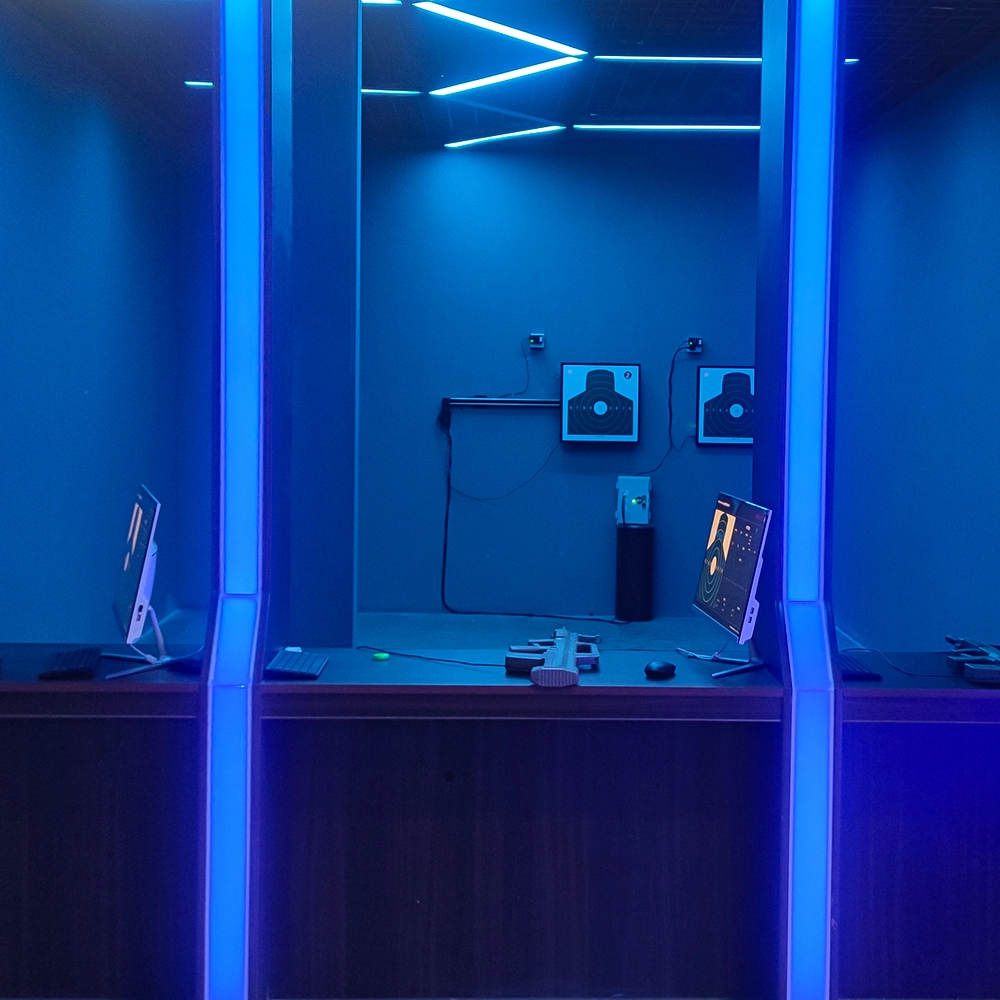
Infrared Shooting
Highly simulated simulation training analysis equipment, with advanced design concepts, fast system development, ease of operation and use, stable technical performance, less consumption of training, site dependence on a small group training is highly interesting, safe, and reliable, and other outstanding features. Product design to solve the basic skills of light weapons precision shooting as a starting point, to improve the safety of shooting training and training efficiency as the fundamental purpose, highlighting the simulation, information technology, and combat training requirements, can be in small indoor and outdoor venues and does not use live ammunition to complete the basic shooting training.
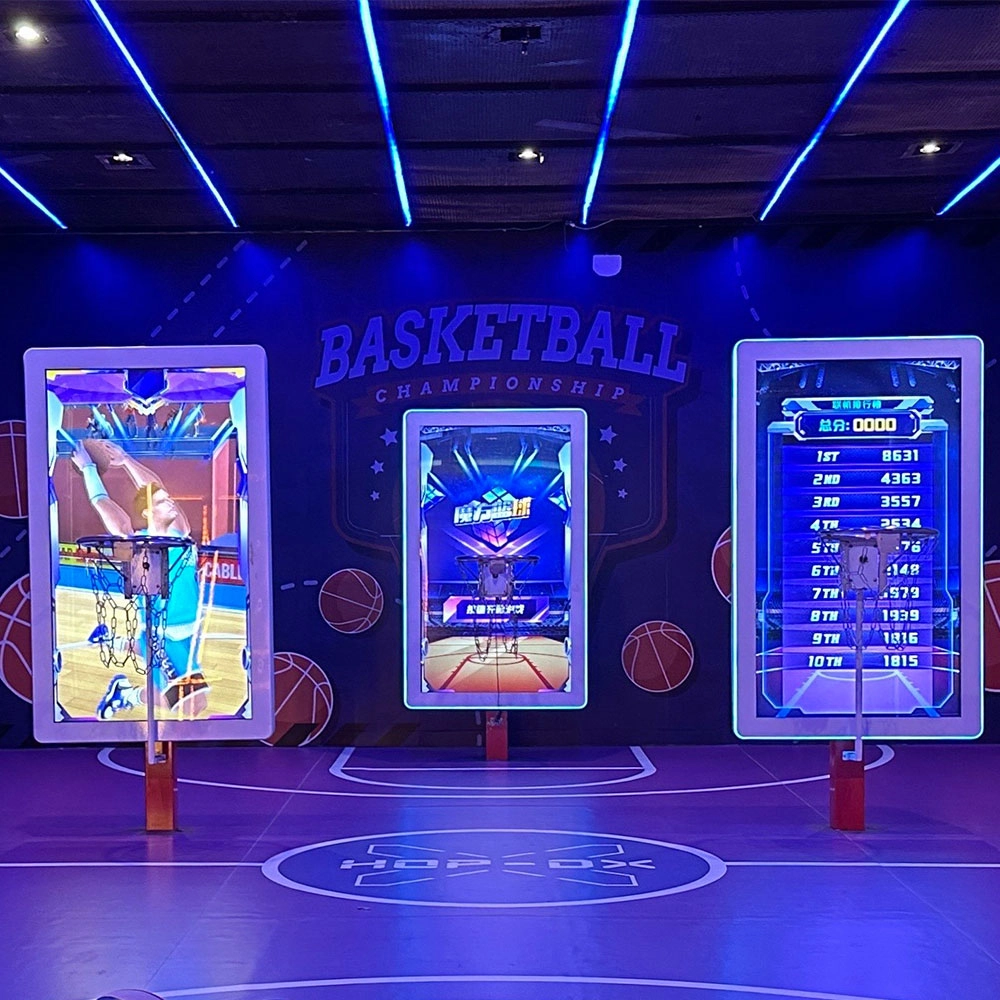
Multi-Player Interactive Shooting Machine
Joy Power is full of fun and exciting playgrounds! The basketball shooting machine is a classic amusement device integrating competition, entertainment, and interactivity. Based on the traditional basketball shooting sport, it integrates electronic scoring, sound and light effects, and challenge mechanisms to bring players an immersive game experience. The main body of the equipment is usually built with a metal frame, equipped with a standard-sized basket and a sturdy rim, with multiple sets of sensors to accurately capture the trajectory of the shot; when the player shoots the ball, the machine's built-in sensors count the score in real time and present the score, remaining time, and challenge goals through the LED display or LCD screen, with exciting sound effects and colorful lights to create a tense and exciting gaming atmosphere.
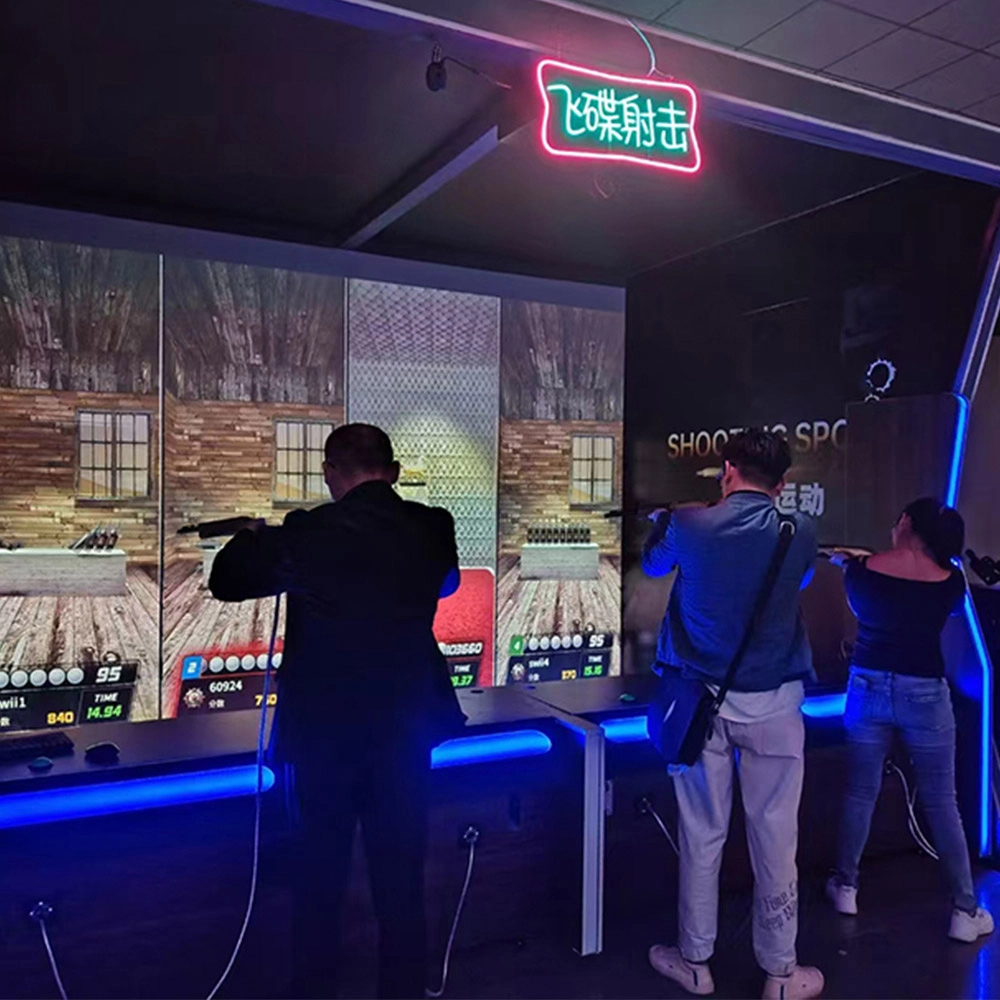
Indoor Wave Play Disc Shooting Equipment
Joy Power is full of fun and exciting playgrounds! The saucer shooting equipment in the indoor hip play hall is an immersive entertainment device integrating high-definition projection scenes, simulated air rifles, and multi-mode interactive gameplay, which allows players to experience the excitement of virtual shooting and the fun of social competition through laser-sensing scoring and multi-sensory feedback.
Ready to take your venue to the next level?
Leave us a message here, and our team will get back to you promptly.
Whether you're interested in custom orders, technical specifications, or partnership opportunities, we're here to assist you.
© 2025 FUNTECH ALL RIGHTS RESERVED

Weixia Lei
Fun_Tech-s
fun_tech20