
What lead time to expect for arcade dart machines for sale?
- 1) How much total landed cost (unit + shipping + duties + setup) should I budget when buying an arcade dart machine for sale for the US, EU or Australia?
- 2) What lead time to expect for arcade dart machines for sale?
- 3) How do I verify factory quality and E-E-A-T before buying an arcade dart machine for sale (audits, certifications, and verification steps)?
- 4) What maintenance plan and spare-parts stock should I prepare to minimize downtime for arcade dart machines in a high-traffic venue?
- 5) What payment terms, MOQ and timeline should I expect for custom-branded arcade dart machines for sale?
- 6) Can I integrate cashless payments and remote revenue tracking on arcade dart machines, and what are the technical and cost considerations?
- Conclusion — Advantages of buying commercial arcade dart machines and working with a qualified supplier
Arcade Dart Machine for Sale — Practical Buying Guide for Operators
As a location-based entertainment operator or distributor evaluating an arcade dart machine for sale, you need precise, actionable answers — not vague marketing copy. Below are six frequently asked, pain-point questions beginners and procurement teams still struggle to find authoritative answers to, followed by in-depth, practical guidance based on manufacturer norms, industry practice and compliance expectations.
1) How much total landed cost (unit + shipping + duties + setup) should I budget when buying an arcade dart machine for sale for the US, EU or Australia?
Why this matters: Operators routinely under-budget for freight, import duties and local setup. Landed cost determines pricing, ROI timelines and deployment plans.
Practical approach and typical ranges:
- Unit price (new, commercial electronic dart machines): typical range US$1,500–US$6,000 depending on features (soft-tip vs steel-tip conversion, LED wrap, dual-player modes, cashless kit, cabinet finish). Request itemized quotes from suppliers.
- Freight: lightweight consolidated sea freight or LCL is the most common for single units — budget US$200–US$800 per unit inland-to-port + US$400–US$1,500 international sea freight per unit depending on origin, dimensions and season. Air freight options shorten lead time but can be 3–8x sea cost.
- Import duties and VAT/GST: classification for arcade machines generally falls under customs categories for amusement machines (consult your customs broker). Duties vary by country; EU/VAT and Australia/GST are applied on landed value. As an example approach, estimate 0–5% duty + local VAT/GST (10%–25%) on product+freight+insurance until you confirm exact HS code.
- Local costs: customs clearance fees, port handling, inland transport to venue, installation labor and testing — typically US$150–US$800 per machine depending on distance and installation complexity.
- Setup & commissioning: expect and budget for one technician day per machine for placement, power connection, calibration, and training; hourly rates vary by market.
How to calculate quickly: request a pro-forma invoice from the supplier including FOB or EXW terms, then ask a customs broker for duties and VAT on your intended import country and include freight, insurance (CIF if provided) and local handling to get a reliable landed cost.
2) What lead time to expect for arcade dart machines for sale?
Why this matters: timing affects launch promotions, location rollouts and cashflow. In stock claims can be misleading for customized or high-demand models.
Typical lead-time components and expectations:
- Stock units (ready inventory): immediate to 7–14 days for inspection, payment clearance and door delivery. This applies only to standard models held in regional warehouses.
- Standard factory production (no customization): 4–8 weeks is common for established factories producing commercial-grade electronic dartboards and arcade cabinets.
- Custom finishes, logos or bespoke game software: add 2–6 weeks depending on artwork approval, tooling or software localization. Small-run cabinet print setups create the biggest delays.
- Shipping time: sea freight adds 2–6 weeks typical for Asia→US/EU/AU depending on port pair, routing and seasonal congestion; air freight 3–10 days if urgently required.
- Typical end-to-end timeline examples:
- Stock unit in EU warehouse to door: 3–10 days.
- Factory-made standard model China → US (sea): 6–12 weeks total (4–8 weeks production + 2–4 weeks sea and clearance).
- Custom-branded run (10+ units) Asia → Australia: 10–16+ weeks.
How to reduce lead time: choose stocked models, limit customization, pay for air freight for last-minute needs, or work with suppliers offering local assembly/fulfillment. Always secure production slots with a deposit (30% common) and get a confirmed production schedule and serial numbers for tracking.
3) How do I verify factory quality and E-E-A-T before buying an arcade dart machine for sale (audits, certifications, and verification steps)?
Why this matters: Arcade machines must withstand heavy commercial use. Verifying the supplier avoids costly downtime and warranty disputes.
Step-by-step verification checklist:
- Certifications: request copies of CE (EU), FCC or ETL (North America) and RoHS declarations applicable to electronics, and confirm the supplier can provide them for the specific model. For international sales, insist on documentation tied to the specific serial numbers delivered.
- Factory photos & videos: ask for up-to-date factory floor photos, production-line videos and a sample unit video demonstrating gameplay, coinless payment and error states.
- Third-party inspection: arrange a pre-shipment inspection (PSI) through a recognized inspector (SGS, Bureau Veritas or local equivalent). Checklist items: cabinet integrity, PCB/test report, power supply safety, LED integrity and software version validation.
- References & instal case studies: request contact details for regional customers, ask for uptime statistics and SPARE PARTS turnaround times in their region. Verified references are gold for E-E-A-T.
- Factory capabilities: verify production capacity and MOQ — ask for annual output numbers and peak-season backlog. This helps set realistic lead-time expectations.
- Warranty & spare parts policy: get written warranty terms (commonly 12 months) and guaranteed spare-parts availability windows (e.g., 2–5 years). Confirm lead times for critical spares.
Use these documents and steps to build a procurement scorecard (compliance, quality control, logistics reliability, spare part policy) before committing funds.
4) What maintenance plan and spare-parts stock should I prepare to minimize downtime for arcade dart machines in a high-traffic venue?
Why this matters: Downtime directly reduces revenue and guest experience. Small operators often don’t plan for spares, extending MTTR (mean time to repair).
Recommended preventive maintenance cadence and spares list:
- Daily: quick visual check, clear darts, test scoring, confirm coin/cashless operation.
- Weekly: software reboot and health-check (networked systems), clean cabinet surfaces and sensors, vacuum vents to avoid overheating.
- Monthly: full functional test, verify firmware versions and payment logs, clean contact points for coin acceptors or card readers.
- Yearly: calibration, replace high-wear consumables (LED strips or soft-tip surfaces), inspect power supplies and wiring harnesses.
Suggested on-site spare parts (for commercial locations with 5–20 machines):
- 1 spare power supply per 5–10 machines.
- 1 main scoring board or control PCB per 10 machines (or agreement with supplier for 48–72 hour part dispatch).
- Spare coin acceptor/validator and a spare cashless reader/module.
- Extra LED strips, mounting screws, and a small pack of replacement darts (soft-tip or steel-tip as appropriate).
Supplier SLA suggestions: negotiate a parts SLA with the manufacturer or distributor — for example, 48–72 hour regional dispatch for critical electronics or a local stocking agreement for fast-moving parts. Track MTTR and adjust spare stocking levels based on historical failure rates.
5) What payment terms, MOQ and timeline should I expect for custom-branded arcade dart machines for sale?
Why this matters: Custom branding increases perceived value but also adds cost and delays. Missing setup and MOQ expectations causes procurement friction.
Common commercial terms and practical tips:
- Payment terms: standard is 30% deposit to start production and 70% before shipment (T/T). For established buyers, some suppliers accept irrevocable LC or staged payments. For stock units, full payment on order is common.
- MOQ for customization: pure factory MOQ varies. Simple vinyl wrap or artwork: MOQ can be 1–5 units for many manufacturers, but custom cabinet molding or new tooling commonly requires higher MOQ (5–20+ units) and extra setup costs. Ask for two price tiers: sample/one-off and volume pricing.
- Artwork and approval cycle: expect 3–10 business days to finalize artwork proofs. Complex color matching or UV printing may require a color-check sample, which adds 1–2 weeks.
- Tooling & setup charges: small artwork/setup fees are normal; more invasive cabinet changes may include die or mold tooling fees. Get all setup fees in writing before deposit.
- Protect yourself: include acceptance criteria for custom work (digital mock-ups + physical sample approval) and specify rework remedies in the contract.
6) Can I integrate cashless payments and remote revenue tracking on arcade dart machines, and what are the technical and cost considerations?
Why this matters: Cashless and telemetry increase revenue transparency, reduce shrinkage and enable dynamic pricing. Implementation complexity and recurring costs are common pain points.
Integration options and costs:
- Hardware: cashless kits (card reader, contactless/NFC reader, or QR/payment terminal) typically connect via USB/serial or network. Many commercial dart machines support add-on modules. Estimate one-time hardware costs of roughly US$150–US$600 depending on brand and features.
- Connectivity: telemetry can run over Ethernet or cellular (3G/4G/5G). Cellular reduces cabling needs but adds monthly SIM/data costs (US$5–US$20+/month). Ensure stable uplink for real-time reporting.
- Software/platform fees: providers often charge either a transaction fee (1%–5%) or a monthly subscription for dashboard, remote pricing, game logs and payout reconciliation. Forecast these as ongoing OpEx when modeling ROI.
- Security & PCI: if you accept card payments, choose vendors compliant with PCI-DSS or use tokenized third-party gateways to reduce compliance scope. For contactless wallets, verify the payment provider’s certification.
- Remote management: look for platforms that offer firmware push, diagnostics, earnings per machine, and driver/venue-level reporting to reduce site visits. Confirm API availability if you need integration with your POS or central reporting tools.
Implementation tips: pilot one or two machines for 30–60 days to verify connectivity and reconciliation processes before full rollout. Negotiate capped transaction fees for high-volume locations and request clear settlement terms from the provider.
Conclusion — Advantages of buying commercial arcade dart machines and working with a qualified supplier
Commercial arcade dart machines give venues a durable, high-engagement attraction with strong repeat-play potential. Buying from a verified supplier who provides CE/ETL documentation, spare parts availability, cashless integration options and clear lead-time commitments reduces rollout risk and shortens time-to-revenue. Plan landed costs early, negotiate realistic lead times (and PSIs), and include spare parts and a cashless telemetry pilot in your deployment budget to protect uptime and revenue. For turnkey quotes, customization options or to discuss lead times and local stocking, contact us for a personalized proposal.
Contact: www.funtechgame.com • vicky@funtechgame.com
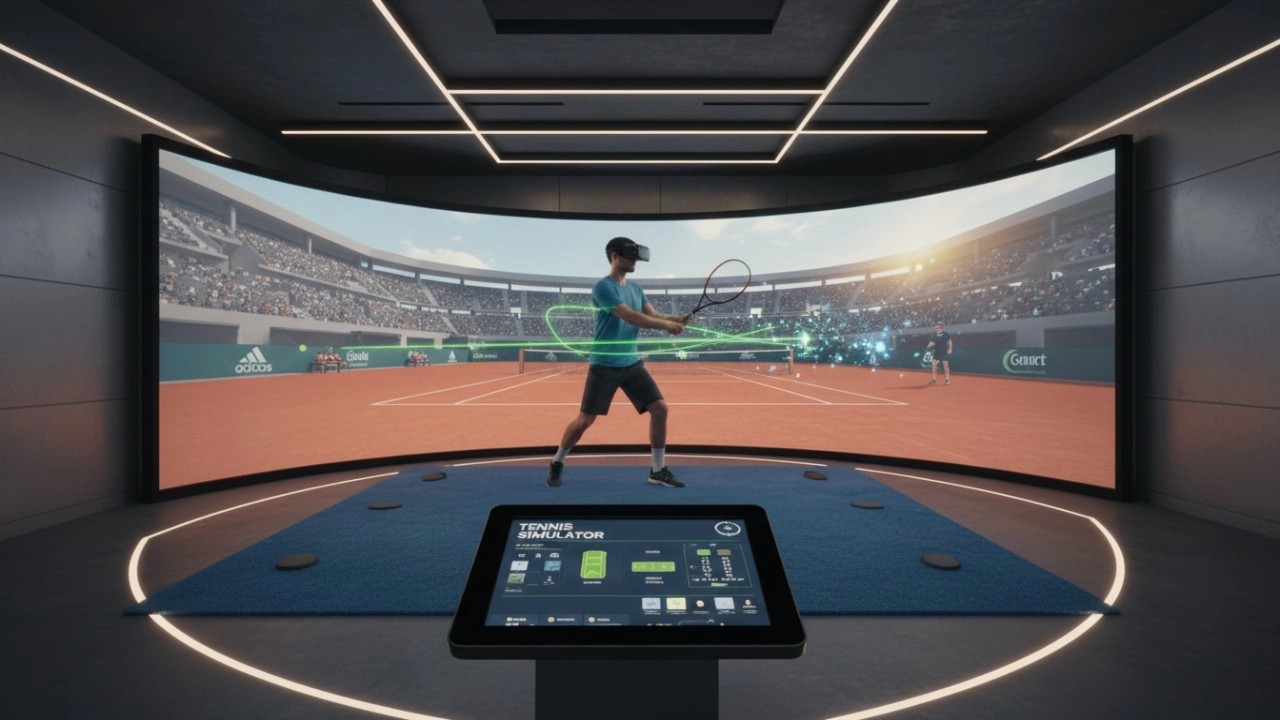
7 Reasons to Add a Tennis Simulator to Your Entertainment Venue Instead of Traditional Training Models (2026 Guide)
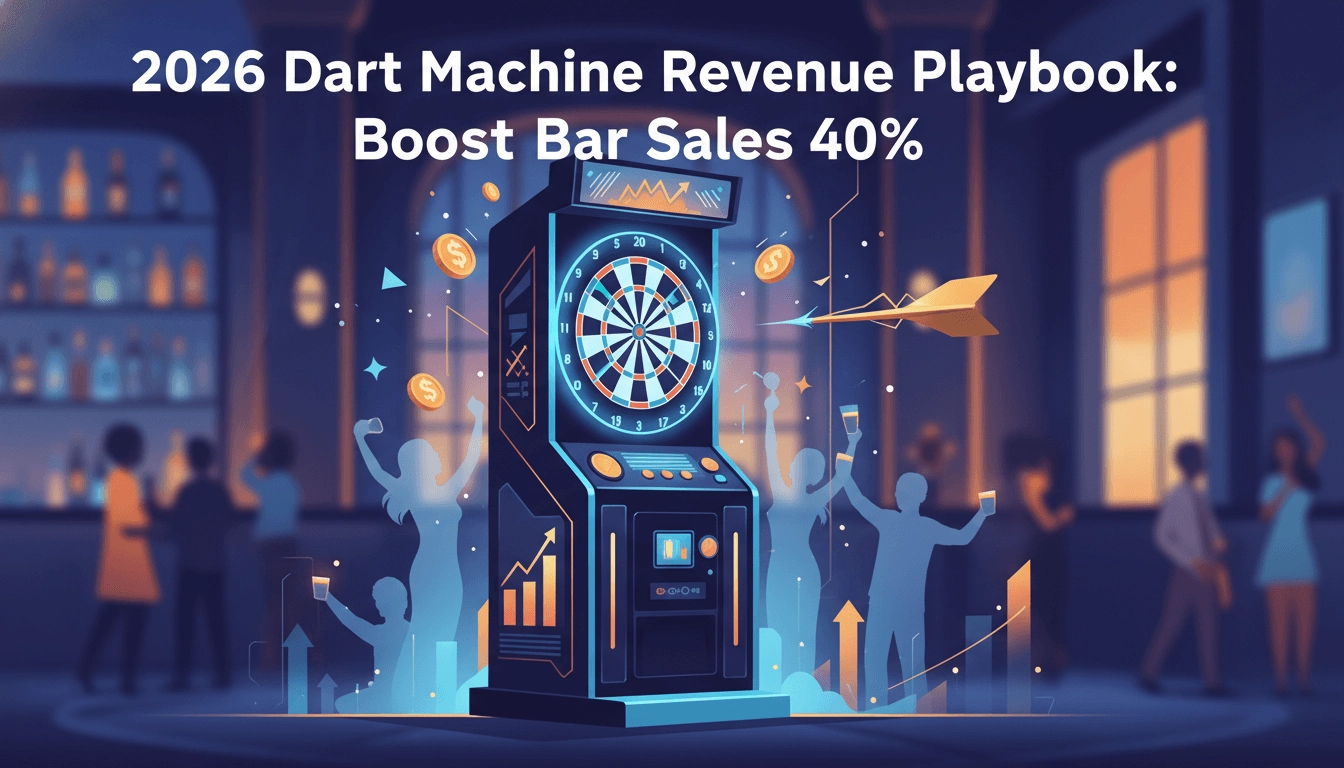
The 2026 Dart Machine Revenue Playbook: Boosting Mid-Week Sales by 30%-40% with Competitive Socializing
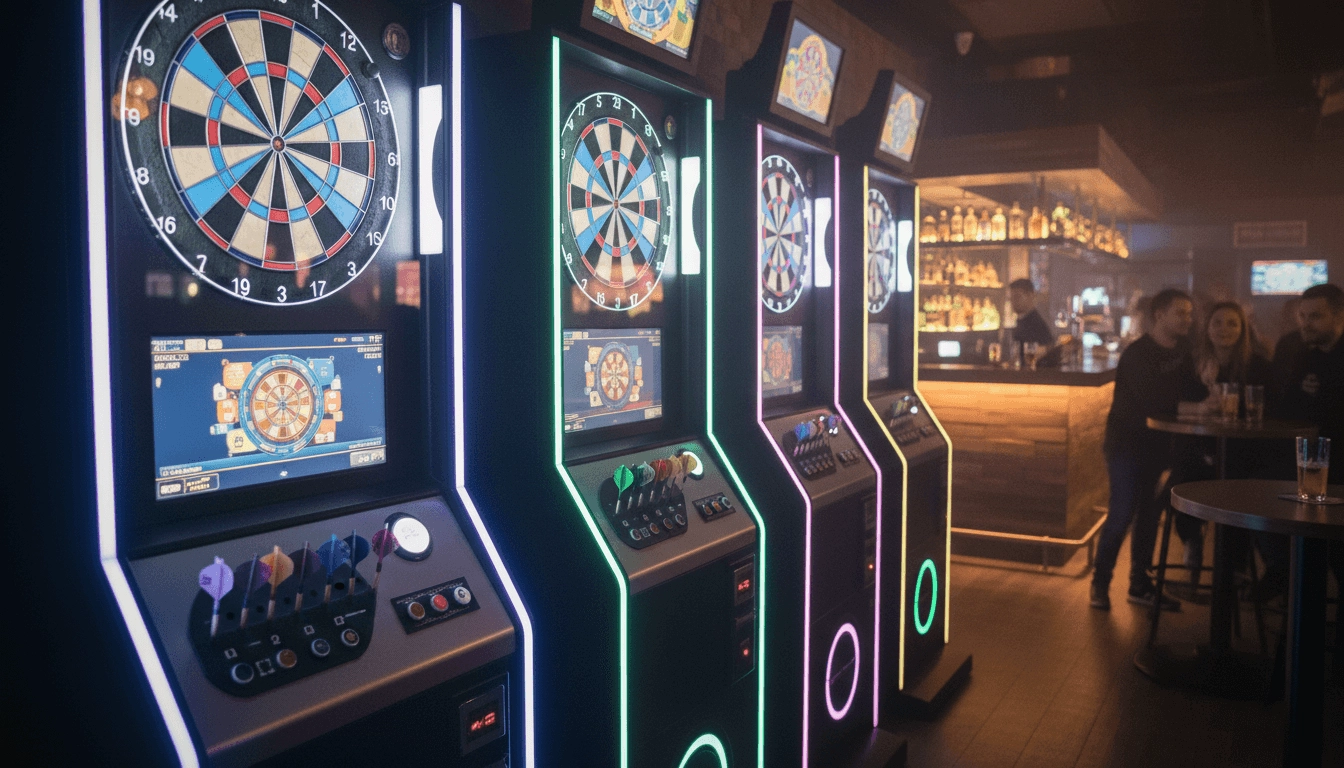
Redefining Competitive Socializing: Ultimate Guide to Selecting an Intelligent Dart Machine 2026
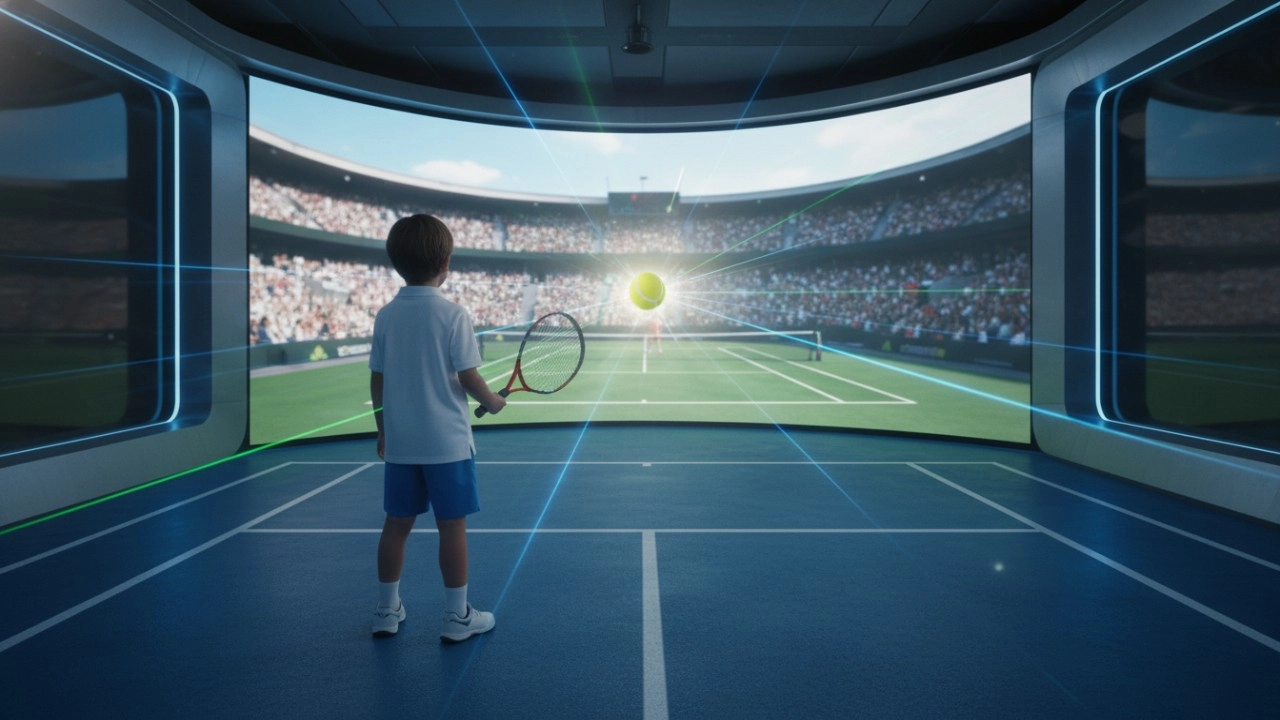
Tennis Simulators in 2026: The Ultimate Guide to Virtual Courts and Advanced Training

Top 15 Dart Machine Manufacturers in 2026
Products
What are the after-sales services after purchasing the equipment?
Generally, a 1-year warranty is provided. During the warranty period, parts damaged due to quality problems, such as motor failure, display problems, etc., will be repaired or replaced free of charge. There will also be technical support, including equipment installation and debugging guidance, operation training, to ensure the smooth use of the user, after-sales response time is usually within 24 - 48 hours.
Interactive Rollerball
How often does the equipment require maintenance?
For daily use, simple monthly maintenance, such as simple cosmetic cleaning and function checking after use, is sufficient. A more comprehensive quarterly maintenance is sufficient.
How to attract customers when operating the program in shopping malls?
Create a cool venue decoration style and incorporate trendy elements, such as fluorescent light strips and anime-themed murals. o Launch diversified marketing models such as parent-child packages and couple packages, combined with time-limited promotional activities, such as half-price experience in the first three days of opening, to attract different groups of people such as families and couples to stop by and participate.
Dart Machines Bar Dart Machines
How to reduce operating costs?
Starting with equipment procurement, choose cost-effective, durable and easy-to-maintain products, which can save money for subsequent maintenance. Reasonable arrangement of staff, reduce the number of staff on duty during off-peak hours, train staff to have multi-skills, such as being able to operate the equipment and guide customers part-time, so as to improve the efficiency of manpower and reduce the cost of manpower.
Why are sports arcades a hot spot for investment?
The traditional entertainment market (e.g., arcade, KTV) has become less attractive to generations, while digital hip playgrounds integrating technology, sports, and socialization are more in line with young people's needs, and the market size has exceeded 50 billion in 2023, with an annual growth rate of more than 30%.
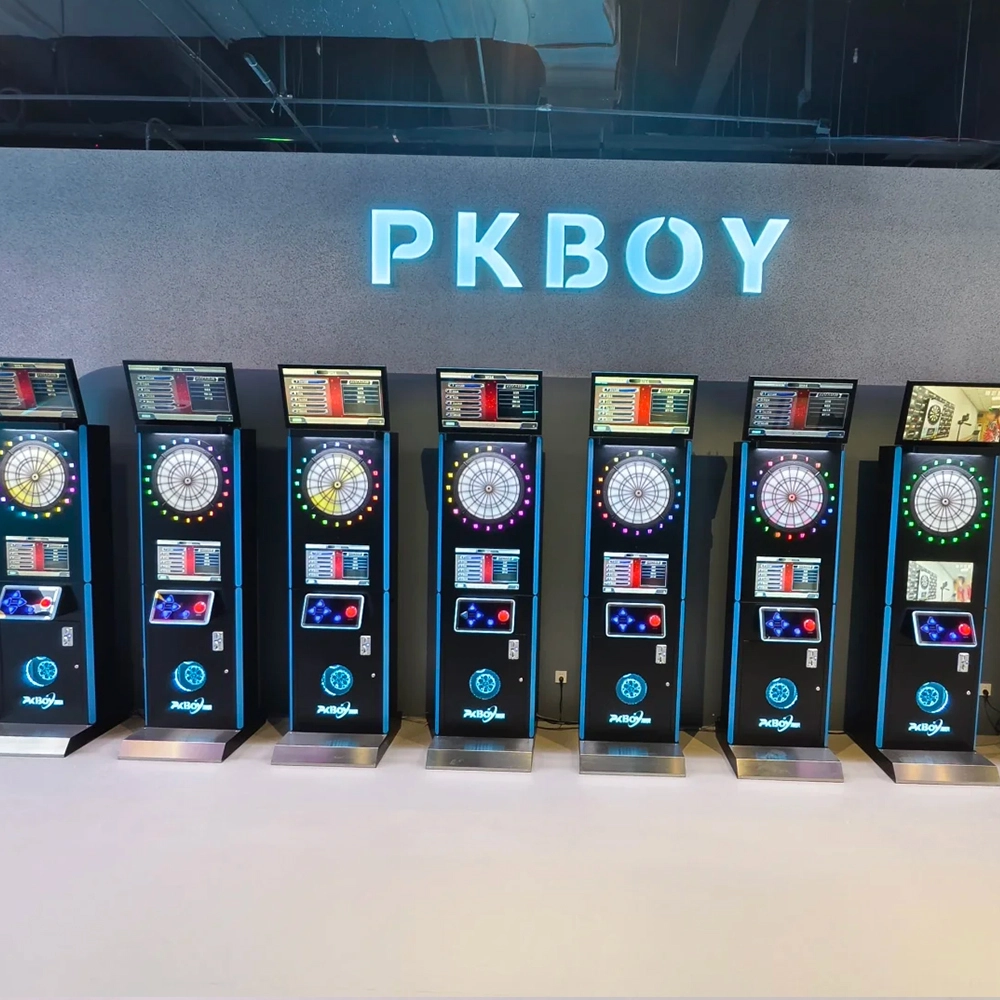
Dart Machines Bar Dart Machines
Joy Power is full of fun and excitement in the playground! The dart machine is suitable for all kinds of places, whether it is a bar, restaurant, KTV, or other entertainment venue, or a sports shop, club, or family leisure space, and can be perfectly adapted. In commercial venues, holding individual and team darts tournaments from time to time can attract more customers and increase the popularity and revenue of the venue, supplemented by various preferential activities, which can directly promote consumption and form a cycle of consumption of all the goods in the shop.
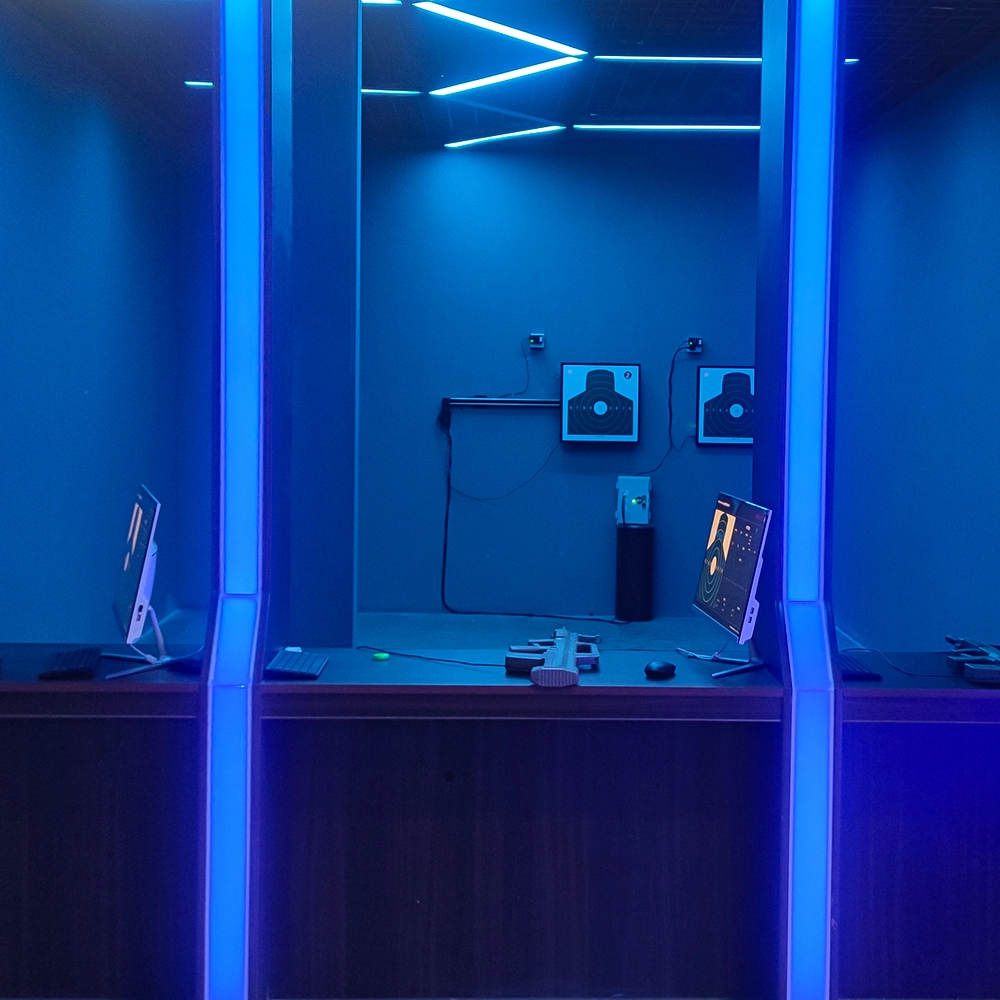
Infrared Shooting
Highly simulated simulation training analysis equipment, with advanced design concepts, fast system development, ease of operation and use, stable technical performance, less consumption of training, site dependence on a small group training is highly interesting, safe, and reliable, and other outstanding features. Product design to solve the basic skills of light weapons precision shooting as a starting point, to improve the safety of shooting training and training efficiency as the fundamental purpose, highlighting the simulation, information technology, and combat training requirements, can be in small indoor and outdoor venues and does not use live ammunition to complete the basic shooting training.
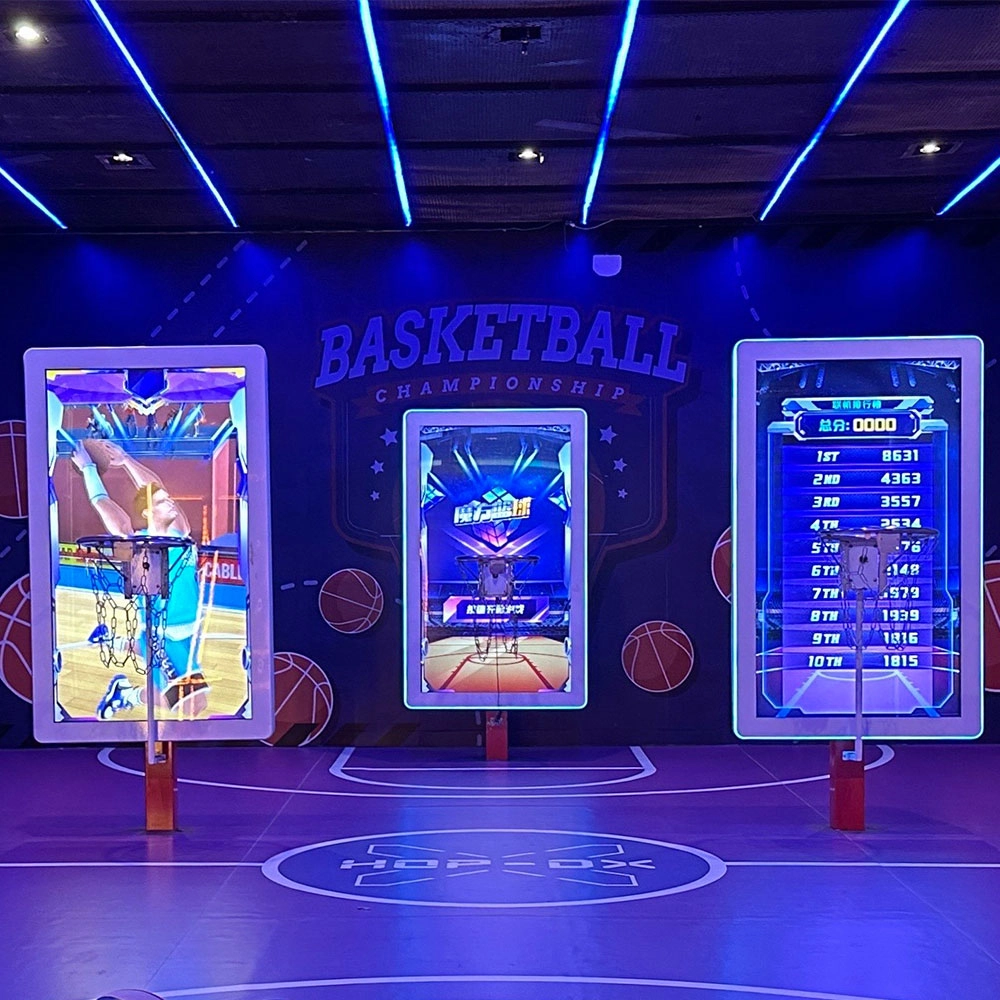
Multi-Player Interactive Shooting Machine
Joy Power is full of fun and exciting playgrounds! The basketball shooting machine is a classic amusement device integrating competition, entertainment, and interactivity. Based on the traditional basketball shooting sport, it integrates electronic scoring, sound and light effects, and challenge mechanisms to bring players an immersive game experience. The main body of the equipment is usually built with a metal frame, equipped with a standard-sized basket and a sturdy rim, with multiple sets of sensors to accurately capture the trajectory of the shot; when the player shoots the ball, the machine's built-in sensors count the score in real time and present the score, remaining time, and challenge goals through the LED display or LCD screen, with exciting sound effects and colorful lights to create a tense and exciting gaming atmosphere.
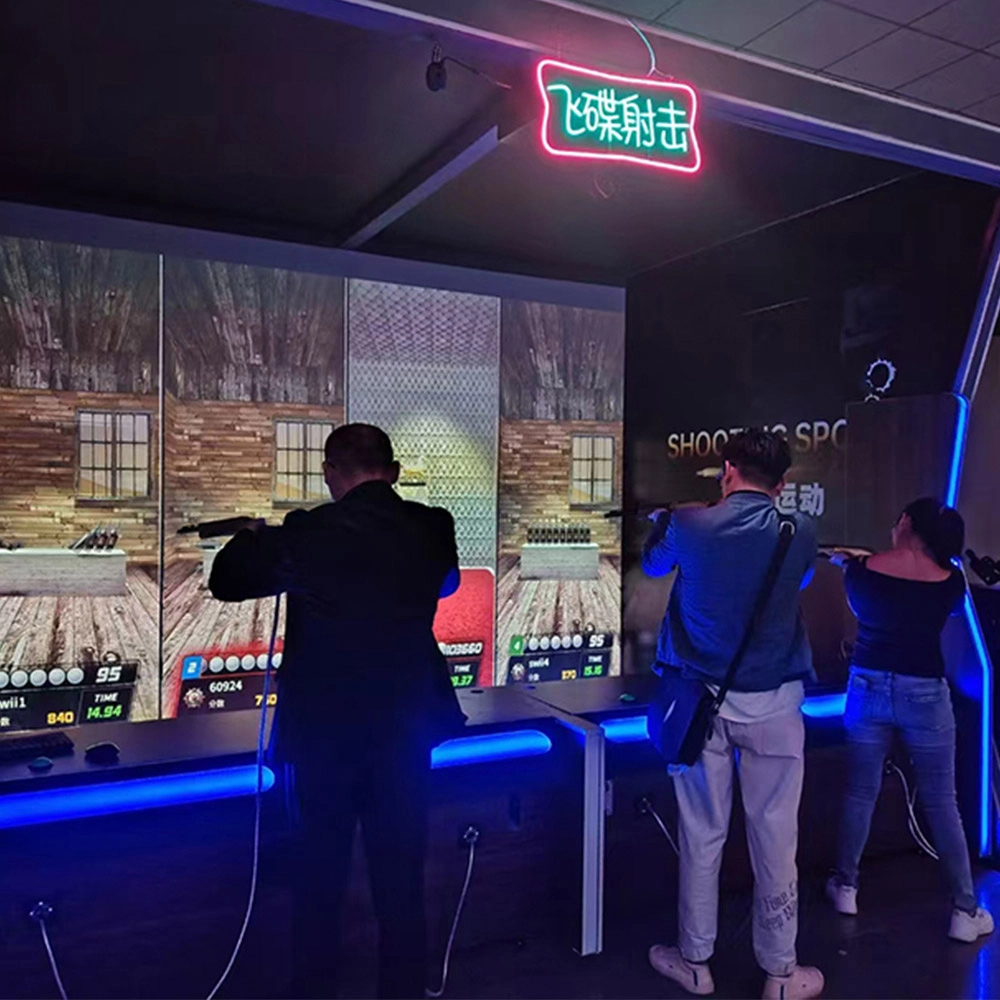
Indoor Wave Play Disc Shooting Equipment
Joy Power is full of fun and exciting playgrounds! The saucer shooting equipment in the indoor hip play hall is an immersive entertainment device integrating high-definition projection scenes, simulated air rifles, and multi-mode interactive gameplay, which allows players to experience the excitement of virtual shooting and the fun of social competition through laser-sensing scoring and multi-sensory feedback.
Ready to take your venue to the next level?
Leave us a message here, and our team will get back to you promptly.
Whether you're interested in custom orders, technical specifications, or partnership opportunities, we're here to assist you.
© 2025 FUNTECH ALL RIGHTS RESERVED

Weixia Lei
Fun_Tech-s
fun_tech20