
What LED options do arcade dart machines for sale have?
- 1. How do I evaluate LED lighting options (RGB backlit, addressable pixels, diffuse ring) so the arcade dart machine for sale improves visibility without creating glare that ruins scoring?
- 2. What are the real-world energy and maintenance costs of RGB/addressable LED systems in an arcade dart machine for sale over 3–5 years?
- 3. Which LED control standards (DMX512, Art‑Net, SPI, Wi‑Fi) are best for integrating an arcade dart machine for sale into venue lighting and digital signage systems?
- 4. How durable are LED systems in high‑traffic, coin‑operated arcade dart machines for sale, and what IP ratings and mechanical protections should I demand?
- 5. Can programmable LEDs on an arcade dart machine for sale be used to display live scoring, advertising or local promotions — and what formats, APIs or hardware do I need?
- 6. What retrofit LED upgrade options exist to modernize older mechanical/board dart machines into competitive arcade dart machines for sale without replacing the entire cabinet?
- Concluding summary: advantages of LED-equipped arcade dart machines for sale
Arcade Dart Machine for Sale — LED Options Buyers’ Guide
As digital sports entertainment evolves, choosing the right arcade dart machine for sale means evaluating LED lighting systems as much as scoring electronics. Below are six specific beginner questions operators frequently ask but rarely find thorough answers to. Each section gives practical, technical, and commercial guidance you can use when evaluating commercial dart cabinets, soft‑tip electronic dartboards, or retrofit LED upgrades.
1. How do I evaluate LED lighting options (RGB backlit, addressable pixels, diffuse ring) so the arcade dart machine for sale improves visibility without creating glare that ruins scoring?
Problem: Poorly chosen LEDs create specular glare on the dartboard surface or throw distracting reflections that harm player performance and fairness.
What to compare and why:
- Lighting geometry and placement: Avoid direct on‑axis point light aimed at the dartboard. Choose diffuse, edge/back lighting or a ring that illuminates scoring segments indirectly. Look for cabinets that use frosted diffusers, opal acrylic, or backlit rings to scatter light evenly.
- Color temperature and CRI: 4000K (neutral white) to 5000K (cool white) generally gives good contrast on printed or segmented boards; a CRI (Color Rendering Index) ≥ 80 is recommended so numbers and segment colors appear accurately under light. RGB should be tunable so you can switch to neutral white for competitive play.
- Addressable vs. plain RGB: Addressable LEDs (WS2812/APA102 style) let manufacturers create animations and scoring cues but can produce hot spots if placed too close. Plain RGB strips with a diffuser provide smoother uniform light for playability. For competitive scoring prioritize uniform diffuse lighting; use addressable pixels for perimeter effects and attraction lighting, not direct board illumination.
- Intensity control: Dimmability and presets are essential. Look for machines with PWM dimming or constant‑current drivers and at least 10–1000 lux adjustment range to tune brightness based on venue ambient light and reduce glare during televised or streamed events.
- Set lighting to neutral white at maximum and measure luminance across the board; less than 15% variance across the face is a good target for even scoring conditions.
- Check for visible specular highlights on the dartboard surface at playing angles (player’s stance). If highlights are visible at normal play posture, choose a model with diffused backlighting.
- Identify the LED type. Typical addressable strips (WS2812B) at 60 pixels/m have a theoretical max draw of ~60mA per pixel at full white (5V), about 0.3W per pixel. Multiply pixels per meter by length installed to get total wattage at worst‑case (full white).
- Example: 2 m of 60px/m = 120 pixels → 120 × 0.3W = 36W. Running 12 hours/day: 0.036 kW × 12 × 365 ≈ 157.7 kWh/year. At $0.13/kWh that’s ≈ $20.50/year. Most real animations do not run full white constantly so practical cost is often 25–60% of worst‑case.
- Plain 12V LED strips with 5050 chips are more power efficient for diffuse lighting; typical 12V strips draw ~10–18W/m depending on density. For 2 meters at 12W/m → 24W peak, similar order of magnitude but often dimmed by drivers so average use is lower.
- Expected LED lifespan: Quality SMD LEDs in cabinets commonly rated 50,000–100,000 hours. This is a lamp life estimate at 70% lumen maintenance (L70). Expect many years of use under normal arcade schedules.
- Failure modes: Power injection points, solder joints, connectors, and controller electronics fail more often than the diodes themselves. Ask for modular strip design so a single failed module can be replaced without full board removal.
- Serviceability: Request spare LED segments, connector kits, and the controller image. For commercial machines, budget ~1–3% of purchase price per year for parts/maintenance in the first 3 years depending on usage intensity and warranty coverage.
- DMX512: The long-standing lighting standard used in theatres and clubs. Use when integrating with professional light consoles. Many commercial cabinets expose DMX512 via an XLR or RJ45 adapter.
- Art‑Net and sACN: Networked protocols that tunnel DMX over IP. Preferred when you need multiple machines synchronized over Ethernet with low latency. Request Art‑Net or sACN support for multi‑machine synchronization.
- SPI (WS281x, APA102): Protocol used for addressable LED strips. Good for internal cabinet effects. If you need network control, look for an embedded bridge or controller that maps Art‑Net/DMX → SPI.
- Wi‑Fi/Bluetooth: Useful for simple configuration and mobile apps. Avoid relying solely on wireless for mission‑critical synchronization; use it for local control only and prefer wired Ethernet for venue sync.
- Ask the vendor to provide a protocol spec sheet: supported input (DMX/Art‑Net/SACN/SPI), port types, and sample mapping of channels to lighting elements.
- Request sample code or API documentation for remote control. Prefer REST + WebSocket APIs or native Art‑Net if you intend to integrate with digital signage or POS triggers.
- Check latency specs: DMX/Art‑Net implementations should support <100ms end‑to‑end for synchronized attraction lighting during competitive play.
- IP rating: For indoor arcades and bars, IP20 is common for electronics, but it provides no splash protection. Ask for IP54 or higher around user‑accessible lighting (e.g., exterior rings/backlights) to handle spills and cleaning. Internal electronics can remain IP20 if the cabinet design prevents liquid ingress.
- Mechanical protection: Look for acrylic diffusers, ruggedized mounting channels (aluminum profiles), and recessed lighting channels to minimize direct contact and impact damage. Avoid exposed loose LED strips in play zones.
- Temperature and ventilation: Electronics should be validated for typical venue temps (0–40°C). Ensure adequate ventilation or heat sinking for controllers and power supplies; overheating is a frequent failure cause in closed cabinets.
- Connector and wiring quality: Industrial‑grade connectors, strain reliefs, and fused power inputs improve longevity. Insist on solder joints inside the controller and removable, keyed connectors for field servicing.
- Certifications: For US/EU purchases check for UL or ETL (US) and CE/UKCA (Europe/UK) marks on the electrical assembly, and RoHS compliance for components.
- Perimeter and ring LEDs: Addressable LED rings can show colors, simple numeric cues, and small pixel animations. They are not suited for high‑resolution video or detailed branding unless combined with an LED matrix or LCD panel.
- LED matrix / P10 panels or integrated LCD: For text, promotions, or sponsorship loops, request a cabinet with an integrated LED matrix panel (e.g., P5/P8/P10) or a small LCD display. These deliver readable ads and can show animated content or video clips.
- Control and content formats: For matrix/LCD: typical content delivery accepts PNG/JPG for static images, MP4 for video, or JSON over an API for dynamic text. For addressable strips: animations are usually driven by pixel mapping via DMX/Art‑Net or proprietary APIs; content is often created as frame sequences or via vendor software.
- APIs and triggers: A REST or WebSocket API with JSON payloads is ideal to push live promotions (e.g., send a 15‑second promo to the machine when a bar tab reaches $50). For lighting sync across the venue, Art‑Net or sACN is recommended. If you need POS triggers, ensure the vendor supports TCP/XML/MQTT integration or will provide middleware.
- Insist on sample API docs and a test account to validate ad content and scheduling before purchase.
- Ask the vendor about content safety, licensing for third‑party ads, and automated fallback content when no ad feed is present.
- For sponsorships, negotiate access to the machine’s ad API or request a managed ad service from the supplier.
- Soft‑tip backboard conversions: Replace the mechanical board with a soft‑tip electronic dartboard module (Viper, Arachnid style) if the cabinet depth allows. This provides automatic scoring, multiplayer modes and tournament formats with minimal cabinet changes.
- LED perimeter and scoreboard upgrade: Add LED rings and a small LED matrix or 10–21 LCD for scoring and ads. Use a standalone controller that interfaces with the existing scoring module, or swap in a new scoring board with open API support.
- Controller bridges: Where the original scoring electronics are proprietary, use an I/O bridge: capture scoring events via optocouplers or TTL signals and map them to a new controller that drives LED effects and external displays.
- Modular power and service access: Ensure the retrofit includes a separated power bay (fused) and modular connectors so future replacements are plug‑and‑play. Avoid permanent adhesives for LED mounting; use channels and screws to ease future service.
Practical test you can ask the vendor to run before purchase:
Bottom line: For commercial arcade dart machines for sale, demand neutral white diffuse illumination for the board face (CRI ≥ 80), and reserve addressable/RGB effects for outer attract lighting only.
2. What are the real-world energy and maintenance costs of RGB/addressable LED systems in an arcade dart machine for sale over 3–5 years?
Problem: Operators need realistic operating cost estimates to evaluate ROI, but few listings disclose energy draw and replacement parts cost.
How to calculate energy costs (example method):
Maintenance and replacement cost planning:
Actionable ask when evaluating a machine for sale: request measured power consumption curves from idle to full‑white, MTBF/MTTR data for the controller, and a clear spare parts list with prices. Compare vendors on total cost of ownership, not only upfront price.
3. Which LED control standards (DMX512, Art‑Net, SPI, Wi‑Fi) are best for integrating an arcade dart machine for sale into venue lighting and digital signage systems?
Problem: Buyers want their new coin-operated dart machines to be part of venue-wide shows, promotions, or synchronized lighting, but compatibility is often poorly documented.
Control options and when to use them:
Integration checklist for purchasers:
Recommendation: For commercial venues, prioritize machines that support Art‑Net/DMX with Ethernet ports and include a local SPI bridge for cabinet electronics. This provides the best balance between professional integration and internal animation control.
4. How durable are LED systems in high‑traffic, coin‑operated arcade dart machines for sale, and what IP ratings and mechanical protections should I demand?
Problem: Machines in bars and family entertainment centers face spills, impacts, and heavy daily use—LEDs and controllers can be vulnerable.
Durability checklist:
Warranty & service:
Commercial cabinets typically offer 1–3 year warranties for electronics, sometimes with separate coverage for consumables. Ask vendors for an MTBF statement or failure rate for LED modules and availability of local service networks. Vendor-provided on‑site repair options or quick ship spare kits materially reduce downtime in busy venues.
5. Can programmable LEDs on an arcade dart machine for sale be used to display live scoring, advertising or local promotions — and what formats, APIs or hardware do I need?
Problem: Operators want to monetize floor space and cross‑promote in‑venue offers but are unsure what the LEDs can actually display.
Feasible strategies and limitations:
Implementation tips:
Conclusion: Programmable LEDs can contribute to advertising but combine them with a dedicated display or matrix panel for effective legibility and monetization.
6. What retrofit LED upgrade options exist to modernize older mechanical/board dart machines into competitive arcade dart machines for sale without replacing the entire cabinet?
Problem: Owners often have older mechanical or non‑electronic dart installations and want to modernize without full replacement due to cost or space constraints.
Retrofit pathways:
Cost & timeline considerations:
Typical retrofits vary widely: a basic LED ring + controller + small display retrofit often ranges from a few hundred to a couple thousand dollars, while a full conversion to a modern electronic scoring system with matrix display is comparable to buying a refurbished commercial cabinet. Evaluate labor vs. replacement price, and request a detailed BOM (bill of materials) and labor estimate from the supplier.
Recommendation: If you want full modern features (networked scoring, Art‑Net support, advertising matrix) the vendor’s factory retrofit or a certified conversion kit will usually give the best reliability and warranty coverage.
Concluding summary: advantages of LED-equipped arcade dart machines for sale
LED options, when chosen and implemented correctly, deliver better visibility, lower operating costs, flexible attraction lighting, and new monetization channels (ads, promotions, dynamic event cues) for arcade dart machines. For venue operators, prioritize diffuse neutral white lighting for playability, demand Art‑Net/DMX bridges for integration, require IP‑rated exterior elements and modular serviceability for uptime, and validate energy draw and MTBF figures before purchase. All of these factors reduce total cost of ownership and increase player retention in a commercial environment.
For a tailored quote on commercial and retrofit arcade dart machine solutions — including programmable RGB effects, addressable LED rings, DMX/Art‑Net integration, or modular retrofit kits — contact us at www.funtechgame.com or email vicky@funtechgame.com for a full specification and price list.
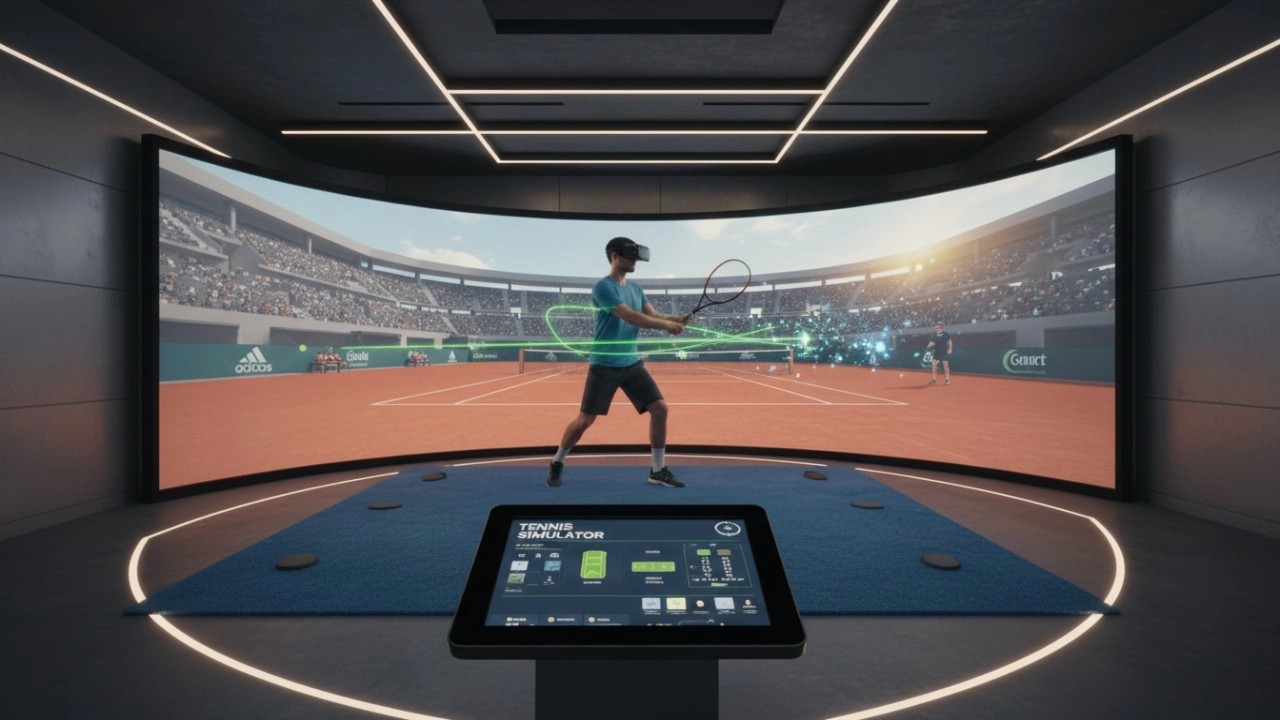
7 Reasons to Add a Tennis Simulator to Your Entertainment Venue Instead of Traditional Training Models (2026 Guide)
The 2026 Dart Machine Revenue Playbook: Boosting Mid-Week Sales by 30%-40% with Competitive Socializing
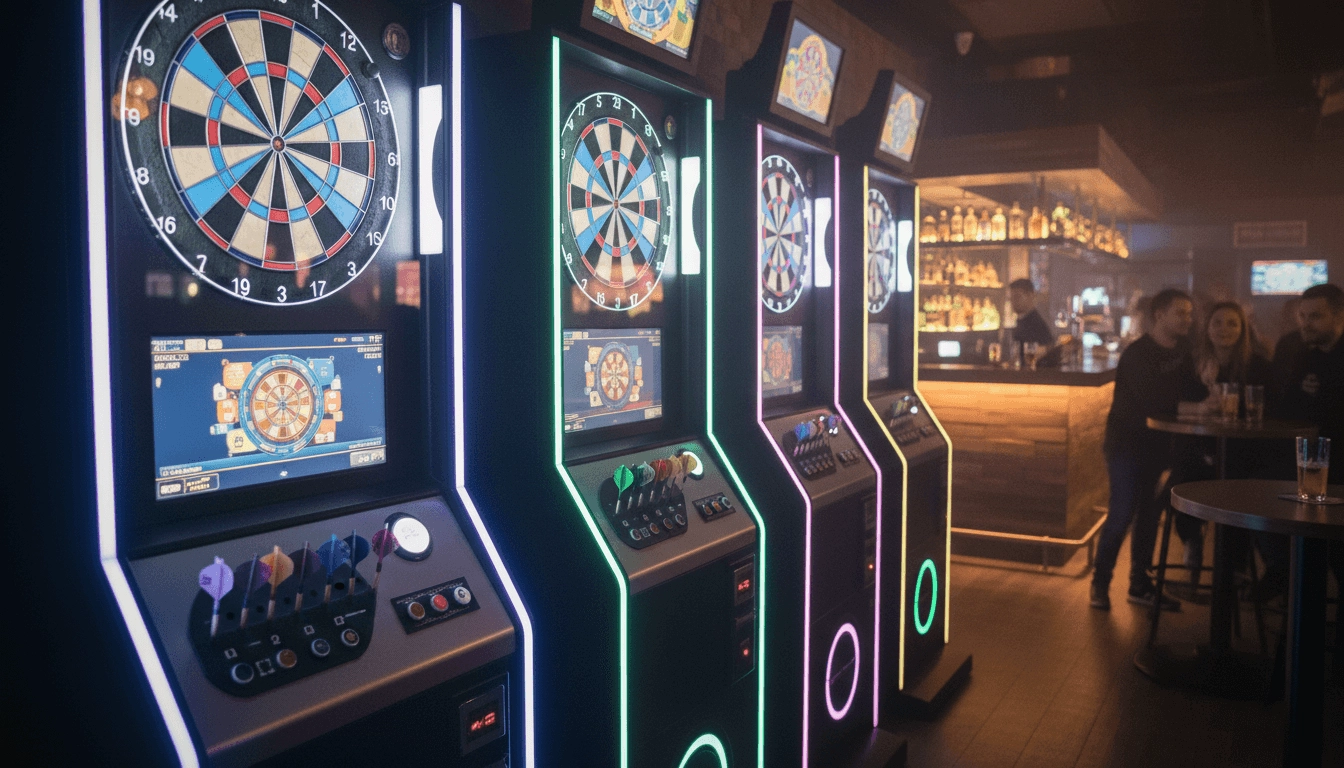
Redefining Competitive Socializing: Ultimate Guide to Selecting an Intelligent Dart Machine 2026
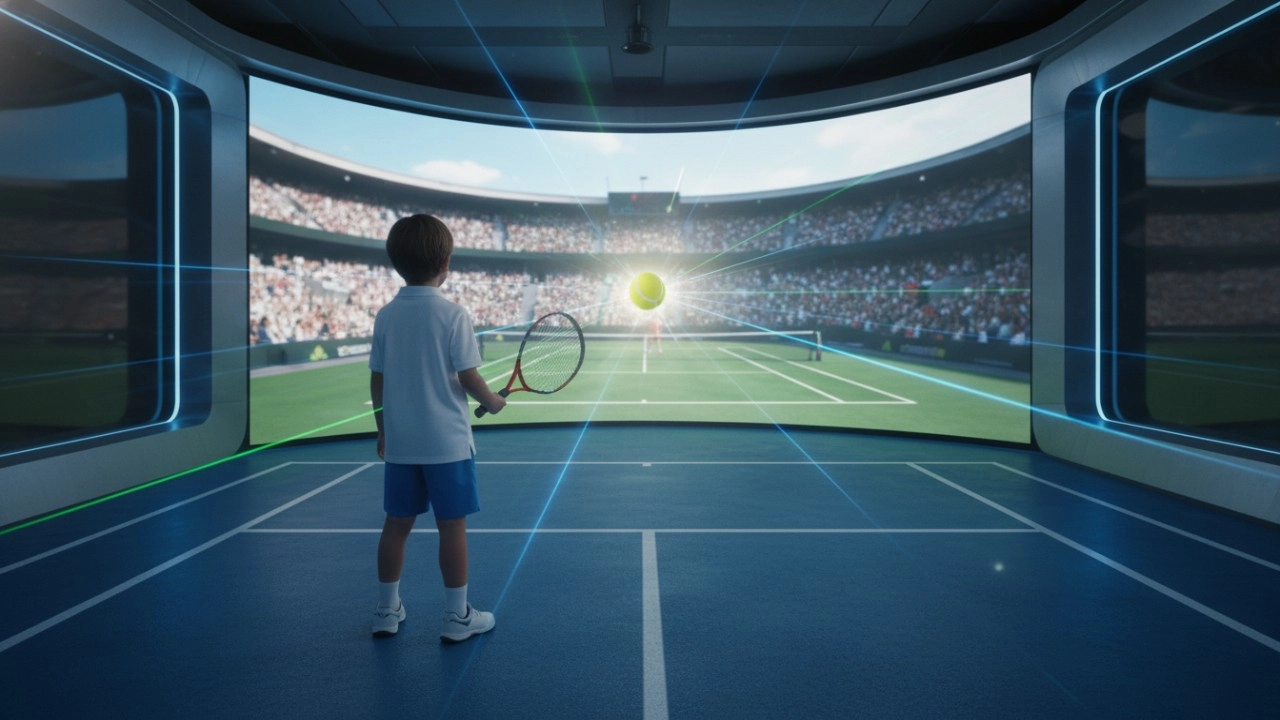
Tennis Simulators in 2026: The Ultimate Guide to Virtual Courts and Advanced Training

Top 15 Dart Machine Manufacturers in 2026
Golf Simulator
What are the after-sales services after purchasing the equipment?
Generally, a 1-year warranty is provided. During the warranty period, parts damaged due to quality problems, such as motor failure, display problems, etc., will be repaired or replaced free of charge. There will also be technical support, including equipment installation and debugging guidance, operation training, to ensure the smooth use of the user, after-sales response time is usually within 24 - 48 hours.
How is pricing more reasonable for commercial venues operating indoor simulated golf programs?
It is recommended to use a combination of “basic time slot attraction + member lock-in + corporate high-priced package” model, the monthly revenue of a single device in a first-tier city can be more than 20,000 yuan. Focus on continuous optimization of pricing through data monitoring (e.g., customer unit price, repurchase rate) to avoid falling into low-price competition and to maintain the high-end experience tone. o The project should be operated in a shopping mall.
Football Simulator
What is the biggest difference between simulation soccer and traditional soccer?
Simulation soccer through digital technology on the screen to present soccer, not subject to site, weather restrictions, players can participate at any time and anywhere, but also with the handle, somatosensory equipment and other controls, experience a variety of modes. Traditional soccer requires real venues and multiple participants, and is greatly affected by environmental factors.
Dart Machines Bar Dart Machines
What is the difference between purchasing equipment for commercial operations and personal training?
Commercial operations should consider the durability, ease of operation, and attractiveness of the equipment, and it is preferable to choose cool-looking equipment that can withstand high-frequency use.
Interactive Rollerball
What is the difference between purchasing equipment for commercial operations and personal training?
Commercial operations should consider the durability, ease of operation, and attractiveness of the equipment, and it is preferable to choose cool-looking equipment that can withstand high-frequency use.
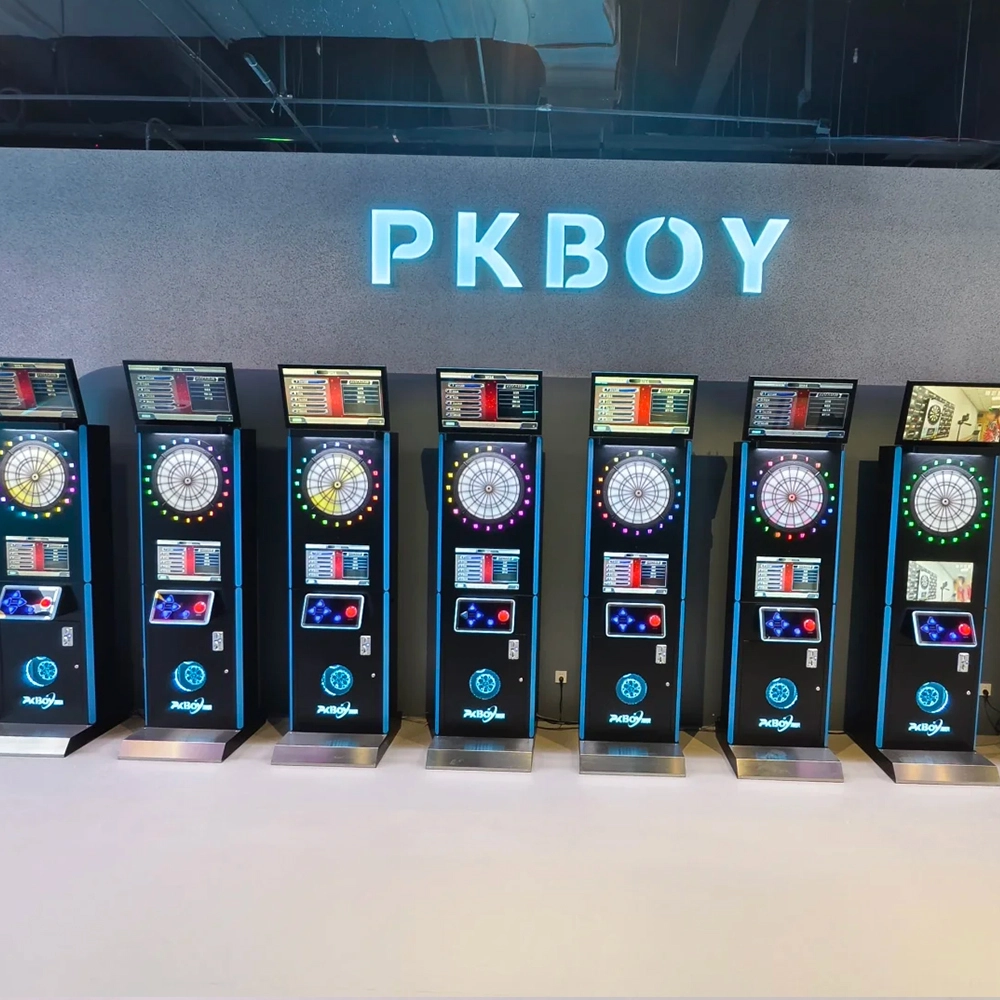
Dart Machines Bar Dart Machines
Joy Power is full of fun and excitement in the playground! The dart machine is suitable for all kinds of places, whether it is a bar, restaurant, KTV, or other entertainment venue, or a sports shop, club, or family leisure space, and can be perfectly adapted. In commercial venues, holding individual and team darts tournaments from time to time can attract more customers and increase the popularity and revenue of the venue, supplemented by various preferential activities, which can directly promote consumption and form a cycle of consumption of all the goods in the shop.
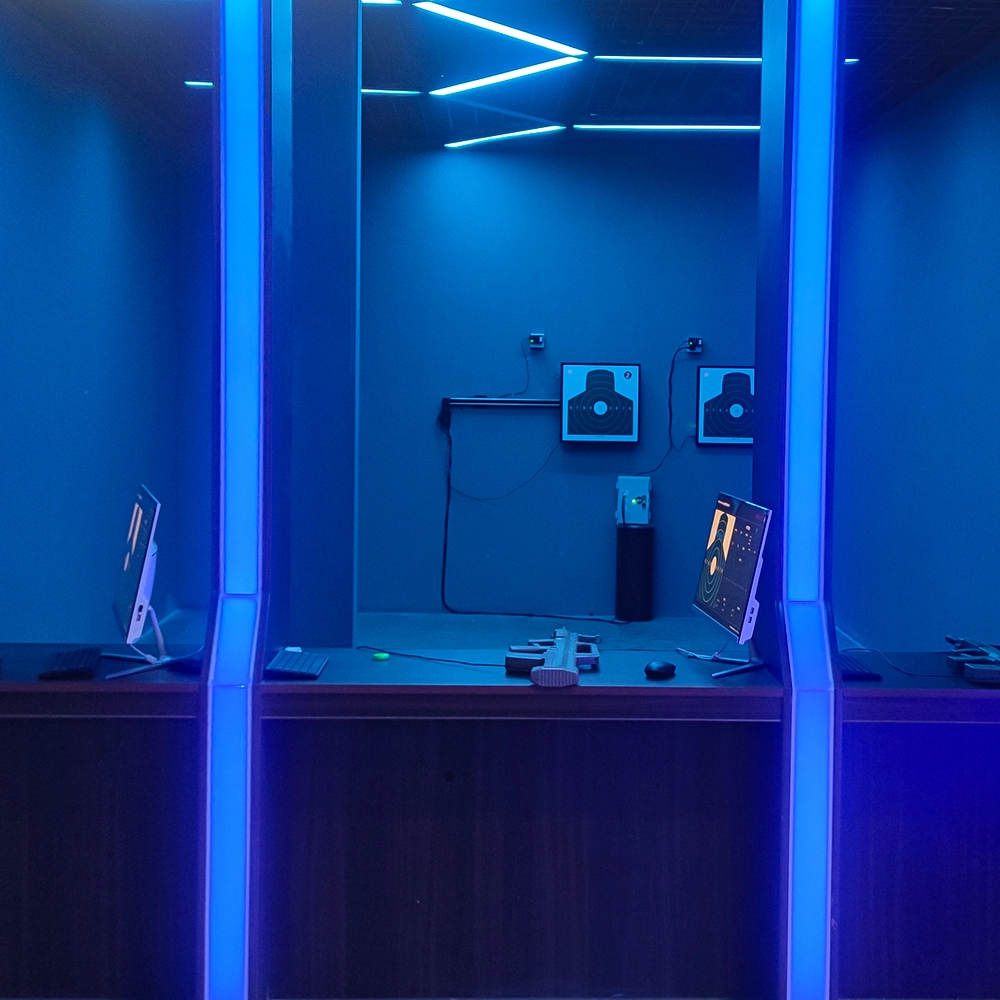
Infrared Shooting
Highly simulated simulation training analysis equipment, with advanced design concepts, fast system development, ease of operation and use, stable technical performance, less consumption of training, site dependence on a small group training is highly interesting, safe, and reliable, and other outstanding features. Product design to solve the basic skills of light weapons precision shooting as a starting point, to improve the safety of shooting training and training efficiency as the fundamental purpose, highlighting the simulation, information technology, and combat training requirements, can be in small indoor and outdoor venues and does not use live ammunition to complete the basic shooting training.
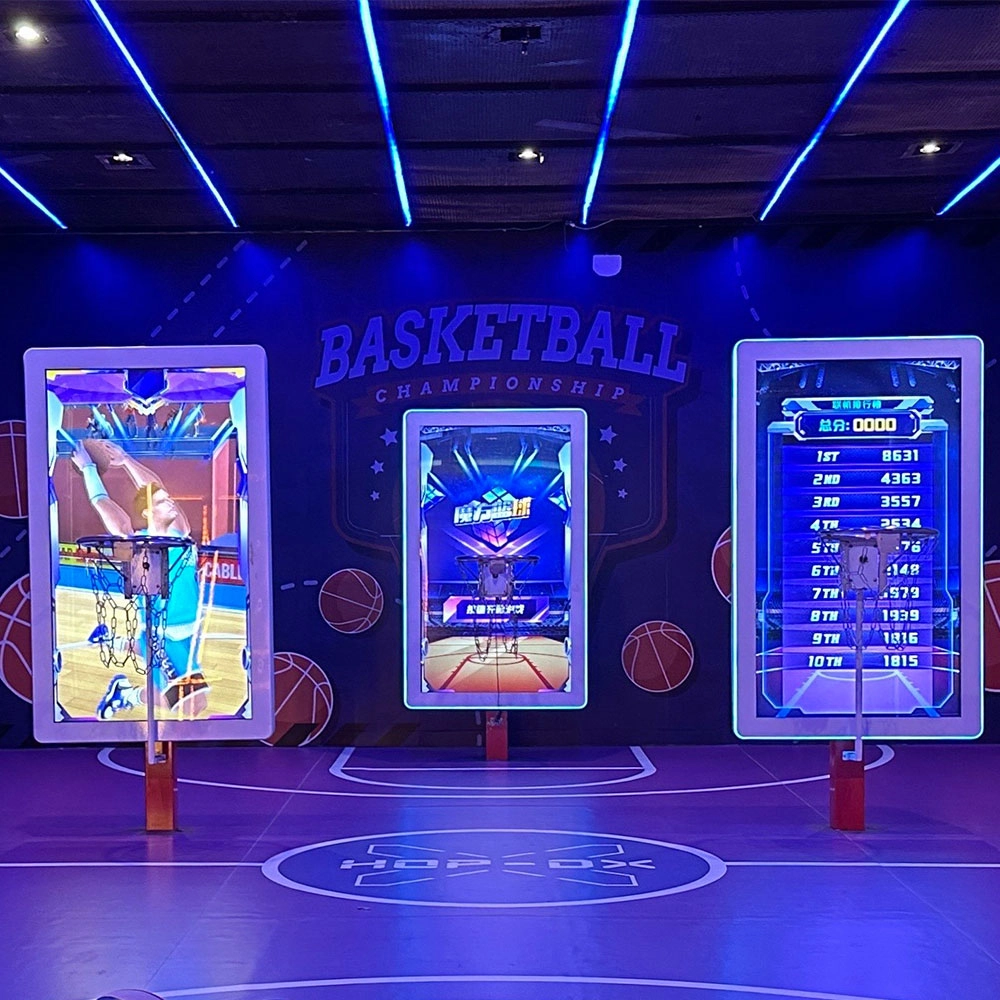
Multi-Player Interactive Shooting Machine
Joy Power is full of fun and exciting playgrounds! The basketball shooting machine is a classic amusement device integrating competition, entertainment, and interactivity. Based on the traditional basketball shooting sport, it integrates electronic scoring, sound and light effects, and challenge mechanisms to bring players an immersive game experience. The main body of the equipment is usually built with a metal frame, equipped with a standard-sized basket and a sturdy rim, with multiple sets of sensors to accurately capture the trajectory of the shot; when the player shoots the ball, the machine's built-in sensors count the score in real time and present the score, remaining time, and challenge goals through the LED display or LCD screen, with exciting sound effects and colorful lights to create a tense and exciting gaming atmosphere.
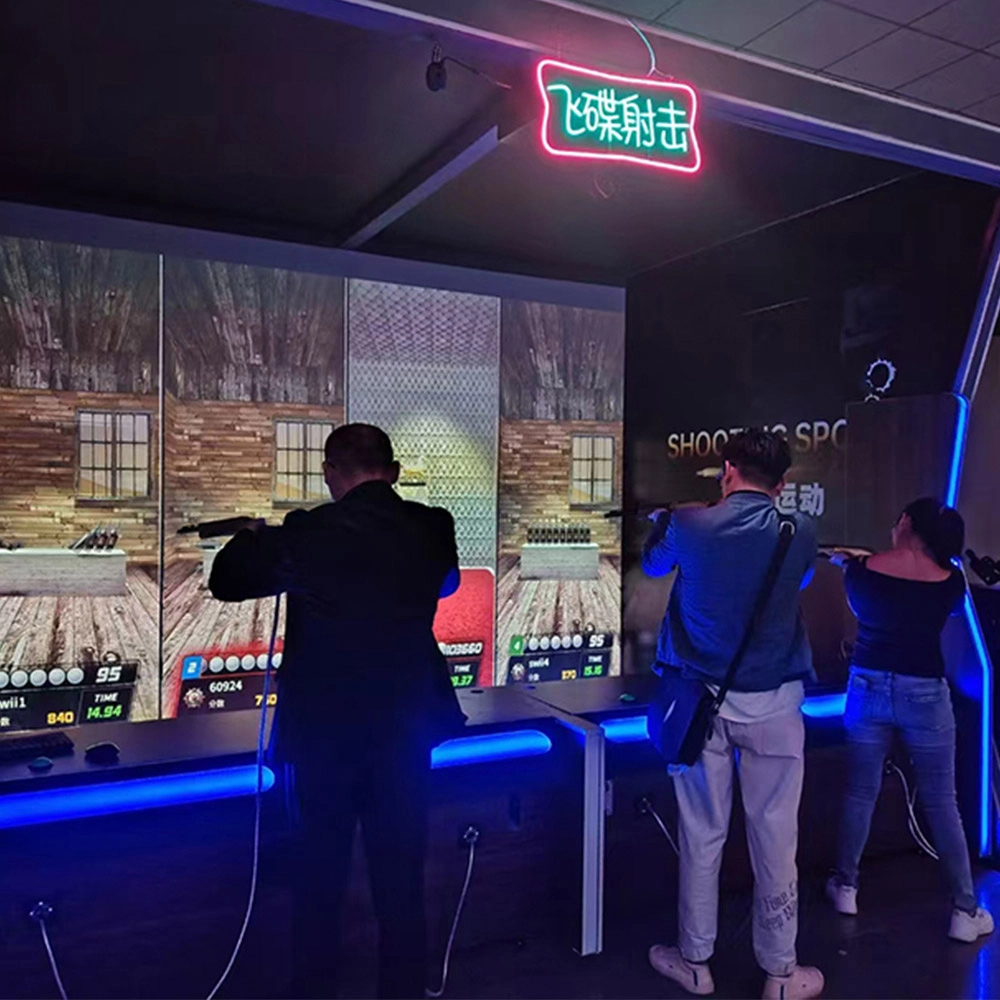
Indoor Wave Play Disc Shooting Equipment
Joy Power is full of fun and exciting playgrounds! The saucer shooting equipment in the indoor hip play hall is an immersive entertainment device integrating high-definition projection scenes, simulated air rifles, and multi-mode interactive gameplay, which allows players to experience the excitement of virtual shooting and the fun of social competition through laser-sensing scoring and multi-sensory feedback.
Ready to take your venue to the next level?
Leave us a message here, and our team will get back to you promptly.
Whether you're interested in custom orders, technical specifications, or partnership opportunities, we're here to assist you.
© 2025 FUNTECH ALL RIGHTS RESERVED

Weixia Lei
Fun_Tech-s
fun_tech20