
How to assess build quality of arcade dart machines for sale?
- 1. How can I test the integrity of the internal scoring sensors on a used electronic dart machine for sale before purchase?
- 2. What physical cabinet stress points should I inspect on a coin-operated arcade dart machine to predict future failures?
- 3. Which PCB components and power supply signs indicate a high-risk electronic dart machine for sale?
- 4. How to verify the LED target and segment replacement options on soft-tip dart machines when buying for a busy bar?
- 5. What remote monitoring and payment integrations should I demand for modern commercial dart cabinets to minimize downtime?
- 6. How to interpret warranty terms, spare-parts availability and MTBF data when comparing arcade dart machines for sale?
- Concluding summary: advantages of buying a high-quality arcade dart machine
How to Assess Build Quality of Arcade Dart Machines for Sale: 6 Deep Questions Buyers Miss
Buying a commercial electronic or coin-operated arcade dart machine for sale is more than choosing a flashy LED cabinet. Below are six specific, pain-point-oriented questions beginners (and even some experienced operators) struggle to find reliable, up-to-date answers for — followed by step-by-step, practical assessments grounded in industry practice. These answers focus on soft-tip electronic, bar-arcade darts and commercial dart cabinets with scoring systems and remote-management features.
1. How can I test the integrity of the internal scoring sensors on a used electronic dart machine for sale before purchase?
Why it matters: Scoring sensors are the single biggest source of intermittent faults and customer complaints. Faulty sensors create false scores, cause game resets and generate maintenance calls.
Step-by-step test:
- Ask the seller for a 10–15 minute live demo with multiple throws using different players and dart weights so you can watch for inconsistent scoring or delayed updates.
- Run repeatability checks: throw the exact same tap in the same spot 10 times. Electronic targets using optical/IR or piezo sensors should register consistently; note any misses or double counts.
- Inspect sensor types visible behind the target: optical (IR), piezoelectric (vibration), and camera-based modules are common. Ask the seller which technology the board uses and request manufacturer documentation for it.
- Request access to the machine’s error log or diagnostics menu. Many commercial dart machines log sensor errors, recalibrations and firmware exceptions. Look for frequent sensor recalibrations or short error intervals.
- Check the scoring board PCB visually for cold solder joints, corrosion or replaced components with mismatched soldering — common on machines that have been repaired multiple times.
- Ask whether the target segments are user-replaceable and how many replacement segments are carried in aftermarket supply chains. Availability of spare segments reduces downtime risk.
Red flags: inconsistent repeatability during demo, frequent sensor errors in logs, nonstandard or undocumented sensors, and missing segment spares.
2. What physical cabinet stress points should I inspect on a coin-operated arcade dart machine to predict future failures?
Why it matters: Cabinets in busy bars and arcades endure knocks, humidity, repeated use and transport. Failures usually trace to predictable stress points.
Inspection checklist:
- Cabinet joints and fasteners: inspect for cracked wood/MDF, loose screws or repaired seams. Commercial cabinets should use steel reinforcement at high-stress joints and long-lasting fasteners (machine screws with washers rather than drywall screws).
- Hinges and locks: open and close any access doors 20–30 times. Look for sag, misalignment or stripped locks — common where cheap hinges or plastic cams are used.
- Mounting points for the target and scoring panel: ensure the target is bolted to metal subframes or reinforced bracing. Soft mounting or reliance on thin particleboard accelerates wear and causes misalignment of sensors.
- Cabinet base and feet: vibration isolation and adjustable feet are essential for leveling and reducing rocking in high-traffic locations.
- Ventilation and fan mounts: check for intact fan guards, dust accumulation and the presence of adequate airflow for the PSU and CPU. Overheated electronics are a top cause of mid-life failures.
- Coin/payment bezel and bill acceptor mounts: coin chutes and MDB-mounted devices should be anchored to metal plates. Loose mounts lead to frequent mechanical failures.
Red flags: visible ply delamination, makeshift repairs with glue/tape, missing structural reinforcements, or thin cabinet walls in a commercial machine.
3. Which PCB components and power supply signs indicate a high-risk electronic dart machine for sale?
Why it matters: The electronics — especially the main PCB and power supply — determine uptime. Cheap or failing components produce random reboots, display corruption and sensor failures.
How to evaluate:
- Ask for the manufacturer’s schematic or a BOM excerpt for the main board, or at least component-level information for the power supply and microcontroller unit. Reputable suppliers provide these or will confirm key components (e.g., recognized regulator ICs, surge protection, and brand-name microcontrollers).
- Power-supply checks: during a powered demo, watch for fan operation and listen for buzzing. Unusual heat or audible coil whine can indicate stressed regulators. Ask how the unit handles power brownouts and whether a surge protector or UPS is recommended.
- Look for solid-state capacitors from reputable vendors. Bulging or leaking electrolytic capacitors are a sign of age or poor-quality parts — ask the seller about any replaced caps and get receipts.
- Check solder quality on connector pins and the PSU interface. Hand-solder repairs with excess flux or dull solder joints may be a sign of repeated field fixes.
- Firmware and update mechanism: confirm whether firmware updates are available, how they are delivered (USB, SD, OTA) and whether update logs or version control is maintained. Machines that cannot be updated or have undocumented firmware are higher risk from security and reliability perspectives.
Red flags: unknown or unbranded power modules, absence of surge protection, documented random reboots, and no clear firmware/update path.
4. How to verify the LED target and segment replacement options on soft-tip dart machines when buying for a busy bar?
Why it matters: LED matrices and replaceable target segments affect both maintenance speed and long-term cost. Bars need quick swaps and readily available parts.
Steps to verify:
- Ask to see the target disassembled. The best commercial designs allow quick removal of the LED panel or the entire segment grid without desoldering or complex ribbon cables.
- Confirm part numbering: every replaceable segment should have a clear part number and cross-reference. If the seller cannot supply a spare-part list with lead times, factor that into the purchase price.
- Replacement procedure: request a demonstration or video of a segment replacement. Good designs use modular clips or stackable connectors; poor designs rely on adhesive or glued seams that require cabinet disassembly.
- Check LED brightness and visibility under ambient lighting typical for your venue. Some LED matrices look great in showrooms but are washed out under bar lighting — request a sample test under the venue’s lighting conditions if possible.
- Confirm compatibility with third-party parts. Proprietary-only parts increase downtime and long-term costs.
Red flags: glued targets, undocumented parts, long lead times for spare segments, or panels that require shipping the entire machine for repair.
5. What remote monitoring and payment integrations should I demand for modern commercial dart cabinets to minimize downtime?
Why it matters: Modern venues need remote telemetry for uptime metrics, revenue tracking and remote troubleshooting. Cashless and contactless payments also reduce maintenance associated with coin mechanisms.
Key features to request:
- Remote diagnostics and error reporting: machines should offer secure cloud telemetry or a LAN API that reports uptime, error codes, coin-in/credit counts and version info. Ensure the vendor documents their telemetry API and data retention policy.
- Payment integrations: ask for MDB compatibility for cashless peripherals and for native support of NFC/QR cashless wallets. Confirm whether the machine accepts popular local payment systems in your geography.
- Firmware management: a centralized firmware/patch distribution system reduces field visits. Confirm the update procedure, rollback capability and authentication method to prevent unauthorized updates.
- Security and privacy: request documentation on data encryption, especially for payment-related data, and confirm compliance with local rules (e.g., PCI guidance for payment endpoints). Machines with open or undocumented network ports are a security risk.
- Service-level agreements (SLAs): negotiate response times for remote support and on-site repairs, and ask whether remote resets or soft reboots are supported to reduce truck-rolls.
Red flags: no telemetry, proprietary payment silos without MDB or API bridges, and no documented firmware/update path.
6. How to interpret warranty terms, spare-parts availability and MTBF data when comparing arcade dart machines for sale?
Why it matters: Warranty fine print, spare availability and realistic MTBF (mean time between failures) projections determine total cost of ownership and downtime risk.
How to evaluate contractual and reliability claims:
- Warranty scope: don’t accept a “parts-only” warranty without on-site labor options for commercial use. Ensure the warranty covers key components (target, PCB, PSU) for a minimum commercial-grade term — ask for explicit exclusions and typical response times.
- Spare-parts lead times: request historical lead-time data for the last 12 months for critical components. A vendor that keeps local warehouses or has authorized service partners in your region lowers downtime risk.
- MTBF and real-world uptime: ask vendors for field metrics where possible — not just lab MTBF. Reputable suppliers will provide operational uptime statistics from similar venues or third-party reliability tests. If only lab MTBF is offered, consider that a lower-confidence metric.
- End-of-life (EOL) policy: ask how long the vendor guarantees parts for a given model and what upgrade paths exist. Machines tied to proprietary, short-lived parts increase lifecycle costs.
- Service network and training: confirm availability of authorized technicians in your area, training for in-house staff and optional preventative maintenance plans to extend service life.
Negotiation tips: include a spare parts kit (target segments, fuses, PSUs) in the purchase contract, request a minimum parts availability window (e.g., X years), and seek an extended warranty or SLA for high-traffic venues.
Concluding summary: advantages of buying a high-quality arcade dart machine
Choosing a commercial-grade arcade dart machine with robust cabinet construction, documented electronics, modular LED/target components, secure remote management and transparent warranty/parts support dramatically reduces downtime, total cost of ownership and guest complaints. Machines designed for high-throughput environments and backed by clear SLAs let operators focus on uptime and player experience rather than emergency repairs. For businesses seeking coin-operated dart machines, soft-tip electronic cabinets or integrated cashless solutions, verify the points above and negotiate spare kits and service agreements into the sale.
For a tailored quote, spare-parts lists, or to arrange an on-site demo of our commercial dart cabinets, contact us at www.funtechgame.com or email vicky@funtechgame.com.

The Ultimate Business Guide to Interactive Sports Arcade Equipment: Cost, ROI & Business Plan

Designing Sports Arcade Zones for Theme Parks & Attractions: The Ultimate Guide to Immersive Play

Best Interactive Sports Equipment for Family Entertainment Centers: A Guide to Modern FEC Arcade Equipment
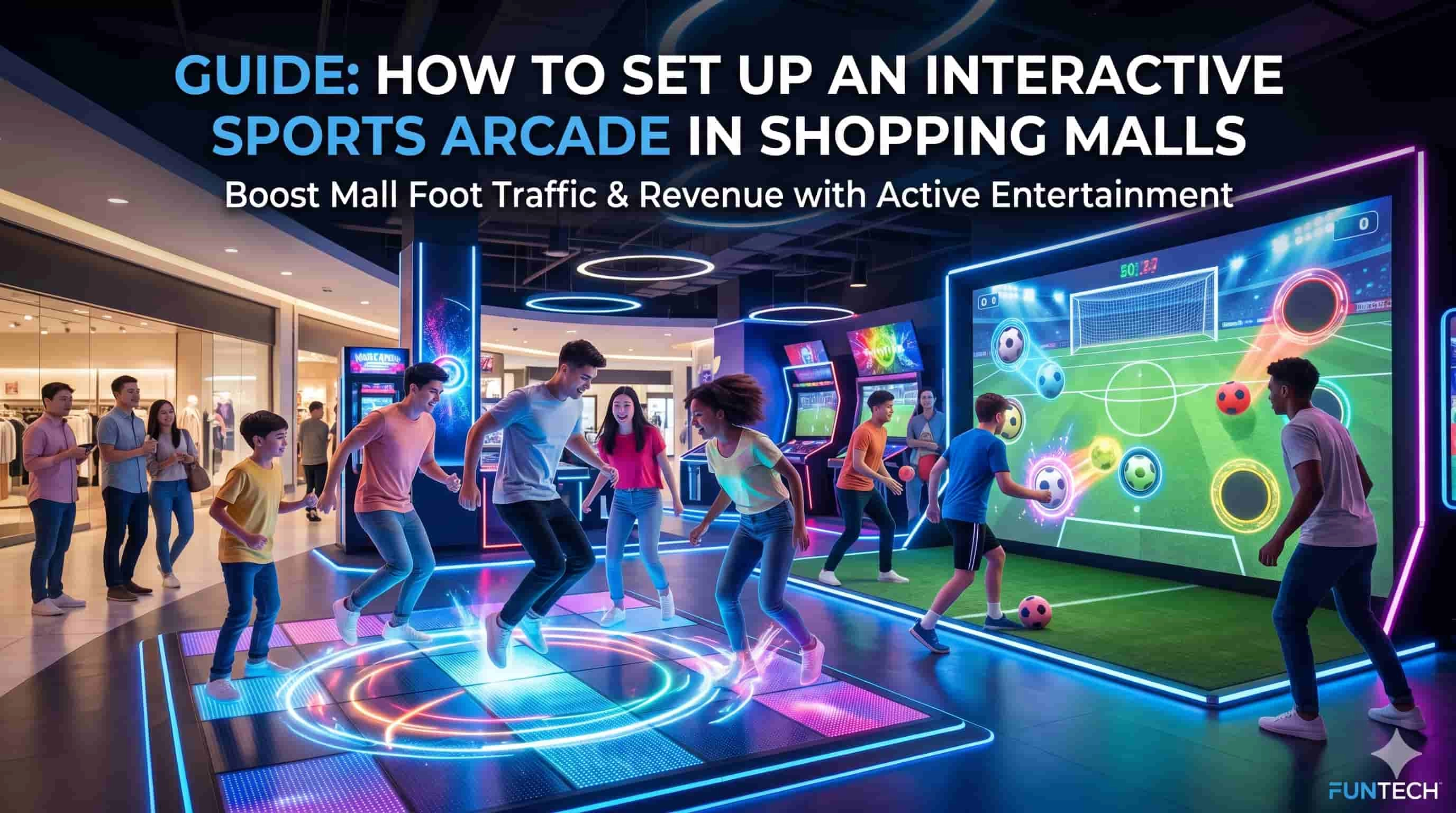
Ultimate Guide: How to Set Up an Interactive Sports Arcade in Shopping Malls

Transformative Spaces: Interactive Sports Entertainment Solutions for Different Business Scenarios
Why are sports arcades a hot spot for investment?
The traditional entertainment market (e.g., arcade, KTV) has become less attractive to generations, while digital hip playgrounds integrating technology, sports, and socialization are more in line with young people's needs, and the market size has exceeded 50 billion in 2023, with an annual growth rate of more than 30%.
What are the after-sales services after purchasing the equipment?
Generally, a 1-year warranty is provided. During the warranty period, parts damaged due to quality problems, such as motor failure, display problems, etc., will be repaired or replaced free of charge. There will also be technical support, including equipment installation and debugging guidance, operation training, to ensure the smooth use of the user, after-sales response time is usually within 24 - 48 hours.
How often does moving target archery equipment require maintenance?
Under daily use, for equipment that is used less frequently, 1-3 times per week, simple cosmetic cleaning and functional checks can be performed after each use. A more comprehensive maintenance should be carried out every 2-4 weeks, including disassembling some parts for cleaning and checking the accuracy of the aiming system.
How often does the equipment require maintenance?
For daily use, simple monthly maintenance, such as simple cosmetic cleaning and function checking after use, is sufficient. A more comprehensive quarterly maintenance is sufficient.
What is holographic projection?
Holographic projection is a technique that utilizes the principles of interference and diffraction to record and reproduce the true three-dimensional image of an object. It records the light information of an object on a hologram, and then uses a specific light source to illuminate the hologram, so that the three-dimensional image of the object can be presented in the air, and the audience can see the realistic stereoscopic image without wearing special glasses.
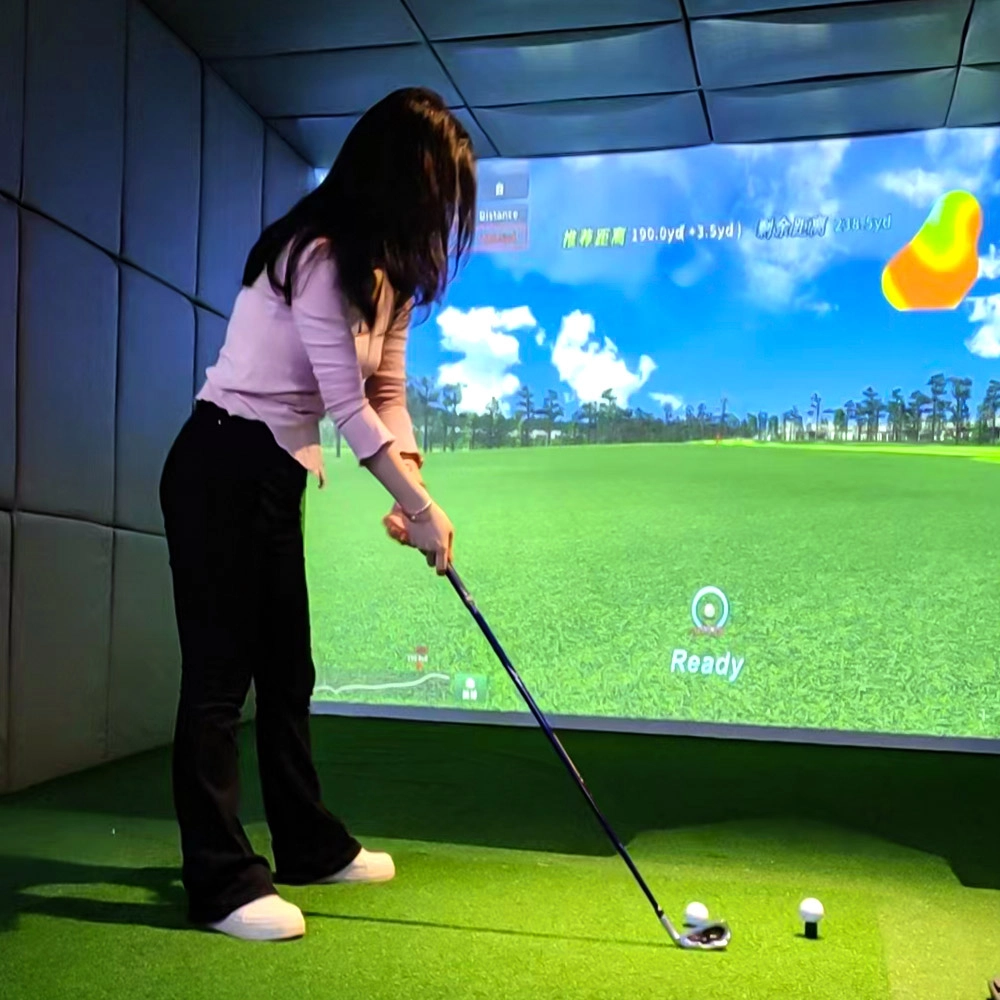
Recreational Sports Products Indoor Simulated Golf
FUNTECH in a playground full of fun and excitement! The screen’s smooth texture offers superior image clarity, compatible with any HD projector for a lifelike golf simulation. Enjoy crystal-clear visuals that bring the fairway right into your home.
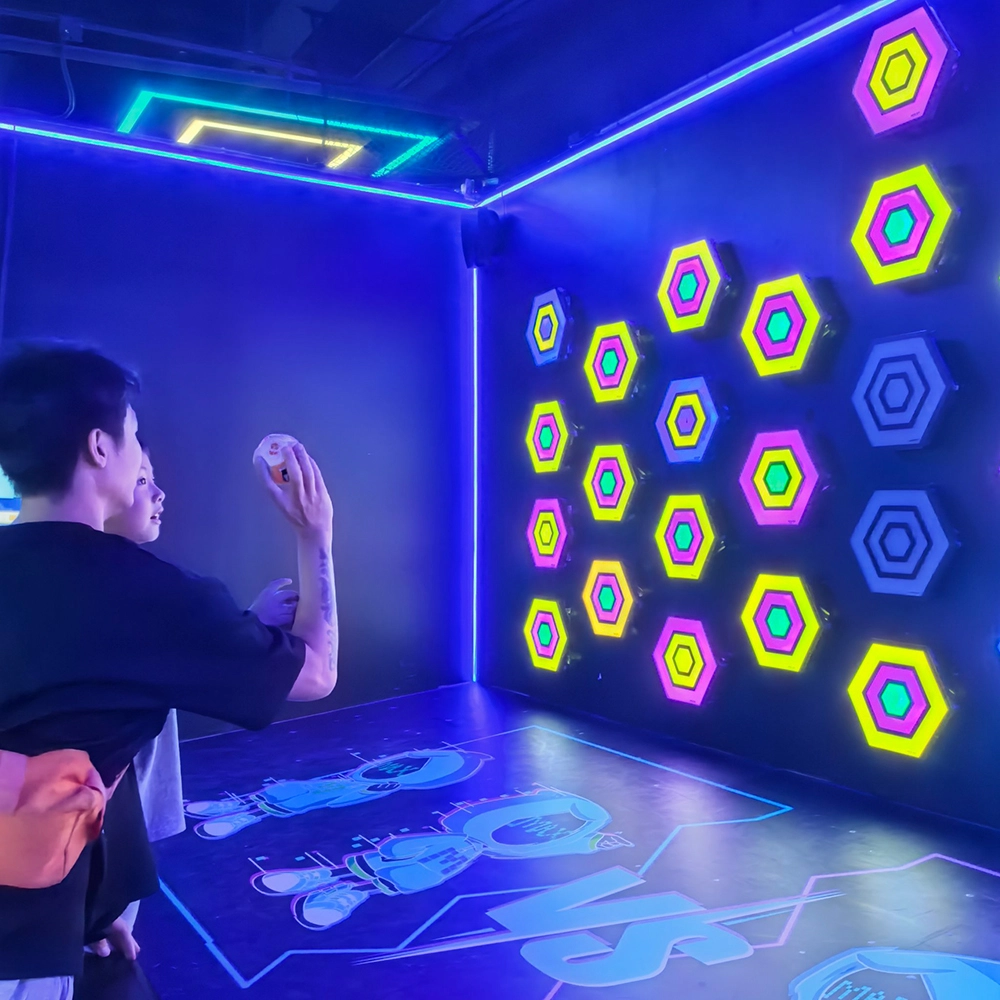
Target Smash
FUNTECH is full of fun and exciting playgrounds! The Precision Ball-Throwing Game at the Tide Play Centre is a highly interactive amusement attraction utilizing ball pits as props, combined with motion capture and projection technology. Players hurl balls into the pit, with the system accurately detecting trajectories and landing points to enable real-time interaction with projected visuals—such as triggering explosive feedback when striking monsters.
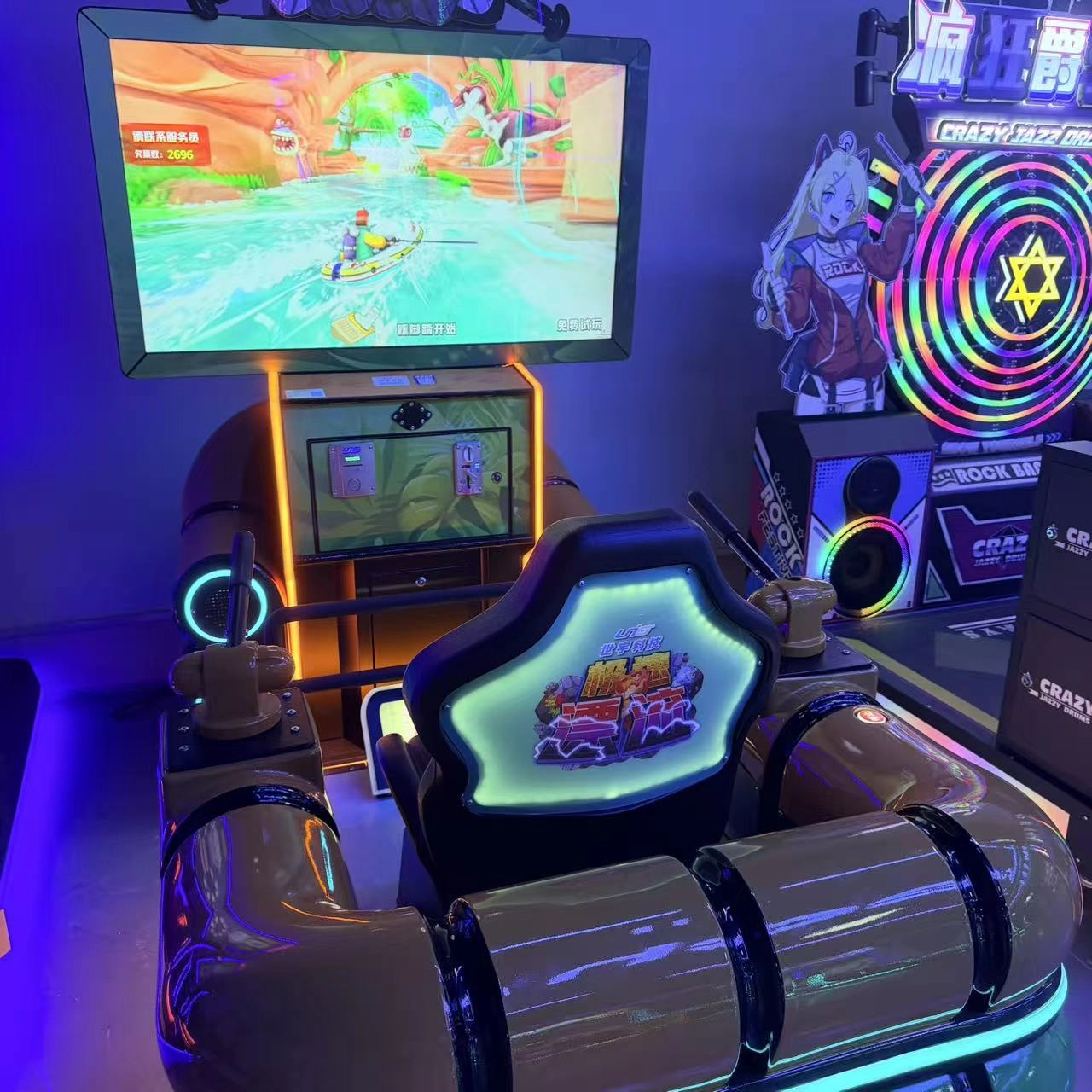
Elite Rowing
A brand-new rowing simulation competitive game, operating on a single machine station, supports player interaction and competition with 3 AI opponents. The station is equipped with the latest rowing equipment, enabling players to experience realistic rowing operation. The competition process is relaxed and fun, while also providing fitness exercise benefits.
Laser Matrix
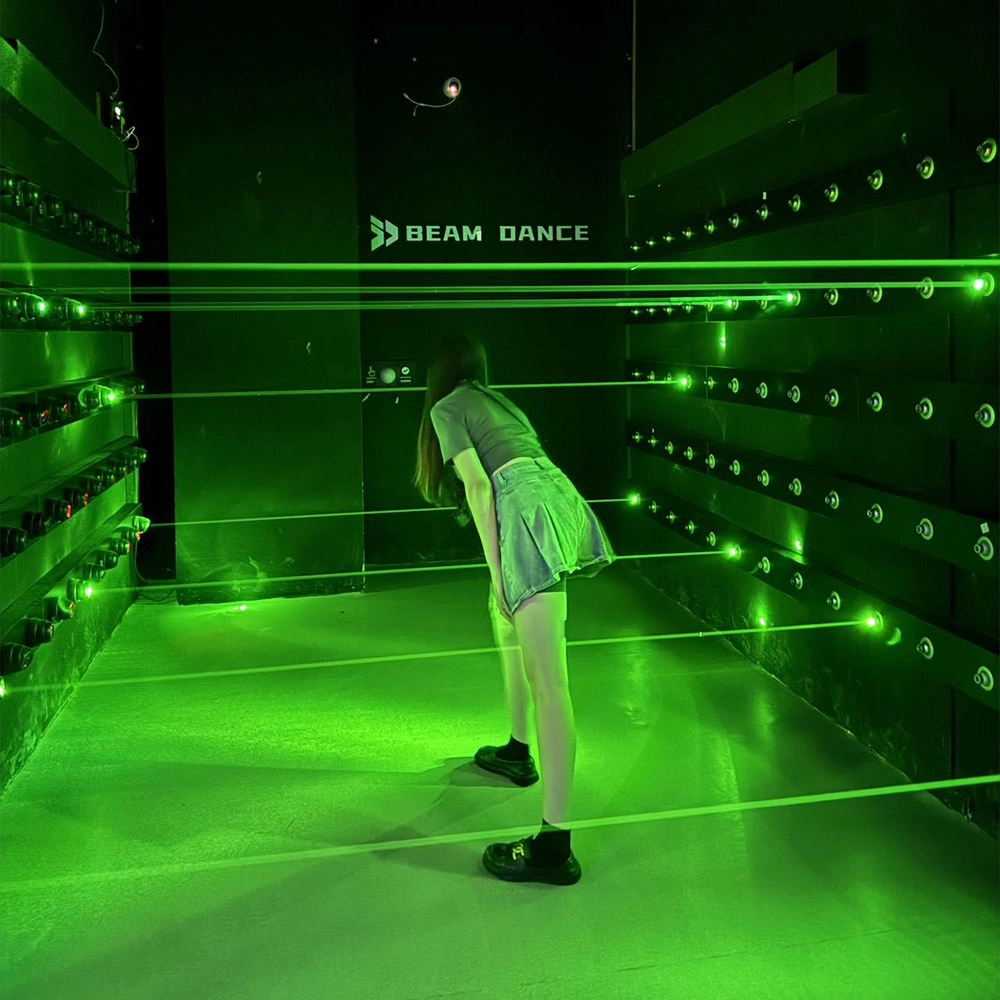
Joy Power is full of fun and exciting playgrounds! The laser matrix equipment in the indoor arcade stands out by virtue of its unique entertainment and technical characteristics. It builds a dynamic network of obstacles through precision-arranged laser beams, combining sound and light effects to create a tense and exciting atmosphere where players need to flexibly weave in and out to avoid the obstacles, making it both fun and challenging.
Ready to take your venue to the next level?
Leave us a message here, and our team will get back to you promptly.
Whether you're interested in custom orders, technical specifications, or partnership opportunities, we're here to assist you.
© 2025 FUNTECH ALL RIGHTS RESERVED

Weixia Lei
Fun_Tech-s
suiyifun_factory