
Which software features matter in an arcade dart machine for sale?
- 1) How can I evaluate hit-detection accuracy and latency before buying an arcade dart machine for sale?
- 2) Which remote management and telemetry features should I demand to cut downtime and operational costs?
- 3) How do I verify anti-cheat, auditability, and scoring integrity in a multiplayer arcade dart machine for sale?
- 4) Which SDK/API capabilities should I require from an arcade dart machine for sale to integrate with POS, loyalty, and LBE systems?
- 5) Which language, accessibility, and localization software features matter when buying an arcade dart machine for sale for multicultural venues?
- 6) How should I evaluate licensing, content updates, and modular game modes when choosing an arcade dart machine for sale?
- Conclusion: Advantages of choosing software-rich arcade dart machines for sale
Arcade Dart Machine for Sale: Which Software Features Matter?
When evaluating an arcade dart machine for sale, modern operators must prioritize software as much as hardware. Electronic dart machines and multiplayer dart systems now rely on cloud telemetry, operator dashboards, SDKs, and accurate digital scoring to deliver consistent gameplay, reliable revenue, and easy location management. Below are six specific, beginner-focused questions that are often poorly answered online — each followed by an in-depth, actionable answer for Digital Sports Entertainment buyers.
1) How can I evaluate hit-detection accuracy and latency before buying an arcade dart machine for sale?
Pain point: Operators receive machines that score inconsistently or feel delayed, which frustrates players and lowers throughput.
What to test and request from the vendor:
- Ask for technical specs and live demos showing input-to-score latency (the time from a dart strike to displayed score). In practice, aim for input-to-score latency under 100 ms for a responsive feel; sub-200 ms is acceptable in many venues but will feel less immediate in competitive settings.
- Request the hit-detection method: optical (camera), piezo/accelerometer, or conductive sensor arrays. Each has trade-offs — cameras provide high accuracy and additional analytics (shot tracking, video overlays) but require calibration and clear sight lines; piezo sensors are durable but need carefully tuned thresholds to avoid false positives or missed hits.
- Ask for sample raw-event logs and a short calibration report from an installed unit — these show how many false positives/negatives occurred during a 24–72 hour test. A transparent vendor will share these or provide on-site/demo testing.
- Test with consistent throw types: soft tap, edge hits, and full throws. Edge and bounce-out handling is a common failure mode; verify how the machine classifies partial contacts and whether it lets players review/contest scores.
- Confirm firmware update paths and how the vendor resolves sensor drift. Good systems include diagnostic tools and automatic recalibration routines that staff can run without a service call.
2) Which remote management and telemetry features should I demand to cut downtime and operational costs?
Pain point: High on-site maintenance costs and slow troubleshooting reduce machine uptime and profitability.
Key features and acceptance criteria:
- Cloud-based operator dashboard: real-time metrics (coin-in, play counts, current firmware version, error codes) should be viewable per machine and aggregated by venue or region.
- Alerting and automated support: SMS/email/push alerts for critical states (hardware fault, network offline, hopper jam) with remote logs attached. Ideally, alerts should include the last 50 event records and a diagnostic snapshot.
- Over-the-air (OTA) firmware and content updates so you can patch bugs or push seasonal game packs without a technician visit.
- Cashless and telemetry integrations: support for cashless wallets and transaction logs to reconcile revenue remotely. Confirm export formats (CSV, JSON) for accounting systems.
- Uptime SLAs and MTTR expectations: ask vendors for historical uptime percentages and average resolution time for critical issues in similar installations. Vendors serious about enterprise operators provide references and case studies.
3) How do I verify anti-cheat, auditability, and scoring integrity in a multiplayer arcade dart machine for sale?
Pain point: Cheating, scoring disputes, or unexplainable score changes erode player trust and can cause reputational damage.
What to look for and how to validate:
- Server-side scoring and audit logs: Prefer solutions that send raw hit events to a secure server which then computes final scores and stores immutable audit logs (with timestamps). Server-side validation prevents local tampering from changing results retroactively.
- Redundancy of sensors: Systems combining two independent detection mechanisms (for example optical + piezo) can cross-validate events and raise flags when the inputs disagree.
- Tamper detection and physical sensors that flag opened cabinets, removed boards, or unauthorized power cycling. These events should create an automatic incident entry in the operator dashboard.
- Tournament/competitive certification and third-party integrations: For venues running leagues or cash prizes, ask whether the system integrates with recognized scoring platforms or can export certified score reports.
- Dispute workflow and rollback policy: Confirm how disputes are handled — whether staff can review raw event timelines, replay camera evidence (if available), and issue corrective credits. Know the vendor’s policy for retroactive score adjustments.
4) Which SDK/API capabilities should I require from an arcade dart machine for sale to integrate with POS, loyalty, and LBE systems?
Pain point: Buyers receive closed systems that can’t join the venue’s POS, loyalty, or central analytics stack — creating silos and missed revenue opportunities.
Minimum integration capabilities to demand:
- RESTful APIs with clear documentation for events (game start, score, session end), machine state, and user/account operations. Look for JSON payloads and sample code in languages your team uses.
- Webhook/websocket support for real-time push events into your loyalty or analytics back end — this reduces polling and improves responsiveness.
- Authentication standards: OAuth 2.0 or API keys with role-based access control so you can safely grant limited access to third-party integrators.
- Player account federation: the ability to map machine sessions to your existing loyalty IDs or mobile wallets. Ask for sample SSO/integration guides and any SDKs for mobile or kiosk usage.
- Local integrations: direct POS hooks for ticketing or cashless payments (NFC/QR/wallet) and receipts. Verify supported payment processors and whether transactions are logged for reconciliation.
- Developer support and rate limits: request a dev sandbox or test API keys so your integration team can build and validate before deploying. Confirm published API rate limits and data retention policies.
5) Which language, accessibility, and localization software features matter when buying an arcade dart machine for sale for multicultural venues?
Pain point: Machines with English-only UIs or poor accessibility exclude large customer segments and reduce play frequency.
Localization and accessibility checklist:
- Full multilingual UI: not just translated text but localized date/currency formats, voice prompts, and onboarding flows. Confirm the number of supported languages and whether vendors provide translation/localization services or file formats for you to localize.
- Right-to-left (RTL) and multi-script support for regions that require it, ensuring text alignment and UI elements render correctly.
- Accessibility modes: adjustable font sizes, high-contrast color schemes for low-vision users, audio narration for menu items, and iconography that reduces reliance on text alone.
- Customizable onboarding and difficulty: venues often want a quick-play mode for casual customers and a tournament mode for experienced players. Software that allows per-machine default modes helps optimize dwell time.
- Localization for payments and legal notices: ensure age restrictions, prize regulations, and payment flows comply with local laws. Vendors should provide region-specific settings or configurable content blocks.
6) How should I evaluate licensing, content updates, and modular game modes when choosing an arcade dart machine for sale?
Pain point: Systems locked behind expensive or opaque licensing models restrict content flexibility and long-term ROI.
What to clarify and negotiate:
- Licensing model transparency: is the software sold as a perpetual license, a subscription per machine, or a revenue-share model? Each has cashflow implications; request a five-year TCO comparison showing upfront cost, recurring fees, and update costs.
- Modular game packs: confirm whether the machine supports additional game modules (e.g., skill games, party modes, seasonal features) that you can add later. Modular systems extend machine life and increase repeat play.
- Content update cadence and backward compatibility: how often does the vendor push new features, and do updates preserve operator customizations and player data? Ensure compatibility guarantees for at least 2–3 years.
- Monetization flexibility: ability to set pay-per-play, timed sessions, free-play with loyalty gating, or tournament-entry fees. The software should let you test pricing to find the best revenue model for your venue.
- Third-party content and marketplace: some platforms support external game developers or licensed content. Verify quality-control policies and whether seller revenue share or certification is required to publish content on your machines.
Each of these areas — hit detection, remote management, anti-cheat, integration APIs, localization, and licensing — directly affects uptime, player satisfaction, and revenue. When vendors can demonstrate clear diagnostics, publish APIs, and provide transparent licensing, you significantly reduce operational risk and total cost of ownership for an arcade-grade cabinet or coin-operated electronic dart machine.
Conclusion: Advantages of choosing software-rich arcade dart machines for sale
Choosing an arcade dart machine for sale that prioritizes robust software delivers measurable advantages: higher uptime via remote telemetry and OTA updates; better player retention through low latency and accurate digital scoring; increased revenue flexibility from modular games and cashless integrations; and smoother venue operations thanks to APIs that integrate with POS and loyalty systems. For multicultural markets, strong localization and accessibility expand your audience and game time. Prioritize vendors who provide diagnostics, developer APIs, transparent licensing, and operator dashboards — these features are what separate consumer-grade electronic dartboards from enterprise-ready arcade solutions.
If you’d like a customized quote or a demo of our multiplayer dart systems and operator dashboard, contact us for a quote. Visit www.funtechgame.com or email vicky@funtechgame.com.
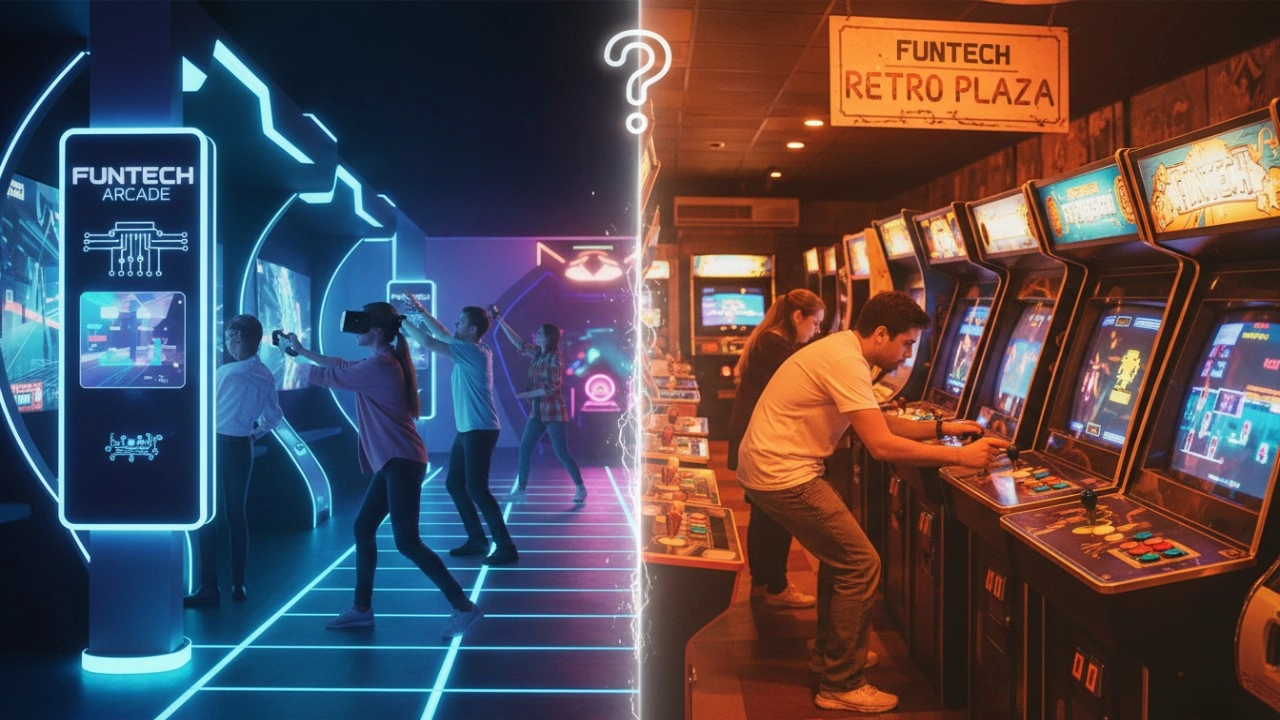
Interactive Sports Arcade vs Traditional Arcade Machines: Key Differences (2026 Guide)
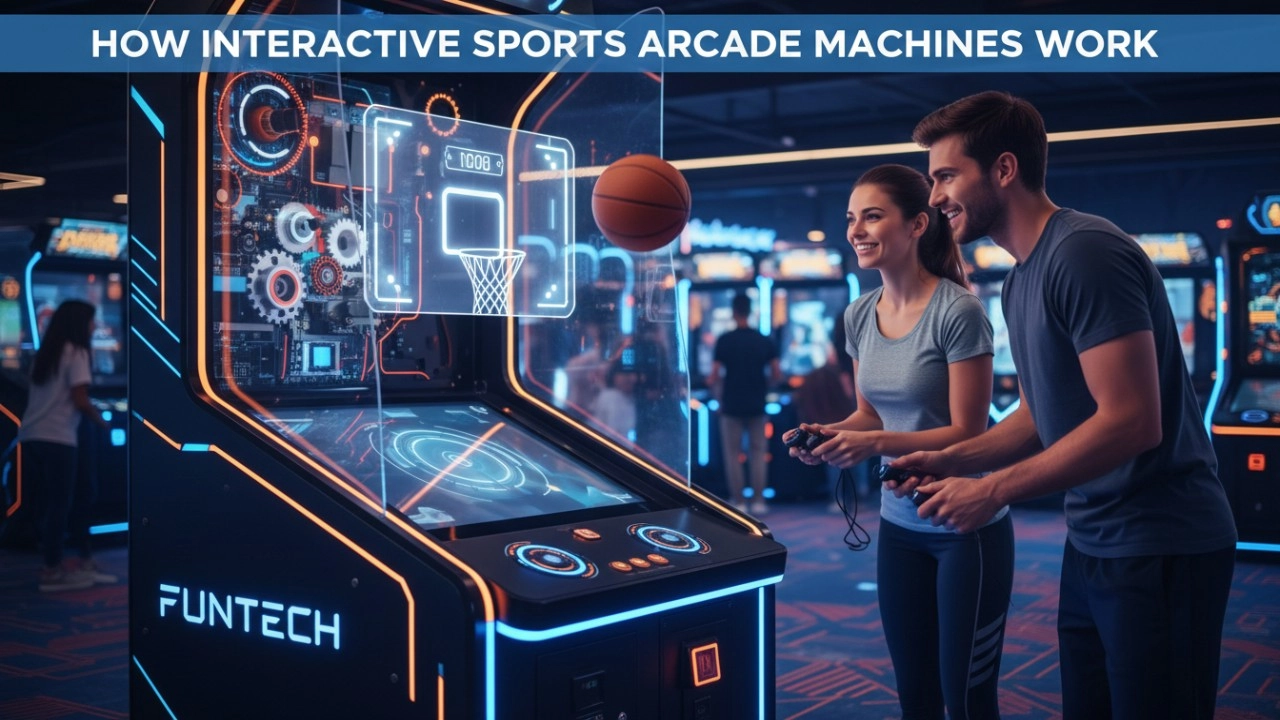
How Interactive Sports Arcade Machines Work (Sensors, Projection & AI) - 2026 Guide
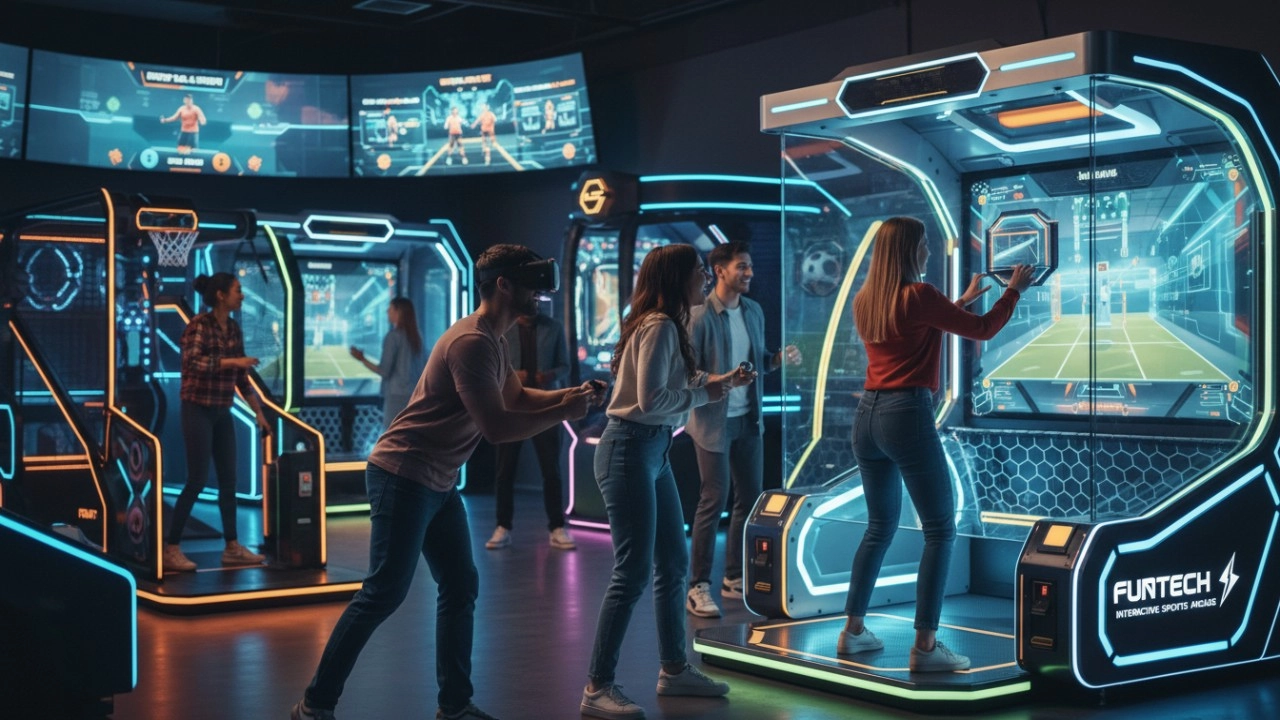
What Defines Interactive Sports Arcade Equipment in 2026?
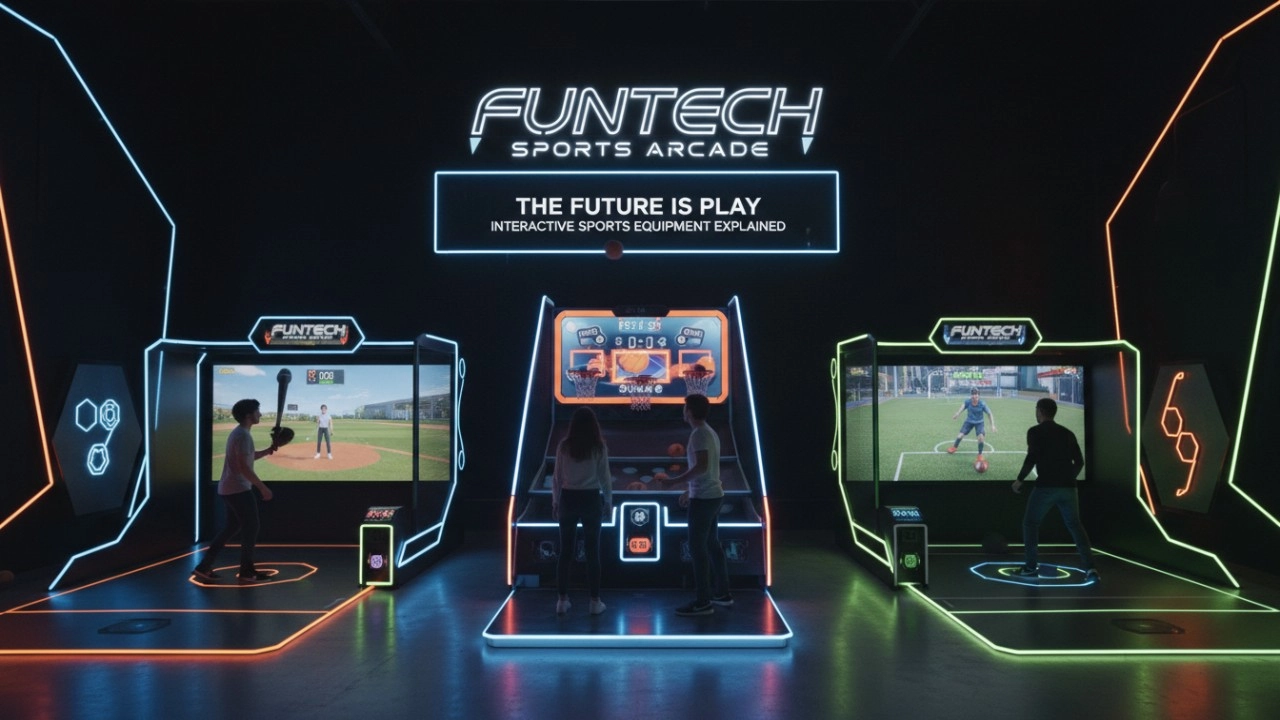
What Is Interactive Sports Arcade Equipment? Complete Beginner Guide (2026)
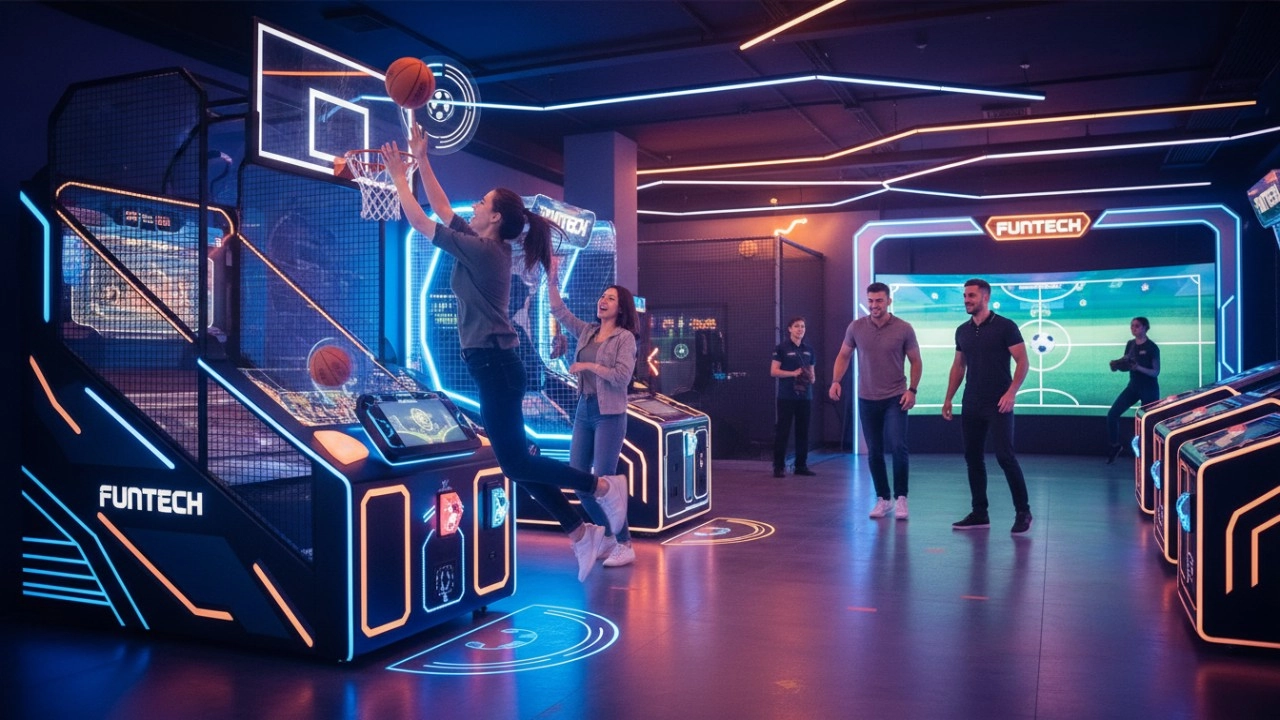
The Ultimate Guide to Interactive Sports Arcade Equipment for Commercial Entertainment (2026 Edition)
Infrared Shooting
How to attract customers when operating the program in shopping malls?
Create a cool venue decoration style and incorporate trendy elements, such as fluorescent light strips and anime-themed murals. o Launch diversified marketing models such as parent-child packages and couple packages, combined with time-limited promotional activities, such as half-price experience in the first three days of opening, to attract different groups of people such as families and couples to stop by and participate.
FAQ
What problems does the Digital Sports Center solve?
The Digital Sports Trendy Pavilion provides people with an innovative experience place that combines technology and sports, solving some problems existing in traditional sports activities and amusement facilities, while also meeting modern people's needs for digital technology and dynamic experience.
Holographic Light and Shadow Restaurant
What is holographic projection?
Holographic projection is a technique that utilizes the principles of interference and diffraction to record and reproduce the true three-dimensional image of an object. It records the light information of an object on a hologram, and then uses a specific light source to illuminate the hologram, so that the three-dimensional image of the object can be presented in the air, and the audience can see the realistic stereoscopic image without wearing special glasses.
Interactive Rollerball
Why are sports arcades a hot spot for investment?
The traditional entertainment market (e.g., arcade, KTV) has become less attractive to generations, while digital hip playgrounds integrating technology, sports, and socialization are more in line with young people's needs, and the market size has exceeded 50 billion in 2023, with an annual growth rate of more than 30%.
Dart Machines Bar Dart Machines
What is the difference between purchasing equipment for commercial operations and personal training?
Commercial operations should consider the durability, ease of operation, and attractiveness of the equipment, and it is preferable to choose cool-looking equipment that can withstand high-frequency use.
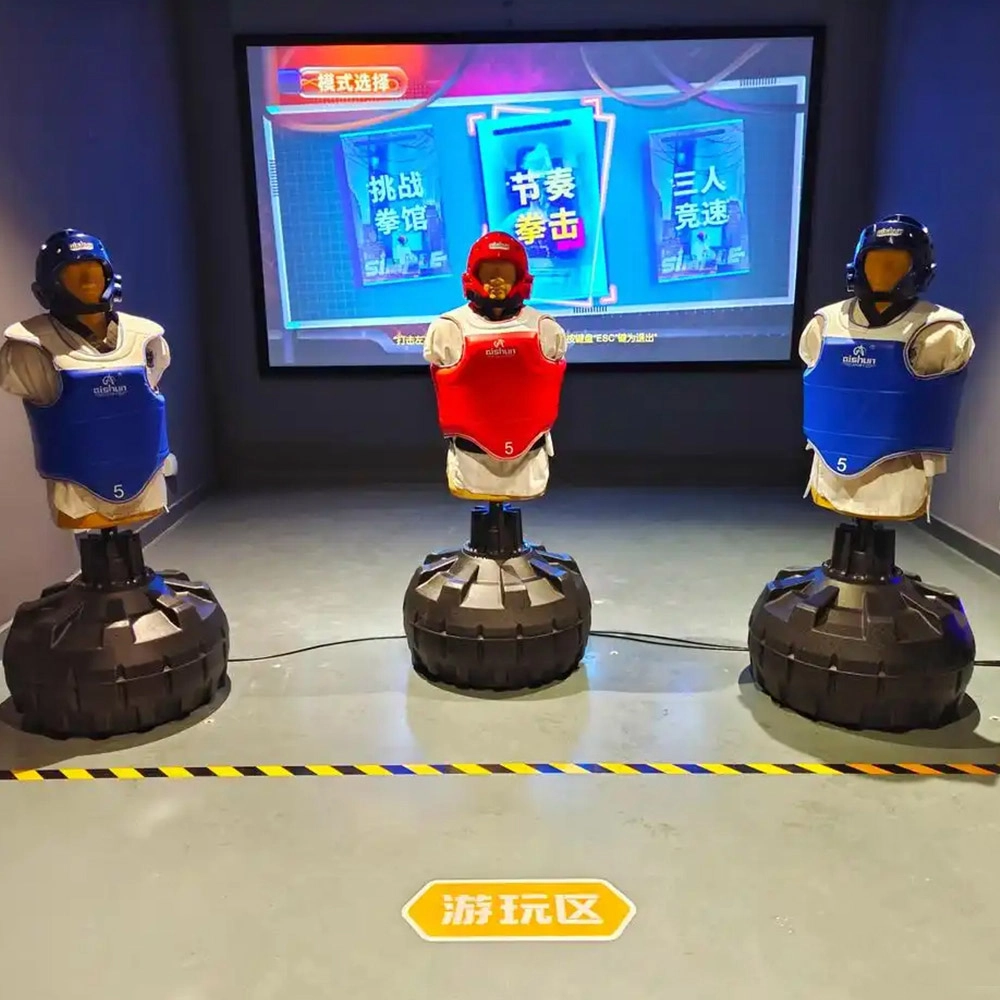
Indoor Boxing Equipment
FUNTECH is full of fun and exciting playgrounds! The indoor boxing simulation equipment combines pressure-sensitive boxing gloves with dynamic projection scenes, combining sports and fitness with entertainment and competitive attributes, supporting single-player training and two-player sparring modes, and accurately recording hitting data and generating sports reports, making it suitable for all-age experiences and safe and low-loss.
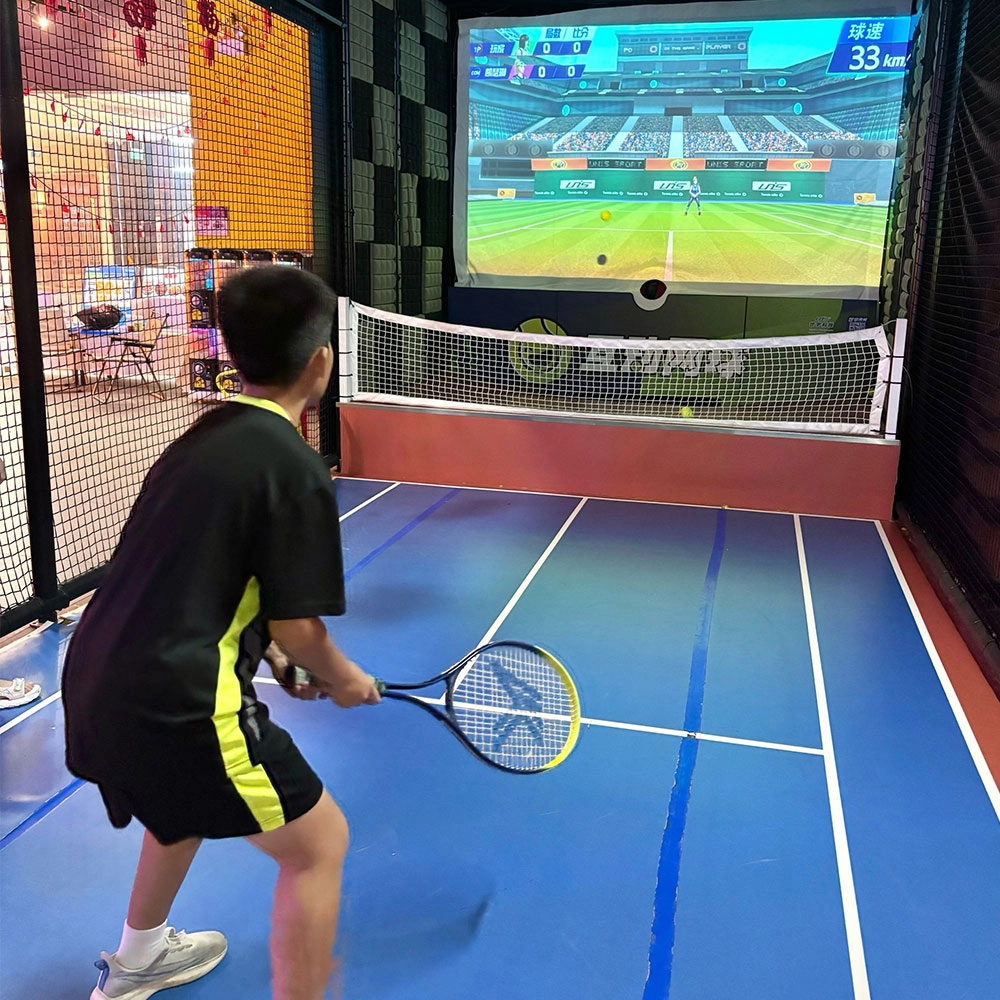
Indoor Tide Play Simulation Tennis Equipment
FUNTECH is full of fun and exciting playgrounds! With high-definition scene projection, force feedback racket, and intelligent scoring system, the simulated tennis equipment in the indoor arcade realizes immersive sports experiences and diversified interactive play, combining the advantages of safety and ease of use with high operational efficiency.
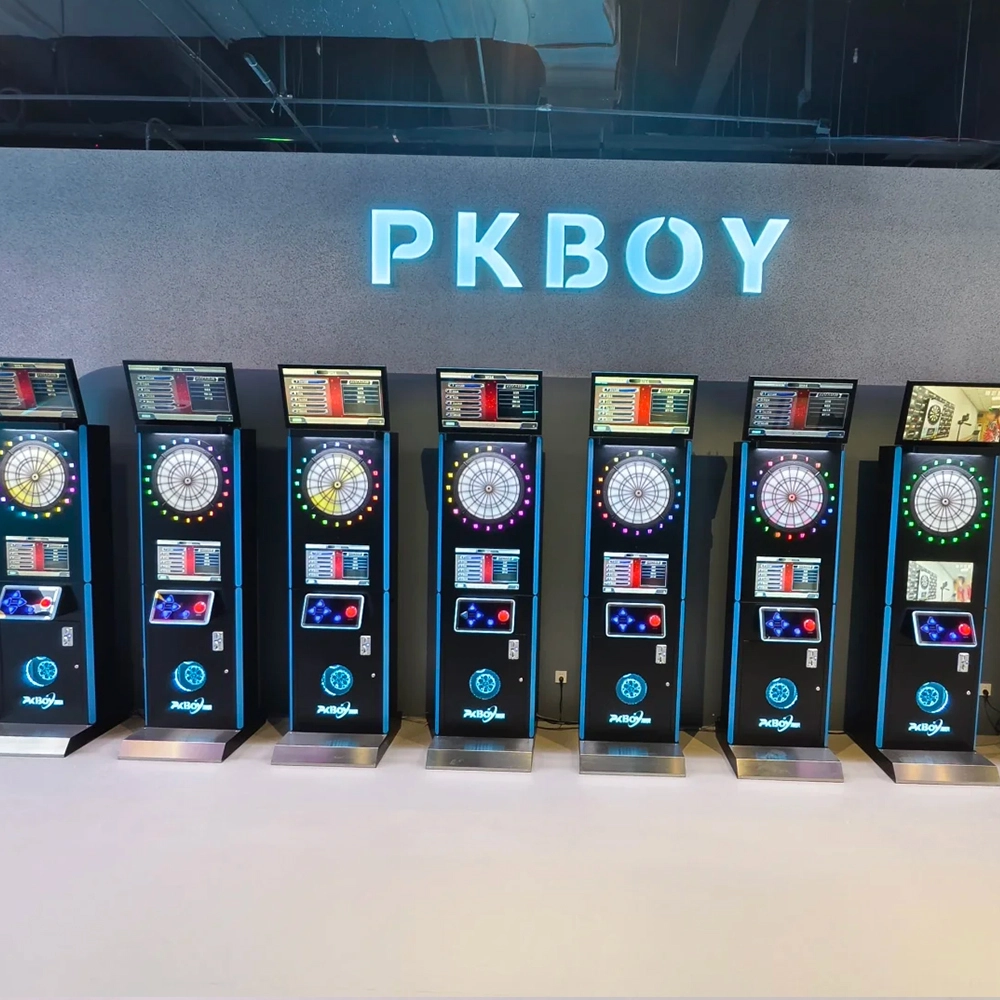
Dart Machines Bar Dart Machines
Joy Power is full of fun and excitement in the playground! The dart machine is suitable for all kinds of places, whether it is a bar, restaurant, KTV, or other entertainment venue, or a sports shop, club, or family leisure space, and can be perfectly adapted. In commercial venues, holding individual and team darts tournaments from time to time can attract more customers and increase the popularity and revenue of the venue, supplemented by various preferential activities, which can directly promote consumption and form a cycle of consumption of all the goods in the shop.
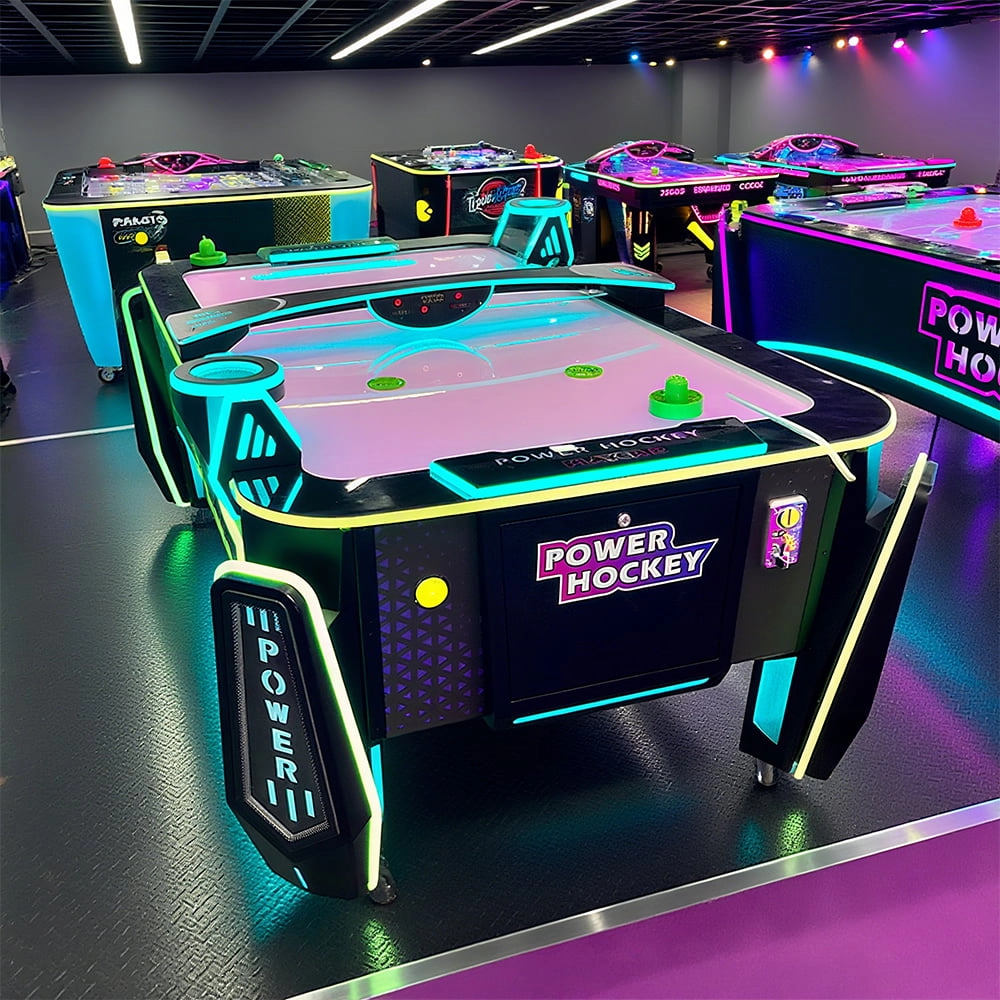
Arcade Hockey
FUNTECH is full of fun and exciting playgrounds! Air hockey, also known as air hockey, is a two-player competitive arcade game comprising a smooth, perforated playing surface, lightweight hockey sticks, a plastic puck, and an electronic scoreboard.
Ready to take your venue to the next level?
Leave us a message here, and our team will get back to you promptly.
Whether you're interested in custom orders, technical specifications, or partnership opportunities, we're here to assist you.
© 2025 FUNTECH ALL RIGHTS RESERVED

Weixia Lei
Fun_Tech-s
fun_tech20