
Do arcade dart machines for sale support cashless payments?
- 1. What specific cashless payment hardware and protocols should I require when buying an arcade dart machine for sale to ensure future-proofing and PCI compliance?
- 2. How do I verify that an arcade dart machine's remote telemetry and game management system will provide reliable multi-site revenue reporting and geolocation-aware restrictions?
- 3. For locations with limited staff, how can an arcade dart machine for sale be configured to minimize downtime and simplify on-site maintenance and spare part replacement?
- 4. Do arcade dart machines for sale support cashless payments, and what are the realistic integration steps and ongoing fees for card, mobile wallet, and closed-loop cashless systems?
- 5. What licensing, content update, and certification requirements (age ratings, safety, local laws) should I check before purchasing a digital dart cabinet for international locations?
- 6. How to assess true ROI for a soft-tip or electronic dart machine for sale including consumables, bonus redemption, and dynamic pricing strategies for peak times?
1. What specific cashless payment hardware and protocols should I require when buying an arcade dart machine for sale to ensure future-proofing and PCI compliance?
Answer:
When evaluating an electronic dartboard kiosk or coin-operated dart machine, require support for the industry standards and payment rails that protect you now and scale later. Key items to request from suppliers:
MDB and MDB+ or serial interface (Multi-Drop Bus): MDB remains the de facto vending/arcade device protocol for coinless interfaces and peripheral integration. Machines with an MDB port or an industry-standard serial-to-MDB adapter let you fit a wider range of cashless validators and bill acceptors.
EMV/contactless-ready readers: Ensure the cabinet supports EMV-capable, PCI-validated card readers (contact chip and contactless NFC). Many operators integrate third-party readers (Nayax, Ingenico-class devices) or plug-in readers that meet EMV and PCI-DSS requirements.
Closed-loop (proximity card or ticket) and open-loop (card, mobile wallet) support: Ask for both options. Closed-loop systems (club cards, tokens) reduce transaction fees but require the operator to manage top-ups; open-loop enables direct card payments and broad user convenience.
PCI-DSS and EMV certification evidence: The manufacturer should provide documentation showing the payment path is validated or that the cabinet isolates payment hardware so that the payment provider holds compliance responsibility. If you require integrated payments, choose vendors who publish PCI-HSM or validated point-of-interaction details.
API / SDK / telemetry docs: For enterprise deployments, require a documented API or SDK for payment and transaction data so you can integrate revenue streams into your operator dashboard or POS.
Why these matter: Future-proofing avoids replacing entire cabinets when payment trends change, and compliance (EMV/PCI) protects you and your customers from chargeback and fraud costs. If the manufacturer resists providing technical payment specs or compliance evidence, treat that as a red flag.
2. How do I verify that an arcade dart machine's remote telemetry and game management system will provide reliable multi-site revenue reporting and geolocation-aware restrictions?
Answer:
For operators running chains, reliable telemetry and a game management system (cloud-connected darts or multiplayer darts cabinet management) is as important as the game itself. Verify the following before purchase:
Demonstrable cloud platform with dashboards: Request a live demo account or screenshots of the operator dashboard showing real-time plays, revenue, uptime, and error logs. The dashboard should support role-based access, CSV/Excel exports and scheduled reports.
Geo-fencing & local compliance controls: If you operate across jurisdictions, confirm the platform supports geolocation features (IP, GPS on mobile interfaces, or per-location config) to enforce age restrictions, local game modes, or promotions per site.
Data ownership & API access: Contractually confirm you own your transactional data and get API keys to pull data into your ERP, accounting, or centralized analytics. Avoid vendors that lock data behind opaque reports.
Offline behavior & cache: Ask how the machine behaves when connectivity drops—does it queue transactions locally, and how are reconciliations handled? Proper local caching avoids revenue loss during network downtime.
SLAs and uptime metrics: For higher-scale deployments, require written service-level commitments for cloud uptime and support response windows. Also determine whether firmware updates are pushed OTA (over the air) and whether rollbacks are supported.
Security & logging: Confirm encryption in transit (TLS 1.2/1.3) and at-rest protections for sensitive data. Audit logs and change history are essential for troubleshooting and compliance.
To validate claims, request references of existing multi-site customers and, if possible, visit an installed location to see telemetry and reporting in production.
3. For locations with limited staff, how can an arcade dart machine for sale be configured to minimize downtime and simplify on-site maintenance and spare part replacement?
Answer:
Low-staff locations (bars, pubs, family entertainment centers) need machines that are service-friendly. Look for these design and service features:
Modular component design: Cabinets that allow quick swap of high-wear parts (token acceptor, bill validator, card reader, light columns, and catch nets) reduce mean time to repair. Ask for part diagrams and service manuals.
Remote diagnostics and automatic alerts: Machines with remote error reporting (paper jam, validator fault, firmware checksum mismatch) reduce technician trips. Automatic alerts via SMS or email for critical faults are helpful.
On-site consumables kit and local spare parts availability: Request a recommended spare-parts kit (fuses, sensors, replacement tips for soft-tip dart machines, connectors). Confirm vendor lead times and whether local distributors exist.
Field-replaceable sensors and user-facing modules: For soft-tip cabinets, dartboard segments, LED panels, and button panels should be easily removable without clearing the cabinet’s internal wiring harness.
Simple lock and tamper-proofing: Easy to open but secure locks that staff can manage without special keys (or that use kiosk master keys) minimize downtime while maintaining theft prevention.
Training materials and quick guides: Onsite staff will appreciate laminated troubleshooting flowcharts, short video links, and a dedicated spare-parts SKU list.
Operational tip: Negotiate a support plan with guaranteed response times; for low-staff venues, an annual preventative maintenance visit can reduce costly emergency callouts.
4. Do arcade dart machines for sale support cashless payments, and what are the realistic integration steps and ongoing fees for card, mobile wallet, and closed-loop cashless systems?
Answer:
Yes—most modern arcade dart machines for sale support cashless payments, but support levels and integration paths vary widely. Here’s a practical breakdown of integration steps and recurring costs:
Integration paths:
- Add-on card/NFC readers: Many cabinets accept plug-in or mounted EMV/contactless readers (e.g., readers compatible with payment vendors such as Nayax). These devices often connect via MDB, USB, or serial.
- Built-in cashless modules: Higher-end digital dart cabinets can be factory-configured with embedded payment modules that are PCI-validated and OTA-managed.
- Closed-loop systems: Operators can implement club cards, QR/wallet top-ups, or mobile-app credits to reduce per-transaction fees.
Steps to integrate:
- Confirm physical interface (MDB, USB, serial) and power requirements with the manufacturer.
- Choose a payment provider that supports arcade endpoints; verify EMV/contactless certifications and PCI scope.
- Configure transaction routing (direct settlement vs. operator wallet) and rates.
- Test in a staging environment and validate reporting and reconciliation.
- Deploy with signage instructing players on payment methods.
Ongoing fees and real costs to expect:
- Per-transaction processing fees: Open-loop card transactions incur payment processor fees (interchange + margin). Rates vary by region and processor—request sample fee schedules.
- Terminal rental or gateway fees: Some providers charge a monthly terminal or gateway/service fee for the card reader and cloud services.
- Network/data fees: For cellular-enabled readers, budget for SIM/data plans; Wi-Fi options reduce these costs but may be less reliable in some venues.
- Closed-loop maintenance: If you run a closed-loop system, factor in card printing, top-up kiosks, reconciliation labor, and promotional liability management.
Practical advice: For smaller venues, a hybrid approach (closed-loop for regulars + open-loop contactless for walk-ins) balances fees and convenience. Always request modeled statements from payment providers to compare expected net revenue after fees.
5. What licensing, content update, and certification requirements (age ratings, safety, local laws) should I check before purchasing a digital dart cabinet for international locations?
Answer:
Global deployments require attention to regulatory and content considerations beyond hardware:
Safety certifications: Ensure the cabinet meets local electrical safety standards (CE for EU, UL for U.S./Canada, CCC for China as applicable). Ask the manufacturer for the certification documents by market.
Payment and data privacy laws: For cashless systems, comply with local payment regulations and data privacy laws (e.g., GDPR in the EU, CCPA-like regimes). Confirm how PII is stored and who is the data controller.
Age-restriction and local entertainment licensing: Some countries or cities have rules about where competitive skill games or redemption-based games can operate, especially if linked to prizes. Verify local amusement device licensing requirements with municipal regulators.
Localization and content updates: For machines that display text or promotional content, confirm that software supports multi-language assets and region-specific content. Ask whether firmware/OS updates are localized and whether remote content scheduling is available.
Import duties and spare part supply chains: International purchases require clarity on warranty coverage abroad, customs duties, and availability of service parts and technicians locally.
Accessibility and consumer safety: Ensure fair-play rules, clear instructions, and safe hardware (no exposed sharp edges, secure wall fixtures) — many venues are liable for injuries from malfunctioning equipment.
Ask your vendor for an export pack: certification copies, an MCN (model compliance note), and a recommended compliance checklist per target market. If uncertain, engage a local compliance consultant before large rollouts.
6. How to assess true ROI for a soft-tip or electronic dart machine for sale including consumables, bonus redemption, and dynamic pricing strategies for peak times?
Answer:
Assessing ROI requires accounting for direct and indirect costs and modeling realistic usage. Components to include in your financial model:
Capital expense (CAPEX): Purchase price, delivery, installation, and any required site prep.
Operating expenses (OPEX): Payment processing fees (if cashless), utilities, consumables (soft tips, replacement segments, LED modules), spare parts, warranty/support contracts, and network connectivity costs.
Labor & service: Technician visits, on-site staff time for reconciliations, and any card top-up kiosks or vending maintenance.
Revenue drivers: Average price per play (or session), payouts for redemption (if applicable), seasonal and peak demand, and cross-promotional revenue (bar sales, F&B uplift when players stay longer).
Dynamic pricing & promotions: Systems that allow time-of-day pricing (cheaper off-peak, High Quality during events) or bundle deals (two games for one price) can materially affect ARPU (average revenue per user). Ensure the management system supports these features.
Break-even analysis: Model conservative, expected, and optimistic usage scenarios. If your vendor provides remote telemetry, use benchmarking data (plays/day for similar venues) from existing customers to refine estimates.
Non-monetary ROI: Improved dwell time, repeat visits, and increased F&B sales are often as valuable as direct machine revenue. Capture these uplift factors in negotiations with venue landlords or franchise partners.
Pro tip: Before buying multiple cabinets, pilot one unit with full telemetry enabled and run a 90-day test: track plays, uptime, maintenance calls, and net revenue after fees. That empirical data will give you the most accurate ROI for scale-up decisions.
Conclusion
Choosing the right arcade dart machine for sale goes beyond the look of the cabinet. Prioritize machines that support MDB/EMV/cashless integration, provide robust cloud-connected darts management, and offer modular serviceability. Confirm PCI/EMV evidence, ask for operator dashboard demos, and pilot machines to capture real ROI. For international rollouts verify safety certifications and local regulatory compliance. A well-chosen soft-tip dart machine or multiplayer darts cabinet can drive direct revenue, increase dwell time and improve venue economics when paired with modern cashless arcade payment systems.
For quotes, detailed spec sheets, and pilot arrangements, contact us at www.funtechgame.com or email vicky@funtechgame.com — contact us for a quote.
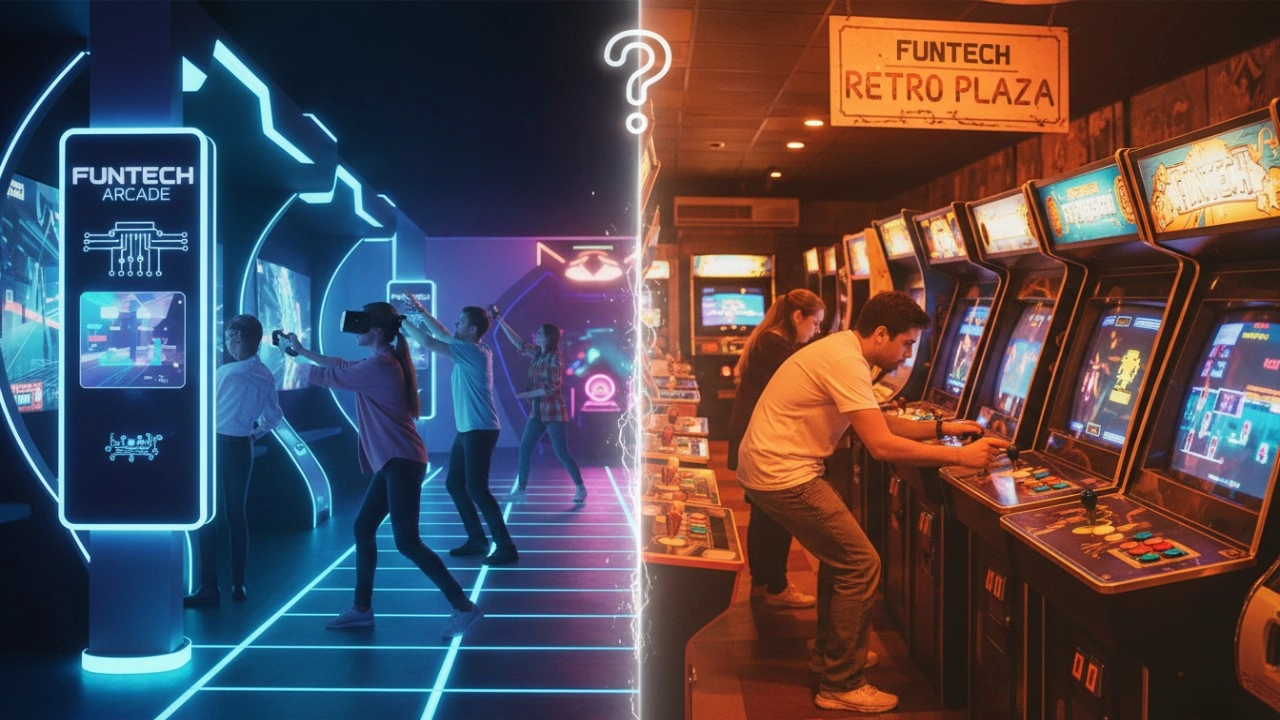
Interactive Sports Arcade vs Traditional Arcade Machines: Key Differences (2026 Guide)
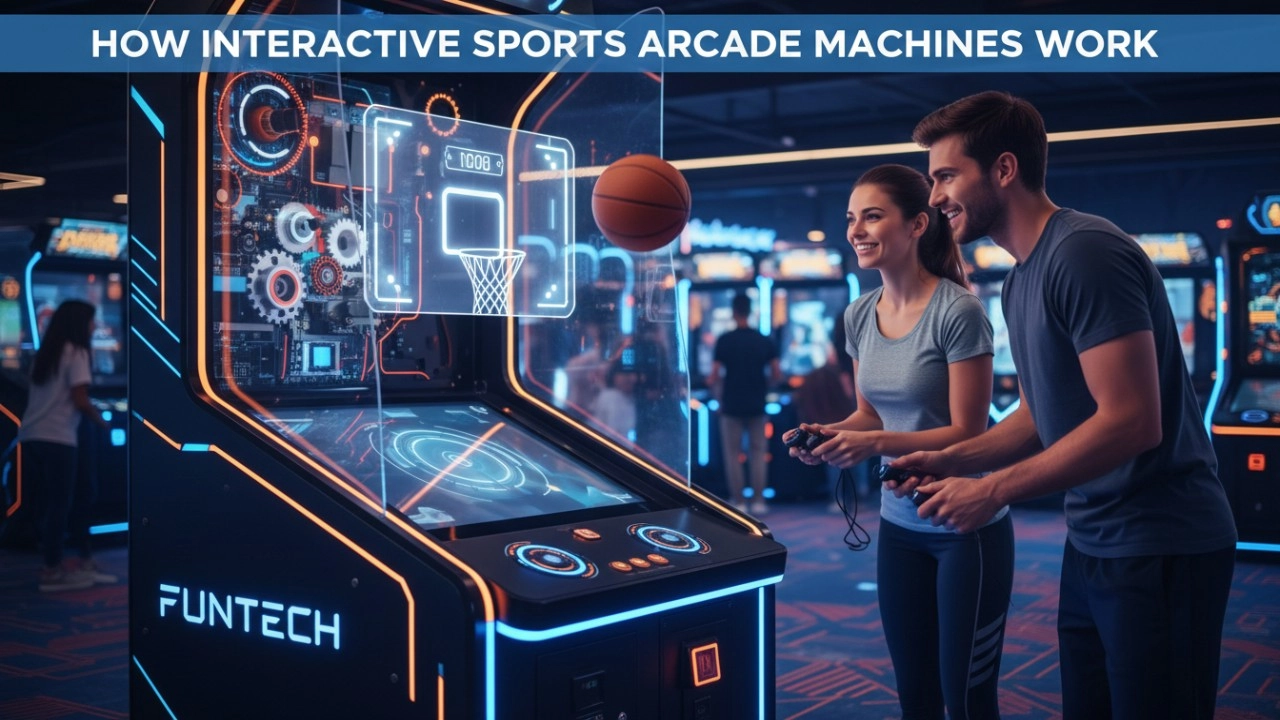
How Interactive Sports Arcade Machines Work (Sensors, Projection & AI) - 2026 Guide
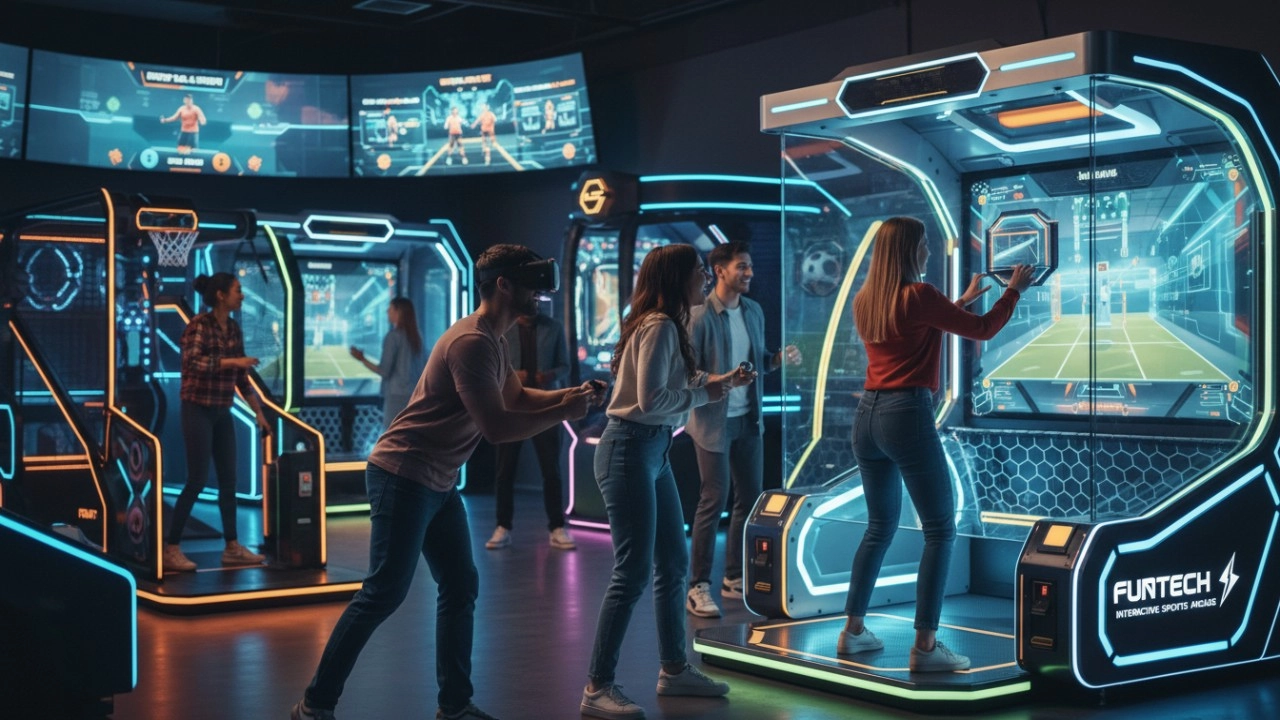
What Defines Interactive Sports Arcade Equipment in 2026?
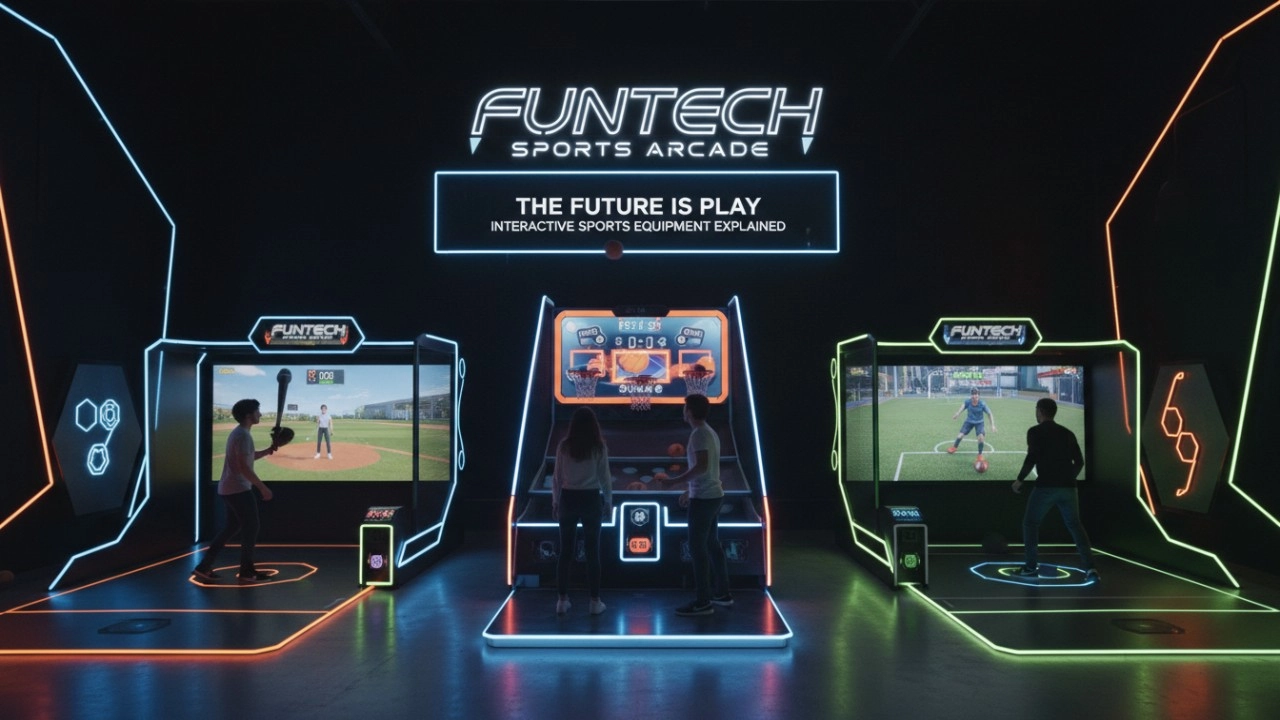
What Is Interactive Sports Arcade Equipment? Complete Beginner Guide (2026)
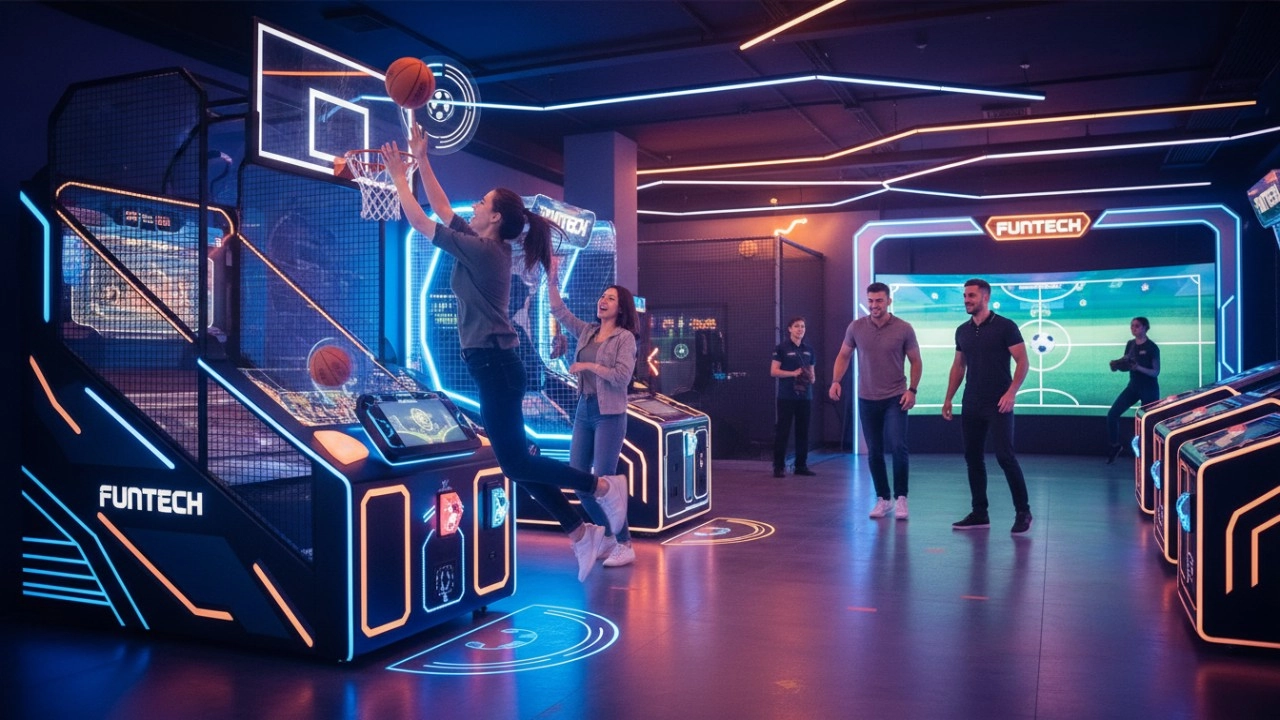
The Ultimate Guide to Interactive Sports Arcade Equipment for Commercial Entertainment (2026 Edition)
Interactive Rollerball
How to attract customers when operating the program in shopping malls?
Create a cool venue decoration style and incorporate trendy elements, such as fluorescent light strips and anime-themed murals. o Launch diversified marketing models such as parent-child packages and couple packages, combined with time-limited promotional activities, such as half-price experience in the first three days of opening, to attract different groups of people such as families and couples to stop by and participate.
Products
How often does moving target archery equipment require maintenance?
Under daily use, for equipment that is used less frequently, 1-3 times per week, simple cosmetic cleaning and functional checks can be performed after each use. A more comprehensive maintenance should be carried out every 2-4 weeks, including disassembling some parts for cleaning and checking the accuracy of the aiming system.
Holographic Light and Shadow Restaurant
What is holographic projection?
Holographic projection is a technique that utilizes the principles of interference and diffraction to record and reproduce the true three-dimensional image of an object. It records the light information of an object on a hologram, and then uses a specific light source to illuminate the hologram, so that the three-dimensional image of the object can be presented in the air, and the audience can see the realistic stereoscopic image without wearing special glasses.
Football Simulator
What is the biggest difference between simulation soccer and traditional soccer?
Simulation soccer through digital technology on the screen to present soccer, not subject to site, weather restrictions, players can participate at any time and anywhere, but also with the handle, somatosensory equipment and other controls, experience a variety of modes. Traditional soccer requires real venues and multiple participants, and is greatly affected by environmental factors.
Golf Simulator
How is pricing more reasonable for commercial venues operating indoor simulated golf programs?
It is recommended to use a combination of “basic time slot attraction + member lock-in + corporate high-priced package” model, the monthly revenue of a single device in a first-tier city can be more than 20,000 yuan. Focus on continuous optimization of pricing through data monitoring (e.g., customer unit price, repurchase rate) to avoid falling into low-price competition and to maintain the high-end experience tone. o The project should be operated in a shopping mall.
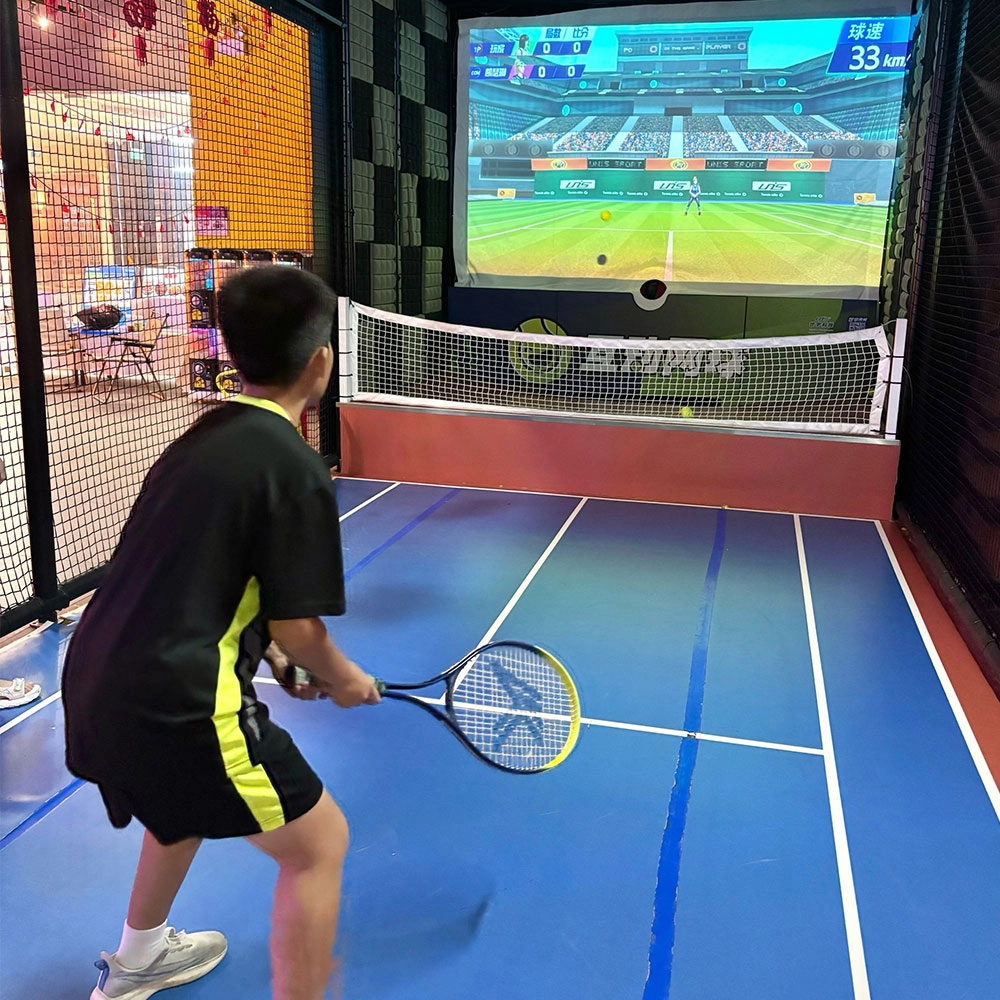
Indoor Tide Play Simulation Tennis Equipment
FUNTECH is full of fun and exciting playgrounds! With high-definition scene projection, force feedback racket, and intelligent scoring system, the simulated tennis equipment in the indoor arcade realizes immersive sports experiences and diversified interactive play, combining the advantages of safety and ease of use with high operational efficiency.
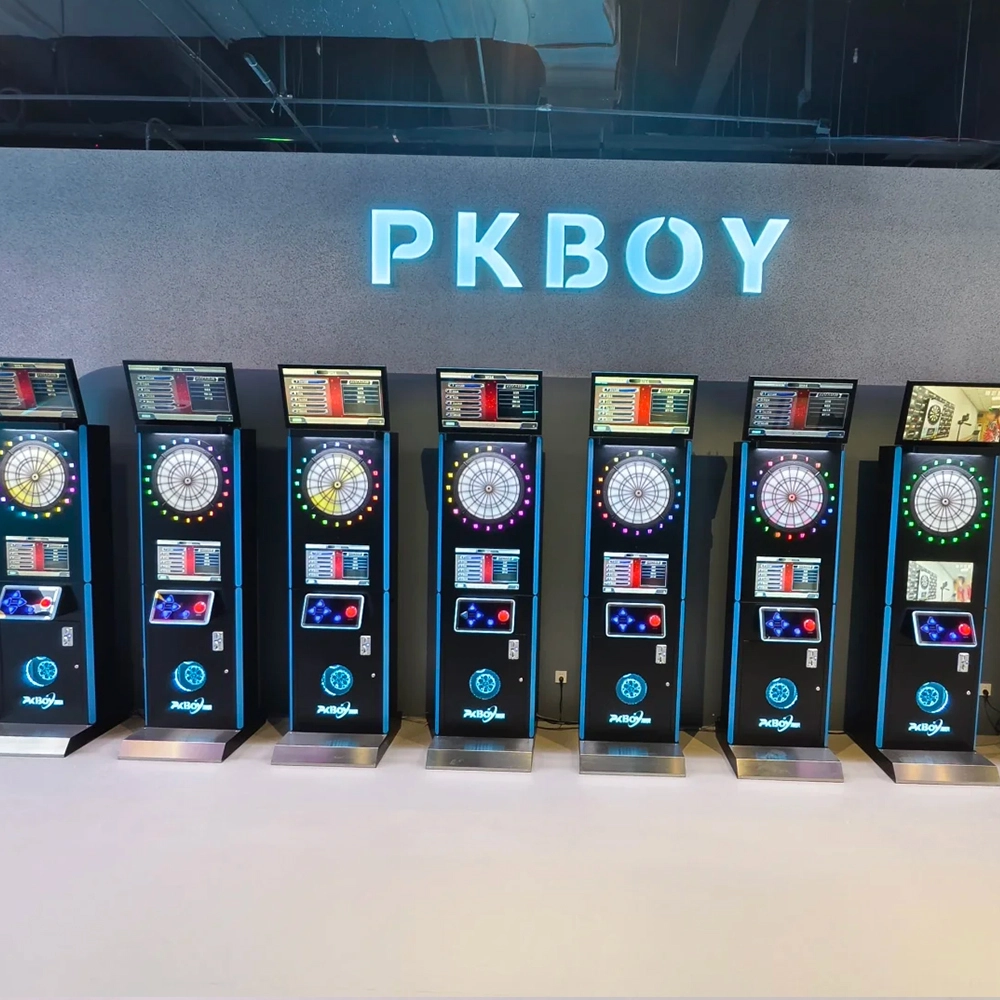
Dart Machines Bar Dart Machines
Joy Power is full of fun and excitement in the playground! The dart machine is suitable for all kinds of places, whether it is a bar, restaurant, KTV, or other entertainment venue, or a sports shop, club, or family leisure space, and can be perfectly adapted. In commercial venues, holding individual and team darts tournaments from time to time can attract more customers and increase the popularity and revenue of the venue, supplemented by various preferential activities, which can directly promote consumption and form a cycle of consumption of all the goods in the shop.
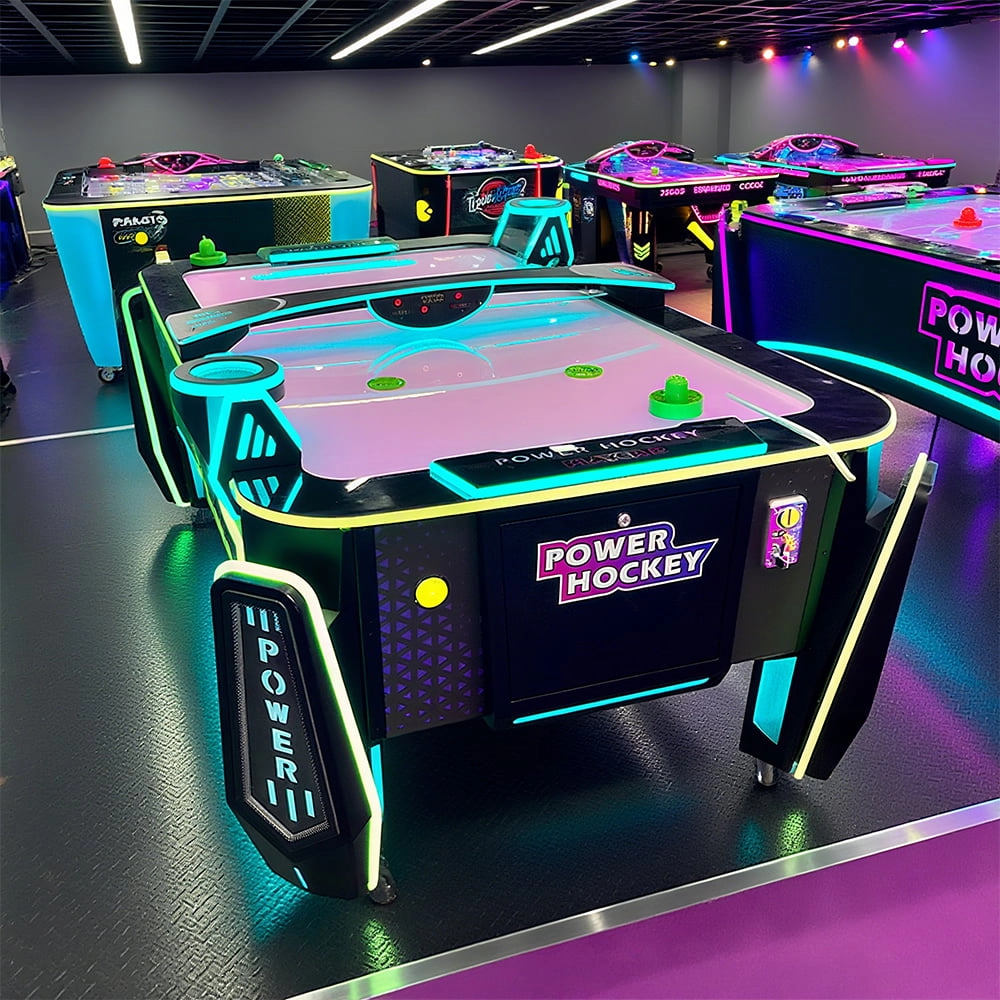
Arcade Hockey
FUNTECH is full of fun and exciting playgrounds! Air hockey, also known as air hockey, is a two-player competitive arcade game comprising a smooth, perforated playing surface, lightweight hockey sticks, a plastic puck, and an electronic scoreboard.
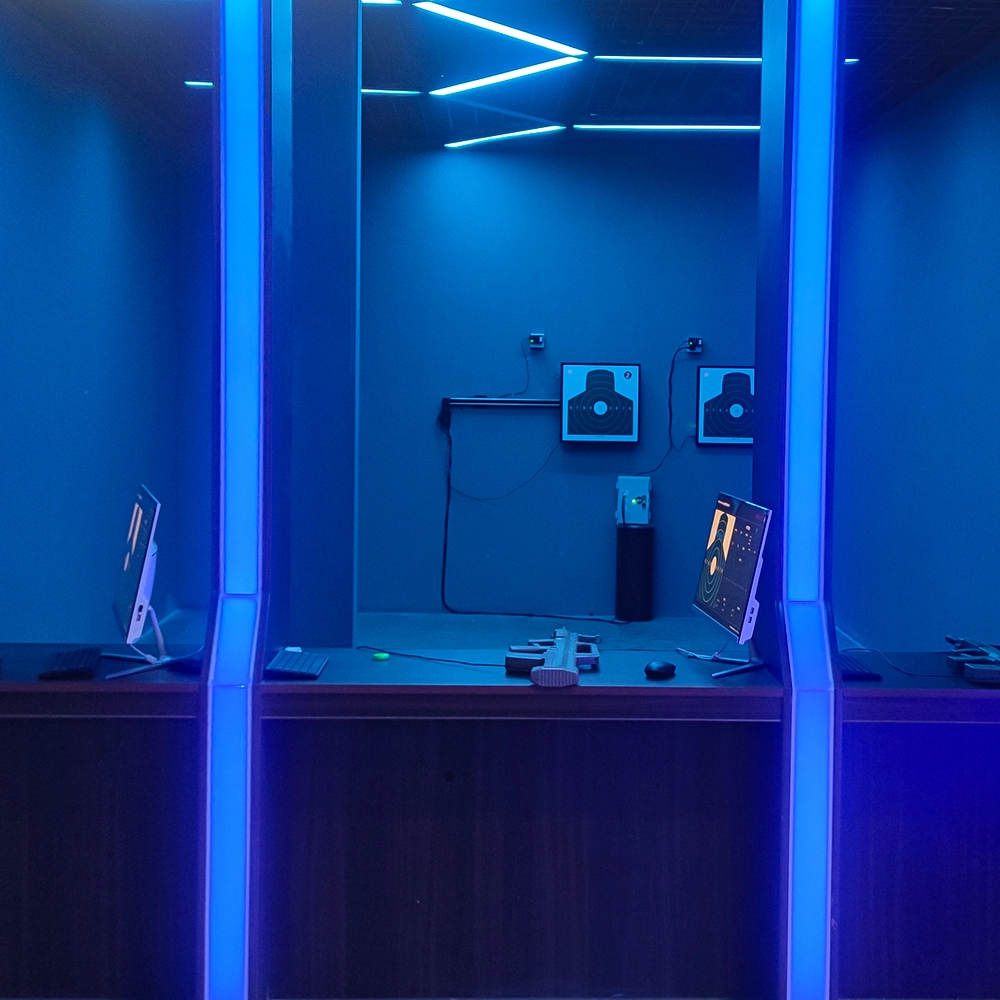
Infrared Shooting
Highly simulated simulation training analysis equipment, with advanced design concepts, fast system development, ease of operation and use, stable technical performance, less consumption of training, site dependence on a small group training is highly interesting, safe, and reliable, and other outstanding features. Product design to solve the basic skills of light weapons precision shooting as a starting point, to improve the safety of shooting training and training efficiency as the fundamental purpose, highlighting the simulation, information technology, and combat training requirements, can be in small indoor and outdoor venues and does not use live ammunition to complete the basic shooting training.
Ready to take your venue to the next level?
Leave us a message here, and our team will get back to you promptly.
Whether you're interested in custom orders, technical specifications, or partnership opportunities, we're here to assist you.
© 2025 FUNTECH ALL RIGHTS RESERVED

Weixia Lei
Fun_Tech-s
fun_tech20