
What warranty terms should come with an arcade dart machine for sale?
- 1. What warranty length and commercial use coverage should I insist on for a 24/7 bar or arcade?
- 2. Will the warranty cover frequent LED target or sensor failures from soft-tip impacts and how are replacements handled?
- 3. Are software updates, network patches and scoring fixes included in the warranty for a networked arcade dart machine?
- 4. How are international warranty claims handled when buying an arcade dart machine for sale from overseas manufacturers?
- 5. What turnaround times and service-level agreements should I demand for replacement parts and onsite service for coin-operated machines?
- 6. Which exclusions and routine maintenance requirements are commonly in warranties, and how do I avoid voiding coverage?
What Warranty Terms Should Come With an Arcade Dart Machine for Sale?
If you are evaluating an arcade dart machine for sale, read these six specific buyer questions and expert answers to avoid costly downtime and unsupported failures. For a tailored quote on commercial or residential electronic dartboard machines, contact us at www.funtechgame.com or email vicky@funtechgame.com before you buy.
1. What warranty length and commercial use coverage should I insist on for a 24/7 bar or arcade?
Why this matters: Machines in bars and arcades run far more cycles than home units. A warranty that treats a machine as residential instead of commercial will leave you paying for failures caused by normal high-duty use.
What to require and why:
- Minimum 12 months parts and labor for commercial operation. Many reputable manufacturers extend to 18 or 24 months for key electronics; if the vendor offers only 90 days or a residential warranty, treat that as a red flag for a coin-operated, soft-tip dart machine or LED scoring unit.
- Explicit commercial-use clause. The warranty must state that coin-operated, barcade, pub, tournament and rental usage are covered under normal defined duty cycles. If the supplier has a duty-cycle limit, ensure it matches your expected use (for example, 8,000–20,000 throws per month is a common specification for commercial-grade products).
- Parts tiers defined. Core electronics like controller boards, sensors, and power supplies should be in the primary coverage tier; consumables such as soft tips, light bulbs, and rubber skirts should be listed separately and often excluded or offered as a short-term consumable warranty.
Practical step: Add warranty length and commercial use language into purchase orders and invoices. If the supplier cannot provide commercial coverage in writing, budget for an extended warranty or local service contract.
2. Will the warranty cover frequent LED target or sensor failures from soft-tip impacts and how are replacements handled?
Why this matters: The most common failures in electronic dart machines are target sensor or LED matrix issues from repeated soft-tip impacts. Replacement and turnaround process is where buyers often encounter delays.
What to expect and negotiate:
- Coverage for sensor arrays and LED scoring boards for at least 12 months for commercial units. Ask whether sensors are replaceable modules or require full board swaps; modular designs reduce repair cost and downtime.
- Ship-from location and spare parts policy. Confirm whether spare sensor modules are stocked domestically or shipped from overseas. If the vendor ships from a single overseas factory, request an expedited parts pack or local stocking agreement.
- RMA and replacement procedure. Clear RMA steps, pre-authorized parts shipments (where the vendor ships parts before receiving the failed module), and prepaid return labels reduce time to repair. Require the vendor to document their RMA SLA in writing.
Practical step: Ask the seller for a spare-parts kit as part of the purchase or include a parts buffer in your order. For high-traffic venues, keep at least one sensor module and one controller board on site.
3. Are software updates, network patches and scoring fixes included in the warranty for a networked arcade dart machine?
Why this matters: Modern electronic dart machines include firmware, scoring apps and sometimes cloud leaderboards. Software issues can render a machine unusable even if hardware is fine.
What to require and verify:
- Firmware update policy. Confirm that critical firmware updates that fix defects are included free during the warranty period and that the process is documented and tested for in-field updates.
- Security and connectivity fixes. For network-enabled machines, vendor responsibility for security patches and connectivity troubleshooting during the warranty period should be explicit. If connectivity depends on a third-party service, request uptime guarantees or fallback local scoring modes.
- Software support windows. Documented support hours, remote troubleshooting procedures, and whether phone or remote desktop help is included are important for quick resolution.
Practical step: Get a copy of release notes and the update cadence. If your venue requires tournament certification, ensure software changes include backwards compatibility or vendor-managed update scheduling during off-hours.
4. How are international warranty claims handled when buying an arcade dart machine for sale from overseas manufacturers?
Why this matters: Many arcade dart machines are manufactured overseas. International buyers face extra complexity: shipping costs, customs, local repair availability, and longer downtimes.
What to confirm before purchase:
- Local service partners and authorized distributors. Prefer vendors with local presence or certified technicians in your region who can perform onsite repairs and expedite parts, reducing international freight delays.
- Who pays return shipping and customs. Clarify whether the manufacturer covers international return shipping, duties, and taxes for warranty repairs, or if the buyer is responsible. Prepaid international RMA labels are ideal.
- Onsite repair options and escalation. For high-availability venues, negotiate onsite technician visits or a local swap program where a replacement machine or module is sent immediately and the failed unit is returned.
Practical step: If the vendor lacks local support, factor in a spare-machine strategy or buy extended on-site service. Verify lead times for replacement modules in writing and include them in your SLA.
5. What turnaround times and service-level agreements should I demand for replacement parts and onsite service for coin-operated machines?
Why this matters: Downtime directly equals lost revenue in coin-op and pay-per-play environments. Vague promises rarely help — you need measurable SLAs.
Recommended SLA benchmarks:
- Initial response time: vendor acknowledges support ticket within 4 business hours and provides troubleshooting steps or RMA initiation.
- Parts shipping time: domestic shipments within 3 business days; international shipments within 7 to 14 business days depending on customs and logistics. If the vendor cannot meet these targets, require pre-shipped spare parts or local stocking agreements.
- Onsite technician dispatch: within 48 to 72 hours for high-priority commercial failures, with faster emergency options for tournament or high-revenue venues.
- Uptime and credits: for managed networks, negotiate service credits or discounts if vendor misses SLA targets that cause prolonged downtime.
Practical step: Insert these SLA items into the purchase contract. For coin-operated dart machines where downtime is costly, prioritize vendors that publish SLA metrics or have local partners able to supply parts immediately.
6. Which exclusions and routine maintenance requirements are commonly in warranties, and how do I avoid voiding coverage?
Why this matters: Many warranty disputes arise from unclear exclusions or missed maintenance tasks such as cleaning sensors, replacing tips, or using approved power supplies.
Common exclusions to watch for:
- Accidental damage, abuse, misuse, or modification. This includes physical punctures to the cabinet, water ingress, or unauthorized firmware changes.
- Consumables and wear items. Soft tips, rubber skirts, bulbs, coin boxes, and cosmetic parts are frequently excluded or only covered for short periods.
- Damage from improper power or surge events. Vendors often require use of surge protectors or stable power supplies; failure to adhere may void coverage.
- Third-party parts or unapproved repairs. If you have local technicians, ensure they are authorized or use OEM parts to avoid voiding the warranty.
Maintenance tasks that preserve warranty validity:
- Documented cleaning and inspection schedule. Many vendors require periodic cleaning of sensors, dust removal from fans, and visual checks; keep a log to support claims.
- Use approved consumables. Use vendor-recommended soft tips and replacement modules when possible to reduce wear on sensors.
- Follow installation guidelines. Proper anchoring, ventilation and power conditioning are commonly required. Avoid placing machines near heavy moisture, direct sunlight, or in unventilated hot rooms.
Practical step: Request the full warranty policy and the recommended preventive maintenance checklist prior to purchase. Incorporate basic maintenance into your venue's regular tasks and store the logs to avoid disputes.
Conclusion
When buying an arcade dart machine for sale, prioritize clear commercial warranty terms that cover core electronics, define SLA times for parts and onsite service, include firmware and security support during the warranty period, and specify international RMA logistics if applicable. Insist on written commercial-use coverage, documented RMA procedures, and a maintenance checklist to avoid voiding coverage. These measures reduce downtime and total cost of ownership for coin-operated and soft-tip dart machines used in bars, arcades, and tournaments.
Advantages of buying from a proven supplier like FuntechGame include documented commercial warranties, local support options, pre-shipped spare parts for high-availability sites, and technical documentation to keep machines running longer with predictable maintenance costs. For pricing and a tailored warranty package on commercial-grade electronic dartboard machines and arcade dart machines for sale, contact us at www.funtechgame.com or email vicky@funtechgame.com for a quote.
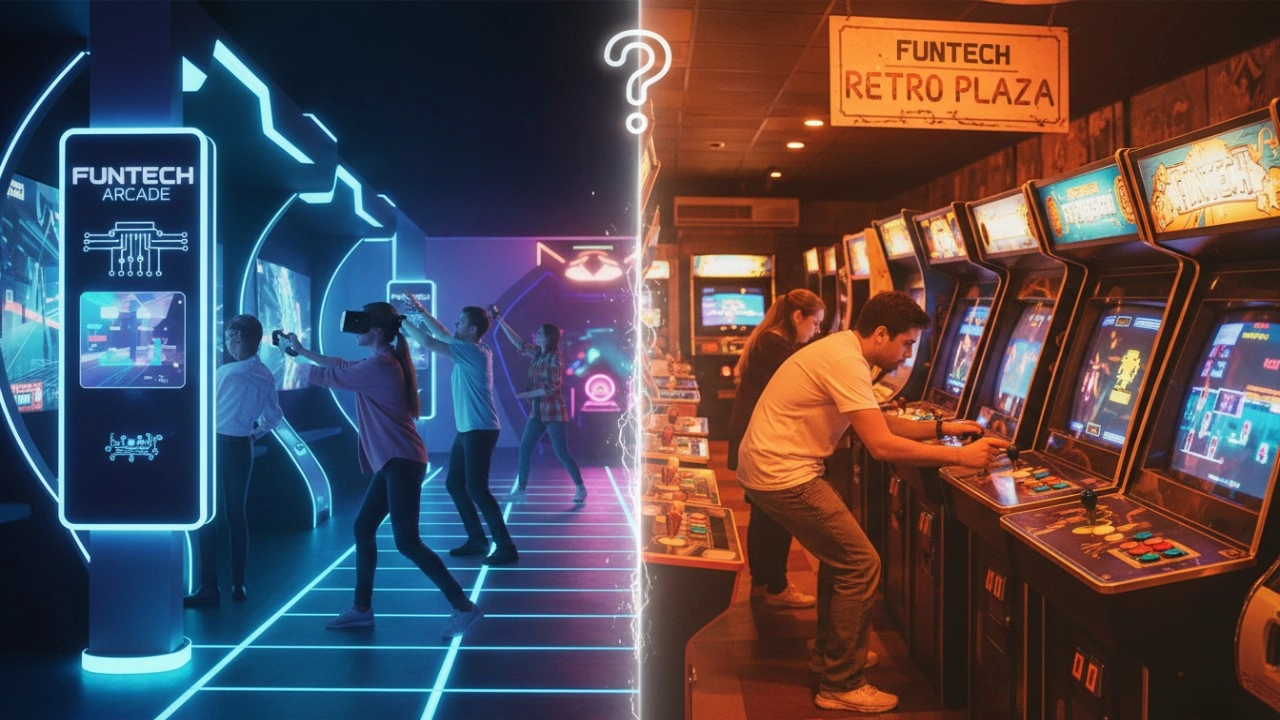
Interactive Sports Arcade vs Traditional Arcade Machines: Key Differences (2026 Guide)
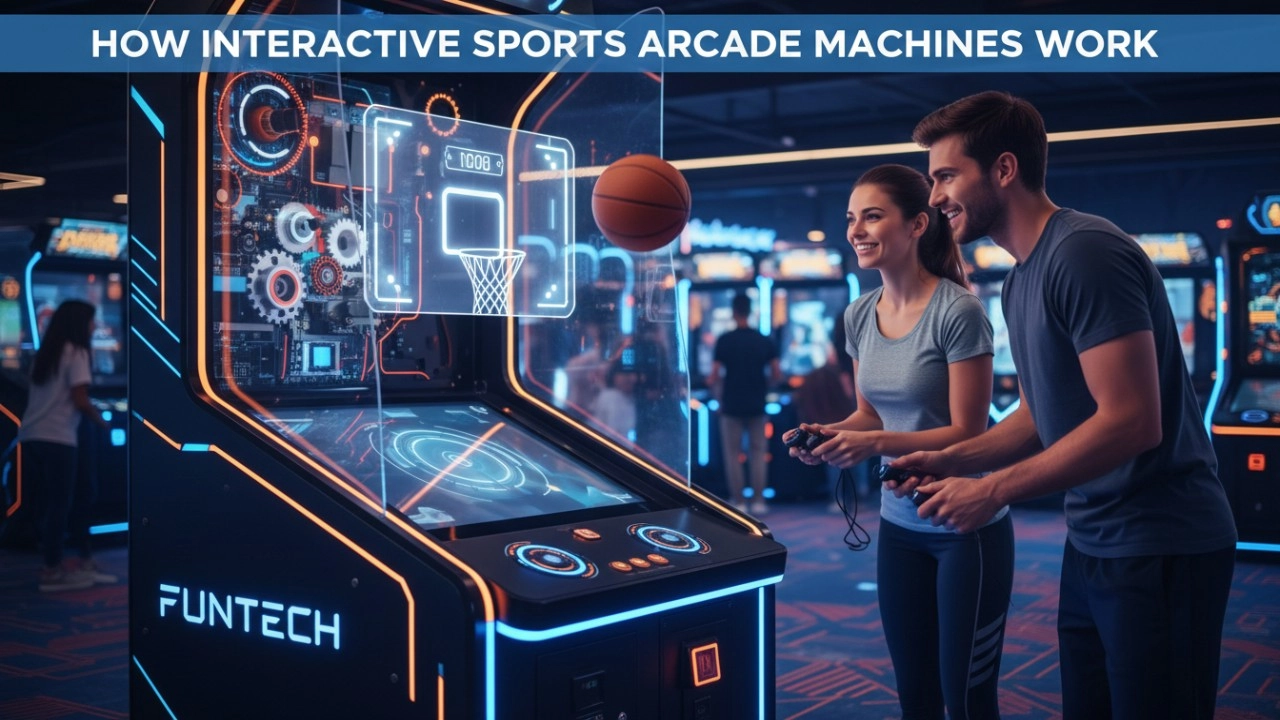
How Interactive Sports Arcade Machines Work (Sensors, Projection & AI) - 2026 Guide
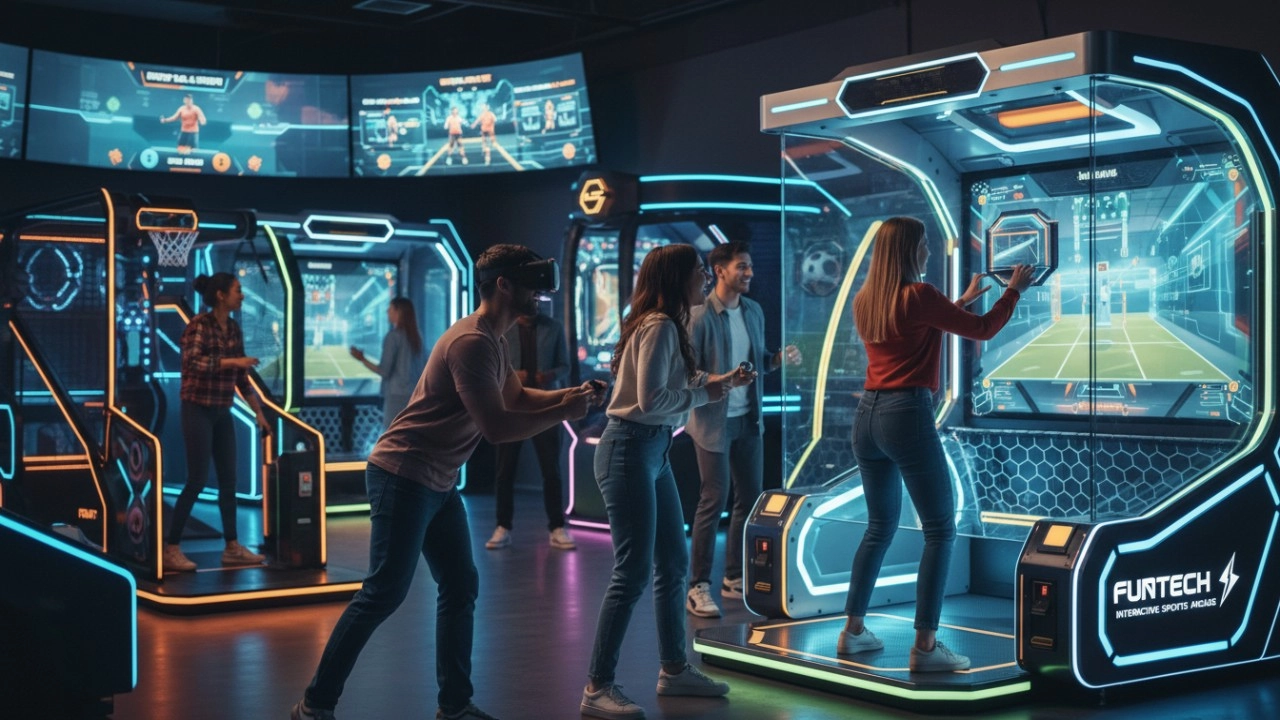
What Defines Interactive Sports Arcade Equipment in 2026?
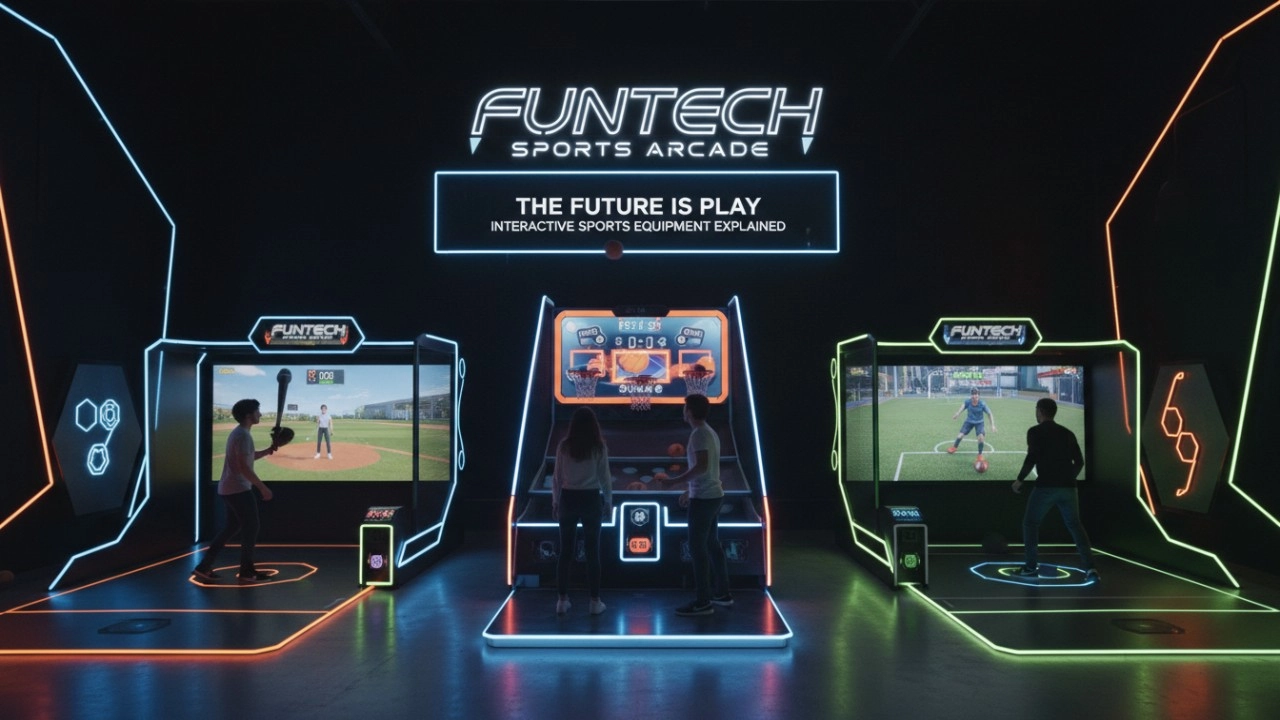
What Is Interactive Sports Arcade Equipment? Complete Beginner Guide (2026)
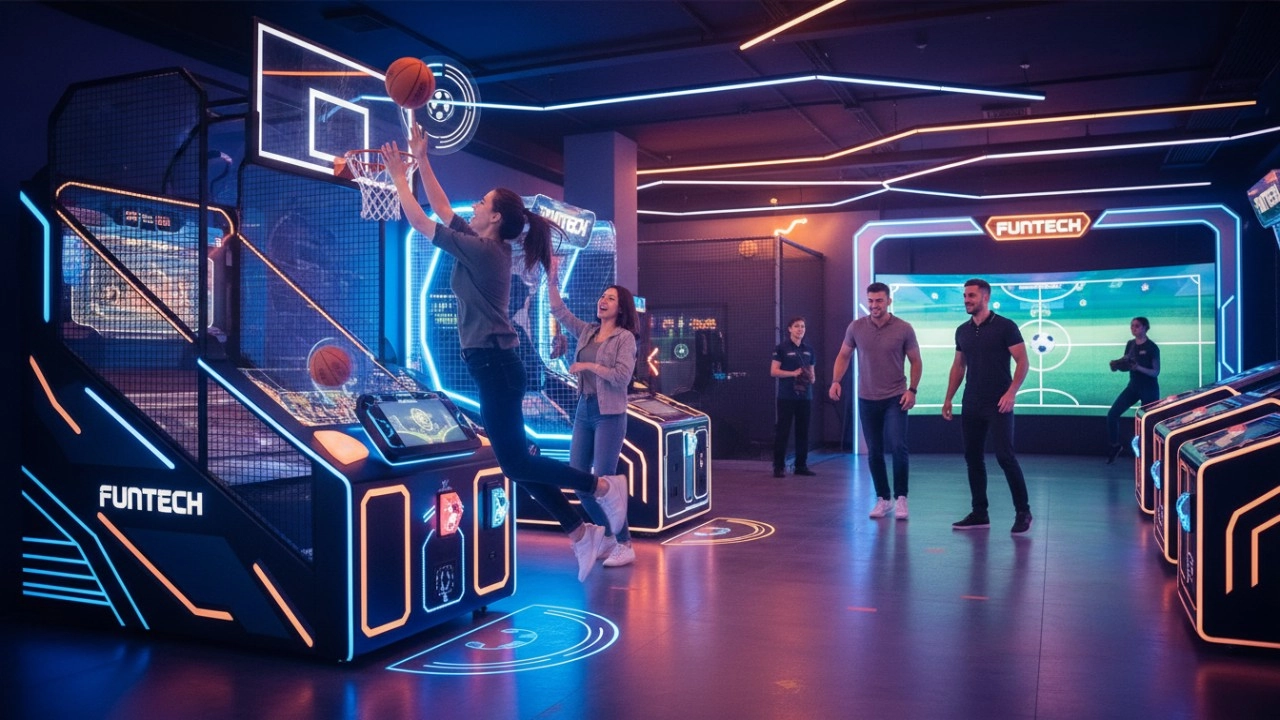
The Ultimate Guide to Interactive Sports Arcade Equipment for Commercial Entertainment (2026 Edition)
Products
What is the difference between purchasing equipment for commercial operations and personal training?
Commercial operations should consider the durability, ease of operation and attractiveness of the equipment, it is appropriate to choose cool appearance, can withstand high-frequency use, such as the target car running hundreds of times a day, high-intensity models, and easy to operate, easy for customers to get started. Personal training is more focused on cost-effective, according to their own training needs to choose the right tension of the bow, the right speed of movement of the target car.
FAQ
What is the of process of design, construction and operation of digital sports entertainment hall?
The general steps for the design, construction and operation process of a digital sports entertainment center. Each step needs to be carefully planned and executed to ensure the smooth opening and long-term development of the digital sports entertainment center.
What problems does the Digital Sports Center solve?
The Digital Sports Trendy Pavilion provides people with an innovative experience place that combines technology and sports, solving some problems existing in traditional sports activities and amusement facilities, while also meeting modern people's needs for digital technology and dynamic experience.
Infrared Shooting
What is the difference between purchasing equipment for commercial operations and personal training?
Commercial operations should consider the durability, ease of operation, and attractiveness of the equipment, and it is preferable to choose cool-looking equipment that can withstand high-frequency use.
Football Simulator
What is the biggest difference between simulation soccer and traditional soccer?
Simulation soccer through digital technology on the screen to present soccer, not subject to site, weather restrictions, players can participate at any time and anywhere, but also with the handle, somatosensory equipment and other controls, experience a variety of modes. Traditional soccer requires real venues and multiple participants, and is greatly affected by environmental factors.
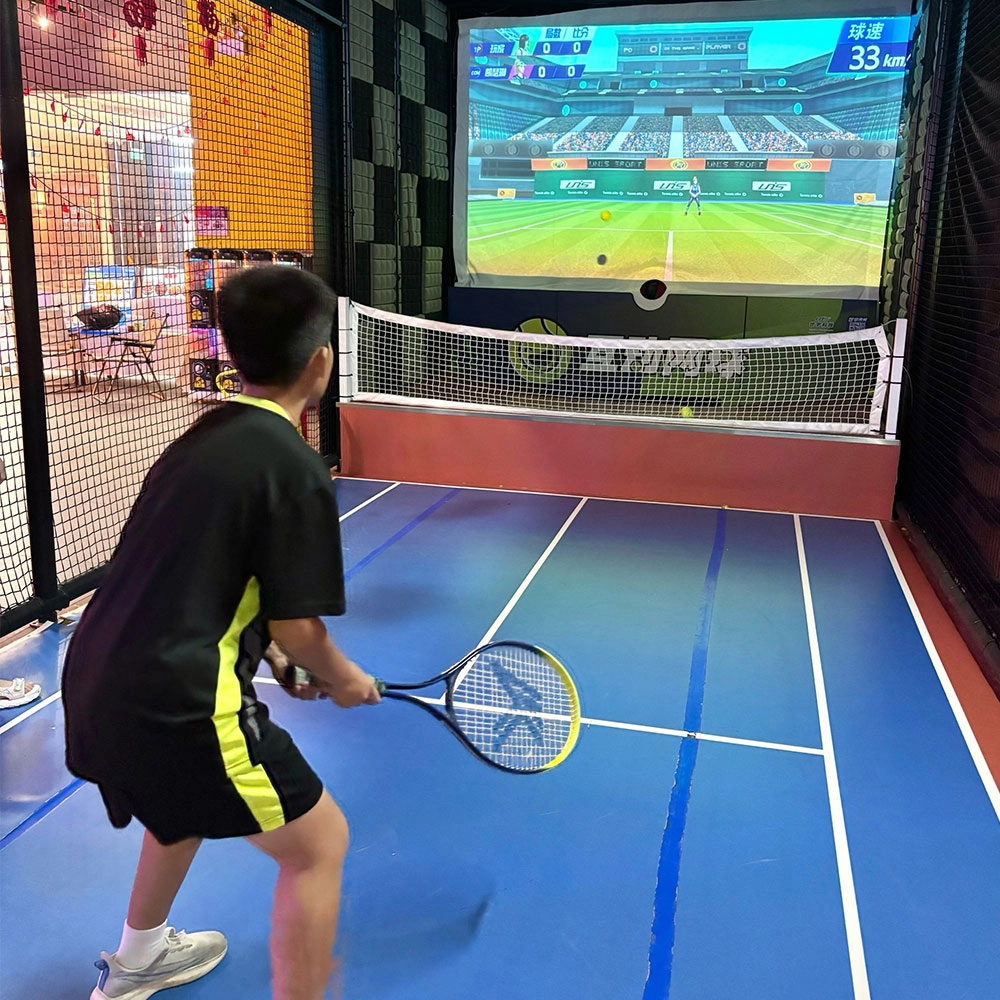
Indoor Tide Play Simulation Tennis Equipment
FUNTECH is full of fun and exciting playgrounds! With high-definition scene projection, force feedback racket, and intelligent scoring system, the simulated tennis equipment in the indoor arcade realizes immersive sports experiences and diversified interactive play, combining the advantages of safety and ease of use with high operational efficiency.
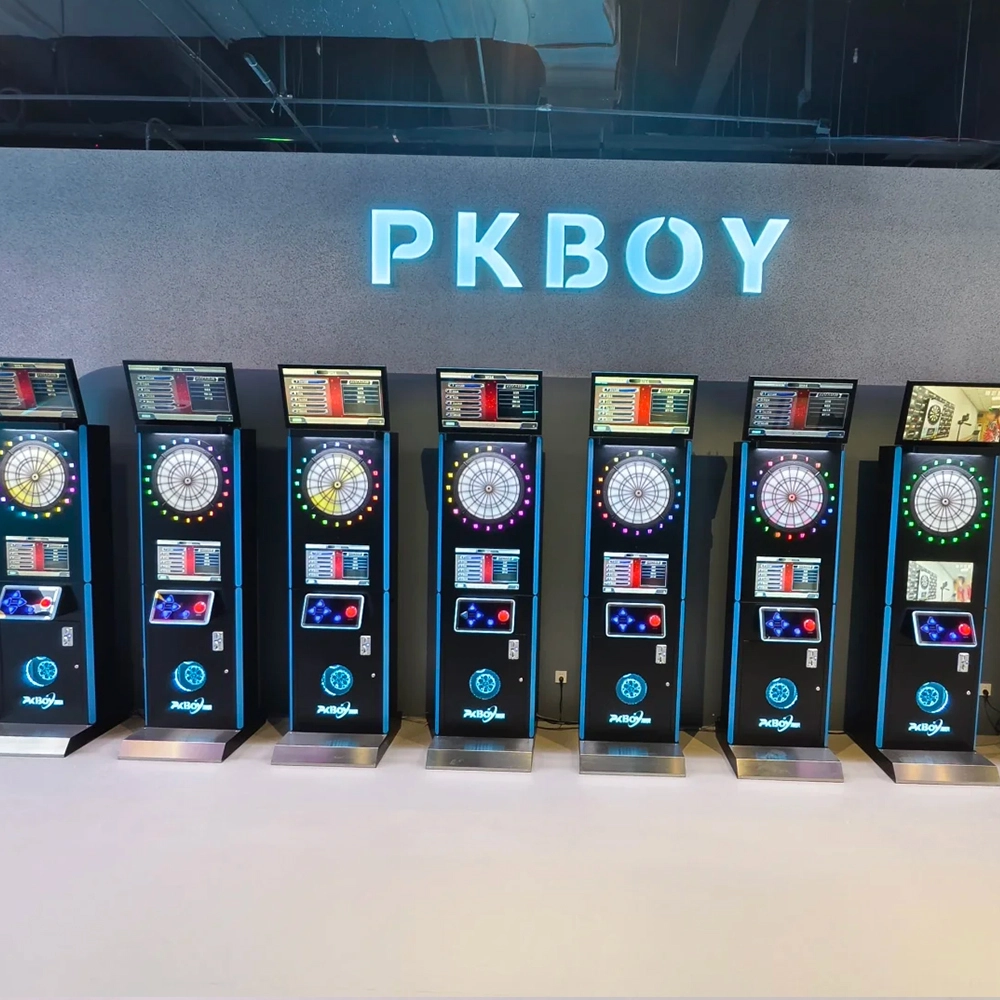
Dart Machines Bar Dart Machines
Joy Power is full of fun and excitement in the playground! The dart machine is suitable for all kinds of places, whether it is a bar, restaurant, KTV, or other entertainment venue, or a sports shop, club, or family leisure space, and can be perfectly adapted. In commercial venues, holding individual and team darts tournaments from time to time can attract more customers and increase the popularity and revenue of the venue, supplemented by various preferential activities, which can directly promote consumption and form a cycle of consumption of all the goods in the shop.
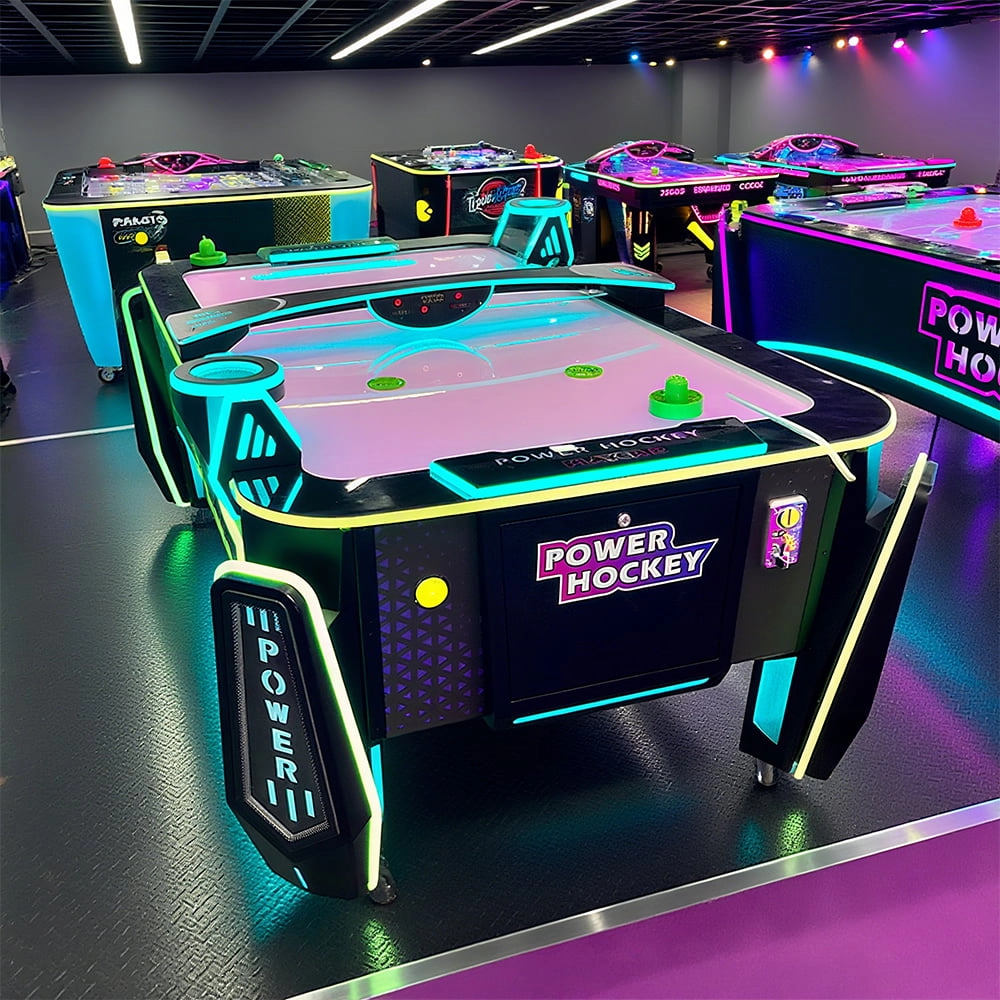
Arcade Hockey
FUNTECH is full of fun and exciting playgrounds! Air hockey, also known as air hockey, is a two-player competitive arcade game comprising a smooth, perforated playing surface, lightweight hockey sticks, a plastic puck, and an electronic scoreboard.
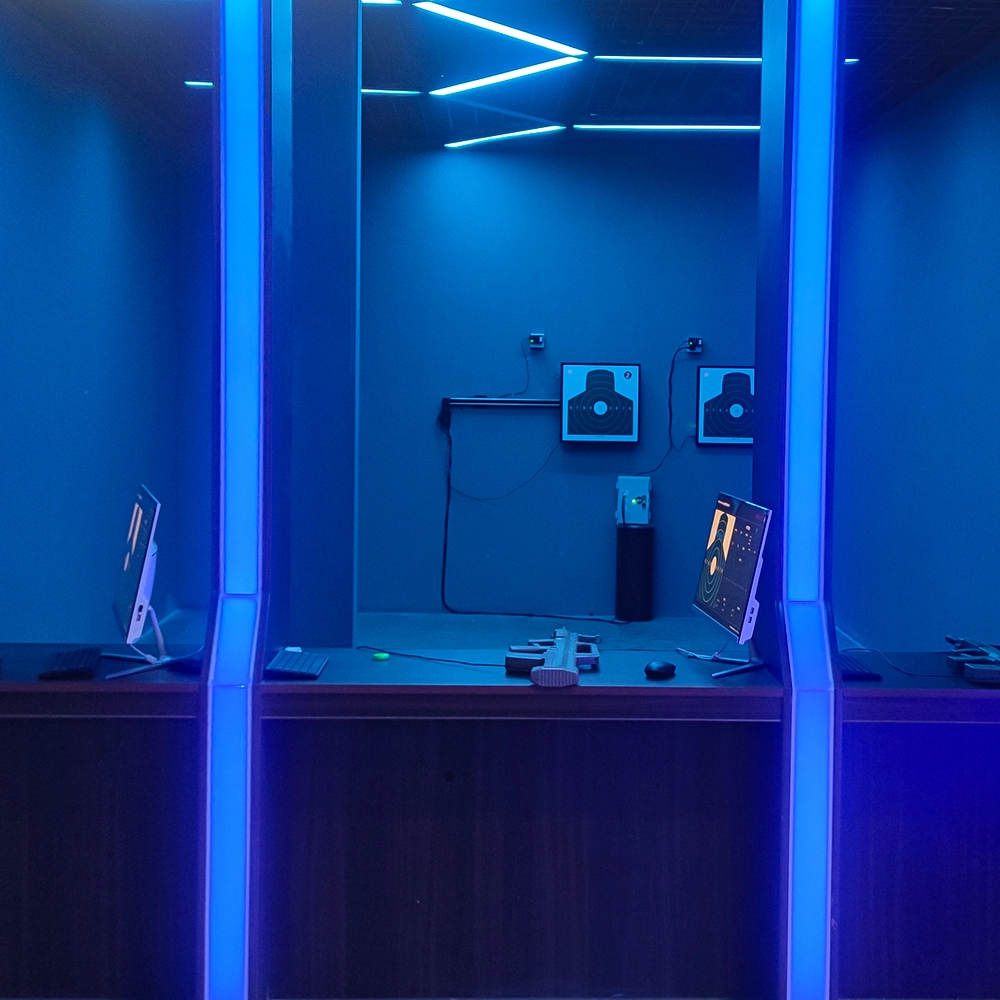
Infrared Shooting
Highly simulated simulation training analysis equipment, with advanced design concepts, fast system development, ease of operation and use, stable technical performance, less consumption of training, site dependence on a small group training is highly interesting, safe, and reliable, and other outstanding features. Product design to solve the basic skills of light weapons precision shooting as a starting point, to improve the safety of shooting training and training efficiency as the fundamental purpose, highlighting the simulation, information technology, and combat training requirements, can be in small indoor and outdoor venues and does not use live ammunition to complete the basic shooting training.
Ready to take your venue to the next level?
Leave us a message here, and our team will get back to you promptly.
Whether you're interested in custom orders, technical specifications, or partnership opportunities, we're here to assist you.
© 2025 FUNTECH ALL RIGHTS RESERVED

Weixia Lei
Fun_Tech-s
fun_tech20