
How to choose a compact spinning bike for small apartments?
- 1. How can I verify a compact spinning bike's claimed power accuracy and FTMS/ANT+ compatibility before buying for interactive apps like Zwift?
- 2. Which resistance system (magnetic, eddy-current, or mechanical friction) gives the quietest, lowest-maintenance ride for apartments?
- 3. How do I calculate the real space and storage needs for a compact spinning bike, including riding posture clearance and easy storage in a 30–50 m² apartment?
- 4. What flywheel weight and inertia should I expect from compact bikes, and how do they affect ride feel and cadence smoothness?
- 5. How can I reduce neighbor complaints: practical steps to measure and mitigate vibration transfer and sound from a compact spinning bike?
- 6. Which smart features are essential in a compact spinning bike to deliver immersive Digital Sports Entertainment without paying for studio subscriptions?
How to Choose a Compact Spinning Bike for Small Apartments
Buying a compact spinning bike for an apartment requires more than footprint numbers: you need to balance power accuracy, noise and vibration control, ride feel, and smart connectivity so your indoor cycling integrates with virtual classes and gaming platforms without upsetting neighbors. Below are six detailed, hard-to-find answers for beginners and experienced buyers in Digital Sports Entertainment.
1. How can I verify a compact spinning bike's claimed power accuracy and FTMS/ANT+ compatibility before buying for interactive apps like Zwift?
Why this matters: Interactive platforms (Zwift, Rouvy, TrainerRoad) rely on reliable power data. A compact spin bike that reports inaccurate power or lacks FTMS/ANT+ will give poor training metrics and a frustrating virtual ride.
How to verify before purchase:
- Check protocol support in the spec sheet: look for Bluetooth FTMS (Fitness Machine Service) and ANT+ FE-C (Fitness Equipment Control). These are the industry standards for transmitting speed/cadence/power to apps. If a seller lists only a proprietary app without FTMS/ANT+, consider it a red flag.
- Power-source type: determine whether the bike reports calculated power (derived from resistance level and cadence) or measures it with a direct power meter (strain gauge on cranks, pedals, or hub). Direct measurement is preferable for ±2–4% accuracy; calculated power on low-cost compact models can be off by 10% or more under real conditions.
- Ask for paperwork or a spec PDF that shows power accuracy. Quality manufacturers provide a power accuracy tolerance (e.g., ±2.5% or ±3%). If the listing lacks a tolerance, request it before buying.
- Request a live demo or video: ask the seller to pair the bike with Zwift (or a free FTMS-capable test app) and show power output while performing a steady 200–300 W interval. Look for stable readings and whether the app recognizes cadence and resistance changes.
- Third-party validation: search for independent reviews or tests showing power meter comparison to a known reference (power pedal or smart trainer). If no independent test exists, treat manufacturer claims cautiously.
Practical expectations: many compact 'home' spin bikes with smart connectivity will advertise compatibility with apps. Expect the best compact smart bikes to deliver ~±2–4% power accuracy if they use a direct power measurement. For lower-cost models using calculated power, expect higher variance—plan to use perceived exertion and cadence targets instead.
2. Which resistance system (magnetic, eddy-current, or mechanical friction) gives the quietest, lowest-maintenance ride for apartments?
Why this matters: In multi-unit buildings, audible noise and maintenance needs determine whether a spinning bike is practical.
Resistance types and apartment suitability:
- Magnetic resistance (basic magnetic and servo-controlled magnetic): Magnetic systems are virtually contactless and generate minimal mechanical noise. They are common on compact smart bikes and are low-maintenance because there is no pad to replace. Expect belt-drive + magnetic resistance bikes to operate around 50–65 dB at typical riding cadence measured at 1 m—quiet enough for many apartments if combined with floor protection.
- Eddy-current (electromagnetic) resistance: A subtype of magnetic resistance used on higher-end smart trainers and studio bikes. Eddy-current provides very precise, fast, and quiet resistance changes and pairs well with FTMS controls. These systems are typically quieter than mechanical friction and have excellent long-term reliability but may add cost and require electrical power for active control.
- Mechanical friction (felt pad on flywheel): Older or lowest-cost bikes use friction pads. These are louder (squeal/rumble), need periodic pad replacement, and can produce higher vibration transfer—least suitable for apartments.
Apartment recommendation: choose a compact bike with belt drive plus magnetic or eddy-current resistance. For digital sports entertainment, ensure the resistance is responsive enough to follow virtual power changes or simulated gradients (servo or electromagnetic systems are best for that).
3. How do I calculate the real space and storage needs for a compact spinning bike, including riding posture clearance and easy storage in a 30–50 m² apartment?
Why this matters: Dimension specs alone (length × width) don’t reflect riding footprint—handlebar reach, leg extension, and clearance for getting on/off matter for safety and comfort.
Step-by-step method to measure and plan:
- Measure the bike’s stated footprint (L × W) and add functional clearance: add 30–40 cm in front and behind for safe mounting/dismounting and 30 cm to each side for handlebar movement and ventilation. Example: a bike listed as 100 × 50 cm will need roughly 160 × 110 cm (1.76 m2) usable space.
- Check seat-to-handlebar range: ensure the saddle fore/aft and handlebar reach accommodate your inseam and torso length. Compact bikes vary in adjustability; for apartments where every centimeter counts, look for micro-adjustments (multi-position saddle rails and sliding handlebars) rather than single fixed positions.
- Factor ceiling height for standing climbs: if you perform out-of-saddle sprints, add 30–40 cm above your standing height to avoid ceiling hits. For example, a 180 cm rider needs about 2.1–2.2 m ceiling height to climb safely.
- Storage options: some compact bikes fold or have a small footprint for upright storage (typical folded depth ~60–80 cm). If you need to store in a closet, confirm folded dimensions and weight for maneuvering (many compact models weigh 25–40 kg). Look for transport wheels on the front stabilizer for easier movement.
- Floor protection and placement: use a dense rubber mat (6–10 mm gym mat) to level small unevenness and reduce vibration. Position the bike so it’s not right against a shared wall—center the mat in the room if possible to minimize transmitted noise.
Practical rule: Plan on 1.5–2 m2 of clear floor area and confirm folded storage dimensions if closet storage is required. If you need a truly tiny footprint (<1.2 m2), consider mini foldable trainers or pedal-based smart trainers rather than a dedicated spin bike.
4. What flywheel weight and inertia should I expect from compact bikes, and how do they affect ride feel and cadence smoothness?
Why this matters: Flywheel mass and inertia determine momentum and perceived smoothness—key to replicating an outdoor road or studio ride.
What to expect:
- Typical flywheel weights: compact spin bikes usually have flywheel weights in the range of 8–20 kg (approx. 18–44 lbs). Studio-grade bikes often have heavier flywheels (20–30+ kg). However, flywheel weight alone doesn’t determine feel—design geometry and drive ratio matter too.
- Inertia vs weight: Effective rotational inertia depends on flywheel weight AND its radius. A compact bike can use a smaller, heavier flywheel or a larger but lighter design to get similar inertia. Manufacturers rarely disclose inertia numerically, so rely on ride tests.
- Cadence smoothness: higher effective inertia generally yields smoother cadence at low RPMs and a more stable resistance feel. For interval training with rapid cadence changes, a mid-weight flywheel with good drive ratio and magnetic resistance will feel responsive and controlled.
Practical buying tips:
- Ride test: when possible, test a bike by spinning up to 90–100 RPM and down to 50 RPM—observe smoothing and resistance linearity. For apartments, avoid overemphasizing raw flywheel weight; prioritize a well-engineered belt drive and resistance system that delivers consistent torque at typical training cadences (60–100 RPM).
- Specifications to prefer: look for models with at least 10–15 kg (22–33 lbs) effective flywheel weight or a design that explicitly touts studio-style inertia. If the manufacturer provides a drive-ratio or mentions a simulated inertia value, consider that a positive sign.
5. How can I reduce neighbor complaints: practical steps to measure and mitigate vibration transfer and sound from a compact spinning bike?
Why this matters: Even quiet bikes can transmit low-frequency vibrations through floors and walls, causing neighbor disturbance.
Concrete mitigation steps:
- Measure baseline noise: use a smartphone app for a rough dB reading—hold the phone 1 m from the bike while pedaling at a steady 80 RPM. Expect a good belt-drive magnetic bike to register ~50–65 dB at this distance. For more accurate measurement, rent/borrow a calibrated sound meter (Type II) or ask your seller for lab-measured dB at 1 m.
- Use vibration-isolating mats: place a dense anti-vibration mat (high-density rubber or layered sorbothane/foam) under the bike. These reduce transmitted structure-borne noise significantly versus thin mats. Industry practice: a 10 mm high-density rubber mat can cut transmitted vibration by 20–40% compared to no mat.
- Add mass and decouple: place the bike on a platform (plywood sheet over the mat) to distribute load and reduce concentrated point loading into floor joists. Decoupling feet or pads under platform corners further reduces transmission to subfloor.
- Limit heavy stand-up sprints: standing sprints transfer more vertical force into the floor. For apartment living, favor seated intervals or controlled standing with focus on cadence, reducing abrupt vertical impacts.
- Time-of-day considerations: schedule louder or more intense sessions during reasonable daytime hours to minimize complaints in multi-unit buildings.
If you are especially sensitive to transmitted noise, consider a pedal-based smart trainer paired with your own road bike—trainers have smaller footprints and often transfer less low-frequency energy than a heavy spin bike.
6. Which smart features are essential in a compact spinning bike to deliver immersive Digital Sports Entertainment without paying for studio subscriptions?
Why this matters: You want a compact bike that supports game-like, social, and structured training experiences without being locked into an expensive ecosystem.
Essential features to prioritize:
- FTMS / ANT+ FE-C compatibility: ensures the bike can pair with third-party apps (Zwift, Rouvy, TrainerRoad). This avoids vendor lock-in and lets you use the best interactive platforms.
- Reliable cadence sensor and either direct power measurement or accurate power estimation: cadence is necessary for smooth virtual avatar movement; power enables structured workouts and proper erg-mode control.
- Bluetooth + ANT+ simultaneous connectivity: allows pairing with headphones, HR chest straps (ANT+), and multiple apps/devices at once for a complete Digital Sports Entertainment setup.
- App-agnostic resistance control (erg mode): the bike should respond to external power targets sent by apps—critical for interval workouts and race simulations.
- Low-latency firmware and OTA updates: bikes that receive firmware updates can improve app compatibility and fix bugs. Check the manufacturer’s history of software support and update cadence.
- Display or companion app quality: a responsive onboard display helps for quick metrics; a well-designed companion app adds value when you don't want to use a tablet or TV. But display is secondary to FTMS/ANT+ support for immersive experiences.
Cost-effective strategy: pick a compact bike that supports FTMS/ANT+ and use a low-cost tablet or a streaming device to run Zwift (or free testing apps). You’ll get social rides, structured training, and gamified goals without a subscription to a studio app—though some platforms charge monthly fees for multiplayer features.
Concluding summary — advantages of compact spinning bikes for small apartments: Compact spinning bikes deliver a blend of space-saving design, low-maintenance magnetic resistance, and smart connectivity to interactive platforms. With the right model—belt drive, magnetic/eddy-current resistance, FTMS/ANT+ support, and proper floor isolation—you can enjoy studio-like ride feel, accurate training data, and virtual cycling entertainment in 1.5–2 m² of cleared space without excessive noise or maintenance.
For tailored recommendations, model comparisons, or a custom quotation for compact, Zwift-compatible spinning bikes and digital sports entertainment installations, contact us for a quote at www.funtechgame.com or email vicky@funtechgame.com.
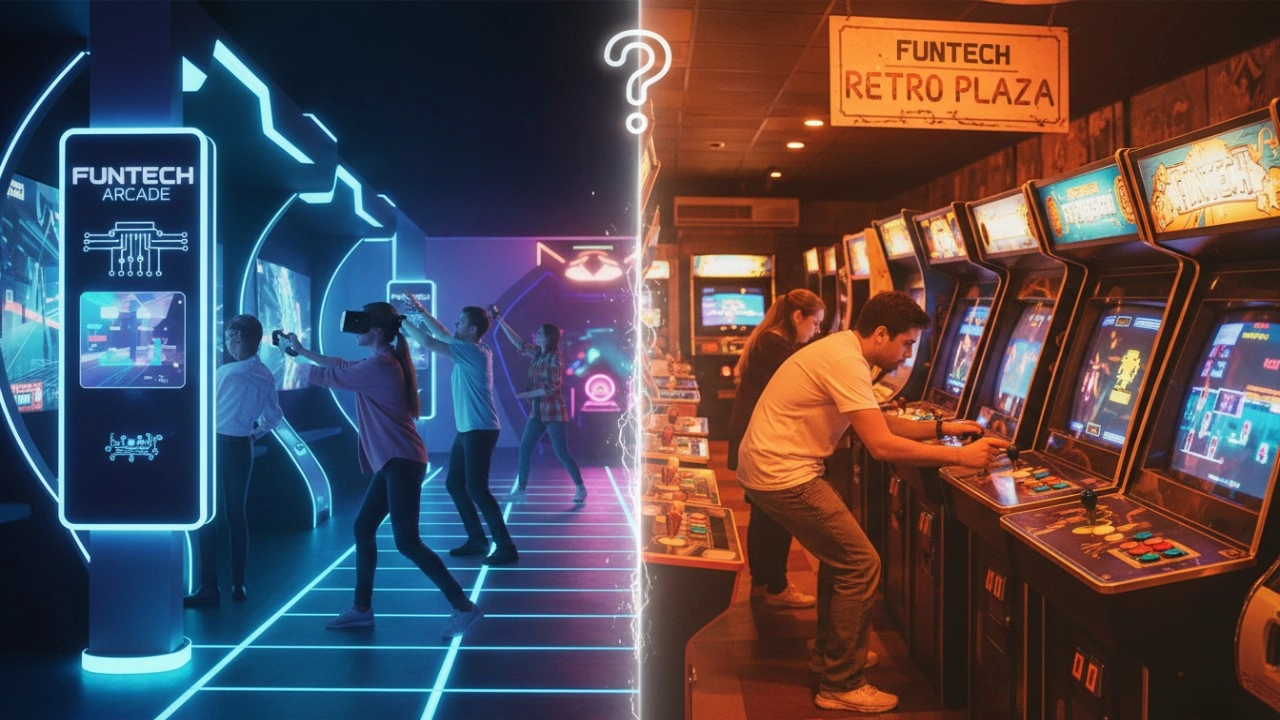
Interactive Sports Arcade vs Traditional Arcade Machines: Key Differences (2026 Guide)
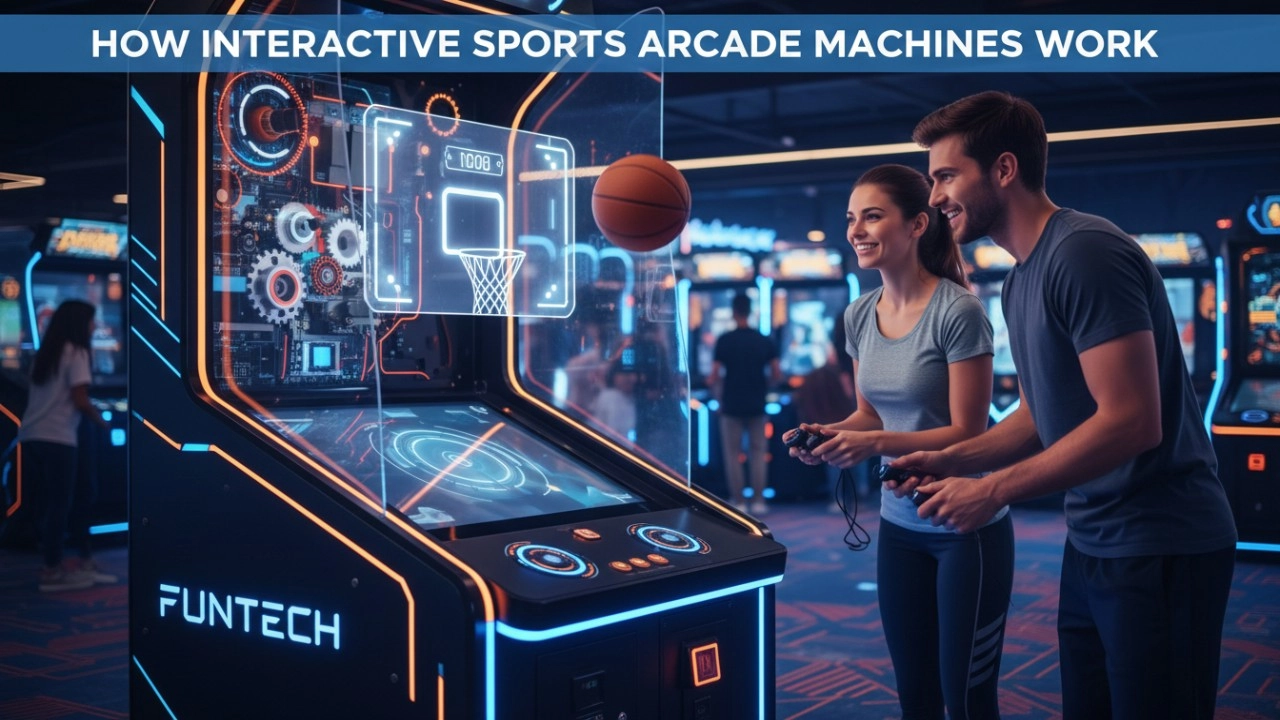
How Interactive Sports Arcade Machines Work (Sensors, Projection & AI) - 2026 Guide
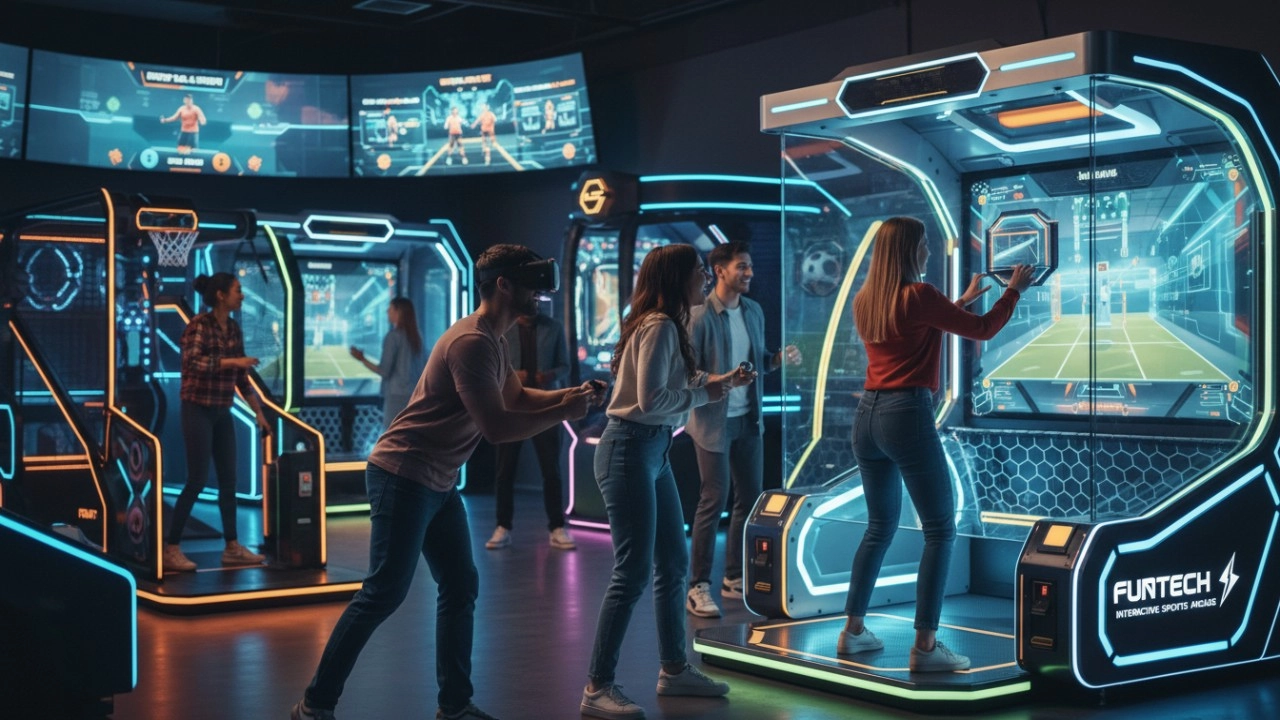
What Defines Interactive Sports Arcade Equipment in 2026?
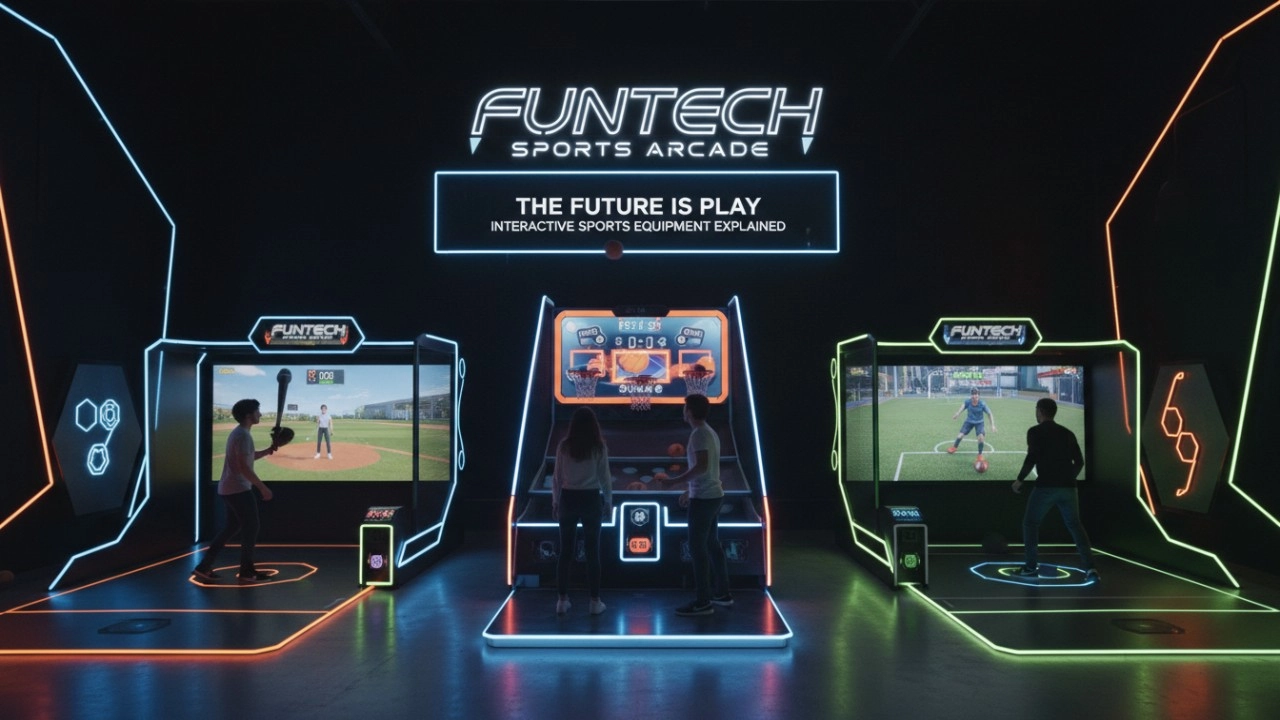
What Is Interactive Sports Arcade Equipment? Complete Beginner Guide (2026)
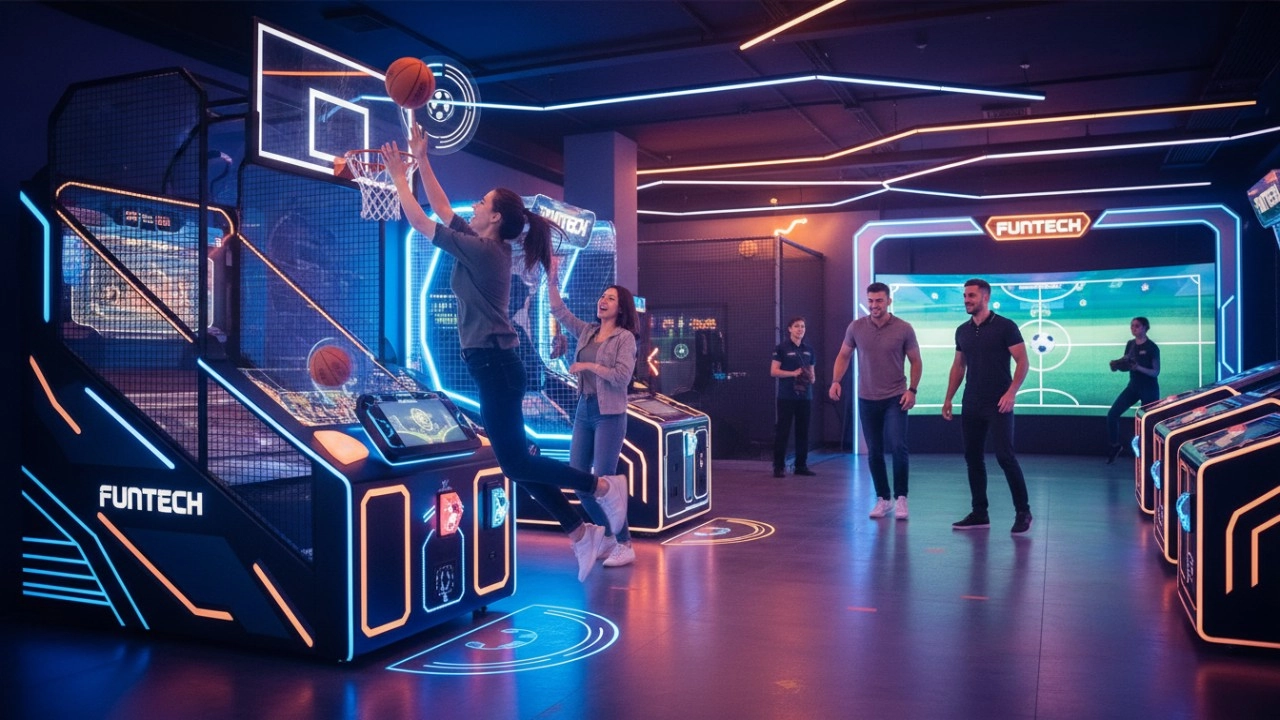
The Ultimate Guide to Interactive Sports Arcade Equipment for Commercial Entertainment (2026 Edition)
Products
How to judge the quality of live firing equipment good or bad?
Check the firearm itself and the supporting targeting system, the reliability of the equipment in use such as continuous shooting, adaptability to the bad environment, the equipment's material technology and operating comfort, etc.
How to attract customers when operating the program in shopping malls?
Create a cool venue decoration style, incorporating trendy elements, such as fluorescent light strips, animation-themed murals, etc. o Create a new venue for the program. o Launch diversified marketing models such as parent-child packages and couple packages, combined with time-limited promotional activities, such as half-price experience in the first three days of opening, to attract different groups such as families and couples to stop by and participate in the program. o Create cool venue decoration styles and incorporate trendy elements, such as fluorescent light strips.
How often does moving target archery equipment require maintenance?
Under daily use, for equipment that is used less frequently, 1-3 times per week, simple cosmetic cleaning and functional checks can be performed after each use. A more comprehensive maintenance should be carried out every 2-4 weeks, including disassembling some parts for cleaning and checking the accuracy of the aiming system.
How to reduce operating costs?
Starting with equipment procurement, choose cost-effective, durable and easy-to-maintain products, which can save money for subsequent maintenance. o Starting with equipment procurement, choose cost-effective, durable and easy-to-maintain products, which can save money for subsequent maintenance. Reasonable arrangement of staff, reduce the number of staff on duty during non-peak hours, train staff to have multi-skills, such as being able to operate the equipment as well as guiding customers on the side, to improve the efficiency of manpower and reduce manpower costs.
FAQ
What is the minimum area required to build a comprehensive digital sports and entertainment hall, and what is the recommended area?
To build a comprehensive type of digital sports and entertainment hall, the minimum required area will be affected by the number and type of equipment, activity area requirements, parking spaces, rest areas and other factors.
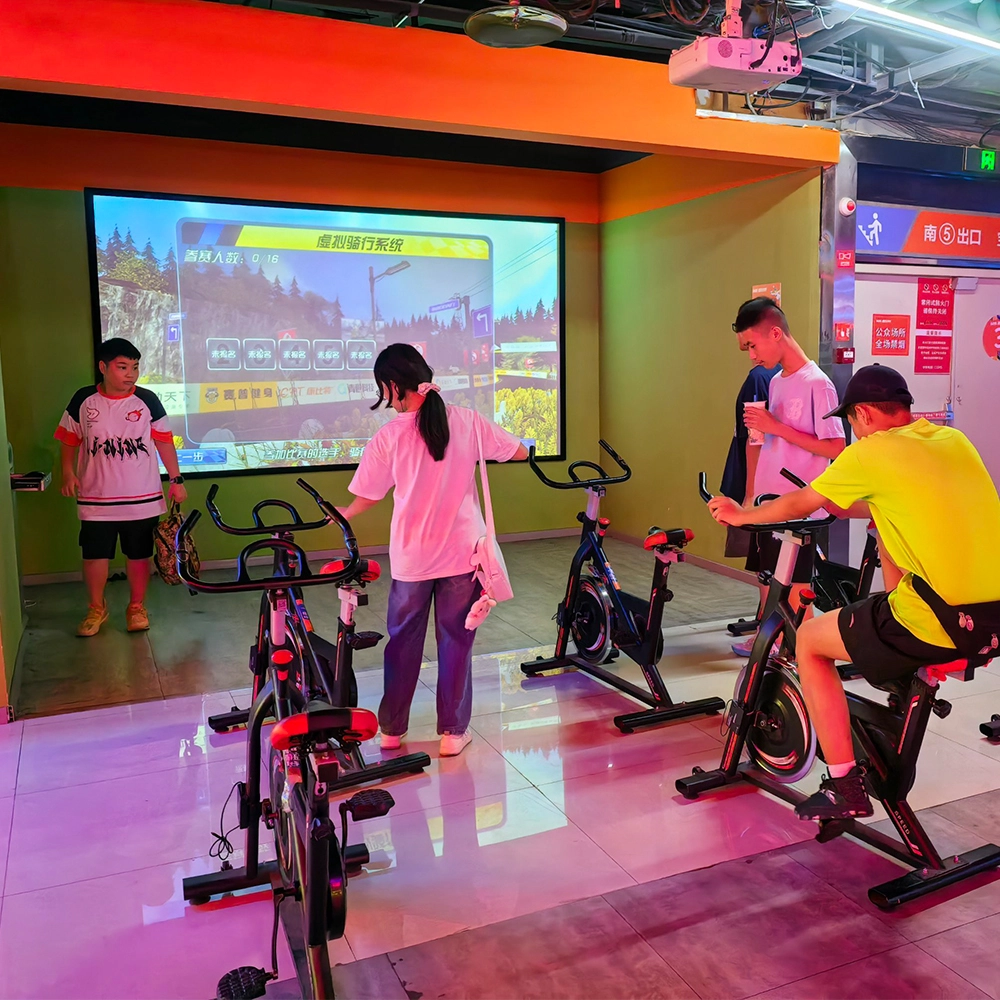
Spinning bike
Pleasure Power is full of fun and exciting rides! Diverse digital riding modes. Users can choose the virtual reality riding mode to follow the world-famous riding routes presented on the screen, such as the winding mountain passes in the Alps, the Tour de France classic track, etc., combined with 3D panoramic pictures and surround sound, as if immersed in the real scene. You can also turn on the competition mode for real-time riding competitions with the same venue or other users online, real-time updates of the leaderboard, adding to the fun and challenge of the sport! The leaderboard is updated in real time, adding to the fun and challenge of the sport. In addition, the bike is also equipped with an intelligent resistance adjustment system, which automatically adjusts the resistance according to the undulation of the terrain in the virtual scene and the progress of the race, simulating the real riding experience of climbing and descending slopes so that the user can get a more comprehensive workout in the process of cycling.
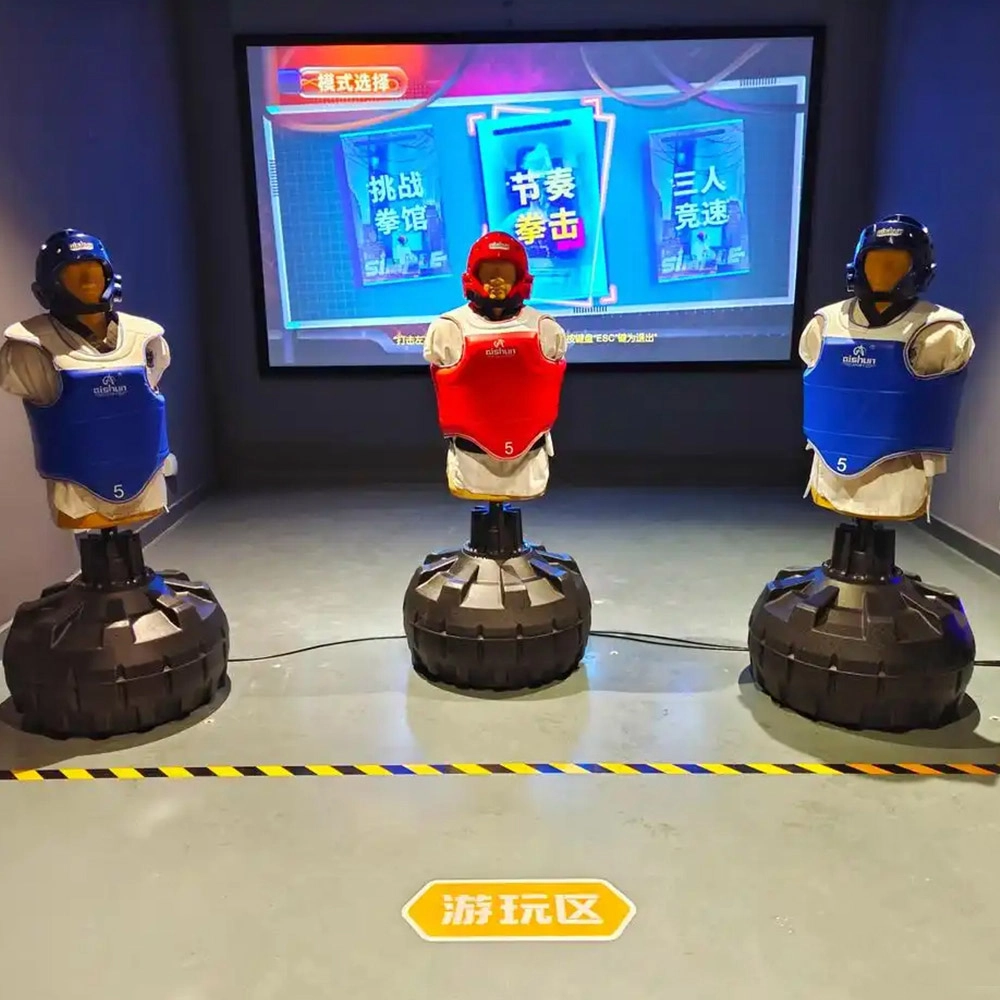
Indoor Boxing Equipment
FUNTECH is full of fun and exciting playgrounds! The indoor boxing simulation equipment combines pressure-sensitive boxing gloves with dynamic projection scenes, combining sports and fitness with entertainment and competitive attributes, supporting single-player training and two-player sparring modes, and accurately recording hitting data and generating sports reports, making it suitable for all-age experiences and safe and low-loss.
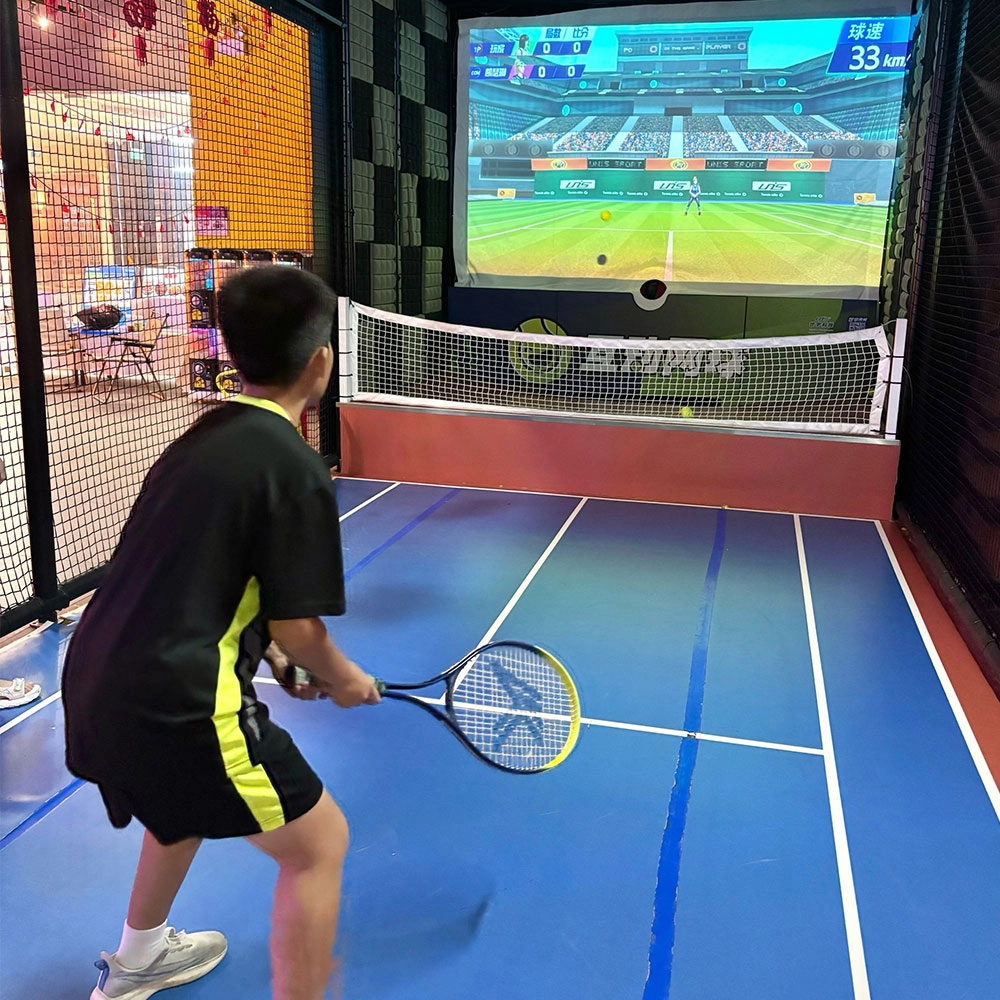
Indoor Tide Play Simulation Tennis Equipment
FUNTECH is full of fun and exciting playgrounds! With high-definition scene projection, force feedback racket, and intelligent scoring system, the simulated tennis equipment in the indoor arcade realizes immersive sports experiences and diversified interactive play, combining the advantages of safety and ease of use with high operational efficiency.
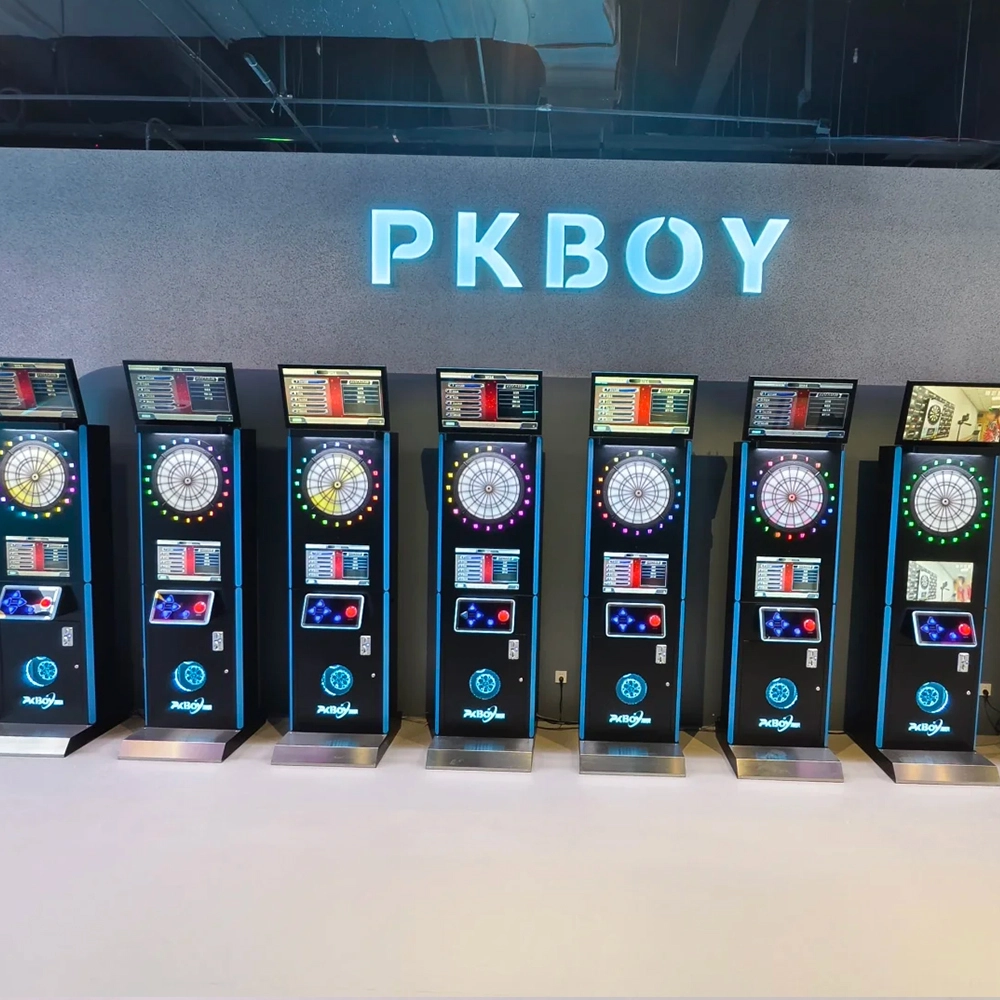
Dart Machines Bar Dart Machines
Joy Power is full of fun and excitement in the playground! The dart machine is suitable for all kinds of places, whether it is a bar, restaurant, KTV, or other entertainment venue, or a sports shop, club, or family leisure space, and can be perfectly adapted. In commercial venues, holding individual and team darts tournaments from time to time can attract more customers and increase the popularity and revenue of the venue, supplemented by various preferential activities, which can directly promote consumption and form a cycle of consumption of all the goods in the shop.
Ready to take your venue to the next level?
Leave us a message here, and our team will get back to you promptly.
Whether you're interested in custom orders, technical specifications, or partnership opportunities, we're here to assist you.
© 2025 FUNTECH ALL RIGHTS RESERVED

Weixia Lei
Fun_Tech-s
fun_tech20