
What is the ROI of investing in connected spinning bikes for gyms?
- 1) What is a realistic ROI timeline for installing commercial connected spinning bikes in a 400–600 member mid-market gym?
- 2) How do I calculate break-even per connected spin bike, including hardware, software, staffing and network costs (step-by-step)?
- 3) Which KPIs should I track to prove ROI for connected spinning bikes month-to-month and how to measure them?
- 4) How much downtime and maintenance budget should I plan for connected spin bikes to avoid ROI erosion?
- 5) Which pricing and productization strategies maximize ROI from connected spin bikes without damaging member retention?
- 6) What data privacy, local compliance and geo-specific risks should I plan for when deploying connected spinning bikes, and how do they affect ROI?
- Concluding summary: advantages of investing in connected spinning bikes for gyms
Connected Spinning Bikes ROI: Practical Guide for Gym Owners
As gyms integrate interactive indoor cycling, smart bike telemetry, and virtual cycling classes into their digital sports entertainment mix, operators need precise ROI answers—not generalities. Below are six specific, pain-point-oriented questions beginners ask about connected spinning bikes, with in-depth, actionable answers and real-world modelling guidance.
1) What is a realistic ROI timeline for installing commercial connected spinning bikes in a 400–600 member mid-market gym?
Answer (summary): Typical commercial connected spinning bike deployments break even in 12–30 months depending on hardware CAPEX, subscription fees, utilization, and the ability to monetize classes or tiered memberships. Instead of a single number, use a scenario model with transparent assumptions.
Key variables and conservative industry-based assumptions:
- Hardware CAPEX per bike (commercial grade): $2,500–$5,000 (midpoint $3,500).
- One-time install & network setup per bike: $200–$500.
- Monthly platform subscription (virtual classes, analytics, licensing): $30–$120/bike.
- Maintenance & parts: 5–10% of CAPEX annually (commercial standard budgeting).
- Incremental revenue sources: High Quality live/virtual class fees, pay-per-use, higher-tier memberships, sponsored content/ads, and retention-related revenue preservation.
Example scenario (mid-market, conservative):
- CAPEX per bike = $3,500
- Install = $300
- Platform = $60/month
- Maintenance = 8% CAPEX/year = $280/year (~$23/month)
- Incremental revenue per bike = $150/month (from High Quality classes, higher utilisation and modest ARPU lift)
Monthly operating cost per bike = subscription $60 + maintenance $23 = $83. Net incremental margin = $150 - $83 = $67/month. Payback months = (CAPEX + install) / net margin = ($3,800) / $67 ≈ 57 months (~4.75 years). That is conservative (low utilization / low monetization).
A more aggressive, realistic commercial-studio scenario (higher utilization / price High Quality):
- Incremental revenue per bike = $300/month (e.g., frequent live classes, paid on-demand access, event tiers)
Net margin = $300 - $83 = $217/month; payback = $3,800 / $217 ≈ 17.5 months.
Takeaway: Use a 3-scenario sensitivity (conservative / base / aggressive). Published industry cases for boutique studios and clubs (IHRSA trend data and boutique studio reports) show payback often falls between 12–30 months when utilization and High Quality pricing are optimized, but can exceed 36 months when adoption or monetization is weak.
2) How do I calculate break-even per connected spin bike, including hardware, software, staffing and network costs (step-by-step)?
Answer: Use a simple ROI worksheet that captures all upfront and recurring costs, and maps them against incremental revenues and retention benefits. Formula-driven approach below is audit-ready and replicable.
Step-by-step break-even formula (monthly basis):
- List upfront cost per bike = Hardware CAPEX + install + taxes/shipping.
- List monthly cost per bike = Platform subscription + allocated network/Wi-Fi + allocated depreciation of CAPEX + estimated maintenance/month + licensing/streaming fees.
- Estimate monthly incremental revenue per bike = (paid classes + upgrades + seat rentals + on-demand access + ad/sponsor revenue)/#bikes.
- Estimate monthly retention benefit (monetary) = (churn reduction % attributable to connected bikes) × (average revenue per member) × (members impacted / #bikes). Convert annual retention benefit to monthly equivalent.
- Net monthly benefit = incremental revenue + retention benefit - monthly cost.
- Payback months = Upfront cost / Net monthly benefit (if positive). If negative, examine ways to increase utilization, raise price or reduce costs.
Example spreadsheet cells (illustrative):
Upfront = $3,800. MonthlyCost = $83. IncrementalRevenue = $220. RetentionBenefit ≈ $20. Net= $220 + $20 - $83 = $157. Payback = 3800 / 157 ≈ 24.2 months.
Why include retention? Retention value often exceeds direct per-class sales because avoiding a canceled membership saves lifetime revenue. Use your club’s historical churn and ARPU to attribute a conservative share to connected bike engagement.
3) Which KPIs should I track to prove ROI for connected spinning bikes month-to-month and how to measure them?
Answer: Track utilization at the seat level, revenue per available bike hour (RevPAH), incremental ARPU, retention lift, average class fill, net promoter score (NPS) for digital classes, and uptime. Integrate bike telemetry with your club management software to automate measurement.
Recommended KPIs and measurement tips:
- Seat Utilization (%) = (occupied bike-hours / total available bike-hours) × 100. Target baseline 30–60% depending on class schedule.
- RevPAH (Revenue per Available Bike Hour) = total revenue attributable to bikes / available bike hours. Use this to compare revenue efficiency against other equipment.
- Incremental ARPU = (total revenue after launch - baseline revenue) / active members. Compare pre/post 6- and 12-month windows.
- Retention lift (%) = (post-deployment churn rate - pre-deployment churn rate) attributable to digital offerings. Use control cohorts if possible.
- Class Fill Rate = average seats filled / seats offered. Use dynamic scheduling to increase fill rate for underused time slots.
- Uptime (%) = (hours available - hours offline) / hours available. Target commercial-grade uptime > 98%.
- Content engagement metrics = watch time, average class completion, leaderboard engagement, and repeat attendance per content asset.
Measurement integration: connect bike telemetry and platform analytics to your club management system (e.g., Mindbody, Club OS) or use an API feed to your BI tool. Automate daily reporting and a monthly ROI dashboard linking utilization to revenue and churn.
4) How much downtime and maintenance budget should I plan for connected spin bikes to avoid ROI erosion?
Answer: Plan maintenance at 5–10% of CAPEX annually and design operations to minimize downtime with SLA-backed vendor support. Budgeting for preventative maintenance and spare parts is critical for commercial fitness equipment.
Practical budgeting guidelines:
- Annual maintenance reserve: 5–10% of hardware CAPEX (e.g., $175–$350/year on a $3,500 bike). This covers bearings, belts, wearable items and scheduled servicing.
- Software & firmware: include platform SLA, upgrades and security patches in subscription or in-house IT budgets. Expect the vendor to provide regular updates; budget for occasional integration work.
- Spare parts & swaps: keep 5–10% of inventory as spare parts and 1–2 spare bikes if fleet >20 to avoid class cancellations.
- Expected downtime planning: aim for MTTR (mean time to repair) <72 hours with vendor SLAs for commercial deployments. Negotiate replacement units for prolonged outages in the contract.
Operational playbook to limit ROI erosion:
- Onboard vendor with clear SLAs (response time, replacement policy).
- Train facility staff for first-line troubleshooting (network, power, user resets).
- Schedule preventative maintenance windows during low-traffic hours and monitor telemetry for predictive alerts.
5) Which pricing and productization strategies maximize ROI from connected spin bikes without damaging member retention?
Answer: The best approach blends tiered memberships, à la carte High Quality classes, and bundled digital access. Avoid sudden price spikes—focus on incremental paid features and clear value-adds (live instructors, leaderboard, events).
Pricing strategies that work in the field:
- Tiered memberships: include standard gym access in base tiers and reserve High Quality connected classes or on-demand libraries for a higher tier.
- Class packs & drop-ins: sell class packs (5/10/20) and daily drop-ins for casual users; these appeal to non-members and guests.
- Seat reservations + dynamic pricing: charge small fees for high-demand peak-hour seats; offer discounts in off-peak to improve utilization.
- Event-driven monetization: host curated rides, charity rides, or partner-sponsored sessions with sponsorship revenue.
Typical ARPU lift examples (industry-observed ranges):Most operators report ARPU increases between 5–20% after adding High Quality digital classes and interactive cycling, depending on pricing aggressiveness and marketing conversion. Use A/B tests in small member segments before full rollout.
6) What data privacy, local compliance and geo-specific risks should I plan for when deploying connected spinning bikes, and how do they affect ROI?
Answer: Connected bikes collect personal data (account info, biometric readings, location and usage). Data privacy non-compliance (GDPR, CCPA, local laws) can cause fines and reputational loss—both directly harm ROI. Mitigation protects revenue and member trust.
Key data & compliance steps:
- Map data flows: inventory what the device collects (heart rate, cadence, account email, IP, video/audio if present) and where it is stored and processed.
- Local law impacts: for EU clubs GDPR applies; in US some states have CCPA-style laws. Ensure vendor data processing agreements (DPAs) and standard contractual clauses where necessary.
- Minimize and anonymize: collect only what you need for service delivery and anonymize telemetry for analytics and benchmarking.
- Consent & UX: use clear opt-in consent for biometric and marketing uses; provide easy opt-out for members without removing access to basic services.
- Security: require vendors to support encryption-at-rest and in-transit, role-based access, and regular security audits (SOC 2 or similar is preferred for vendor selection).
Business impact: avoid monetization strategies that force data-sharing without consent. Transparent data policies increase member trust and conversion; data breaches or fines can erase ROI gains and damage brand value.
Concluding summary: advantages of investing in connected spinning bikes for gyms
Connected spinning bikes, when deployed with an evidence-based revenue model, strong vendor SLAs, privacy safeguards, and clear KPI tracking, deliver multiple advantages: differentiated member experience through interactive cycling and gamification, new High Quality revenue streams (classes, events, sponsorship), measurable improvements in member engagement and retention, and operational insights from bike telemetry that drive scheduling and floor optimization. Use sensitivity-based ROI models (conservative/base/aggressive), track seat-level KPIs, budget maintenance at 5–10% CAPEX annually, and structure pricing to align member value with incremental revenue.
If you want a tailored ROI model, fleet recommendation and a quote for commercial connected spin bikes and integrated digital sports entertainment solutions, contact us for a quote: www.funtechgame.com or vicky@funtechgame.com.
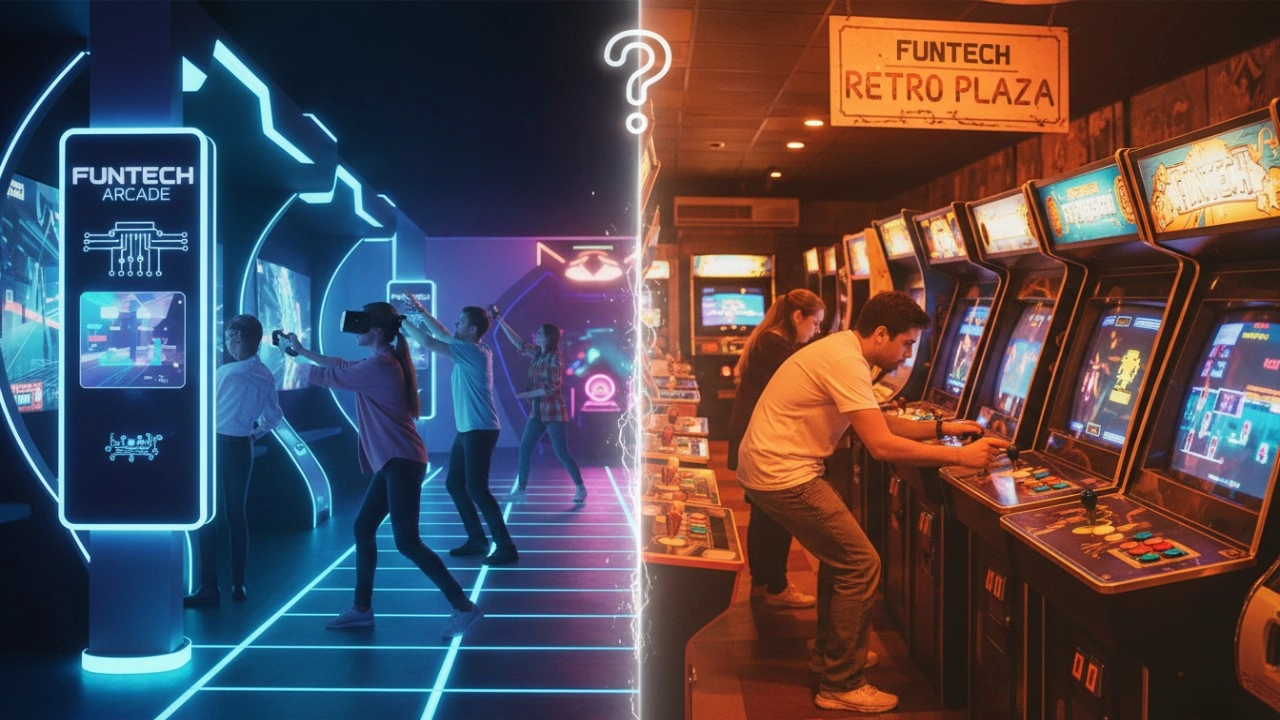
Interactive Sports Arcade vs Traditional Arcade Machines: Key Differences (2026 Guide)
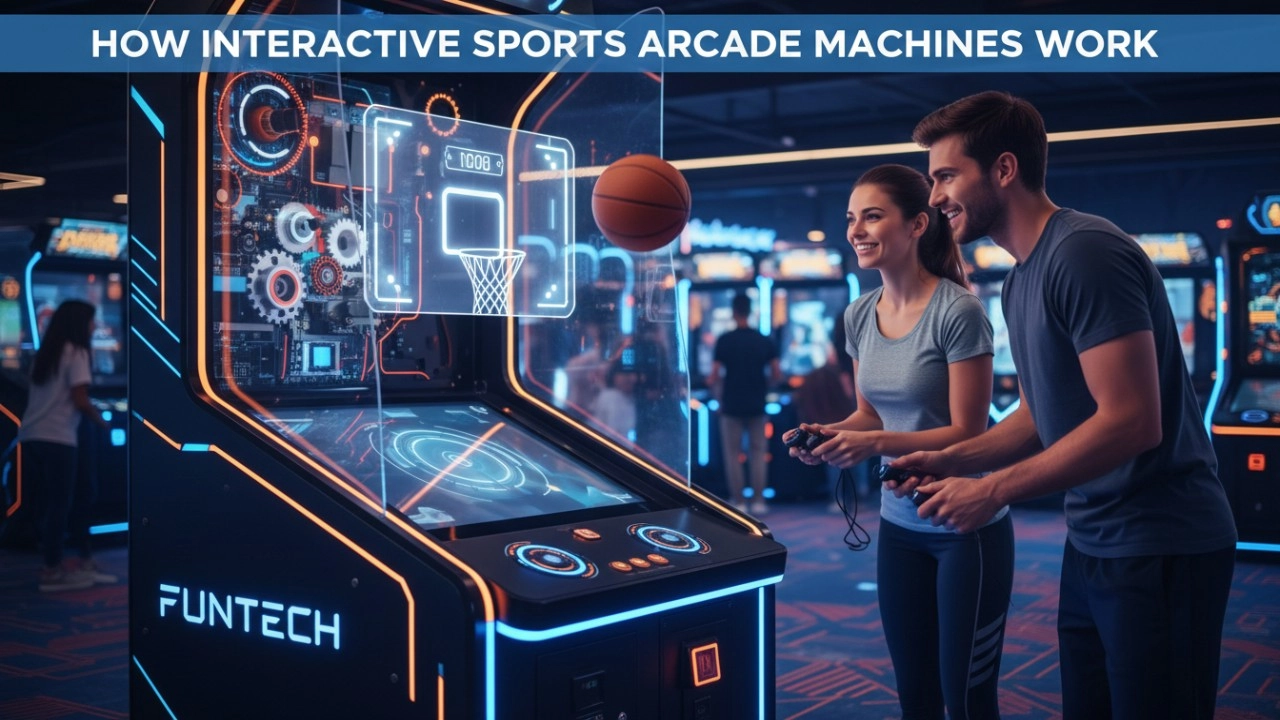
How Interactive Sports Arcade Machines Work (Sensors, Projection & AI) - 2026 Guide
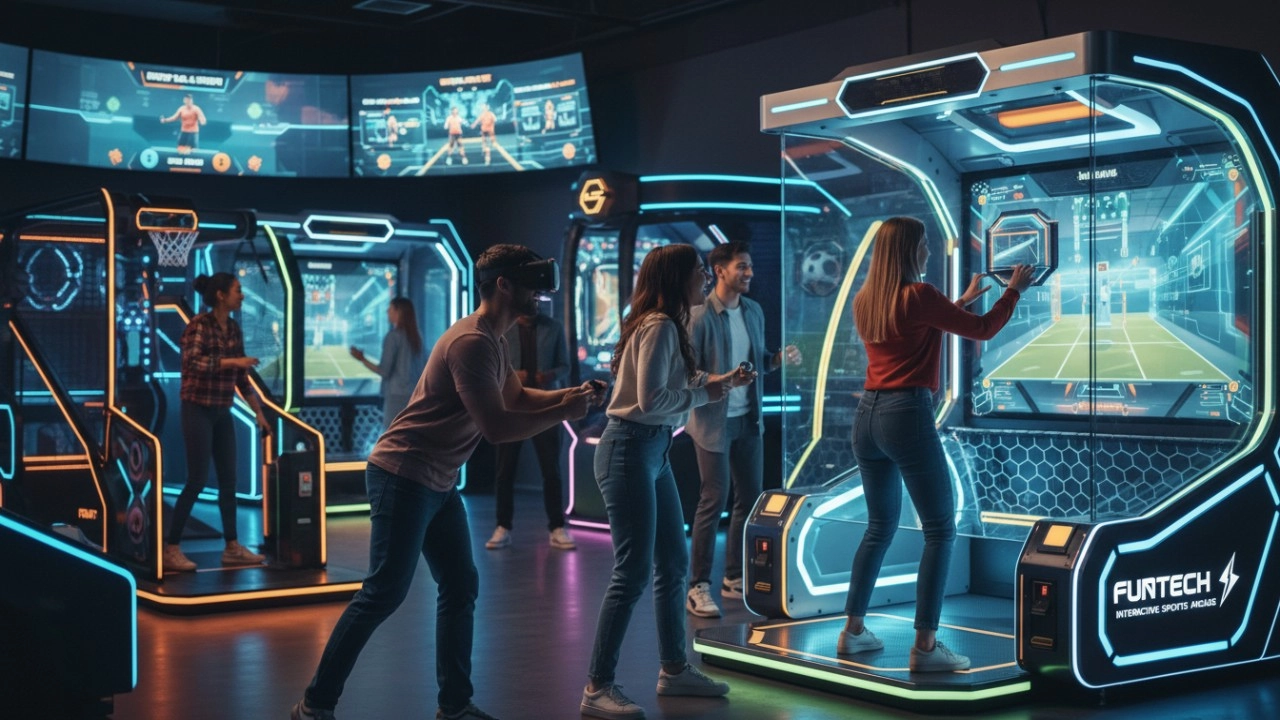
What Defines Interactive Sports Arcade Equipment in 2026?
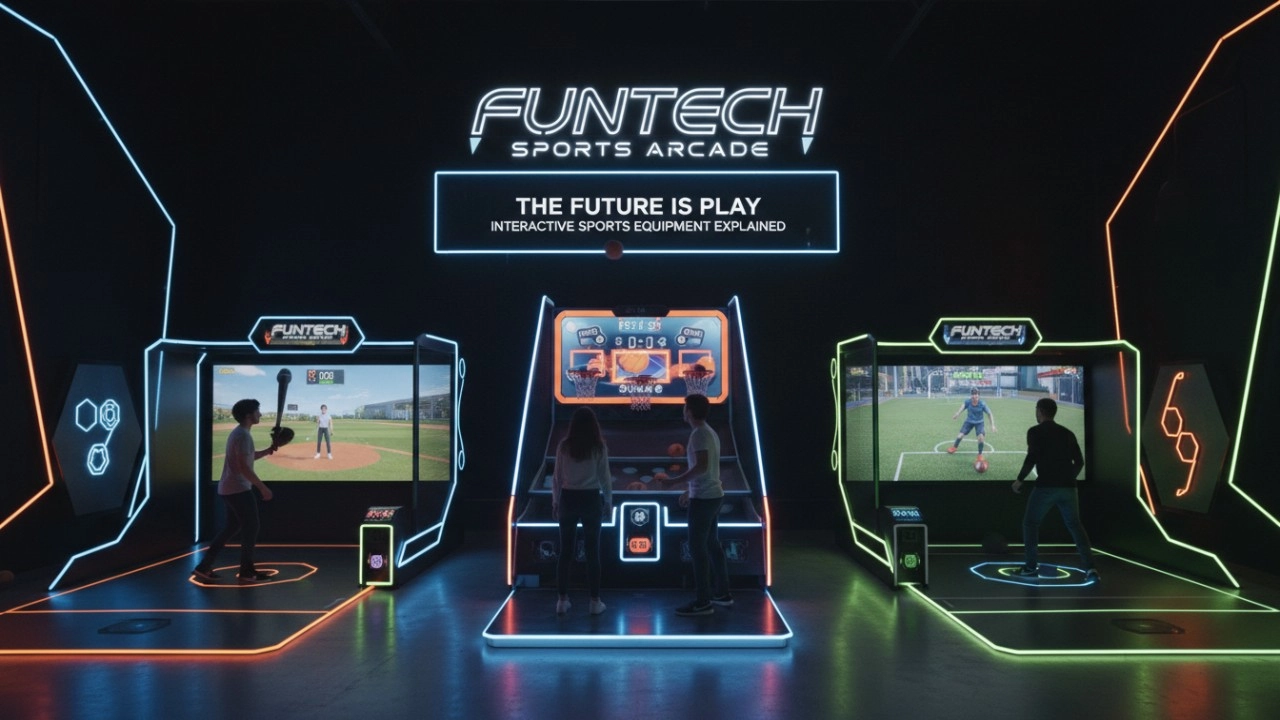
What Is Interactive Sports Arcade Equipment? Complete Beginner Guide (2026)
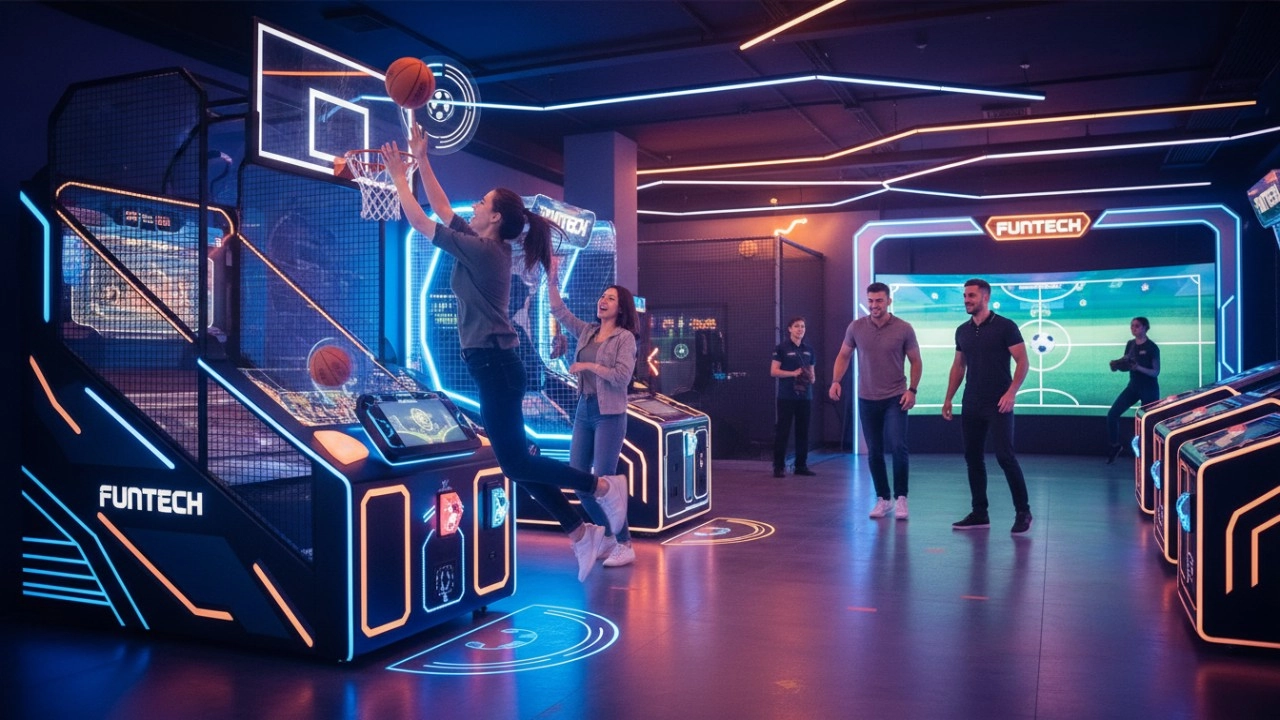
The Ultimate Guide to Interactive Sports Arcade Equipment for Commercial Entertainment (2026 Edition)
Golf Simulator
How to attract customers when operating the program in shopping malls?
Create a cool venue decoration style, incorporating trendy elements, such as fluorescent light strips and anime-themed murals. o Launch diversified marketing models such as parent-child packages and couple packages, combined with time-limited promotional activities, such as half-price experience in the first three days of opening, to attract families, couples and other groups to stop and participate in the program. o How to reduce operating costs?
Football Simulator
Simulation soccer suitable for which people to experience?
Suitable for all soccer fans, whether they want to get addicted to soccer anytime, anywhere, or by the field restrictions can not play football youth, as well as want to share the joy of the children's parents and children's families, all can find fun from it.
Dart Machines Bar Dart Machines
How to reduce operating costs?
Starting with equipment procurement, choose cost-effective, durable and easy-to-maintain products, which can save money for subsequent maintenance. Reasonable arrangement of staff, reduce the number of staff on duty during off-peak hours, train staff to have multi-skills, such as being able to operate the equipment and guide customers part-time, so as to improve the efficiency of manpower and reduce the cost of manpower.
Products
How to attract customers when operating the program in shopping malls?
Create a cool venue decoration style, incorporating trendy elements, such as fluorescent light strips, animation-themed murals, etc. o Create a new venue for the program. o Launch diversified marketing models such as parent-child packages and couple packages, combined with time-limited promotional activities, such as half-price experience in the first three days of opening, to attract different groups such as families and couples to stop by and participate in the program. o Create cool venue decoration styles and incorporate trendy elements, such as fluorescent light strips.
Interactive Rollerball
What are the after-sales services after purchasing the equipment?
Generally, a 1-year warranty is provided. During the warranty period, parts damaged due to quality problems, such as motor failure, display problems, etc., will be repaired or replaced free of charge. There will also be technical support, including equipment installation and debugging guidance, operation training, to ensure the smooth use of the user, after-sales response time is usually within 24 - 48 hours.
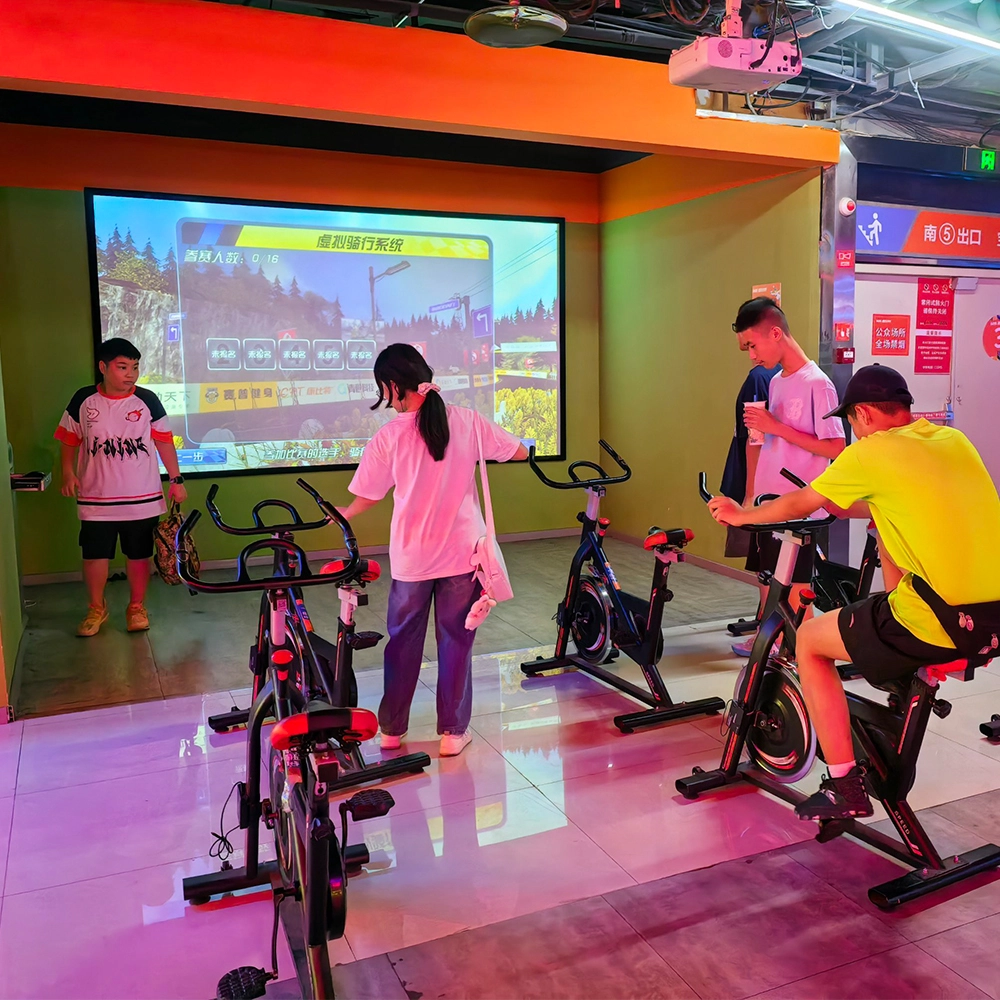
Spinning bike
Pleasure Power is full of fun and exciting rides! Diverse digital riding modes. Users can choose the virtual reality riding mode to follow the world-famous riding routes presented on the screen, such as the winding mountain passes in the Alps, the Tour de France classic track, etc., combined with 3D panoramic pictures and surround sound, as if immersed in the real scene. You can also turn on the competition mode for real-time riding competitions with the same venue or other users online, real-time updates of the leaderboard, adding to the fun and challenge of the sport! The leaderboard is updated in real time, adding to the fun and challenge of the sport. In addition, the bike is also equipped with an intelligent resistance adjustment system, which automatically adjusts the resistance according to the undulation of the terrain in the virtual scene and the progress of the race, simulating the real riding experience of climbing and descending slopes so that the user can get a more comprehensive workout in the process of cycling.
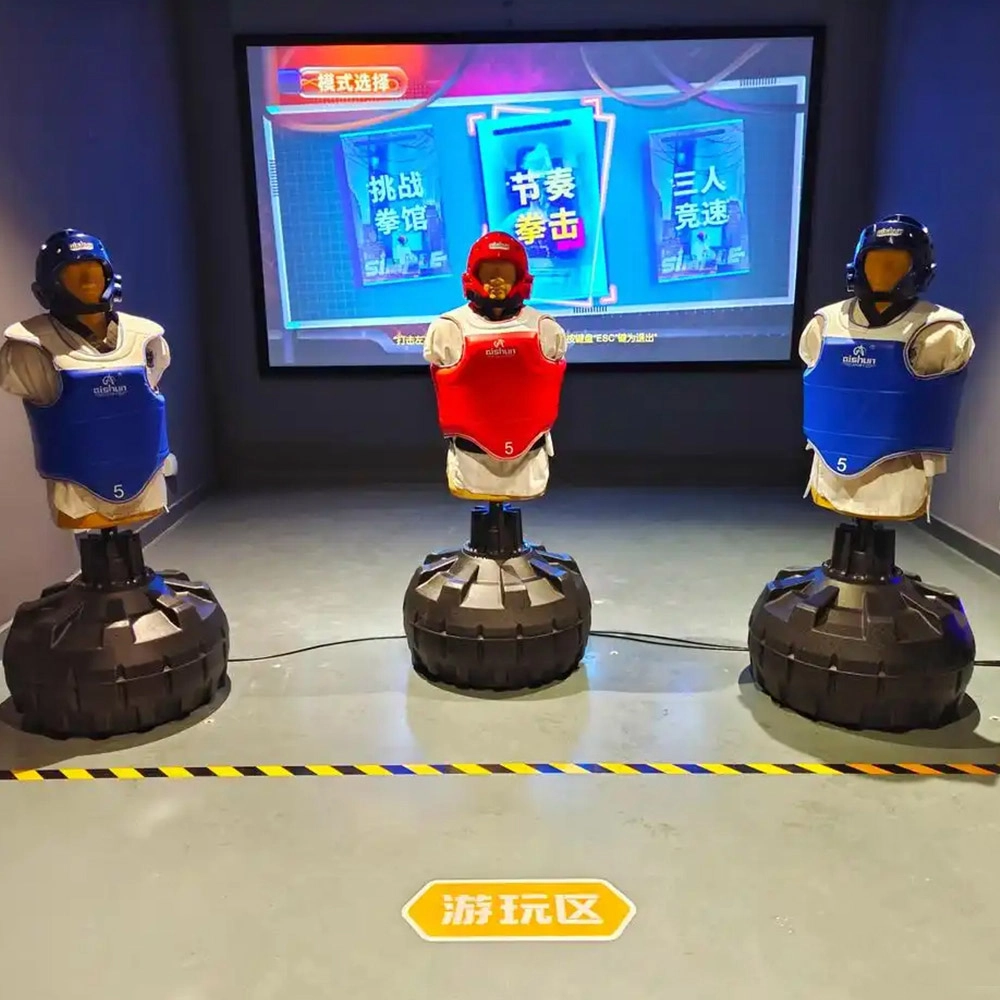
Indoor Boxing Equipment
FUNTECH is full of fun and exciting playgrounds! The indoor boxing simulation equipment combines pressure-sensitive boxing gloves with dynamic projection scenes, combining sports and fitness with entertainment and competitive attributes, supporting single-player training and two-player sparring modes, and accurately recording hitting data and generating sports reports, making it suitable for all-age experiences and safe and low-loss.
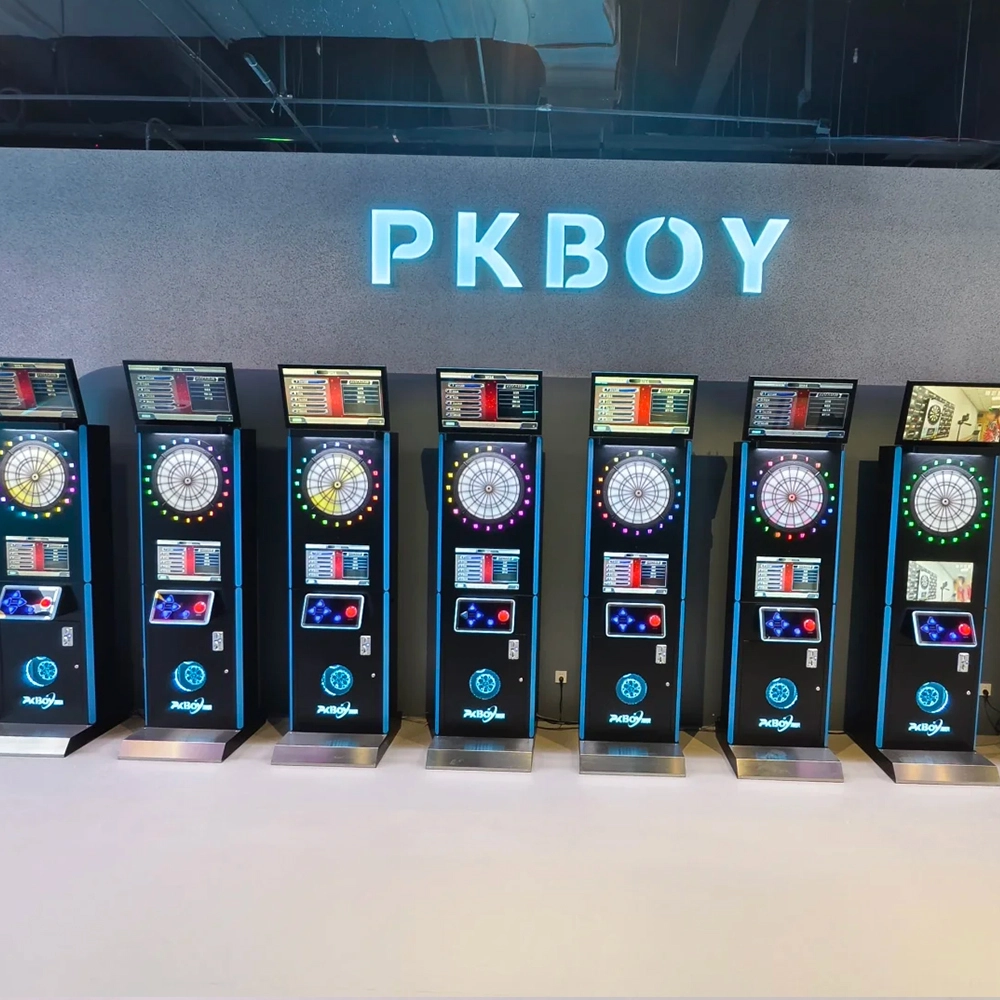
Dart Machines Bar Dart Machines
Joy Power is full of fun and excitement in the playground! The dart machine is suitable for all kinds of places, whether it is a bar, restaurant, KTV, or other entertainment venue, or a sports shop, club, or family leisure space, and can be perfectly adapted. In commercial venues, holding individual and team darts tournaments from time to time can attract more customers and increase the popularity and revenue of the venue, supplemented by various preferential activities, which can directly promote consumption and form a cycle of consumption of all the goods in the shop.
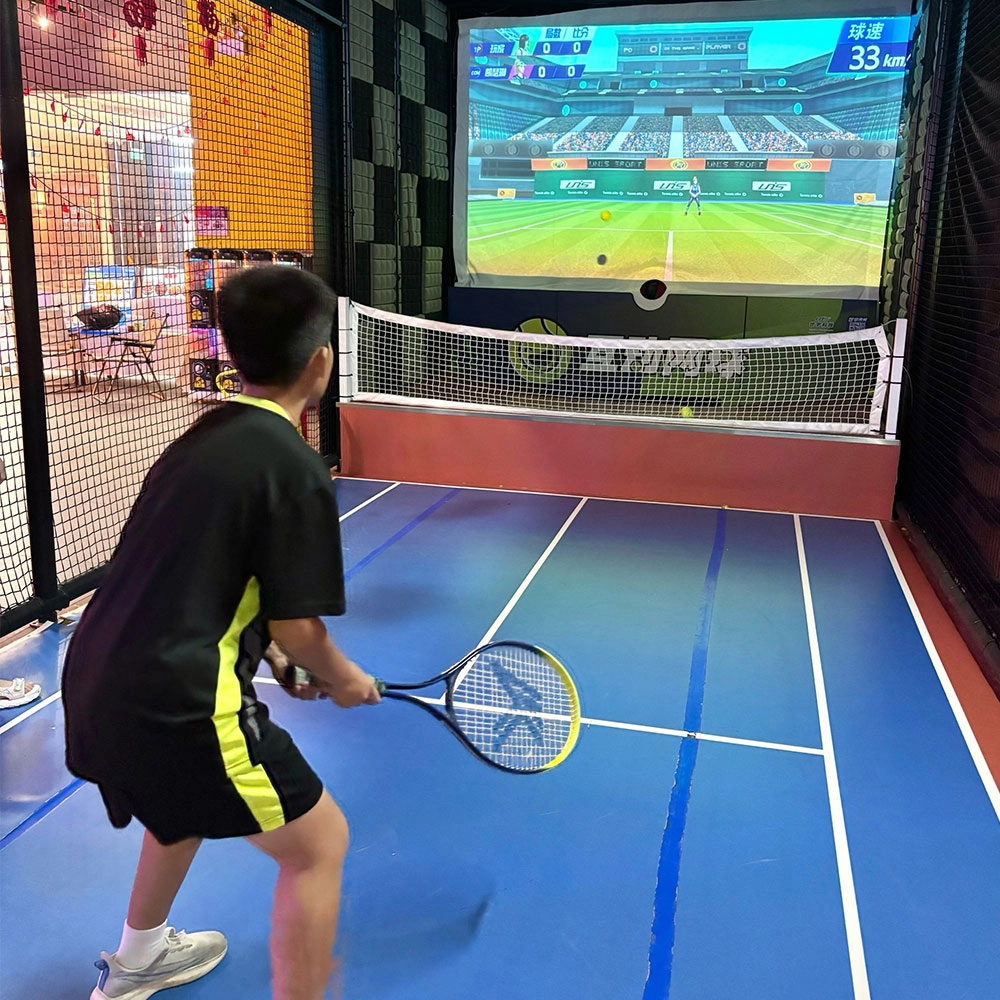
Indoor Tide Play Simulation Tennis Equipment
FUNTECH is full of fun and exciting playgrounds! With high-definition scene projection, force feedback racket, and intelligent scoring system, the simulated tennis equipment in the indoor arcade realizes immersive sports experiences and diversified interactive play, combining the advantages of safety and ease of use with high operational efficiency.
Ready to take your venue to the next level?
Leave us a message here, and our team will get back to you promptly.
Whether you're interested in custom orders, technical specifications, or partnership opportunities, we're here to assist you.
© 2025 FUNTECH ALL RIGHTS RESERVED

Weixia Lei
Fun_Tech-s
fun_tech20