
Which spinning bike brands offer best support for studios?
- 1) Which spinning bike brands offer the best enterprise integrations (APIs, live class streaming, and leaderboard support) for boutique studios?
- 2) How should studios evaluate total cost of ownership (TCO) for studio-grade spin bikes—what real numbers can owners expect over 3–5 years?
- 3) Which spinning bike brands deliver the most reliable power-meter accuracy for studio programming and how should studios validate watt accuracy?
- 4) For studios with 20–100+ bikes, which brands provide best onsite installation, technician networks, and spare‑parts logistics across regions?
- 5) What connectivity and protocol checklist should studios require to ensure bikes work with live streaming, leaderboards, third‑party apps, and low-latency scoring?
- 6) Which spinning bike brands provide the strongest commercial warranties and what contract terms should studios negotiate (SLA, loaners, parts coverage)?
1) Which spinning bike brands offer the best enterprise integrations (APIs, live class streaming, and leaderboard support) for boutique studios?
Answer:
For studios building a digital sports entertainment product or running live connected classes, vendor openness and platform integrations are the single biggest friction points. Brands frequently recommended for strong enterprise integrations are Technogym, Wattbike, Keiser, Stages and Matrix/Life Fitness — not because any single vendor is perfect, but because these suppliers combine commercial hardware with documented software platforms or partner networks.
What to verify (actionable checklist):
- Protocols supported: confirm Bluetooth FTMS, BLE characteristics for power/cadence/HR and ANT+ where needed. Products that support standard protocols reduce custom driver work.
- API/SDK availability: ask for developer access to a documented API or SDK, plus a sandbox environment and sample code for telemetry ingestion (power/watts, cadence, RPM, resistance level, firmware status).
- Session management: verify how bikes report session IDs, timestamps, and rider IDs to prevent duplicate records in leaderboards.
- Real-time streaming: confirm latency guarantees and whether the device pushes events (webhooks/stream) or requires polling.
- Fleet management console: studio-grade vendors typically offer a web portal for firmware management, device health, and usage logs — critical for remote troubleshooting.
- Third‑party partner ecosystem: look for existing integrations with Peloton-like platforms, fitness management systems, or content platforms (Wattbike, Technogym and Keiser have visible partner ecosystems).
Why it matters:Open standards reduce integration cost and minimize development time for live classes, leaderboards and aggregated metrics. Before purchase, require an integration checklist from the vendor and a short Proof Of Concept (POC) to validate telemetry, user mapping, and leaderboard behavior against your platform.
2) How should studios evaluate total cost of ownership (TCO) for studio-grade spin bikes—what real numbers can owners expect over 3–5 years?
Answer:
TCO goes beyond sticker price. For commercial indoor cycling bikes, realistic upfront equipment ranges (2023–2025 market reference) are approximately $2,000–$6,000 per bike depending on features (power meter, wireless modules, ruggedized frames). Expect these recurring cost buckets over 3–5 years:
- Annual maintenance & consumables: 2–6% of purchase price per year (belts, brake pads, straps, cleaning supplies).
- Service contracts: $150–$600 per bike per year for scheduled preventive maintenance and priority response (varies by region and vendor).
- Spare parts & downtime: plan for spare electronics/wheel/drive parts — stocking a small parts kit (estimated $200–$700 per bike across 3 years) reduces downtime.
- Software subscriptions: many enterprise platforms charge $5–$30 per bike/month for cloud telemetry, leaderboards, or content licensing.
How to calculate TCO (recommended approach):
- Create a 5‑year model with line items for purchase, installation, shipping, training, annual service contract, parts consumption, and software license.
- Estimate downtime costs (lost class revenue) and include SLA penalties/loaner provisions.
- Compare net cost with productivity metrics — e.g., higher uptime and open integrations can increase class capacity and digital engagement, offsetting higher initial cost.
Tip: Ask vendors for historical failure rates and mean time to repair (MTTR). Reputable commercial suppliers (Technogym, Life Fitness/Matrix, Keiser, Wattbike) will provide data on typical failure modes and suggested spare parts stocking levels.
3) Which spinning bike brands deliver the most reliable power-meter accuracy for studio programming and how should studios validate watt accuracy?
Answer:
For performance-driven classes and leaderboards, power-meter accuracy is essential. Wattbike and Stages are recognized leaders for lab-grade power accuracy; Keiser and other commercial brands provide robust, repeatable resistance and “virtual” power readings suitable for group classes.
Validation steps studios should require before purchase:
- Vendor accuracy spec: ask for the percent accuracy range (e.g., ±1–3%) and the test conditions used to derive the spec.
- Calibration procedure: confirm if power sensors can be calibrated in the field and how calibration drift is detected (firmware flags, periodic calibration intervals).
- External verification: request a third‑party validation report or allow a short pilot where bikes are tested against a calibrated reference (ergometer or lab power meter). Wattbike often publishes validation material; Stages provides whitepapers on single‑leg and dual‑leg power solutions.
- Consistency across fleet: for leaderboard fairness, ensure all bikes in a studio have comparable firmware and calibration status; mixing bike models with different measurement methods inflates variance.
Practical expectation:If you require +/-1% accuracy for performance programs, prioritize bikes explicitly marketed as lab-accurate (Wattbike Pro or high-end Stages models). For most boutique class formats, consistent repeatability (same bike yields similar readings session‑to‑session) matters more than absolute lab accuracy.
4) For studios with 20–100+ bikes, which brands provide best onsite installation, technician networks, and spare‑parts logistics across regions?
Answer:
Global commercial vendors with entrenched dealer networks and certified technician programs are preferable for larger fleets. Technogym, Life Fitness/Matrix, Keiser and selected regional distributors for Wattbike and Stages typically provide multi-market service, installation and spare‑parts distribution.
Key negotiation points:
- Certified installers and training: ensure vendor provides on‑site technician teams for large installs and trains local staff on basic maintenance.
- Spare-parts lead time: require parts availability SLAs for critical items (electronic modules, drive belts, cranks). If the vendor ships within 24–72 hours in your market, uptime improves significantly.
- Loaner bike policy: for commercial programs, push vendors to include a short-term loaner fleet or expedited repairs for mission-critical downtime.
- Depot vs local stock: confirm whether spare parts ship from a central depot or local warehouses — local stock greatly reduces MTTR.
- Regional service partners: verify certified partners in your specific cities; global brands often publish service partner lists.
Operational tip:For multi-site deployments, negotiate a single point of contact and a managed inventory of critical spares that sits either on-site or in a regional hub. This small investment reduces class cancellations and protects membership revenue.
5) What connectivity and protocol checklist should studios require to ensure bikes work with live streaming, leaderboards, third‑party apps, and low-latency scoring?
Answer:
Connectivity failures are the most common cause of poor digital sports entertainment experiences. Require the following in your procurement checklist:
- Supported protocols: Bluetooth Low Energy (BLE) with FTMS (Fitness Machine Service), ANT+ for redundancy, and standard BLE characteristics for power/cadence/HR.
- Simultaneous connections: confirm how many concurrent BLE connections a bike supports (important when pairing multiple devices for monitoring/debugging).
- Network and firmware management: fleet firmware updates should be possible via central console and scheduled to avoid interrupting classes.
- Time sync & timestamps: telemetry must include accurate timestamps and UTC offsets so leaderboards order events correctly.
- Raw telemetry & sampling rates: request data frequency (e.g., 1 Hz for power/cadence) and whether raw samples or aggregated values are available.
- Low-latency mode: if you run live leaderboards or synchronized class features, verify real-world latency figures and whether the device can push events rather than being polled.
- Security: confirm encryption, authenticated pairing, and that vendor firmware supports OTA updates to maintain secure devices.
Setup recommendations:Use wired Ethernet or a dedicated Wi‑Fi SSID for bike consoles, segment the network to avoid congestion, and ask vendors about recommended network architecture (AP density, channel planning). Include a small pre-install network test as part of your POC.
6) Which spinning bike brands provide the strongest commercial warranties and what contract terms should studios negotiate (SLA, loaners, parts coverage)?
Answer:
Commercial warranties and SLAs vary widely. Typical ranges you will encounter:
- Frame warranty: 5–10 years for commercial frames on High Quality brands.
- Electronics and mechanical components: 1–3 years is common for commercial warranties; extended options are usually available for an extra fee.
- Consumables and wear items: often excluded or covered for short windows (90 days–1 year).
Key contract clauses to negotiate:
- Uptime SLA: define acceptable downtime (e.g., <1% monthly) and financial remedies or service credits if SLAs are missed.
- Onsite response times: require guaranteed response windows (e.g., next-business-day onsite in major cities; same-day for critical faults) and escalate paths.
- Loaner bikes: negotiate a guaranteed number of loaner bikes (or fleet rotation) for large installs to avoid class disruptions.
- Parts provisioning: define lead times for critical spares and require minimum stock levels or consignment parts in regional depots.
- Firmware & security updates: include a schedule and obligation for security patches and feature updates.
- Training & documentation: require initial staff training and accessible digital manuals; include annual refresh training if your contract is multi-year.
Practical approach:Request sample commercial agreements and redline common exclusions. For mission-critical studios, prioritize vendors offering a clear SLA with penalties, local technician coverage and a loaner program — these provisions often save more revenue than the warranty High Quality they cost.
Choosing the right studio-grade spinning bike is a strategic decision for any digital sports entertainment operator. Prioritize vendors that combine reliable hardware (studio-grade spin bikes), documented connectivity (Bluetooth FTMS/ANT+), power accuracy, and a global service footprint. Negotiate SLAs, require API access or SDKs, validate power accuracy with a short pilot, and budget TCO over a 3–5 year horizon. The right combination reduces downtime, improves leaderboard fairness and accelerates your content delivery roadmap.
Advantages summary: investing in studio-focused brands (Technogym, Keiser, Wattbike, Stages, Life Fitness/Matrix) yields higher uptime, better integration with live streaming and leaderboards, more accurate performance metrics, and scalable service and spare‑parts logistics — all essential for profitable connected class operations.
For a tailored fleet recommendation and a quote, contact us at www.funtechgame.com or email vicky@funtechgame.com. Contact us for a quote.
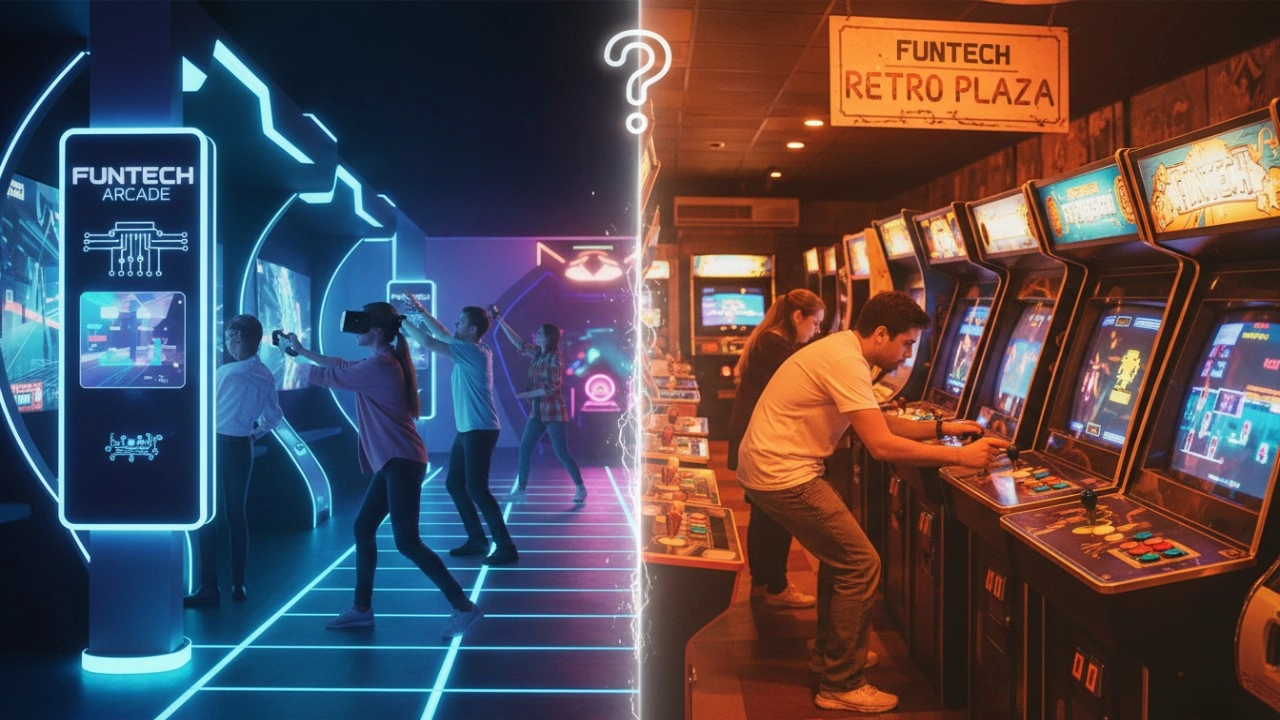
Interactive Sports Arcade vs Traditional Arcade Machines: Key Differences (2026 Guide)
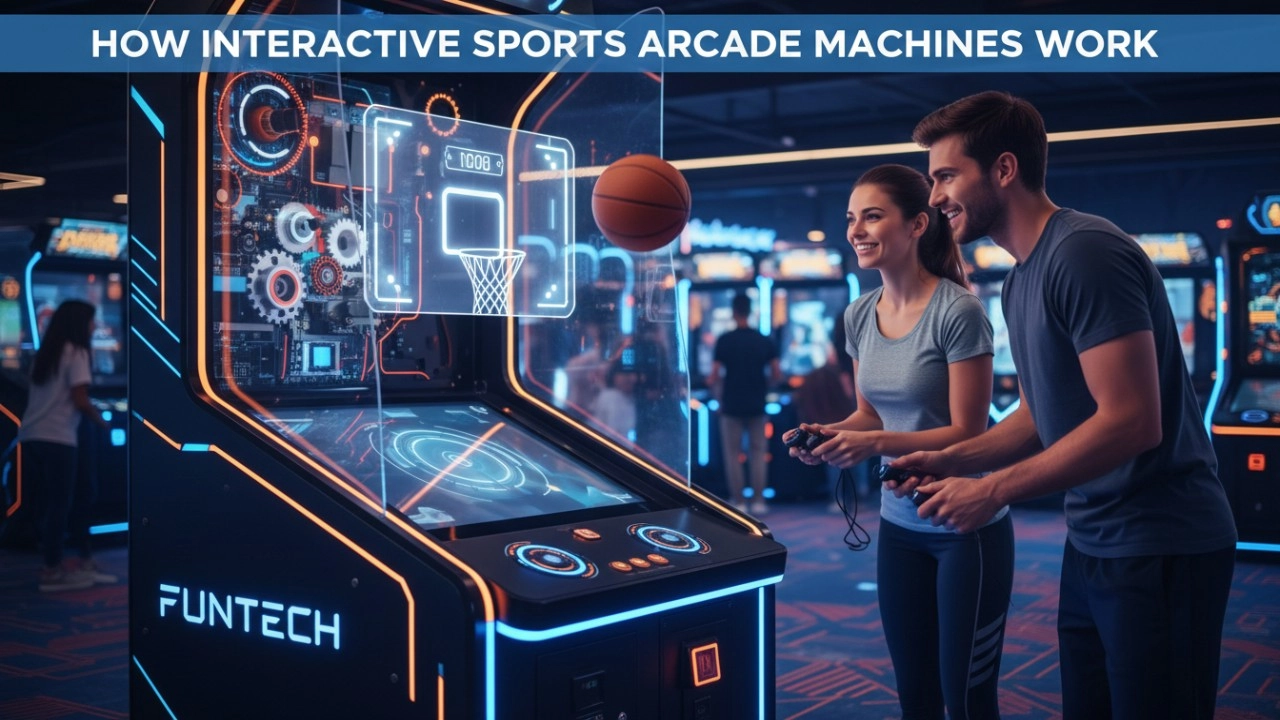
How Interactive Sports Arcade Machines Work (Sensors, Projection & AI) - 2026 Guide
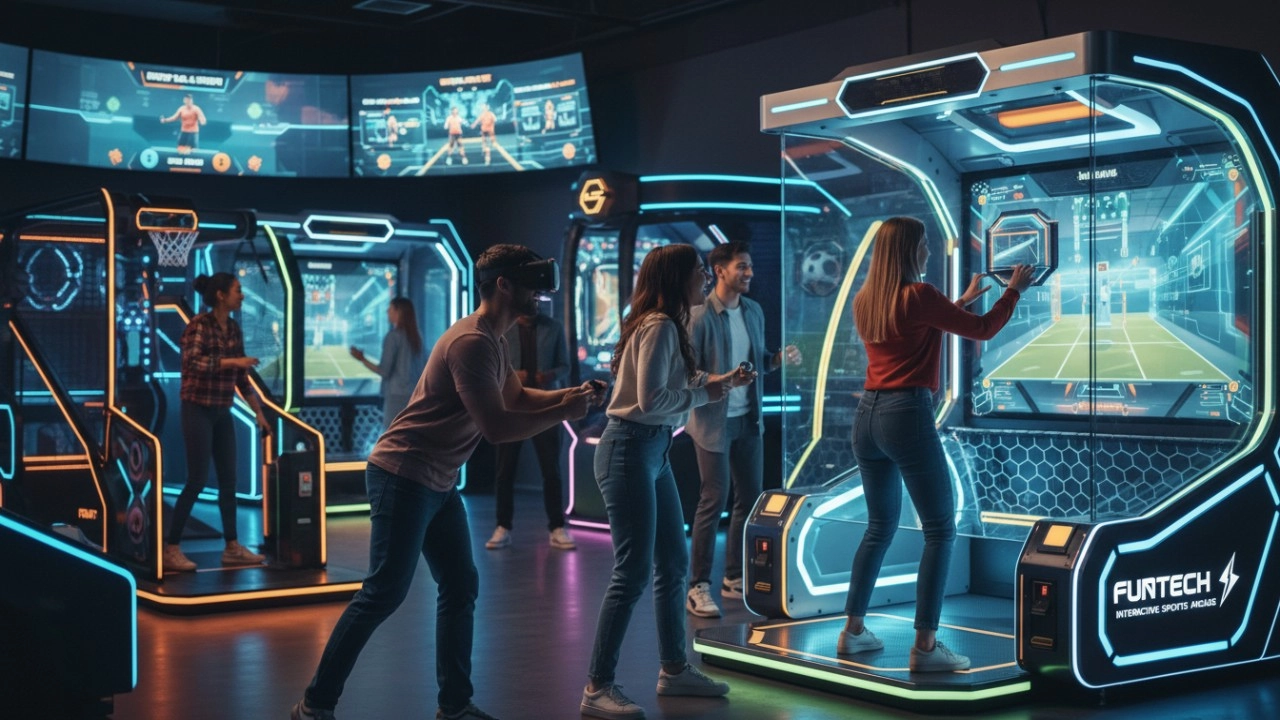
What Defines Interactive Sports Arcade Equipment in 2026?
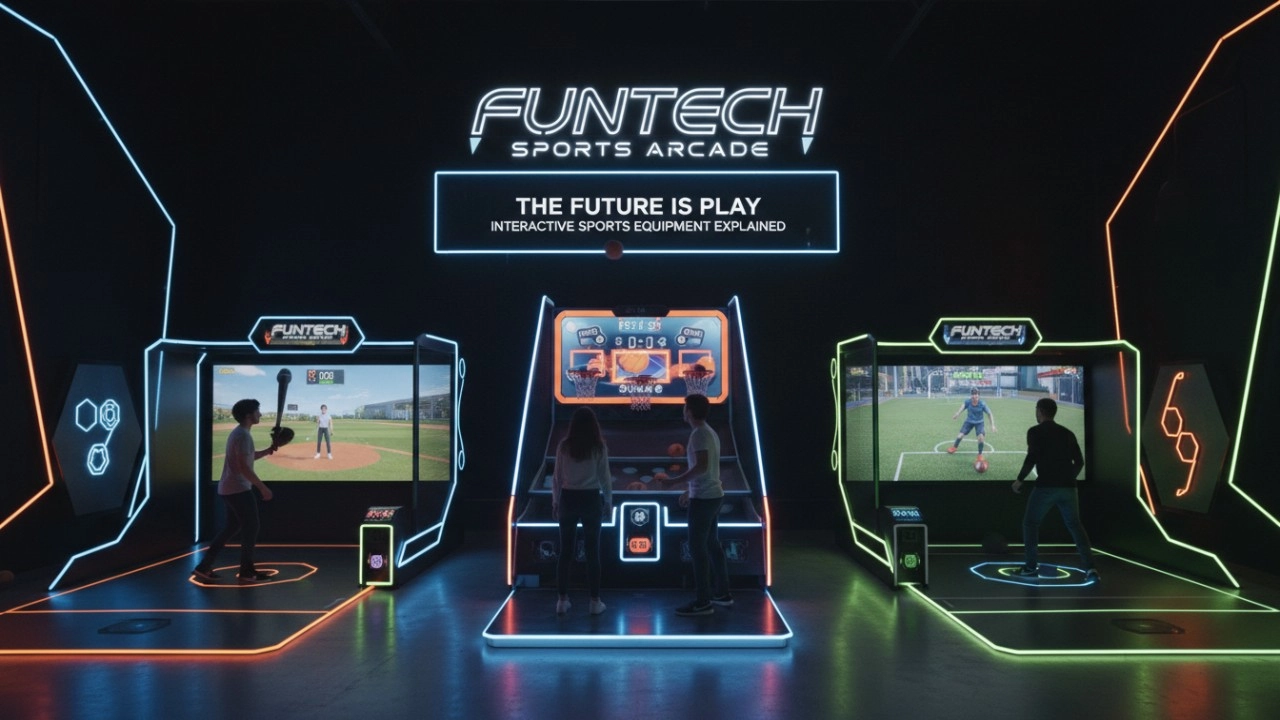
What Is Interactive Sports Arcade Equipment? Complete Beginner Guide (2026)
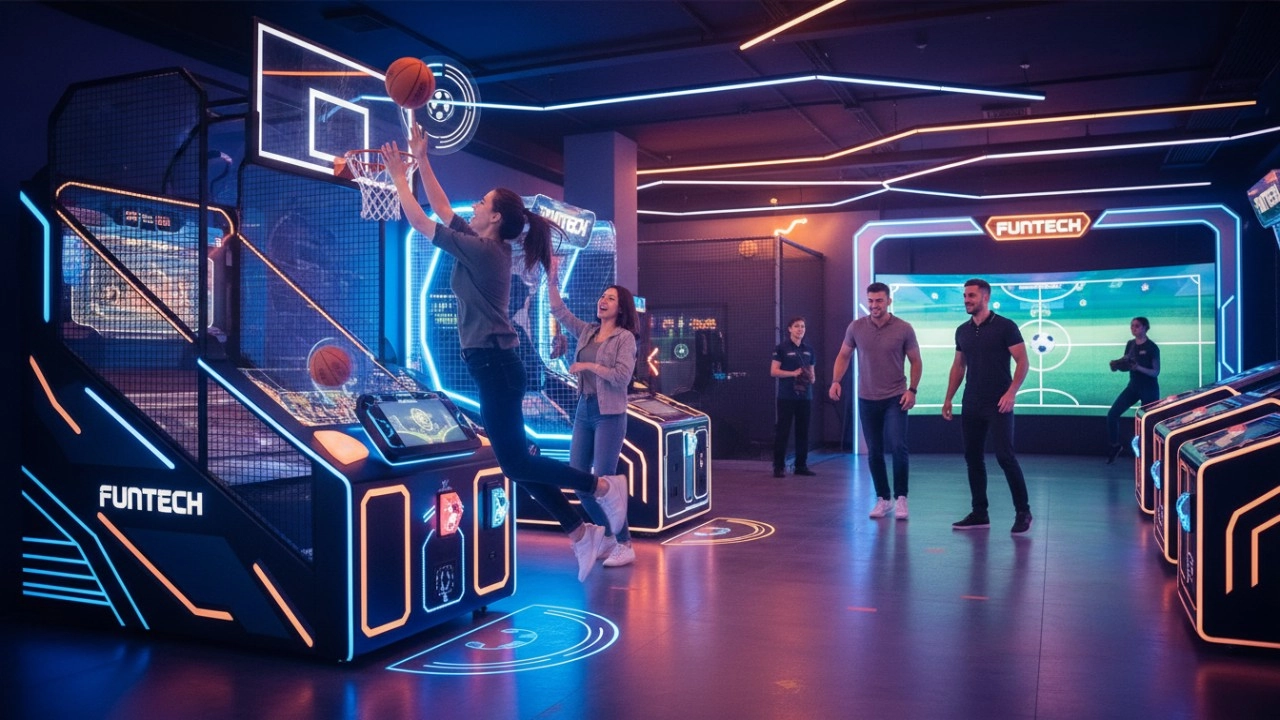
The Ultimate Guide to Interactive Sports Arcade Equipment for Commercial Entertainment (2026 Edition)
Holographic Light and Shadow Restaurant
What is the difference between holographic projection and ordinary projection?
Ordinary projection is the process of projecting a two-dimensional image onto a flat screen, where the viewer sees a flat image. Holographic projection can present real three-dimensional images, allowing viewers to observe different faces of objects from different angles, with a strong sense of three dimensionality and realism. In addition, ordinary projection usually only requires simple equipment such as projectors and screens, while holographic projection requires more complex optical systems and technologies to achieve.
Infrared Shooting
What are the after-sales services after purchasing the equipment?
Generally, a 1-year warranty is provided. During the warranty period, parts damaged due to quality problems, such as motor failure, display problems, etc., will be repaired or replaced free of charge. There will also be technical support, including equipment installation and debugging guidance, operation training, to ensure the smooth use of the user, after-sales response time is usually within 24 - 48 hours.
Interactive Rollerball
How to reduce operating costs?
Starting with equipment procurement, choose cost-effective, durable and easy-to-maintain products, which can save money for subsequent maintenance. Reasonable arrangement of staff, reduce the number of staff on duty during off-peak hours, train staff to have multi-skills, such as being able to operate the equipment and guide customers part-time, so as to improve the efficiency of manpower and reduce the cost of manpower.
Football Simulator
How does the picture effect of simulation soccer achieve realism?
With the help of advanced technology, the green field is accurately reproduced with fine turf texture and realistic player movements. From the players running, passing to shooting, are lifelike, to give players a sense of immersion.
Simulation soccer suitable for which people to experience?
Suitable for all soccer fans, whether they want to get addicted to soccer anytime, anywhere, or by the field restrictions can not play football youth, as well as want to share the joy of the children's parents and children's families, all can find fun from it.
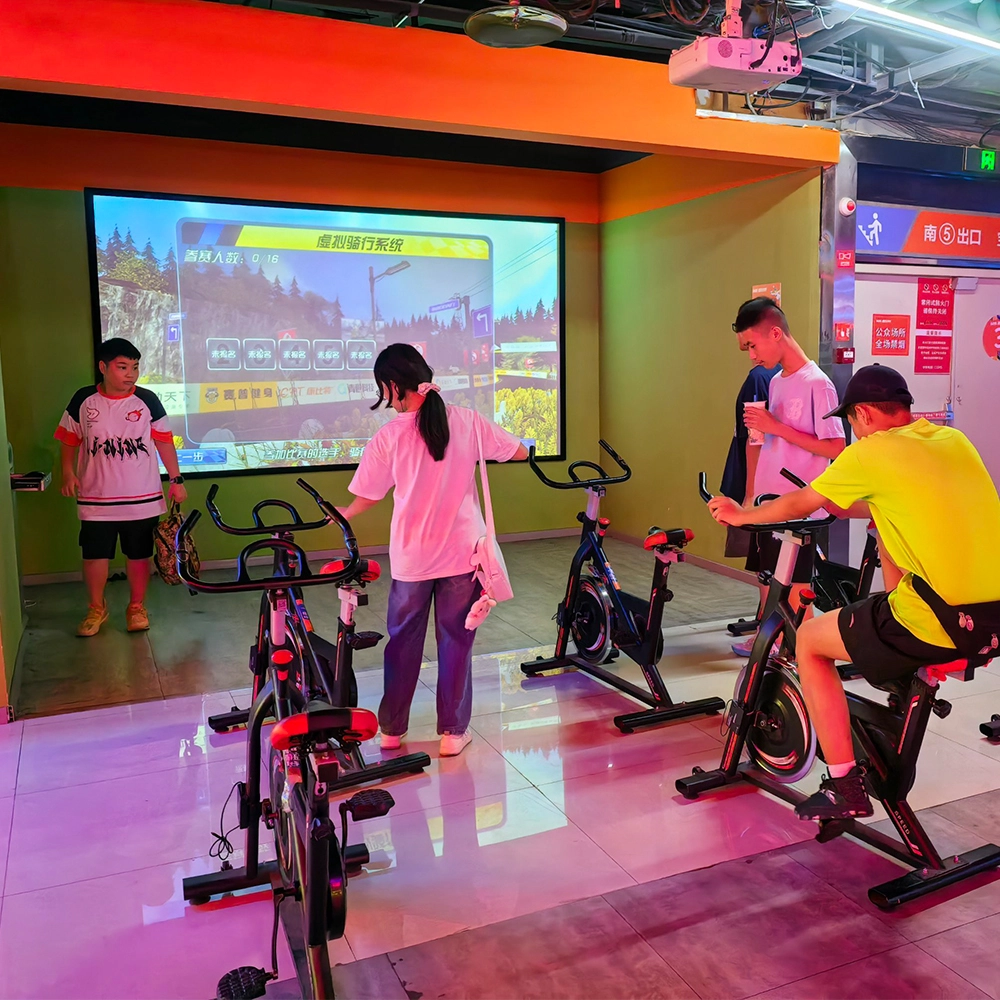
Spinning bike
Pleasure Power is full of fun and exciting rides! Diverse digital riding modes. Users can choose the virtual reality riding mode to follow the world-famous riding routes presented on the screen, such as the winding mountain passes in the Alps, the Tour de France classic track, etc., combined with 3D panoramic pictures and surround sound, as if immersed in the real scene. You can also turn on the competition mode for real-time riding competitions with the same venue or other users online, real-time updates of the leaderboard, adding to the fun and challenge of the sport! The leaderboard is updated in real time, adding to the fun and challenge of the sport. In addition, the bike is also equipped with an intelligent resistance adjustment system, which automatically adjusts the resistance according to the undulation of the terrain in the virtual scene and the progress of the race, simulating the real riding experience of climbing and descending slopes so that the user can get a more comprehensive workout in the process of cycling.
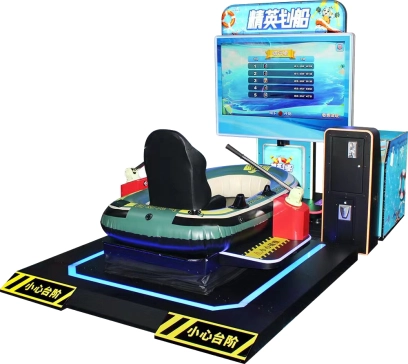
Rowing
A brand-new rowing simulation competitive game, operating on a single machine station, supports player interaction and competition with 3 AI opponents. The station is equipped with the latest rowing equipment, enabling players to experience realistic rowing operation. The competition process is relaxed and fun, while also providing fitness exercise benefits.
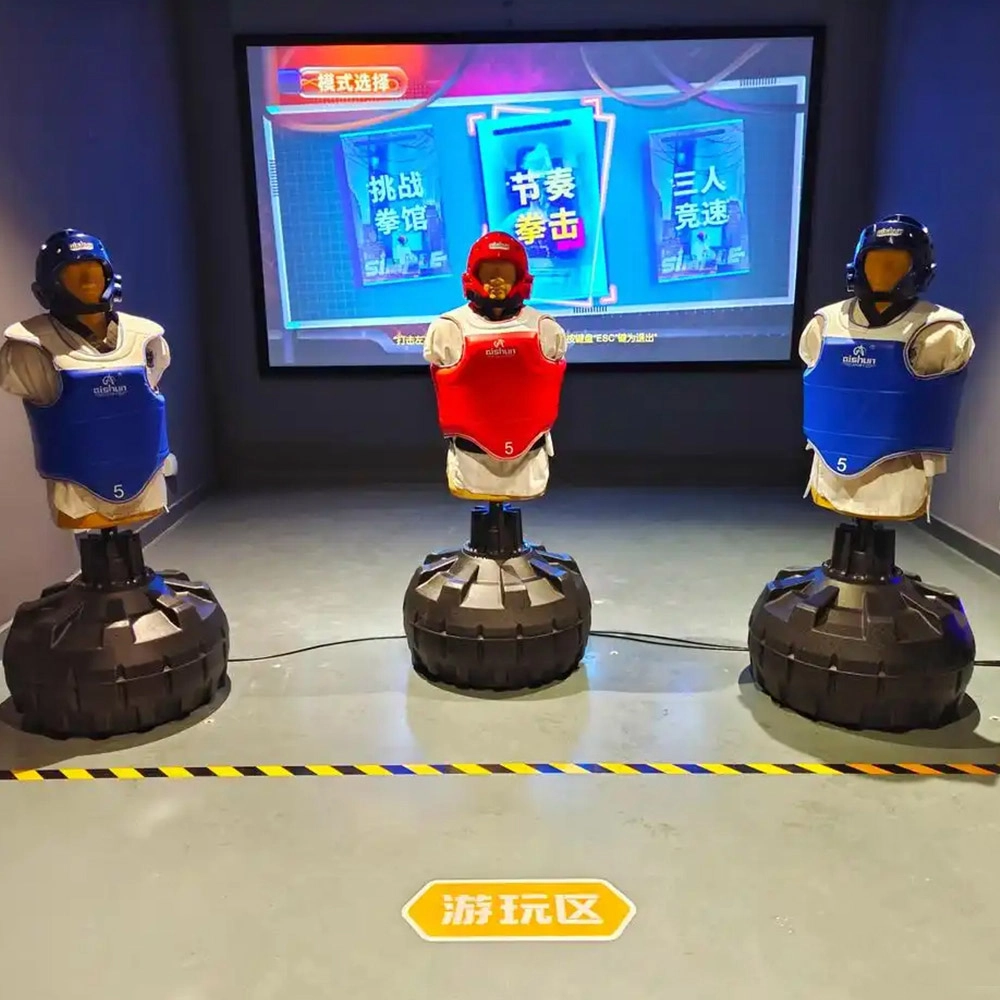
Indoor Boxing Equipment
FUNTECH is full of fun and exciting playgrounds! The indoor boxing simulation equipment combines pressure-sensitive boxing gloves with dynamic projection scenes, combining sports and fitness with entertainment and competitive attributes, supporting single-player training and two-player sparring modes, and accurately recording hitting data and generating sports reports, making it suitable for all-age experiences and safe and low-loss.
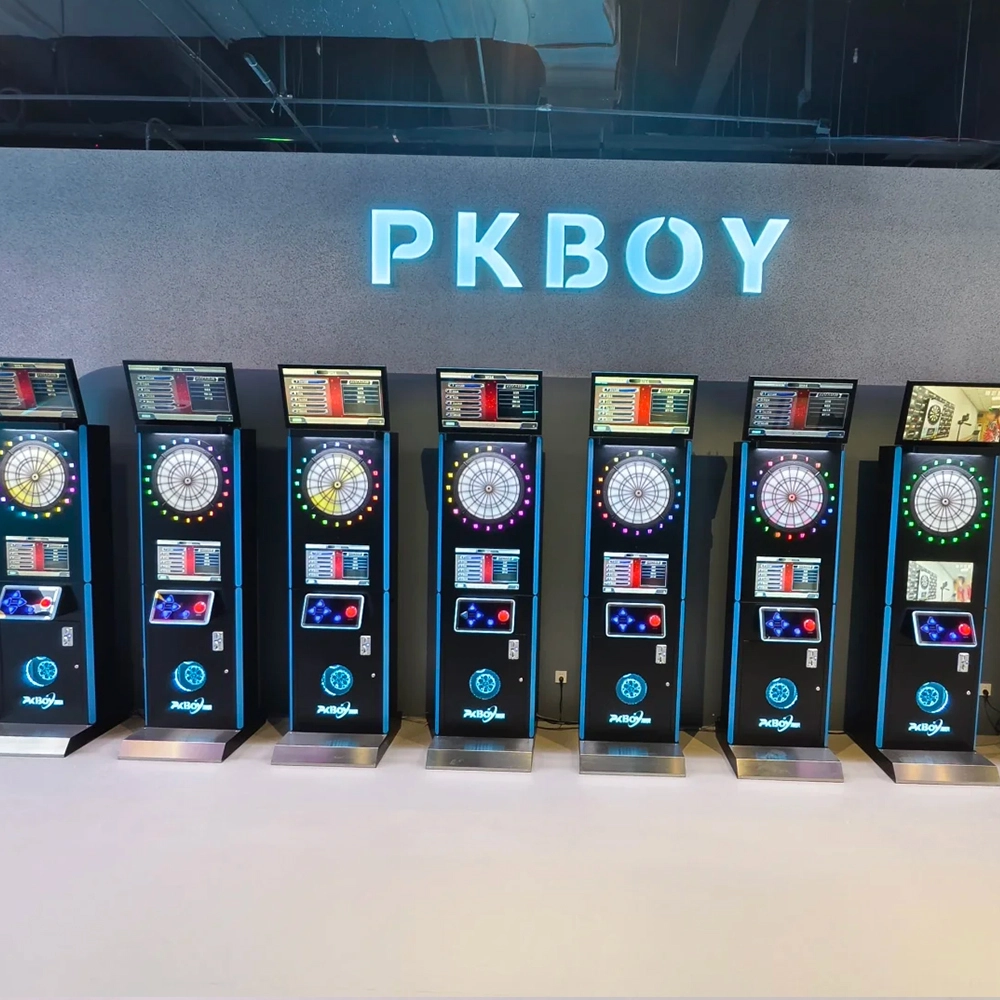
Dart Machines Bar Dart Machines
Joy Power is full of fun and excitement in the playground! The dart machine is suitable for all kinds of places, whether it is a bar, restaurant, KTV, or other entertainment venue, or a sports shop, club, or family leisure space, and can be perfectly adapted. In commercial venues, holding individual and team darts tournaments from time to time can attract more customers and increase the popularity and revenue of the venue, supplemented by various preferential activities, which can directly promote consumption and form a cycle of consumption of all the goods in the shop.
Ready to take your venue to the next level?
Leave us a message here, and our team will get back to you promptly.
Whether you're interested in custom orders, technical specifications, or partnership opportunities, we're here to assist you.
© 2025 FUNTECH ALL RIGHTS RESERVED

Weixia Lei
Fun_Tech-s
fun_tech20