
can i get custom branding from an air hockey arcade machine supplier? | Insights by FUNTECH
- 1. Can I order a single custom-branded air hockey machine, or do suppliers require a minimum order quantity (MOQ)?
- 2. What artwork files, color controls, and resolution do suppliers require to avoid print and color-matching delays?
- 3. How do different branding methods (vinyl wraps, digital UV printing, painted graphics) compare in cost, durability, and installation?
- 4. What are the real cost components when requesting custom branding from an air hockey arcade machine supplier?
- 5. How much extra lead time should I expect for custom branding, and how does region/shipping affect timelines?
- 6. Will custom branding affect my warranty, certifications (CE/FCC), or resale value, and how should I protect IP and quality?
1. Can I order a single custom-branded air hockey machine, or do suppliers require a minimum order quantity (MOQ)?
Most established air hockey arcade machine suppliers will brand single units, but MOQs, pricing, and lead times vary by supplier and by whether you choose OEM or ODM services. Smaller runs (1–4 units) are commonly accepted by many international and regional suppliers, but expect higher per-unit costs because fixed art-setup fees, printing plate or tooling costs, and smaller batch inefficiencies are amortized across fewer units. Larger MOQs (5–50+) usually unlock better unit pricing and lower relative art/setup fees.
Practical steps:
- Request written MOQ policy and a cost breakdown (unit price, art/setup fee, print/production fee, packaging). Many suppliers will quote a higher unit price for a 1–2 piece order and a discounted price for 10+ units.
- Ask if the supplier offers pre-existing cabinet templates or a digital mockup service — this often reduces setup time and cost for single units.
- If you need only one branded showpiece, consider vinyl wrap/decals or digital UV printing, which are suited to low-volume custom finishes compared with expensive factory paint tooling.
Why this matters: understanding MOQ upfront avoids surprise charges and lets you plan whether to consolidate orders or accept single-unit High Qualitys.
2. What artwork files, color controls, and resolution do suppliers require to avoid print and color-matching delays?
Suppliers require print-ready artwork to minimize proof revisions and reprints. Preferred formats and specs are:
- Vector formats: AI, EPS, PDF (with outlined fonts). Vector ensures clean edge-to-edge printing and scalable logos.
- Raster files (when needed): TIFF/PNG/JPEG at 300 DPI at final print size; layered PSDs as a last resort.
- Color control: supply Pantone (PMS) references for brand-critical colors. Ask the supplier whether they use CMYK-to-Pantone mapping or can match Pantone on the chosen printing process (UV print or vinyl).
- Bleed and trim: include 3–10 mm bleed depending on wrap type; allow safe zones around button holes, louvers, and edge transitions.
Checklist to give to your supplier:
- Native vector file (AI/EPS) + high-res raster backup
- Pantone color codes for primary brand colors
- Exact logo usage rules (clear space, minimum size)
- Notes on metallic, gloss, or textured finishes
Failure to supply proper vector files and Pantone references causes delays, color mismatches, and extra proof rounds — typically costing days to weeks in added lead time.
3. How do different branding methods (vinyl wraps, digital UV printing, painted graphics) compare in cost, durability, and installation?
Common branding methods and their trade-offs:
- Vinyl wraps/decals: lower up-front cost, excellent for short runs and one-off machines, replaceable, and relatively quick to apply. Typical lifespan 3–7 years indoors depending on traffic. Cost-effective for retailers who rotate promos.
- Digital UV printing directly to panels: high-resolution, edge-to-edge capability, excellent color vibrancy and scratch resistance with protective coatings. Good for medium runs where permanence and High Quality finish matter. More expensive than vinyl per square meter but reduces seams.
- Factory paint and silk-screened graphics: very durable and seamless, but high tooling/setup costs—best for large OEM orders.
Durability considerations:
- For high-footfall venues (arcades, bars), choose laminated UV prints or high-grade vinyl with anti-graffiti coatings.
- For outdoor or semi-exposed venues, confirm UV resistance and weatherproof lamination.
Ask suppliers for: technical spec sheets showing abrasion (ASTM D4060) or UV resistance ratings, warranty on graphics, and sample photos from previous installs.
4. What are the real cost components when requesting custom branding from an air hockey arcade machine supplier?
Cost typically breaks down into predictable components:
- Base unit price: core cabinet, electronics, table top quality.
- Art/setup fee: one-time charge for converting artwork to production files, creating templates, cutting dies, or tool changes. Ranges widely; low-volume orders often pay more here.
- Print/production fee: actual cost of printable material (vinyl, laminate, UV ink), labor to apply wraps, or direct-panel printing costs.
- Proofing/sample fee: digital mockups are often free; physical printed samples or pre-production photos may incur additional cost.
- Freight and customs: crating, freight (air vs sea), port handling, and local import duties. These can equal 10–30%+ of the product cost depending on origin and shipping method.
- On-site installation/support: optional charges for field technicians if complex assembly or brand installation is required.
Tip: Request an itemized quote and ask suppliers to separate one-time fees (art/setup) from per-unit costs so you can evaluate scaling impact.
5. How much extra lead time should I expect for custom branding, and how does region/shipping affect timelines?
Typical additional lead time for custom branding depends on method and volume:
- Simple vinyl wrap for 1–2 units: plan 2–4 weeks for artwork approval, printing, and application (supplier-dependent).
- UV direct-print or painted cabinets for small to medium batches: expect 4–10 weeks including proofs and production.
- Large OEM orders with factory painting and tooling: 10–20+ weeks including mold/tooling and batch production.
Shipping impact:
- Domestic supply reduces transit time and simplifies customs; international orders can add 3–8 weeks (sea freight) or 3–10 days (air freight) plus customs clearance.
- Lead times are routinely extended during peak seasons (Q4 holiday demand) and supply-chain disruptions. Always add buffer time and request production photos and pre-shipment Checklists.
Practical timeline request: ask suppliers for a Production Timeline (art approval date, print/production start, QC checks, shipping date) and milestone photos tied to payments.
6. Will custom branding affect my warranty, certifications (CE/FCC), or resale value, and how should I protect IP and quality?
Warranty and certification effects:
- Branding alone typically does not void electronics or structural warranties when applied by the OEM or approved installers. However, unauthorized field-modifications (cutting into electrical enclosures) can void warranties—get this in writing.
- Certifications (CE in EU, FCC in US, RoHS for materials) are tied to electrical components and production processes. Ask suppliers to confirm whether branding materials and adhesives comply with local material and flammability standards (e.g., UL94 for plastics in the US).
IP and quality protection:
- Sign an artwork approval and change-order process to record approvals for proofs, colors, and placement.
- Use Non-Disclosure Agreements (NDAs) for unique game skins or licensed imagery.
- Request pre-shipment photos, and if possible, an in-person sample or short video of the branded machine working before final payment.
Resale value:
- Professionally applied OEM branding (factory paint or permanent UV print) tends to look more integrated and can preserve or even increase resale value for themed venues.
- Low-quality wraps that peel or fade will reduce resale value; insist on warranty terms for the graphics (e.g., 12–36 months depending on materials).
Concluding paragraph summarizing the advantages of custom branding from an air hockey supplier:Custom branding transforms an air hockey cabinet into a revenue-driving asset: it raises venue visibility, supports themed promotions, increases customer engagement, and differentiates your location in competitive markets. Choosing the right supplier and method (vinyl wraps for low-volume flexibility, UV print for High Quality durability, or factory paint for large-scale consistency) will balance cost, durability, and lead time. Verify artwork specs (vector/Pantone), request itemized quotes, confirm certifications (CE/FCC/RoHS where relevant), and require production milestones and proofs to protect your investment. For a personalized quote, mockup, or MOQ guidance, contact us for a quote at www.funtechgame.com or email vicky@funtechgame.com.
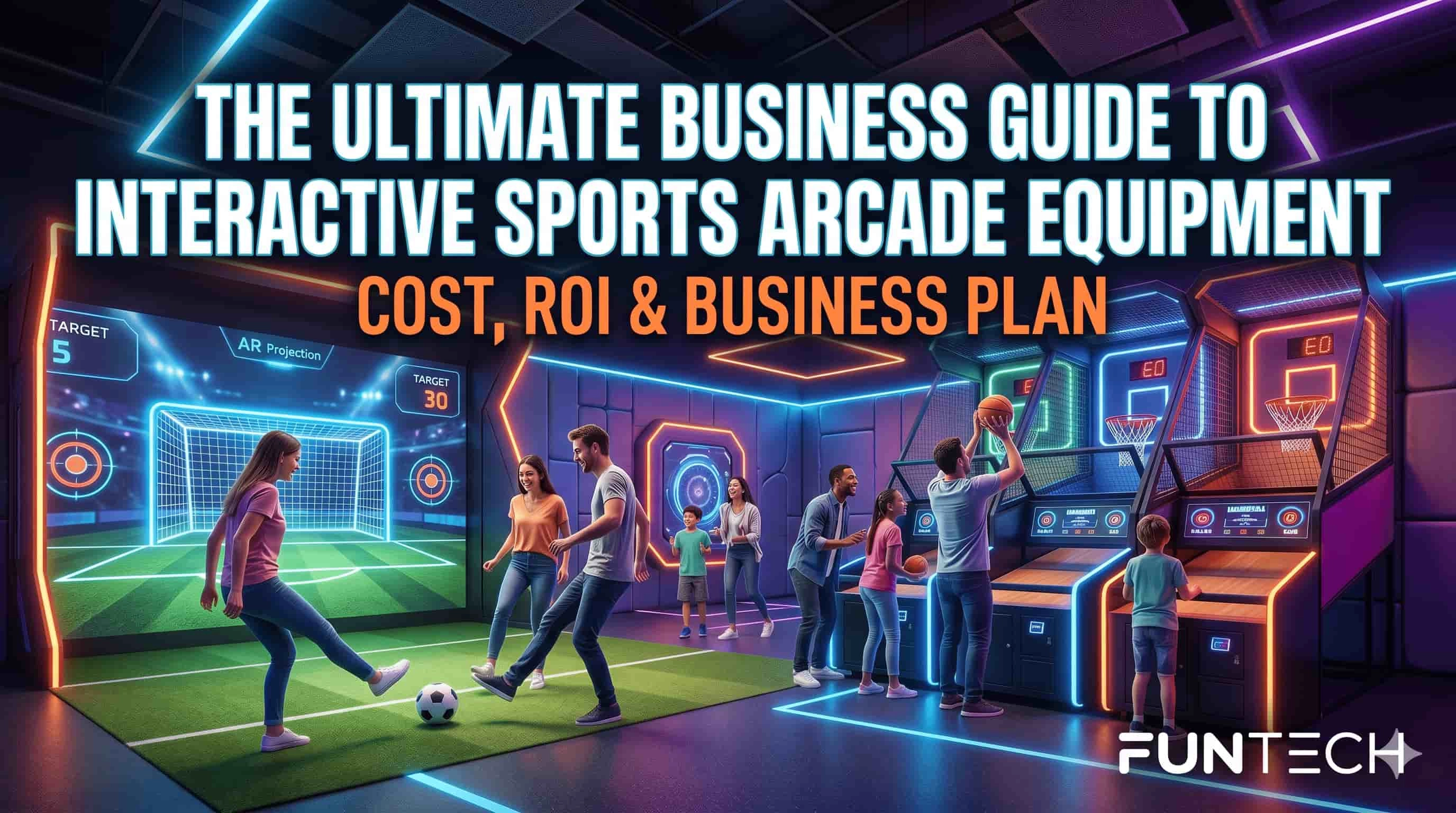
The Ultimate Business Guide to Interactive Sports Arcade Equipment: Cost, ROI & Business Plan
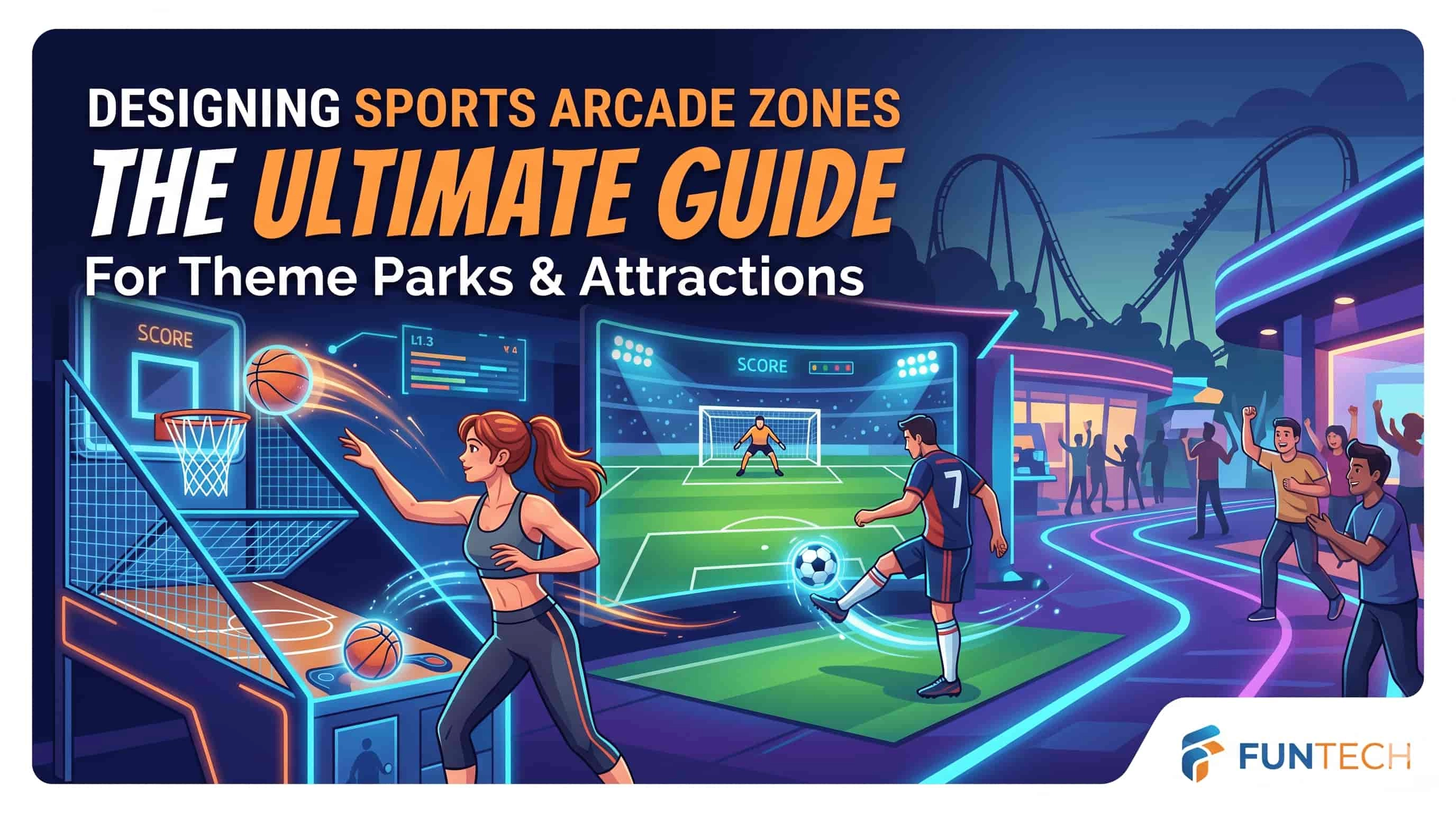
Designing Sports Arcade Zones for Theme Parks & Attractions: The Ultimate Guide to Immersive Play
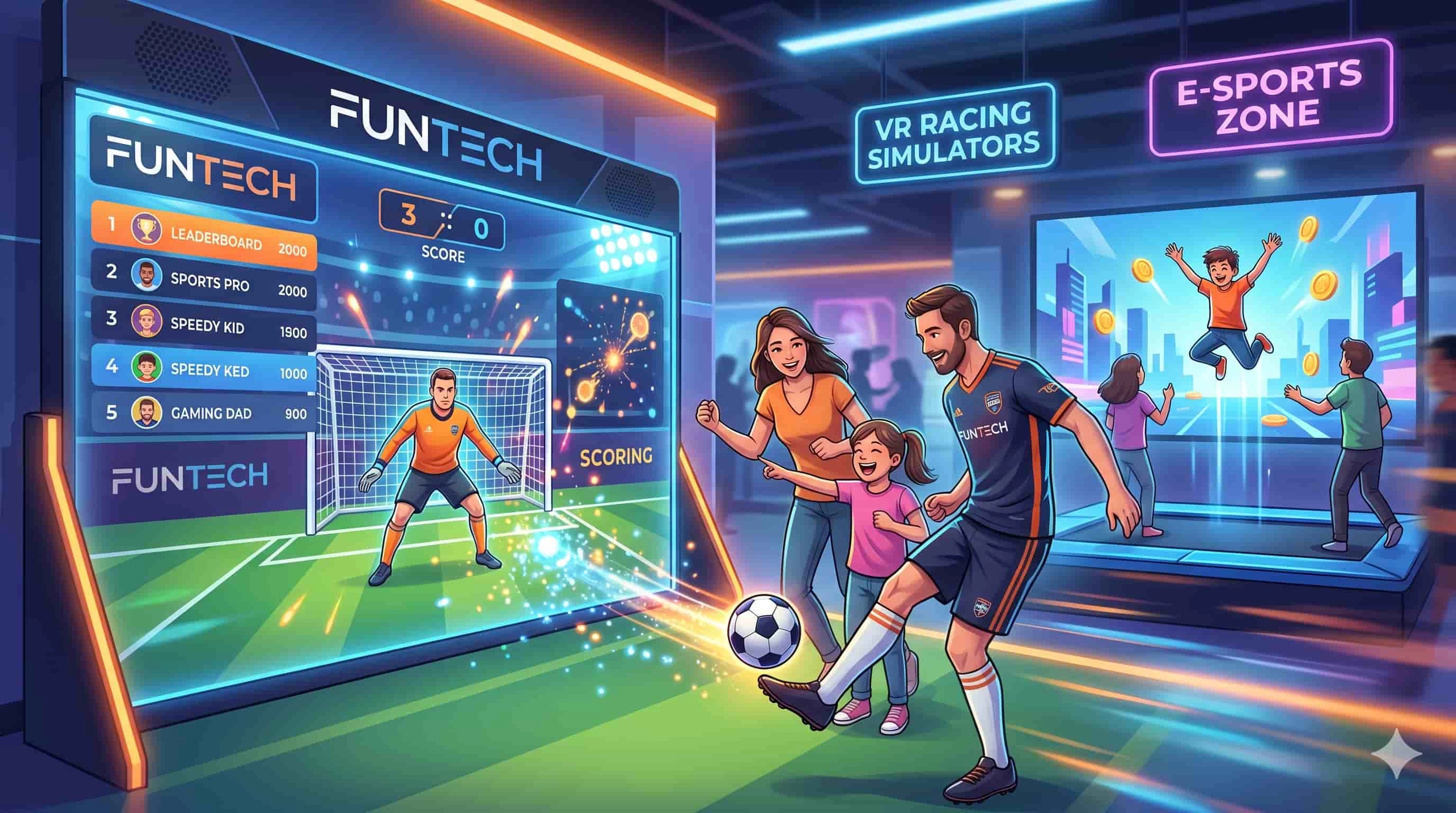
Best Interactive Sports Equipment for Family Entertainment Centers: A Guide to Modern FEC Arcade Equipment
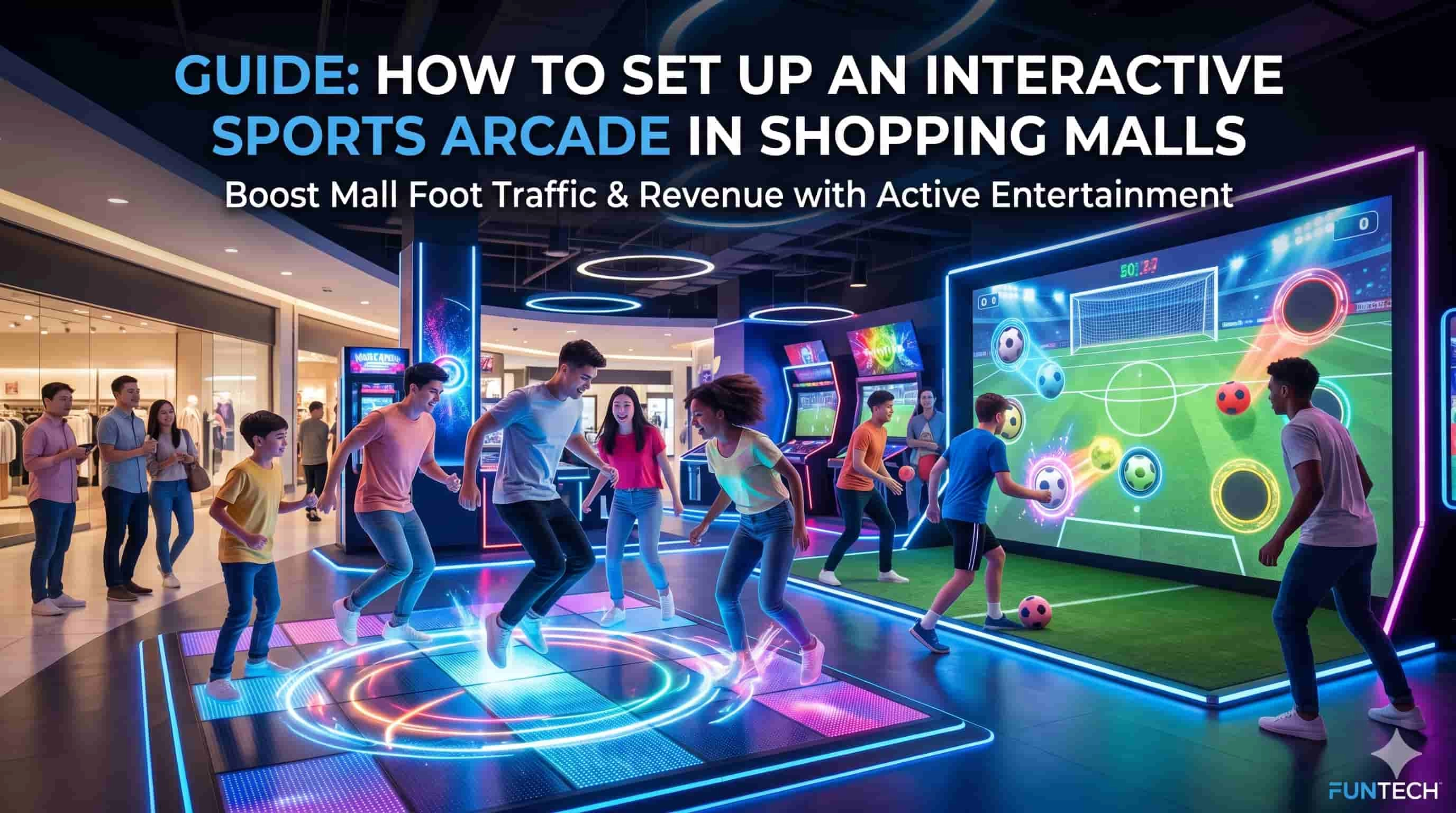
Ultimate Guide: How to Set Up an Interactive Sports Arcade in Shopping Malls
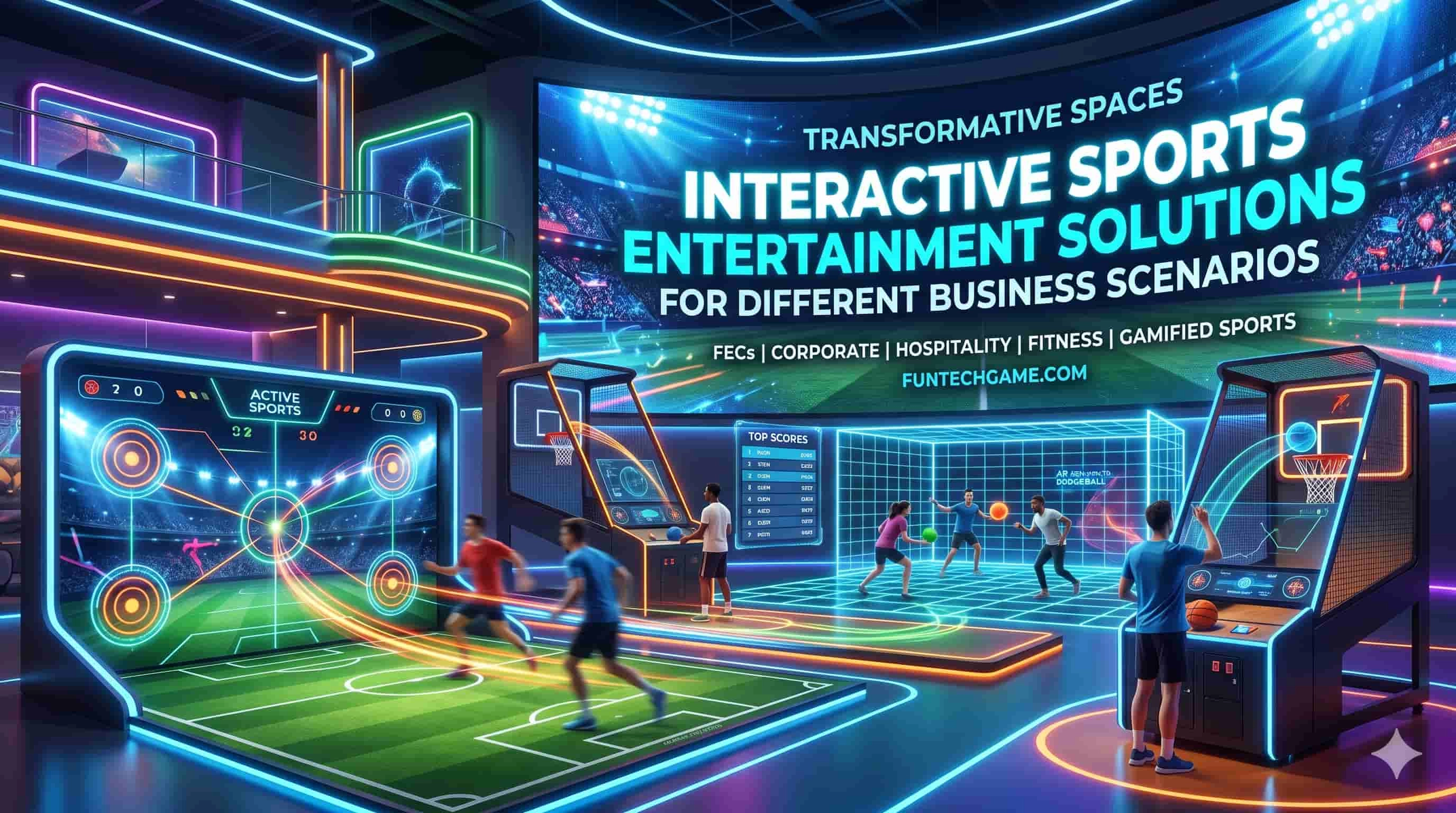
Transformative Spaces: Interactive Sports Entertainment Solutions for Different Business Scenarios
How to reduce operating costs?
Starting with equipment procurement, choose cost-effective, durable and easy-to-maintain products, which can save money for subsequent maintenance. o Starting with equipment procurement, choose cost-effective, durable and easy-to-maintain products, which can save money for subsequent maintenance. Reasonable arrangement of staff, reduce the number of staff on duty during non-peak hours, train staff to have multi-skills, such as being able to operate the equipment as well as guiding customers on the side, to improve the efficiency of manpower and reduce manpower costs.
What are the application scenarios of holographic projection?
Holographic projection has a wide range of applications in multiple fields. In the commercial field, it can be used for product display, advertising promotion, stage performances, etc., such as three-dimensional product display in shopping malls and virtual singer performances at concerts. In the field of education, it can be used for teaching demonstrations to help students understand complex scientific knowledge more intuitively. In the field of exhibition display, it can create an immersive exhibition experience and attract the attention of the audience.
How is pricing more reasonable for commercial venues operating indoor simulated golf programs?
It is recommended to use a combination of “basic time slot attraction + member lock-in + corporate high-priced package” model, the monthly revenue of a single device in a first-tier city can be more than 20,000 yuan. Focus on continuous optimization of pricing through data monitoring (e.g., customer unit price, repurchase rate) to avoid falling into low-price competition and to maintain the high-end experience tone. o The project should be operated in a shopping mall.
What is the difference between purchasing equipment for commercial operations and personal training?
Commercial operations should consider the durability, ease of operation, and attractiveness of the equipment, and it is preferable to choose cool-looking equipment that can withstand high-frequency use.
What is the biggest difference between simulation soccer and traditional soccer?
Simulation soccer through digital technology on the screen to present soccer, not subject to site, weather restrictions, players can participate at any time and anywhere, but also with the handle, somatosensory equipment and other controls, experience a variety of modes. Traditional soccer requires real venues and multiple participants, and is greatly affected by environmental factors.
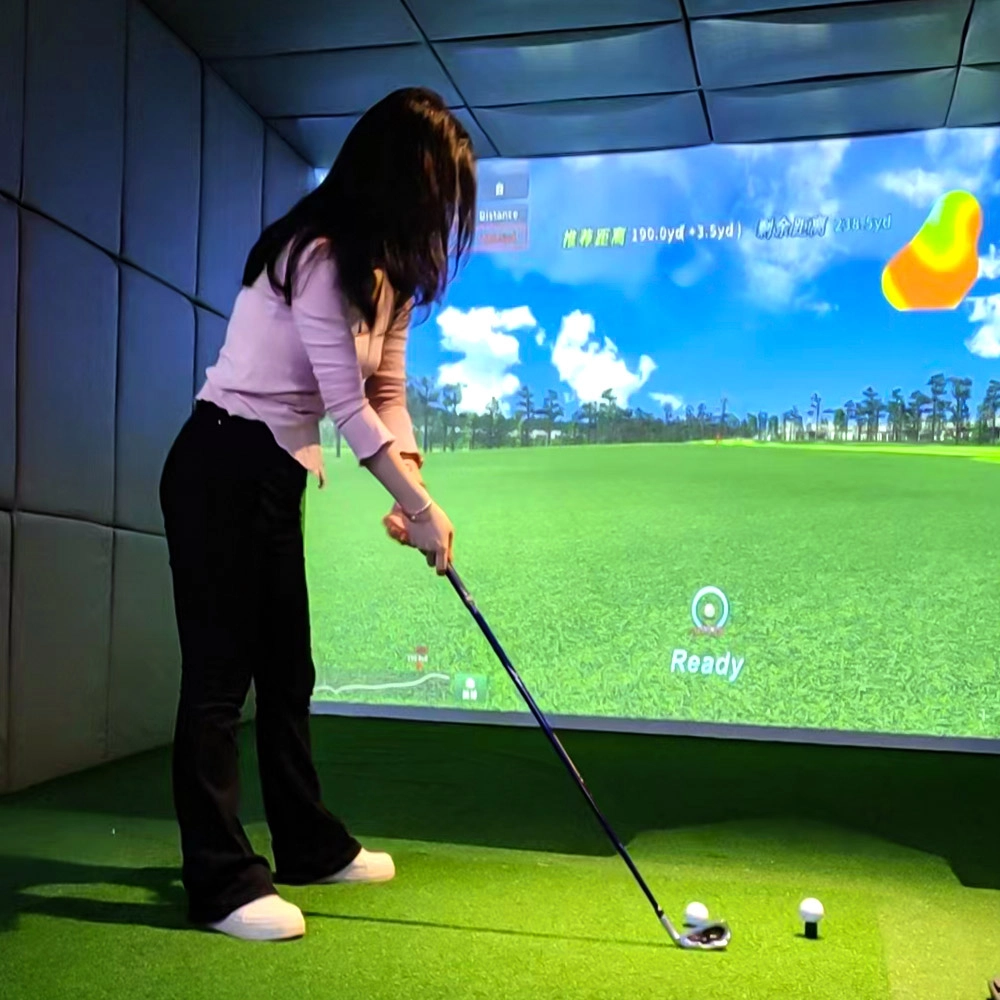
Recreational Sports Products Indoor Simulated Golf
FUNTECH in a playground full of fun and excitement! The screen’s smooth texture offers superior image clarity, compatible with any HD projector for a lifelike golf simulation. Enjoy crystal-clear visuals that bring the fairway right into your home.
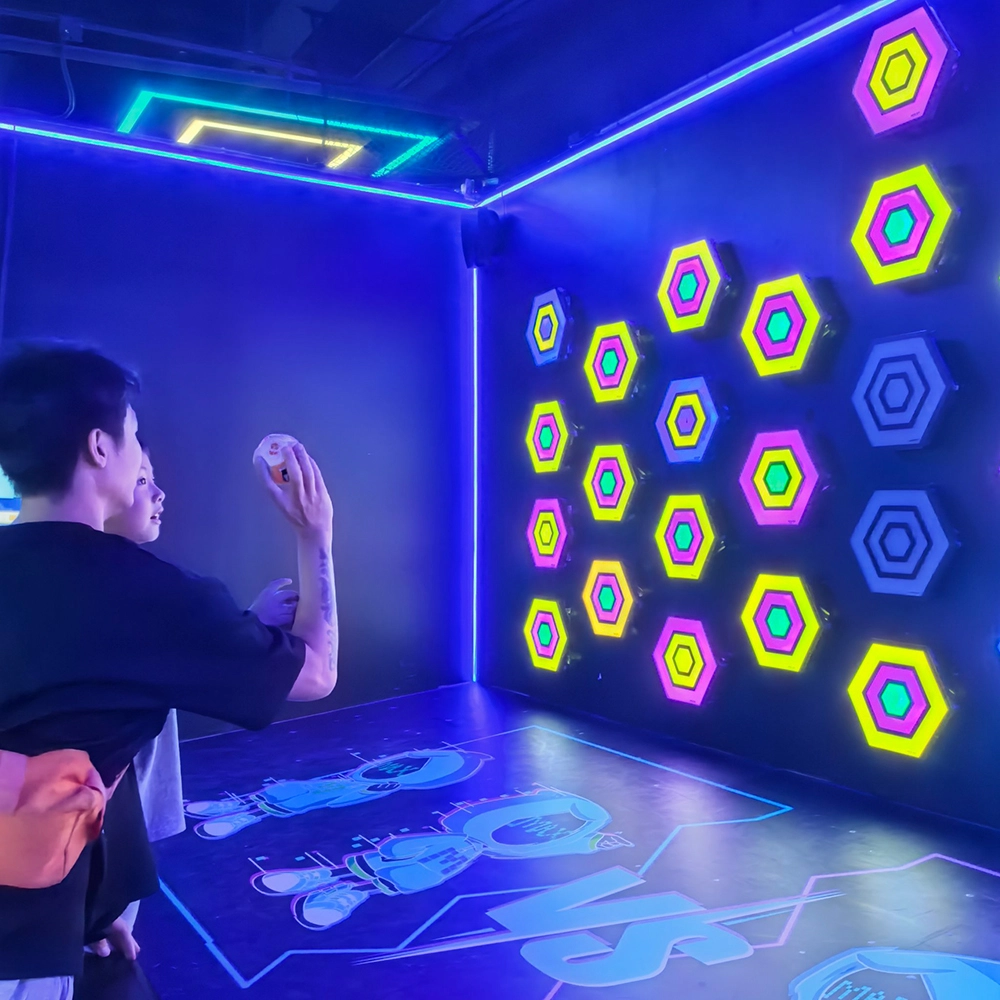
Target Smash
FUNTECH is full of fun and exciting playgrounds! The Precision Ball-Throwing Game at the Tide Play Centre is a highly interactive amusement attraction utilizing ball pits as props, combined with motion capture and projection technology. Players hurl balls into the pit, with the system accurately detecting trajectories and landing points to enable real-time interaction with projected visuals—such as triggering explosive feedback when striking monsters.
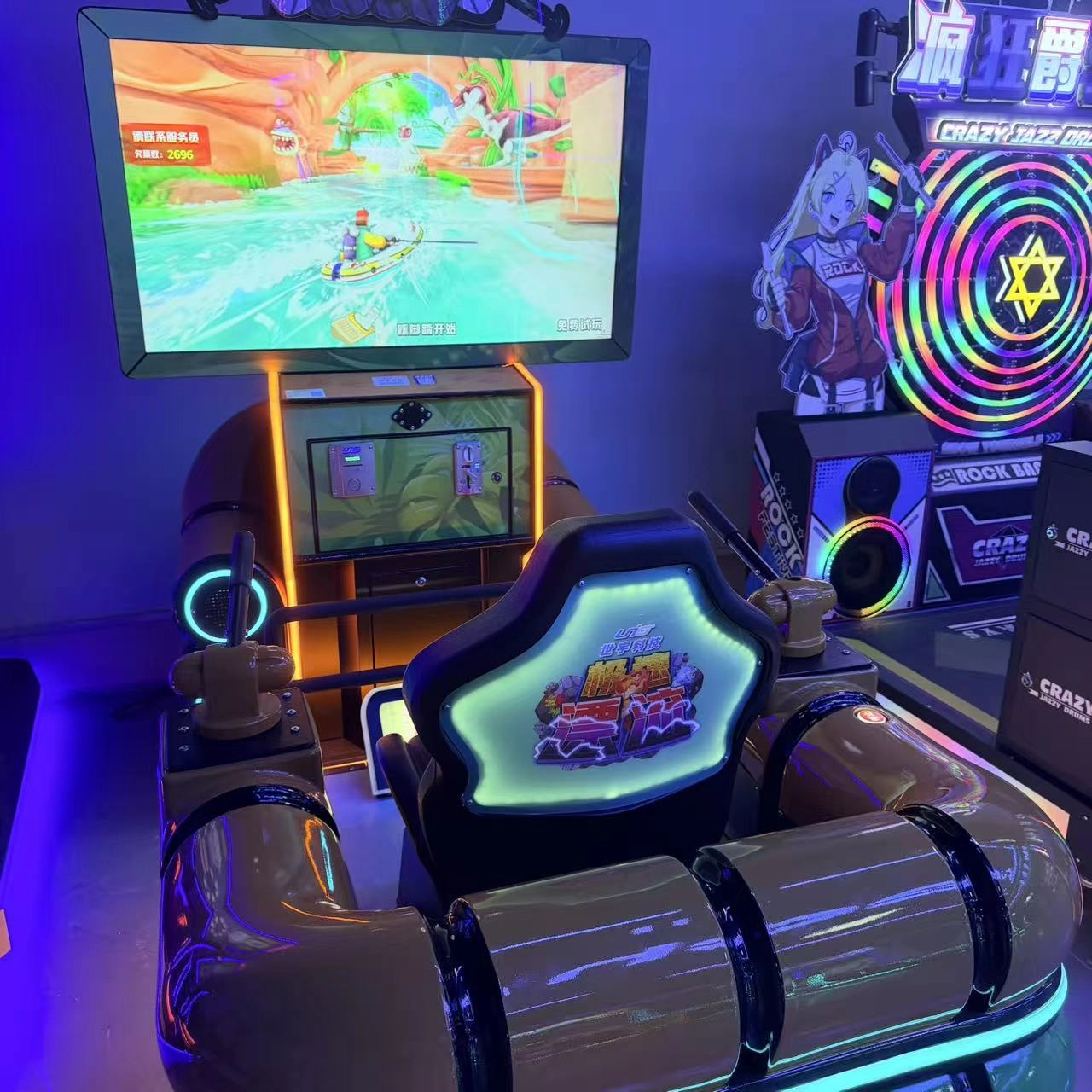
Elite Rowing
A brand-new rowing simulation competitive game, operating on a single machine station, supports player interaction and competition with 3 AI opponents. The station is equipped with the latest rowing equipment, enabling players to experience realistic rowing operation. The competition process is relaxed and fun, while also providing fitness exercise benefits.
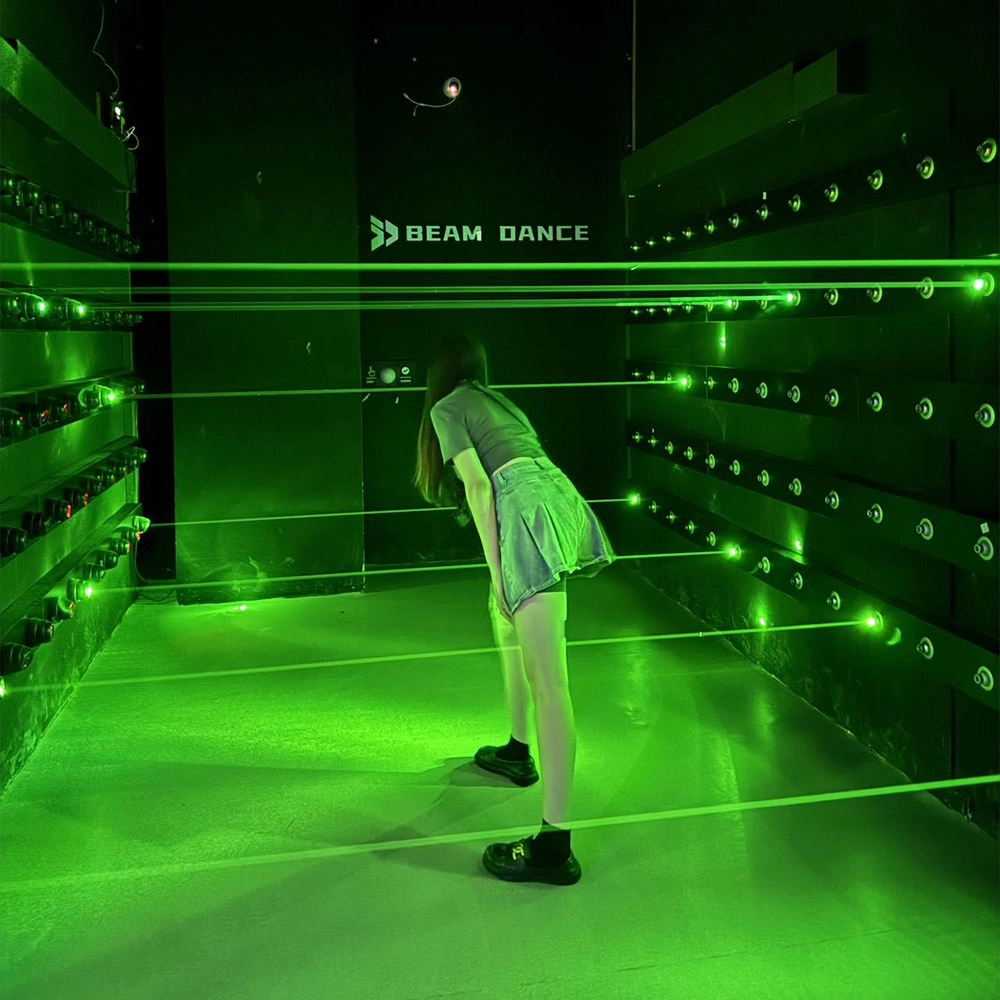
Laser Matrix
Joy Power is full of fun and exciting playgrounds! The laser matrix equipment in the indoor arcade stands out by virtue of its unique entertainment and technical characteristics. It builds a dynamic network of obstacles through precision-arranged laser beams, combining sound and light effects to create a tense and exciting atmosphere where players need to flexibly weave in and out to avoid the obstacles, making it both fun and challenging.
Ready to take your venue to the next level?
Leave us a message here, and our team will get back to you promptly.
Whether you're interested in custom orders, technical specifications, or partnership opportunities, we're here to assist you.
© 2025 FUNTECH ALL RIGHTS RESERVED

Weixia Lei
Fun_Tech-s
suiyifun_factory