
Should I Buy OEM or Branded Shooting Arcade Machines?
- 1) How can I verify a shooting arcade machine supplier's manufacturing quality and certifications when sourcing overseas?
- 2) What realistic total landed cost breakdown should I expect when importing shooting arcade machines (freight, duties, insurance, installation)?
- 3) How do I evaluate electronics and gun-barrel components to ensure durability under heavy commercial arcade usage?
- 4) When comparing OEM vs branded shooting arcade machines, what long-term OPEX differences (maintenance, spare parts, software updates) should I plan for?
- 5) What warranty, remote monitoring, and field-service agreement terms should I insist on in supplier contracts to protect arcade operators?
- 6) How can I ensure the shooting arcade machine’s content (games, music, licensed IP) complies with local regulations and licensing when buying from a foreign supplier?
- Concluding summary: Advantages of OEM vs Branded Shooting Arcade Machines
Shooting Arcade Machines Supplier: OEM vs Branded — 6 Practical Questions for Buyers
Buying coin-op shooting arcade cabinets or install-base shooting games is a capital decision for operators and location owners. Below are six specific beginner questions that often lack actionable answers online, with step-by-step, industry-grade responses you can use when assessing a shooting arcade machine supplier, whether considering OEM shooting games or branded cabinets.
1) How can I verify a shooting arcade machine supplier's manufacturing quality and certifications when sourcing overseas?
Pain point: buyers receive polished brochures but can’t confirm factory practices, component traceability, or international certifications.
Actionable verification checklist:
- Request documented certifications and test reports: ISO 9001 for quality management, CE/EMC test reports for European markets, RoHS for hazardous substances, and UL/ETL documentation for North American electrical safety if applicable. Ask for actual lab reports (with lab name and report numbers), not just scanned logos.
- Verify test labs and reports independently: contact the issuing laboratory (e.g., TUV, SGS, Intertek) to confirm report validity and scope—some reports cover only specific components or sub-assemblies.
- Obtain manufacturing evidence: factory photos showing production lines, serial-numbered sample machines with build records, and raw material certificates for metal coatings, wood (MDF vs plywood), and paints. Request BOM (Bill of Materials) for the electronics and mechanical subassemblies.
- Ask for process controls and QA procedures: in-process inspection points, final acceptance test (FAT) protocols, environmental stress screening (ESS) or burn-in logs for electronics, and mean-time-between-failure (MTBF) or failure-mode testing summaries if available.
- Commission third-party factory audits and pre-shipment inspections: hire a reputable inspector (SGS / Bureau Veritas / Intertek) to perform a Production and Quality Audit (PQA) and a Pre-Shipment Inspection (PSI) to check assembly quality, wiring harness routing, finish, and packaging.
- Start with sample orders and production pilots: pilot runs of 1–5 units let you validate design for manufacturability, packaging integrity, and shipping damage risks before committing to larger MOQ orders.
- Confirm traceability and spare parts policy: ensure serial-number traceability and a documented spare parts list with lead times. Include minimum spare-part stock commitments in the contract.
- Protect IP and specifications contractually: include detailed technical drawings, acceptance criteria, non-disclosure (NDA) and non-compete clauses if you supply design elements or licensed content.
These steps help separate marketing claims from demonstrable manufacturing capability when dealing with an arcade game supplier, reducing surprises at acceptance and in the field.
2) What realistic total landed cost breakdown should I expect when importing shooting arcade machines (freight, duties, insurance, installation)?
Pain point: operators are surprised by final costs after customs, installation, and local requirements.
Cost items to include when calculating landed cost:
- Factory price (FOB or EXW): the invoice unit price from the arcade machine supplier.
- Packing and export handling: crate or pallet packing (heavy cabinets often require custom wooden crates and anti-moisture treatment), export docs and local handling charges.
- International freight and insurance: sea freight (container LCL or FCL) or air freight; marine cargo insurance (CIF is common when buyer wants door-to-port security). Obtain quotes for both FCL and LCL to plan containerization.
- Import duties and tariffs: dependent on HS code and destination country. Arcade machines typically fall under HS chapters for amusement machines; duty rates vary by country and trade agreements—check your customs tariff database or a customs broker for precise rates.
- Import VAT/GST and customs brokerage: value-added taxes and clearance agent fees on arrival at port of entry.
- Inland transportation and drayage: port-to-site trucking, lifting equipment for installation, and local delivery charges.
- On-site installation, calibration, and training: electrical hookup, screen calibration, game configuration, ticket dispenser alignment, and operator training. Skilled field technicians often charge day rates and travel costs.
- Spare parts and consumables provisioning: recommended spare-parts kit to cover high-wear items (gun trigger microswitches, belts, power supplies, fuses, LED strips), plus the cost of stocking/store inventory.
- Certification or modification costs: additional testing or modifications to meet local safety, EMI, or accessibility rules.
- Warranty reserve and contingency: budget for potential early failures, usually reserved as a percent of purchase cost or set in the service agreement.
Practical approach: ask your supplier for a sample landed-cost estimate to your port (preferably CIF or DDP terms) and independently verify with freight forwarders and customs brokers. Use pilot shipments to lock in real-world numbers before scaling a full fleet purchase.
3) How do I evaluate electronics and gun-barrel components to ensure durability under heavy commercial arcade usage?
Pain point: machines fail quickly under high coin-op play; pistols, recoil motors, sensors and boards wear out fast.
Component evaluation checklist:
- Request component-level specifications: supplier should provide part numbers for key components—mainboard (SoC/CPU), power supplies (with efficiency and ripple specs), gun assembly parts (optical/IR sensors, potentiometers or hall-effect sensors, trigger switches), solenoids/recoil motors, connectors and cable harness ratings.
- Ask for lifecycle and test data: accelerated cycle testing for triggers and gun pivots, MTBF estimates for electronics, and burn-in test reports. If the supplier uses off-the-shelf, proven modules (from recognized OEMs for motors and sensors), that’s a positive indicator.
- Mechanical robustness: examine mountings, shock mounts for displays, metal bracket thickness, and access panels for serviceability. Cabinets built with marine-grade plywood or good MDF with protective laminates and powder-coated steel brackets will outlast cheap particle board and thin metal.
- Serviceability and modularity: check how easily core modules (mainboard, PSU, ticket dispenser, gun assemblies, coin acceptor) can be removed and replaced in <30 minutes by trained technicians. Modular connectors and labeled harnesses speed repairs and reduce downtime.
- Spare-parts availability and lead time: ask the supplier for recommended spare parts list and realistic delivery lead times. For high-turn components (triggers, belts, fuses), shorter lead times or local stocking options are critical.
- Environmental & ingress protection: for high-traffic locations, look for IP ratings for sensitive components or conformal coating on PCBs if moisture or dust is a factor.
- Vendor references and field performance: request contact details for other operators using the same model, ideally in similar climates and play volumes, and get feedback on failure modes and repair frequency.
Prioritize suppliers who can show tested field longevity, offer modular designs with commonly available components, and maintain spreadsheets of failure root-causes and corrective actions from past production runs.
4) When comparing OEM vs branded shooting arcade machines, what long-term OPEX differences (maintenance, spare parts, software updates) should I plan for?
Pain point: low upfront price of OEM machines may hide higher operational costs over time.
Key operational expense considerations:
- Spare parts & logistics: branded equipment often includes established spare-part pipelines, faster global distribution, and franchised service centers. OEM suppliers may use generic or proprietary parts—verify availability and cross-reference part numbers to global equivalents to avoid exclusivity problems.
- Software licensing, updates, and security: branded vendors often provide regular game updates, bug fixes, and licensed content support. With OEM units, the supplier may not have the resources for continuous software maintenance, requiring you to pay for custom updates or accept stagnation.
- Remote monitoring and telemetry: branded machines commonly include cloud-based telemetry dashboards and diagnostic tools; OEM solutions vary. Remote diagnostics reduce technician visits and mean faster MTTR (mean time to repair).
- Warranty and SLA differences: branded suppliers typically offer structured SLAs, extended warranties, and paid service contracts. OEM warranties can be shorter or limited in coverage—always compare warranty scope (parts vs labor vs on-site response times).
- Resale and brand trust: branded machines may retain higher resale value and are easier to place in High Quality locations. OEM machines with comparable build quality can compete on price but may require more documentation to assure buyers.
- Total cost modelling: build a 3–5 year TCO model that includes purchase price, estimated annual maintenance, spare parts consumption, remote monitoring subscription (if any), average downtime cost per location, and potential revenue uplift from High Quality branded content. Use pilot location data to tune assumptions.
Conclusion: If you value lower upfront CapEx and are prepared to invest in spare parts inventory and local support capabilities, high-quality OEM machines can be cost-effective. If you require low OPEX, guaranteed software roadmaps, and global support coverage, a branded supplier may be the better long-term choice.
5) What warranty, remote monitoring, and field-service agreement terms should I insist on in supplier contracts to protect arcade operators?
Pain point: insufficient contract terms lead to long downtime and unexpected costs.
Recommended contract elements:
- Detailed warranty scope: specify duration (e.g., 12–24 months), what is covered (PCBA, power supply, mechanical parts, displays, ticket dispenser), and excluded items (vandalism, water damage, consumables). Include obligations for spare-part availability post-warranty (e.g., 3–5 years).
- Service level agreements (SLAs): define guaranteed response and repair windows for on-site service (e.g., remote diagnosis within 24 hours, parts dispatched within 72 hours for critical failures), uptime targets, and credits or penalties for SLA breaches.
- Remote monitoring and diagnostics: require support for telemetry (error logs, play counts, coin-in metrics) and secure remote access for firmware updates. Specify data access rights, frequency of reporting, and cybersecurity controls.
- Spare-part kits and stocking commitments: include a spare-parts kit with initial shipment and agreed minimum stock at supplier or local depot, plus lead-time caps for replenishment.
- Training and documentation: include on-site or remote training for technicians, service manuals, schematics, and a spare-parts cross-reference. Insist on English language documentation if that is needed for your techs.
- Acceptance testing and handover: define factory acceptance test (FAT) criteria and on-site acceptance testing (SAT). Only accept machines after passing objective checks (play tests, ticket issuance, network connectivity, safety checks).
- Change control and software escrow: for proprietary game code that affects operations, consider source-code escrow or agreed update cadence so you’re not stranded if the supplier exits the market.
- Liability, insurance and indemnities: clarify responsibilities for IP infringement, content licensing claims, and product liability. Confirm the supplier carries product liability insurance appropriate for your markets.
Including these terms protects your revenue and minimizes downtime risks when you deploy coin-operated shooter cabinets across multiple sites.
6) How can I ensure the shooting arcade machine’s content (games, music, licensed IP) complies with local regulations and licensing when buying from a foreign supplier?
Pain point: imported machines may contain unlicensed music or artwork, or game mechanics restricted by local gambling laws.
Compliance and licensing checklist:
- Content licensing documentation: obtain written proof of licenses for game assets—music (mechanical and performance rights), images, videos, and branded characters. The supplier should provide contracts or sublicenses demonstrating rights to distribute in your territory.
- Age ratings and local content laws: verify age-appropriate ratings and adjust game difficulty or visuals according to local rules. Some jurisdictions restrict violent or certain depictions—consult local counsel or entertainment regulators where necessary.
- Gambling and redemption rules: if your shooting arcade machine dispenses tickets or works with progressive jackpots, ensure compliance with local anti-gambling statutes. Some countries treat certain payout mechanics as gambling and require additional licensing or prohibitions.
- Data protection and telemetry: if machines collect player data (emails, profiles, leaderboards), ensure compliance with local data privacy laws (GDPR in Europe, CCPA in California, and local equivalents). Require the supplier to describe what data is collected, retention period, and security measures.
- Localization and labeling: confirm language localization, safety labels, electrical warnings, and CE/UL marks are correctly applied for the target market. Incorrect labeling can block customs clearance or trigger fines.
- Source-code and modifiability: if you need to adapt content for local compliance, check whether the software is easily configurable or if the supplier must perform localization. For long-term flexibility, negotiate rights to modify certain non-licensed UI texts and asset swaps.
Work with local legal counsel on content licensing and gaming regulations before bulk purchase. Require the supplier to certify content rights and maintain auditable records for at least the duration you plan to operate the machines.
Concluding summary: Advantages of OEM vs Branded Shooting Arcade Machines
OEM advantages: lower initial unit price, flexibility for custom specifications (cabinet size, artwork, localized content), and quicker price negotiation for large volumes. Branded advantages: established software roadmaps, predictable spare-part ecosystems, stronger resale value, integrated remote telemetry platforms, and usually more structured SLAs and global field-service networks. The best choice depends on your priorities: capex savings and customization vs predictable OPEX and brand trust.
If you need a supplier who can provide comprehensive factory audits, global shipping (containerized export), spare-part programs, and technical aftercare for either OEM shooting games or branded arcade cabinets, contact us for a tailored quote and pilot program proposal. Visit www.funtechgame.com or email vicky@funtechgame.com for pricing and sample availability.
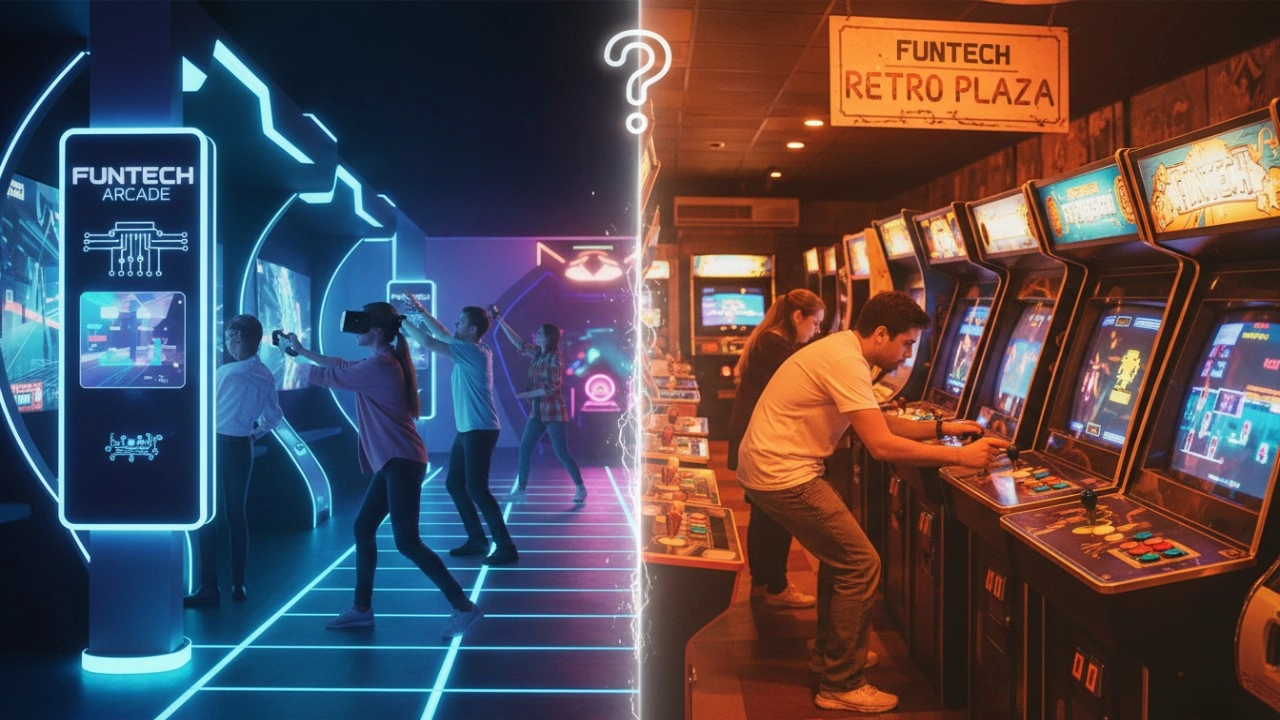
Interactive Sports Arcade vs Traditional Arcade Machines: Key Differences (2026 Guide)
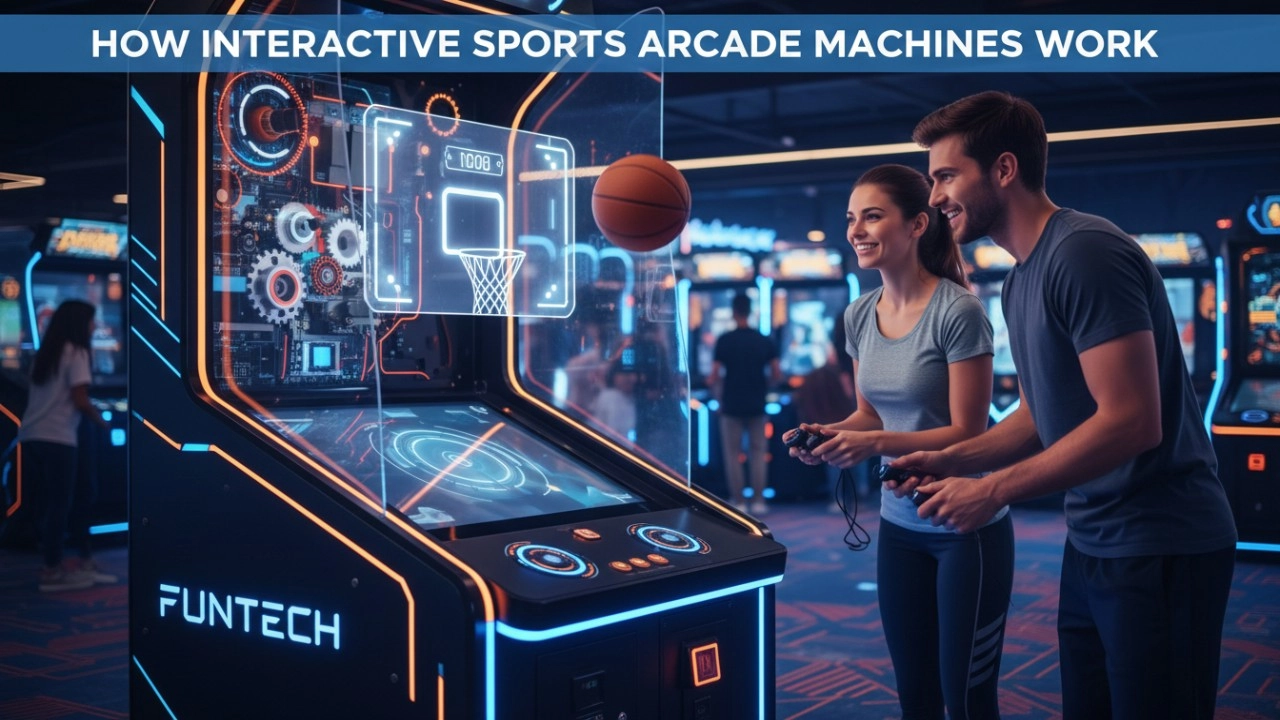
How Interactive Sports Arcade Machines Work (Sensors, Projection & AI) - 2026 Guide
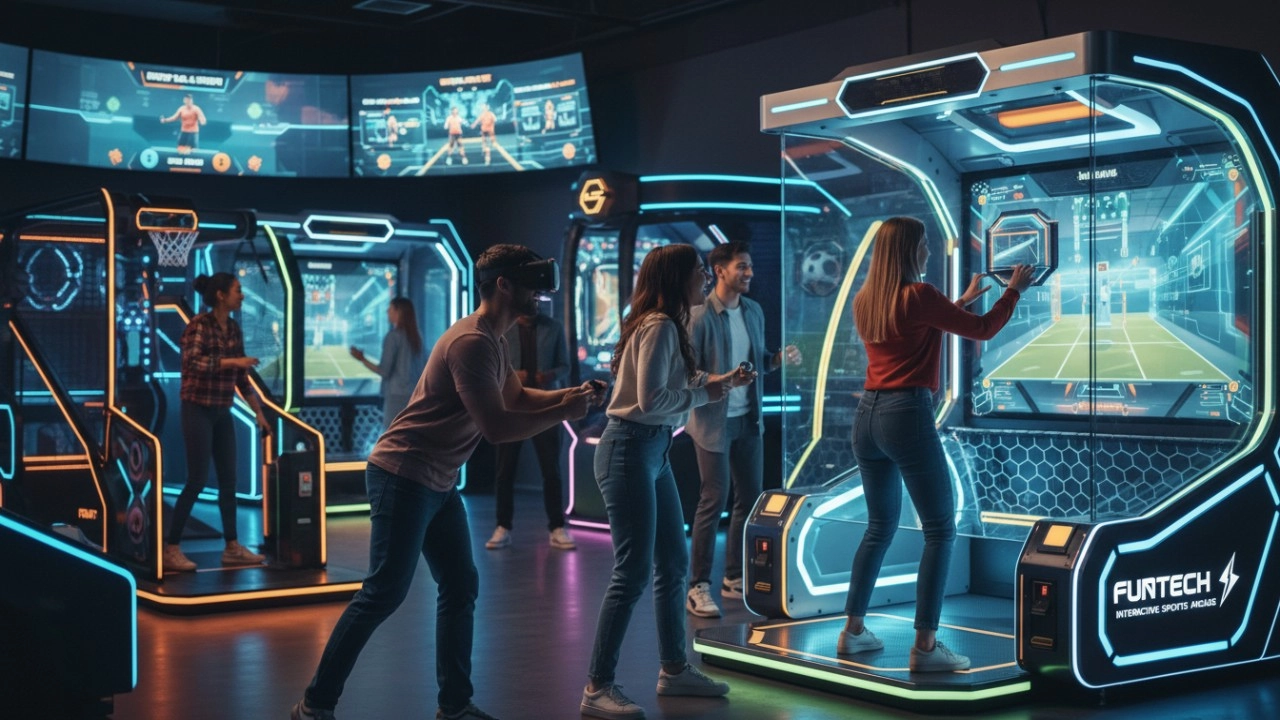
What Defines Interactive Sports Arcade Equipment in 2026?
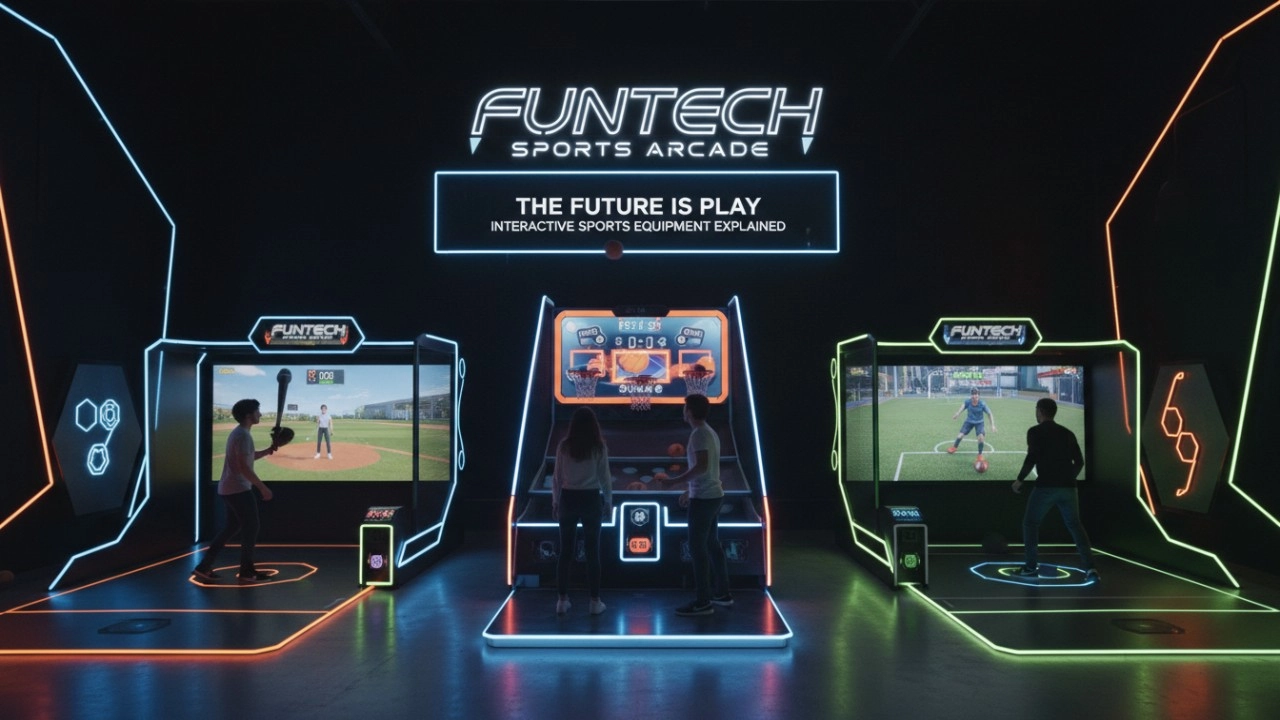
What Is Interactive Sports Arcade Equipment? Complete Beginner Guide (2026)
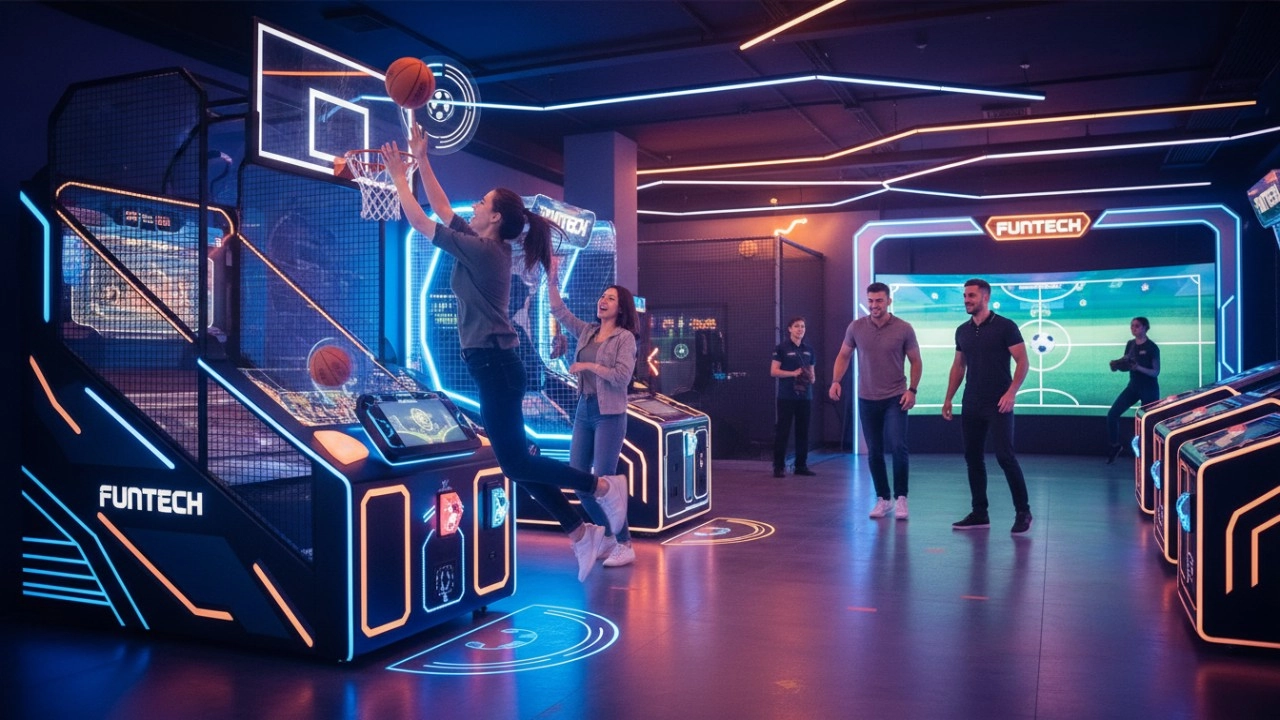
The Ultimate Guide to Interactive Sports Arcade Equipment for Commercial Entertainment (2026 Edition)
Infrared Shooting
How to attract customers when operating the program in shopping malls?
Create a cool venue decoration style and incorporate trendy elements, such as fluorescent light strips and anime-themed murals. o Launch diversified marketing models such as parent-child packages and couple packages, combined with time-limited promotional activities, such as half-price experience in the first three days of opening, to attract different groups of people such as families and couples to stop by and participate.
Interactive Rollerball
Why are sports arcades a hot spot for investment?
The traditional entertainment market (e.g., arcade, KTV) has become less attractive to generations, while digital hip playgrounds integrating technology, sports, and socialization are more in line with young people's needs, and the market size has exceeded 50 billion in 2023, with an annual growth rate of more than 30%.
Products
How to judge the quality of live firing equipment good or bad?
Check the firearm itself and the supporting targeting system, the reliability of the equipment in use such as continuous shooting, adaptability to the bad environment, the equipment's material technology and operating comfort, etc.
Dart Machines Bar Dart Machines
What are the after-sales services after purchasing the equipment?
Generally, a 1-year warranty is provided. During the warranty period, parts damaged due to quality problems, such as motor failure, display problems, etc., will be repaired or replaced free of charge. There will also be technical support, including equipment installation and debugging guidance, operation training, to ensure the smooth use of the user, after-sales response time is usually within 24 - 48 hours.
Football Simulator
Are there a lot of game modes in soccer simulation?
Very rich! There is a league mode which is exciting and can compete with players from all over the world, and there is also a leisure and fun game which is suitable for parents and children to share fun time, so as to satisfy the needs of different players.
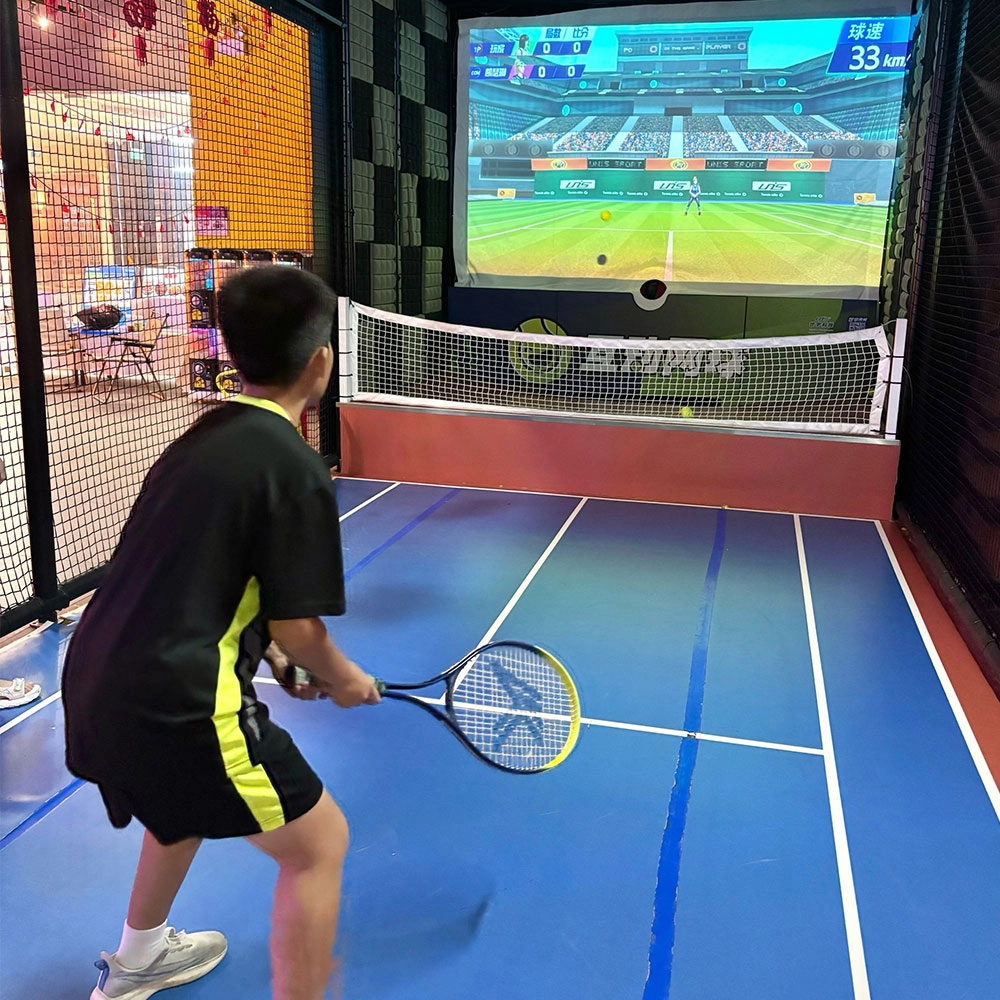
Indoor Tide Play Simulation Tennis Equipment
FUNTECH is full of fun and exciting playgrounds! With high-definition scene projection, force feedback racket, and intelligent scoring system, the simulated tennis equipment in the indoor arcade realizes immersive sports experiences and diversified interactive play, combining the advantages of safety and ease of use with high operational efficiency.
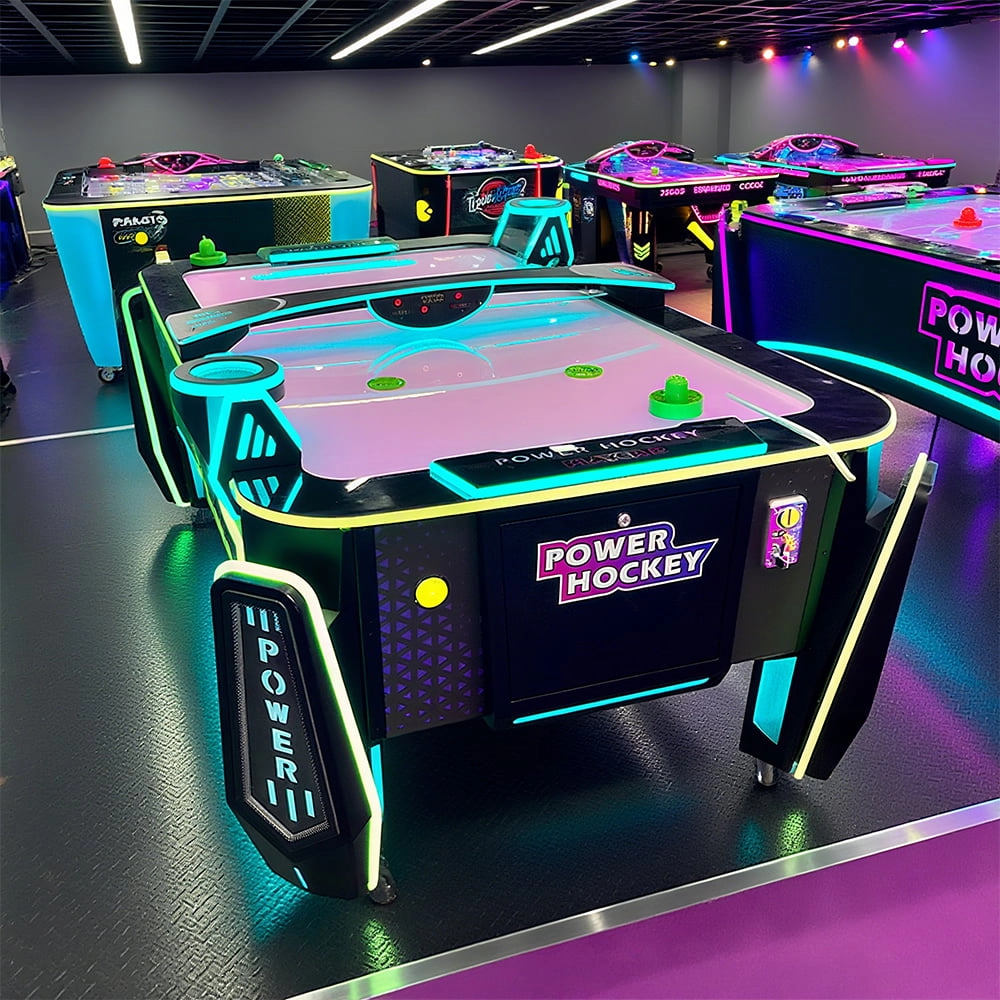
Arcade Hockey
FUNTECH is full of fun and exciting playgrounds! Air hockey, also known as air hockey, is a two-player competitive arcade game comprising a smooth, perforated playing surface, lightweight hockey sticks, a plastic puck, and an electronic scoreboard.
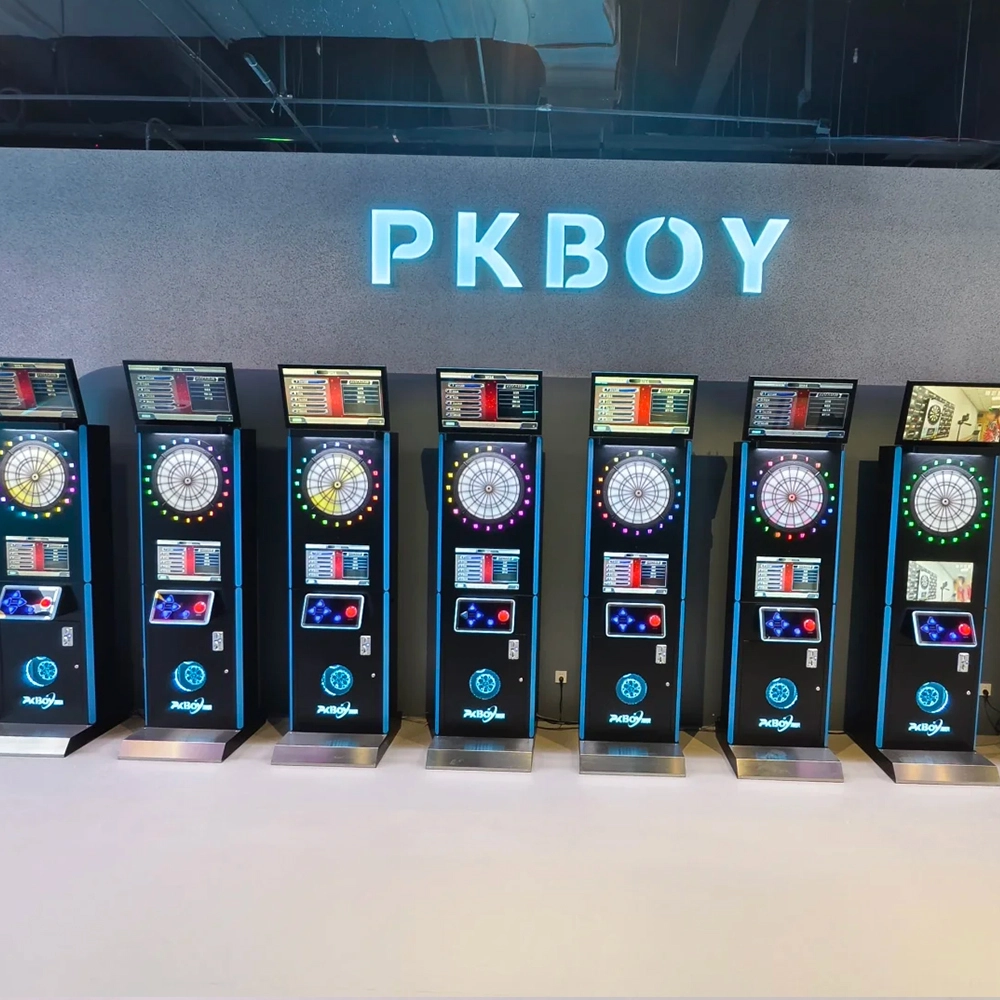
Dart Machines Bar Dart Machines
Joy Power is full of fun and excitement in the playground! The dart machine is suitable for all kinds of places, whether it is a bar, restaurant, KTV, or other entertainment venue, or a sports shop, club, or family leisure space, and can be perfectly adapted. In commercial venues, holding individual and team darts tournaments from time to time can attract more customers and increase the popularity and revenue of the venue, supplemented by various preferential activities, which can directly promote consumption and form a cycle of consumption of all the goods in the shop.
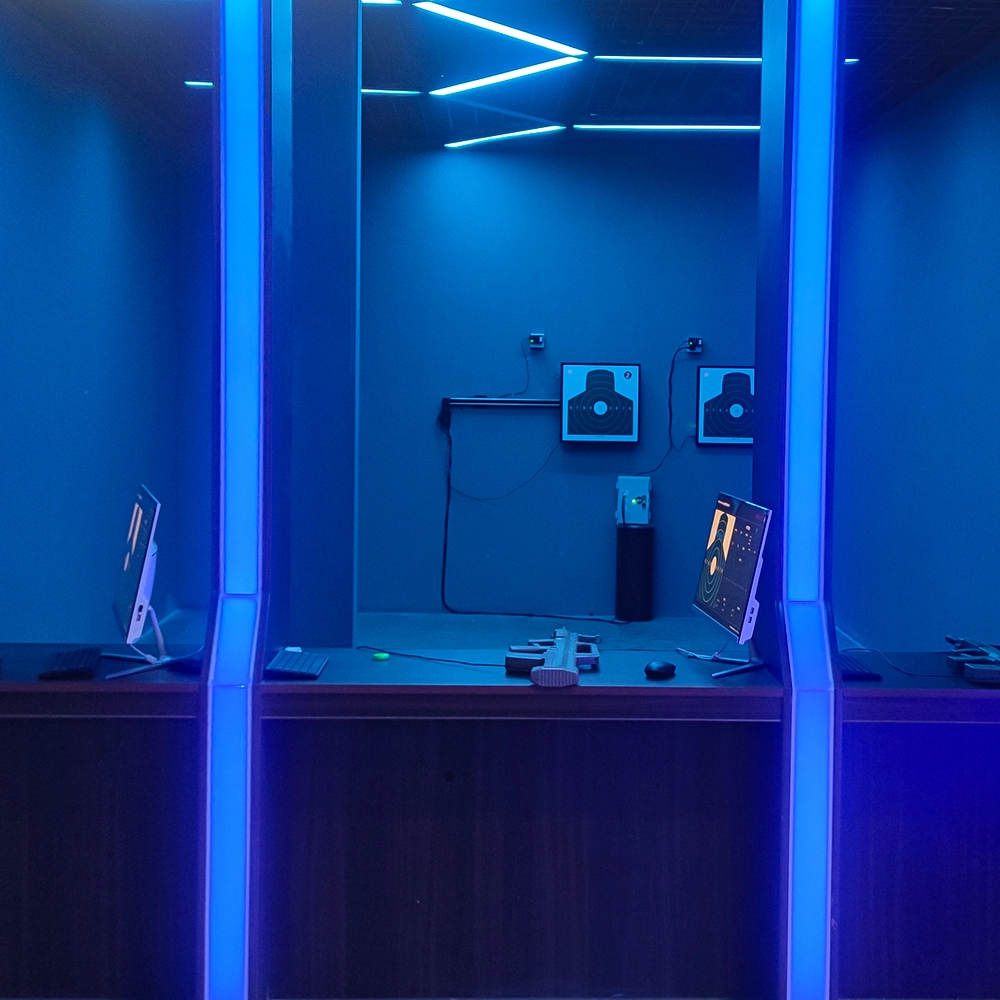
Infrared Shooting
Highly simulated simulation training analysis equipment, with advanced design concepts, fast system development, ease of operation and use, stable technical performance, less consumption of training, site dependence on a small group training is highly interesting, safe, and reliable, and other outstanding features. Product design to solve the basic skills of light weapons precision shooting as a starting point, to improve the safety of shooting training and training efficiency as the fundamental purpose, highlighting the simulation, information technology, and combat training requirements, can be in small indoor and outdoor venues and does not use live ammunition to complete the basic shooting training.
Ready to take your venue to the next level?
Leave us a message here, and our team will get back to you promptly.
Whether you're interested in custom orders, technical specifications, or partnership opportunities, we're here to assist you.
© 2025 FUNTECH ALL RIGHTS RESERVED

Weixia Lei
Fun_Tech-s
fun_tech20