
How to Verify Quality and Safety of Shooting Machines?
- 1. How can I verify electrical safety and EMC compliance of a shooting arcade machine before importing?
- 2. What mechanical and sensor durability tests should I request for redemption shooting machines to reduce downtime?
- 3. How to audit a shooting arcade machines supplier’s factory for quality management and traceability without traveling?
- 4. Which parts are most likely to fail in coin-op shooting cabinets and how should I secure spare parts and logistics?
- 5. How can I confirm software integrity, anti-tamper measures, and fairness settings in modern shooting arcade machines?
- 6. What warranty, after-sales support and Service-Level Agreement (SLA) clauses should I make mandatory when buying from a shooting arcade machines supplier?
- Concluding summary: Advantages of choosing a reputable shooting arcade machines supplier
How to Verify Quality and Safety of Shooting Machines — A Buyer’s Guide for Choosing a Shooting Arcade Machines Supplier
When procuring coin-op shooting cabinets, redemption shooting games or VR shooting machines, operators and distributors need precise, verifiable checks—beyond marketing claims. Below are six focused, frequently asked long-tail questions beginners ask but rarely find authoritative answers to. Each answer gives step-by-step checks you can use when you evaluate an arcade hardware supplier or perform remote factory audits.
1. How can I verify electrical safety and EMC compliance of a shooting arcade machine before importing?
Why it matters: Non-compliant arcade shooting machines risk seizure at customs, costly rework or dangerous failures in the field. Many suppliers claim “CE/UL approved” without providing proper documentation or the right scope of testing for an arcade cabinet.
Step-by-step verification:
- Request complete test reports — not just certificates. Ask for the laboratory test reports for: electrical safety (CE LVD / IEC 62368-1 where applicable), UL (for US market), EMC (EN 55032 / EN 61000 family or FCC Part 15 for US). Real reports show test methodology, test points, and serial numbers or model IDs.
- Confirm lab accreditation. Accept only tests performed by accredited labs (e.g., SGS, Intertek / ETL, TUV, Bureau Veritas). Check lab report headers for accreditation body (e.g., ILAC-MRA signatory) and lab registration number.
- Inspect the wiring diagram and power supply specification. Verify correct grounding, earth bonding points, cable cross-sections for mains lines, overcurrent protection (fuse ratings), surge protection, and isolation between low-voltage control electronics and mains. If the vendor uses an internal SMPS, ask for the SMPS manufacturer specification and safety approvals.
- Demand EMC emission and immunity test sections in the report. Arcade cabinets contain LED matrices, solenoids and wireless modules — these can cause emissions or upset other equipment. Confirm both conducted and radiated emission results and immunity tests relevant to operator environments.
- Confirm compliance scope in writing. Get a signed declaration of conformity that links the specific model and serials to the tests. Avoid generic “our products comply” statements that lack model numbers.
- On receipt perform a local smoke test and earth continuity check. Use a PAT tester or a basic multimeter to check earth continuity and verify fuses and isolation prior to powering the cabinet fully.
Red flags: Missing lab report pages, scans with edits, test reports from unknown labs, or vendors who only provide a “CE sticker” photos without test documentation. Document everything in purchase contracts and make passing the documented tests a release condition for payment.
2. What mechanical and sensor durability tests should I request for redemption shooting machines to reduce downtime?
Why it matters: Mechanical failure (broken target mechanisms, jammed coin acceptors, burned LED clusters) is the leading cause of downtime in arcades. Redemption games often see intense cyclic use so ask for realistic durability data.
Essential tests to request and interpret:
- Cycle/fatigue tests: Ask for actuator/trigger and target reset cycle tests. For coin-op parts, vendors often run between 100k–1M cycles depending on component class. Request documented cycle counts and failure modes observed.
- Sensor lifetime and drift: For IR/laser/photoelectric sensors and hall-effect switches, request MTBF or expected operating hours and any calibration procedure. Request test reports showing detection distance stability after environmental stress.
- LED and display burn-in: Request a continuous-on burn-in report (commonly 48–72 hours) at operating brightness, plus thermal profiling of LED clusters under cabinet ventilation conditions. Confirm rated LED lifespan from the manufacturer and luminous-deprecation (L70) values.
- Solenoid/relay endurance: Solenoids used for target resets should have coil temperature vs. duty cycle reports and number-of-actuation tests showing no missed cycles after X million actuations.
- Environmental stress tests: If your route includes outdoor locations or humid climates, request IP rating confirmation (IP54/IP65 as needed), salt-spray testing data for metal parts and thermal/humidity cycling tests to reveal wiring insulation or PCB failures.
- Vibration and shock testing: If machines are shipped in containers or placed in high-traffic venues, request vibration/shock tests per IEC 60068 or equivalent to verify connectors, PCBs and mounts remain secure.
How to use these results: Require that the supplier include a durability test appendix in your contract and specify acceptable failure rates and remedy actions (repair/replacement, spare-part shipment). For high-volume locations request a ‘high-cycle’ variant or reinforced components and insist on an initial field pilot of 5–10 units to verify real-world lifecycle before full order.
3. How to audit a shooting arcade machines supplier’s factory for quality management and traceability without traveling?
Why it matters: Many buyers rely on remote procurement. A remote audit that targets QMS, traceability and production controls protects you from surprise quality issues.
Remote audit checklist and steps:
- Validate certifications: Ask for scanned copies of ISO 9001 (quality management) and any product-specific certifications. Confirm validity via the certifying body’s online registry (e.g., look up the certificate number on the registrar’s site).
- Request live video walk-throughs: Schedule a guided video call showing the production line, assembly stations, incoming materials area, and burn-in/test benches. Ask the factory to show serial-numbered units, test benches in operation and QC inspection stations.
- Review traceability documentation: Require a Bill of Materials (BOM) per model, with supplier names for critical components (power supplies, PCB assembler, sensors). Check if the factory retains incoming material inspection (IQC) records and links specific components to final serial numbers.
- Review Factory Acceptance Test (FAT) procedures: Collect FAT checklists used before shipping (functional tests, EMI/EMS checks, cosmetic inspection). Compare their FAT to your acceptance criteria and request any test logs for previous shipments.
- Ask for third-party inspection reports: Use providers like SGS, Bureau Veritas or QIMA for pre-shipment inspections (PSI). These reports often include photos, tested sample results and defect rates.
- Request references and running-site data: Ask for operator references (with permission) and shipping manifests for past orders. Ask for uptime and failure metrics from installed locations to validate claims.
Consider a staged contract: accept a small initial order after a successful remote audit and FAT for live-demo units, then scale after verified field performance.
4. Which parts are most likely to fail in coin-op shooting cabinets and how should I secure spare parts and logistics?
Why it matters: Quick access to spares and a realistic stocking plan dramatically shortens MTTR (mean time to repair) and protects revenue.
Most-common failing components (based on industry service data):
- Power supplies and power connectors — power supplies fail due to heat or voltage spikes.
- LED modules and displays — individual LEDs or strips can fail or suffer color shift over time.
- Sensors (IR/photoelectric/hall-effect) — misalignment, dust or moisture cause drift or failure.
- Mechanical parts: solenoids, target motors, belts and gearing for moving targets.
- Coin acceptors and ticket dispensers — mechanical jamming and wear.
- Cabinet wiring harnesses and connectors — vibration and poor strain relief are common root causes.
Practical spare-parts strategy:
- Request a documented parts list (critical spares list) from the supplier and agree on lead times. For critical venues, negotiate 6–12 month spare kits (power supply, main PCB, 2–3 sensor modules, LED strips, solenoid and fuses per 10 machines).
- Agree on service-level shipments: 24–72 hour air shipment for critical items with vendor-paid priority for the first year, then supplier-stocked regional warehouses thereafter.
- Obtain vendor-approved replacement instructions and parts-level troubleshooting guides. Ensure spare parts are serialized or marked to avoid warranty disputes.
- Consider local stocking with 3rd-party service partners. If you have multiple venues, centralize spare kits to minimize shipping time between sites.
Contract detail: Add spare parts KPIs (percentage of repairs completed with stocked parts, parts lead time) to your service-level agreement (SLA).
5. How can I confirm software integrity, anti-tamper measures, and fairness settings in modern shooting arcade machines?
Why it matters: Modern machines use firmware, remote backends and operator menus that, if insecure or manipulable, can lead to tampering, revenue leakage or compliance problems.
What to check and request from the supplier:
- Firmware signing and update controls: Ask whether the vendor uses signed firmware images (RSA/SHA256 signatures) and whether the bootloader verifies signatures at boot. Unsigned firmware or open update channels are high risk.
- Access control for operator menus: Ensure there are separate operator and administrator passwords, role-based access, and logs of setting changes. Request screenshots of the operator/admin UI and a changelog mechanism.
- Audit logs and remote monitoring: For networked systems or back-end management, request examples of audit logs (coin in, ticket dispensed, firmware updates) and ask how logs are stored/retained. Confirm TLS encryption for remote connections and secure credentials storage.
- Fair-play and difficulty controls: For skill-based shooting games, request documentation of adjustable difficulty parameters, whether they can be changed remotely, and how changes are logged. For games with any adjustable payout-like behaviour, ensure operator changes are auditable.
- Anti-tamper hardware: Check for physical tamper switches on coin doors and cabinet panels, sealed enclosures for critical PCBs, and physical locks meeting recommended standards. Ask for test results showing tamper triggers and alert behavior.
- Source code escrow or secure review: For high-volume installations or when bespoke software is critical to operations, negotiate source code escrow or a third-party code audit to verify integrity. Many vendors accept escrow for an additional fee.
Red flags: Open firmware update channels without signing, no admin logs, or vendor reluctance to describe update procedures and access control. These increase the risk of fraud and operational surprises.
6. What warranty, after-sales support and Service-Level Agreement (SLA) clauses should I make mandatory when buying from a shooting arcade machines supplier?
Why it matters: Vague warranty promises are common. Clear SLA terms reduce disputes, improve uptime and ensure predictable costs.
Key contract items to require:
- Detailed warranty scope and term: Specify warranty length by component (e.g., chassis and cabinet 24 months, electronics and sensors 12–24 months). Define what is covered (parts, labor, shipping) and excluded (cosmetic, misuse, vandalism).
- On-site response and resolution targets: Define response time (acknowledgement within 4–8 hours), arrive-on-site target (24–72 hours depending on geography), and maximum Mean Time To Repair (MTTR) target (e.g., 3–7 days for critical failures). Include escalation matrix.
- Spare parts availability and stock commitments: Require initial spare kits, guaranteed lead times for replacement parts (e.g., 72 hours for critical spares by air), and a parts-obsolescence notice period (e.g., vendor must notify you 12 months before phasing out critical parts).
- Acceptance tests and remedies: Include pre-shipment FAT and post-delivery Site Acceptance Tests (SAT). Define penalties or remediation if SAT fails (e.g., replacement, discount or extended warranty).
- Training and documentation: Require operator and technician training, quick-fix manuals, wiring diagrams and firmware images. Define how training will be delivered (on-site or remote) and the number of people covered.
- Intellectual property and software support: Clarify who owns customizations, how software updates are delivered, and whether remote monitoring is included. Define the process for critical security patches and how quickly they will be delivered.
- Payment terms and incoterms: Use staged payments tied to milestones (prototype approval, FAT, shipping). Specify Incoterms (e.g., FOB, CIF) and clear responsibility for customs and duties.
Include a service credits clause for missed SLA targets and require liability limits that reflect commercial risk. For large deployments, add a multi-year maintenance agreement with defined renewal terms.
Concluding summary: Advantages of choosing a reputable shooting arcade machines supplier
Selecting a reputable shooting arcade machines supplier who provides accredited test reports, documented durability testing, transparent traceability, robust spare parts logistics, signed firmware and enforceable SLA terms reduces risk and protects revenue. A supplier that supports factory acceptance tests, provides detailed BOMs and spare-kits, and offers timely support (onsite or regional spares) shortens downtime and improves lifetime ROI. Using the verification steps above—electrical/EMC report checks, sensor and mechanical endurance data, remote factory audits, parts strategy and software integrity checks—lets you move from trusting claims to verifiable confidence.
For a quote or to arrange a remote factory audit and sample FAT for your next arcades or redemption shooting game order, contact us at www.funtechgame.com or email vicky@funtechgame.com.
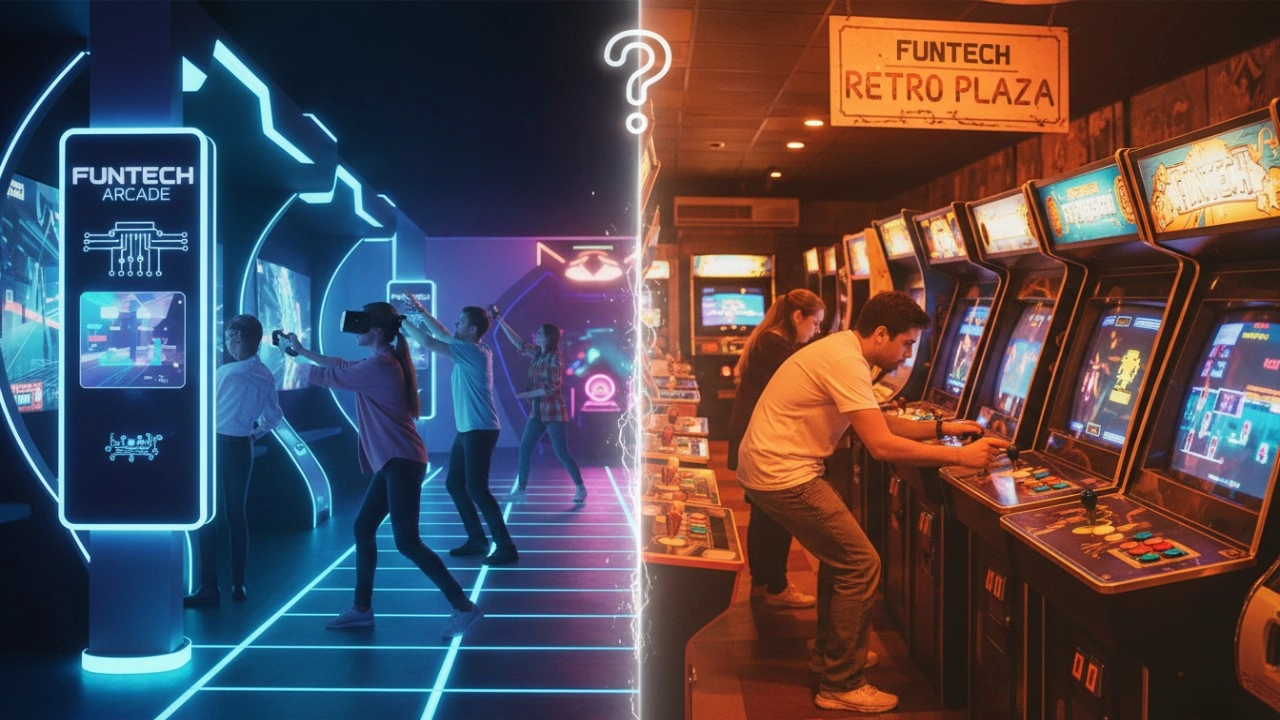
Interactive Sports Arcade vs Traditional Arcade Machines: Key Differences (2026 Guide)
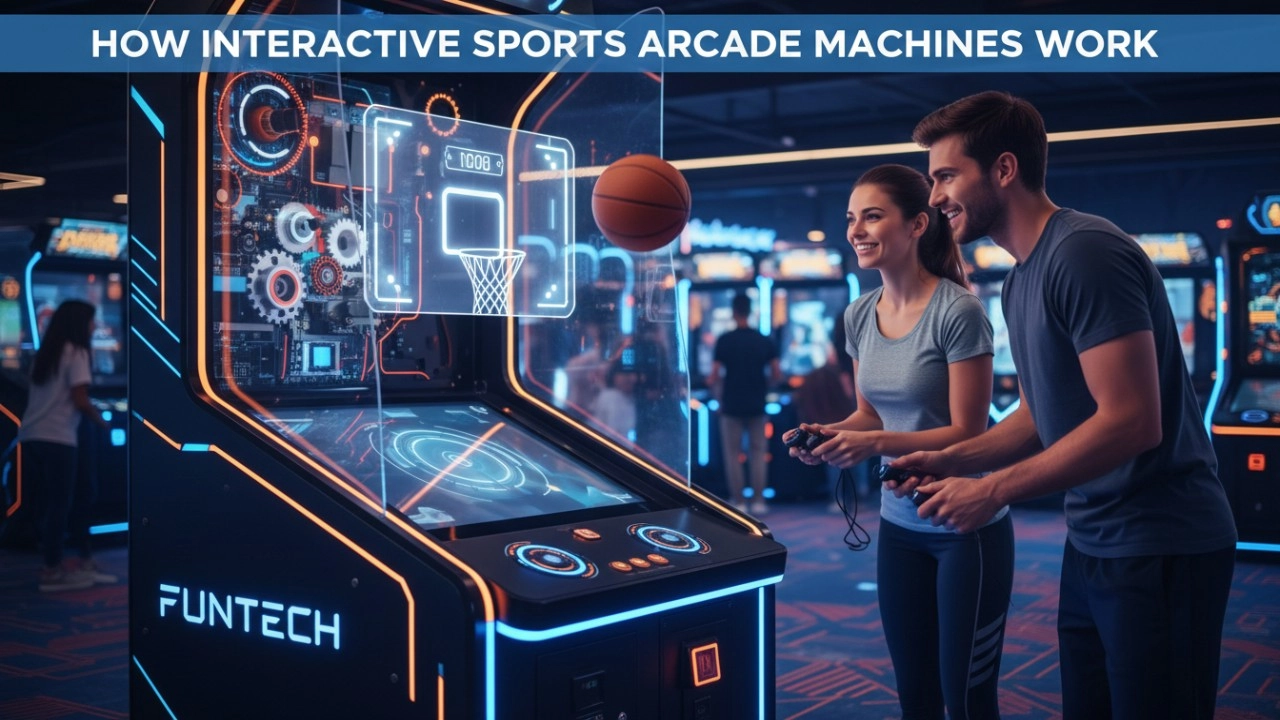
How Interactive Sports Arcade Machines Work (Sensors, Projection & AI) - 2026 Guide

What Defines Interactive Sports Arcade Equipment in 2026?
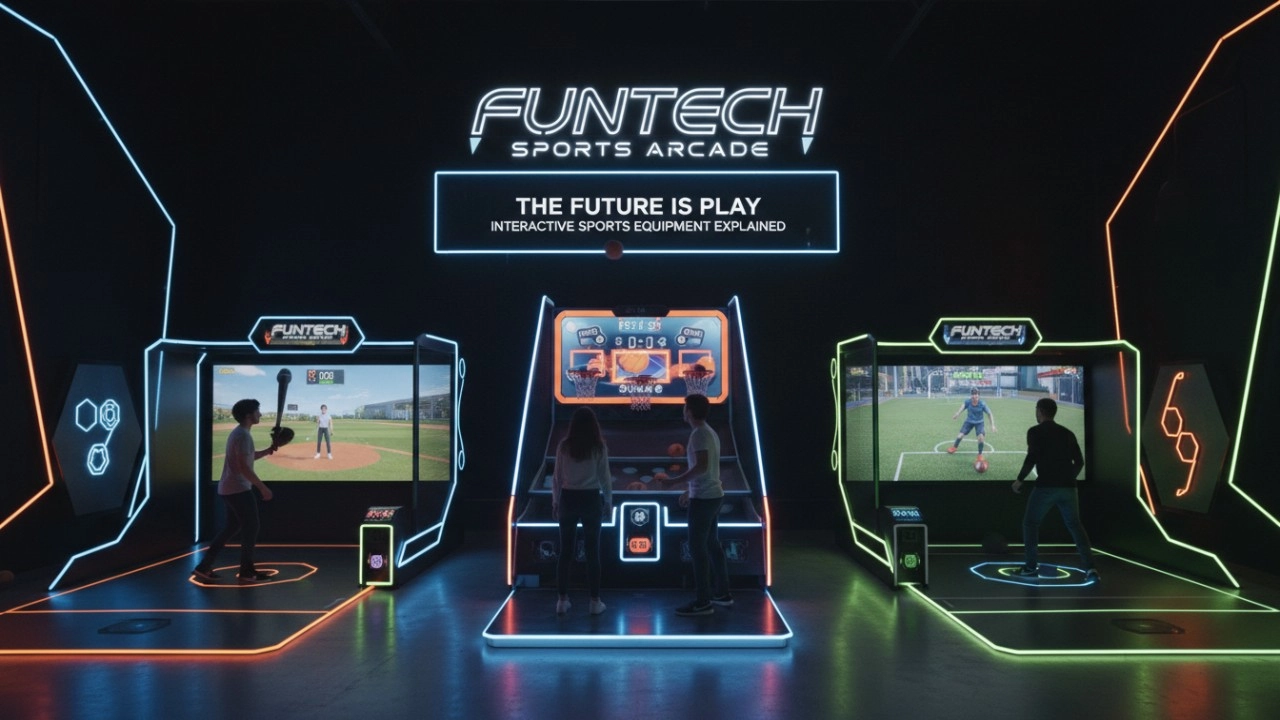
What Is Interactive Sports Arcade Equipment? Complete Beginner Guide (2026)
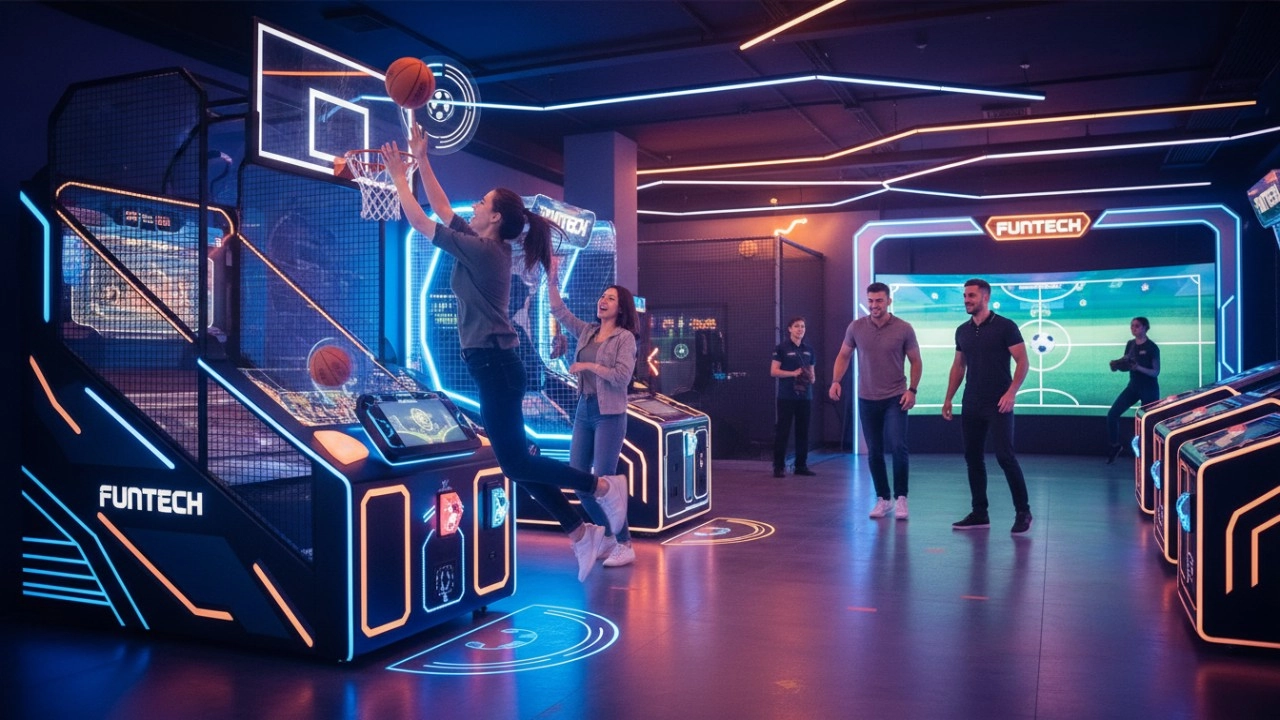
The Ultimate Guide to Interactive Sports Arcade Equipment for Commercial Entertainment (2026 Edition)
Interactive Rollerball
Why are sports arcades a hot spot for investment?
The traditional entertainment market (e.g., arcade, KTV) has become less attractive to generations, while digital hip playgrounds integrating technology, sports, and socialization are more in line with young people's needs, and the market size has exceeded 50 billion in 2023, with an annual growth rate of more than 30%.
How to attract customers when operating the program in shopping malls?
Create a cool venue decoration style and incorporate trendy elements, such as fluorescent light strips and anime-themed murals. o Launch diversified marketing models such as parent-child packages and couple packages, combined with time-limited promotional activities, such as half-price experience in the first three days of opening, to attract different groups of people such as families and couples to stop by and participate.
Football Simulator
What is the biggest difference between simulation soccer and traditional soccer?
Simulation soccer through digital technology on the screen to present soccer, not subject to site, weather restrictions, players can participate at any time and anywhere, but also with the handle, somatosensory equipment and other controls, experience a variety of modes. Traditional soccer requires real venues and multiple participants, and is greatly affected by environmental factors.
Products
How often does moving target archery equipment require maintenance?
Under daily use, for equipment that is used less frequently, 1-3 times per week, simple cosmetic cleaning and functional checks can be performed after each use. A more comprehensive maintenance should be carried out every 2-4 weeks, including disassembling some parts for cleaning and checking the accuracy of the aiming system.
What is the difference between purchasing equipment for commercial operations and personal training?
Commercial operations should consider the durability, ease of operation and attractiveness of the equipment, it is appropriate to choose cool appearance, can withstand high-frequency use, such as the target car running hundreds of times a day, high-intensity models, and easy to operate, easy for customers to get started. Personal training is more focused on cost-effective, according to their own training needs to choose the right tension of the bow, the right speed of movement of the target car.
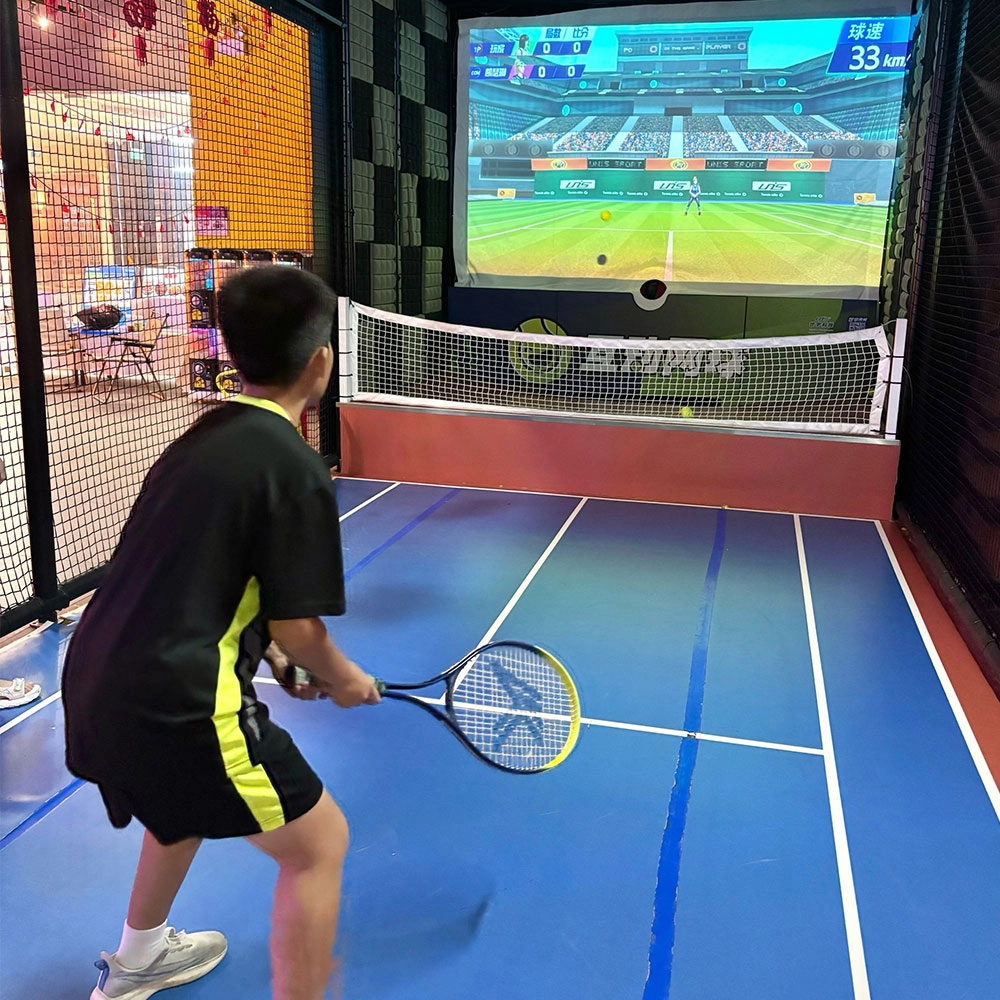
Indoor Tide Play Simulation Tennis Equipment
FUNTECH is full of fun and exciting playgrounds! With high-definition scene projection, force feedback racket, and intelligent scoring system, the simulated tennis equipment in the indoor arcade realizes immersive sports experiences and diversified interactive play, combining the advantages of safety and ease of use with high operational efficiency.
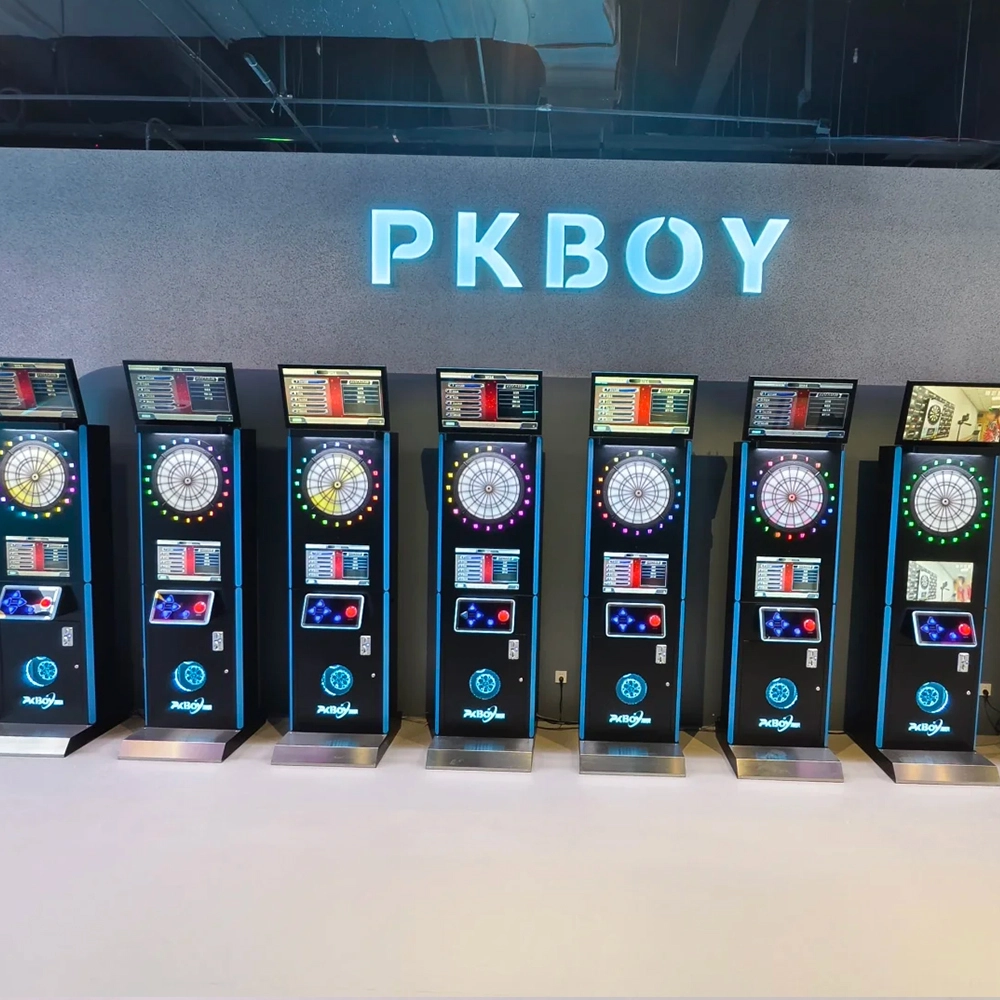
Dart Machines Bar Dart Machines
Joy Power is full of fun and excitement in the playground! The dart machine is suitable for all kinds of places, whether it is a bar, restaurant, KTV, or other entertainment venue, or a sports shop, club, or family leisure space, and can be perfectly adapted. In commercial venues, holding individual and team darts tournaments from time to time can attract more customers and increase the popularity and revenue of the venue, supplemented by various preferential activities, which can directly promote consumption and form a cycle of consumption of all the goods in the shop.
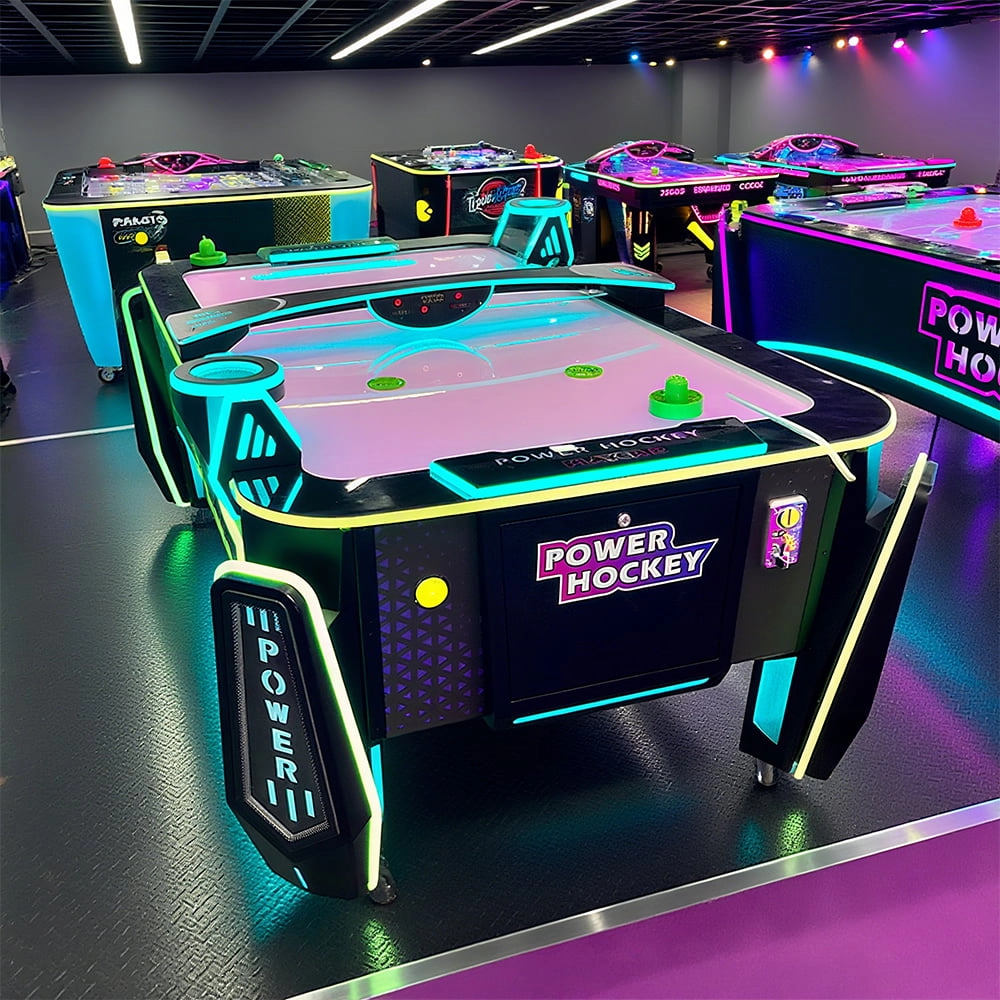
Arcade Hockey
FUNTECH is full of fun and exciting playgrounds! Air hockey, also known as air hockey, is a two-player competitive arcade game comprising a smooth, perforated playing surface, lightweight hockey sticks, a plastic puck, and an electronic scoreboard.
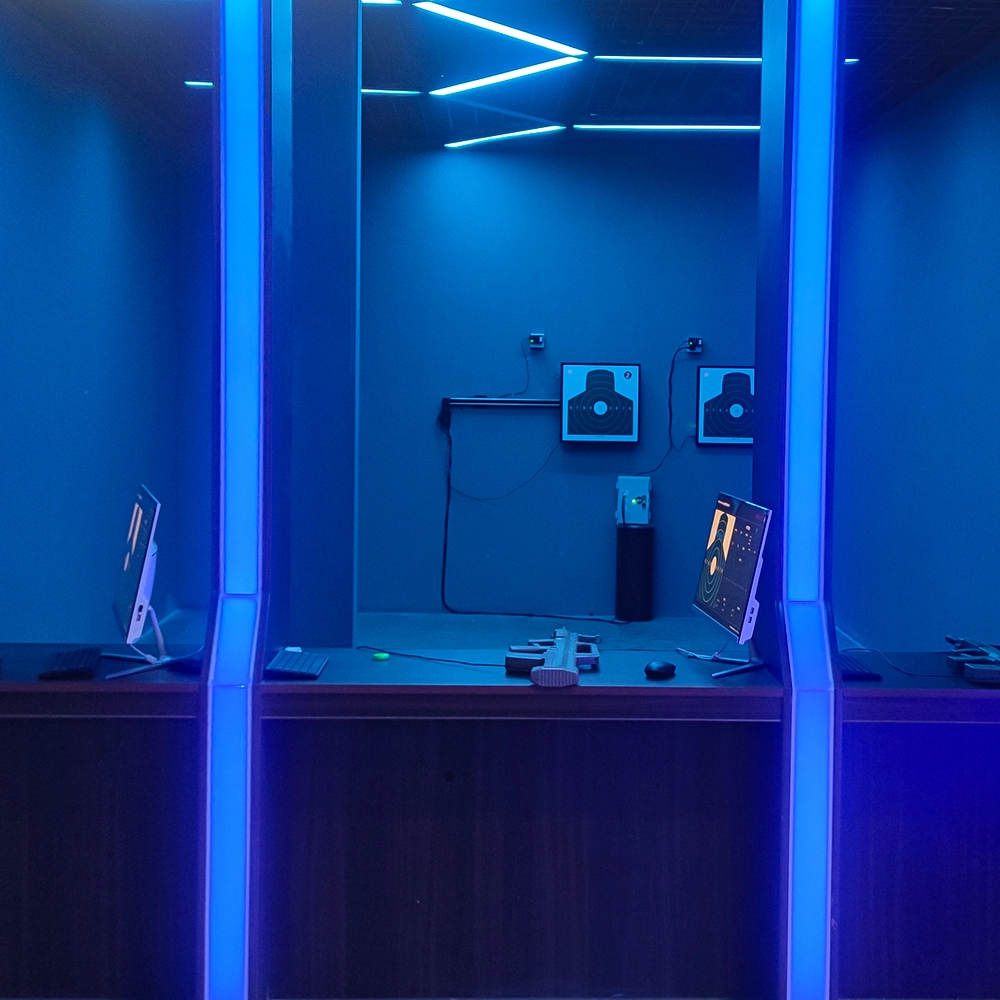
Infrared Shooting
Highly simulated simulation training analysis equipment, with advanced design concepts, fast system development, ease of operation and use, stable technical performance, less consumption of training, site dependence on a small group training is highly interesting, safe, and reliable, and other outstanding features. Product design to solve the basic skills of light weapons precision shooting as a starting point, to improve the safety of shooting training and training efficiency as the fundamental purpose, highlighting the simulation, information technology, and combat training requirements, can be in small indoor and outdoor venues and does not use live ammunition to complete the basic shooting training.
Ready to take your venue to the next level?
Leave us a message here, and our team will get back to you promptly.
Whether you're interested in custom orders, technical specifications, or partnership opportunities, we're here to assist you.
© 2025 FUNTECH ALL RIGHTS RESERVED

Weixia Lei
Fun_Tech-s
fun_tech20