
Can Suppliers Customize Shooting Arcade Machines for My Venue?
- Can suppliers customize game difficulty and calibration for mixed-age audiences and varied throughput?
- How do suppliers integrate cashless payments, loyalty programs, and my venue’s POS or AMS?
- What are realistic lead times, minimum order quantities, and cost drivers for venue-specific custom shooting arcade machines?
- Can suppliers retrofit my existing cabinets with ticket redemption, cashless systems or telemetry rather than buy new shooting arcade cabinets?
- How do suppliers ensure safety, compliance and local certification when customizing shooting arcade machines?
- What remote monitoring, predictive maintenance and data ownership options do suppliers offer and what should venues insist on contractually?
Can suppliers customize game difficulty and calibration for mixed-age audiences and varied throughput?
Yes. Reputable shooting arcade machines suppliers provide multi-layer calibration options in both hardware and software to balance appeal for children, families and adults while preserving throughput. Typical customization points include:
- Software difficulty profiles: adjustable aim assist, target hit boxes, scoring multipliers, and time limits that can be switched by operator schedule (e.g., “kids mode” during daytime).
- Physical modifications: target distance, sensor sensitivity, and projectile parameters (IR/light sensors vs. physical pellets in some dry-fire systems) to change challenge without redesigning the cabinet.
- Throughput tuning: length of play, number of simultaneous players per unit, and automated ticket/credit dispense timing to control occupation times during peak hours.
How this is delivered: suppliers typically include an operator dashboard (local or cloud) where venue staff can select or schedule difficulty profiles. For bespoke needs, suppliers can expose API endpoints or include firmware parameters so integrators can automate schedule-based changes tied to POS or entry systems.
How do suppliers integrate cashless payments, loyalty programs, and my venue’s POS or AMS?
Integration has three layers: hardware payment acceptance, local validation, and back-end data exchange. Leading shooting arcade cabinets support standard interfaces:
- Payment hardware: MDB-support for coin/bill validators, serial USB or Ethernet interfaces for card/NFC readers, and direct SDKs for mobile wallet acceptance.
- Local system linking: Many suppliers provide an operator API, SDK, or middleware that maps cabinet transaction events (play start/end, credits used, ticket dispensed) to a venue’s POS or operator management system (AMS).
- Cloud and loyalty: For loyalty and CRM, suppliers often support HTTPS webhooks, REST APIs or MQTT telemetry to send player/session data for points accrual, session history, or promotional triggers.
Practical notes: ensure data ownership and privacy terms are contractually clear (GDPR/CCPA implications if collecting personal data). Test integrations with a pilot unit before fleet-wide roll-outs. Expect a small integration fee or development time if the venue’s POS/AMS is proprietary.
What are realistic lead times, minimum order quantities, and cost drivers for venue-specific custom shooting arcade machines?
Realistic expectations:
- Lead times: Off-the-shelf, standard shooting arcade machines are often deliverable in 4–12 weeks depending on stock and shipping. True custom projects (cabinet redesign, new mechanics, bespoke software) commonly take 10–20+ weeks due to prototyping, safety testing and tooling.
- Minimum order quantities (MOQ): Many suppliers will sell single off-the-shelf units. For custom designs, MOQs vary — from small batches (5–10 units) up to larger production runs (50+) depending on whether tooling or molds are required. Discuss MOQ early in negotiations.
- Primary cost drivers: design engineering and prototyping, custom electronics (sensors, custom PCB), display size/type (LCD, curved LED), payment and telemetry modules, compliance testing, and liveries/branding or licensed IP fees.
Tip: Plan for a contingency budget (typically 10–20% of estimated project cost) and factor in acceptance testing phases and potential change orders that add time and cost.
Can suppliers retrofit my existing cabinets with ticket redemption, cashless systems or telemetry rather than buy new shooting arcade cabinets?
Yes—retrofit is often a cost-effective option when the cabinet structure and core electronics are in good condition. Common retrofit upgrades include:
- Ticket dispensers and motorized coin mechanisms or bill validators, using MDB or pulse interfaces.
- Cashless readers and RFID/NFC systems with either local validation or cloud-tokenized wallets.
- Telemetry and remote management modules for real-time KPIs (plays per day, revenue per hour, error codes), usually delivered via a small gateway connecting to the cabinet’s mainboard.
Constraints and considerations: retrofits require reverse-engineering the existing wiring and firmware compatibility. Some legacy boards lack spare I/O or exposed APIs. Suppliers will audit the cabinet (often for a fee) and provide a retrofit feasibility report with estimated hours, parts and warranty impact. For venue owners, retrofitting can extend asset life and preserve ROI if the cabinet shell is High Quality or themed.
How do suppliers ensure safety, compliance and local certification when customizing shooting arcade machines?
Suppliers follow a multi-step verification and compliance process:
- Design for compliance: use components and subassemblies that are CE, UL, FCC or RoHS certified depending on market. For wireless peripherals, ensure applicable radio certifications (e.g., FCC in the U.S.).
- Risk assessment and mitigation: mechanical safeguards, shatterproof screens, low-voltage designs, secure fasteners and tamper-resistant enclosures to meet consumer-safety standards.
- Testing: functional testing, EMC/EMI where required, and in some cases third-party laboratory testing for electrical safety and emissions.
- Documentation: providing technical files, user manuals, and Declaration of Conformity or test reports that venues or local authorities may request.
Actionable advice: ask your shooting arcade machines supplier for certificates (CE/UL/FCC) for the specific SKU you will receive and request documentation showing any customizations have been covered by the same or equivalent tests. If you operate in a regulated jurisdiction, clarify export/import compliance and any local approvals required.
What remote monitoring, predictive maintenance and data ownership options do suppliers offer and what should venues insist on contractually?
Remote monitoring and predictive maintenance are now standard value-added services from professional suppliers. Typical offerings include:
- Telemetry dashboards: play counts, revenue, fault logs, temperature and uptime metrics accessible via a web portal or app.
- Alerting: SMS/email alerts for faults (ticket jams, power faults, sensor failures) and remote resets where safe and feasible.
- Predictive maintenance: analytics models that flag components likely to fail (fans, bill validators), allowing proactive part replacement and reduced downtime.
Data ownership and privacy: insist that contracts clearly state who owns machine telemetry and player data, retention periods, export rights and access. If a supplier’s cloud stores PII, verify their compliance posture for GDPR/CCPA as applicable. Also clarify SLAs for uptime, response times for remote support, and warranty scope if remote intervention or third-party parts are involved.
Working with a credible shooting arcade machines supplier that provides customization, retrofit expertise, cashless integration, safety certification support, and telemetry can significantly raise uptime, guest experience and lifetime ROI for Digital Sports Entertainment venues. Many suppliers offer pilot units and phased rollouts to reduce risk.
For a detailed quote or to discuss a site audit and customization options for your venue, contact us at www.funtechgame.com or email vicky@funtechgame.com.
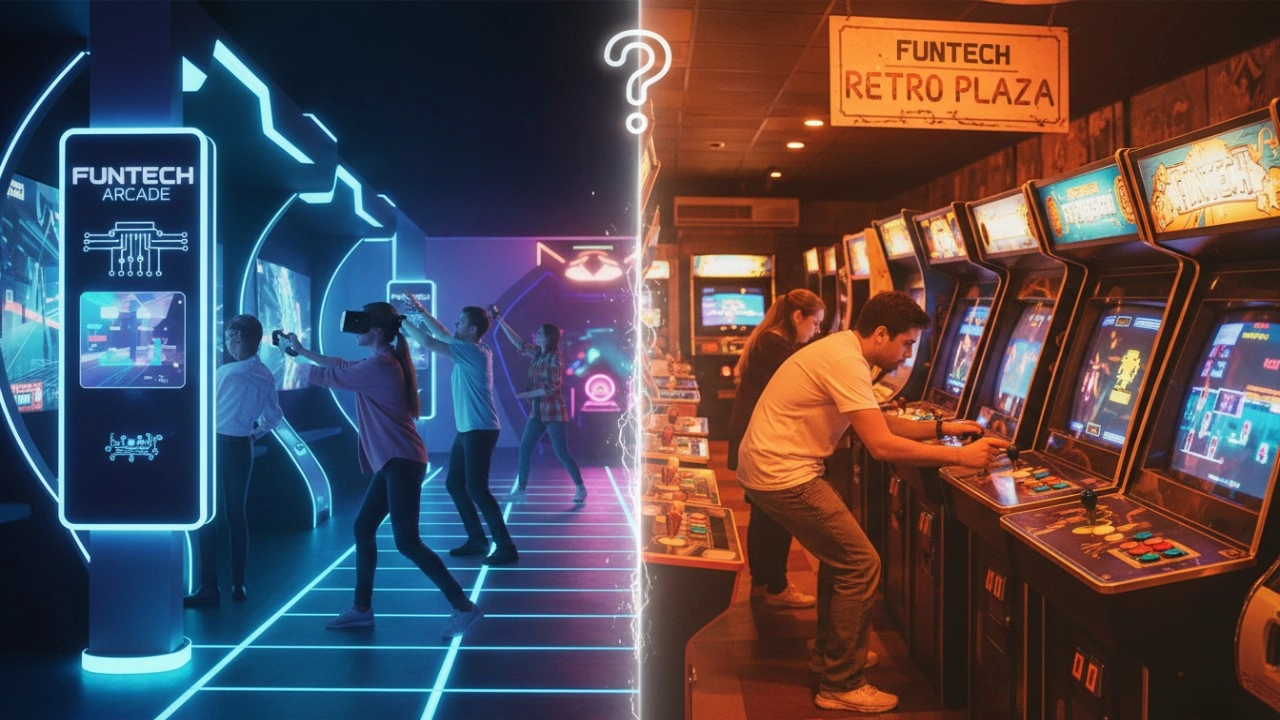
Interactive Sports Arcade vs Traditional Arcade Machines: Key Differences (2026 Guide)
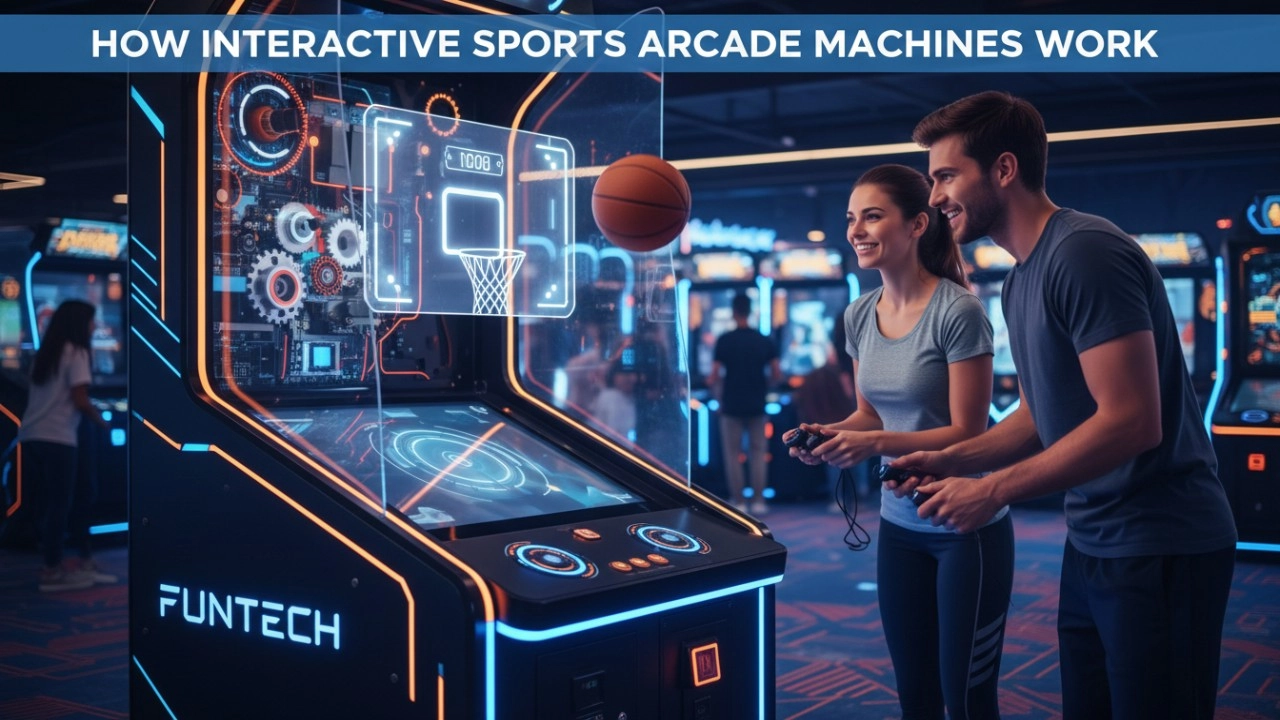
How Interactive Sports Arcade Machines Work (Sensors, Projection & AI) - 2026 Guide
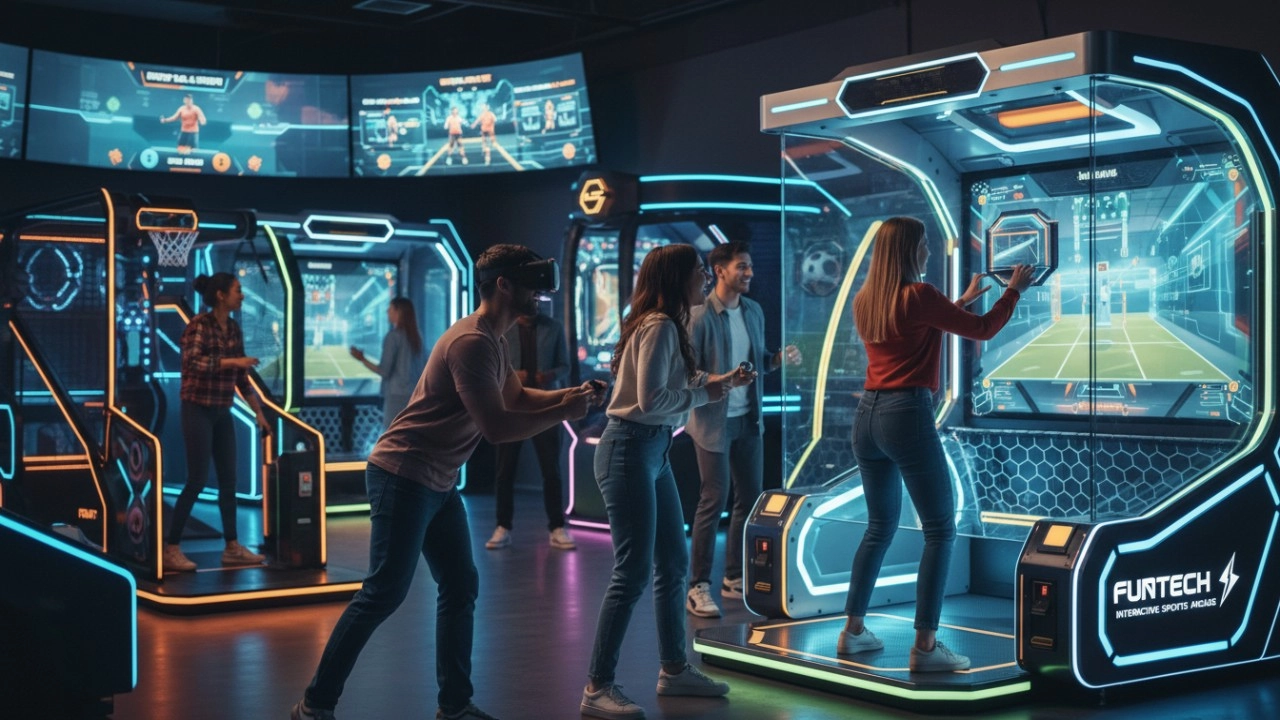
What Defines Interactive Sports Arcade Equipment in 2026?
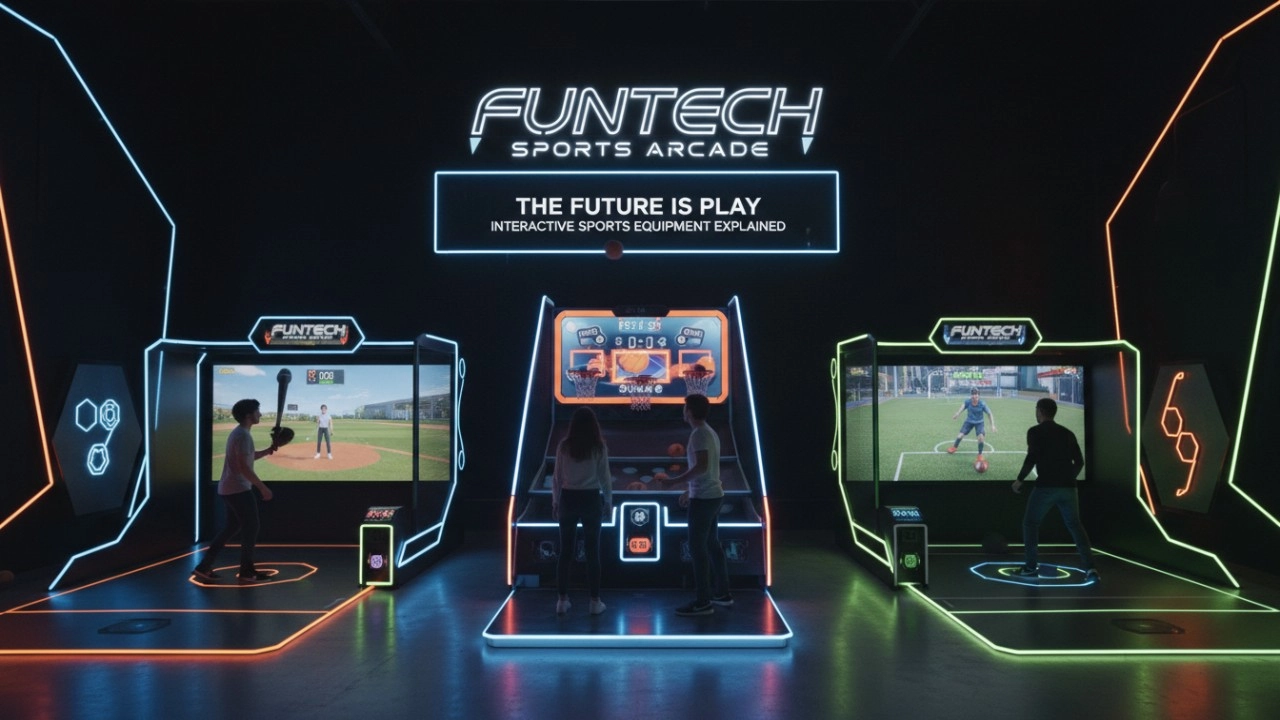
What Is Interactive Sports Arcade Equipment? Complete Beginner Guide (2026)
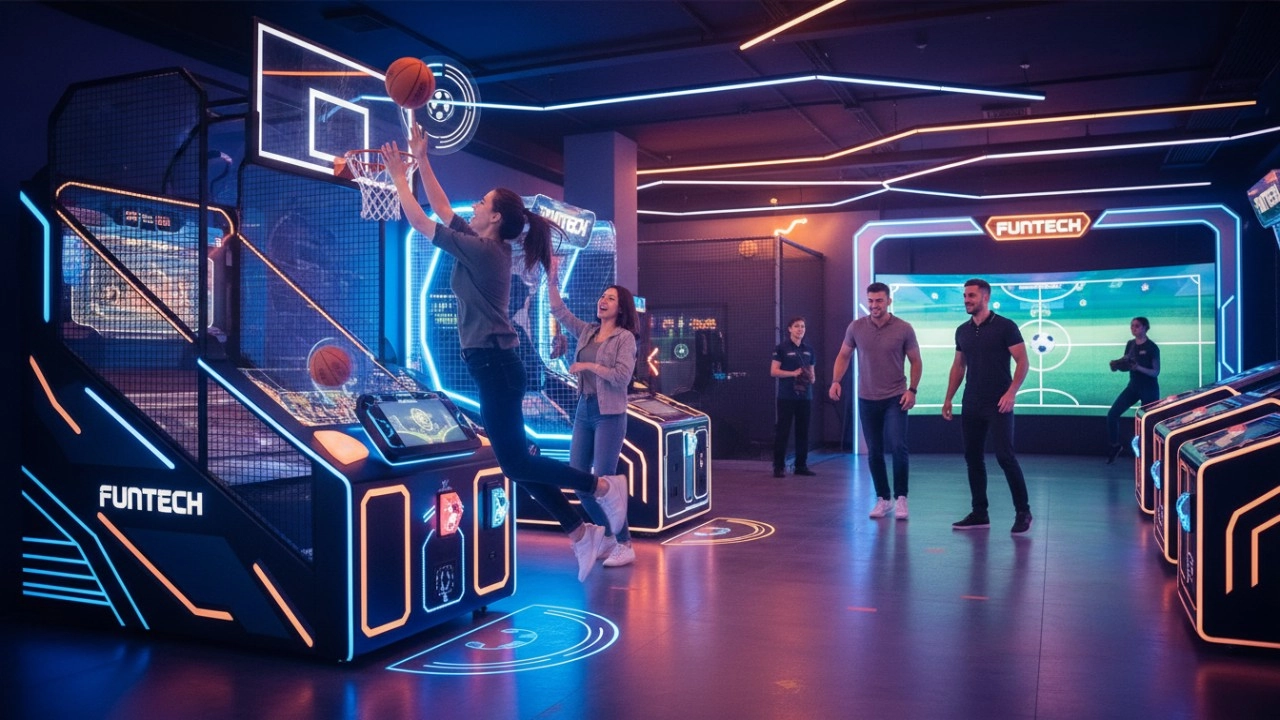
The Ultimate Guide to Interactive Sports Arcade Equipment for Commercial Entertainment (2026 Edition)
Football Simulator
How does the picture effect of simulation soccer achieve realism?
With the help of advanced technology, the green field is accurately reproduced with fine turf texture and realistic player movements. From the players running, passing to shooting, are lifelike, to give players a sense of immersion.
Interactive Rollerball
Why are sports arcades a hot spot for investment?
The traditional entertainment market (e.g., arcade, KTV) has become less attractive to generations, while digital hip playgrounds integrating technology, sports, and socialization are more in line with young people's needs, and the market size has exceeded 50 billion in 2023, with an annual growth rate of more than 30%.
How to reduce operating costs?
Starting with equipment procurement, choose cost-effective, durable and easy-to-maintain products, which can save money for subsequent maintenance. Reasonable arrangement of staff, reduce the number of staff on duty during off-peak hours, train staff to have multi-skills, such as being able to operate the equipment and guide customers part-time, so as to improve the efficiency of manpower and reduce the cost of manpower.
What are the after-sales services after purchasing the equipment?
Generally, a 1-year warranty is provided. During the warranty period, parts damaged due to quality problems, such as motor failure, display problems, etc., will be repaired or replaced free of charge. There will also be technical support, including equipment installation and debugging guidance, operation training, to ensure the smooth use of the user, after-sales response time is usually within 24 - 48 hours.
Infrared Shooting
How to reduce operating costs?
Starting with equipment procurement, choose cost-effective, durable and easy-to-maintain products, which can save money for subsequent maintenance. Reasonable arrangement of staff, reduce the number of staff on duty during off-peak hours, train staff to have multi-skills, such as being able to operate the equipment and guide customers part-time, so as to improve the efficiency of manpower and reduce the cost of manpower.
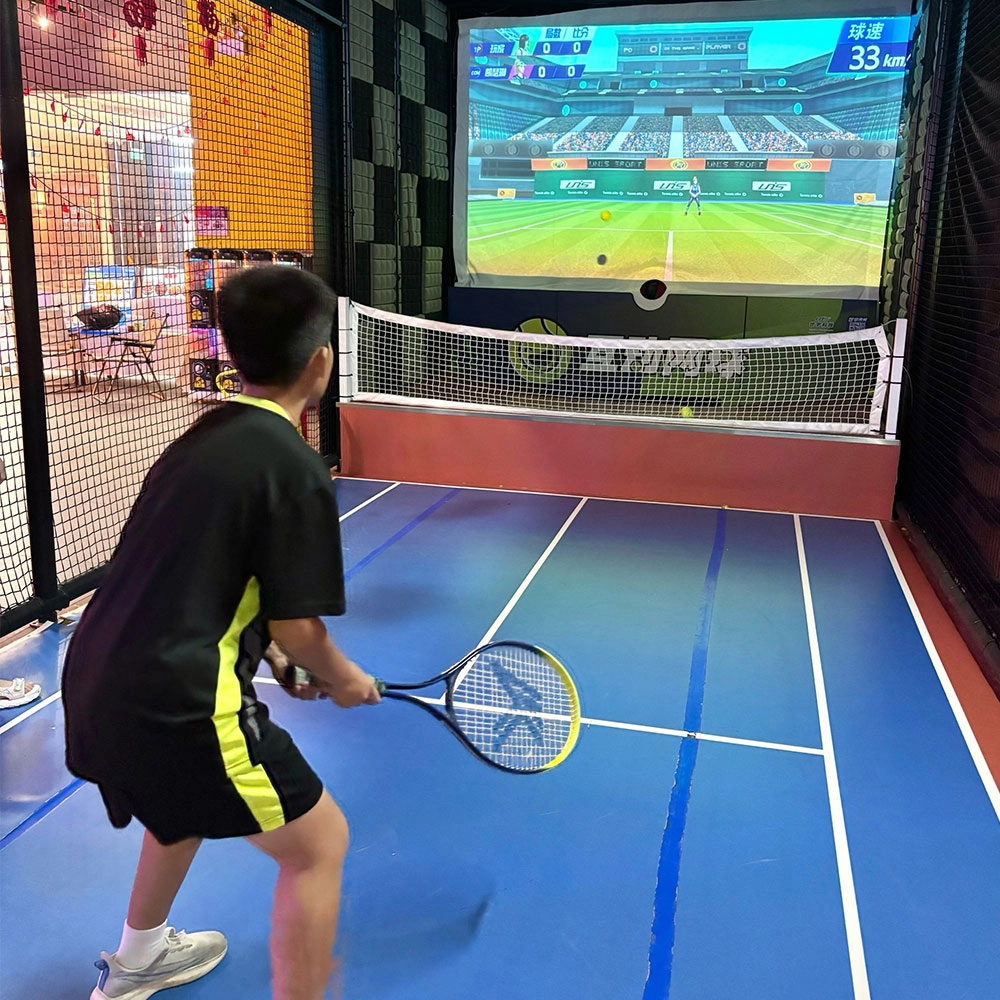
Indoor Tide Play Simulation Tennis Equipment
FUNTECH is full of fun and exciting playgrounds! With high-definition scene projection, force feedback racket, and intelligent scoring system, the simulated tennis equipment in the indoor arcade realizes immersive sports experiences and diversified interactive play, combining the advantages of safety and ease of use with high operational efficiency.
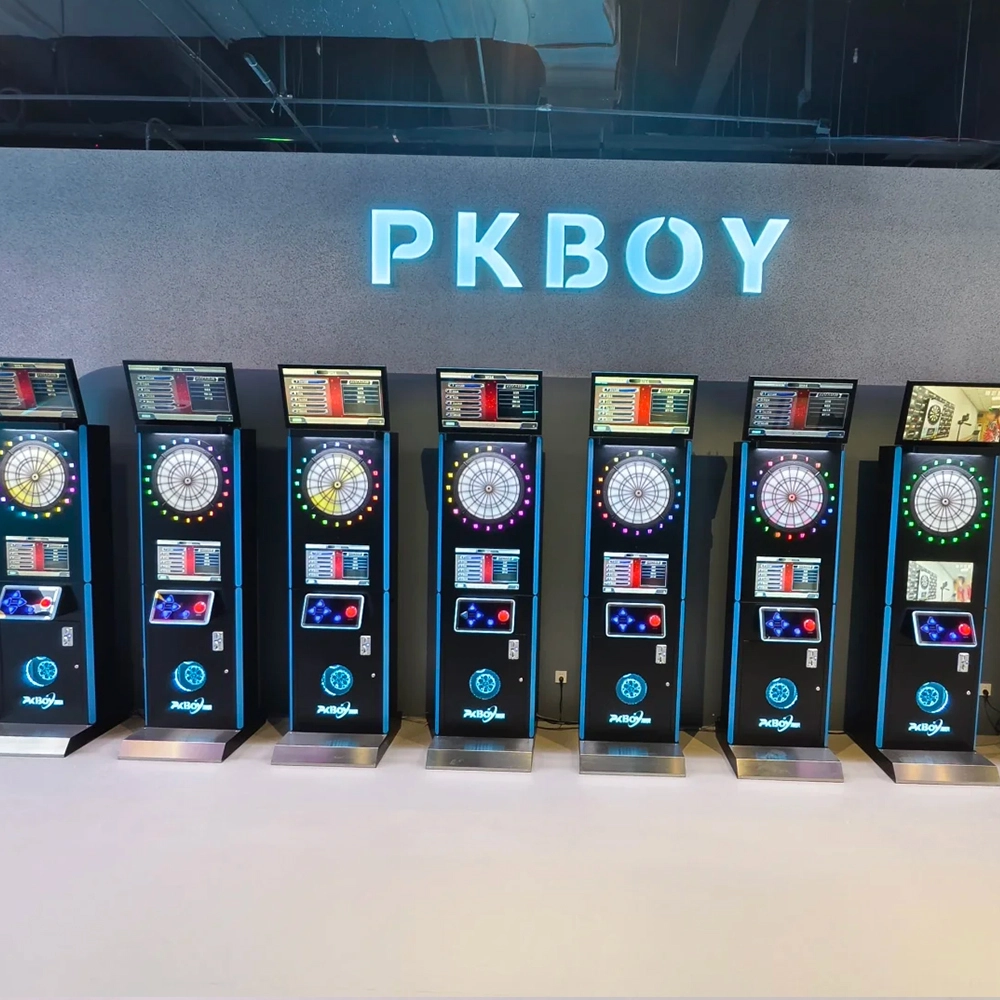
Dart Machines Bar Dart Machines
Joy Power is full of fun and excitement in the playground! The dart machine is suitable for all kinds of places, whether it is a bar, restaurant, KTV, or other entertainment venue, or a sports shop, club, or family leisure space, and can be perfectly adapted. In commercial venues, holding individual and team darts tournaments from time to time can attract more customers and increase the popularity and revenue of the venue, supplemented by various preferential activities, which can directly promote consumption and form a cycle of consumption of all the goods in the shop.
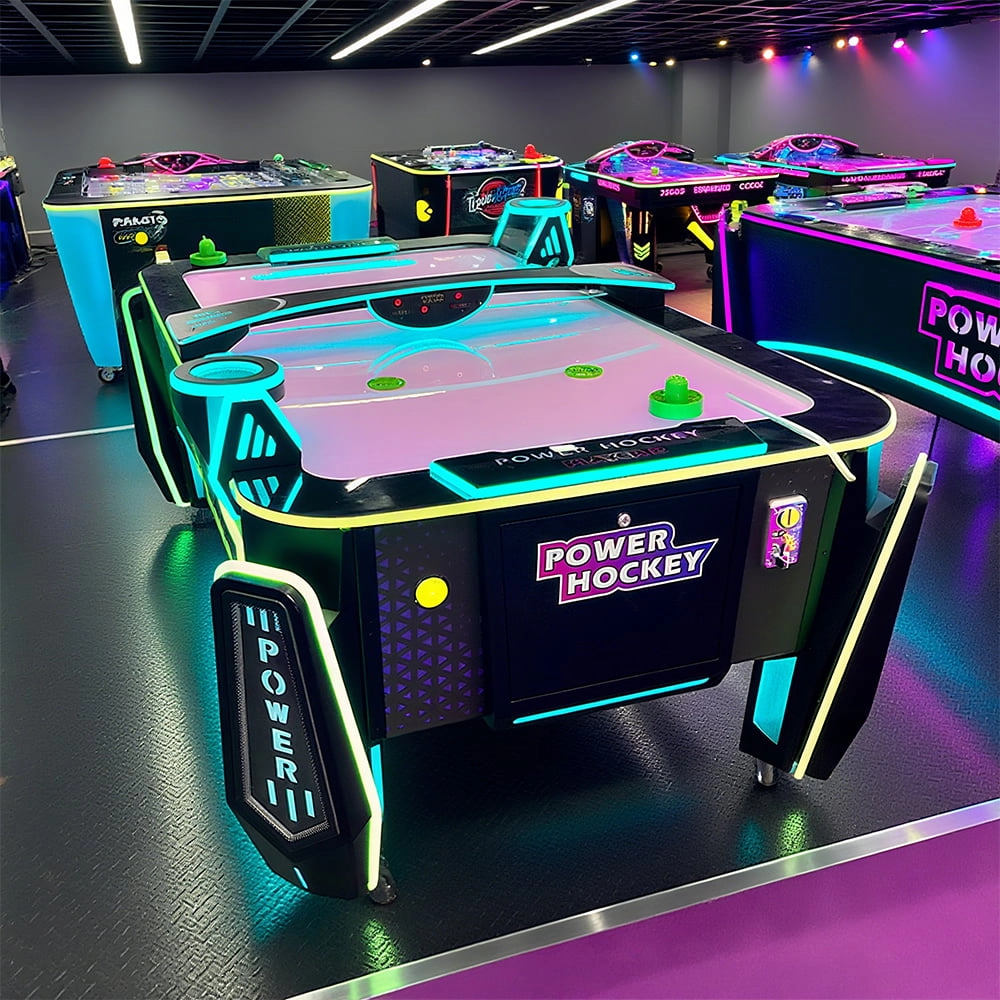
Arcade Hockey
FUNTECH is full of fun and exciting playgrounds! Air hockey, also known as air hockey, is a two-player competitive arcade game comprising a smooth, perforated playing surface, lightweight hockey sticks, a plastic puck, and an electronic scoreboard.
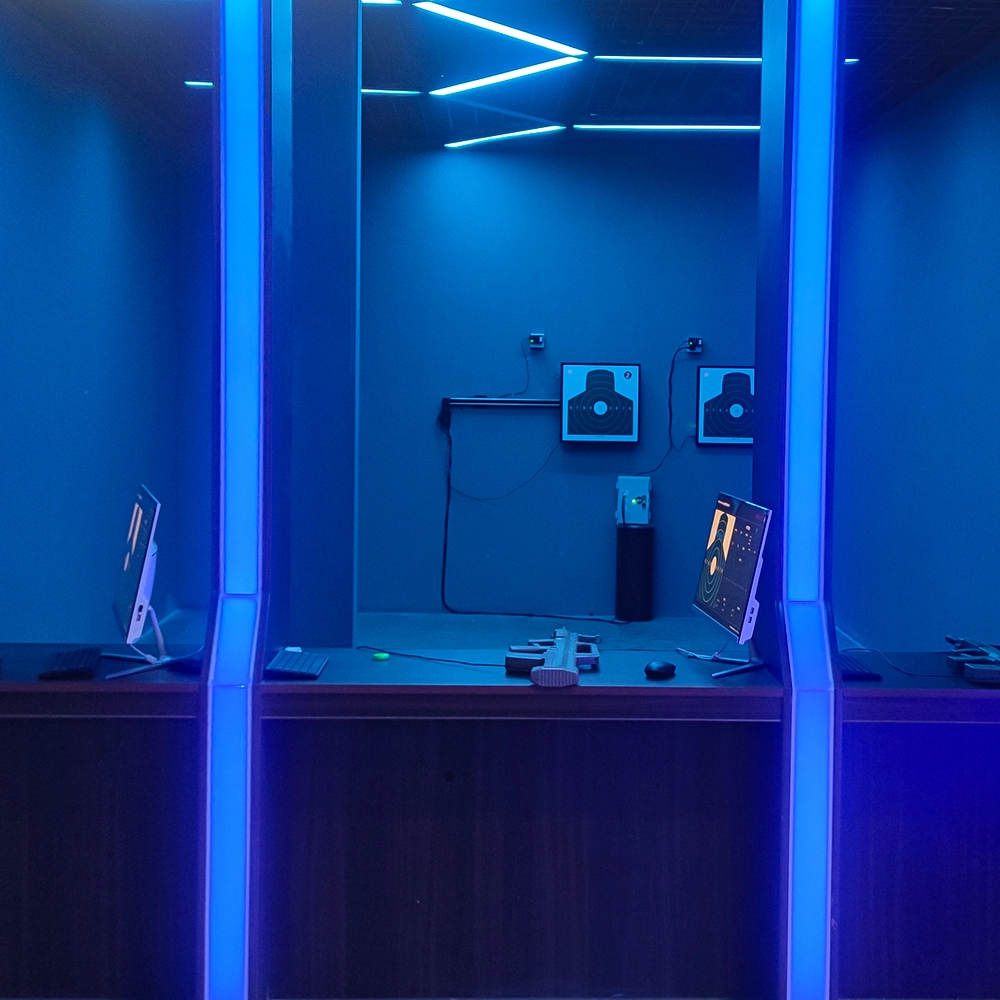
Infrared Shooting
Highly simulated simulation training analysis equipment, with advanced design concepts, fast system development, ease of operation and use, stable technical performance, less consumption of training, site dependence on a small group training is highly interesting, safe, and reliable, and other outstanding features. Product design to solve the basic skills of light weapons precision shooting as a starting point, to improve the safety of shooting training and training efficiency as the fundamental purpose, highlighting the simulation, information technology, and combat training requirements, can be in small indoor and outdoor venues and does not use live ammunition to complete the basic shooting training.
Ready to take your venue to the next level?
Leave us a message here, and our team will get back to you promptly.
Whether you're interested in custom orders, technical specifications, or partnership opportunities, we're here to assist you.
© 2025 FUNTECH ALL RIGHTS RESERVED

Weixia Lei
Fun_Tech-s
fun_tech20