
What payment mechanisms are supported on arcade dart machines for sale?
- 1. How do I choose between coin-op, bill-acceptor, and cashless arcade dart machine for sale to maximize revenue in a bar with variable foot traffic?
- 2. What payment mechanisms are supported on arcade dart machines for sale and how do I integrate them with my venue’s POS?
- 3. What are realistic operating costs (electricity, consumables, repairs) for an arcade dart machine in a commercial venue?
- 4. How do I ensure compliance with local gaming and prize laws when installing an arcade dart machine for sale (cash prizes, jackpots, age restrictions)?
- 5. How do I evaluate networked tournament capabilities and data privacy when buying a tournament-ready arcade dart machine for sale?
- 6. What spare parts, warranty terms, and refurbishment checks should I require when buying a refurbished arcade dart machine for sale?
1. How do I choose between coin-op, bill-acceptor, and cashless arcade dart machine for sale to maximize revenue in a bar with variable foot traffic?
Answer:
Choosing the right payment mechanism depends on customer behavior, staff capacity, and your desired user experience. Consider these specific factors and actionable steps:
Measure peak vs. off-peak traffic and average session length. If your venue has short, high-turnover periods (e.g., happy hour), coin-op or bill validators work well for fast pay-per-play. For venues with regulars and longer stays (pubs, sports bars), cashless systems (RFID wristbands, contactless card readers, mobile QR top-up) increase spend per customer and repeat play.
Cost and uptime: coin mechanisms and bill validators (MDB-compatible units) are inexpensive to install but require cash handling and regular clearing. Cashless terminals (NFC, EMV-compatible readers such as those from common payment integrators) have higher upfront or gateway fees but reduce theft and staff handling time.
User friction: Mobile pay, contactless cards, or linked player accounts reduce friction and increase game length and tournament participation. Expect conversion increases of 10–30% in venues that switch to cashless systems, according to industry operator reports.
Integration with promotions: Cashless systems let you implement loyalty, discounts, and time-based pricing (free plays after X purchases), improving ARPU. Coin/bill systems can be paired with token systems but lack flexible marketing controls.
Action checklist:
- Test: run a 30-day A/B test with a coin/bill machine and a loaner cashless reader.
- Track: measure plays/day, revenue per play, and redemption rates.
- Decide: choose MDB-enabled machines if you may switch payment modules later—this retains flexibility.
Practical recommendation: For most bars with mixed traffic, buy an MDB-capable digital dart machine that supports a plug-in bill validator and has an option for a cashless/NFC reader module to future-proof revenue options.
2. What payment mechanisms are supported on arcade dart machines for sale and how do I integrate them with my venue’s POS?
Answer:
Modern arcade dart machines support a range of payment mechanisms. Real-world, commercially supported options include:
- Coin acceptors and coin changers (mechanical/electromechanical).
- Bill validators (MDB-compatible bill acceptors from manufacturers compliant with vending standards).
- Card readers (EMV chip-and-pin/swipe terminals physically attached or integrated via serial/MDB-to-POS bridges).
- Contactless/NFC (Apple Pay, Google Pay) through EMV-capable terminals or integrated modules.
- Cashless systems: RFID cards/wristbands, QR/mobile-wallet top-ups, cloud account systems (prepaid accounts linked to player IDs).
- App-based purchases and remote top-ups (API-driven platforms).
Integration pathways with POS:
Direct MDB/Serial Integration: Many coin/bill validators and cashless controllers speak MDB (Multi-Drop Bus) or simple serial protocols and can be bridged to a POS using middleware gateways. MDB is an industry standard in vending and arcade hardware.
Payment Gateway/API: For cashless and app-based systems, integration is typically via REST APIs or SDKs provided by the cashless vendor (e.g., a loyalty platform). This enables syncing of transactions, settlements, and promotions with your POS.
Third-party Integrators: Services such as payment integrators and POS middleware (real-world vendors include commonly used providers in entertainment venues) can connect arcade machines to your existing POS for settlement and shift reporting.
Operational notes:
- EMV and PCI: If you accept card payments directly on the machine, ensure the terminal is EMV/PCI-compliant and that the vendor provides P2PE (Point-to-Point Encryption) or tokenization.
- Settlement timing: Cashless systems typically settle via payment processors on standard timelines (daily/weekly); coin/bill revenue settles when staff collect the cash.
- Reporting: Choose systems that export transaction logs (CSV/API) for reconciliation with your POS and accounting software.
Implementation steps:1) Confirm machine supports MDB or an external payment module.2) Choose a payment vendor that provides integration docs and PCI compliance.3) Run a pilot; reconcile transactions for 30 days.4) Formalize SLA for uptime and maintenance for payment hardware.
3. What are realistic operating costs (electricity, consumables, repairs) for an arcade dart machine in a commercial venue?
Answer:
Operating costs fall into predictable buckets: electricity, consumables and replacement parts, and maintenance/service labor. Based on manufacturer specifications and common operator experience, use these realistic ranges:
Electricity: Modern digital dart machines with LED lighting and electronic scoreboards typically draw 100–300 watts while in active use. If left powered 24/7, monthly consumption at 0.15 USD/kWh is approximately:
- 100 W -> 0.1 kW 24 30 * $0.15 = ~$10.80/month
- 200 W -> ~$21.60/month
- 300 W -> ~$32.40/monthMost venues power down non-business hours, so expect actual monthly cost typically between $5–$25 depending on hours.
Consumables and parts: Darts, shafts, flights, and occasional replacement electronic target segments. Annual consumable costs usually run $50–$300 depending on usage. For high-usage locations (tournament bars), expect higher replacement frequency.
Repairs and spare parts: Typical parts that fail over time include bill validator mechanisms, coin mechanisms, power supplies, LED strips, and the scoring mainboard. Budget $100–$600/year for parts and labor in average-use commercial settings. For older/refurbished units budget more—$300–$1,200/year.
Service contracts: Optional on-site SLA contracts with manufacturers or local technicians range from $200–$1,200/year depending on response time and included parts.
ROI example (conservative): If you charge $1 per play and average 40 plays/day, gross monthly revenue = $1 40 30 = $1,200. Subtract operating costs (~$150–$400) and you have positive cash flow; break-even depends on purchase price and installation.
4. How do I ensure compliance with local gaming and prize laws when installing an arcade dart machine for sale (cash prizes, jackpots, age restrictions)?
Answer:
Electronic dart machines are typically considered skill-based games, but legal treatment varies by jurisdiction. Non-compliance risk can be significant where machines are incorrectly classified as slot/payout devices. Follow these steps:
Determine classification locally: Contact your municipal licensing authority or state gaming commission to confirm whether electronic dart machines are classified as amusement (skill) devices, social gaming, or gambling devices. Each U.S. state and many countries have different thresholds.
No direct cash payouts where prohibited: Many jurisdictions restrict machines that dispense cash prizes or have chance-based payouts. If that’s the case, implement non-cash rewards (tokens, coupons, food/drink vouchers) and ensure redemption methods are compliant.
Design for skill: Ensure the game emphasizes player skill (scoring accuracy, manual throwing) rather than chance-based random payouts. Keep game mechanics transparent and reproducible.
Age restrictions and signage: Where required, post age restrictions and operate behind a counter or with staff oversight. Verify ID for age-limited venues.
Record-keeping and audits: Maintain transaction logs, tournaments records, and payout/redemption records for at least 12–24 months to satisfy any audits.
Consult counsel: For multi-location operators, retain local counsel or a compliance consultant to vet machines and prize structures before roll-out.
Practical example: Some U.S. states allow skill-based machines that offer non-cash prizes under a maximum prize value. If you plan to offer high-value rewards or cash jackpots, get a written determination from the local regulator first.
5. How do I evaluate networked tournament capabilities and data privacy when buying a tournament-ready arcade dart machine for sale?
Answer:
Operators increasingly want machines that support networked tournaments, leaderboards, and player accounts. Evaluate the following technical and privacy criteria:
Network connectivity: Machines should support wired Ethernet and/or secure Wi-Fi with 802.1x or WPA2/WPA3. For reliable tournaments, prefer wired Ethernet or dual-band enterprise Wi-Fi.
Latency and sync: Tournament functionality requires low-latency updates and robust retry logic. Ask for specs on max supported players, server architecture (cloud vs. local), and average sync latency.
Data protection: Confirm the vendor follows industry best practices: TLS 1.2/1.3 encryption in transit, encryption at rest for personal data, role-based access controls, and documented data retention policies. For EU/UK operations, ask about GDPR compliance; for California, CCPA aspects.
Anonymization and consent: If player accounts store PII (name, email), vendor must provide opt-in consent, clear privacy policy, and account deletion/export features. For minors, ensure parental consent mechanisms.
API and export: If you want analytics, ensure the platform has APIs or scheduled exports for match logs, revenue, and player stats.
Offline mode and reconciliation: A good system caches results locally when offline and reconciles after connectivity returns to prevent tournament disruption.
Vendor transparency: Request SOC 2 Type II or equivalent security audits for cloud platform vendors if you will store player data.
Checklist for procurement:1) Ask for network specs and security whitepaper.2) Request a demo tournament with multiple venues connected.3) Review privacy policy and data processing agreement.4) Include SLA language about uptime and incident response in the contract.
6. What spare parts, warranty terms, and refurbishment checks should I require when buying a refurbished arcade dart machine for sale?
Answer:
Refurbished purchases can yield savings but carry higher risk. Specify concrete warranty and inspection criteria before purchase:
Warranty length: Insist on a minimum 90-day warranty on refurbished units; commercial operators should negotiate 6–12 months when possible. The warranty should cover major electronics (mainboard, power supply, scoring sensors) and mechanical failures but exclude consumables and user damage.
Spare parts list: Ensure the seller provides or lists availability of these critical spares: bill validator, coin mechanism, power supply, main scoring board, LED panels, target segment modules, connector cables, and enclosure hardware. Verify lead times for replacements (ideally <14 days).
Refurbishment checklist (ask the seller to certify):
- Full electrical test under load for 24–72 hours.
- Replacement of worn mechanical parts (coin/bill acceptors, belts, solenoids).
- Firmware updates applied and factory reset.
- Inspection and replacement of darts/targets and calibration of sensors.
- Cosmetic repair (cabinet integrity, locks) and antimicrobial cleaning where applicable.
Documentation and parts numbering: Require original manuals, wiring diagrams, and a parts list with supplier part numbers to make future repairs easier.
Return and RMA policy: Clear return window (e.g., 14–30 days) and RMA handling. Confirm who pays shipping for returns/repairs.
On-site commissioning option: For multiple units, negotiate on-site setup and training with acceptance test before final payment.
Practical purchase clause examples:
- Seller warrants refurbished unit for 180 days from delivery covering board-level failures and payment module defects. Seller will provide same-day technical support and ship replacement modules within 5 business days.
Concluding paragraph:
Advantages of buying a modern arcade dart machine for sale include diversified venue revenue streams, higher customer dwell time, opportunities for tournaments and branded events, flexible payment options (coin, bill, and cashless), and measurable analytics to optimize promotions. Choosing MDB-capable hardware with optional cashless integration, a clear warranty, documented spare-parts availability, and compliant tournament/network features reduces operating risk and improves ROI.
For a personalized quote or to evaluate cashless/payment integration, refurbished vs. new options, and warranty packages, contact us at www.funtechgame.com or email vicky@funtechgame.com. We can provide site-specific recommendations and pricing.
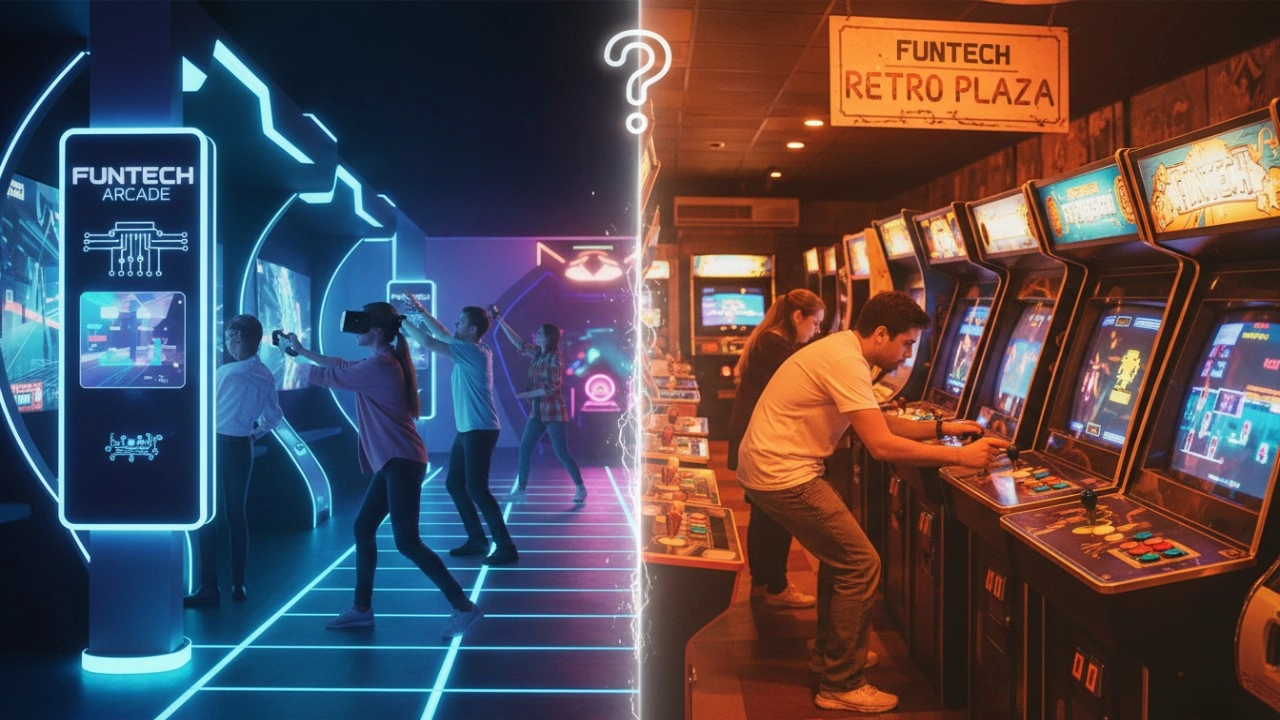
Interactive Sports Arcade vs Traditional Arcade Machines: Key Differences (2026 Guide)
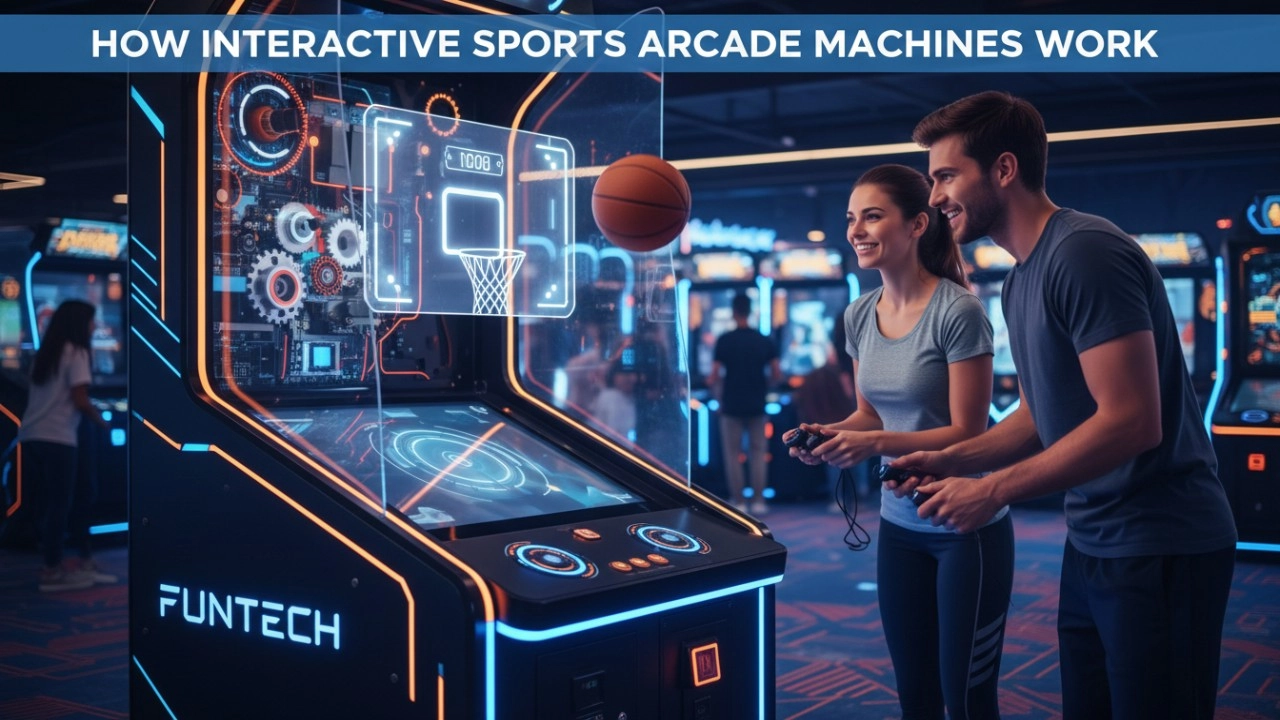
How Interactive Sports Arcade Machines Work (Sensors, Projection & AI) - 2026 Guide
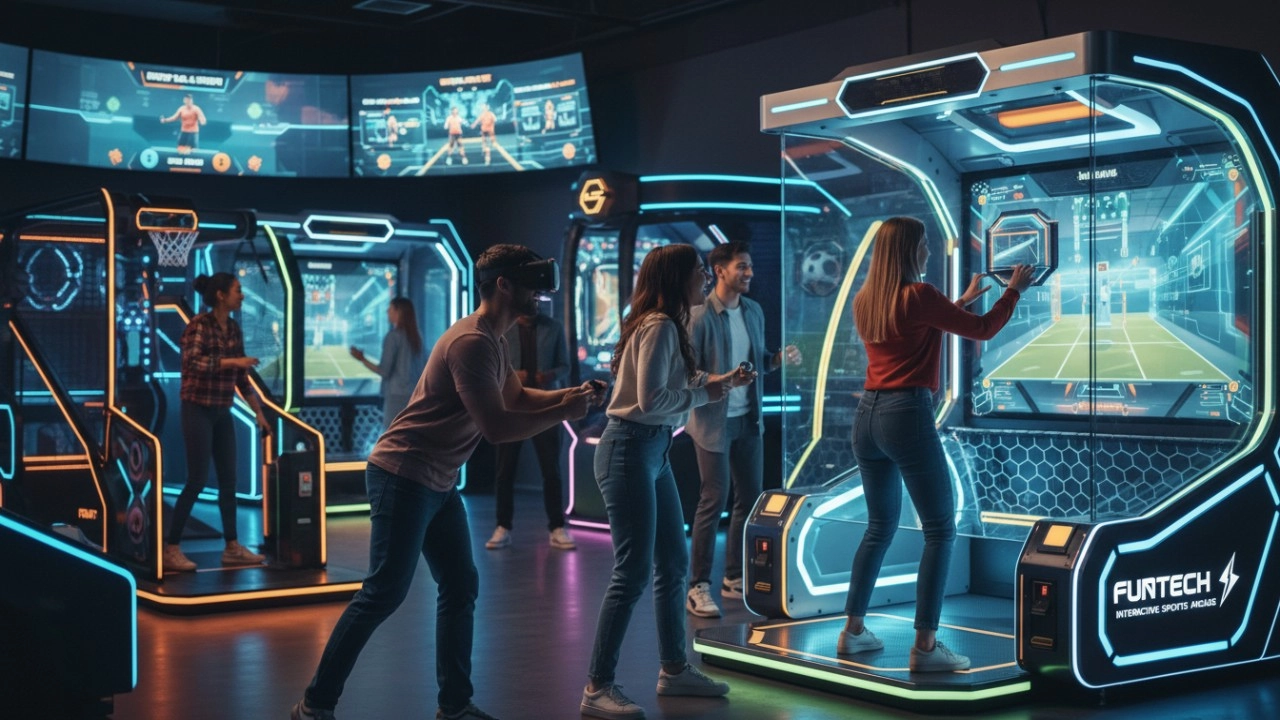
What Defines Interactive Sports Arcade Equipment in 2026?
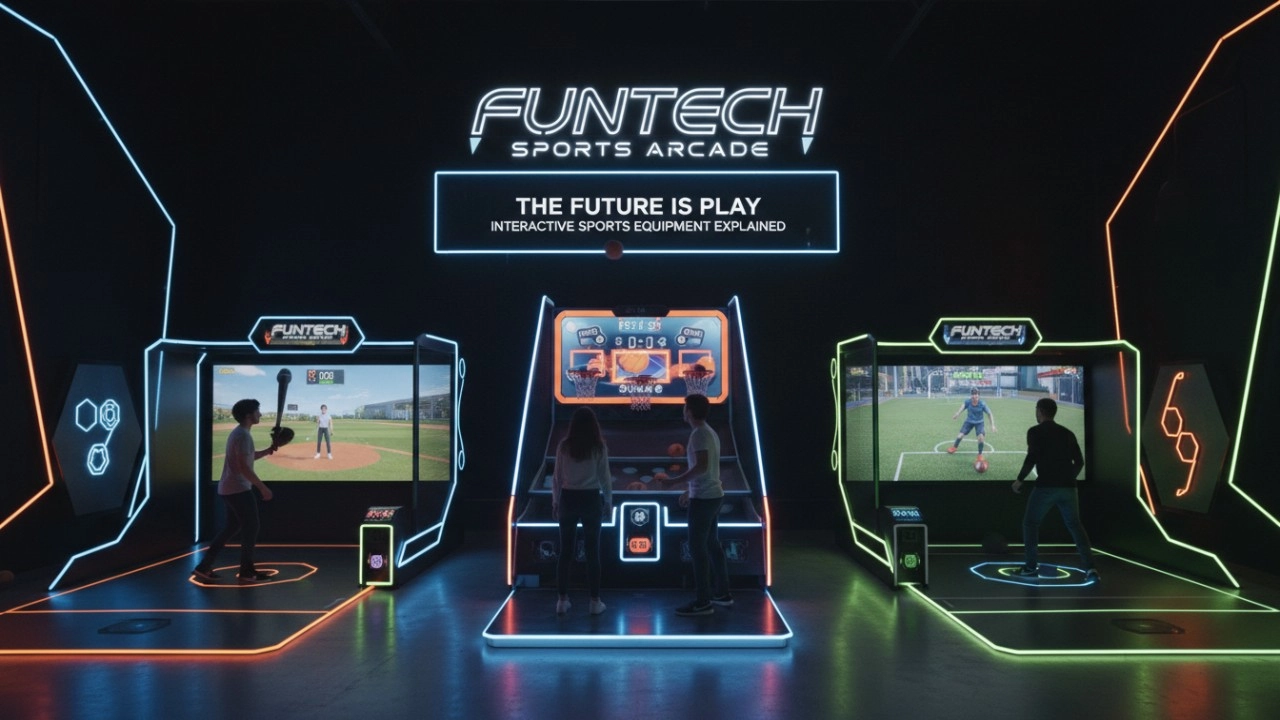
What Is Interactive Sports Arcade Equipment? Complete Beginner Guide (2026)
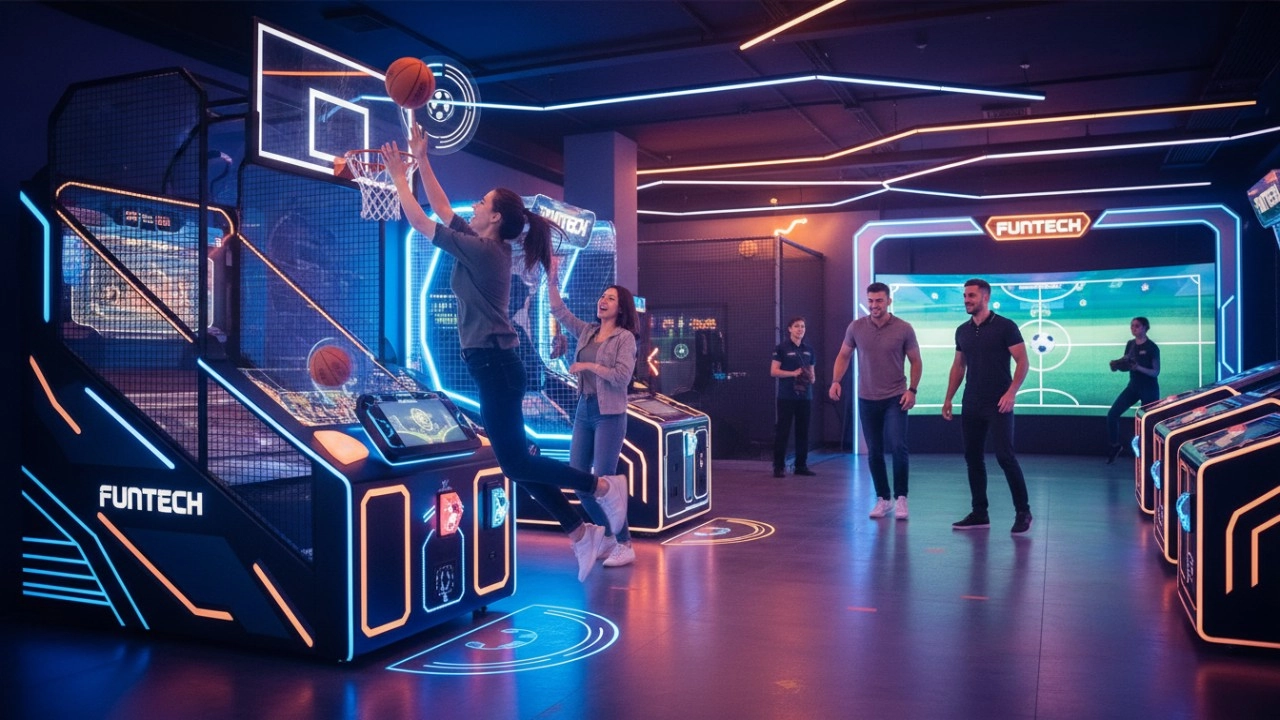
The Ultimate Guide to Interactive Sports Arcade Equipment for Commercial Entertainment (2026 Edition)
Infrared Shooting
How to attract customers when operating the program in shopping malls?
Create a cool venue decoration style and incorporate trendy elements, such as fluorescent light strips and anime-themed murals. o Launch diversified marketing models such as parent-child packages and couple packages, combined with time-limited promotional activities, such as half-price experience in the first three days of opening, to attract different groups of people such as families and couples to stop by and participate.
FAQ
What problems does the Digital Sports Center solve?
The Digital Sports Trendy Pavilion provides people with an innovative experience place that combines technology and sports, solving some problems existing in traditional sports activities and amusement facilities, while also meeting modern people's needs for digital technology and dynamic experience.
Interactive Rollerball
How to attract customers when operating the program in shopping malls?
Create a cool venue decoration style and incorporate trendy elements, such as fluorescent light strips and anime-themed murals. o Launch diversified marketing models such as parent-child packages and couple packages, combined with time-limited promotional activities, such as half-price experience in the first three days of opening, to attract different groups of people such as families and couples to stop by and participate.
Products
What is the difference between purchasing equipment for commercial operations and personal training?
Commercial operations should consider the durability, ease of operation and attractiveness of the equipment, it is appropriate to choose cool appearance, can withstand high-frequency use, such as the target car running hundreds of times a day, high-intensity models, and easy to operate, easy for customers to get started. Personal training is more focused on cost-effective, according to their own training needs to choose the right tension of the bow, the right speed of movement of the target car.
Football Simulator
Are there a lot of game modes in soccer simulation?
Very rich! There is a league mode which is exciting and can compete with players from all over the world, and there is also a leisure and fun game which is suitable for parents and children to share fun time, so as to satisfy the needs of different players.
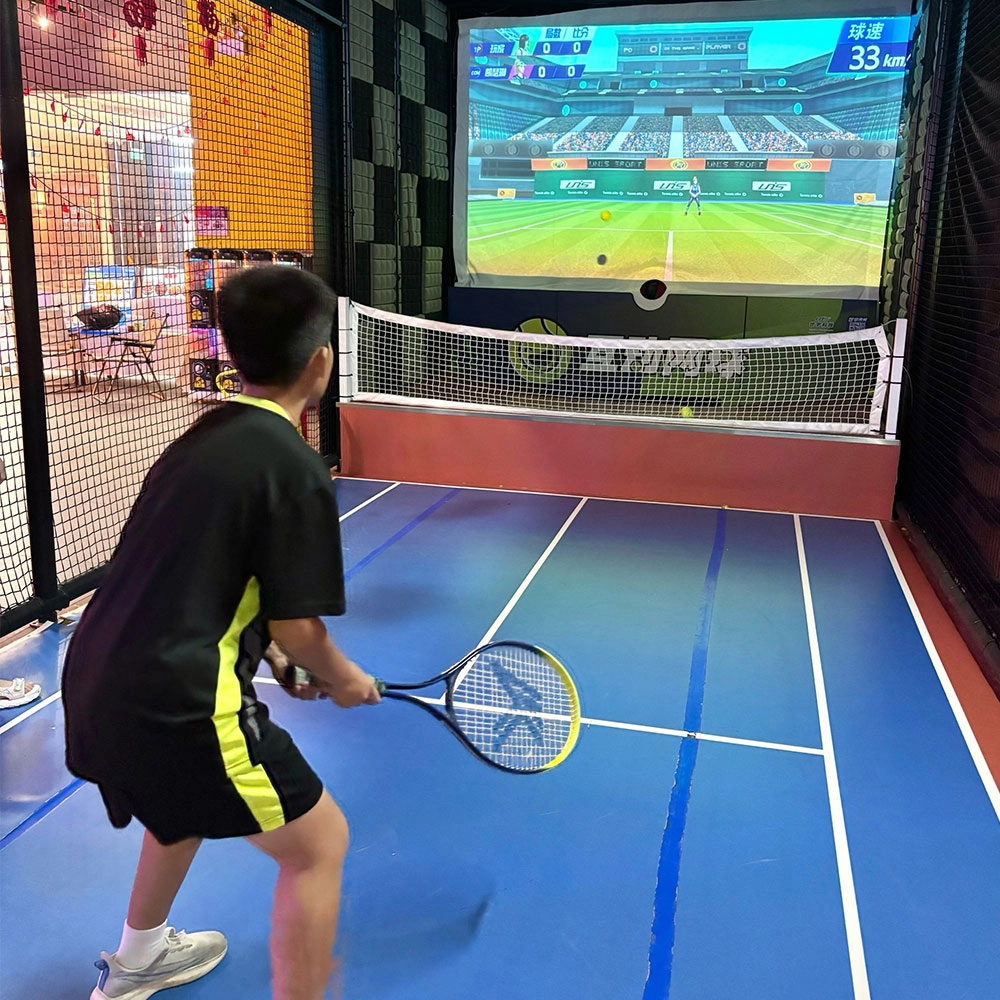
Indoor Tide Play Simulation Tennis Equipment
FUNTECH is full of fun and exciting playgrounds! With high-definition scene projection, force feedback racket, and intelligent scoring system, the simulated tennis equipment in the indoor arcade realizes immersive sports experiences and diversified interactive play, combining the advantages of safety and ease of use with high operational efficiency.
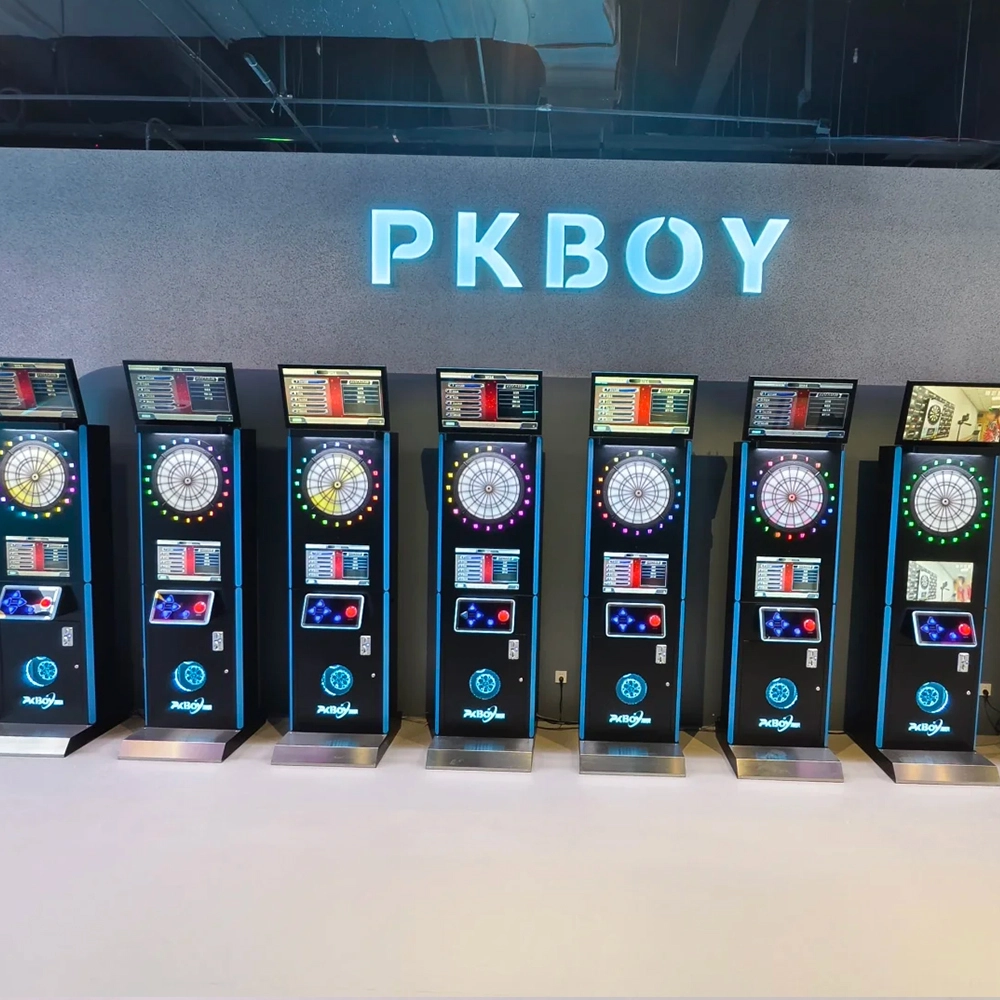
Dart Machines Bar Dart Machines
Joy Power is full of fun and excitement in the playground! The dart machine is suitable for all kinds of places, whether it is a bar, restaurant, KTV, or other entertainment venue, or a sports shop, club, or family leisure space, and can be perfectly adapted. In commercial venues, holding individual and team darts tournaments from time to time can attract more customers and increase the popularity and revenue of the venue, supplemented by various preferential activities, which can directly promote consumption and form a cycle of consumption of all the goods in the shop.
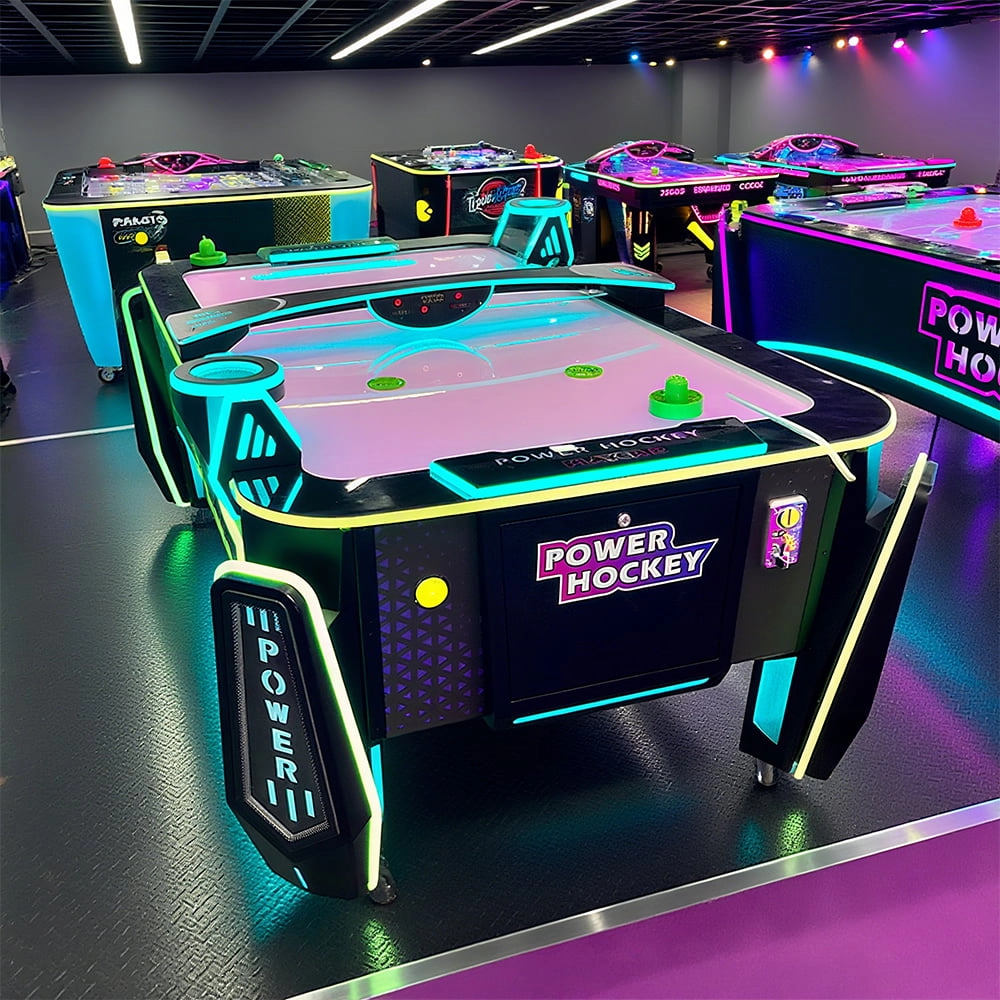
Arcade Hockey
FUNTECH is full of fun and exciting playgrounds! Air hockey, also known as air hockey, is a two-player competitive arcade game comprising a smooth, perforated playing surface, lightweight hockey sticks, a plastic puck, and an electronic scoreboard.
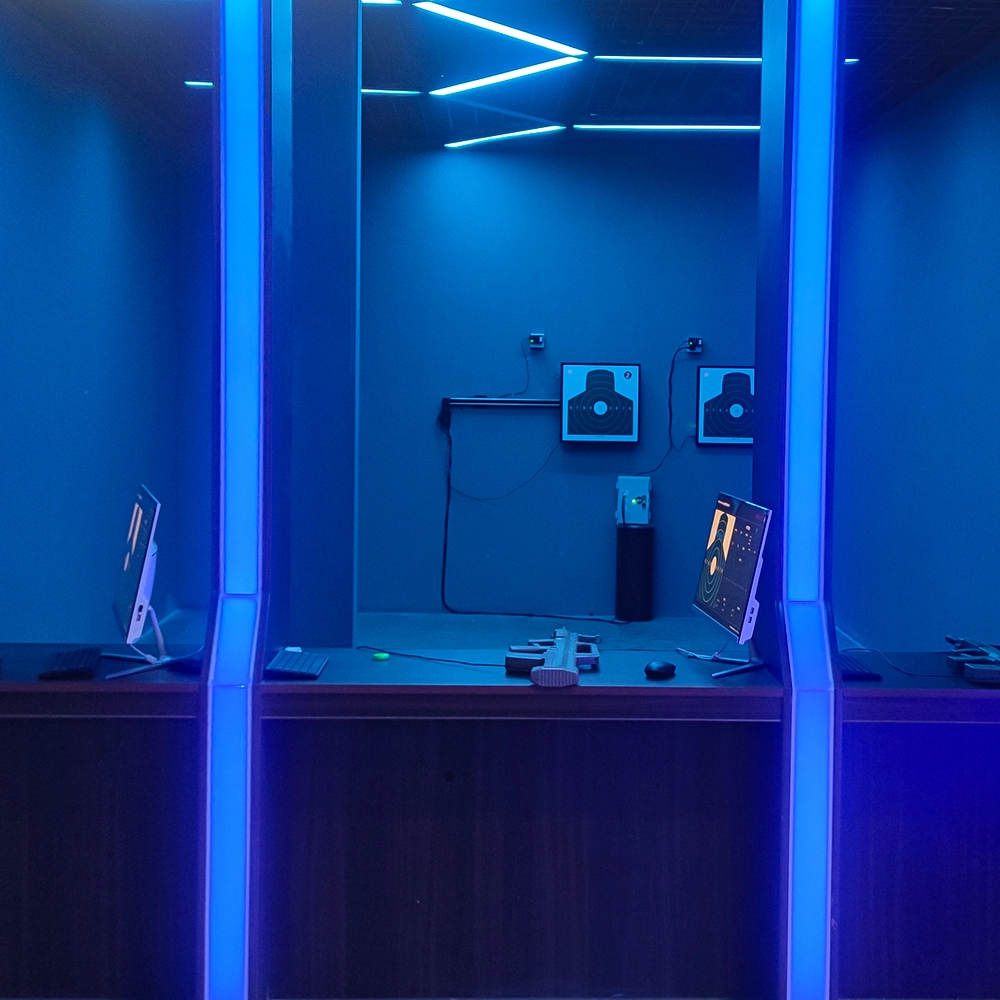
Infrared Shooting
Highly simulated simulation training analysis equipment, with advanced design concepts, fast system development, ease of operation and use, stable technical performance, less consumption of training, site dependence on a small group training is highly interesting, safe, and reliable, and other outstanding features. Product design to solve the basic skills of light weapons precision shooting as a starting point, to improve the safety of shooting training and training efficiency as the fundamental purpose, highlighting the simulation, information technology, and combat training requirements, can be in small indoor and outdoor venues and does not use live ammunition to complete the basic shooting training.
Ready to take your venue to the next level?
Leave us a message here, and our team will get back to you promptly.
Whether you're interested in custom orders, technical specifications, or partnership opportunities, we're here to assist you.
© 2025 FUNTECH ALL RIGHTS RESERVED

Weixia Lei
Fun_Tech-s
fun_tech20