
Which Shooting Arcade Machines Yield the Best ROI?
- 1. Which shooting arcade machines yield the best ROI in mixed-use venues (FECs, bowling alleys, family entertainment centers)?
- 2. How do I accurately calculate projected ROI for a new coin-operated shooting arcade machine (including capex, shipping, customs, electricity, and maintenance)?
- 3. What are realistic performance KPIs for redemption shooters vs. video shooters across North America and Europe, and how should I benchmark them?
- 4. How do I assess and verify supplier reliability for international orders: spare parts availability, lead times, certifications (CE, UL), and localized firmware/languages?
- 5. How should I optimize cabinet placement, pricing, and game rotation to maximize throughput and avoid cannibalization with nearby attractions?
- 6. Which add-ons and configurations (ticket dispenser, prize merchandiser, telemetry, cashless) demonstrably increase lifetime revenue and operator margins?
1. Which shooting arcade machines yield the best ROI in mixed-use venues (FECs, bowling alleys, family entertainment centers)?
Short answer: skill-based ticket redemption shooters and mid-range video shooters deliver the best ROI in mixed-use venues, but success depends on location footfall, price-per-play and machine uptime.
Data-driven reasoning: industry benchmarks (IAAPA and Play Meter surveys across 2018–2023) show ticket redemption shooters often achieve higher gross per-square-foot than pure video shooters because they combine repeat plays and prize incentives. Typical price-per-play for redemption shooters: $0.50–$1.00; for video shooters: $0.75–$2.00. In a busy FEC a well-placed redemption shooter can get 150–300 plays/day; a popular video shooter 80–180 plays/day. Gross revenue ranges commonly seen: redemption shooters $75–$300/day; video shooters $60–$150/day.
Key factors that drive ROI in mixed-use venues:
- Play mechanics and perceived skill (higher perceived skill = repeat plays).
- Ticket payout curve and prize ladder that keeps players chasing the next prize without giving away too many tickets.
- Cabinet footprint vs throughput — machines that handle multiple players or have short cycle times increase plays/hour.
- Service uptime — every day offline is lost revenue. Look for suppliers with fast spare parts and remote diagnostics.
2. How do I accurately calculate projected ROI for a new coin-operated shooting arcade machine (including capex, shipping, customs, electricity, and maintenance)?
Do a line-item projection with conservative throughput and explicit operating costs. Example template with realistic ranges (adjust to your region):
- Purchase price (capex): Video shooter $6,000–$12,000; Mid-tier redemption shooter $10,000–$25,000; VR shooting rig $15,000–$45,000.
- Shipping & customs (international import): 6%–18% of unit price depending on origin, incoterms and local duties.
- Installation & software setup: $200–$1,000 depending on onsite calibration.
- Monthly electricity (LED screens, PC/console, coin acceptor): $5–$25/month per machine (higher for VR/deluxe cabinets).
- Routine maintenance & spare parts: budget 5%–10% of unit price per year; expect higher in years 2–4 as bulbs, controllers and joysticks wear.
- Insurance & depreciation: include local business insurance and account for 3–7 year depreciation.
Illustrative payback calculation (conservative):
Machine cost (door-to-floor): $18,000. Average gross revenue: $120/day. Operating costs (tickets/prizes, electricity, credit card fees, cleaning, parts reserve): $50/day. Net daily profit: $70. Monthly net profit: $2,100. Simple payback: $18,000 / $2,100 ≈ 8.6 months.
Tip: Run three scenarios (conservative, expected, optimistic). Use real plays/day from comparable venues and confirm with the supplier’s operator-installed performance data or references.
3. What are realistic performance KPIs for redemption shooters vs. video shooters across North America and Europe, and how should I benchmark them?
KPIs you must track:
- Plays per day (avg and peak)
- Average revenue per play (ARPP)
- Uptime percentage (target >= 98% for top operators)
- Net revenue per square foot
- Maintenance cost per 1,000 plays
Benchmarks (industry ranges):
- Redemption shooters: Plays/day — 80–300 (high-traffic sites); ARPP $0.50–$1.00; Uptime target 98%+
- Video shooters: Plays/day — 40–180; ARPP $0.75–$2.00; Uptime target 98%+
- VR shooters: highly site-dependent; expect fewer plays but higher spend per session ($3–$7) and higher maintenance overhead.
Benchmarking method: compare your machine’s 30-day rolling average to these ranges and to same-venue category machines. Use telemetry dashboards if the supplier provides them — remote metrics allow you to track plays, error codes and credit acceptance in near real-time.
4. How do I assess and verify supplier reliability for international orders: spare parts availability, lead times, certifications (CE, UL), and localized firmware/languages?
Checklist to evaluate a shooting arcade machines supplier:
- Certifications: Ask for CE (EU) and/or UL/ETL (North America) certificates and the test reports for key electrical components. Verify document authenticity and expiry.
- After-sales footprint: Does the supplier maintain local warehouses or authorized distributors? Faster spare parts shipping (<72 hours) reduces downtime.
- Spare parts list & lead times: Request a documented spare parts kit and typical lead times for high-failure items (PCBs, power supplies, guns/controllers).
- Warranty & SLA: Standard is 12–24 months. Confirm what’s covered and whether firmware/software bugs are fixed remotely or require onsite visits.
- Remote telemetry & OTA updates: Suppliers offering an operator dashboard (plays, coin-in, error logs) reduce diagnostic time and improve uptime.
- Localization: Confirm localized firmware, currency/payment integrations, and language packs for your target market.
- References & site visits: Request operator references in your region and, if possible, visit installations or request recent revenue logs (redacted) to validate performance claims.
A practical procurement clause: add spare-parts resupply commitments into the purchase agreement (e.g., supplier guarantees availability of critical spares for X years at pre-agreed pricing).
5. How should I optimize cabinet placement, pricing, and game rotation to maximize throughput and avoid cannibalization with nearby attractions?
Placement and pricing are as important as the machine itself. Follow this operator-oriented approach:
- Heatmap test: Place the machine in a trial spot for 2–4 weeks and measure plays/hour vs nearby attractions. Use portable telemetry units if machine lacks native reporting.
- Price elasticity: Start with an introductory price-point (10% below expected ARPP) for 2–3 weeks to gauge demand. If plays surge and uptime holds, incrementally raise price until plays decrease to target volume.
- Avoid direct competition: Do not colocate two similar-ticket shooters with identical target demographics. Instead, stagger by prize tier or game style (e.g., ticket shooter + ticket exchange kiosk) to diversify appeal.
- Rotation schedule: Rotate new or high-promotion titles every 6–12 months in family venues; in adult-focused sites rotation cycles can be longer if hits remain profitable.
- Cross-promotion: Bundle with birthday packages, group discounts or time-limited ticket multipliers to increase player dwell time and repeat spend.
6. Which add-ons and configurations (ticket dispenser, prize merchandiser, telemetry, cashless) demonstrably increase lifetime revenue and operator margins?
High-impact add-ons to prioritize:
- Telemetry & operator dashboard: Provides plays, coin/card-in, error logs and predictive maintenance alerts. ROI is high because downtime and service trips fall.
- Cashless & contactless payment: Increases average spend per play (card users spend 10%–40% more) and reduces coin jams and collection labor.
- Automated ticket dispenser with calibrated payout: Ensures fair, consistent ticket payouts and reduces disputes; programmable payout curves let you tune economics.
- Prize merchandiser integration or visible prize display: Increases conversion rate—players are more likely to play when a prize ladder is visible and compelling.
- Dual-player or multi-gun configurations: Multiply throughput on the same footprint; per-play revenue can rise with competitive, head-to-head formats.
Cost-benefit example: adding telemetry and cashless can add 10%–30% to gross revenue while reducing cash handling costs. The incremental capex often pays back in 6–12 months in busy locations.
Compliance and due diligence: ensure add-ons meet local payment security standards (PCI DSS for cashless integration) and electrical safety rules.
Concluding paragraph:
Choosing the right shooting arcade machines supplier and machine mix can dramatically improve lifetime revenue and reduce operating risk. The advantages of working with an experienced supplier like FuntechGame include certified CE/UL-compliant cabinets, local spare-parts logistics, operator telemetry, customizable ticket/prize ladders, and tailored payment integrations—helping operators attain high uptime, optimized pricing, and predictable ROI. For a personalized quote and site-specific ROI projection, contact us at www.funtechgame.com or email vicky@funtechgame.com.
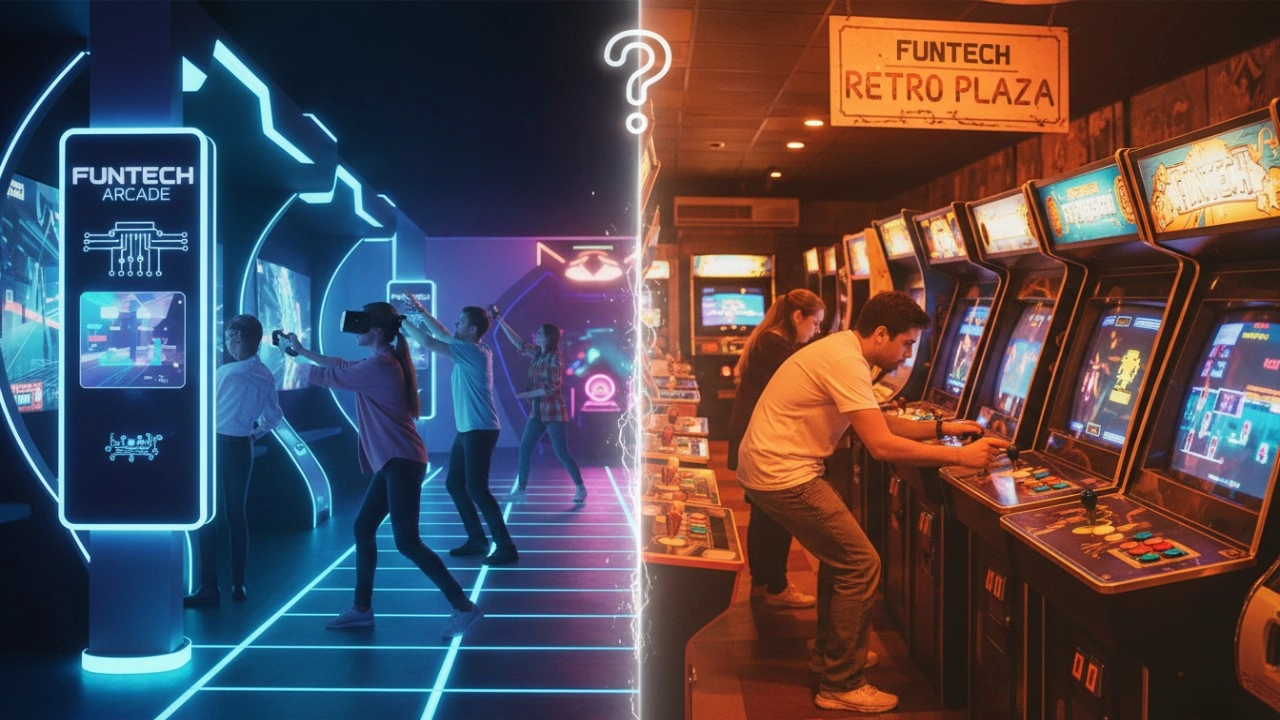
Interactive Sports Arcade vs Traditional Arcade Machines: Key Differences (2026 Guide)
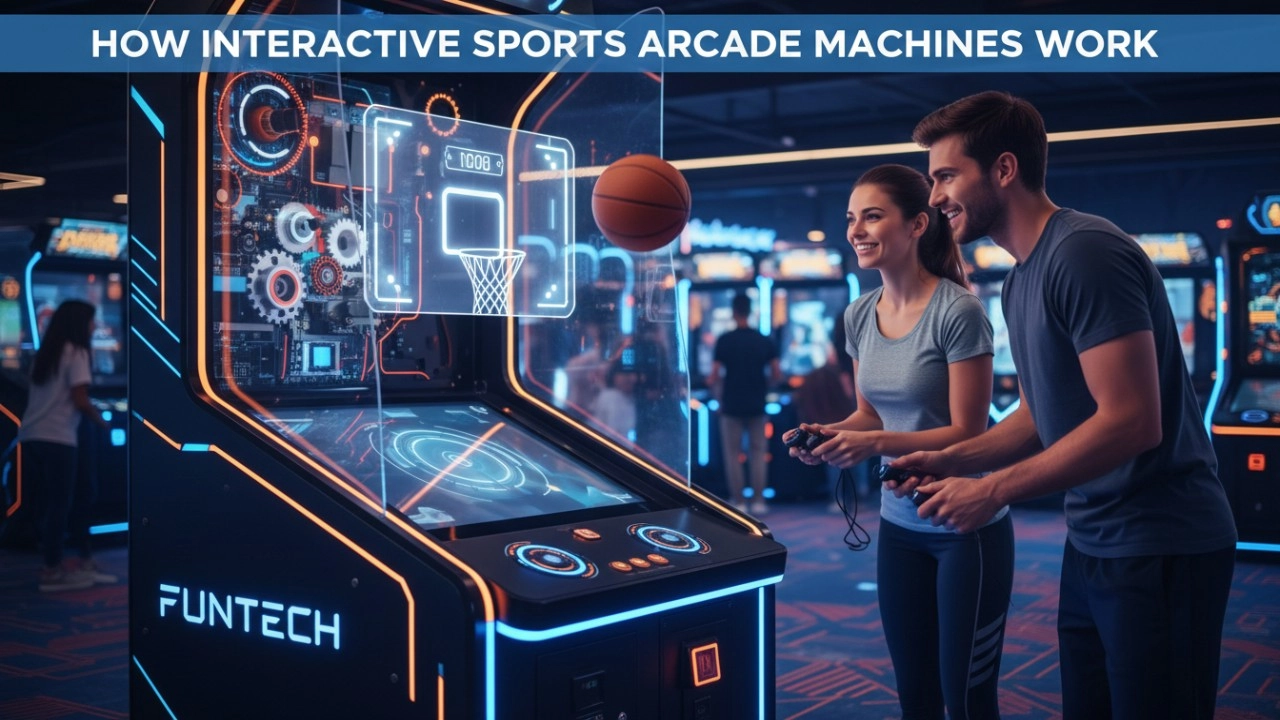
How Interactive Sports Arcade Machines Work (Sensors, Projection & AI) - 2026 Guide
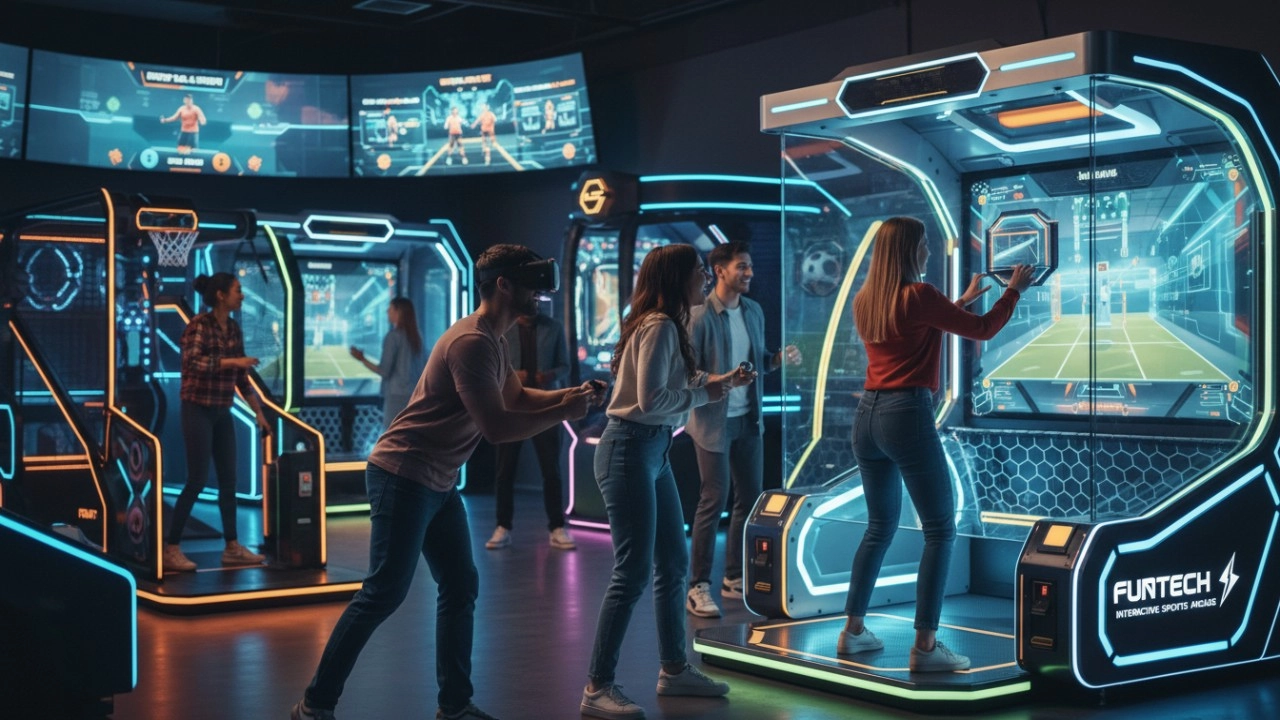
What Defines Interactive Sports Arcade Equipment in 2026?
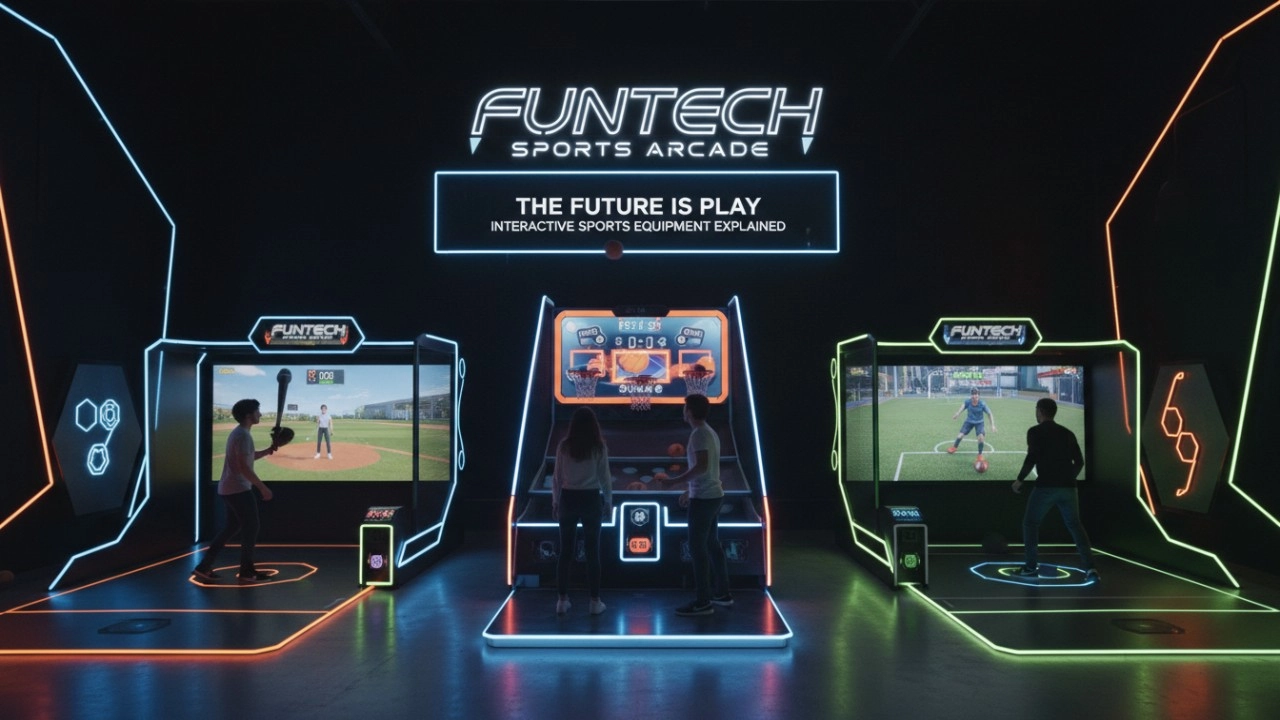
What Is Interactive Sports Arcade Equipment? Complete Beginner Guide (2026)
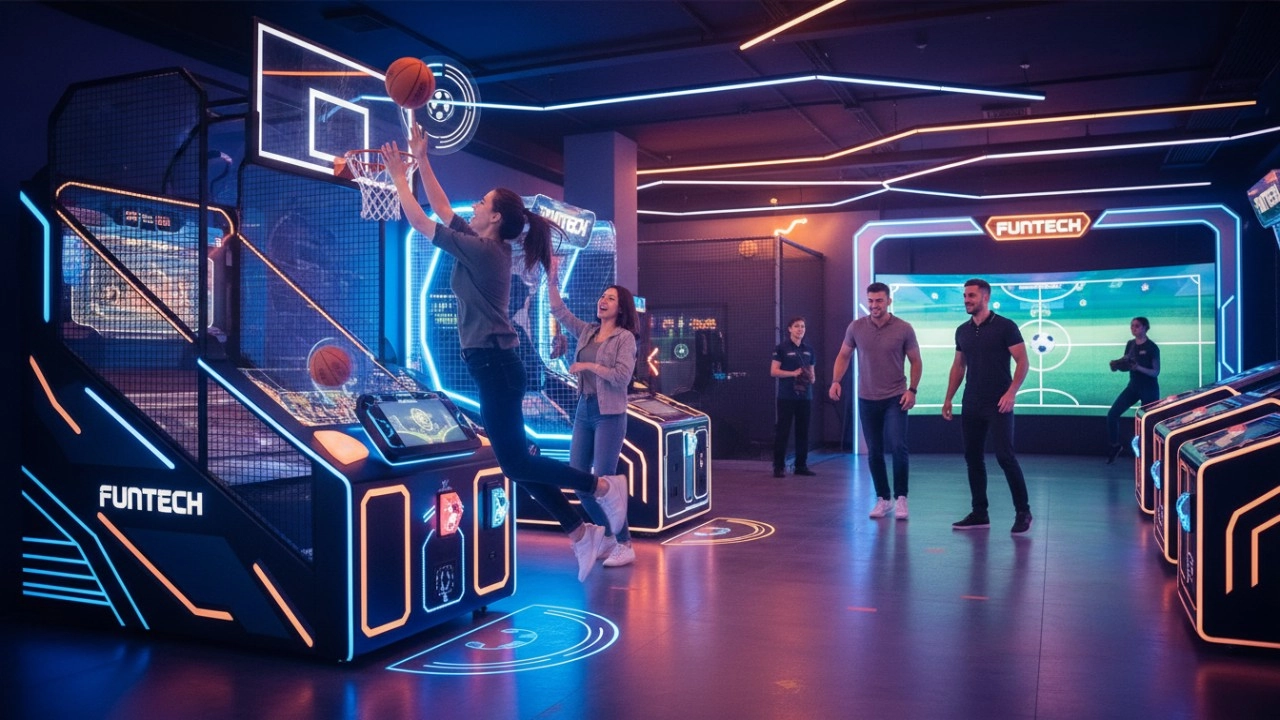
The Ultimate Guide to Interactive Sports Arcade Equipment for Commercial Entertainment (2026 Edition)
Infrared Shooting
What is the difference between purchasing equipment for commercial operations and personal training?
Commercial operations should consider the durability, ease of operation, and attractiveness of the equipment, and it is preferable to choose cool-looking equipment that can withstand high-frequency use.
Interactive Rollerball
What is the difference between purchasing equipment for commercial operations and personal training?
Commercial operations should consider the durability, ease of operation, and attractiveness of the equipment, and it is preferable to choose cool-looking equipment that can withstand high-frequency use.
How to attract customers when operating the program in shopping malls?
Create a cool venue decoration style and incorporate trendy elements, such as fluorescent light strips and anime-themed murals. o Launch diversified marketing models such as parent-child packages and couple packages, combined with time-limited promotional activities, such as half-price experience in the first three days of opening, to attract different groups of people such as families and couples to stop by and participate.
Football Simulator
Are there a lot of game modes in soccer simulation?
Very rich! There is a league mode which is exciting and can compete with players from all over the world, and there is also a leisure and fun game which is suitable for parents and children to share fun time, so as to satisfy the needs of different players.
Dart Machines Bar Dart Machines
How to reduce operating costs?
Starting with equipment procurement, choose cost-effective, durable and easy-to-maintain products, which can save money for subsequent maintenance. Reasonable arrangement of staff, reduce the number of staff on duty during off-peak hours, train staff to have multi-skills, such as being able to operate the equipment and guide customers part-time, so as to improve the efficiency of manpower and reduce the cost of manpower.
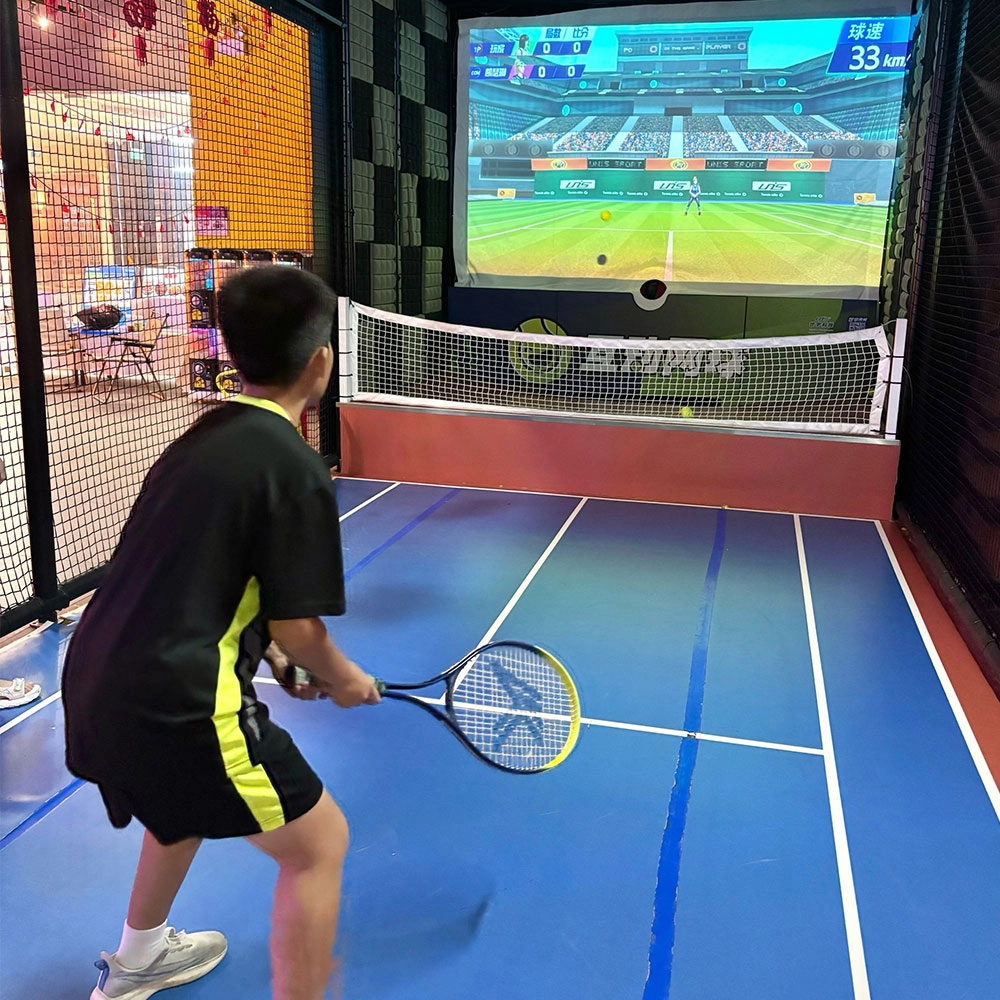
Indoor Tide Play Simulation Tennis Equipment
FUNTECH is full of fun and exciting playgrounds! With high-definition scene projection, force feedback racket, and intelligent scoring system, the simulated tennis equipment in the indoor arcade realizes immersive sports experiences and diversified interactive play, combining the advantages of safety and ease of use with high operational efficiency.
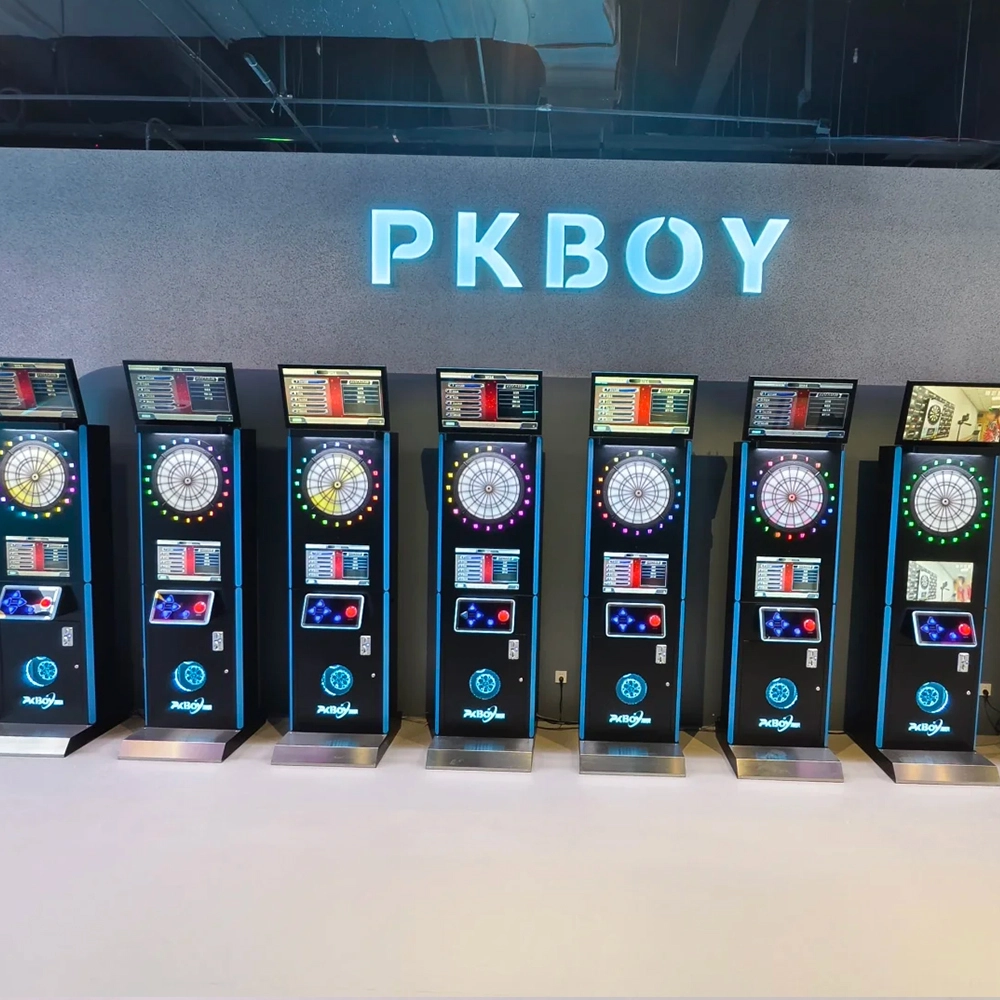
Dart Machines Bar Dart Machines
Joy Power is full of fun and excitement in the playground! The dart machine is suitable for all kinds of places, whether it is a bar, restaurant, KTV, or other entertainment venue, or a sports shop, club, or family leisure space, and can be perfectly adapted. In commercial venues, holding individual and team darts tournaments from time to time can attract more customers and increase the popularity and revenue of the venue, supplemented by various preferential activities, which can directly promote consumption and form a cycle of consumption of all the goods in the shop.
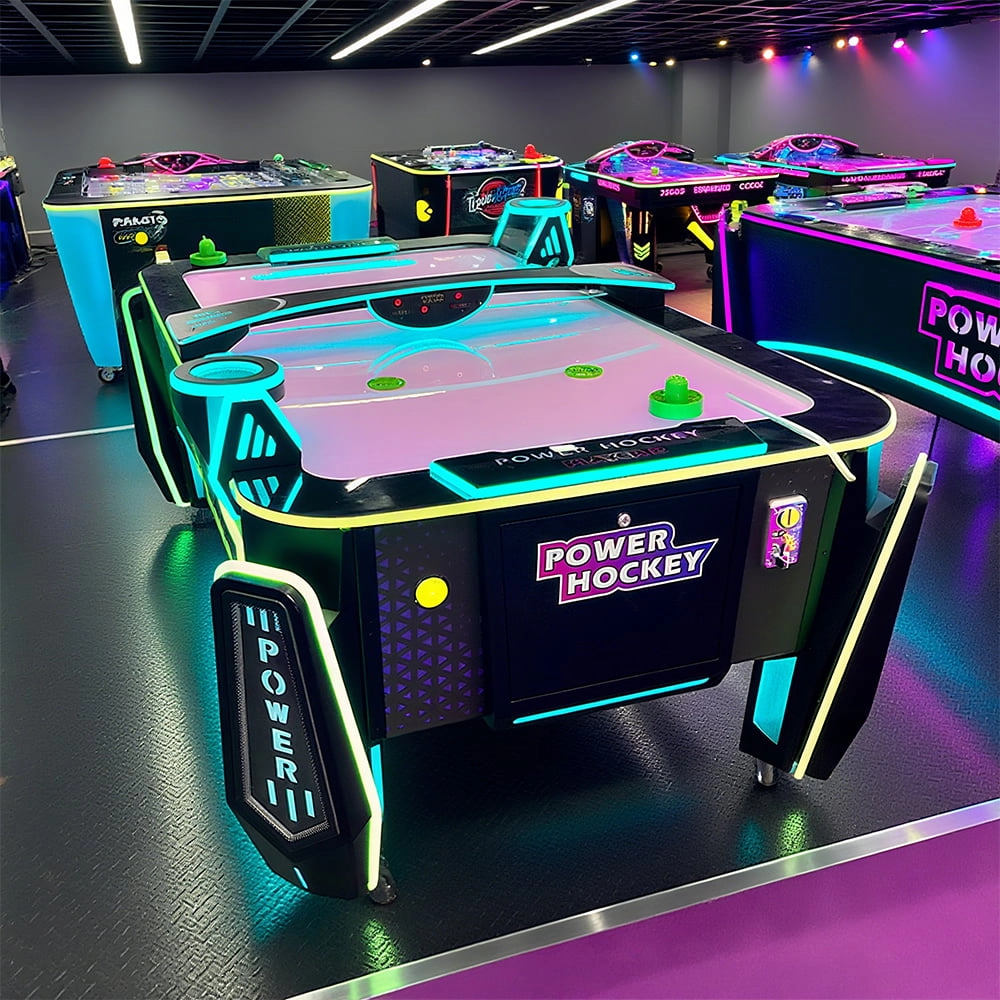
Arcade Hockey
FUNTECH is full of fun and exciting playgrounds! Air hockey, also known as air hockey, is a two-player competitive arcade game comprising a smooth, perforated playing surface, lightweight hockey sticks, a plastic puck, and an electronic scoreboard.
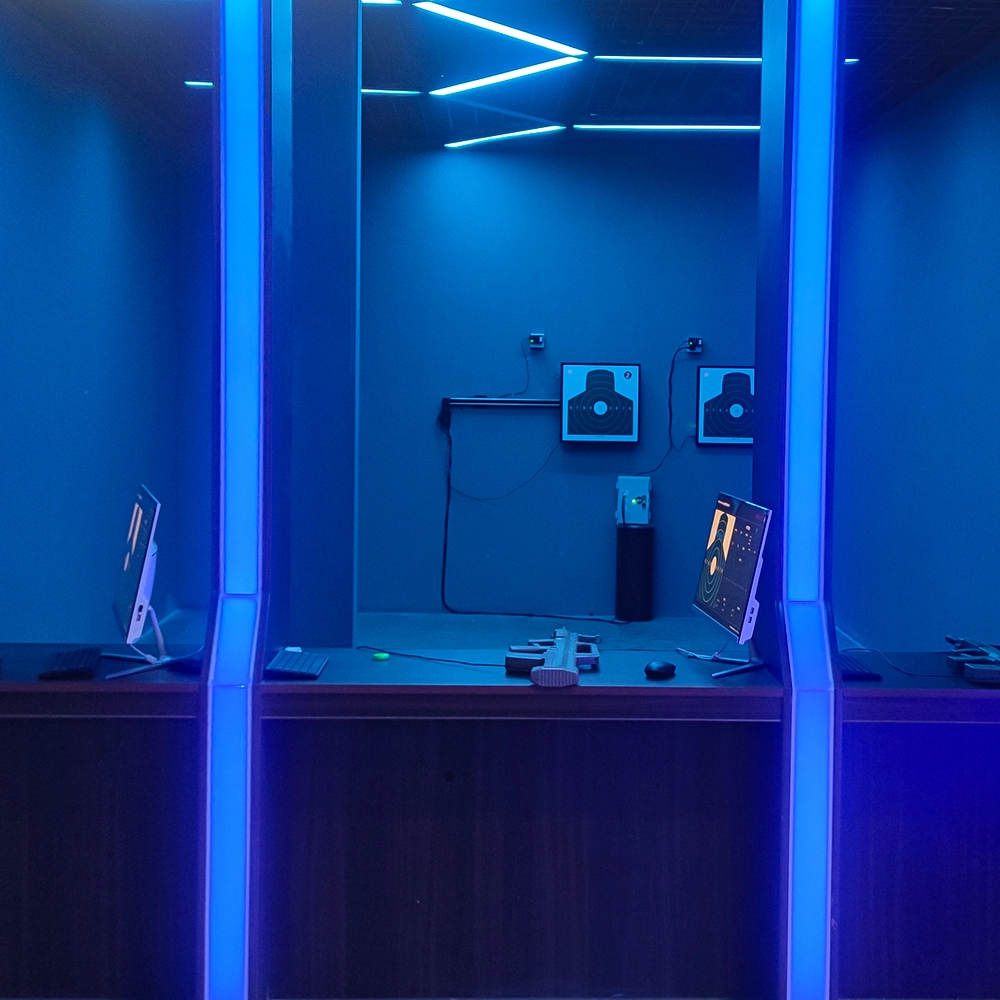
Infrared Shooting
Highly simulated simulation training analysis equipment, with advanced design concepts, fast system development, ease of operation and use, stable technical performance, less consumption of training, site dependence on a small group training is highly interesting, safe, and reliable, and other outstanding features. Product design to solve the basic skills of light weapons precision shooting as a starting point, to improve the safety of shooting training and training efficiency as the fundamental purpose, highlighting the simulation, information technology, and combat training requirements, can be in small indoor and outdoor venues and does not use live ammunition to complete the basic shooting training.
Ready to take your venue to the next level?
Leave us a message here, and our team will get back to you promptly.
Whether you're interested in custom orders, technical specifications, or partnership opportunities, we're here to assist you.
© 2025 FUNTECH ALL RIGHTS RESERVED

Weixia Lei
Fun_Tech-s
fun_tech20