
how much does a golf simulator cost? | FUNTECH Expert Guide
- Navigating the Investment: How Much Does a Golf Simulator Cost?
- What is the Typical Price Range for a Golf Simulator System?
- What are the Main Components Driving the Cost of a Golf Simulator?
- Are There Hidden or Recurring Costs Associated with Owning a Golf Simulator?
- How Does the Cost Vary for Commercial vs. Personal Golf Simulators?
- What is the Potential Return on Investment (ROI) for a Commercial Golf Simulator Installation?
- FUNTECH Advantages
Navigating the Investment: How Much Does a Golf Simulator Cost?
For businesses in the Digital Sports Entertainment sector, understanding the true cost of a golf simulator is paramount, especially when considering expansion or upgrading existing facilities. A golf simulator is a significant capital expenditure, but also a powerful revenue generator and customer retention tool. The investment can range dramatically, from a few thousand dollars for a basic setup to over $100,000 for a professional, commercial-grade installation. This guide will break down the key factors influencing these costs and address common questions for professional procurement.
What is the Typical Price Range for a Golf Simulator System?
The price spectrum for golf simulators is broad, reflecting varying levels of accuracy, features, and durability. Generally, we can categorize them into three tiers:
- Entry-Level Systems ($5,000 - $15,000): These setups typically feature basic photometric or radar-based launch monitors (e.g., SkyTrak, Mevo+), a simple hitting net or a budget enclosure, a consumer-grade projector, and basic software. While suitable for casual practice or personal use, their accuracy and durability may not meet the demands of commercial operations.
- Mid-Range Systems ($15,000 - $40,000): Moving up, these systems incorporate more advanced launch monitors (e.g., Uneekor QED/EYE XO, lower-tier Foresight GC series), sturdier enclosures with better impact screens, higher-lumen projectors (3,000-5,000 lumens), and more comprehensive software packages. These are often chosen by serious enthusiasts or smaller commercial venues seeking a balance between performance and cost.
- High-End / Commercial-Grade Systems ($40,000 - $100,000+): At the top tier, you find professional-grade systems designed for heavy commercial use in golf academies, pro shops, entertainment centers, and exclusive clubs. These integrate industry-leading launch monitors (e.g., Trackman, Foresight GCQuad, Uneekor EYE XO2), custom-built, durable enclosures, ultra-bright 4K projectors (5,000+ lumens), High Quality impact screens, and advanced software with extensive course libraries, swing analysis tools, and often, multi-user/tournament capabilities. Installation and room build-out costs (e.g., flooring, soundproofing, electrical) can add significantly to this tier.
What are the Main Components Driving the Cost of a Golf Simulator?
The total cost is a sum of its parts, with each component contributing significantly:
- Launch Monitor ($2,000 - $25,000+): This is the heart of the simulator and often the most expensive single component. Radar-based systems (like Trackman) excel outdoors and capture club data, while camera-based systems (like Foresight Sports, Uneekor) are highly accurate indoors, focusing on ball data and club impact. Prices vary widely based on accuracy, features, and brand reputation.
- Enclosure & Impact Screen ($2,000 - $15,000+): This includes the frame, walls, and the critical impact screen that projects the image and absorbs ball impact. Material quality, size, custom fabrication, and sound dampening all affect the price. Commercial setups require highly durable screens resistant to thousands of impacts.
- Projector ($500 - $5,000+): Lumens (brightness), resolution (1080p vs. 4K), and throw ratio (distance from projector to screen) are key differentiators. For commercial use, high-lumen (4,000+), short-throw, 4K projectors are often preferred for crisp, vibrant images even in well-lit environments.
- Software ($200 - $1,500/year or one-time fee): Simulator software provides the virtual courses, driving ranges, and analytical tools. Many popular platforms require annual subscriptions for access to full course libraries and online features.
- Computer ($1,000 - $3,000): A dedicated high-performance gaming PC with a robust graphics card is essential to run the demanding simulator software smoothly and render realistic graphics.
- Turf & Matting ($200 - $1,000+): A durable, high-quality hitting mat that mimics real turf is crucial for player comfort and injury prevention. Additional artificial turf for the entire bay can enhance the aesthetic and protect flooring.
- Installation & Room Build-out (Highly Variable, $0 - $20,000+): While DIY is possible for basic setups, professional installation is recommended for commercial venues to ensure safety, optimal calibration, and aesthetic integration. This can include electrical work, soundproofing, flooring, and custom cabinetry.
Are There Hidden or Recurring Costs Associated with Owning a Golf Simulator?
Beyond the initial purchase, businesses must budget for ongoing operational expenses:
- Software Subscriptions: Many High Quality software platforms (e.g., E6 CONNECT, The Golf Club 2019) operate on an annual subscription model for continued access to course libraries, updates, and online multiplayer features. These can range from $200 to $1,500 per year per bay.
- Maintenance & Replacements: Impact screens, hitting mats, and projector lamps (or laser modules for laser projectors) are wear-and-tear items that will eventually need replacement. An impact screen in a commercial setting might need replacing every 1-3 years depending on usage.
- Electricity: Operating a powerful PC, projector, and launch monitor incurs ongoing electricity costs.
- Insurance: Commercial liability insurance is a necessity for any business operating public golf simulators.
- Internet Connectivity: Reliable high-speed internet is essential for software updates, online play, and remote support.
How Does the Cost Vary for Commercial vs. Personal Golf Simulators?
The primary difference lies in durability, accuracy requirements, and anticipated usage:
- Personal Use: Individuals often prioritize budget and space. They might opt for portable launch monitors and hitting nets, or a dedicated but less robust home setup. The emphasis is on convenience and fun, with less concern for extreme accuracy or heavy daily use.
- Commercial Use: For businesses, the simulator is a revenue-generating asset. This necessitates a higher investment in robust, highly accurate, and durable components designed to withstand continuous, high-volume use. Features like advanced swing analysis for lessons, league management, and seamless integration with booking systems become crucial. The higher initial outlay is justified by the potential for significant ROI, enhanced customer experience, and business differentiation.
What is the Potential Return on Investment (ROI) for a Commercial Golf Simulator Installation?
For Digital Sports Entertainment businesses, a golf simulator is an investment in revenue generation and customer engagement. The ROI potential is significant:
- Diverse Revenue Streams: Commercial simulators generate income through hourly rentals (typically $30-$70 per hour), membership fees, golf lessons, club fittings, leagues, tournaments, and even corporate events. Many facilities also see increased sales in food, beverages, and merchandise.
- Increased Foot Traffic: Simulators attract golfers during off-seasons, inclement weather, and evenings, diversifying your customer base and maximizing facility utilization year-round.
- Enhanced Offering: For golf clubs, gyms, or entertainment venues, a simulator adds a High Quality, year-round amenity that differentiates your business from competitors.
- Marketing & Branding: High-quality simulators can be a powerful marketing tool, drawing attention and enhancing FUNTECH's image as a modern, innovative facility.
- Payback Period: While highly dependent on pricing strategy, location, marketing, and operational efficiency, many well-managed commercial golf simulator businesses report achieving ROI and breaking even within 1 to 3 years. For example, a single bay rented at an average of $45/hour for just 4 hours a day, 5 days a week, generates over $46,000 annually. Multiple bays dramatically increase this potential.
Investing in a golf simulator is a strategic move that can significantly enhance your business's appeal and profitability. Careful consideration of your specific needs, budget, and long-term goals will ensure a successful integration into your Digital Sports Entertainment offering.
FUNTECH Advantages
As you navigate the complexities of golf simulator procurement, consider FUNTECH as your strategic partner. Our advantages include:
- Comprehensive Solutions: FUNTECH offers end-to-end solutions, from cutting-edge hardware and realistic software to professional installation and dedicated post-sales support.
- Scalability: Whether you require a single high-performance bay or a multi-unit commercial golf entertainment complex, FUNTECH provides scalable systems tailored to your space and business model.
- Cutting-Edge Technology: We integrate industry-leading launch monitors and high-definition projection systems to deliver unparalleled accuracy and immersive visual experiences, critical for professional golf analysis and engaging entertainment.
- Durability & Reliability: Designed for heavy commercial use, FUNTECH systems are built with robust, long-lasting components, minimizing downtime and maximizing operational efficiency.
- Strong ROI Focus: FUNTECH understands the commercial imperative. Our systems are engineered to maximize revenue streams, attract diverse clientele, and deliver a rapid return on your investment.
- Customization: We work closely with clients to design bespoke simulator environments that perfectly fit their architectural constraints, branding, and user experience goals.
- Expert Support & Training: Our team provides extensive training and ongoing technical support, ensuring your staff are proficient and your simulators operate flawlessly.
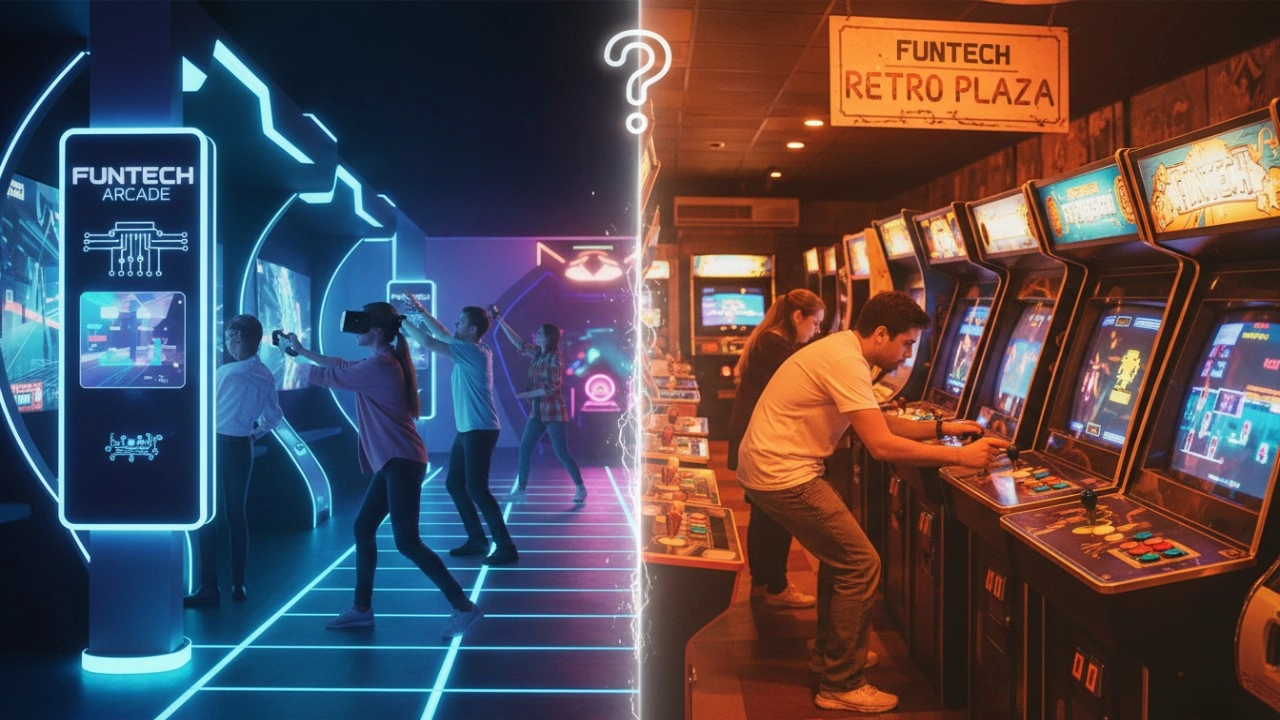
Interactive Sports Arcade vs Traditional Arcade Machines: Key Differences (2026 Guide)
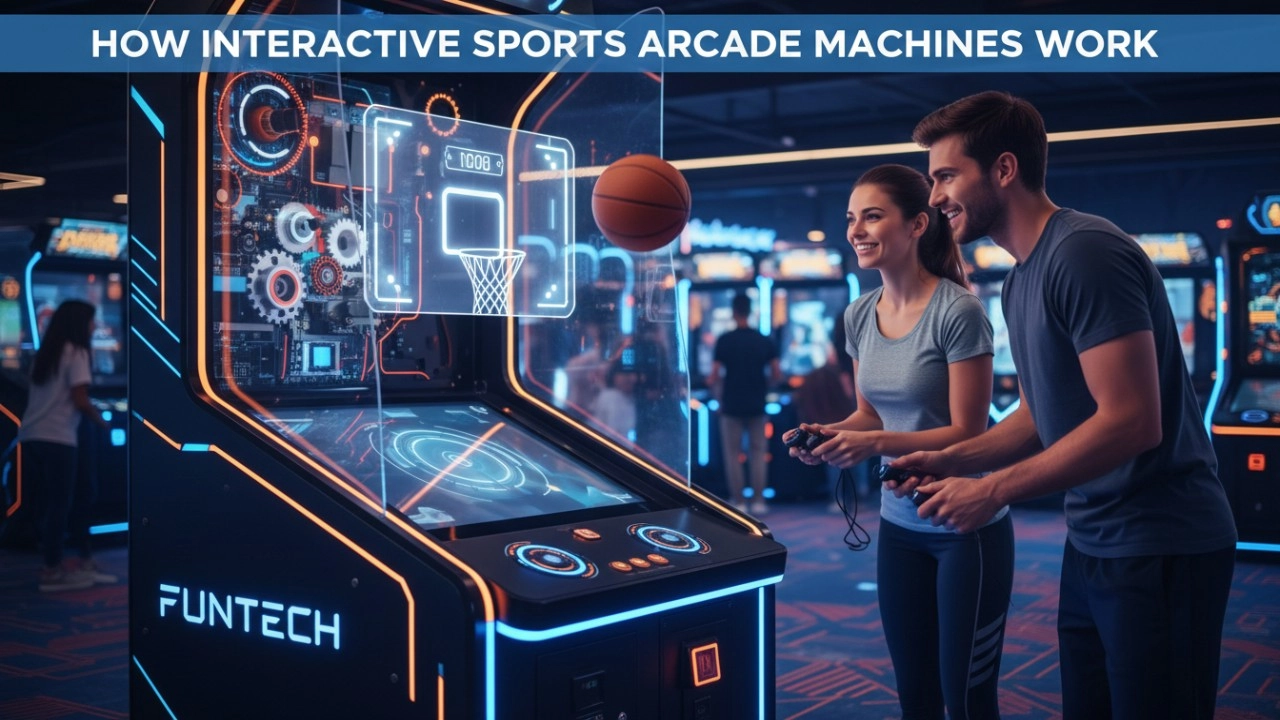
How Interactive Sports Arcade Machines Work (Sensors, Projection & AI) - 2026 Guide
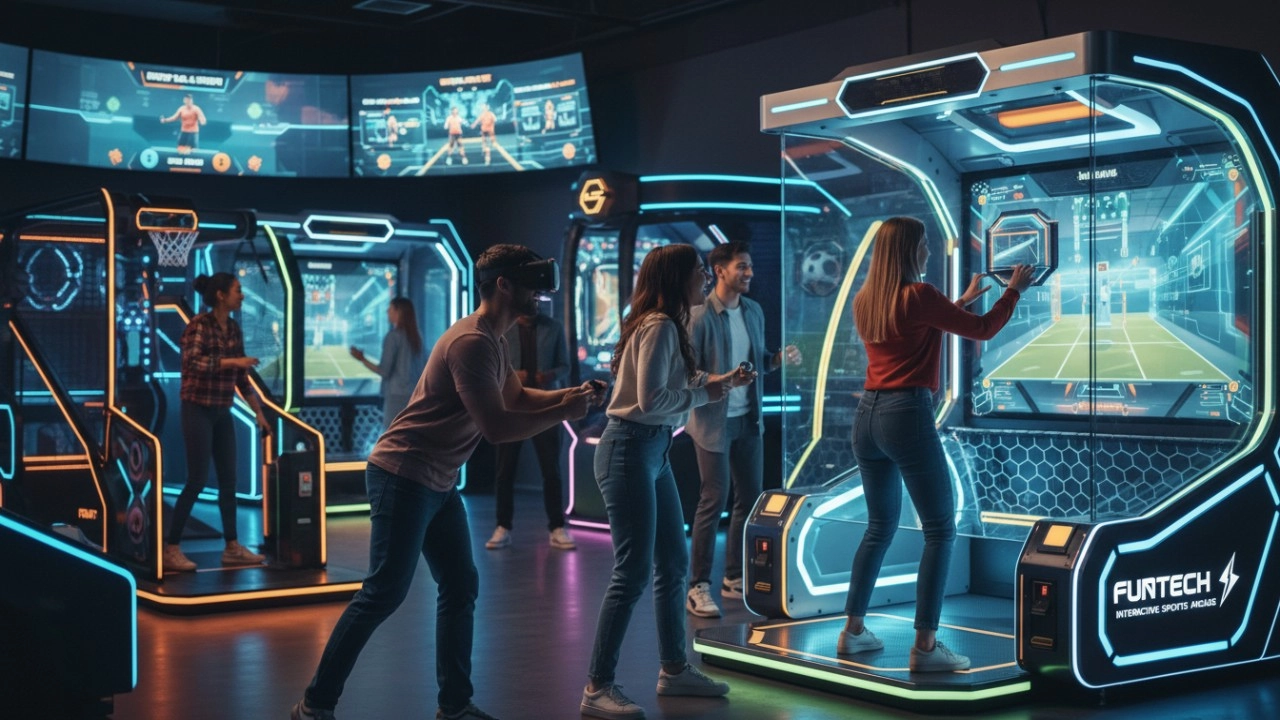
What Defines Interactive Sports Arcade Equipment in 2026?
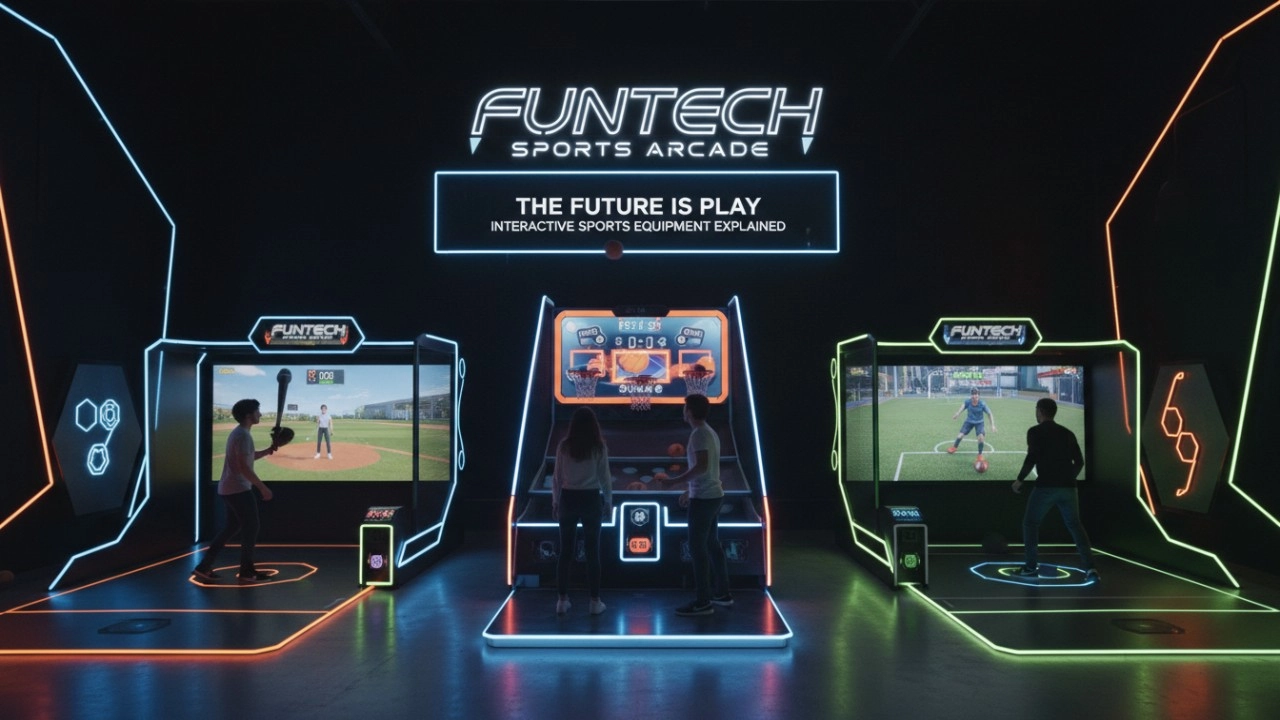
What Is Interactive Sports Arcade Equipment? Complete Beginner Guide (2026)
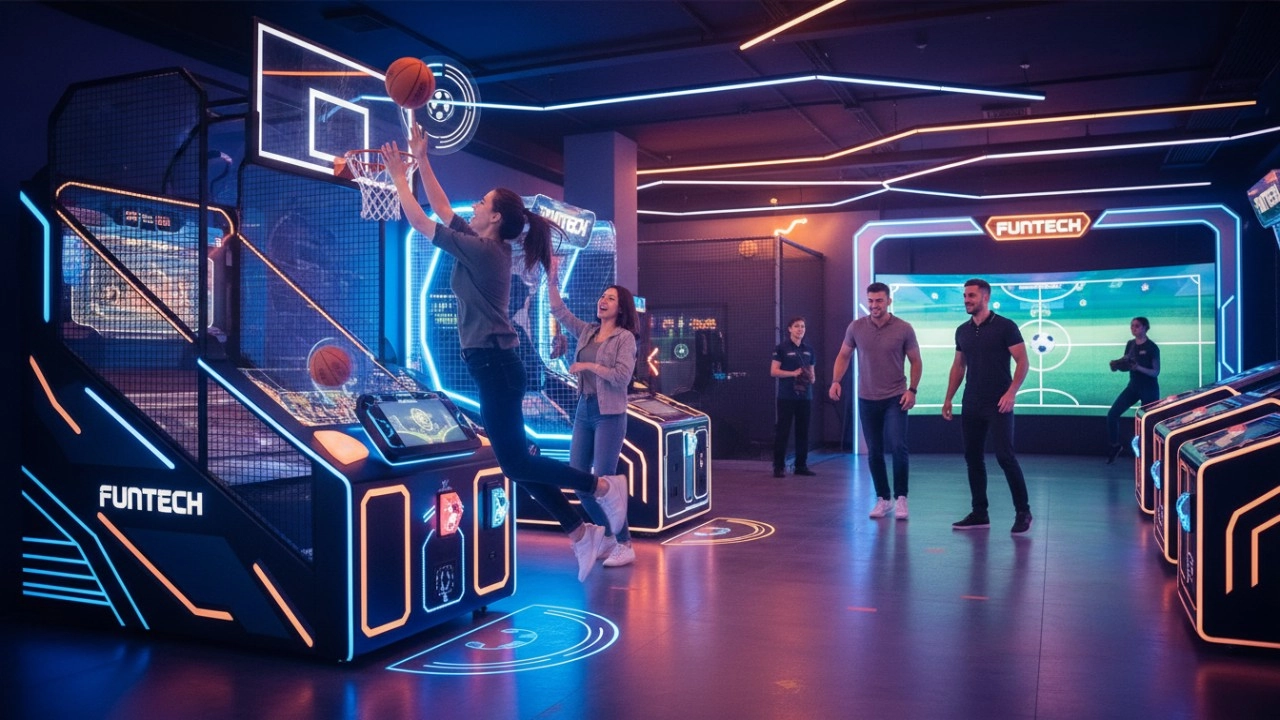
The Ultimate Guide to Interactive Sports Arcade Equipment for Commercial Entertainment (2026 Edition)
Holographic Light and Shadow Restaurant
What is the principle of holographic projection?
Firstly, during the recording process, a reference light and an object light are simultaneously irradiated onto the object, causing interference between the two beams. The intensity and phase information of the object are recorded on the photosensitive material, forming a hologram. Then, during the reproduction process, the hologram is illuminated with the same beam of light as the reference light, and the hologram acts like a complex diffraction grating, causing the light to diffract and thus reproducing the three-dimensional image of the object.
Products
How often does moving target archery equipment require maintenance?
Under daily use, for equipment that is used less frequently, 1-3 times per week, simple cosmetic cleaning and functional checks can be performed after each use. A more comprehensive maintenance should be carried out every 2-4 weeks, including disassembling some parts for cleaning and checking the accuracy of the aiming system.
Infrared Shooting
What is the difference between purchasing equipment for commercial operations and personal training?
Commercial operations should consider the durability, ease of operation, and attractiveness of the equipment, and it is preferable to choose cool-looking equipment that can withstand high-frequency use.
Football Simulator
What is the biggest difference between simulation soccer and traditional soccer?
Simulation soccer through digital technology on the screen to present soccer, not subject to site, weather restrictions, players can participate at any time and anywhere, but also with the handle, somatosensory equipment and other controls, experience a variety of modes. Traditional soccer requires real venues and multiple participants, and is greatly affected by environmental factors.
Interactive Rollerball
How often does the equipment require maintenance?
For daily use, simple monthly maintenance, such as simple cosmetic cleaning and function checking after use, is sufficient. A more comprehensive quarterly maintenance is sufficient.
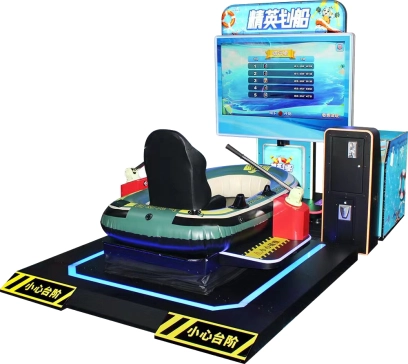
FUNTECH Interactive Indoor Rowing Simulator - Commercial Digital Sports Machine with AI Competition
A brand-new rowing simulation competitive game, operating on a single machine station, supports player interaction and competition with 3 AI opponents. The station is equipped with the latest rowing equipment, enabling players to experience realistic rowing operation. The competition process is relaxed and fun, while also providing fitness exercise benefits.
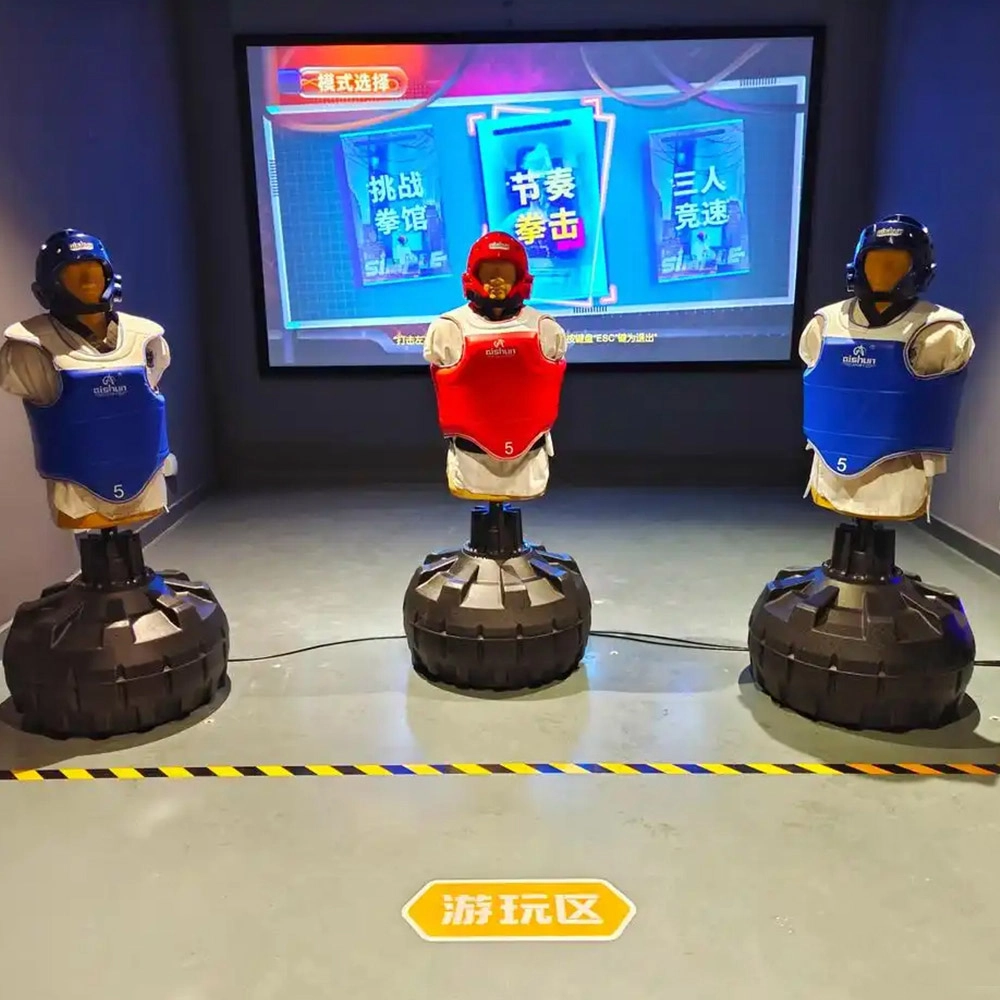
Indoor Boxing Equipment
FUNTECH is full of fun and exciting playgrounds! The indoor boxing simulation equipment combines pressure-sensitive boxing gloves with dynamic projection scenes, combining sports and fitness with entertainment and competitive attributes, supporting single-player training and two-player sparring modes, and accurately recording hitting data and generating sports reports, making it suitable for all-age experiences and safe and low-loss.
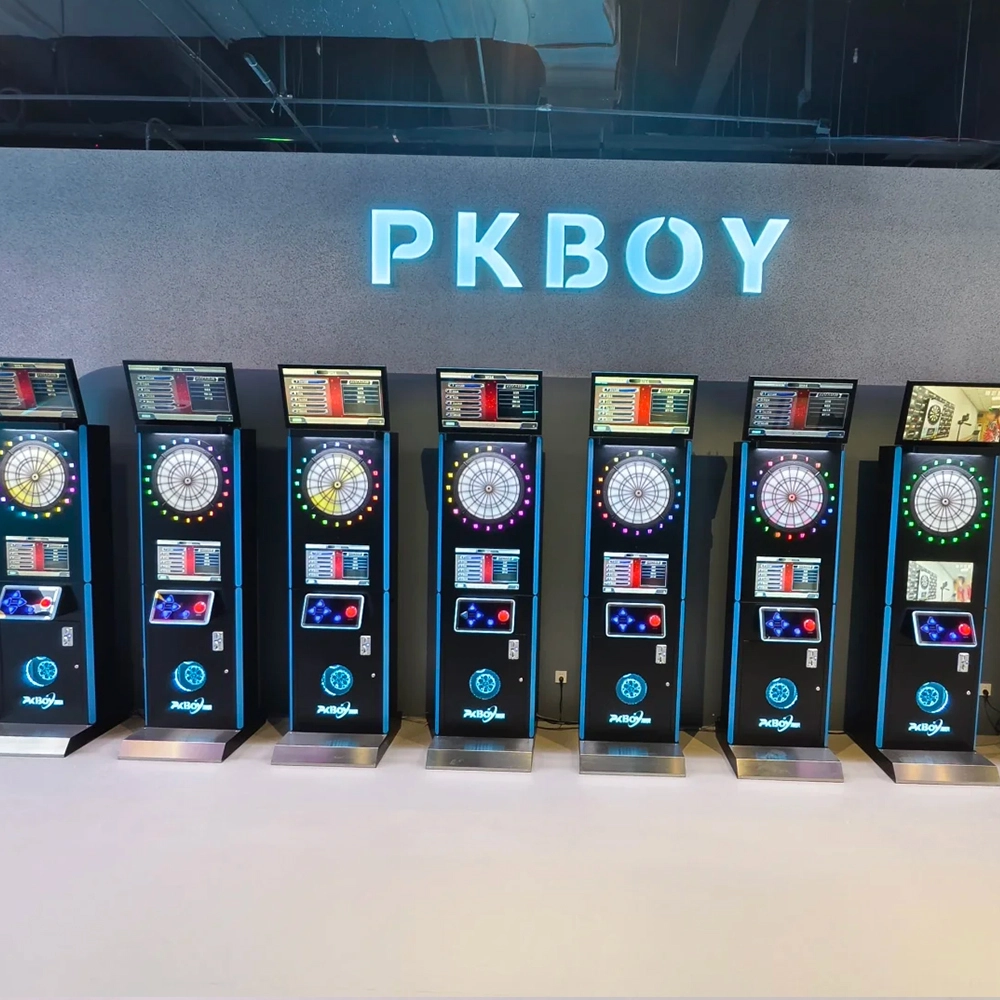
Dart Machines Bar Dart Machines
Joy Power is full of fun and excitement in the playground! The dart machine is suitable for all kinds of places, whether it is a bar, restaurant, KTV, or other entertainment venue, or a sports shop, club, or family leisure space, and can be perfectly adapted. In commercial venues, holding individual and team darts tournaments from time to time can attract more customers and increase the popularity and revenue of the venue, supplemented by various preferential activities, which can directly promote consumption and form a cycle of consumption of all the goods in the shop.
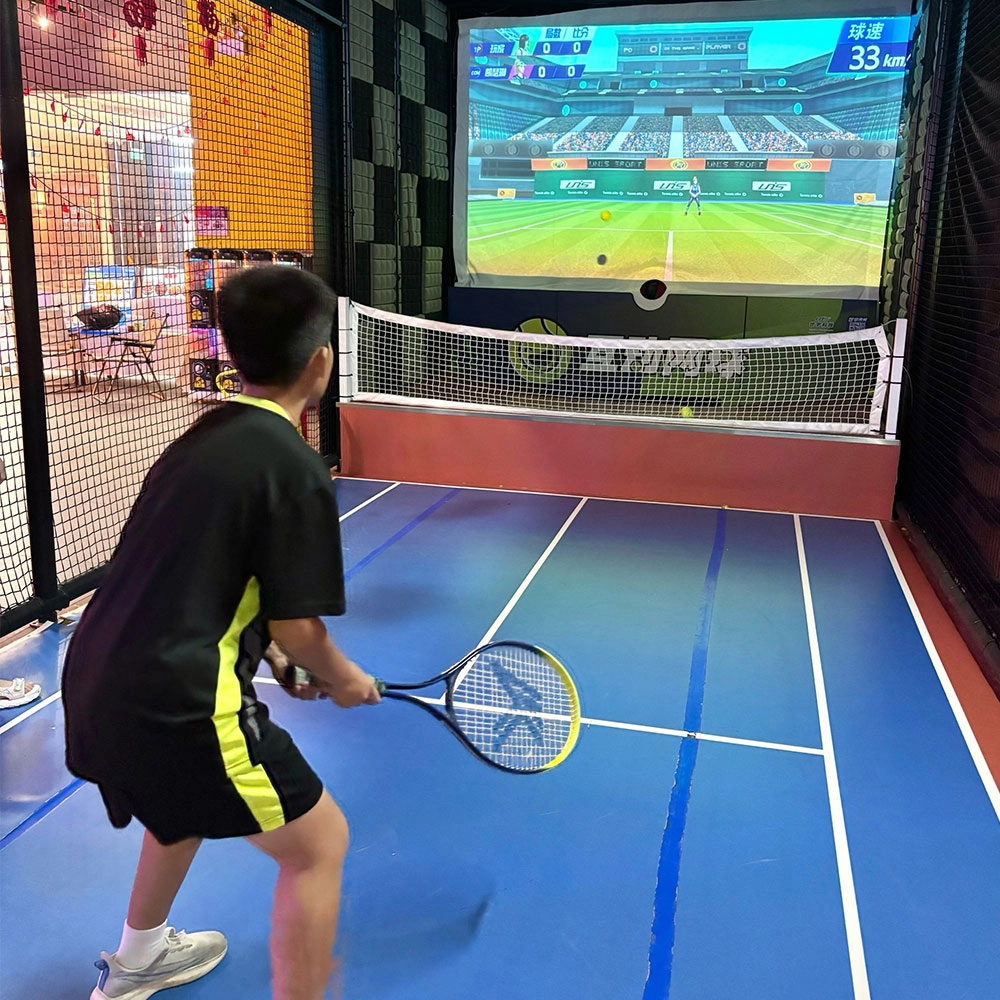
Indoor Tide Play Simulation Tennis Equipment
FUNTECH is full of fun and exciting playgrounds! With high-definition scene projection, force feedback racket, and intelligent scoring system, the simulated tennis equipment in the indoor arcade realizes immersive sports experiences and diversified interactive play, combining the advantages of safety and ease of use with high operational efficiency.
Ready to take your venue to the next level?
Leave us a message here, and our team will get back to you promptly.
Whether you're interested in custom orders, technical specifications, or partnership opportunities, we're here to assist you.
© 2025 FUNTECH ALL RIGHTS RESERVED

Weixia Lei
Fun_Tech-s
fun_tech20