
how does interactive floor projection work? | FUNTECH Expert Guide
- Unveiling the Mechanics: How Do Interactive Floor Projection Systems Function?
- The Brains Behind the Interaction: Sensor Technologies and Responsiveness
- Tailoring Experiences: Content Creation, Customization, and Integration
- Beyond the Image: Critical Hardware Specifications and Environmental Considerations
- Ensuring Longevity: Maintenance, Durability, and Ongoing Support
Unveiling the Mechanics: How Do Interactive Floor Projection Systems Function?
Interactive floor projection systems, a cornerstone of modern digital sports entertainment, seamlessly blend physical space with digital interactivity. At their core, these systems comprise four main components:
- The Projector: This is the visual engine, projecting dynamic images, games, or information onto the floor surface. High-lumen, often short-throw, projectors are crucial for creating bright, clear visuals in varied lighting conditions and minimizing shadows.
- The Sensor System: This is the 'eye' of the system, detecting user movements and interactions. Common sensor technologies include infrared (IR) cameras, depth sensors (like LiDAR or structured light sensors), or even pressure-sensitive mats. These sensors capture real-time data about where and how users are interacting with the projected content.
- The Computer/Processing Unit: Acting as the 'brain', this powerful PC or embedded system receives data from the sensors, processes it according to pre-programmed logic, and sends commands back to the projector. It runs the specialized software that manages the interactive content.
- The Interactive Software: This is the 'intelligence' that defines the experience. It contains the interactive applications, games, or visual effects. The software interprets sensor input, triggers corresponding visual and audio responses, and manages the overall user experience.
The process flow is rapid and continuous: The projector displays an image; a user steps or moves within the projected area; the sensor detects this interaction; the data is sent to the computer; the software interprets the interaction (e.g., a foot press triggers a ripple effect); and the computer commands the projector to update the image in real-time, creating a fluid, responsive experience. This entire loop often completes in milliseconds, providing the instant feedback critical for engaging digital sports activities.
The Brains Behind the Interaction: Sensor Technologies and Responsiveness
For digital sports and entertainment, responsiveness is paramount. Lag or inaccuracy can quickly diminish user engagement. Advanced interactive floor projection systems leverage sophisticated sensor technologies to ensure pinpoint accuracy and ultra-low latency:
- Infrared (IR) Cameras: Widely used for detecting motion and presence. IR cameras track changes in the infrared light reflected from the user, allowing for precise detection of movement across the entire projected surface. Multiple cameras can be used for larger areas.
- Depth Sensors (e.g., LiDAR, Structured Light): These provide a more granular understanding of interaction by creating a 3D map of the environment. Technologies like those found in Microsoft Kinect (though no longer produced, the principle is relevant) or more advanced LiDAR sensors can detect not just presence but also gestures, height, and even multiple simultaneous users with high precision. This is crucial for applications requiring complex interactions like virtual sports training or multi-player games.
- Pressure Sensors (less common for large areas): While less prevalent for large-scale floor projections due to installation complexity, pressure mats can offer highly accurate point-of-contact detection for specific, smaller interactive zones.
The key to responsiveness lies not only in the sensor hardware but also in the accompanying software algorithms. These algorithms rapidly process sensor data, filter out noise, and translate raw input into meaningful interactions, ensuring that every movement, jump, or step translates into an immediate and accurate on-screen response. Systems designed for sports will also support multi-user interaction seamlessly, allowing several participants to engage simultaneously without interference.
Tailoring Experiences: Content Creation, Customization, and Integration
A core differentiator for any interactive projection system is its content capabilities. For repeat customers in sports entertainment, the ability to refresh or customize experiences is vital for sustained engagement. Modern systems offer:
- Extensive Content Libraries: Providers often supply a rich library of pre-built games, visual effects, and educational content. These are typically designed to be engaging out-of-the-box and can often be configured (e.g., change colors, add logos).
- SDKs and Development Tools: For deeper customization, many professional systems provide Software Development Kits (SDKs). These allow developers to create entirely new interactive applications using popular game engines like Unity or Unreal Engine, or custom programming languages. This empowers venues to design bespoke sports challenges, branded interactive advertising, or unique thematic experiences.
- Content Management Systems (CMS): A user-friendly CMS is essential for non-technical staff to easily switch between applications, schedule content, upload custom images/videos, and manage playlists. This ensures operational efficiency and keeps the experience fresh.
- Integration Capabilities: Advanced systems can integrate with external data sources. For example, in a sports setting, projected content could respond to real-time scores from a scoreboard system, display player statistics, or even link to social media feeds to enhance the fan experience. API access is often available for such integrations.
Beyond the Image: Critical Hardware Specifications and Environmental Considerations
When investing in interactive floor projection for demanding environments like sports facilities or entertainment centers, a deep understanding of hardware specifications and environmental factors is crucial for optimal performance and longevity:
- Projector Specifications:
- Lumens (Brightness): For well-lit sports venues, a high lumen count (e.g., 5,000 to 15,000+ ANSI lumens) is critical to ensure visibility and vibrancy of the projected image against ambient light.
- Resolution: Full HD (1920x1080) is standard, but 4K (3840x2160) projectors are increasingly adopted for superior detail and sharpness, enhancing the immersive quality, especially for large projection areas.
- Throw Ratio: Short-throw or ultra-short-throw projectors are preferred for floor projections as they can be mounted close to the projection surface, minimizing shadows cast by users.
- Light Source: Laser projectors offer longer lifespan (20,000+ hours), instant on/off, and consistent brightness compared to traditional lamp-based projectors, reducing maintenance and operational costs.
- Processing Unit (PC) Specifications: A robust industrial-grade PC with a powerful CPU (e.g., Intel i7/i9 or equivalent AMD), dedicated high-end GPU (e.g., NVIDIA RTX series), ample RAM (16GB+), and fast SSD storage is essential to handle complex interactive software, high-resolution content, and real-time sensor data processing without lag.
- Environmental Factors:
- Lighting: While high-lumen projectors help, controlling ambient light (e.g., dimmable lights, avoiding direct sunlight) will always yield the best projection quality and contrast.
- Floor Surface: A light-colored, matte, non-reflective surface is ideal for projection. Smooth, durable surfaces that can withstand heavy foot traffic are paramount. Specialized projection mats or coatings can also be used.
- Installation Height & Stability: Projectors and sensors must be securely mounted at optimal heights to cover the desired area and prevent accidental misalignment or damage. Ceiling mounts or sturdy truss systems are common.
- Temperature & Ventilation: Adequate ventilation is critical for projector and PC longevity, especially in enclosed spaces or areas with high foot traffic generating heat.
Ensuring Longevity: Maintenance, Durability, and Ongoing Support
For B2B buyers, particularly in high-usage environments like digital sports arenas, understanding the long-term cost of ownership, durability, and available support is as important as the initial purchase:
- Maintenance Requirements:
- Projector: Regular cleaning of air filters (for lamp-based projectors) or optical components. For laser projectors, maintenance is significantly reduced.
- Sensors: Occasional cleaning of sensor lenses to ensure clear detection.
- Software: Regular software updates and patches are crucial for security, performance enhancements, and new feature rollouts. Calibration checks for sensor alignment may also be needed periodically.
- Durability:
- Systems designed for commercial use employ industrial-grade components built for continuous operation (e.g., 24/7).
- Protective enclosures for projectors and sensors can shield them from dust, impact, and tampering.
- If integrated directly into the floor, a robust, tempered glass or polycarbonate surface will protect the projection and sensor hardware from foot traffic.
- Expected Lifespan: High-quality laser projectors can last 20,000+ hours, significantly reducing replacement cycles. The computer and sensor components are generally designed for extended continuous operation, often exceeding 5-7 years with proper maintenance.
- Ongoing Support:
- Technical Support: Access to responsive technical support is vital for troubleshooting, remote diagnostics, and resolving any operational issues quickly.
- Warranty: Comprehensive warranties on hardware and software provide peace of mind.
- Spare Parts & Service: Availability of spare parts and clear service procedures ensures minimal downtime.
- Training: Initial and ongoing training for your staff on system operation and basic troubleshooting is highly beneficial.
Partner with FUNTECH for Your Next Interactive Floor Projection System
When it comes to elevating your digital sports entertainment offerings, choosing the right technology partner is crucial. FUNTECH stands at the forefront of interactive projection solutions, providing robust, high-performance systems specifically designed for demanding commercial environments. Our advantages include:
- Industrial-Grade Reliability: FUNTECH systems feature components engineered for continuous, heavy usage, ensuring maximum uptime and durability in high-traffic venues.
- Cutting-Edge Sensor Technology: We employ advanced, low-latency sensor arrays that guarantee unparalleled accuracy and responsiveness, crucial for dynamic sports interactions and multi-user engagement.
- Rich & Customizable Content: Beyond an extensive library of engaging sports-themed games and effects, FUNTECH provides a flexible SDK and user-friendly CMS, empowering you to create unique, branded experiences that keep customers coming back.
- Optimized Performance: Our solutions are meticulously designed with high-lumen laser projectors and powerful processing units to deliver vivid, immersive visuals even in challenging lighting conditions.
- Comprehensive Support: From expert installation guidance to responsive post-sales technical assistance and regular software updates, FUNTECH is committed to ensuring your investment delivers long-term value and seamless operation.
Choose FUNTECH for an interactive floor projection system that not only captivates but also delivers unwavering performance and reliability.
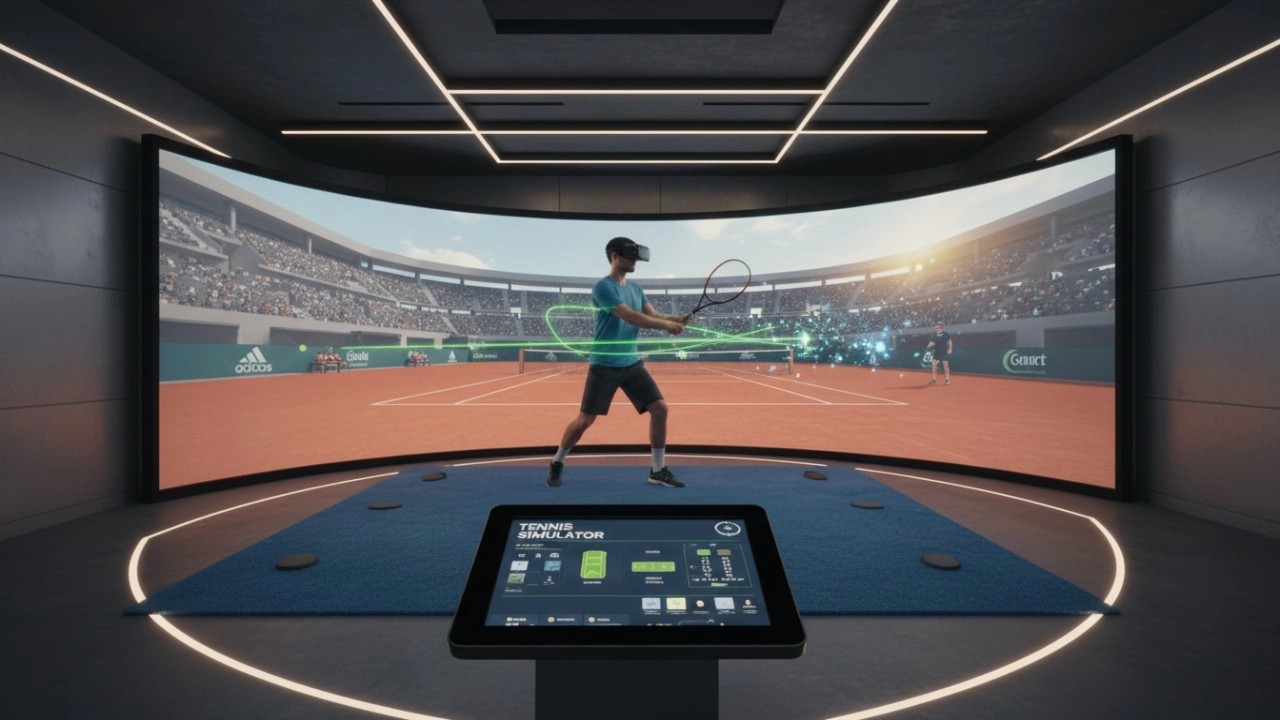
7 Reasons to Add a Tennis Simulator to Your Entertainment Venue Instead of Traditional Training Models (2026 Guide)
The 2026 Dart Machine Revenue Playbook: Boosting Mid-Week Sales by 30%-40% with Competitive Socializing
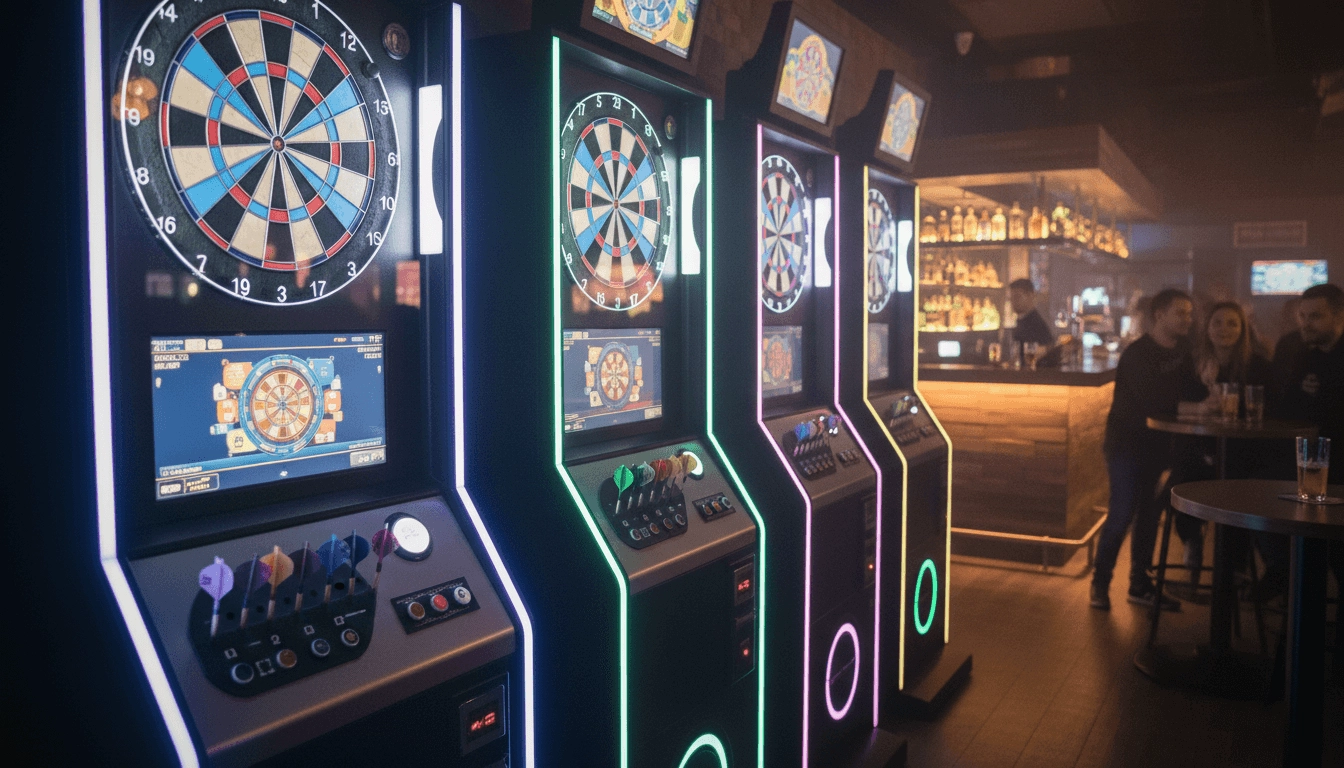
Redefining Competitive Socializing: Ultimate Guide to Selecting an Intelligent Dart Machine 2026
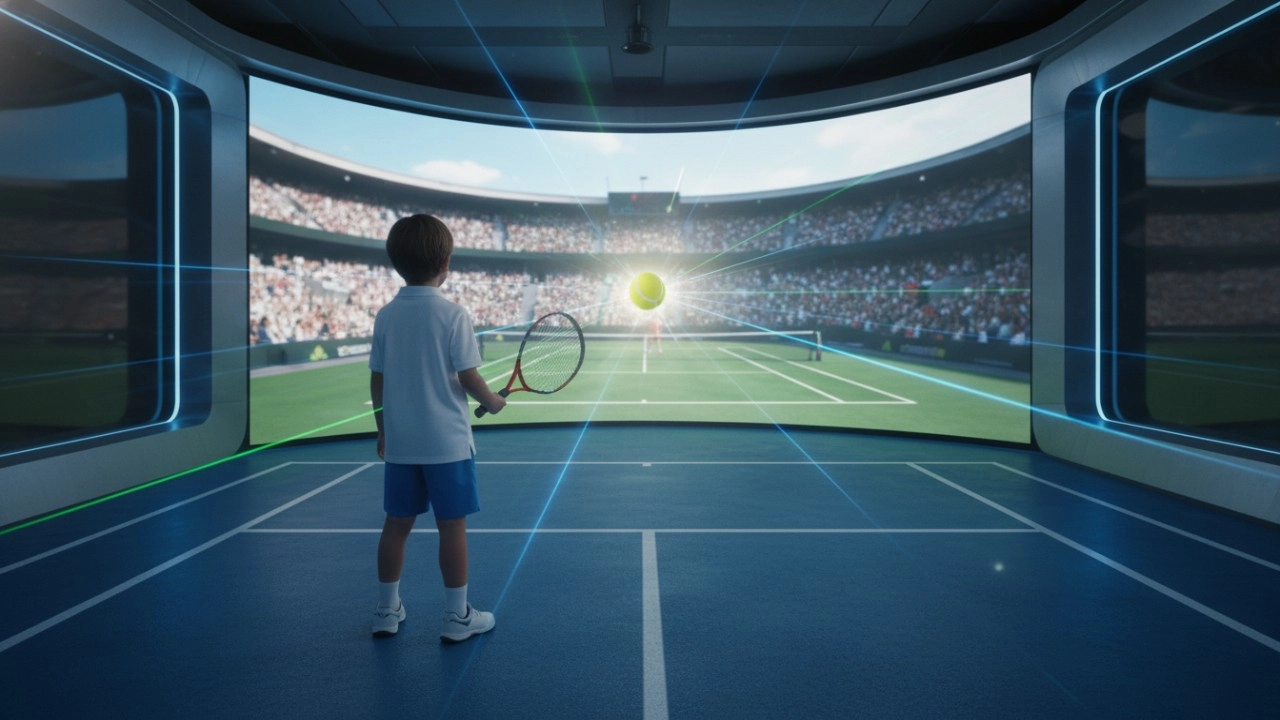
Tennis Simulators in 2026: The Ultimate Guide to Virtual Courts and Advanced Training

Top 15 Dart Machine Manufacturers in 2026
Products
What are the after-sales services after purchasing the equipment?
Generally, a 1-year warranty is provided. During the warranty period, parts damaged due to quality problems, such as motor failure, display problems, etc., will be repaired or replaced free of charge. There will also be technical support, including equipment installation and debugging guidance, operation training, to ensure the smooth use of the user, after-sales response time is usually within 24 - 48 hours.
What is the most reasonable pricing for a mobile target archery program in a commercial setting?
If it is in shopping malls, scenic spots, and other places with high traffic flow, you can refer to the prices of similar entertainment programs in the surrounding area and combine them with your own costs, charging from $30 - $80 for a single session for a single person. If it is in a professional sports arena, for members or long-term training customers, packages can be introduced, such as monthly card 300 - 500 yuan, seasonal card 800 - 1200 yuan, according to different length and service content reasonable pricing.
Holographic Light and Shadow Restaurant
What are the application scenarios of holographic projection?
Holographic projection has a wide range of applications in multiple fields. In the commercial field, it can be used for product display, advertising promotion, stage performances, etc., such as three-dimensional product display in shopping malls and virtual singer performances at concerts. In the field of education, it can be used for teaching demonstrations to help students understand complex scientific knowledge more intuitively. In the field of exhibition display, it can create an immersive exhibition experience and attract the attention of the audience.
Dart Machines Bar Dart Machines
What is the difference between purchasing equipment for commercial operations and personal training?
Commercial operations should consider the durability, ease of operation, and attractiveness of the equipment, and it is preferable to choose cool-looking equipment that can withstand high-frequency use.
Infrared Shooting
What is the difference between purchasing equipment for commercial operations and personal training?
Commercial operations should consider the durability, ease of operation, and attractiveness of the equipment, and it is preferable to choose cool-looking equipment that can withstand high-frequency use.
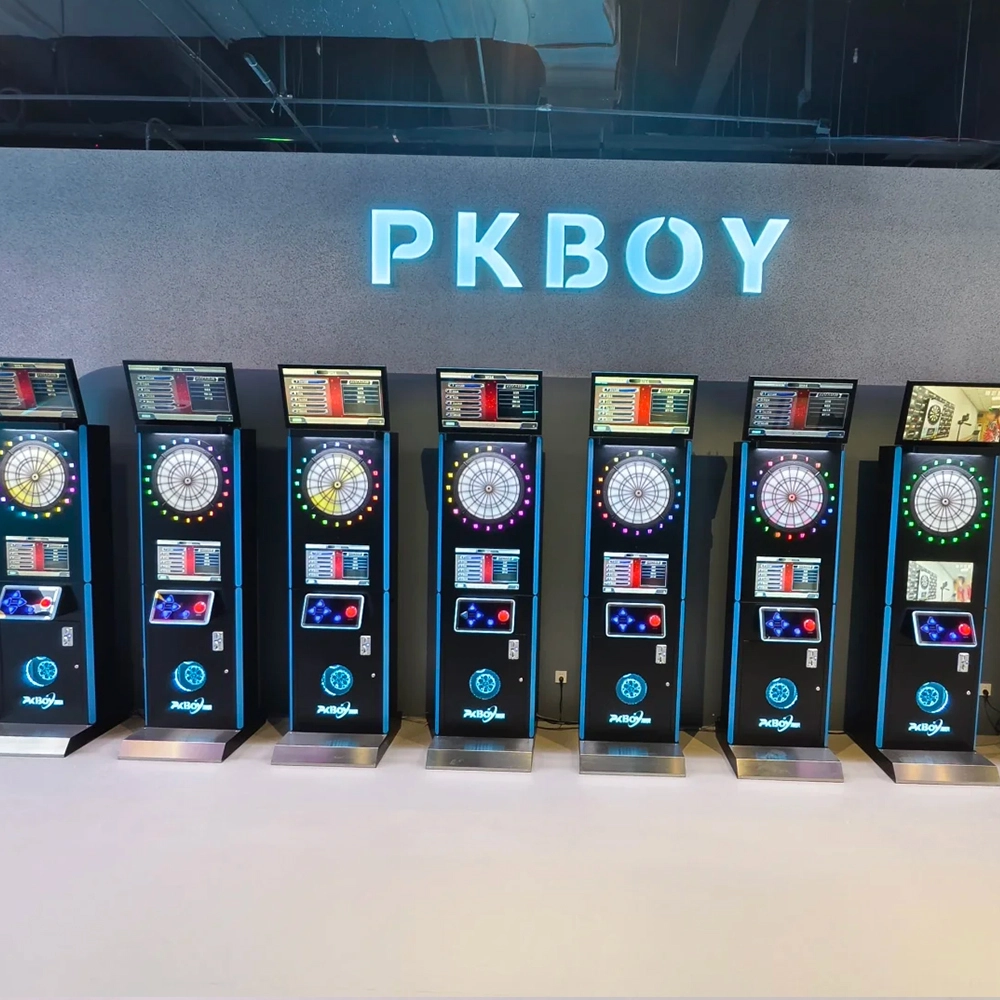
Dart Machines Bar Dart Machines
Joy Power is full of fun and excitement in the playground! The dart machine is suitable for all kinds of places, whether it is a bar, restaurant, KTV, or other entertainment venue, or a sports shop, club, or family leisure space, and can be perfectly adapted. In commercial venues, holding individual and team darts tournaments from time to time can attract more customers and increase the popularity and revenue of the venue, supplemented by various preferential activities, which can directly promote consumption and form a cycle of consumption of all the goods in the shop.
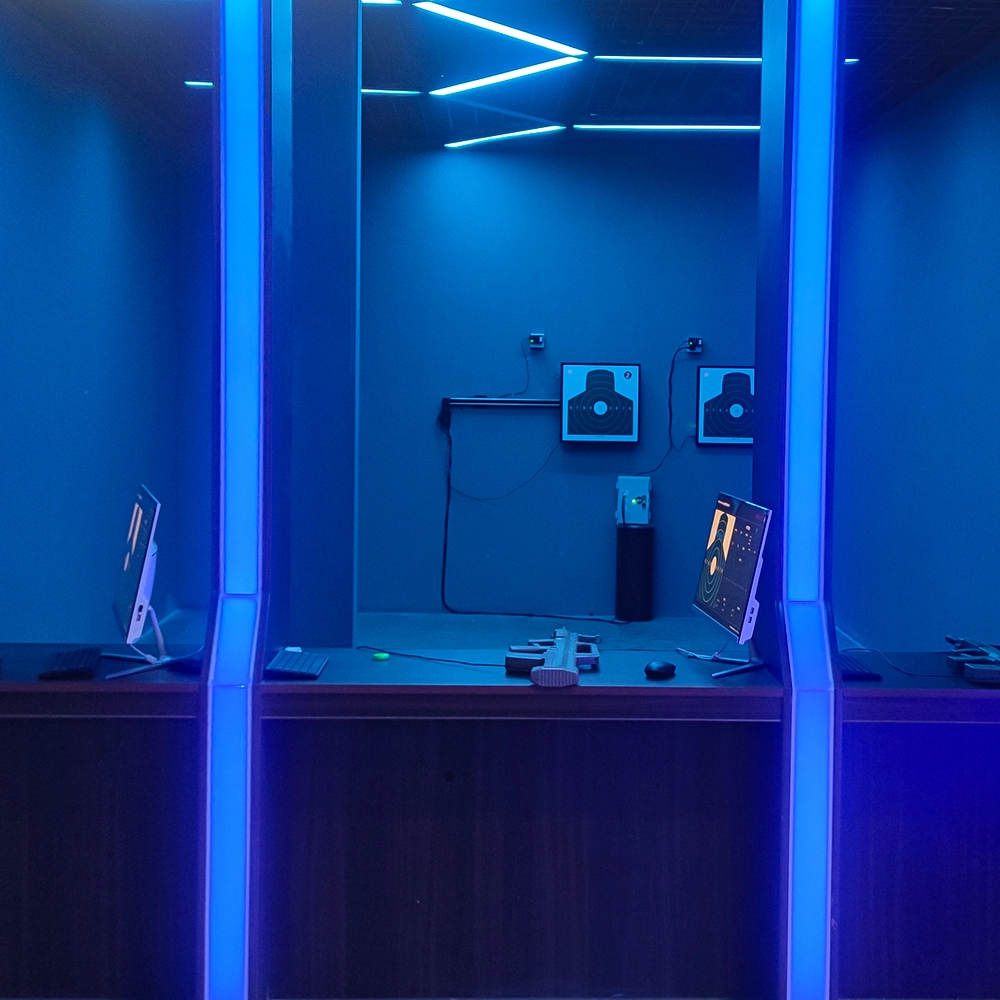
Infrared Shooting
Highly simulated simulation training analysis equipment, with advanced design concepts, fast system development, ease of operation and use, stable technical performance, less consumption of training, site dependence on a small group training is highly interesting, safe, and reliable, and other outstanding features. Product design to solve the basic skills of light weapons precision shooting as a starting point, to improve the safety of shooting training and training efficiency as the fundamental purpose, highlighting the simulation, information technology, and combat training requirements, can be in small indoor and outdoor venues and does not use live ammunition to complete the basic shooting training.
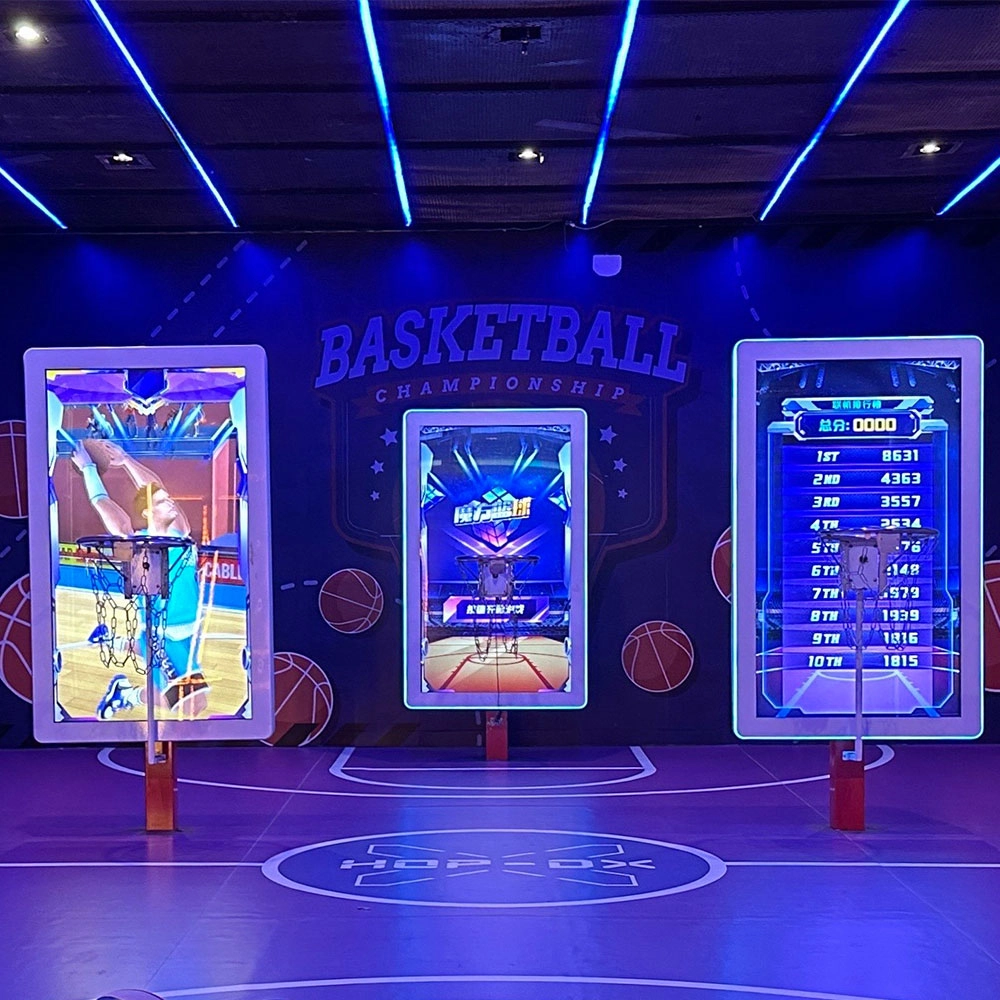
Multi-Player Interactive Shooting Machine
Joy Power is full of fun and exciting playgrounds! The basketball shooting machine is a classic amusement device integrating competition, entertainment, and interactivity. Based on the traditional basketball shooting sport, it integrates electronic scoring, sound and light effects, and challenge mechanisms to bring players an immersive game experience. The main body of the equipment is usually built with a metal frame, equipped with a standard-sized basket and a sturdy rim, with multiple sets of sensors to accurately capture the trajectory of the shot; when the player shoots the ball, the machine's built-in sensors count the score in real time and present the score, remaining time, and challenge goals through the LED display or LCD screen, with exciting sound effects and colorful lights to create a tense and exciting gaming atmosphere.
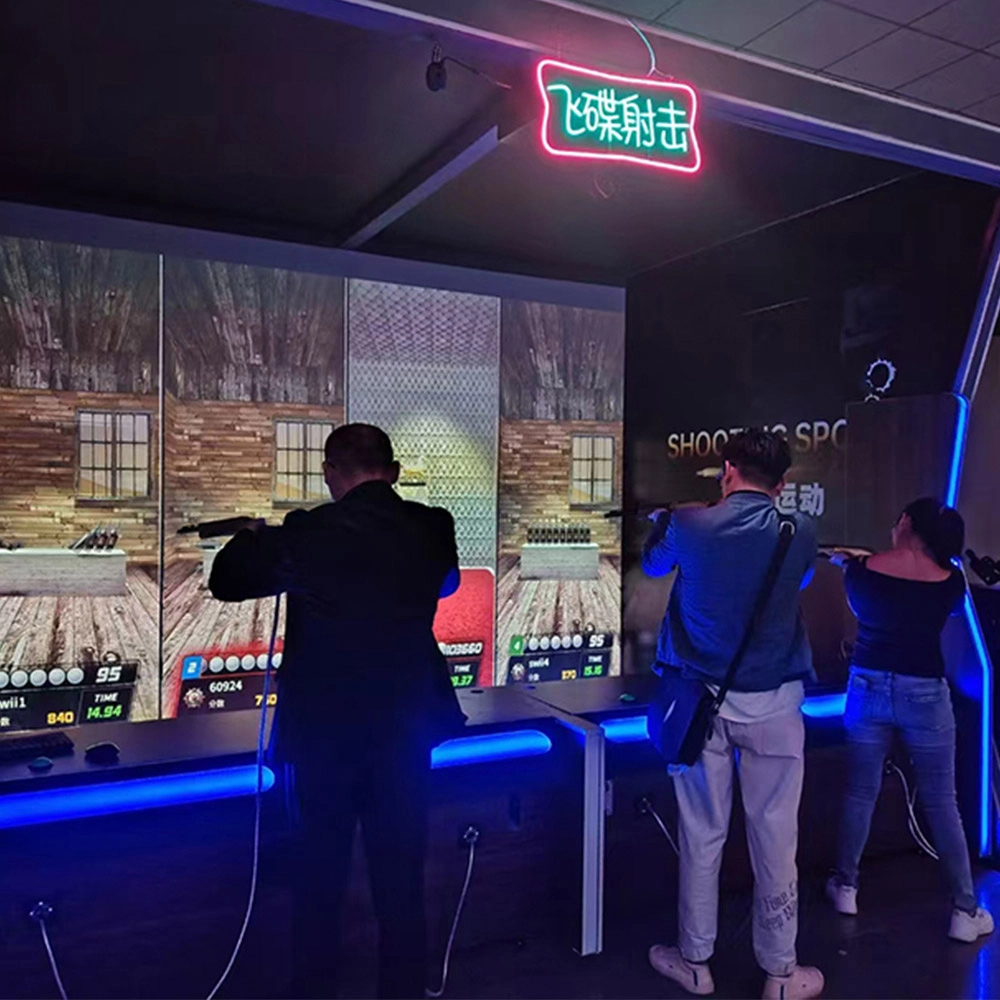
Indoor Wave Play Disc Shooting Equipment
Joy Power is full of fun and exciting playgrounds! The saucer shooting equipment in the indoor hip play hall is an immersive entertainment device integrating high-definition projection scenes, simulated air rifles, and multi-mode interactive gameplay, which allows players to experience the excitement of virtual shooting and the fun of social competition through laser-sensing scoring and multi-sensory feedback.
Ready to take your venue to the next level?
Leave us a message here, and our team will get back to you promptly.
Whether you're interested in custom orders, technical specifications, or partnership opportunities, we're here to assist you.
© 2025 FUNTECH ALL RIGHTS RESERVED

Weixia Lei
Fun_Tech-s
fun_tech20