
What football scenarios can your soccer simulator replicate? | Insights by FUNTECH
- Elevating Performance: Advanced Scenarios Replicable by Modern Soccer Simulators
- Beyond Basic Drills: What Advanced Tactical and Game-Play Scenarios Can Your Simulator Handle?
- How Accurately Does the Simulator Replicate Real-World Physics, Player Movement, and Ball Behavior in These Scenarios?
- Can the Simulator Adapt Scenarios for Different Skill Levels, From Beginners to Professional Athletes?
- What Customization Options Are Available for Creating Unique or Team-Specific Training Scenarios?
- How Does the Simulator's Data Analytics and Feedback System Enhance Learning Within These Replicated Scenarios?
- Why Choose FUNTECH for Your Next Soccer Simulator Procurement?
Elevating Performance: Advanced Scenarios Replicable by Modern Soccer Simulators
In the rapidly evolving Digital Sports Entertainment industry, the demand for immersive, effective, and data-driven solutions is at an all-time high. For procurement managers and decision-makers evaluating their next-generation soccer simulator, understanding the depth and breadth of replicable scenarios is paramount. Beyond simple ball control, modern simulators powered by AI and advanced physics engines are transforming training, fan engagement, and entertainment. Here, we address the top questions for re-procurement in this dynamic sector.
Beyond Basic Drills: What Advanced Tactical and Game-Play Scenarios Can Your Simulator Handle?
Today's leading soccer simulators are designed to emulate the intricate tactical complexities of a real match. They go far beyond isolated skill drills, enabling users to practice and perfect:
- Dynamic Offensive and Defensive Formations: Users can face AI-driven opponents that adapt their shape, allowing practice against various tactical setups like 4-4-2, 4-3-3, or specific pressing schemes. This includes simulating counter-attacks, low blocks, and high press scenarios.
- Set-Piece Execution and Defense: From corner kicks and free kicks (both direct and indirect) to penalty shootout pressure, simulators can replicate dead-ball situations with varying defensive walls and player movements.
- Positional Play and Decision Making: Scenarios can focus on specific player roles – a midfielder's passing options under pressure, a defender's recovery run, or a striker's off-the-ball movement – enhancing game intelligence and spatial awareness.
- High-Pressure Moments: Recreating scenarios like defending a slender lead in the final minutes, playing with a man down, or chasing a late equalizer, building mental resilience and clutch performance.
These capabilities are crucial for professional academies and training facilities aiming to refine tactical understanding and team cohesion in a controlled environment.
How Accurately Does the Simulator Replicate Real-World Physics, Player Movement, and Ball Behavior in These Scenarios?
Realism is the cornerstone of effective simulation. Top-tier soccer simulators leverage:
- Advanced Physics Engines: These proprietary engines accurately model ball trajectory, spin, bounce, and interactions with different surfaces (e.g., wet vs. dry pitch). Factors like air resistance, gravity, and friction are precisely calibrated to mimic real-world conditions.
- Motion-Captured Player Data: Many high-fidelity simulators integrate motion-capture data from professional athletes to ensure realistic player movement, dribbling styles, shooting mechanics, and defensive actions, providing an authentic visual and interactive experience.
- Environmental Factors: The most advanced systems can simulate varying weather conditions (rain, snow, wind) and their impact on ball physics and player interaction, as well as dynamic stadium lighting and crowd noise, enhancing immersion. This mirrors a key trend in the broader sports tech market, where realistic simulation drives engagement, with the global sports technology market projected to exceed $40 billion by 2026 according to recent market analyses, emphasizing the demand for immersive solutions.
- Haptic Feedback Systems: Integrated haptic feedback in controllers or physical interfaces provides realistic sensations for kicking, passing, and receiving the ball, deepening the immersive experience.
Can the Simulator Adapt Scenarios for Different Skill Levels, From Beginners to Professional Athletes?
Flexibility in difficulty and complexity is vital for maximizing user engagement and training efficacy across a diverse user base. Modern simulators offer:
- Adaptive AI Opponents: AI difficulty can be scaled, from predictable, slow-moving opponents for beginners to highly intelligent, responsive defenders for professionals. This ensures a challenging yet achievable experience for all users.
- Progressive Training Modules: Scenarios are often structured into progressive modules, starting with fundamental skills and gradually introducing more complex tactical situations. Users can unlock or select drills based on their current ability.
- Customizable Parameters: Coaches and operators can adjust parameters like reaction time, ball speed, opponent aggression, and even the number of players in a scenario, tailoring the challenge to individual or team needs. This personalization is critical for accelerating skill acquisition, a major benefit for sports academies.
- Personalized Learning Paths: For training centers, the system can track individual progress and recommend specific drills or scenarios to target identified weaknesses, creating a truly bespoke training regimen.
What Customization Options Are Available for Creating Unique or Team-Specific Training Scenarios?
For professional teams and elite training facilities, the ability to create highly specific and relevant scenarios is a game-changer. Leading simulators provide:
- Scenario Editor Tools: Intuitive interfaces allow coaches to design custom drills, define player positions, set up specific defensive schemes, and even dictate the flow of play for various tactical situations. This includes configuring set-piece routines specific to a team's playbook.
- Player Profile Integration: The ability to upload and integrate data for specific players (e.g., preferred foot, speed, strength) to create personalized avatars and training challenges relevant to their individual development plans.
- Team Tactic Replication: Coaches can input their team's actual offensive and defensive tactics, allowing players to practice within the simulator exactly as they would on the real pitch, reinforcing strategic understanding and cohesion.
- Branding and Environment Customization: For commercial entertainment venues or professional clubs, customization extends to virtual stadium environments, team kits, and branding elements, enhancing immersion and loyalty.
How Does the Simulator's Data Analytics and Feedback System Enhance Learning Within These Replicated Scenarios?
Data is the new currency in sports, and advanced simulators are robust analytical tools. They provide:
- Comprehensive Performance Metrics: Tracking key indicators such as shot accuracy, pass completion rate, decision-making time, speed of play, ball control proficiency, and even physiological responses (if integrated with wearables). Data from leading sports analytics firms, like Opta or StatsPerform, emphasizes the importance of granular data for performance improvement.
- Real-Time Feedback: Immediate visual and auditory feedback during and after drills, highlighting successful actions and areas for improvement. This instant gratification is crucial for rapid skill development.
- Detailed Post-Scenario Reports: In-depth reports featuring heat maps, shot maps, passing networks, and error analysis provide actionable insights for coaches and players. This allows for targeted coaching and individual player development plans.
- Progress Tracking and Benchmarking: Long-term data logging enables users to track their progress over time, identify trends, and benchmark their performance against peers or professional standards. This data-driven approach significantly enhances ROI for training facilities by demonstrating measurable improvements and justifying investment.
By offering sophisticated scenario replication combined with powerful data analytics, modern soccer simulators are not just entertainment devices; they are indispensable tools for player development, tactical analysis, and fan engagement. Investing in a high-fidelity simulator means investing in a future where virtual training translates directly into real-world success and enhanced entertainment value.
Why Choose FUNTECH for Your Next Soccer Simulator Procurement?
FUNTECH stands at the forefront of Digital Sports Entertainment, offering soccer simulators that are engineered for excellence. Our commitment to innovation is reflected in our cutting-edge AI, delivering hyper-realistic opponent behaviors and dynamic tactical scenarios. We pride ourselves on our state-of-the-art physics engine, ensuring unparalleled accuracy in ball movement and player interactions, making every session feel genuinely authentic. With FUNTECH, customization is key; our platforms provide extensive options to create unique, team-specific training environments and branding opportunities, maximizing relevance for professional clubs and entertainment venues alike. Furthermore, our integrated, robust data analytics system provides actionable insights, transforming raw performance data into measurable improvements and tangible ROI. Choose FUNTECH to elevate your offerings, ensuring your investment yields superior training efficacy, unparalleled entertainment, and a strong competitive edge in the market.
7 Reasons to Add a Tennis Simulator to Your Entertainment Venue Instead of Traditional Training Models (2026 Guide)
The 2026 Dart Machine Revenue Playbook: Boosting Mid-Week Sales by 30%-40% with Competitive Socializing
Redefining Competitive Socializing: Ultimate Guide to Selecting an Intelligent Dart Machine 2026
Tennis Simulators in 2026: The Ultimate Guide to Virtual Courts and Advanced Training

Top 15 Dart Machine Manufacturers in 2026
FAQ
What is the minimum area required to build a comprehensive digital sports and entertainment hall, and what is the recommended area?
To build a comprehensive type of digital sports and entertainment hall, the minimum required area will be affected by the number and type of equipment, activity area requirements, parking spaces, rest areas and other factors.
Dart Machines Bar Dart Machines
How to reduce operating costs?
Starting with equipment procurement, choose cost-effective, durable and easy-to-maintain products, which can save money for subsequent maintenance. Reasonable arrangement of staff, reduce the number of staff on duty during off-peak hours, train staff to have multi-skills, such as being able to operate the equipment and guide customers part-time, so as to improve the efficiency of manpower and reduce the cost of manpower.
Holographic Light and Shadow Restaurant
What are the application scenarios of holographic projection?
Holographic projection has a wide range of applications in multiple fields. In the commercial field, it can be used for product display, advertising promotion, stage performances, etc., such as three-dimensional product display in shopping malls and virtual singer performances at concerts. In the field of education, it can be used for teaching demonstrations to help students understand complex scientific knowledge more intuitively. In the field of exhibition display, it can create an immersive exhibition experience and attract the attention of the audience.
Infrared Shooting
What is the difference between purchasing equipment for commercial operations and personal training?
Commercial operations should consider the durability, ease of operation, and attractiveness of the equipment, and it is preferable to choose cool-looking equipment that can withstand high-frequency use.
Interactive Rollerball
How often does the equipment require maintenance?
For daily use, simple monthly maintenance, such as simple cosmetic cleaning and function checking after use, is sufficient. A more comprehensive quarterly maintenance is sufficient.
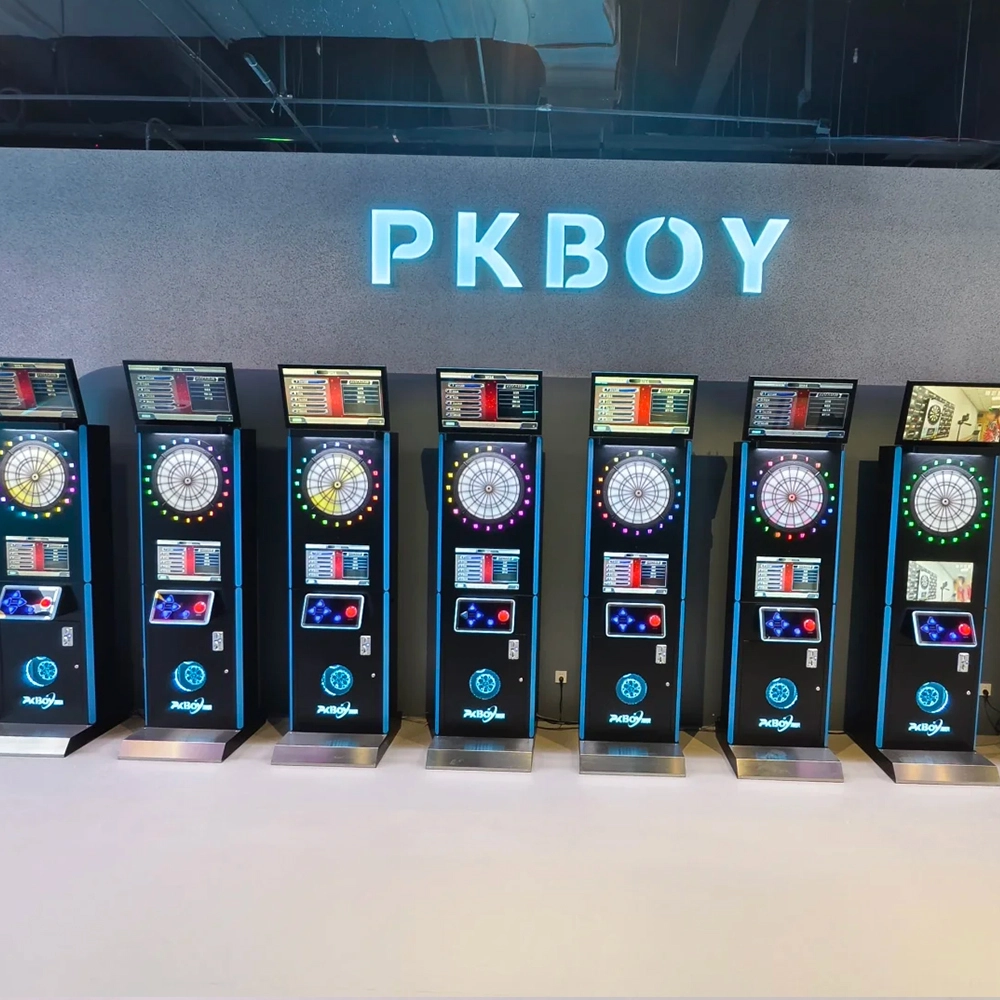
Dart Machines Bar Dart Machines
Joy Power is full of fun and excitement in the playground! The dart machine is suitable for all kinds of places, whether it is a bar, restaurant, KTV, or other entertainment venue, or a sports shop, club, or family leisure space, and can be perfectly adapted. In commercial venues, holding individual and team darts tournaments from time to time can attract more customers and increase the popularity and revenue of the venue, supplemented by various preferential activities, which can directly promote consumption and form a cycle of consumption of all the goods in the shop.
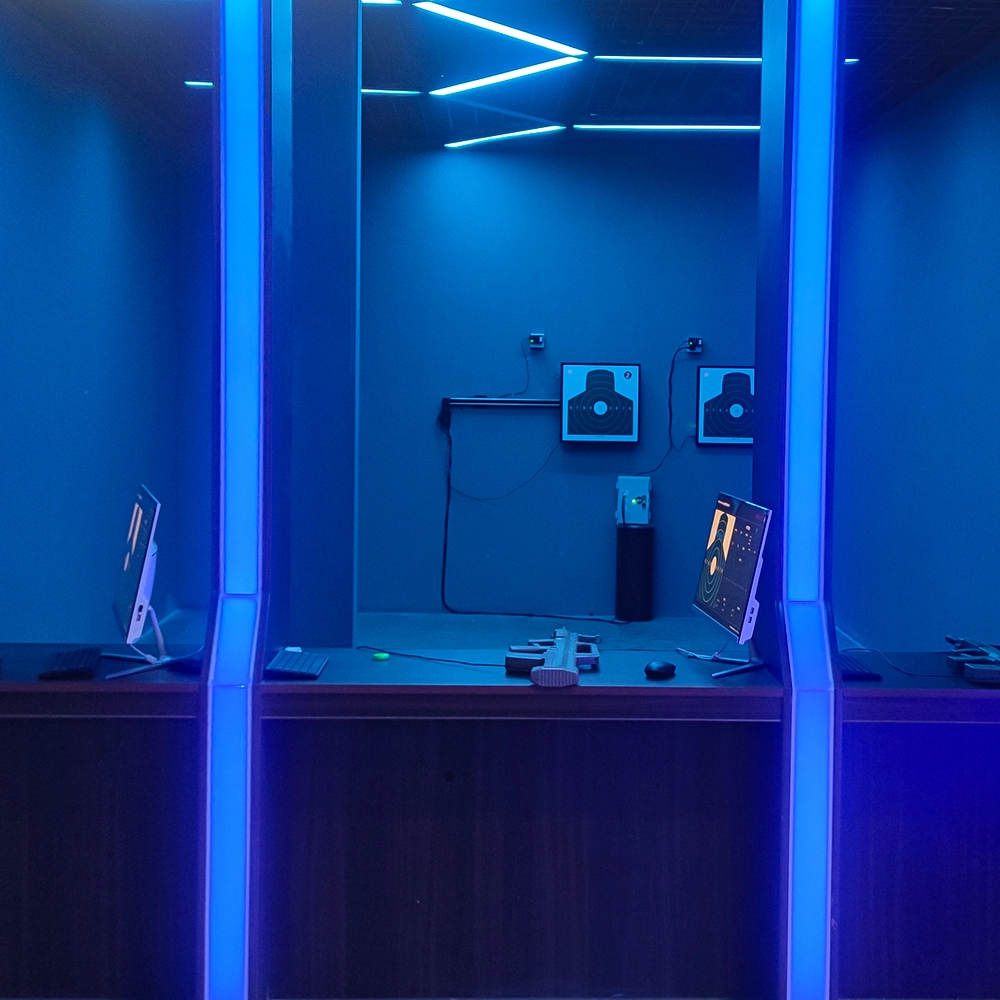
Infrared Shooting
Highly simulated simulation training analysis equipment, with advanced design concepts, fast system development, ease of operation and use, stable technical performance, less consumption of training, site dependence on a small group training is highly interesting, safe, and reliable, and other outstanding features. Product design to solve the basic skills of light weapons precision shooting as a starting point, to improve the safety of shooting training and training efficiency as the fundamental purpose, highlighting the simulation, information technology, and combat training requirements, can be in small indoor and outdoor venues and does not use live ammunition to complete the basic shooting training.
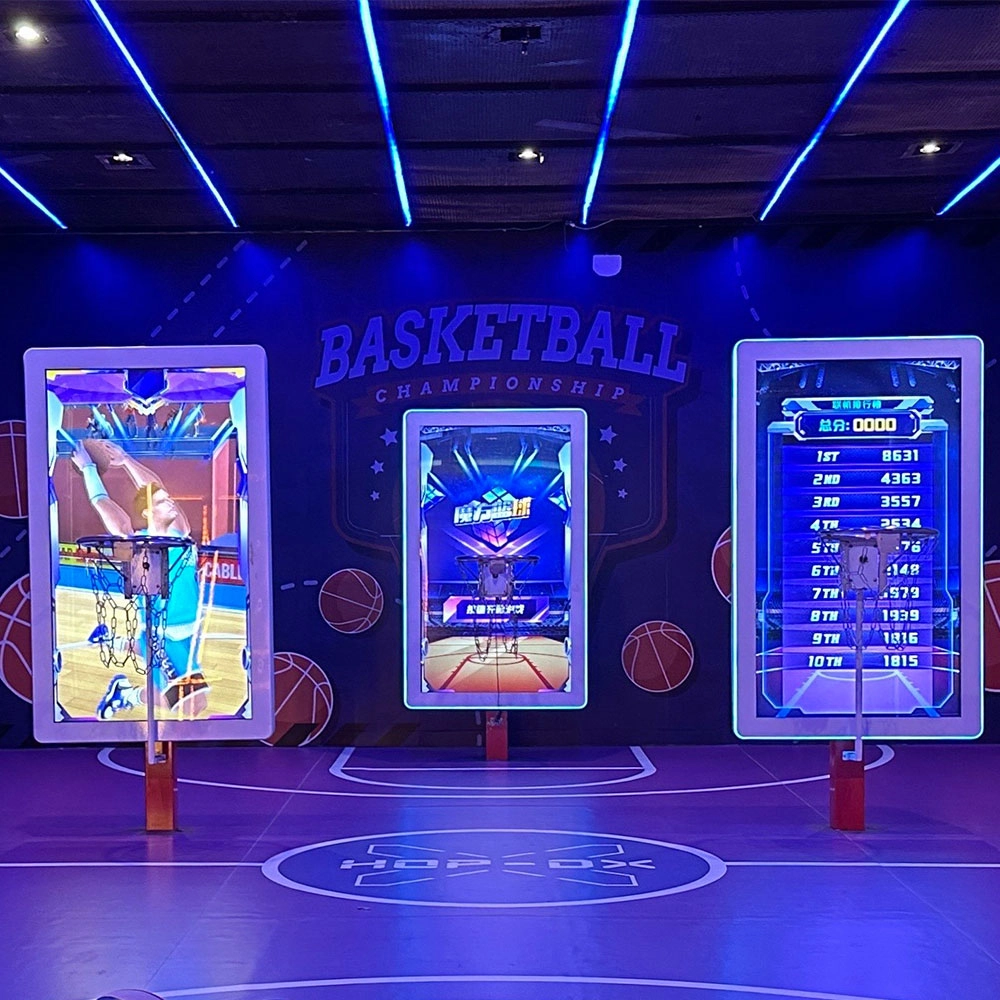
Multi-Player Interactive Shooting Machine
Joy Power is full of fun and exciting playgrounds! The basketball shooting machine is a classic amusement device integrating competition, entertainment, and interactivity. Based on the traditional basketball shooting sport, it integrates electronic scoring, sound and light effects, and challenge mechanisms to bring players an immersive game experience. The main body of the equipment is usually built with a metal frame, equipped with a standard-sized basket and a sturdy rim, with multiple sets of sensors to accurately capture the trajectory of the shot; when the player shoots the ball, the machine's built-in sensors count the score in real time and present the score, remaining time, and challenge goals through the LED display or LCD screen, with exciting sound effects and colorful lights to create a tense and exciting gaming atmosphere.
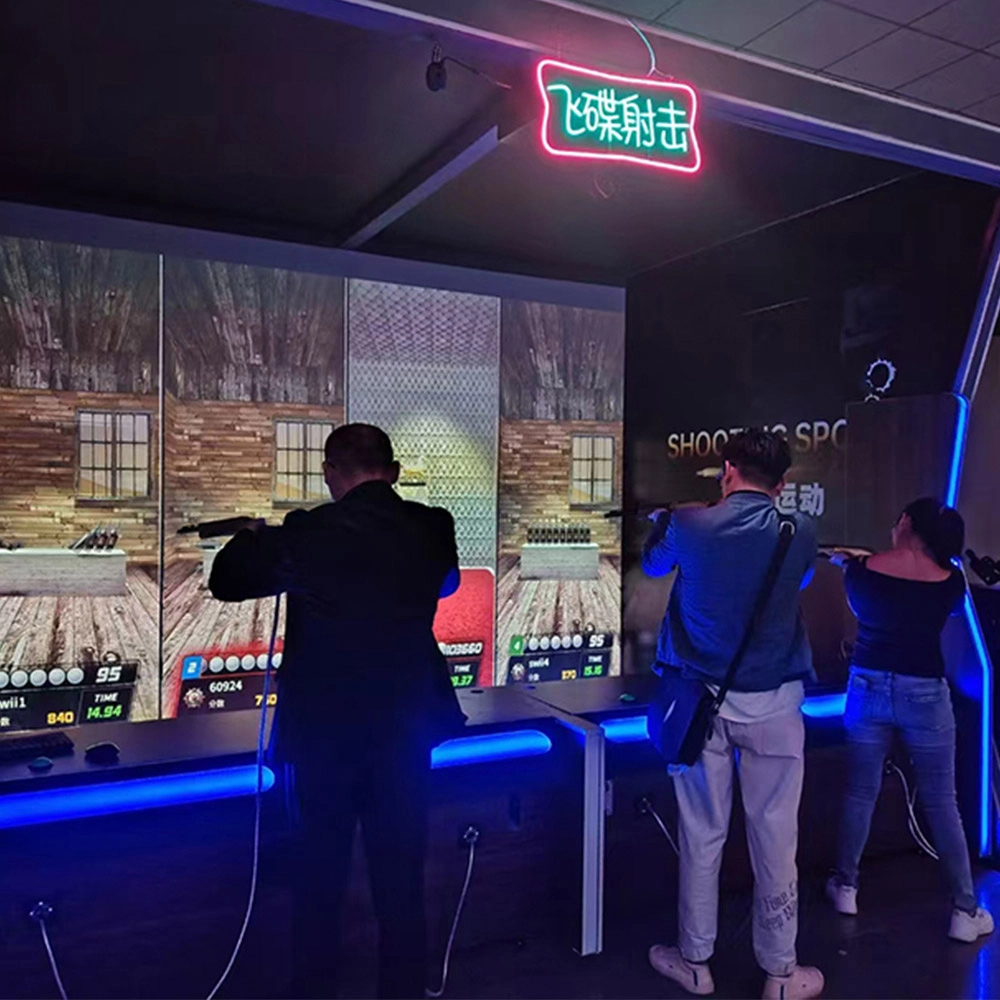
Indoor Wave Play Disc Shooting Equipment
Joy Power is full of fun and exciting playgrounds! The saucer shooting equipment in the indoor hip play hall is an immersive entertainment device integrating high-definition projection scenes, simulated air rifles, and multi-mode interactive gameplay, which allows players to experience the excitement of virtual shooting and the fun of social competition through laser-sensing scoring and multi-sensory feedback.
Ready to take your venue to the next level?
Leave us a message here, and our team will get back to you promptly.
Whether you're interested in custom orders, technical specifications, or partnership opportunities, we're here to assist you.
© 2025 FUNTECH ALL RIGHTS RESERVED

Weixia Lei
Fun_Tech-s
fun_tech20