
How to assess sound and audio quality on arcade dart machines for sale?
- 1. How to assess sound and audio quality on arcade dart machines for sale?
- 2. How can I reliably test audio in a noisy showroom when comparing multiple arcade dart machines for sale?
- 3. What minimum speaker and amplifier specs should I require when buying a commercial arcade dart machine for sale?
- 4. How to detect cabinet resonance, rattles, and potential speaker fatigue before purchasing an arcade dart machine for sale?
- 5. How do I evaluate synchronization and audio latency for sound effects and scoring cues on electronic dartboard & arcade cabinets?
- 6. For international purchases, what should I check about audio components' replaceability, multilingual prompts, and warranty when buying arcade dart machines for sale?
- Conclusion: Why following this audio checklist pays off
How to Assess Sound & Buy the Right Arcade Dart Machine for Sale
Buying a commercial arcade dart machine for sale requires more than score accuracy and game modes—audio quality determines player engagement in noisy locations. This guide (digital sports entertainment focused) gives step-by-step tests and real-world specs you can use when evaluating machines from suppliers like www.funtechgame.com.
1. How to assess sound and audio quality on arcade dart machines for sale?
Why this matters: In arcades, bars, and family entertainment centers the dart cabinet’s audio drives player feedback, crowd excitement, and perceived value. Measuring audio quality requires both objective checks and subjective listening in situ.
Step-by-step evaluation:
- Bring reference test files: short speech clips, sibilant-heavy vocals, pink noise, and a low-frequency sine sweep (20–200 Hz). Play these from a USB/Bluetooth source supported by the machine.
- Measure SPL at listening position (~1 m from cabinet front). A phone SPL app can give relative comparisons (±2–4 dB); for verification use a calibrated meter. Aim for cabinets that comfortably reach 90–105 dB peak without distortion in active environments.
- Listen for clarity at conversational and loud levels. Midrange (voice/effects) should remain intelligible when the system is at audience levels. Play speech clips and listen for plosive or sibilant exaggeration.
- Check bass response with the low-frequency sweep. The cabinet should extend meaningfully below 100 Hz; lack of bass or muddy low end signals an undersized or poorly mounted subwoofer.
- Listen for distortion and clipping on transients. Use short percussive sounds—if the audio clips at moderate volumes the amp or speaker is underpowered.
- Confirm level consistency across presets / game modes. Many units have DSP or EQ presets; ensure they don’t abruptly jump or mute effects during play.
What to expect (industry ranges): commercial-grade cabinets commonly use Class D amplifiers in the 40–150 W RMS range, speakers with 4–8 Ω impedance, and total SPL capability around 90–110 dB at 1 m. THD under 1% at normal levels is a useful benchmark for clean audio.
2. How can I reliably test audio in a noisy showroom when comparing multiple arcade dart machines for sale?
Problem: Showrooms are noisy; naive listening is misleading. Solution: use repeatable, A/B tests and objective tools.
Procedure:
- Use the same playback source and volume setting for each cabinet and the same distance (mark the floor 1 m from each unit). This removes source and distance as variables.
- Use pink noise and a short vocal clip—these reveal balance and intelligibility quickly. Play each file at the same nominal volume and compare.
- Use an SPL meter or a calibrated smartphone app to equalize measured SPL to a fixed dB (e.g., 94 dB pink noise at 1 m) before listening. Then compare tonal balance and distortion.
- For critical comparisons, use headphones fed from the machine’s AUX out (if provided) to remove room noise, or connect the same headphones to each unit’s line output if accessible.
Red flags: One cabinet that sounds 'thin' or shows rattles at low volumes; another that clips on transients even when set to the same SPL—these indicate real quality differences, not showroom acoustics.
3. What minimum speaker and amplifier specs should I require when buying a commercial arcade dart machine for sale?
Specification guidelines help you compare manufacturers:
- Amplifier type: Class D (efficient, low heat) is standard for commercial cabinets.
- Power: 40–150 W RMS total is common. For busy venues require higher RMS and headroom to avoid audible clipping.
- Speakers: 3–6 full-range drivers for mid/high; an 8 or larger dedicated woofer/sub is preferred for deep bass in large rooms.
- Impedance: 4–8 Ω speaker loads work with common amps; check compatibility listed by the manufacturer.
- SPL capability: Aim for cabinets rated to produce 90–110 dB peak at 1 m. More isn’t always better—look for clean output rather than just loudness.
- THD & SNR: Total harmonic distortion <1% at nominal levels is a sign of fidelity; signal-to-noise ratio (SNR) >80 dB is desirable for clear audio.
- DSP & EQ: Built-in digital signal processing that provides presets, parametric EQ, limiter, and compressor enables better loudness control and protection under heavy use.
Ask suppliers for datasheets that list RMS power, speaker sizes, impedance, and measured SPL. If these aren’t available, request a demo with your testing files or an engineer’s spec sheet before purchase.
4. How to detect cabinet resonance, rattles, and potential speaker fatigue before purchasing an arcade dart machine for sale?
Problem: Mechanical vibration from high SPL causes rattles and long-term part failure. These problems are often missed in quick demos.
Checks to run:
- Low-frequency sweep: Play a slow sweep from 20–200 Hz and listen for rattles, buzzing, or metallic resonance—these indicate loose panels, fasteners, or untreated cavity areas.
- Transient test: Use short percussive sounds (snare hits). Rattles and delayed resonances show up clearly here.
- Physical inspection: Open accessible service panels (with permission) and examine speaker mounting, gasket foam, and cabinet bracing. Quality cabinets use rubber gaskets and internal bracing to reduce panel vibration.
- Shipping resilience: Ask about packaging and how speakers/woofers are protected during international shipment. Damaged speakers are a common field failure without proper packing.
Mitigations to request: foam isolation gaskets, threaded metal speaker mounts, extra internal bracing, or replaceable speaker modules. Ensure the vendor stocks replacement drivers or offers a parts list and service manual.
5. How do I evaluate synchronization and audio latency for sound effects and scoring cues on electronic dartboard & arcade cabinets?
Why it matters: Audio that lags visual scoring or tactile feedback breaks immersion and can frustrate competitive players.
Tests to perform:
- Visual sync test: Use the cabinet’s scoring display and a percussive sound effect. Record the display and sound with a smartphone camera (slow-motion if available) and step through frame-by-frame to measure offset. Latency under 50 ms is usually imperceptible for combined audio-visual feedback; under 20–30 ms is ideal.
- Firmware/processing checks: Ask whether audio is generated by a local DSP in the cabinet or streamed from a central server. Local DSP is preferable for predictable low latency.
- Buffering & network: If game sounds are supplied via network (cloud updates, music streaming), test with simulated network latency. Ensure the machine has local caching of critical sound assets.
- Adjustments: Confirm whether the vendor provides firmware updates and whether the DSP allows audio/visual sync offsets to be tuned in the service menu.
Red flags: noticeable lag >100 ms, or systems that rely exclusively on remote streaming for core sound effects.
6. For international purchases, what should I check about audio components' replaceability, multilingual prompts, and warranty when buying arcade dart machines for sale?
Key buyer concerns: spare parts lead time, localization of voice prompts, and warranty coverage for audio components.
Checklist for vendors:
- Parts & modularity: Request a bill of materials (BOM) or service manual listing speaker models, amplifier modules, and DSP boards. Modular designs allow quicker replacement and lower downtime.
- Spare stock & lead time: Confirm on-hand spare parts and typical lead times for international shipment. Get explicit RMA procedures for speakers and amps.
- Warranty scope: Ensure the warranty covers audio components (speakers, amp, DSP) for at least 12 months; extended commercial warranties (24–36 months) are better for high-usage venues.
- Multilingual audio: Check that voice prompts are recorded at 44.1 or 48 kHz, 16-bit minimum. Ask for sample files of all supported languages and whether the files are editable or updatable by the operator.
- Remote support and firmware updates: Confirm the vendor provides software/firmware updates and whether they can push language packs or audio fixes remotely.
Ask concrete questions: Can you provide speaker model numbers, amplifier module part numbers, and the DSP brand? If a vendor can’t provide these, you’ll have trouble sourcing replacements later.
Conclusion: Why following this audio checklist pays off
High-quality audio on a commercial arcade dart machine increases dwell time, repeat plays, and perceived value in family entertainment centers, bars, and arcades. By using the test files and procedures above, insisting on clear amplifier/speaker specs, checking for cabinet resonance, and confirming parts availability and multilingual support, you reduce downtime and future upgrade costs. Choosing a supplier who publishes specs, offers modular parts, and provides firmware and language support—like www.funtechgame.com—makes deployment in international venues smoother and protects your investment.
Contact us for a quote and professional demo units: www.funtechgame.com or email vicky@funtechgame.com.
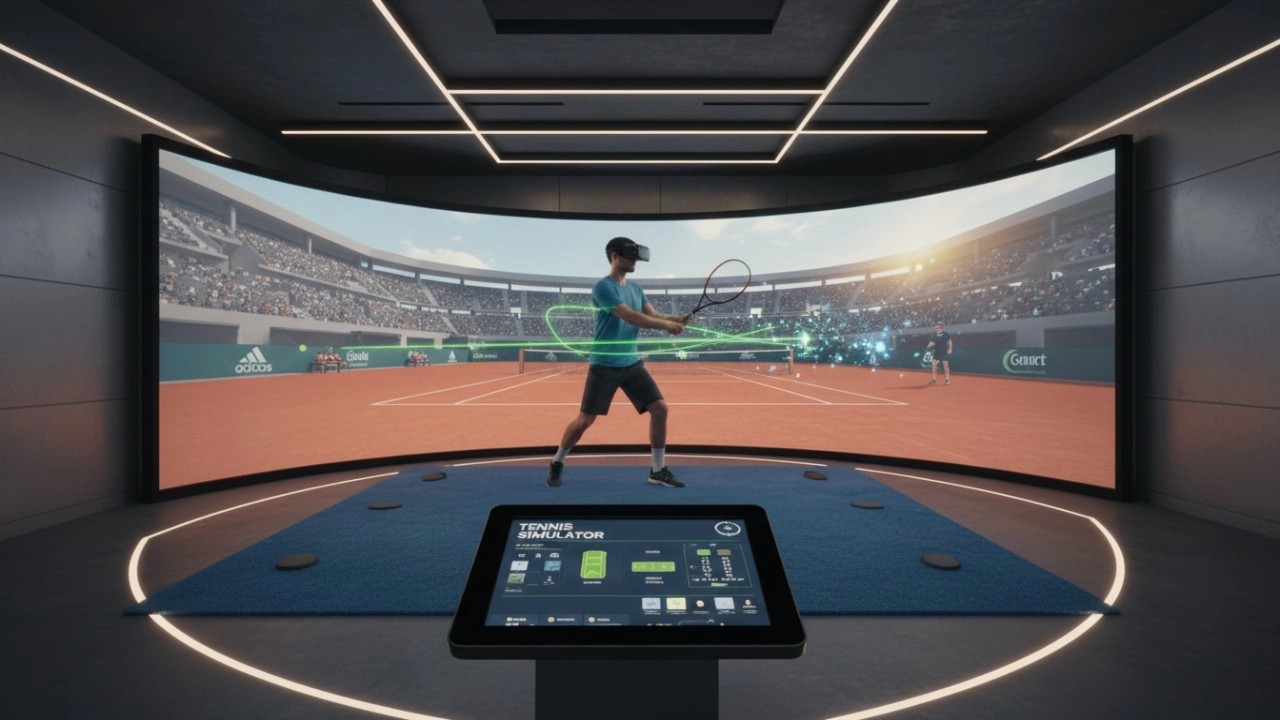
7 Reasons to Add a Tennis Simulator to Your Entertainment Venue Instead of Traditional Training Models (2026 Guide)
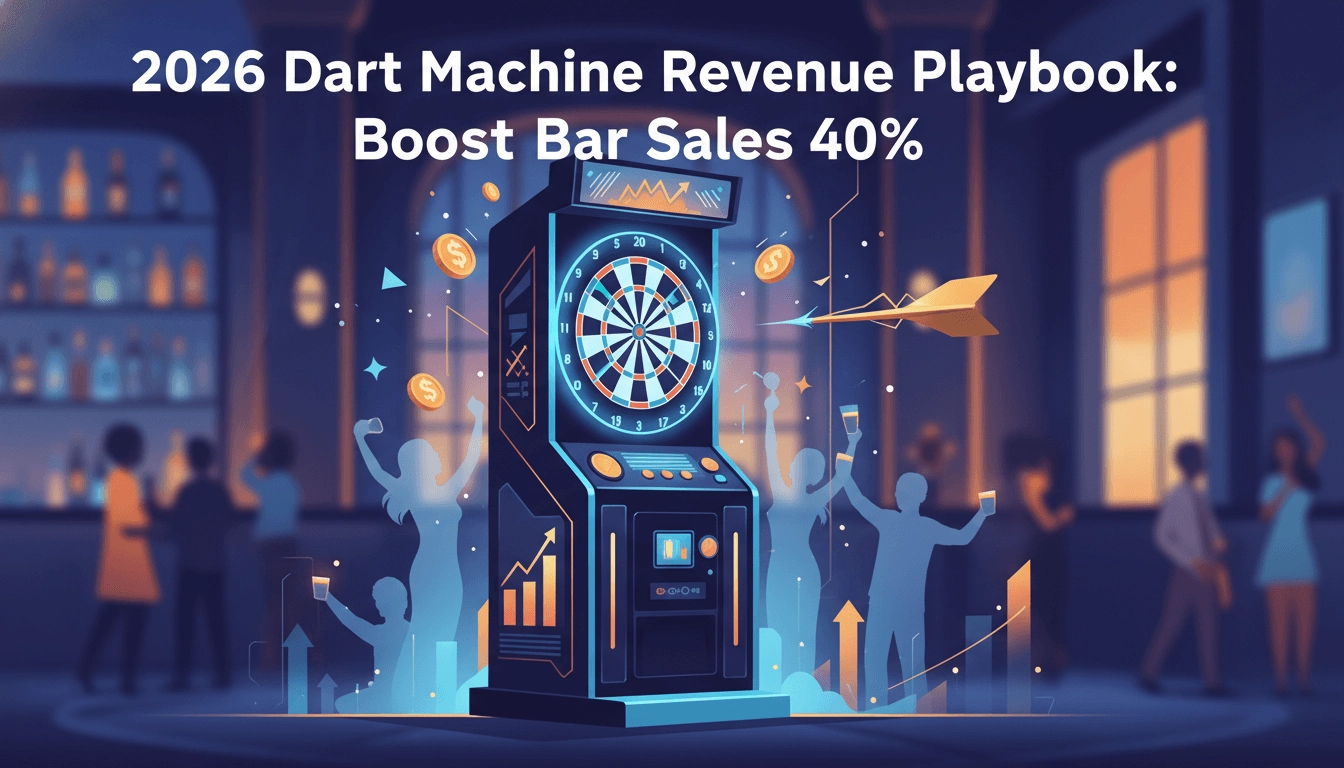
The 2026 Dart Machine Revenue Playbook: Boosting Mid-Week Sales by 30%-40% with Competitive Socializing
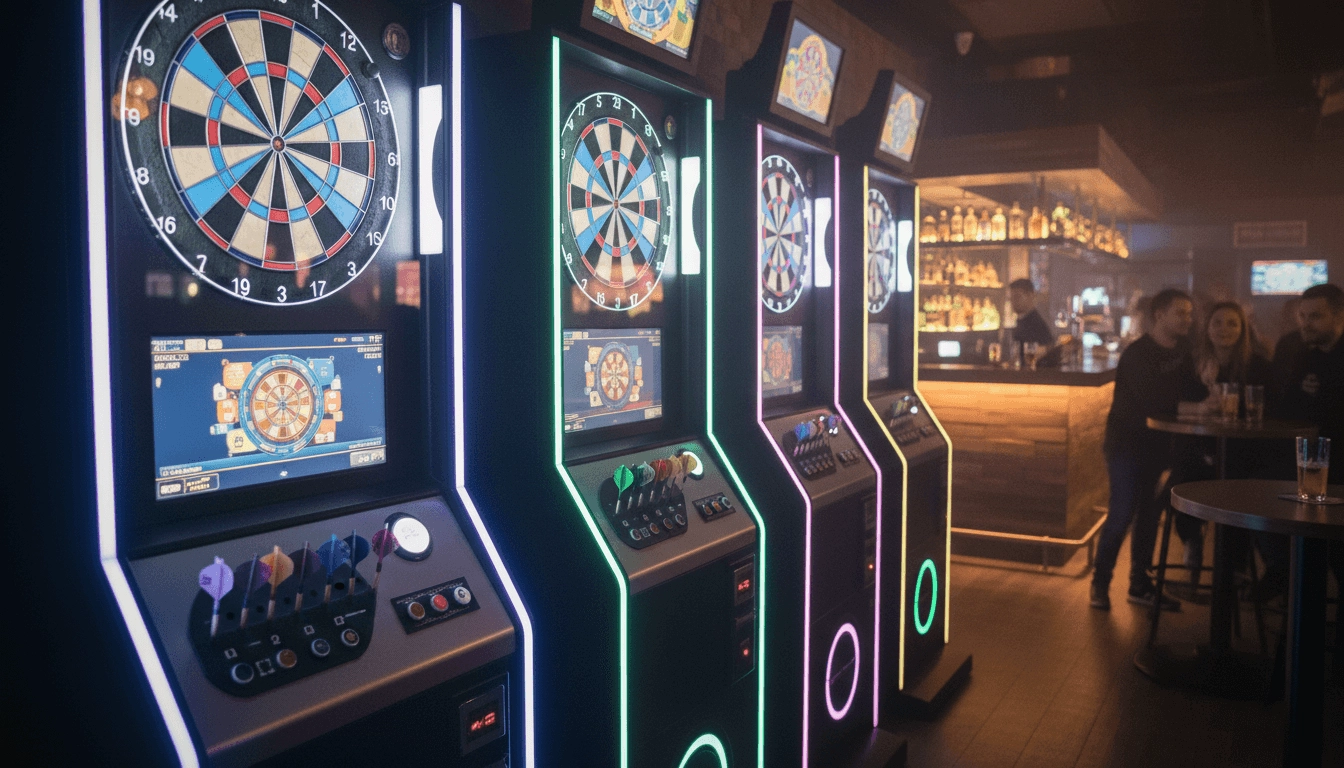
Redefining Competitive Socializing: Ultimate Guide to Selecting an Intelligent Dart Machine 2026
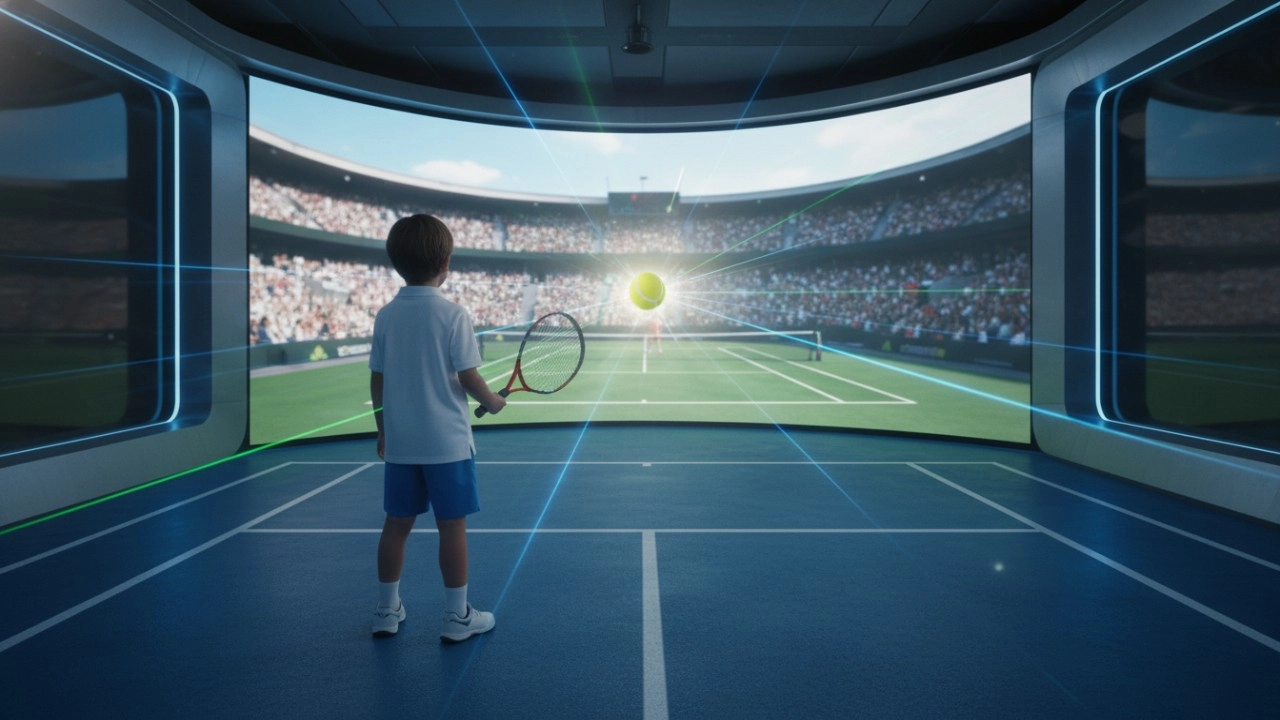
Tennis Simulators in 2026: The Ultimate Guide to Virtual Courts and Advanced Training

Top 15 Dart Machine Manufacturers in 2026
Dart Machines Bar Dart Machines
How to attract customers when operating the program in shopping malls?
Create a cool venue decoration style and incorporate trendy elements, such as fluorescent light strips and anime-themed murals. o Launch diversified marketing models such as parent-child packages and couple packages, combined with time-limited promotional activities, such as half-price experience in the first three days of opening, to attract different groups of people such as families and couples to stop by and participate.
How to reduce operating costs?
Starting with equipment procurement, choose cost-effective, durable and easy-to-maintain products, which can save money for subsequent maintenance. Reasonable arrangement of staff, reduce the number of staff on duty during off-peak hours, train staff to have multi-skills, such as being able to operate the equipment and guide customers part-time, so as to improve the efficiency of manpower and reduce the cost of manpower.
Golf Simulator
What is the difference between purchasing equipment for commercial operations and personal training?
Commercial operations should consider the durability, ease of operation, and attractiveness of the equipment, and it is preferable to choose cool-looking equipment that can withstand high-frequency use.
Interactive Rollerball
What is the difference between purchasing equipment for commercial operations and personal training?
Commercial operations should consider the durability, ease of operation, and attractiveness of the equipment, and it is preferable to choose cool-looking equipment that can withstand high-frequency use.
Infrared Shooting
How to reduce operating costs?
Starting with equipment procurement, choose cost-effective, durable and easy-to-maintain products, which can save money for subsequent maintenance. Reasonable arrangement of staff, reduce the number of staff on duty during off-peak hours, train staff to have multi-skills, such as being able to operate the equipment and guide customers part-time, so as to improve the efficiency of manpower and reduce the cost of manpower.
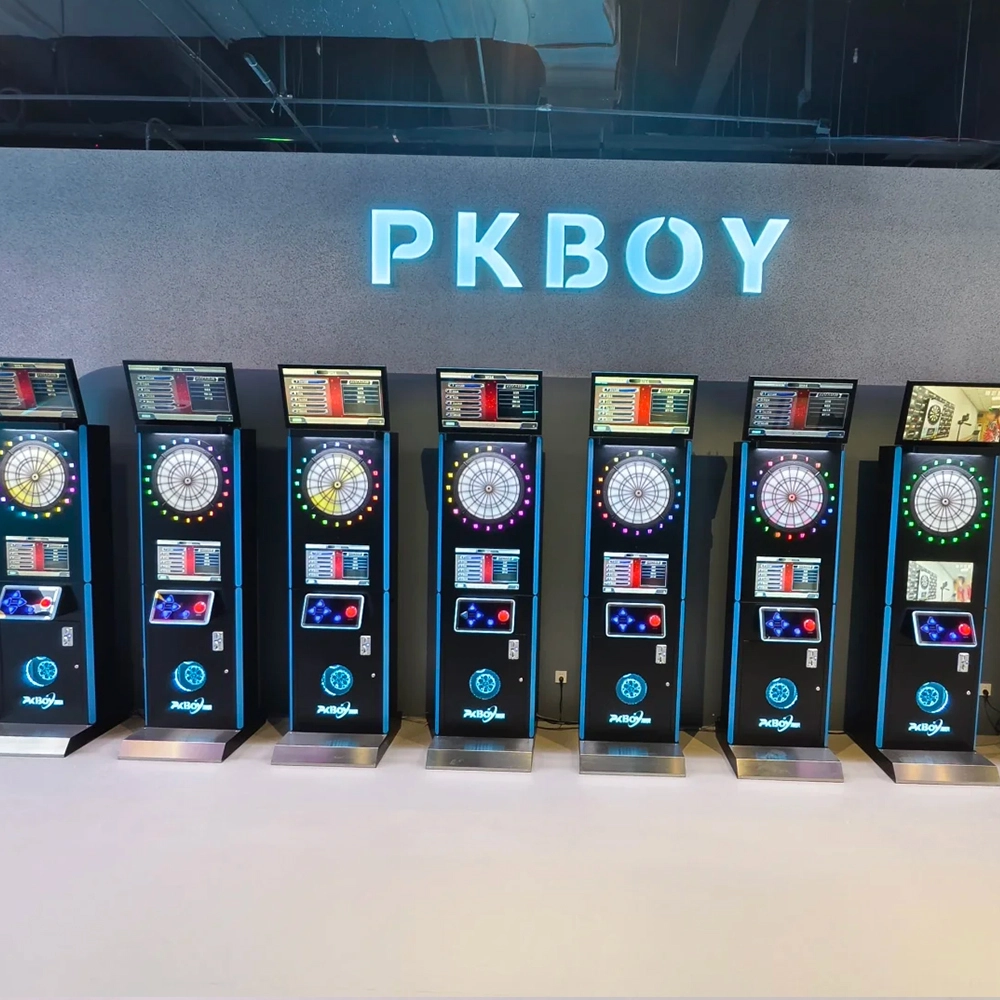
Dart Machines Bar Dart Machines
Joy Power is full of fun and excitement in the playground! The dart machine is suitable for all kinds of places, whether it is a bar, restaurant, KTV, or other entertainment venue, or a sports shop, club, or family leisure space, and can be perfectly adapted. In commercial venues, holding individual and team darts tournaments from time to time can attract more customers and increase the popularity and revenue of the venue, supplemented by various preferential activities, which can directly promote consumption and form a cycle of consumption of all the goods in the shop.
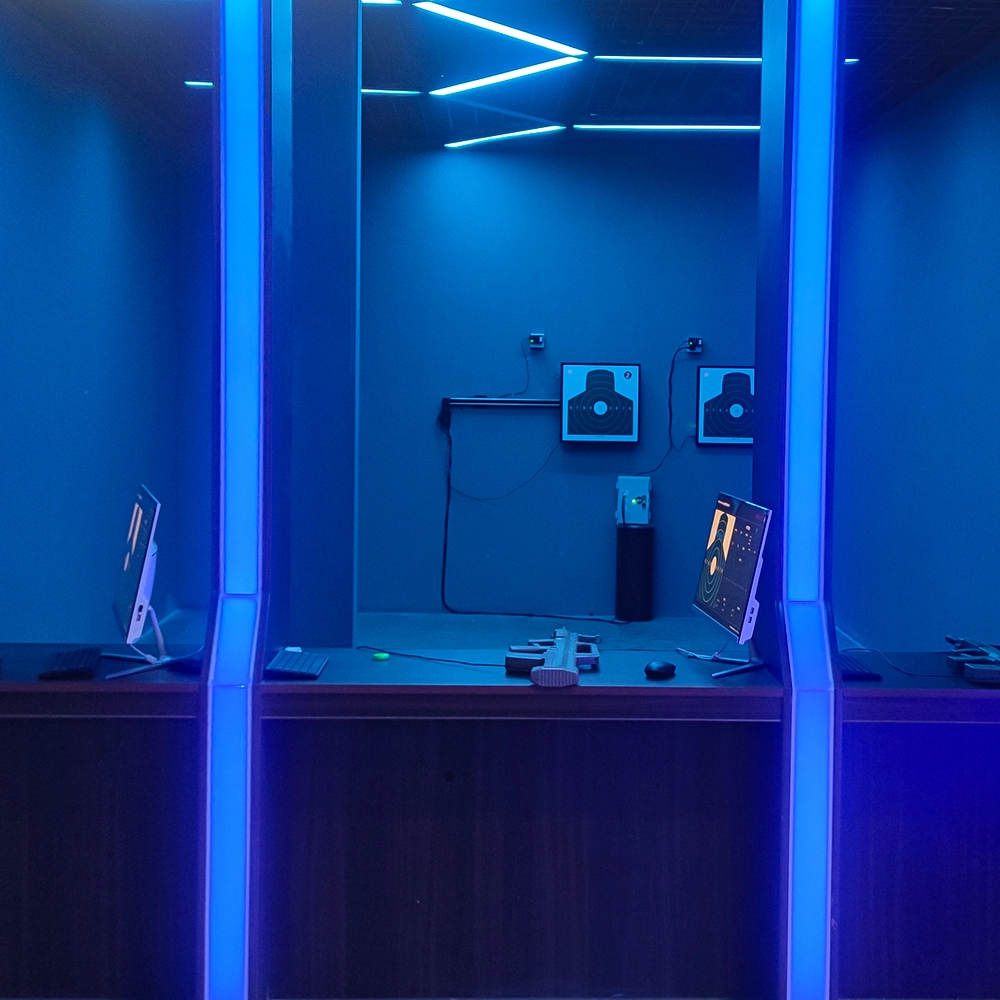
Infrared Shooting
Highly simulated simulation training analysis equipment, with advanced design concepts, fast system development, ease of operation and use, stable technical performance, less consumption of training, site dependence on a small group training is highly interesting, safe, and reliable, and other outstanding features. Product design to solve the basic skills of light weapons precision shooting as a starting point, to improve the safety of shooting training and training efficiency as the fundamental purpose, highlighting the simulation, information technology, and combat training requirements, can be in small indoor and outdoor venues and does not use live ammunition to complete the basic shooting training.
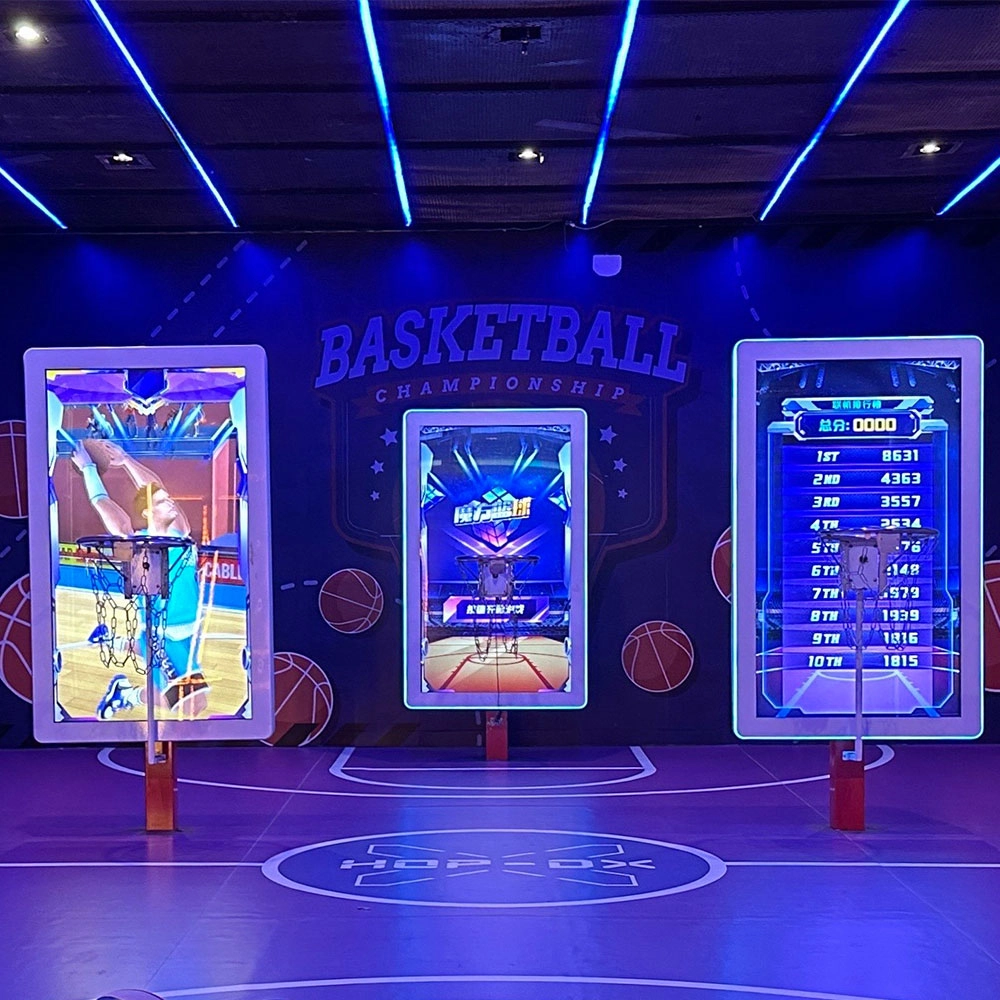
Multi-Player Interactive Shooting Machine
Joy Power is full of fun and exciting playgrounds! The basketball shooting machine is a classic amusement device integrating competition, entertainment, and interactivity. Based on the traditional basketball shooting sport, it integrates electronic scoring, sound and light effects, and challenge mechanisms to bring players an immersive game experience. The main body of the equipment is usually built with a metal frame, equipped with a standard-sized basket and a sturdy rim, with multiple sets of sensors to accurately capture the trajectory of the shot; when the player shoots the ball, the machine's built-in sensors count the score in real time and present the score, remaining time, and challenge goals through the LED display or LCD screen, with exciting sound effects and colorful lights to create a tense and exciting gaming atmosphere.
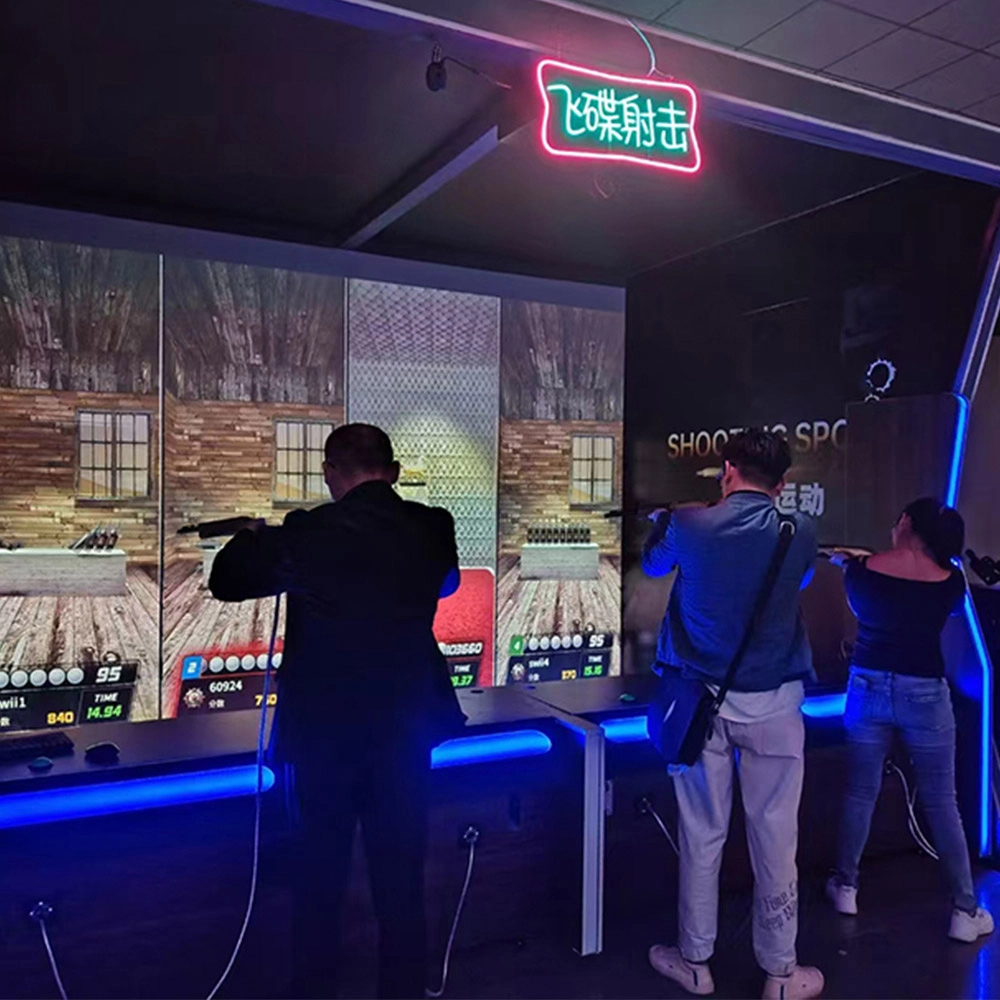
Indoor Wave Play Disc Shooting Equipment
Joy Power is full of fun and exciting playgrounds! The saucer shooting equipment in the indoor hip play hall is an immersive entertainment device integrating high-definition projection scenes, simulated air rifles, and multi-mode interactive gameplay, which allows players to experience the excitement of virtual shooting and the fun of social competition through laser-sensing scoring and multi-sensory feedback.
Ready to take your venue to the next level?
Leave us a message here, and our team will get back to you promptly.
Whether you're interested in custom orders, technical specifications, or partnership opportunities, we're here to assist you.
© 2025 FUNTECH ALL RIGHTS RESERVED

Weixia Lei
Fun_Tech-s
fun_tech20