
How to ensure accessibility for arcade dart machines for sale?
- 1. What are realistic delivery, customs, and total landed-cost considerations when buying an arcade dart machine for sale from overseas?
- 2. How do I verify parts compatibility and long-term serviceability for a used or refurbished arcade dart machine for sale?
- 3. What technical specs (power, network, and payment systems) should I confirm before buying an arcade dart machine for sale for modern venues?
- 4. How to ensure accessibility for arcade dart machines for sale?
- 5. How to evaluate safety and local compliance (soft-tip vs steel-tip) when buying an arcade dart machine for sale for family entertainment centers?
- 6. How to estimate ROI and optimal placement metrics for an arcade dart machine for sale in mixed-use venues?
- Conclusion: Advantages of choosing the right arcade dart machine for sale
Arcade Dart Machine for Sale — Expert FAQ for Operators and Buyers
Buying an electronic arcade dart machine for sale for a bar, family entertainment center (FEC), or arcade requires more than spotting a good price. This guide answers six specific, under-covered beginner questions — from landed-cost and spare-parts verification to ensuring ADA-accessible play — so venue operators and purchasers can make decisions with confidence. Built on industry practice and standards (including ADA 2010 guidance) and real-world procurement workflows, the advice focuses on operational pain points, long-term serviceability, and revenue viability.
1. What are realistic delivery, customs, and total landed-cost considerations when buying an arcade dart machine for sale from overseas?
Why this matters: Many buyers are surprised by costs beyond the unit price — freight, insurance, customs, and local handling can add 15–40% to the invoice value. To avoid surprises, get a full landed-cost estimate before purchase.
Actionable checklist and best practices:
- Ask the vendor for the HS code (harmonized system) and a pro forma invoice: these are essential for customs classification and duty estimation. If the vendor cannot provide an HS code, request they coordinate with a customs broker to clarify classification.
- Choose Incoterms deliberately: DAP (Delivered At Place) leaves import clearance and duties to the buyer; DDP (Delivered Duty Paid) transfers much of that admin to the seller. For first-time imports, DDP reduces risk but increases upfront cost.
- Estimate freight options: sea freight (FCL/LCL) is cheapest for large orders but takes 20–45 days transit; air freight is faster (3–10 days) but expensive. Factor in port handling (THC), inland trucking, and warehouse dwell time.
- Insurance and packaging: arcade dart cabinets are prone to transit damage. Insist on export-grade crating, corner protection, and cargo insurance covering all-risk (including loading/unloading). For fragile electronic dartboard components, request foam inserts and protective covers for targets, sensors, and LED panels.
- Customs duties and VAT/GST: duties vary by country and HS classification. Work with a local customs broker for precise duty and tax calculations and to confirm any preferential tariff eligibility (e.g., trade agreements). Always budget VAT/GST on the CIF value + duty.
- Local handling and assembly: some cabinets ship partially disassembled to save freight. Confirm who performs on-site assembly, calibration, and software setup. Neglecting this can add technician call-out fees and lost revenue days.
Result: Request a seller-provided landed-cost worksheet (unit price, Incoterm, freight, insurance, estimated duties, and local handling) and validate with your freight forwarder before purchase.
2. How do I verify parts compatibility and long-term serviceability for a used or refurbished arcade dart machine for sale?
Why this matters: Many operators buy refurbished cabinets only to find replacement boards, sensors, or firmware updates are incompatible or discontinued. You need a serviceability plan before purchase.
What to request from the seller:
- Parts list and BOM (bill of materials): get manufacturer part numbers for PCBs, sensor assemblies, LED modules, power supplies, coin acceptors, and the cabinet chassis.
- Firmware/software version and update policy: confirm whether firmware updates are available and how they’re delivered. Ask if the seller provides encrypted firmware files, update guides, or remote update services.
- Spare-parts availability and lead times: for critical parts (scoreboard/display PCB, sensor rings, cashless module), get current stock levels and long-term sourcing strategy. If parts are proprietary, ask for recommended third-party equivalents or cross-reference numbers.
- Technical documentation: wiring diagrams, connector pinouts, error-code lists, and diagnostic flowcharts make it easier for in-house techs or local vendors to repair machines quickly.
- Support SLA and training: negotiate initial tech training or a paid support window (e.g., 30–90 days), and ask whether the vendor offers remote troubleshooting via video or a support portal.
Operational tips:
- Buy a spare-parts kit on day one (common spare PCBs, sensors, fuses, power supplies, and soft-tip dart sets) — downtime is revenue loss.
- Standardize across your fleet: if you plan multiple purchases, choose models that share modular parts (same coin mech, power supply, or controller) to simplify inventory.
- Test all I/O and sensors on arrival: run through all game modes, verify scoring sensors, calibrate target sensitivity, and confirm payment system integration (coin/bill/card).
3. What technical specs (power, network, and payment systems) should I confirm before buying an arcade dart machine for sale for modern venues?
Why this matters: Mismatched power ratings or unsupported payment systems can mean extra electrical work, inability to use cashless wallets, or integration headaches with your arcade’s management software.
Essential specs to verify:
- Electrical rating: confirm input voltage, frequency, and current draw on the nameplate. Many modern cabinets accept wide-range input (100–240VAC, 50/60Hz), but low-cost models may be region-specific. Ensure the venue electrical circuit (breaker rating) can handle peak draws, and include surge protection.
- Network connectivity: ask whether the machine supports Ethernet and/or Wi‑Fi for leaderboard/cloud telemetry. If you plan remote monitoring or cashless telemetry, confirm supported protocols (MQTT, REST API) and whether the vendor offers a cloud analytics portal.
- Payment systems: confirm coin acceptor, bill validator, and cashless options (NFC, mobile wallet, RFID card readers). If you use a specific cashless provider (Nayax, ePort, or a local operator), check for compatible modules or third-party integration options. Also verify settings for free-play/test mode.
- Software exports and telemetry: can the machine export play logs, error histories, and revenue reports? These are essential for revenue reconciliation and preventive maintenance planning.
- Environmental ratings: confirm recommended ambient operating temperature/humidity, and whether displays are IP-protected if you intend semi-outdoor placement.
Tip: Get a signed technical spec sheet confirming those items in writing before purchase; this becomes the baseline for warranty claims and acceptance testing.
4. How to ensure accessibility for arcade dart machines for sale?
Why this matters: Making a dart machine accessible increases inclusivity and can expand your customer base. Accessibility also reduces the risk of noncompliance with local regulations for public venues.
Design and placement considerations (practical, implementable steps):
- Follow ADA 2010 principles for operable parts: generally, operable controls should be within appropriate reach ranges (operators commonly use the ADA 2010 guidance that places operable parts between 15 and 48 above the finished floor for forward reach). Provide clear floor space for a forward or parallel approach to the machine so a person using a wheelchair can engage controls and view displays.
- Provide a 30 x 48 clear approach space and an unobstructed turning space nearby (many venues use a 60 turning diameter for maneuvering). Confirm local code requirements — some jurisdictions add more prescriptive accessibility standards.
- Adjustable-height solutions: prefer cabinets with adjustable or modular front panels so the scoring display and button panels can be lowered. For fixed cabinets, place them on risers or adjustable platforms where permitted, or choose models with a secondary low-mounted control cluster.
- Alternate control interfaces: offer tactile large-button panels, alternative foot pedals, or Bluetooth pairing to smartphone apps that allow users with limited hand mobility to control the game (ensure app accessibility complies with relevant mobile accessibility OS guidelines).
- Audio and visual cues: enable adjustable-volume audio cues and high-contrast, large-font on-screen scores for players with vision or hearing impairments. Provide optional vibration feedback on handheld controllers if available.
- Soft-tip darts and secure hold: for players with limited grip strength, offer lightweight, ergonomically shaped soft-tip darts or adapted handles. Ensure a safe storage and pick-up area that’s reachable at accessible heights.
- Operational training and signage: train staff to assist players with setup, offer brief how-to-play cards in large print, and include tactile or braille labels on key controls if you serve a population that benefits from these features.
Verification and testing:
- Before purchase, request a demo unit or video that shows the machine being used by a player in a seated position. That practical test is more revealing than spec sheets.
- Document an accessibility plan as part of your procurement records — noting approach space, reach ranges, and any adaptive peripherals you’ll stock — to show due diligence in compliance and inclusion.
5. How to evaluate safety and local compliance (soft-tip vs steel-tip) when buying an arcade dart machine for sale for family entertainment centers?
Why this matters: Safety classification affects permitted locations, insurance, and customer suitability. Most FECs choose soft-tip electronic dart machines for lower liability and family-friendliness.
Key evaluation points:
- Soft-tip vs steel-tip: soft-tip electronic dartboards use plastic-tipped darts and resin/polymer target surfaces; they reduce puncture risk and are usually acceptable for family areas. Steel-tip boards (bristle) are common in pro darts but require safety netting, supervised zones, and higher liability coverage.
- Protective hardware: verify whether the cabinet includes side and top shields, backboards, and overhead protection. For open-floor placement, install barriers or plexiglass shields to protect bystanders and adjacent equipment.
- Child-safety features: secure dart storage (lockable compartments), automated retract systems, or magnetic retention trays reduce wandering darts and potential injury. Check that tip retention and retract springs meet local safety expectations.
- Certifications and electrical safety: request test reports for electrical safety (CE for EU markets, UL/ETL for North America). Ensure the vendor provides EMC/EMI test documentation if you’re placing multiple networked machines to reduce interference risk with communication modules.
- Insurance and local code: consult your insurer early — some policies require steel-tip machines to be in enclosed rooms or excluded entirely. Local building/fire codes may regulate placement density of coin-operated machines in assembly occupancies.
6. How to estimate ROI and optimal placement metrics for an arcade dart machine for sale in mixed-use venues?
Why this matters: Operators need a short, defensible payback model to justify purchase. Instead of guesswork, use metrics tied to venue foot traffic, average spend, and utilization patterns.
Step-by-step ROI approach:
- Baseline inputs to collect: expected daily foot traffic in the machine zone, projected conversion-to-play rate (percentage of visitors who will play), price-per-play, and operating costs (pro-rated rent, electricity, payment processing fees, and maintenance).
- Simple revenue model (example methodology):
- Projected plays/day = foot traffic in the game zone × conversion rate
- Daily revenue = projected plays/day × price per play
- Monthly gross revenue = daily revenue × 30
- Net revenue = monthly gross revenue − operating costs (including a monthly pro-rated rent/space charge, electricity, payment gateway fees, and a maintenance reserve)
- Payback period = purchase price / monthly net revenue
- Illustrative (conservative) example: if you get 100 zone-visitors/day, a 6% conversion yields 6 plays/day. At $2.00 per play, daily = $12, monthly gross ≈ $360. Subtract operating costs (rent share, $75; electricity and payment fees, $50; maintenance reserve, $50) = $185 net, implying a multi-month payback depending on purchase price. Use your venue’s real traffic numbers to refine the model.
- Placement strategy: place near complementary attractions (bar seating, redemption counters, or high-dwell social spaces) to increase visibility and spontaneous play. Avoid clustering too many machines of the same type in one area, which dilutes per-unit utilization.
- Promotion and dynamic pricing: use happy-hour pricing, league nights, or tournament events to boost off-peak utilization and increase average price-per-play through merchandise or food/beverage bundling.
Conclusion: Advantages of choosing the right arcade dart machine for sale
When you buy the right electronic dart machine — one that matches your venue’s accessibility, safety, and technical requirements — you gain a durable revenue generator that appeals to diverse customer segments. Advantages include easier maintenance with modular parts, reduced liability and broader audience reach with soft-tip, accessible and inclusive gameplay options, and modern telemetry/cashless features for better revenue tracking. Combined, these factors improve uptime, broaden market reach, and shorten payback compared with poorly specified purchases.
For a tailored quote, hosted demos, or to discuss ADA-accessible configurations and spare-parts kits for fleets, contact us at www.funtechgame.com or email vicky@funtechgame.com — we’ll prepare a landed-cost worksheet and accessibility plan for your venue.
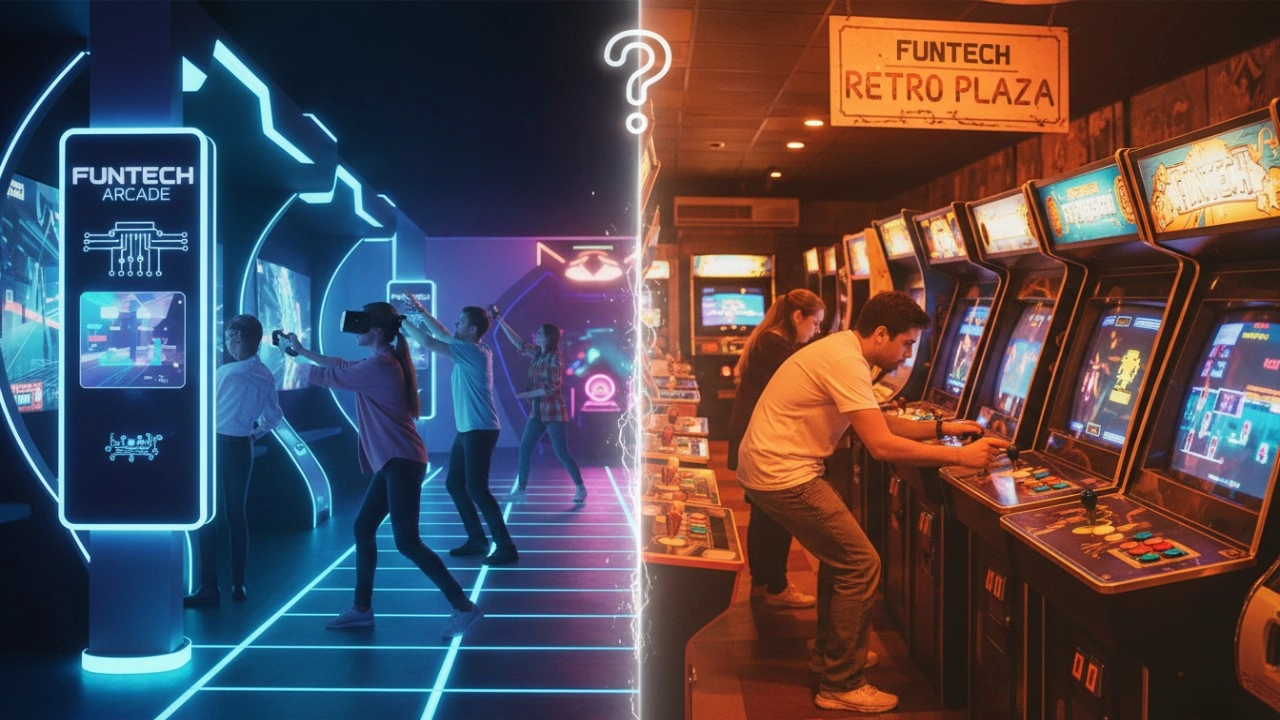
Interactive Sports Arcade vs Traditional Arcade Machines: Key Differences (2026 Guide)
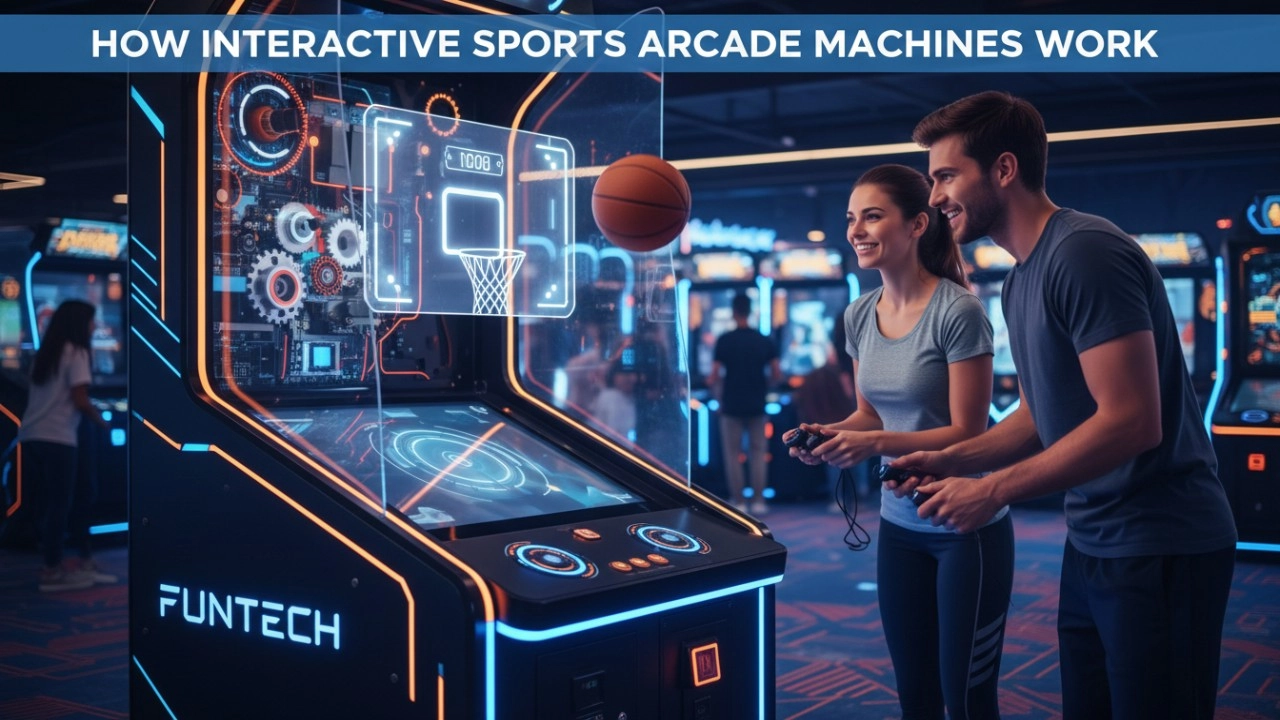
How Interactive Sports Arcade Machines Work (Sensors, Projection & AI) - 2026 Guide
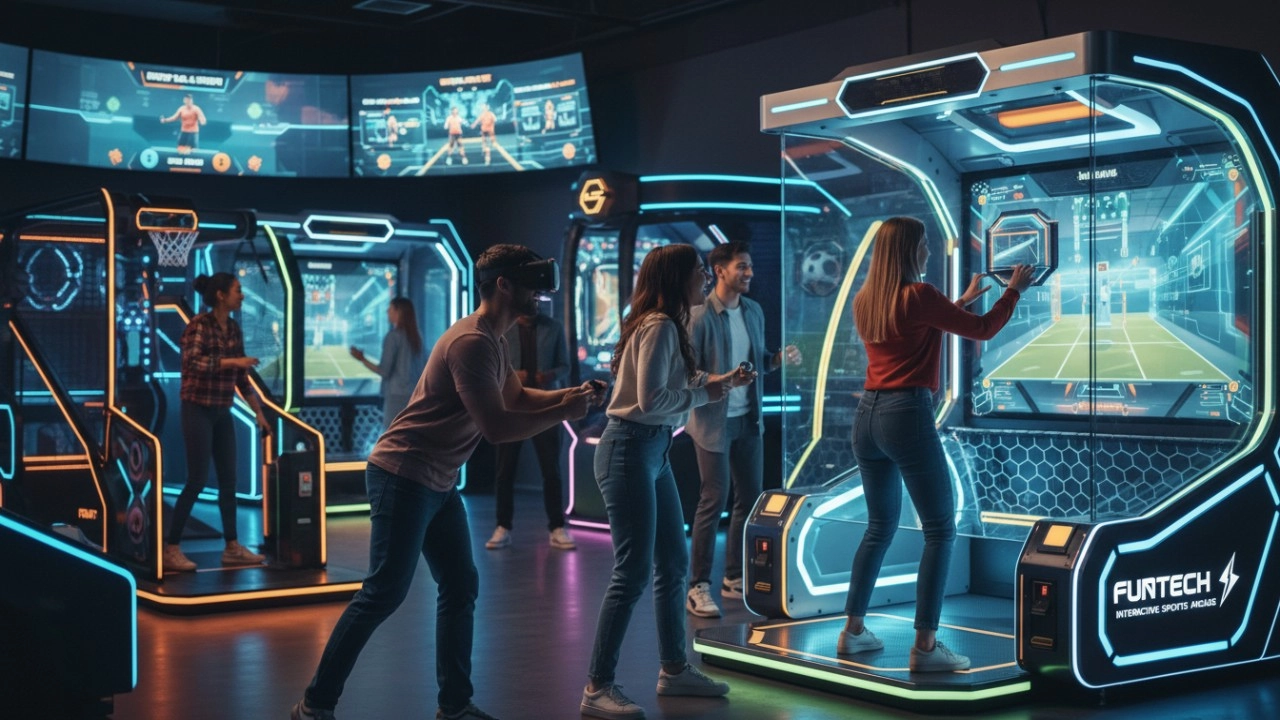
What Defines Interactive Sports Arcade Equipment in 2026?
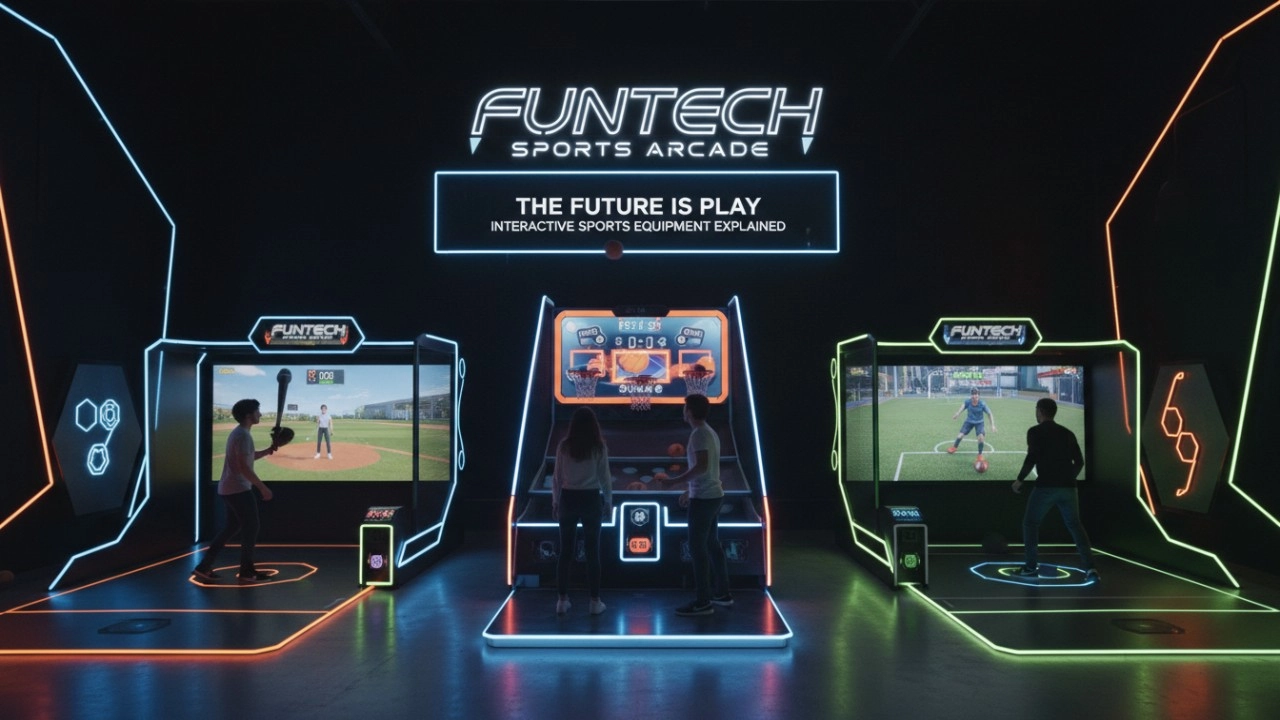
What Is Interactive Sports Arcade Equipment? Complete Beginner Guide (2026)
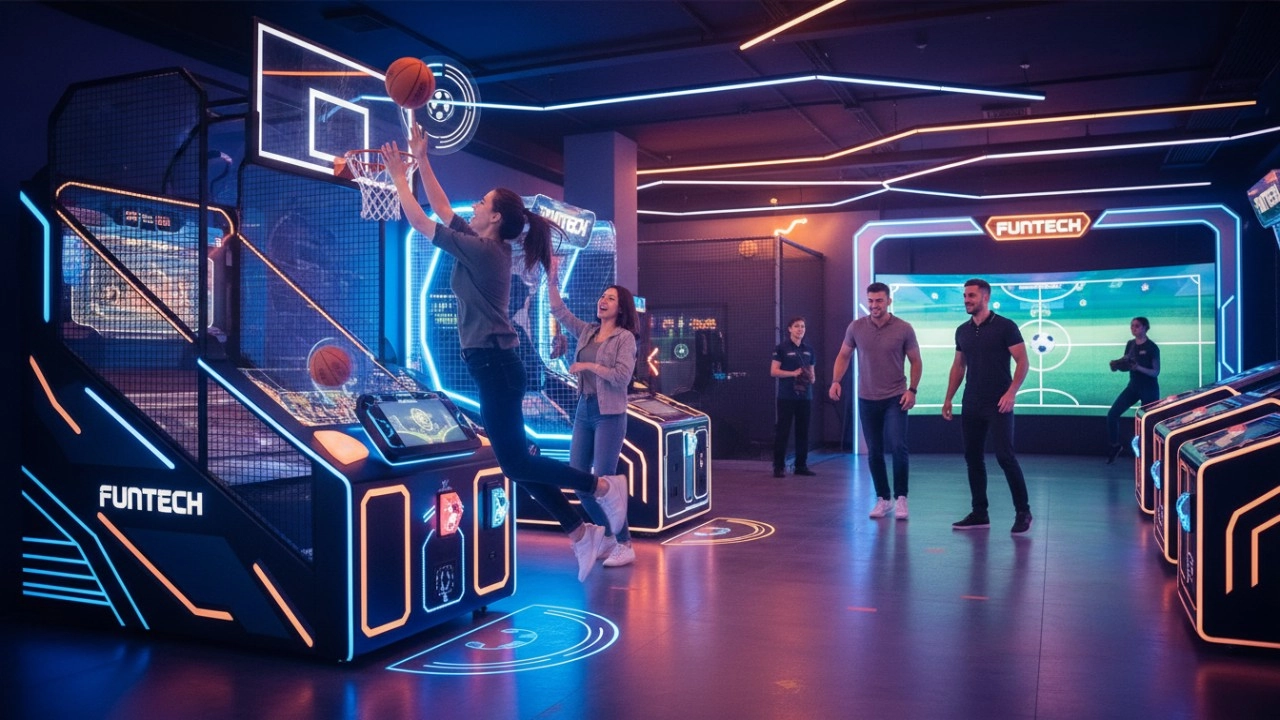
The Ultimate Guide to Interactive Sports Arcade Equipment for Commercial Entertainment (2026 Edition)
FAQ
What requirements should a store manager of a digital sports hall have?
The store manager of a digital sports and entertainment center needs to have good management and communication skills, be familiar with the application of digital technology, and have an innovative spirit and a sense of teamwork
Football Simulator
Simulation soccer suitable for which people to experience?
Suitable for all soccer fans, whether they want to get addicted to soccer anytime, anywhere, or by the field restrictions can not play football youth, as well as want to share the joy of the children's parents and children's families, all can find fun from it.
Infrared Shooting
Why are sports arcades a hot spot for investment?
The traditional entertainment market (e.g., arcade, KTV) has become less attractive to generations, while digital hip playgrounds integrating technology, sports, and socialization are more in line with young people's needs, and the market size has exceeded 50 billion in 2023, with an annual growth rate of more than 30%.
Interactive Rollerball
What is the difference between purchasing equipment for commercial operations and personal training?
Commercial operations should consider the durability, ease of operation, and attractiveness of the equipment, and it is preferable to choose cool-looking equipment that can withstand high-frequency use.
Holographic Light and Shadow Restaurant
What are the application scenarios of holographic projection?
Holographic projection has a wide range of applications in multiple fields. In the commercial field, it can be used for product display, advertising promotion, stage performances, etc., such as three-dimensional product display in shopping malls and virtual singer performances at concerts. In the field of education, it can be used for teaching demonstrations to help students understand complex scientific knowledge more intuitively. In the field of exhibition display, it can create an immersive exhibition experience and attract the attention of the audience.
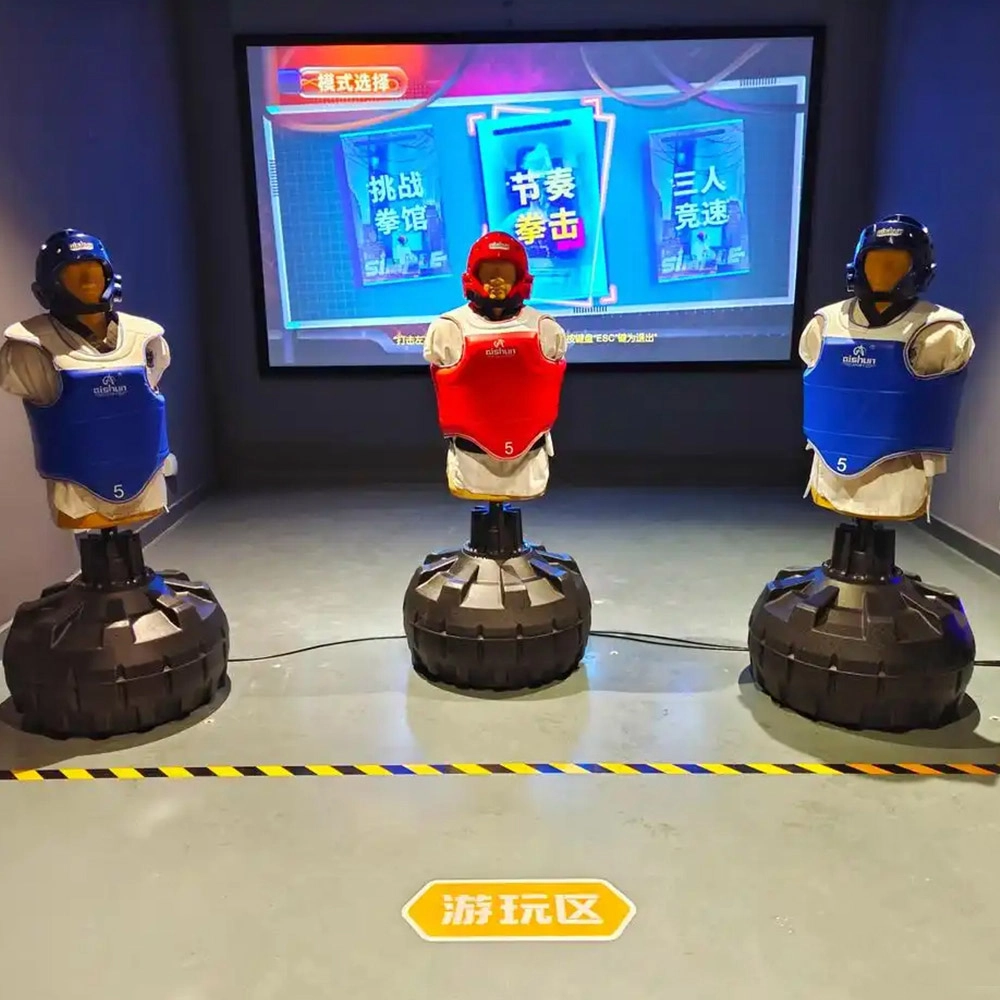
Indoor Boxing Equipment
FUNTECH is full of fun and exciting playgrounds! The indoor boxing simulation equipment combines pressure-sensitive boxing gloves with dynamic projection scenes, combining sports and fitness with entertainment and competitive attributes, supporting single-player training and two-player sparring modes, and accurately recording hitting data and generating sports reports, making it suitable for all-age experiences and safe and low-loss.
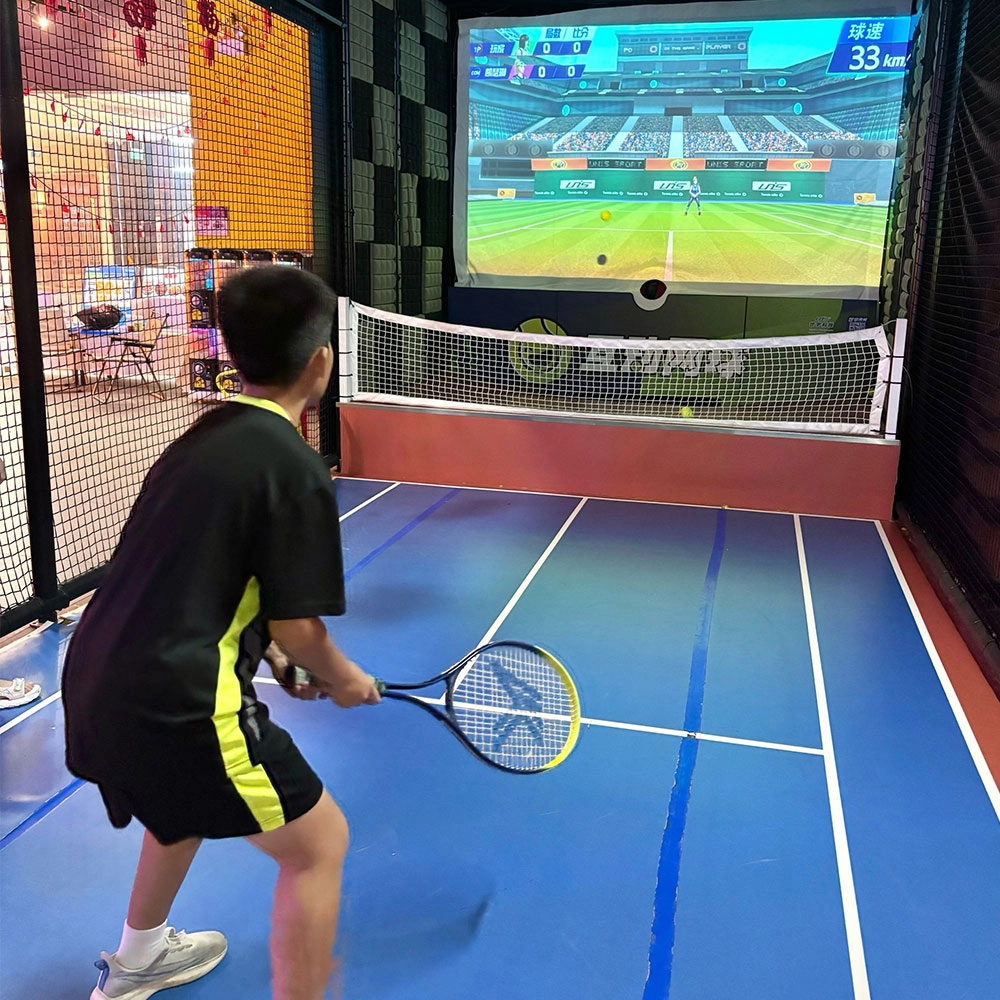
Indoor Tide Play Simulation Tennis Equipment
FUNTECH is full of fun and exciting playgrounds! With high-definition scene projection, force feedback racket, and intelligent scoring system, the simulated tennis equipment in the indoor arcade realizes immersive sports experiences and diversified interactive play, combining the advantages of safety and ease of use with high operational efficiency.
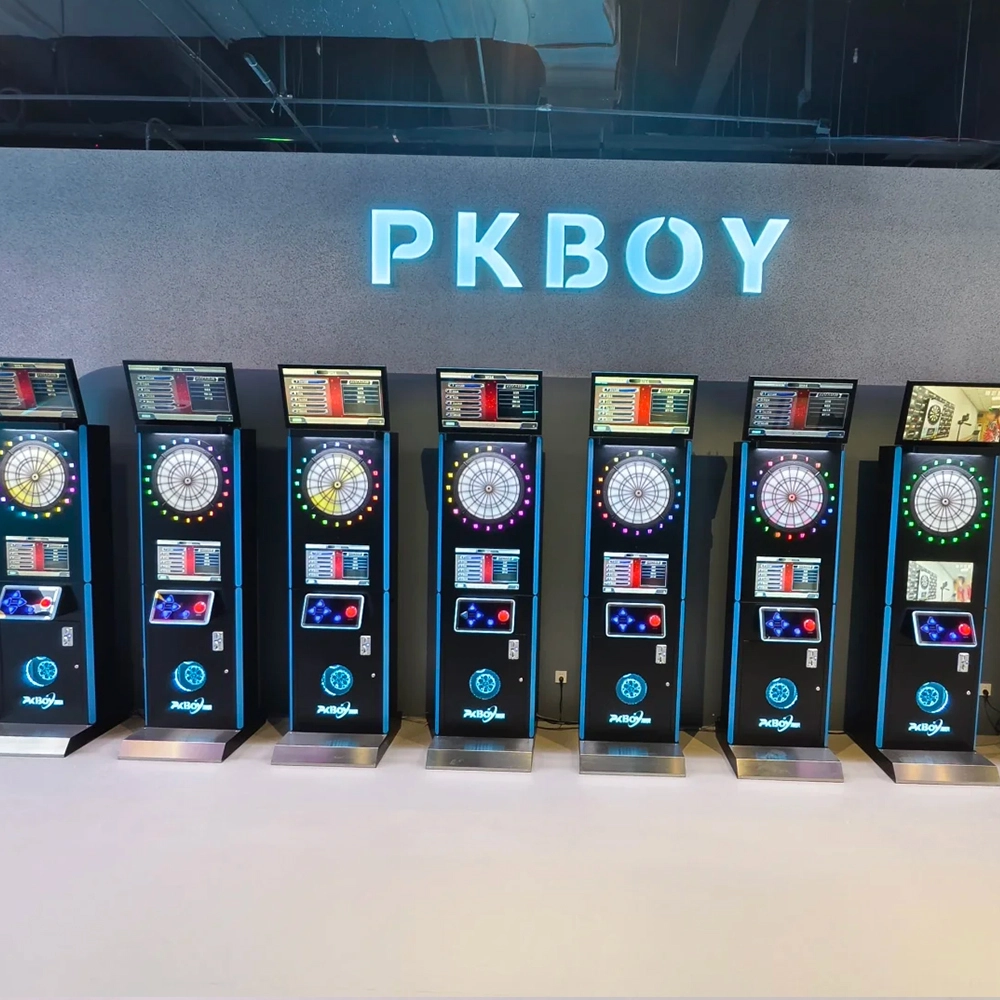
Dart Machines Bar Dart Machines
Joy Power is full of fun and excitement in the playground! The dart machine is suitable for all kinds of places, whether it is a bar, restaurant, KTV, or other entertainment venue, or a sports shop, club, or family leisure space, and can be perfectly adapted. In commercial venues, holding individual and team darts tournaments from time to time can attract more customers and increase the popularity and revenue of the venue, supplemented by various preferential activities, which can directly promote consumption and form a cycle of consumption of all the goods in the shop.
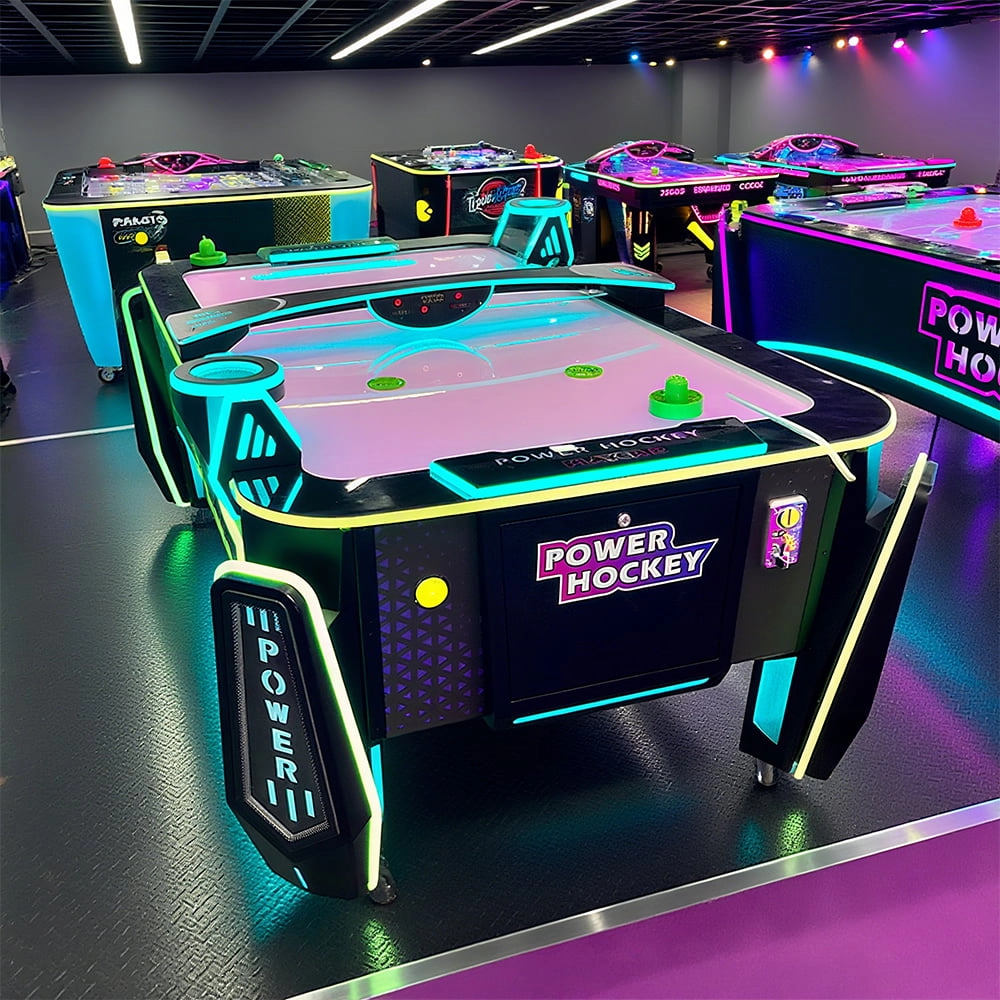
Arcade Hockey
FUNTECH is full of fun and exciting playgrounds! Air hockey, also known as air hockey, is a two-player competitive arcade game comprising a smooth, perforated playing surface, lightweight hockey sticks, a plastic puck, and an electronic scoreboard.
Ready to take your venue to the next level?
Leave us a message here, and our team will get back to you promptly.
Whether you're interested in custom orders, technical specifications, or partnership opportunities, we're here to assist you.
© 2025 FUNTECH ALL RIGHTS RESERVED

Weixia Lei
Fun_Tech-s
fun_tech20