
What payment plans are available for arcade dart machines for sale?
- 1) How do I accurately estimate the total cost of ownership for a commercial arcade dart machine for sale (including software fees, parts, and cashless integration)?
- 2) What payment plans are available for arcade dart machines for sale?
- 3) Can I finance arcade dart machines for deployment across multiple countries, and how should I plan for taxes, shipping, and customs?
- 4) Are revenue-sharing, placement, or consignment options common for arcade dart machine purchases, and how do I evaluate them?
- 5) What are realistic maintenance, uptime expectations, and warranty/service agreement norms for coin-op electronic dart machines?
- 6) How do I ensure the arcade dart machine's payments and games comply with local regulations and PCI/EMV standards?
- Concluding advantages of purchasing a commercial arcade dart machine
Arcade Dart Machine for Sale: Payments, Financing & Pro Buyer Guide
As procurement and operations specialists in Digital Sports Entertainment at FuntechGame, this guide answers six high-value, long-tail questions beginners and venue operators currently struggle to find solid answers for online. It embeds practical, real-world ranges and compliance checkpoints—covering commercial and coin-op electronic dart machines, soft-tip and steel-tip arcade dart game systems, cashless payment integrations, and equipment financing options.
1) How do I accurately estimate the total cost of ownership for a commercial arcade dart machine for sale (including software fees, parts, and cashless integration)?
Many listings quote only the unit price. Total cost of ownership (TCO) for an arcade dart machine includes several line items you must budget for before purchase:
- Unit purchase price: Commercial electronic dart machines commonly range from approximately $3,000 to $12,000 depending on cabinet size, multiplayer capability, display/media, and scoring software. Home or hobby soft-tip boards are typically much less expensive.
- Shipping and import charges: For international purchases, sea freight and port handling can add hundreds to a few thousand dollars; air freight is faster but more costly. Allow for customs duties and VAT depending on destination country.
- Payment hardware & integration: Adding EMV-capable card readers, NFC/contactless, or QR/mobile wallets and an operator backend often costs $300–$1,500 per machine for hardware and one-time integration setup. Ongoing gateway fees and merchant account fees apply.
- Software licensing and network fees: If the machine uses cloud-based leaderboards, tournament services, or content subscriptions, expect recurring fees—commonly $10–$50 per month per unit, though enterprise plans can vary.
- Warranty extension & service contracts: Manufacturers usually include a basic parts warranty (6–12 months). Extended service contracts or preventive maintenance packages commonly run as a percentage of price—roughly 5–15% of the machine price per year depending on coverage and response time.
- Consumables & replacement parts: Darts, soft-tip points, target surfaces, ticket dispensers, and buttons wear over time. Budget an annual parts/consumables allowance; as a rule of thumb start with 1–3% of machine cost per year for venues with moderate throughput.
- Installation & local compliance: Professional installation, electrical work, and any local inspection fees can add several hundred dollars per install, particularly for multi-unit deployments.
To calculate TCO, create a 3–5 year projection summing purchase, shipping, integration, projected annual license fees, service contracts, and consumables. This will make ROI comparisons across suppliers and payment plans accurate and comparable.
2) What payment plans are available for arcade dart machines for sale?
Vendors and financial providers offer multiple payment structures—each suits different buyer profiles (home buyer, small operator, multi-site chain):
- Cash/Bank Transfer: Lowest total cost, often required for the best lead times and for international shipments where finance is impractical.
- Equipment Financing / Term Loan: Common for businesses. Lenders provide amortized loans (typical terms 12–60 months). Down payments vary (0–30%), and interest depends on creditworthiness—expect different APRs for established SMBs vs startups. Financing preserves working capital and is commonly used by arcade and bar owners.
- Leasing (Operating or Capital Lease): Leasing spreads cost while offering tax and accounting treatments beneficial to some businesses. Operating leases may have lower monthly payments with options at term-end (purchase, renew lease, return). Capital leases behave like loans for accounting—verify terms with your accountant.
- Rent-to-Own / Lease-to-Own: Vendor-managed programs where a portion of monthly payments counts toward ownership. Often used by independent operators; these programs can be more expensive overall but reduce upfront capital needs.
- Revenue-Sharing / Placement Deals: Some suppliers or third-party operators offer placement (location) deals where the supplier installs the machine for little or no upfront cost and shares coin/card revenue (typical splits vary widely—always request historical performance data and a minimum guarantee). This reduces capex but reduces gross margin and complicates control over machine pricing and promotions.
- Buy Now Pay Later (BNPL) and Consumer Financing: For smaller-priced home units or small operators, consumer-facing BNPL options (short-term installments) are sometimes available. For large commercial units, business-focused equipment finance is typically more appropriate.
- Custom Structured Deals: For chains or multi-unit orders, manufacturers may offer bespoke payment schedules, milestone payments, or deferred payment starts tied to opening dates or revenue triggers.
Key negotiation points: required down payment, term length, implied APR, end-of-term purchase price or residual, service/warranty inclusion, and who owns software/data. Always get the full amortization schedule and confirm if recurring software/network fees are included in monthly payments or billed separately.
3) Can I finance arcade dart machines for deployment across multiple countries, and how should I plan for taxes, shipping, and customs?
Cross-border deployments are feasible but add complexity. Practical steps and considerations:
- Choose financing that supports cross-border collateral and invoicing. Many equipment finance companies operate regionally; for truly international programs, coordinate with a global equipment lessor or use localized financing partners in each country.
- Shipping timelines and modes: Sea freight is cost-effective for bulk orders (allow 4–8 weeks transit plus port handling). Air freight reduces lead time to days but costs more. Build lead time buffers for installations aligned with venue openings.
- Customs, duties, and compliance: Check HS codes for amusement machines and local import duty rates. Commercial amusement electronics commonly require CE marking for EU, UKCA for the United Kingdom, and UL or equivalent safety listings for North America. Factor in testing/certification costs if your current model lacks local approvals.
- VAT/GST handling: Depending on jurisdiction and whether you import or use a local distributor, VAT/GST may be reclaimable by registered businesses—work with customs brokers and tax advisors to avoid unexpected cashflow hits.
- Local service & spare parts: Establish local service partners or partner with the manufacturer for a spare-parts stocking plan to minimize downtime across sites. Multi-country warranty logistics should be explicit in contracts.
Work with an experienced freight forwarder, customs broker, and a regional finance partner. For multi-country rollouts, consolidate purchasing to negotiate better pricing and consider staggered delivery to optimize cashflow and financing drawdowns.
4) Are revenue-sharing, placement, or consignment options common for arcade dart machine purchases, and how do I evaluate them?
Placement and revenue-share programs exist, especially in entertainment districts and hospitality venues. They reduce upfront cost but require careful due diligence:
- Request historical KPIs: Ask the provider for anonymized performance data from comparable locations—plays per day, average spend per play, and seasonality. Reliable providers will share baseline metrics and case studies.
- Understand the split and who controls pricing: Revenue shares commonly range from 20% to 50% to the supplier/operator depending on who covers maintenance and cashless processing fees. Confirm who sets pay-per-play pricing and who benefits from promotional adjustments.
- Minimum guarantees and contract length: Some deals include a minimum monthly guarantee (MMG) to the venue or supplier—understand the length of the commitment and termination clauses. Check clauses on machine relocation and exclusivity in your venue category.
- Service SLAs & uptime guarantees: Because payouts depend on revenue, ensure the vendor commits to prompt service response times and clearly defined KPI-driven remedies for excessive downtime.
- Data ownership and reporting: Confirm who owns gameplay and transaction data. For multi-site operators, having access to real-time analytics via a dashboard is critical for dynamic promotions and layout optimization.
Revenue-sharing can accelerate rollouts and reduce capital expense, but it reduces gross margin and sometimes flexibility. Model five years of expected cashflows under both purchase and placement scenarios to decide what is best for your business.
5) What are realistic maintenance, uptime expectations, and warranty/service agreement norms for coin-op electronic dart machines?
Operators need predictable uptime because each minute offline is lost revenue. Realistic norms and expectations:
- Initial warranty: Manufacturers commonly offer a limited parts warranty (6–12 months). Confirm whether labor is included and the geographic scope of the warranty (domestic only vs global).
- Extended service contracts: These typically cover parts and technician labor and come in tiers—basic (parts-only), standard (parts + labor with 48–72 hour response), and High Quality (parts + labor with 24-hour response or next-business-day onsite). High Quality SLAs cost more but are often worth it for high-traffic locations.
- Spare parts stocking: For multi-unit operations, keep critical spares (power supplies, sensors, ticket/tube components, interface boards) onsite or in local warehouses to reduce MTTR (mean time to repair). Typical stocking reduces downtime from days to hours.
- Planned preventive maintenance: Quarterly or semi-annual PMs (cleaning sensors, tightening connectors, software updates) greatly reduce unexpected failures. Operators often budget PM as part of service-level agreements or do it in-house after vendor training.
- Expected uptime: With adequate service contracts and local spares, mature operators can target >95% uptime. New operators without local support should expect more downtime initially until processes are established.
When evaluating vendors, request the average MTTR, SLA response windows, replacement parts lead times, and a sample service agreement. Confirm who covers remote diagnostics and whether remote software patches are included.
6) How do I ensure the arcade dart machine's payments and games comply with local regulations and PCI/EMV standards?
Payment and regulatory compliance are essential, especially when you add card readers, cashless wallets, or age-restricted gameplay:
- Payment security: Any card acceptance must comply with PCI DSS requirements. If you install a third-party EMV/contactless reader, ensure it’s certified and that transaction data is tokenized—ask vendors for PCI compliance documentation and the payment gateway used.
- EMV and contactless certification: For accepting credit/debit on-site, use EMV-compliant terminals and follow merchant acquirer guidance. Confirm liability shift considerations with your payments provider.
- Local gaming & age-restriction laws: In some jurisdictions, certain competitive or prize-bearing games may fall under local gambling or gaming rules. Verify local classification and whether age verification, special permits, or restrictions apply.
- Accessibility and safety standards: Commercial cabinets should meet electrical safety (UL, CE) and, where applicable, accessibility guidelines. Confirm compliance certificates before purchase.
- Data privacy: If the system collects personal data (accounts, leaderboards, email), ensure GDPR (EU), CCPA (California), or local privacy law compliance. Ask vendors for their data processing agreements and retention policies.
Work early with your payments vendor, legal counsel, and the machine supplier to verify certification and regulatory compliance. For the payment side, require written proof of PCI compliance and EMV certification for any integrated terminals.
Concluding advantages of purchasing a commercial arcade dart machine
Buying an arcade dart machine brings several strategic advantages: predictable customer engagement, strong per-play margins when integrated with cashless payments, cross-promotional tournament potential that drives repeat visits, and modular scalability for multi-unit rollouts. Properly financed and supported with service contracts, these machines can provide stable ancillary revenue for bars, family entertainment centers, and arcades. When budgeting, include TCO elements—shipping, integration, license fees, and maintenance—to ensure a clear ROI.
For tailored quotes, financing options, placement program details, and local compliance support, contact us at www.funtechgame.com or email vicky@funtechgame.com. Our team will provide documentation (certifications, SLA examples, and sample amortizations) to support your procurement decision.
Sources and standards referenced in this guide: industry equipment financing norms, payment card security (PCI/EMV) best practices, and common manufacturer warranty and service contract structures used in the commercial arcade and amusement industry. For jurisdiction-specific legal advice, consult local counsel and your payments acquirer.
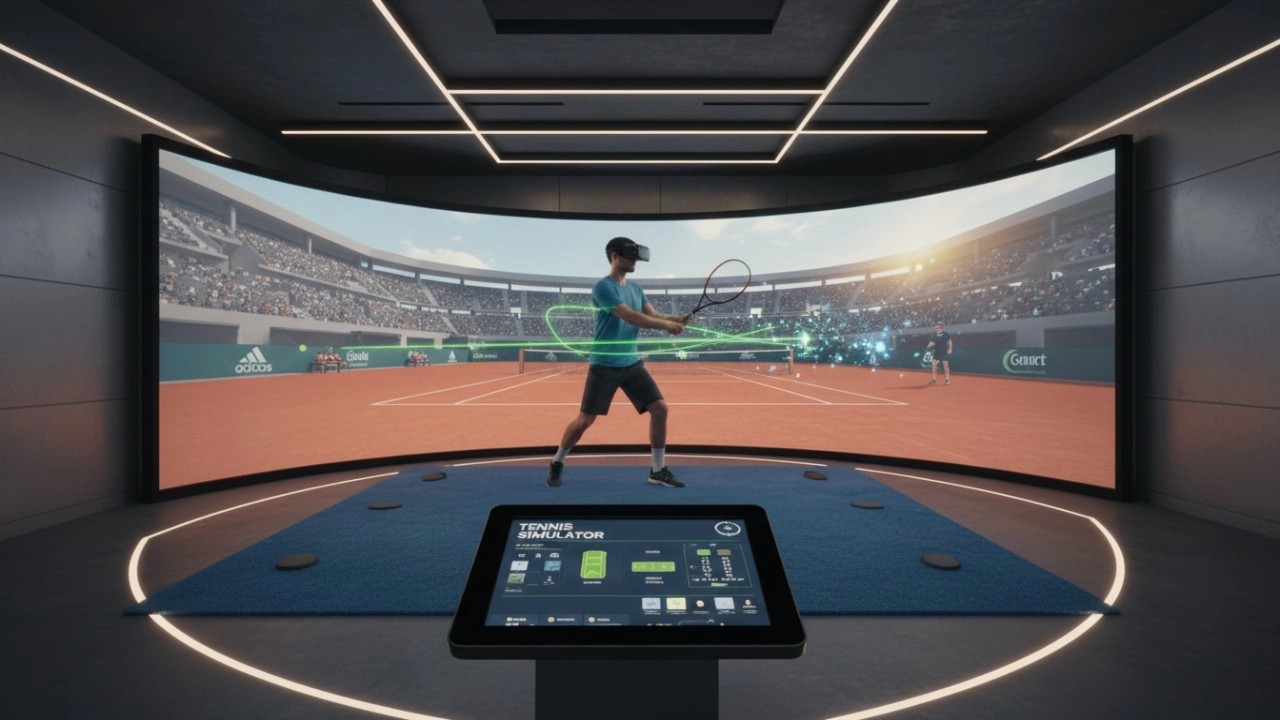
7 Reasons to Add a Tennis Simulator to Your Entertainment Venue Instead of Traditional Training Models (2026 Guide)
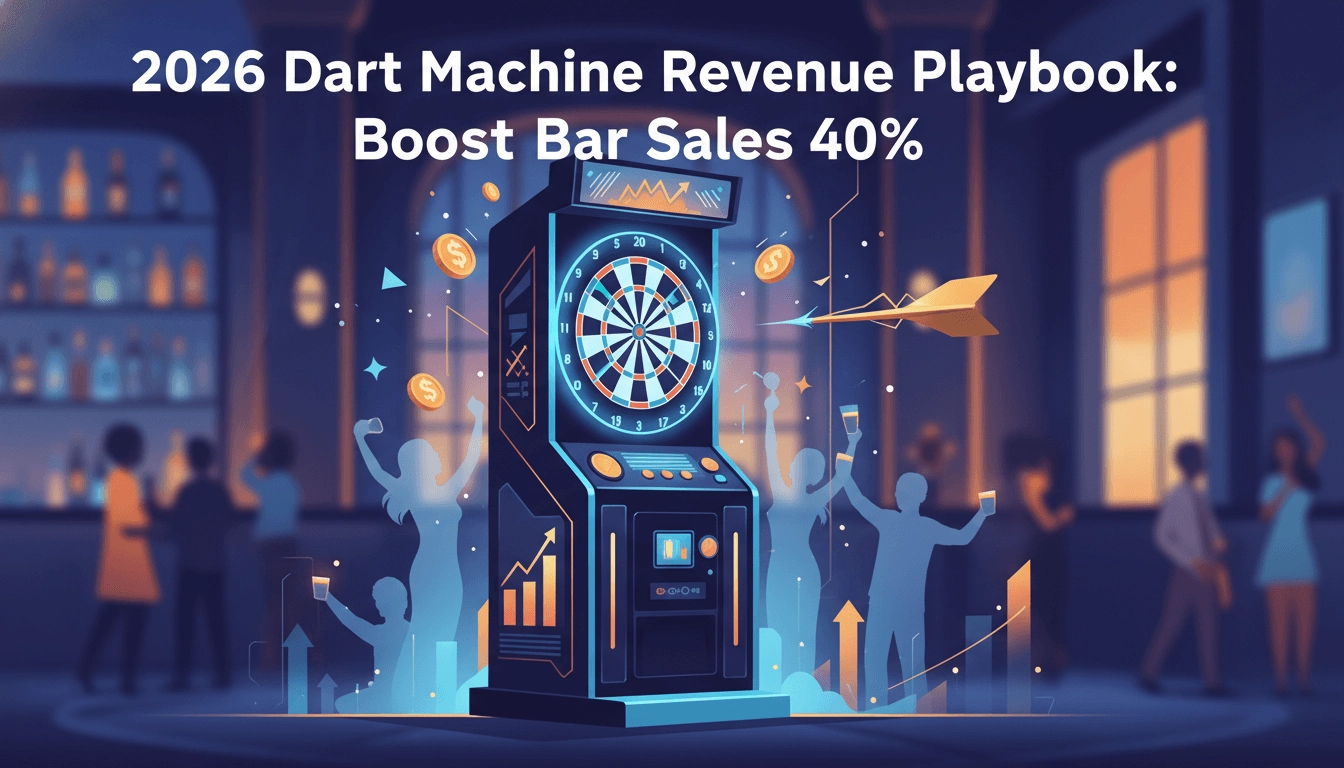
The 2026 Dart Machine Revenue Playbook: Boosting Mid-Week Sales by 30%-40% with Competitive Socializing
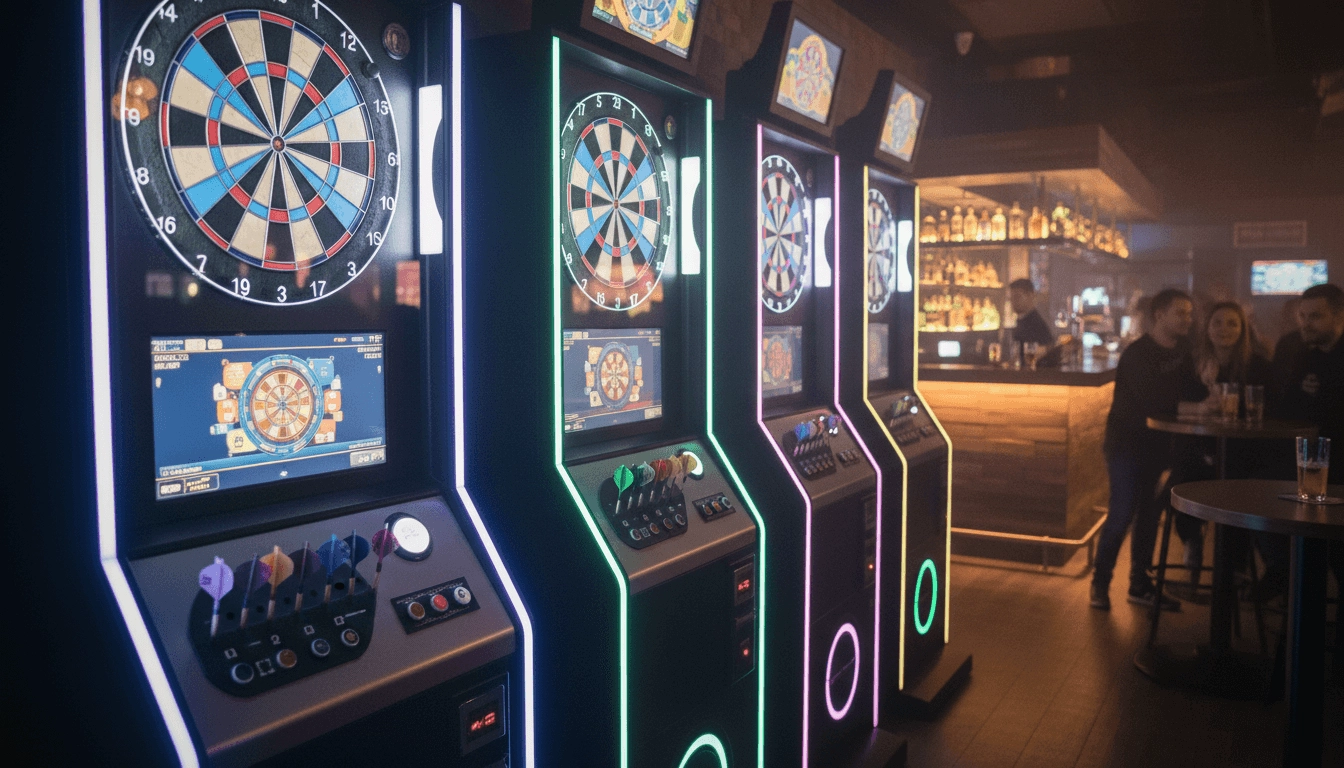
Redefining Competitive Socializing: Ultimate Guide to Selecting an Intelligent Dart Machine 2026
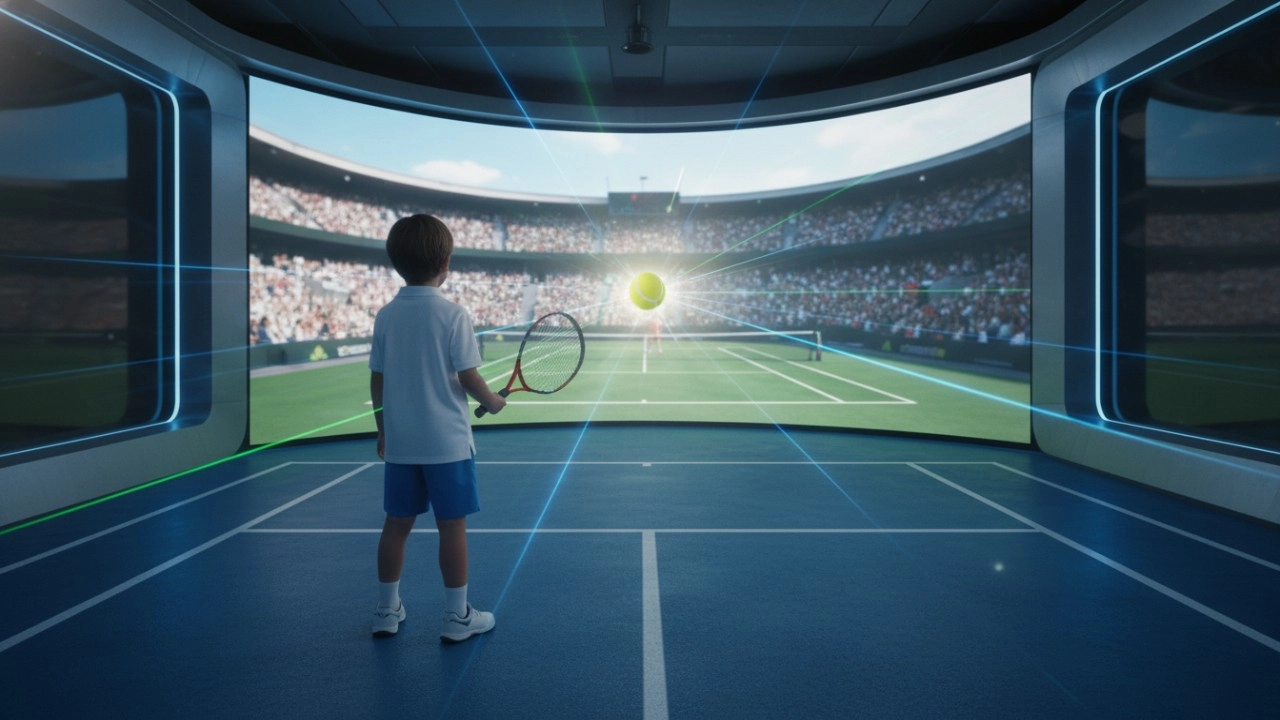
Tennis Simulators in 2026: The Ultimate Guide to Virtual Courts and Advanced Training

Top 15 Dart Machine Manufacturers in 2026
Products
How to reduce operating costs?
Starting with equipment procurement, choose cost-effective, durable and easy-to-maintain products, which can save money for subsequent maintenance. o Starting with equipment procurement, choose cost-effective, durable and easy-to-maintain products, which can save money for subsequent maintenance. Reasonable arrangement of staff, reduce the number of staff on duty during non-peak hours, train staff to have multi-skills, such as being able to operate the equipment as well as guiding customers on the side, to improve the efficiency of manpower and reduce manpower costs.
What is the most reasonable pricing for a mobile target archery program in a commercial setting?
If it is in shopping malls, scenic spots, and other places with high traffic flow, you can refer to the prices of similar entertainment programs in the surrounding area and combine them with your own costs, charging from $30 - $80 for a single session for a single person. If it is in a professional sports arena, for members or long-term training customers, packages can be introduced, such as monthly card 300 - 500 yuan, seasonal card 800 - 1200 yuan, according to different length and service content reasonable pricing.
Dart Machines Bar Dart Machines
How to reduce operating costs?
Starting with equipment procurement, choose cost-effective, durable and easy-to-maintain products, which can save money for subsequent maintenance. Reasonable arrangement of staff, reduce the number of staff on duty during off-peak hours, train staff to have multi-skills, such as being able to operate the equipment and guide customers part-time, so as to improve the efficiency of manpower and reduce the cost of manpower.
FAQ
What is to be considered for setting up a digital sports & amusement hall?
The design requirements of digital sports & amusement hall are different from other entertainment venues, and they need to focus on innovation, interactivity and experience.
Golf Simulator
What is the difference between purchasing equipment for commercial operations and personal training?
Commercial operations should consider the durability, ease of operation, and attractiveness of the equipment, and it is preferable to choose cool-looking equipment that can withstand high-frequency use.
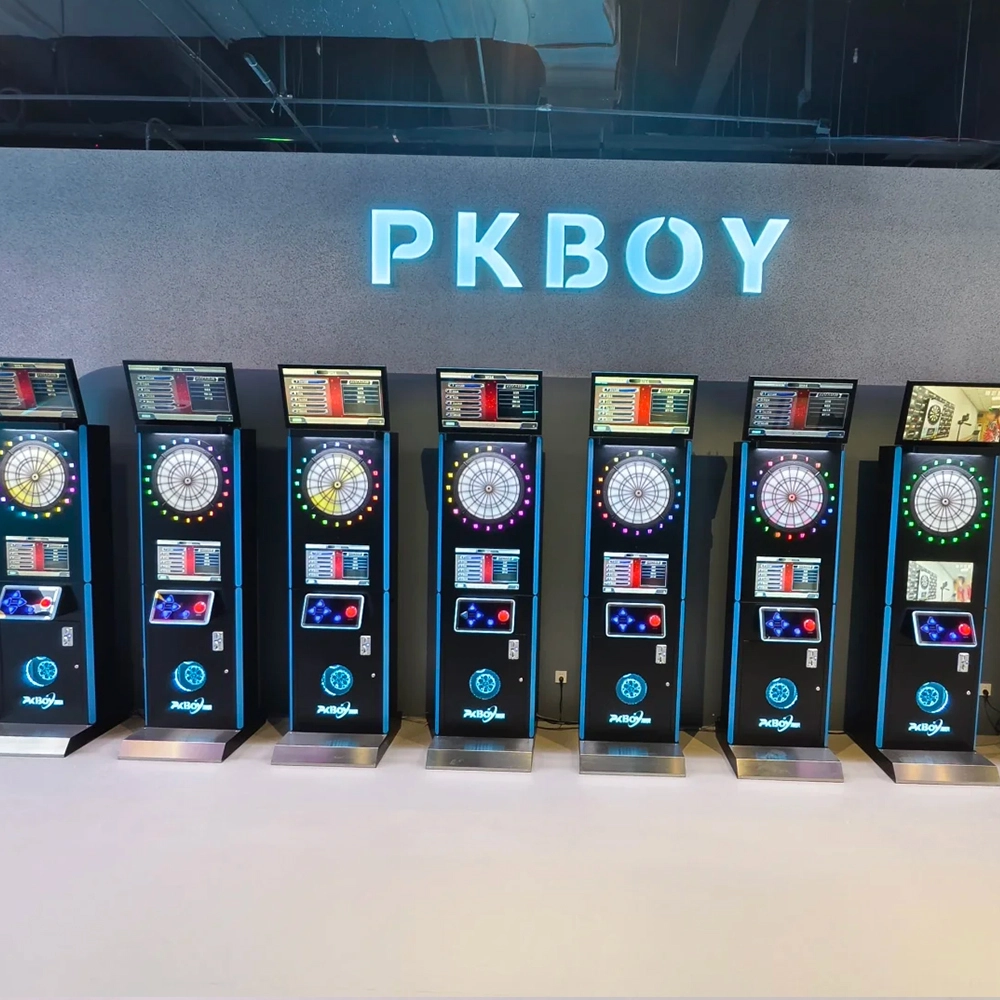
Dart Machines Bar Dart Machines
Joy Power is full of fun and excitement in the playground! The dart machine is suitable for all kinds of places, whether it is a bar, restaurant, KTV, or other entertainment venue, or a sports shop, club, or family leisure space, and can be perfectly adapted. In commercial venues, holding individual and team darts tournaments from time to time can attract more customers and increase the popularity and revenue of the venue, supplemented by various preferential activities, which can directly promote consumption and form a cycle of consumption of all the goods in the shop.
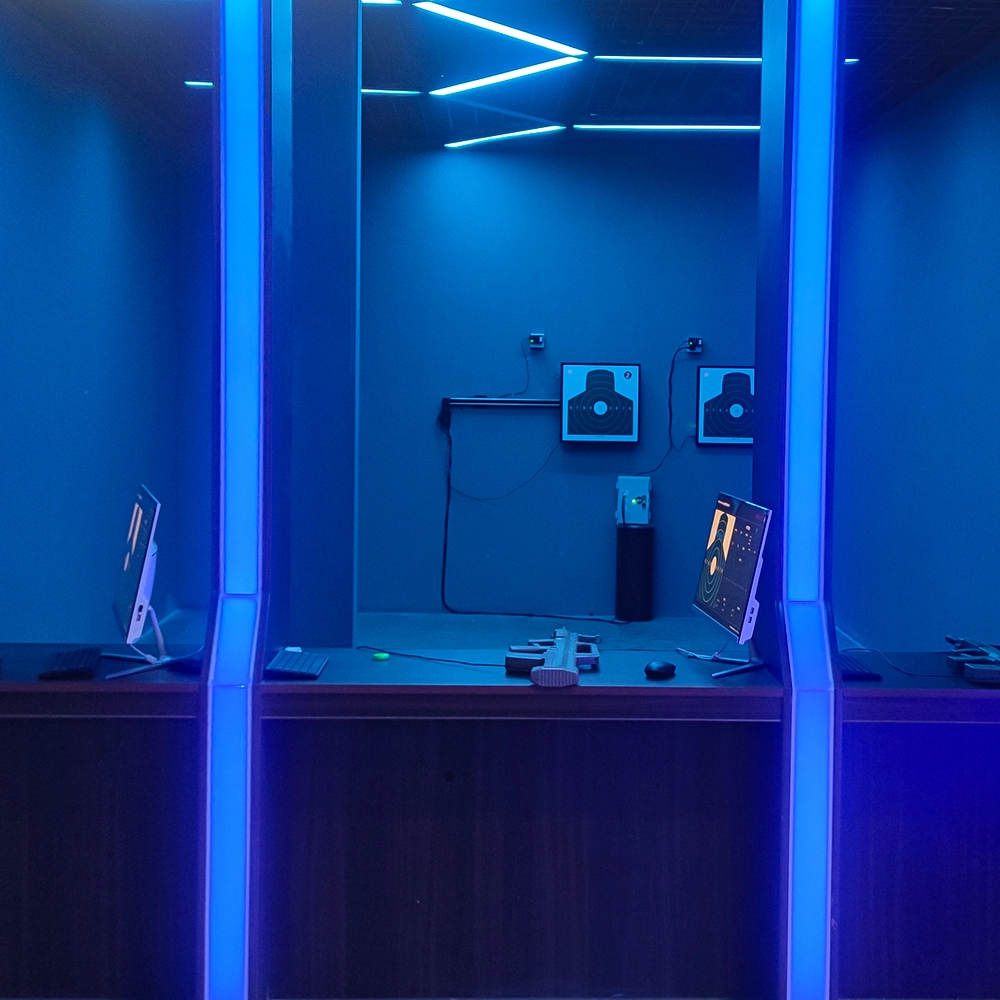
Infrared Shooting
Highly simulated simulation training analysis equipment, with advanced design concepts, fast system development, ease of operation and use, stable technical performance, less consumption of training, site dependence on a small group training is highly interesting, safe, and reliable, and other outstanding features. Product design to solve the basic skills of light weapons precision shooting as a starting point, to improve the safety of shooting training and training efficiency as the fundamental purpose, highlighting the simulation, information technology, and combat training requirements, can be in small indoor and outdoor venues and does not use live ammunition to complete the basic shooting training.
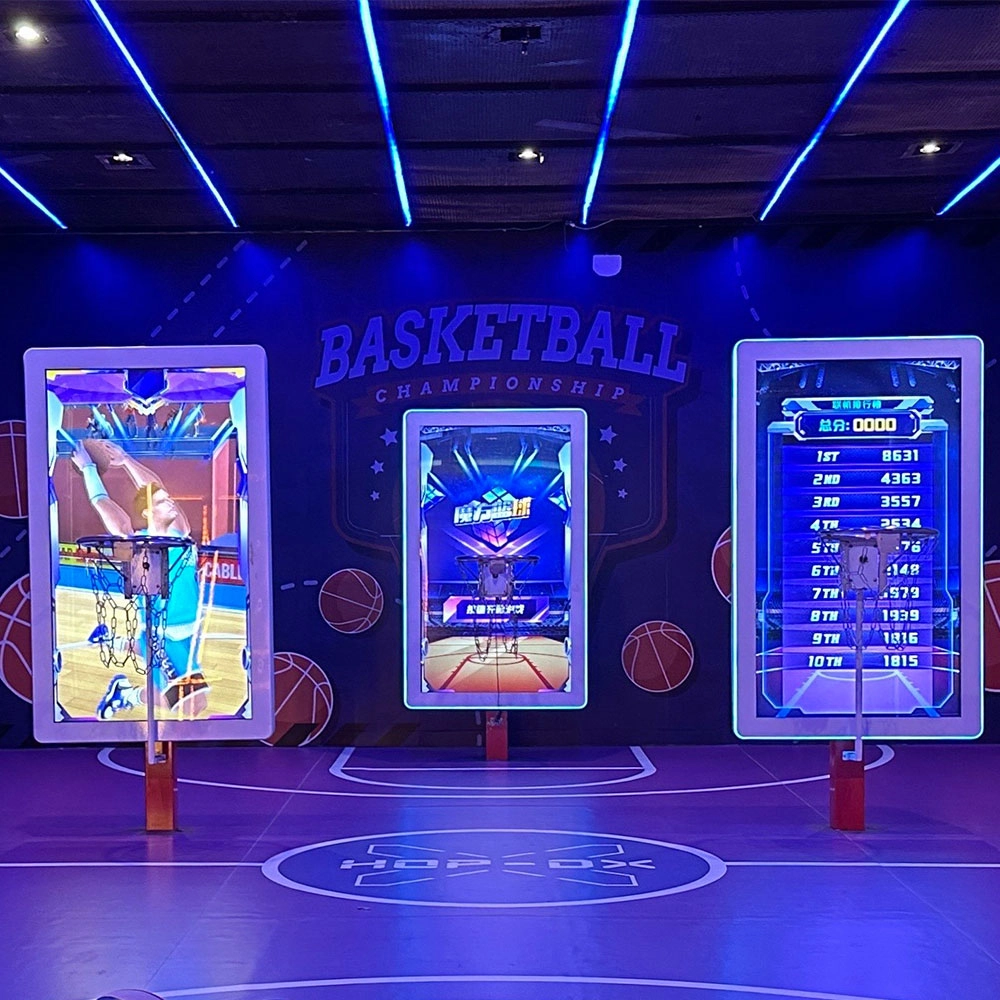
Multi-Player Interactive Shooting Machine
Joy Power is full of fun and exciting playgrounds! The basketball shooting machine is a classic amusement device integrating competition, entertainment, and interactivity. Based on the traditional basketball shooting sport, it integrates electronic scoring, sound and light effects, and challenge mechanisms to bring players an immersive game experience. The main body of the equipment is usually built with a metal frame, equipped with a standard-sized basket and a sturdy rim, with multiple sets of sensors to accurately capture the trajectory of the shot; when the player shoots the ball, the machine's built-in sensors count the score in real time and present the score, remaining time, and challenge goals through the LED display or LCD screen, with exciting sound effects and colorful lights to create a tense and exciting gaming atmosphere.
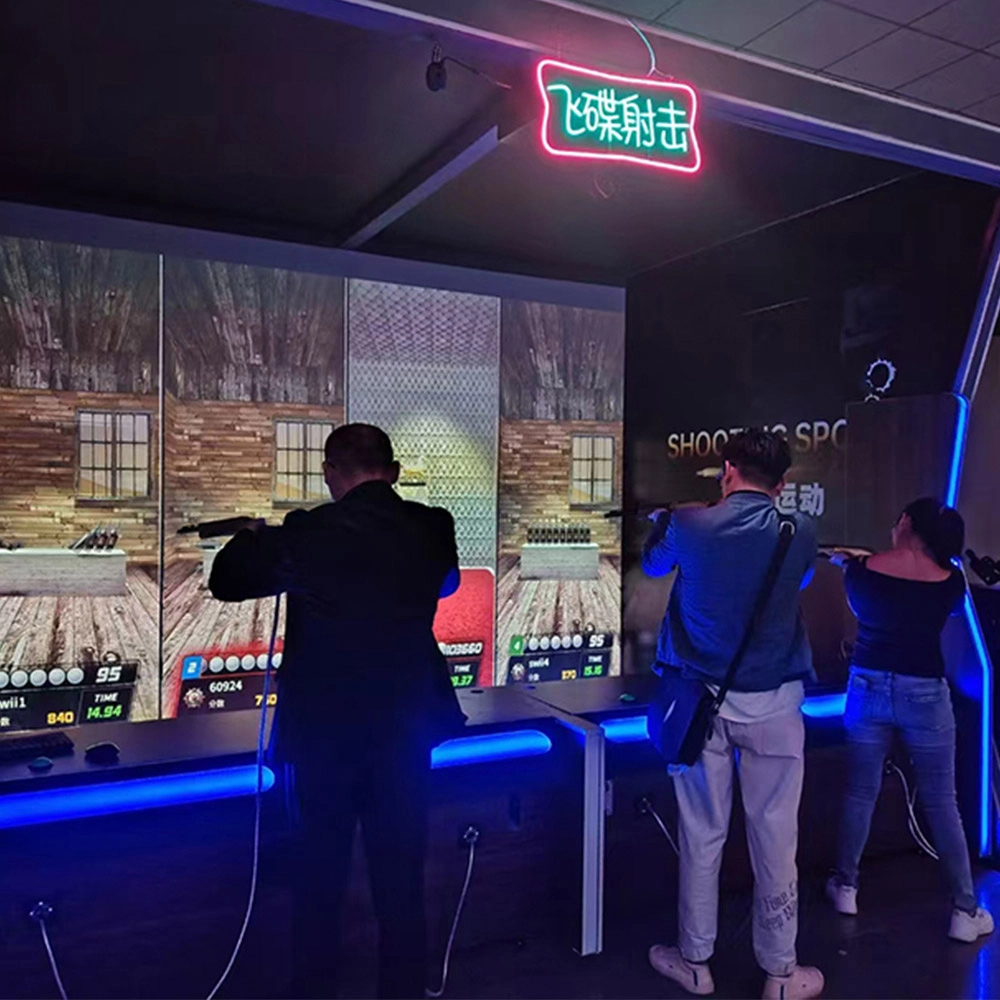
Indoor Wave Play Disc Shooting Equipment
Joy Power is full of fun and exciting playgrounds! The saucer shooting equipment in the indoor hip play hall is an immersive entertainment device integrating high-definition projection scenes, simulated air rifles, and multi-mode interactive gameplay, which allows players to experience the excitement of virtual shooting and the fun of social competition through laser-sensing scoring and multi-sensory feedback.
Ready to take your venue to the next level?
Leave us a message here, and our team will get back to you promptly.
Whether you're interested in custom orders, technical specifications, or partnership opportunities, we're here to assist you.
© 2025 FUNTECH ALL RIGHTS RESERVED

Weixia Lei
Fun_Tech-s
fun_tech20