
What materials are used in arcade dart machine cabinets for sale?
- 1) How do I evaluate cabinet durability for a high-traffic bar or arcade when choosing an arcade dart machine for sale?
- 2) What materials are used in arcade dart machine cabinets for sale and which combinations work best for humid or coastal venues?
- 3) What should I check about electronic scoring systems and spare-part availability before buying an arcade dart machine for sale?
- 4) What realistic shipping, customs and installation costs should I budget for when ordering an arcade dart machine for sale internationally?
- 5) How can I assess noise, vibration and player-impact durability features in an arcade dart machine for sale to avoid complaints from venue owners?
- 6) What warranty and service-level agreements (SLAs) should I insist on when buying arcade dart machine for sale for multi-location operations?
- Conclusion — Advantages of choosing thoughtfully engineered arcade dart machines
Arcade Dart Machine for Sale: Practical Buying Answers for Operators
Buying a commercial arcade dart machine for sale requires more than price comparison. Below are six specific, pain-point-focused questions beginners ask that often lack data-driven answers online. Each answer explains real-world material choices, construction specs, service considerations, and buying checks you can use when comparing soft-tip and steel-tip electronic dartboard cabinets.
1) How do I evaluate cabinet durability for a high-traffic bar or arcade when choosing an arcade dart machine for sale?
Durability is a combination of core materials, surface finish, frame reinforcement, and serviceability. For commercial use, prioritize machines built with: 1) Structural core: 12–18 mm birch plywood or phenolic-bonded plywood for load-bearing panels. These resist delamination and hold hardware better than low-density MDF or particleboard. 2) External skin: melamine-faced plywood, high-pressure laminate (HPL), or commercial-grade vinyl wrap. HPL resists scratching and liquids; melamine is cost-effective but can chip at edges. 3) Frame and chassis: powder-coated steel or welded tubular steel frames (16–18 gauge) at key stress points—hinges, monitor mounts and coin/mech compartments. 4) Impact protection: rubber bumpers, corner guards, and 3–5 mm powder-coated steel kick plates where players lean or kick. 5) Fastener quality: stainless or zinc-plated machine screws with lock washers, not drywall screws.Operational lifespan: properly maintained commercial units built with plywood/HPL and steel subframes commonly last 5–10 years under heavy nightly use; lower-cost MDF/particleboard units frequently show failure in 2–4 years. When comparing arcade dart machine prices, request material specs (panel type and thickness, steel gauge) and ask for a service history or references from venues with similar footfall.
2) What materials are used in arcade dart machine cabinets for sale and which combinations work best for humid or coastal venues?
Cabinet materials affect weight, longevity and maintenance. Common materials and properties:- Birch plywood (marine-grade where available): excellent strength-to-weight, resists warping. Recommended thickness: 12–18 mm for main panels. - Phenolic plywood: higher moisture resistance and wear durability—used in High Quality commercial machines.- MDF/particleboard: lower cost, smooth finish, but poor moisture resistance and weaker screw holding—avoid for damp venues.- High-pressure laminate (HPL) or melamine: protective top-skins—HPL best for scratch and moisture resistance.- Powder-coated steel: used for internal frames, coin doors and reinforcement—use 16–20 gauge for durability.- Aluminum extrusions: lightweight, corrosion-resistant trims and door frames for transportable cabinets.- Tempered acrylic or polycarbonate: protective panels over displays—polycarbonate is more impact-resistant but scratches easier; acrylic is clearer but more brittle.- Sealing: silicone or polyurethane edge sealants and marine-grade varnish/lacquer for plywood edges in coastal venues.Best combination for humid/coastal venues: phenolic-bonded plywood core + HPL skin + powder-coated steel frame + sealed edges. Request manufacturer statements about moisture resistance, and whether they use marine or exterior-grade adhesives. Insist on rust-resistant hardware (stainless or galvanized) and, if possible, desiccant ventilation in electronic cabinets to reduce condensation around control boards and connectors.
3) What should I check about electronic scoring systems and spare-part availability before buying an arcade dart machine for sale?
Electronic scoring reliability and maintenance availability are recurring pain points that can turn a profitable machine into downtime. Key checks:- Board technology: soft-tip machines use segmented electronic rings with contact sensors; steel-tip competitive machines use sensor rings or camera/IR systems. Ask about sensor type, and whether the board module is modular and replaceable without removing the entire cabinet.- Control board & firmware: get details on the controller model, firmware update process, and whether the vendor provides firmware patches. Confirm that scoring logic and game updates can be uploaded locally (USB/SD) or remotely.- Common fail parts: power supplies, LED matrix displays, scoring sensors, solenoids (if coin-op), and control buttons. Ask for MTBF (mean time between failures) estimates where available and typical failure modes.- Spare parts & service network: require a parts list, availability windows (days to ship regionally), and local service partners. For multi-location ops, confirm depot swap programs for fast exchange or advance replacement parts on consignment.- Diagnostics & accessibility: cabinets should have an accessible service panel and labeled connectors. Request a service manual or walkthrough video.Operational recommendation: buy from suppliers that provide at least 12 months commercial warranty on electronics, optional extended warranties (2–3 years), and clear spare-part pricing. A vendor with regional logistics or a local distributor reduces mean time to repair and protects revenue from machine downtime.
4) What realistic shipping, customs and installation costs should I budget for when ordering an arcade dart machine for sale internationally?
Many beginners underestimate landed cost. Budget components:- Freight & crating: heavy cabinets (80–180 kg / 176–400 lb) in wooden crates incur higher rates. Crating + inland transport often runs 10–25% of the machine price depending on origin, destination, and volume discounts. Ask for itemized quotes (FOB vs DDP) and palletized vs wooden crate options.- Customs duties & taxes: vary by country and HS code classification. Duty rates for arcade equipment can range from 0% to 20% depending on local tariff codes—check local customs or work with a broker.- Import compliance: electrical certifications (CE, UL, FCC, CCC) matter. Machines shipped without local approvals can be held at customs or require rework. Request certificates from suppliers.- Installation & site prep: onsite power (110/120V or 220/230V) and dedicated circuit may be required; include electrician cost. Also allow space for cabinet ventilation and a 0.5–1.0 m service access clearance behind the unit.- Local assembly: many suppliers ship with modular sub-assemblies to reduce freight volume; count local assembly labor (1–2 hours typically) and tools.Ask suppliers for a Delivered Duty Paid (DDP) quote to avoid surprise import fees. For chains purchasing multiple units, negotiate consolidated shipping to reduce per-unit crating and freight costs.
5) How can I assess noise, vibration and player-impact durability features in an arcade dart machine for sale to avoid complaints from venue owners?
Noise and vibration are frequent complaints, especially in indoor restaurants or family entertainment centers. What to check:- Internal damping: look for machines that use acoustic foam, neoprene pads or rubber isolators between electronic modules and wooden shells to reduce rattle. A properly damped unit will be noticeably quieter under heavy play.- Mounting hardware: vibration-isolating mounts for speakers and coin mechanisms reduce transmitted noise to the floor and surrounding cabinetry.- Backboard design: solid backboards (plywood + foam) absorb impact noise better than thin particleboard. Internal cavity filling with acoustic insulation cuts echo from the cabinet cavity.- Kick plates and guards: effective player-impact zones use 3–5 mm steel plates with rubber edging to prevent thuds from bruising the cabinet.- Measured targets: request (or test) sound levels while running games. Commercial venues commonly aim for <70 dBA at 1 m during active play to avoid complaints; loud cabinets can exceed 80–85 dBA and cause issues during long sessions.If acoustics are a concern, ask the supplier about optional sound-reduction packages (acoustic liners, quieter fans, isolated power supplies) and whether they can provide an on-site demo model or sound testing data.
6) What warranty and service-level agreements (SLAs) should I insist on when buying arcade dart machine for sale for multi-location operations?
For operators, warranties and SLAs protect uptime and ROI. Important clauses and service elements:- Warranty scope: insist on at least 12 months commercial warranty covering parts and labor for electronics and mechanical components. Extended warranties (24–36 months) are recommended for high-usage venues.- SLA response times: define response time windows for phone support (same business day), replacement parts (72 hours regional, 7–14 days international), and on-site service (48–96 hours depending on location). For revenue-critical machines, negotiate faster response or swap-out unit options.- Spare parts policy: require that the supplier maintain common spare parts inventory for at least 3 years. For chains, request consignment stock or priority shipping terms.- Software support: include firmware updates, bug fixes and game updates in the contract for a defined period. Clarify any fees for major feature updates.- End-of-life & obsolescence: ask for a policy on parts obsolescence and upgrade paths (e.g., modular controller boards that can be replaced/upgraded without full cabinet replacement).Include these items in purchase contracts or master service agreements. For larger fleets, create a preventative maintenance schedule with the vendor to maximize uptime and lifespan.
If you'd like a precise quotation tailored to venue footprint, power standards and service expectations, contact us for a quote at www.funtechgame.com or email vicky@funtechgame.com.
Conclusion — Advantages of choosing thoughtfully engineered arcade dart machines
Selecting the right arcade dart machine for sale—one built from plywood or phenolic cores, HPL skins, powder-coated steel frames, and modular electronic systems—delivers longer commercial life, lower maintenance, reduced downtime and better player experiences. Prioritize suppliers who provide clear material specs, local service networks, spare-part availability and robust warranties. These choices lower total cost of ownership, improve venue uptime and protect revenue.
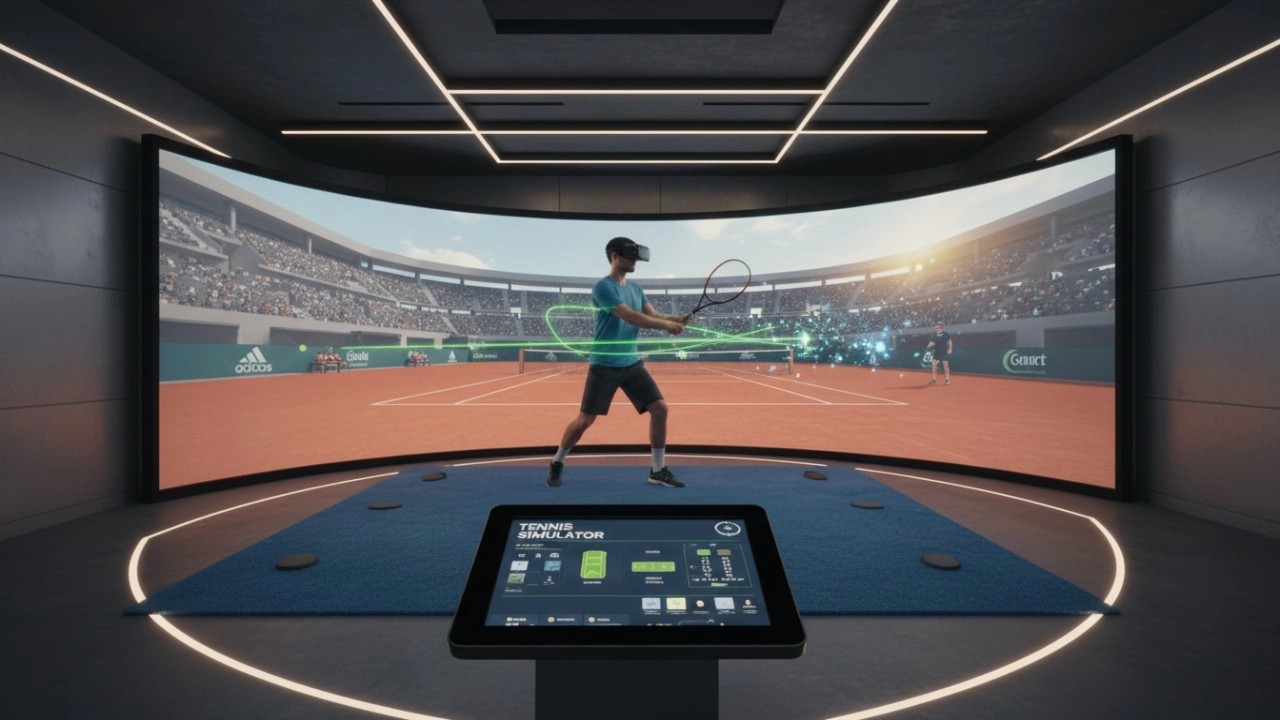
7 Reasons to Add a Tennis Simulator to Your Entertainment Venue Instead of Traditional Training Models (2026 Guide)
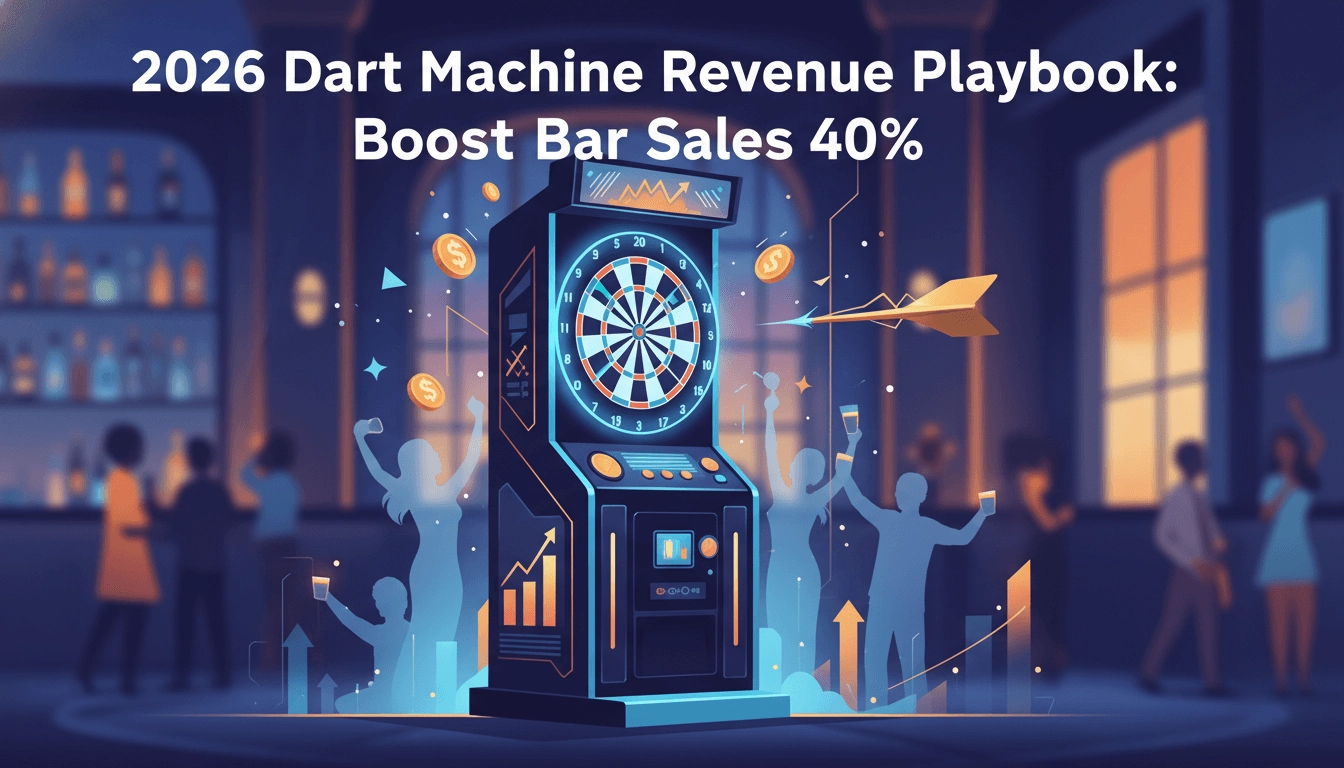
The 2026 Dart Machine Revenue Playbook: Boosting Mid-Week Sales by 30%-40% with Competitive Socializing
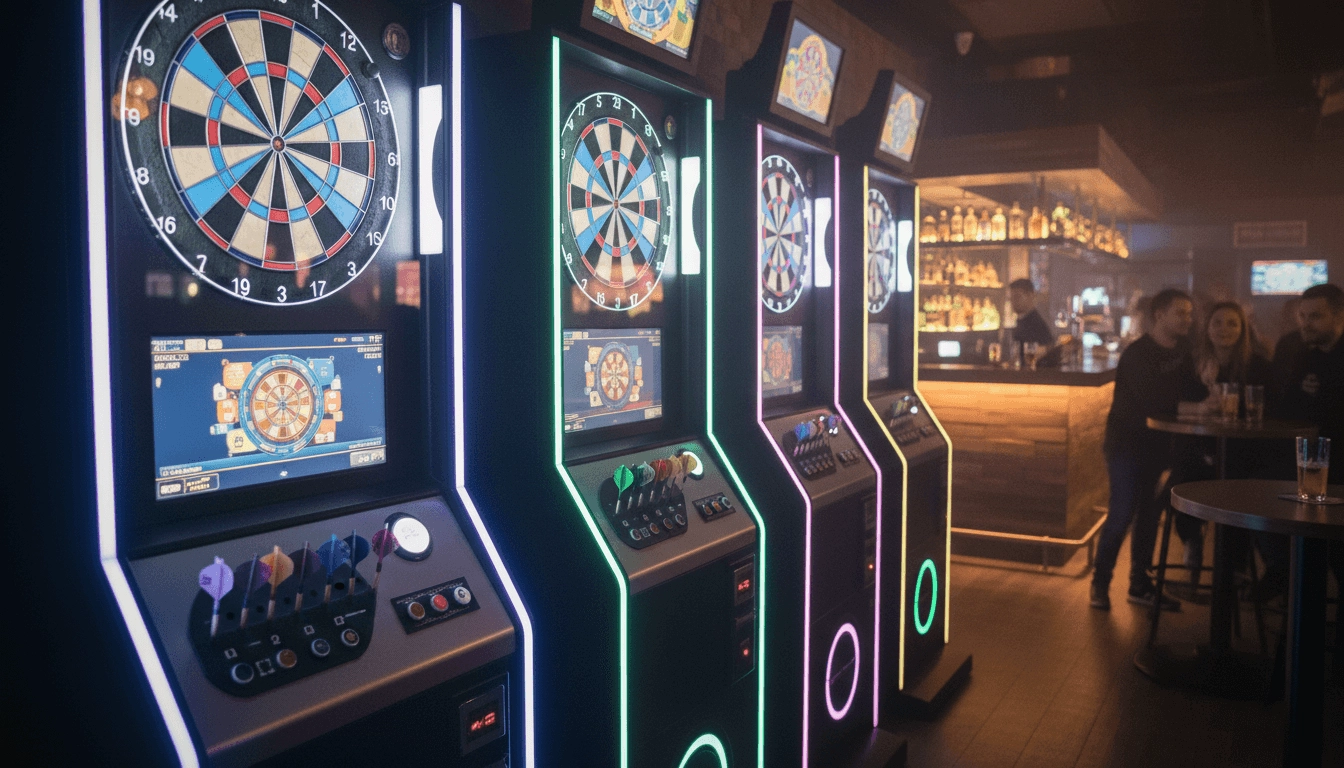
Redefining Competitive Socializing: Ultimate Guide to Selecting an Intelligent Dart Machine 2026
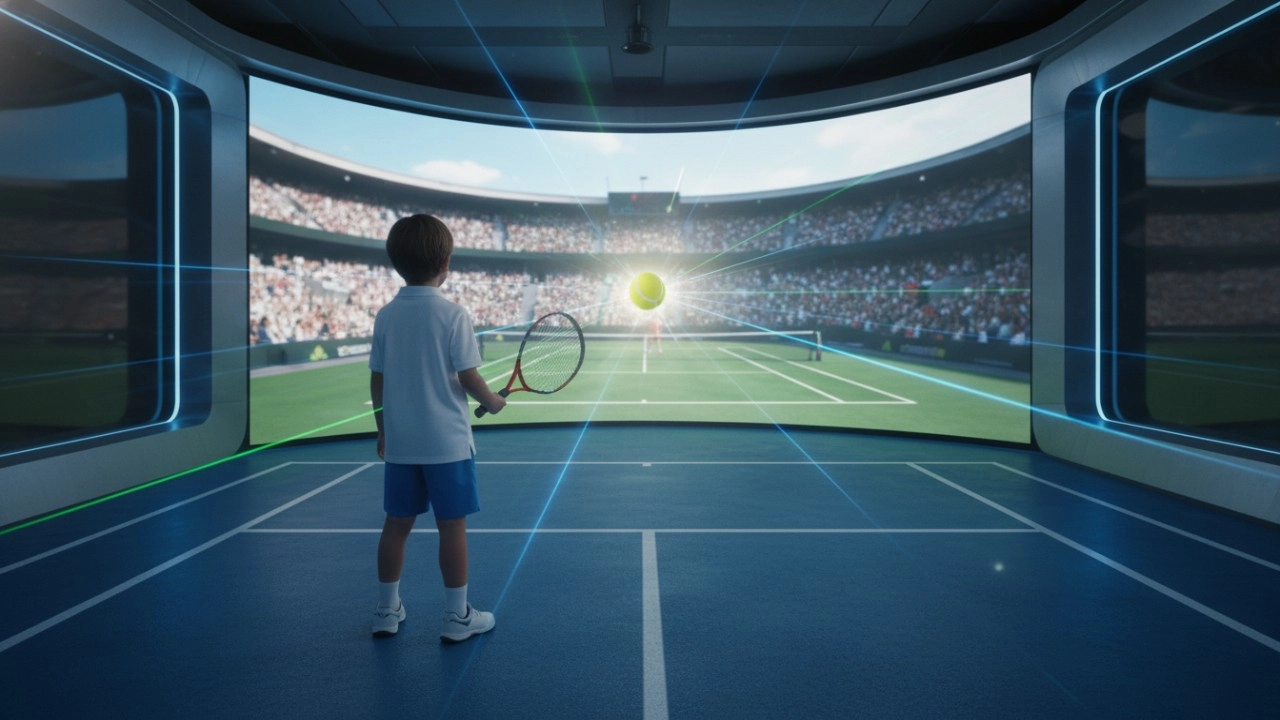
Tennis Simulators in 2026: The Ultimate Guide to Virtual Courts and Advanced Training

Top 15 Dart Machine Manufacturers in 2026
Interactive Rollerball
Why are sports arcades a hot spot for investment?
The traditional entertainment market (e.g., arcade, KTV) has become less attractive to generations, while digital hip playgrounds integrating technology, sports, and socialization are more in line with young people's needs, and the market size has exceeded 50 billion in 2023, with an annual growth rate of more than 30%.
Dart Machines Bar Dart Machines
What are the after-sales services after purchasing the equipment?
Generally, a 1-year warranty is provided. During the warranty period, parts damaged due to quality problems, such as motor failure, display problems, etc., will be repaired or replaced free of charge. There will also be technical support, including equipment installation and debugging guidance, operation training, to ensure the smooth use of the user, after-sales response time is usually within 24 - 48 hours.
What is the difference between purchasing equipment for commercial operations and personal training?
Commercial operations should consider the durability, ease of operation, and attractiveness of the equipment, and it is preferable to choose cool-looking equipment that can withstand high-frequency use.
Golf Simulator
How to attract customers when operating the program in shopping malls?
Create a cool venue decoration style, incorporating trendy elements, such as fluorescent light strips and anime-themed murals. o Launch diversified marketing models such as parent-child packages and couple packages, combined with time-limited promotional activities, such as half-price experience in the first three days of opening, to attract families, couples and other groups to stop and participate in the program. o How to reduce operating costs?
What is the difference between purchasing equipment for commercial operations and personal training?
Commercial operations should consider the durability, ease of operation, and attractiveness of the equipment, and it is preferable to choose cool-looking equipment that can withstand high-frequency use.
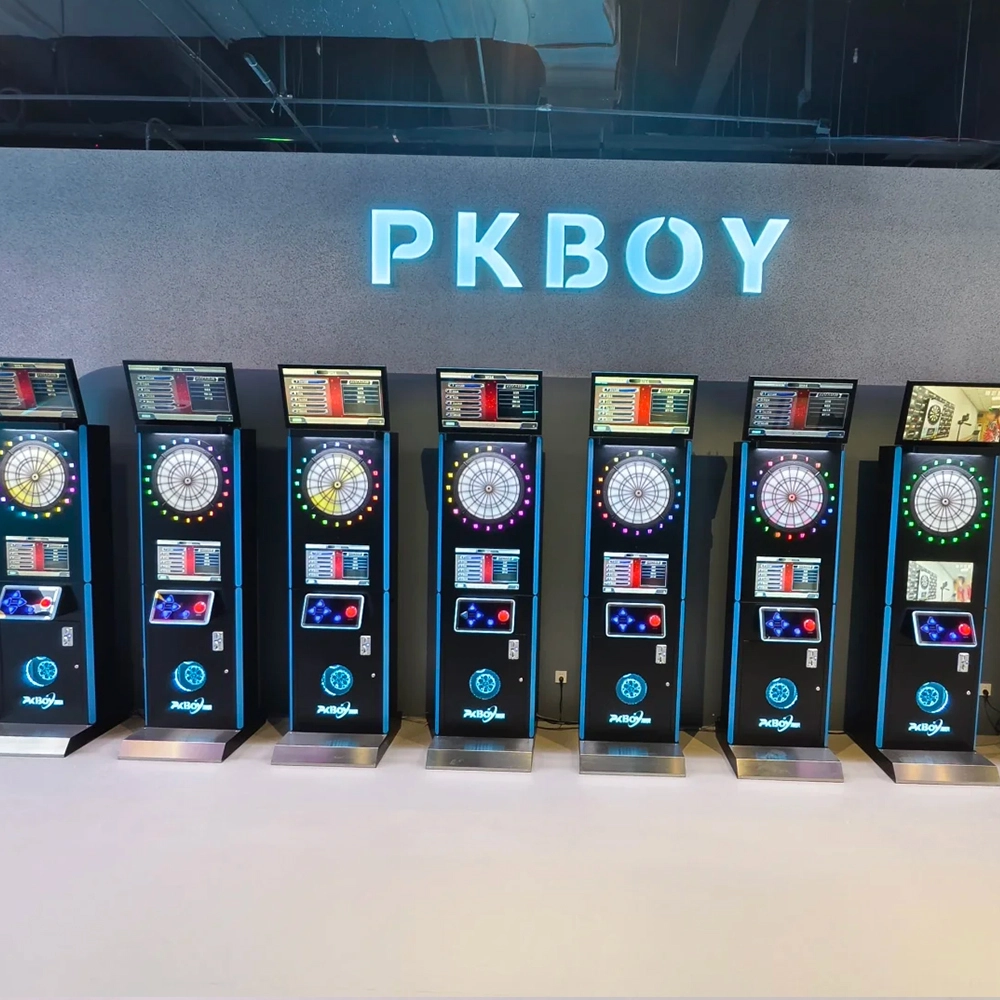
Dart Machines Bar Dart Machines
Joy Power is full of fun and excitement in the playground! The dart machine is suitable for all kinds of places, whether it is a bar, restaurant, KTV, or other entertainment venue, or a sports shop, club, or family leisure space, and can be perfectly adapted. In commercial venues, holding individual and team darts tournaments from time to time can attract more customers and increase the popularity and revenue of the venue, supplemented by various preferential activities, which can directly promote consumption and form a cycle of consumption of all the goods in the shop.
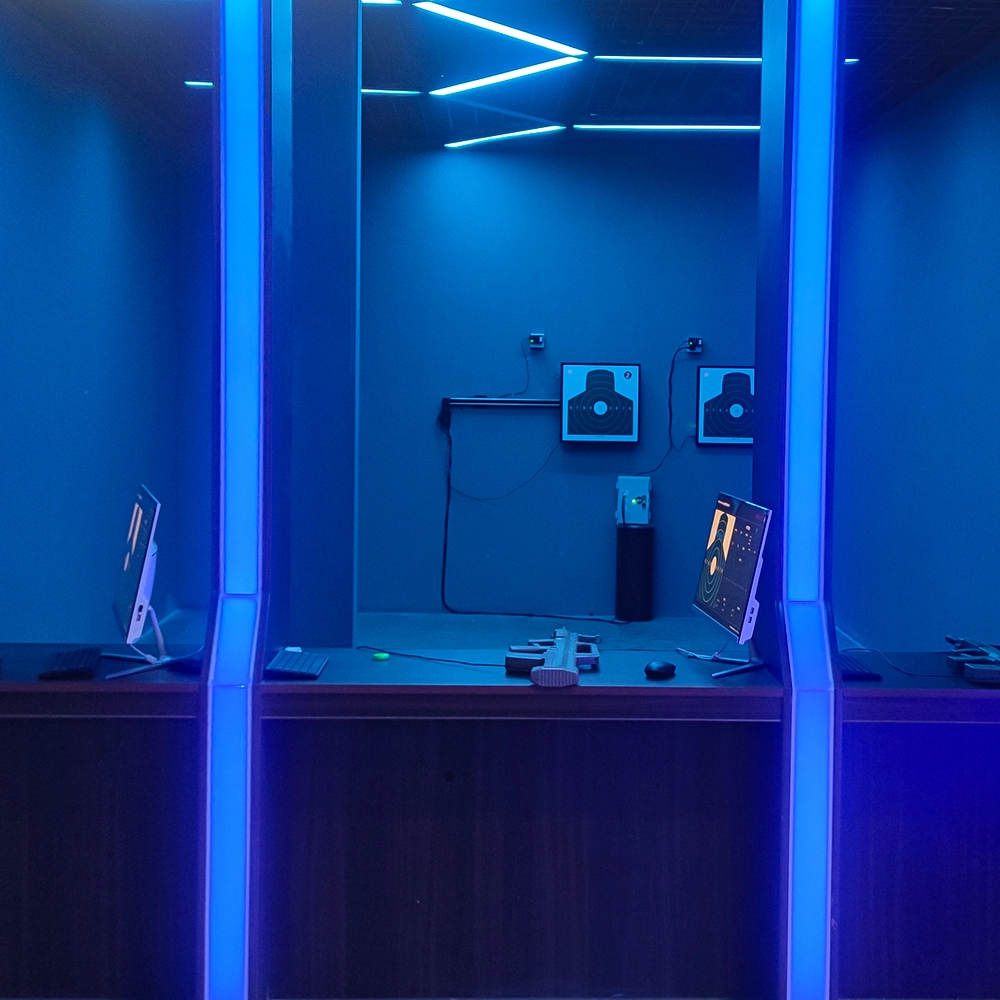
Infrared Shooting
Highly simulated simulation training analysis equipment, with advanced design concepts, fast system development, ease of operation and use, stable technical performance, less consumption of training, site dependence on a small group training is highly interesting, safe, and reliable, and other outstanding features. Product design to solve the basic skills of light weapons precision shooting as a starting point, to improve the safety of shooting training and training efficiency as the fundamental purpose, highlighting the simulation, information technology, and combat training requirements, can be in small indoor and outdoor venues and does not use live ammunition to complete the basic shooting training.
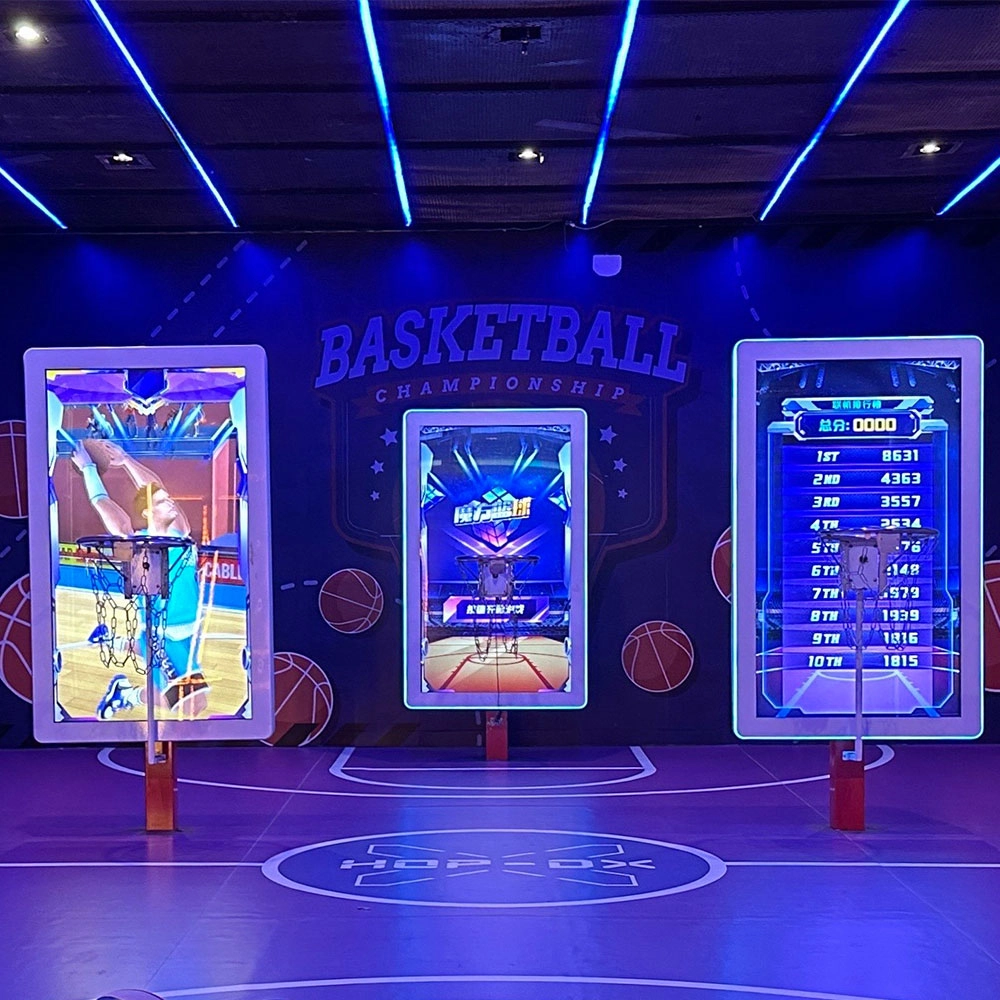
Multi-Player Interactive Shooting Machine
Joy Power is full of fun and exciting playgrounds! The basketball shooting machine is a classic amusement device integrating competition, entertainment, and interactivity. Based on the traditional basketball shooting sport, it integrates electronic scoring, sound and light effects, and challenge mechanisms to bring players an immersive game experience. The main body of the equipment is usually built with a metal frame, equipped with a standard-sized basket and a sturdy rim, with multiple sets of sensors to accurately capture the trajectory of the shot; when the player shoots the ball, the machine's built-in sensors count the score in real time and present the score, remaining time, and challenge goals through the LED display or LCD screen, with exciting sound effects and colorful lights to create a tense and exciting gaming atmosphere.
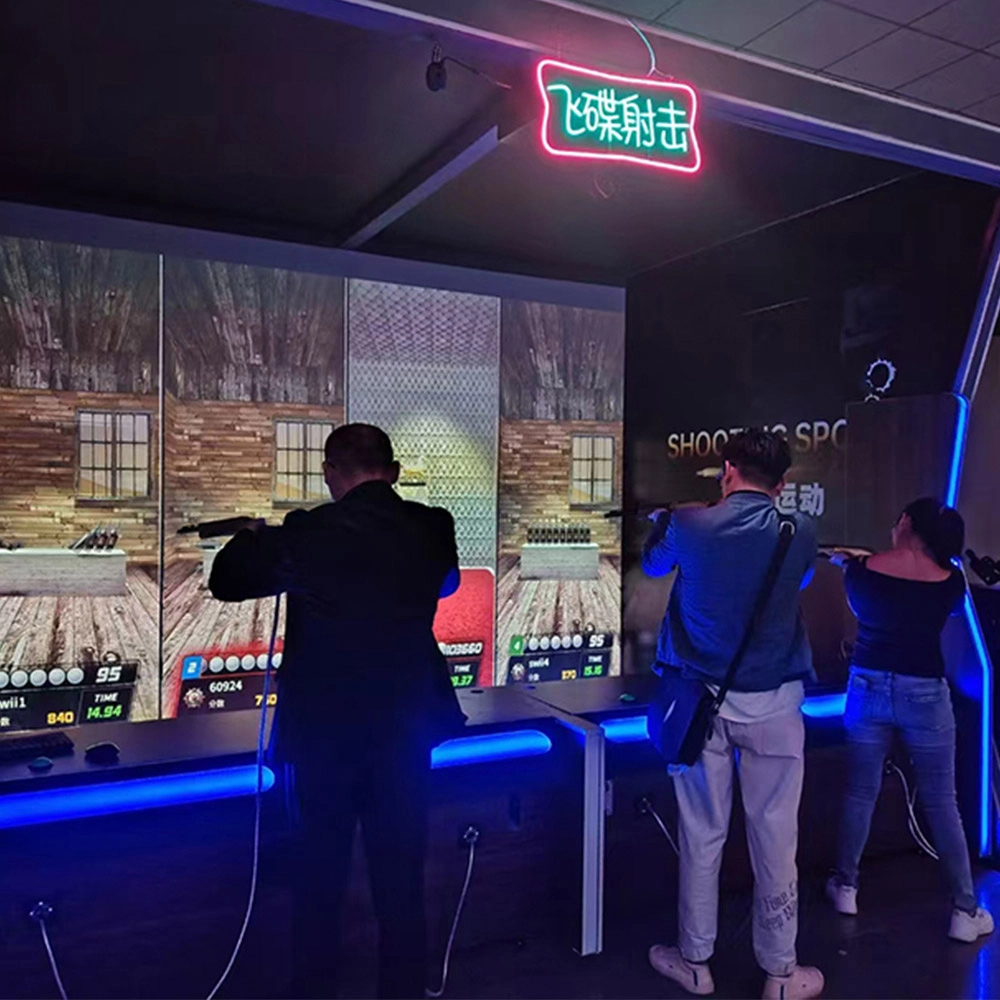
Indoor Wave Play Disc Shooting Equipment
Joy Power is full of fun and exciting playgrounds! The saucer shooting equipment in the indoor hip play hall is an immersive entertainment device integrating high-definition projection scenes, simulated air rifles, and multi-mode interactive gameplay, which allows players to experience the excitement of virtual shooting and the fun of social competition through laser-sensing scoring and multi-sensory feedback.
Ready to take your venue to the next level?
Leave us a message here, and our team will get back to you promptly.
Whether you're interested in custom orders, technical specifications, or partnership opportunities, we're here to assist you.
© 2025 FUNTECH ALL RIGHTS RESERVED

Weixia Lei
Fun_Tech-s
fun_tech20